NexaGPU
NexaGPU
NexaGPU
In the digital economy, downtime is no longer just an operational inconvenience; it is a critical threat to enterprise viability.
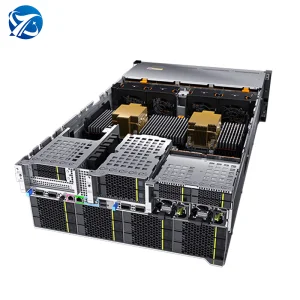
Enterprise high availability starts with strict hardware redundancy. Our configurations feature hot-swappable dual/quad Intel Xeon architectures, active-active power distributions, and multi-path controller layouts designed to absorb unexpected node dropouts seamlessly.
Modern machine learning training runs are highly sensitive to hardware hiccups. High-density GPU configurations (such as DeepSeek optimization frameworks) integrate redundant interconnect links and PCIe 5.0 signal integrity protocols to preserve massive computing pipelines.
Integrating high-reliability storage controller interfaces (like the SAS3908 Array Card) ensures sub-millisecond failover loops. Enterprise RAID 0,1,5,6,10,50,60 configurations ensure data persistence even during catastrophic disk arrays events.
The global demand for computational scale has forced a fundamental shift in server design. Today's HA frameworks are built to mitigate multidimensional risks, including thermal overloading, power spikes, network congestion, and storage degradation.
By shifting focus from reactive troubleshooting to hardware-embedded self-healing protocols, next-gen hardware architectures ensure computing arrays achieve up to 99.9999% localized uptime.
1. Hyperconverged Architectures (HCI): Consolidating computational logic, networking fabric, and software-defined storage into singular modular nodes. This approach minimizes outer-chassis interdependencies.
2. Micro-segmentation of Failures: Implementing localized hardware monitors on motherboards to dynamically power down faulty memory registers or CPU cores without shutting down the hypervisor host.
3. Advanced Liquid Cooling Integration: Modern data centers are shifting from traditional air handling units to direct-to-chip or immersion cooling setups, keeping dense GPU setups running within optimal thermal profiles.
Delivering world-class customized server designs and high-performance clusters to global B2B networks since 2016.
NexaGPU is a specialized high-performance AI GPU server manufacturer focused on robust, tailored hardware solutions. Our infrastructure supports AI startups, large enterprise datacenters, cloud platform providers, and academic research institutions globally.
Operating a highly optimized manufacturing center, we oversee the configuration, component integration, and stability analysis of dense multi-GPU clusters. We manage over 850 ecosystem supply chain partners, ensuring prompt component allocation (CPUs, GPUs, enterprise memory modules, and specialized custom chassis components) even during global component shortages.
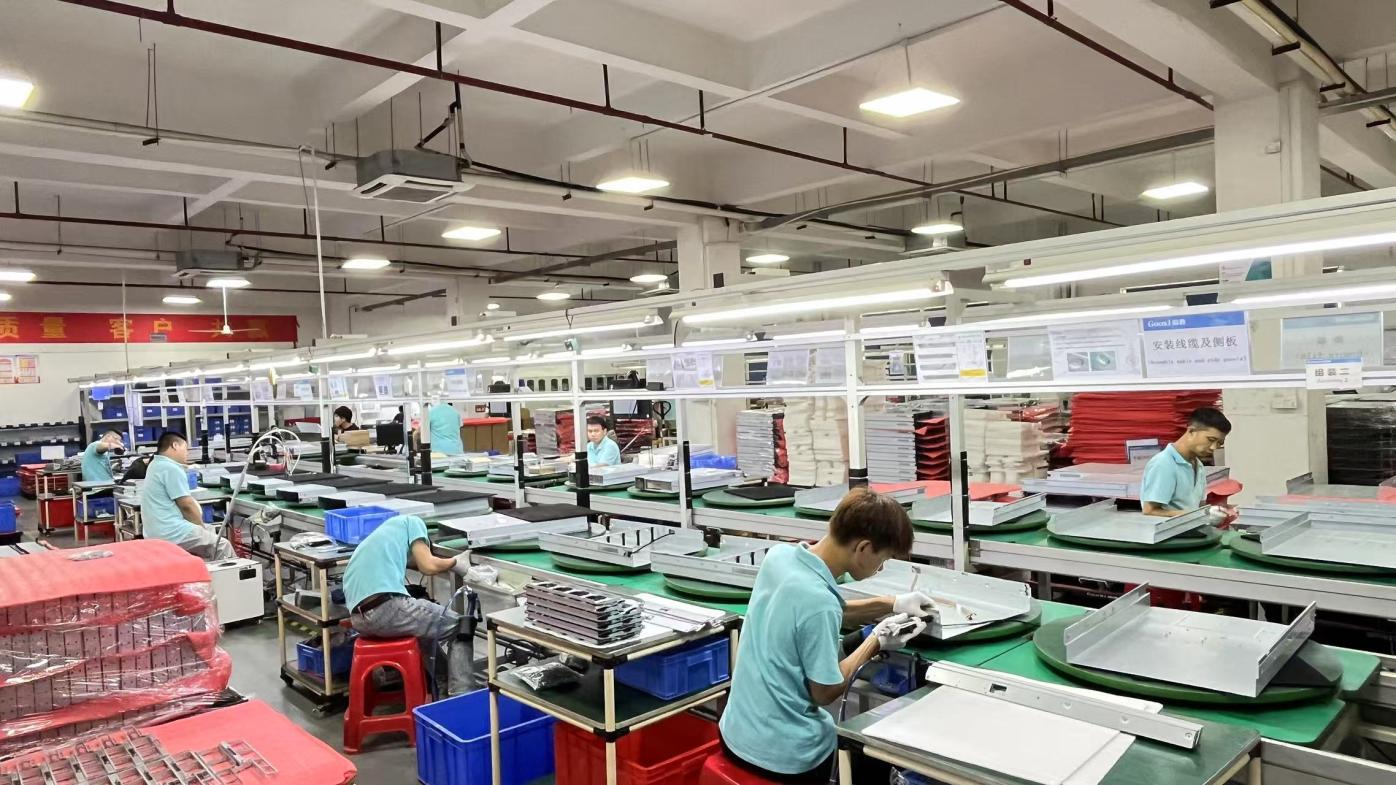
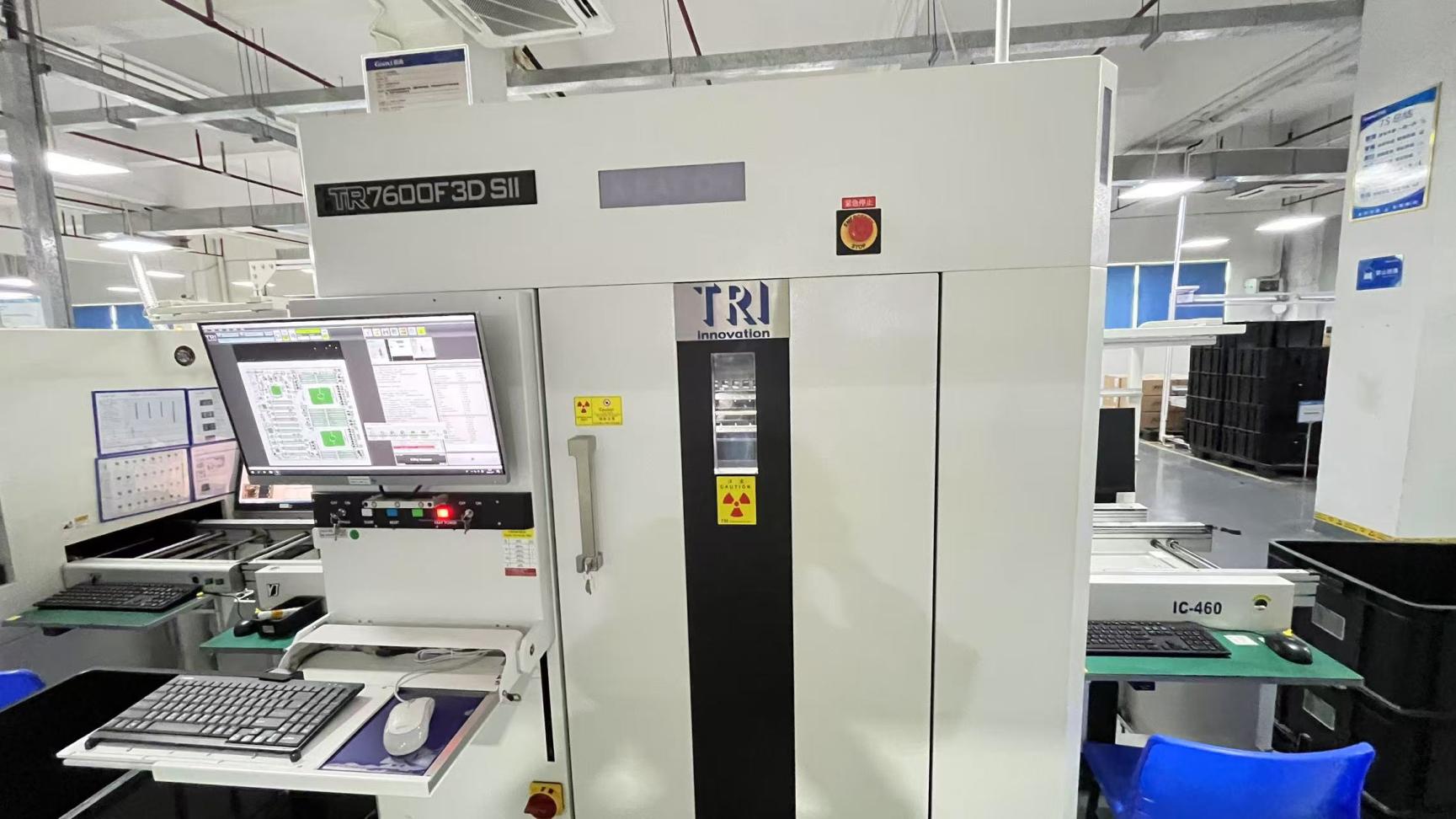
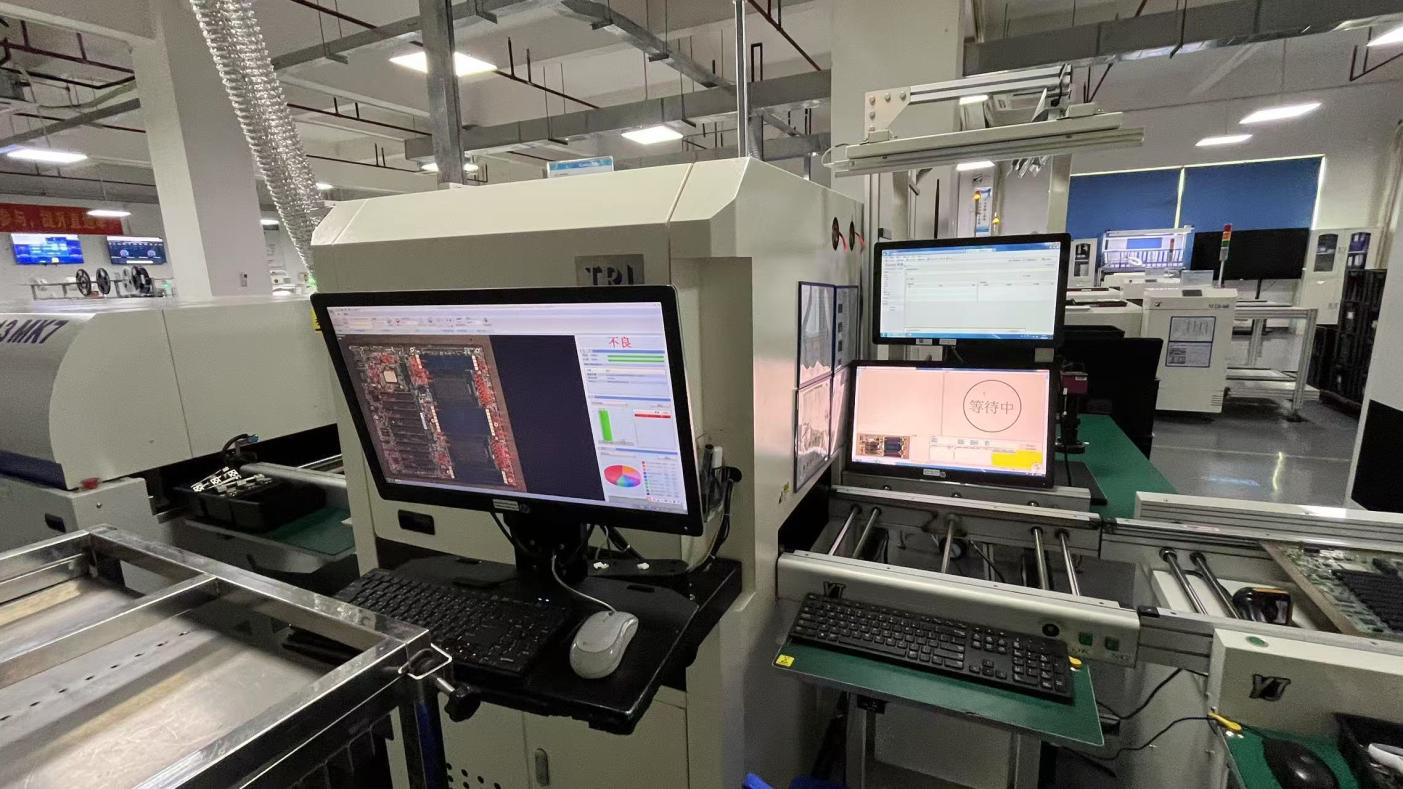
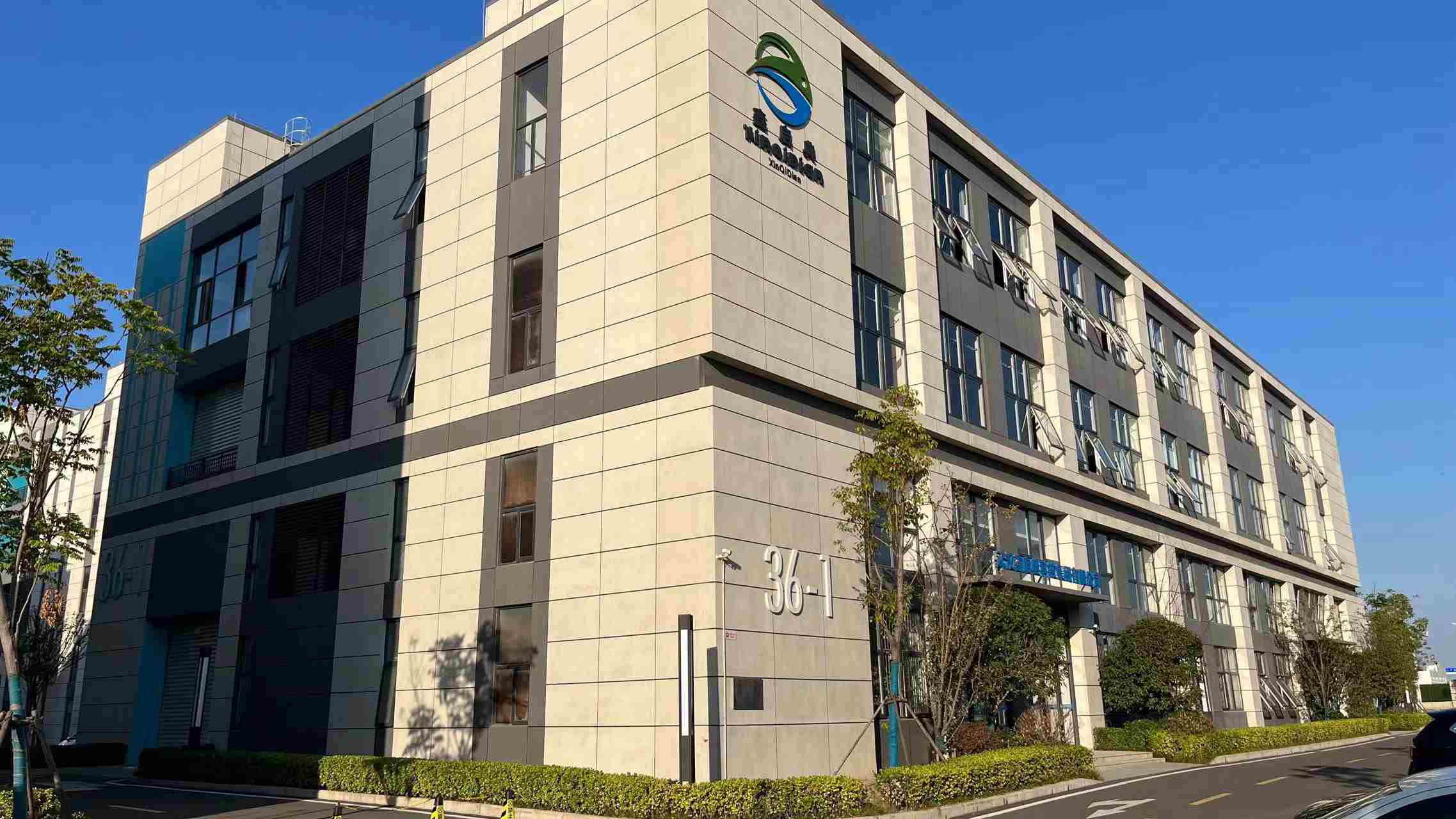
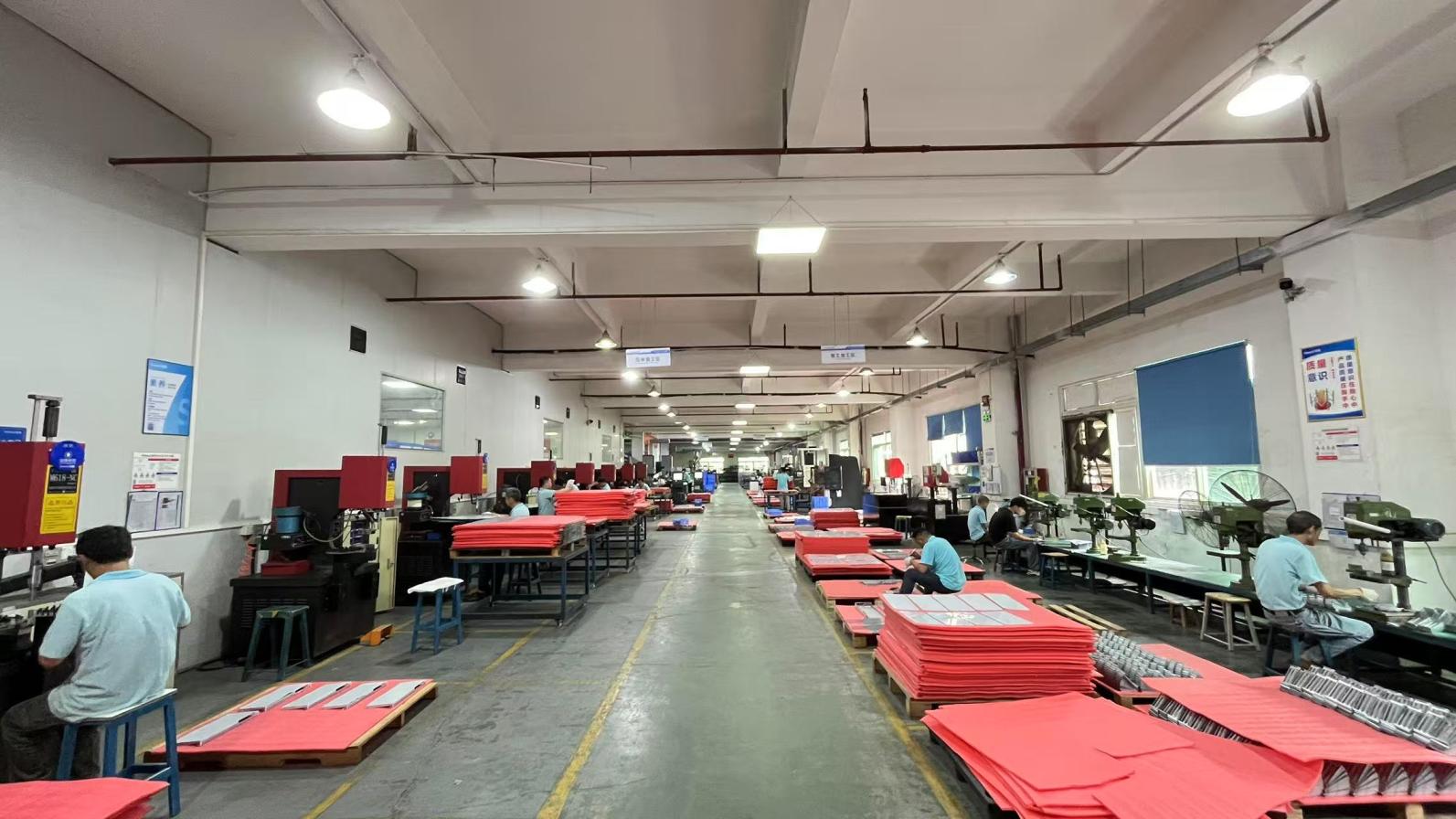
Strategic manufacturing ecosystems that blend immediate component access, strict manufacturing oversight, and custom prototyping speed.
By operating inside China’s primary technological development zones, we secure core electrical sub-assemblies, advanced multilayer PCBs, and chassis components with short turnarounds. This structural advantage reduces B2B production timelines significantly.
Advanced assembly floors utilize robotic SMT mounting, computer-inspected soldering paths, and automated thermal-cycle diagnostic chambers. This reduces manual human error while ensuring each output platform meets exact enterprise telemetry expectations.
Every server platform shipped complies with major international security, emissions, and safety guidelines. With detailed test summaries provided for every batch, our clients deploy hardware ready for local regulatory clearance.
See how global enterprises integrate our hardware systems into real-world operational environments.
Challenge: Multi-week training runs for Large Language Models (LLMs) can crash instantly if any node suffers memory or connection failures.
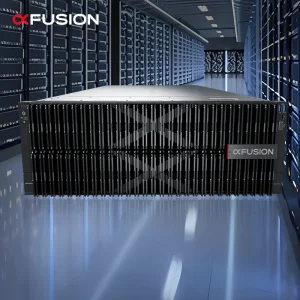
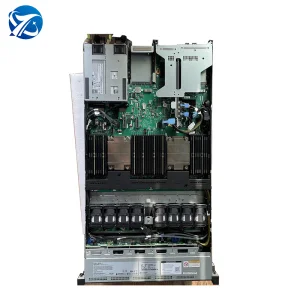
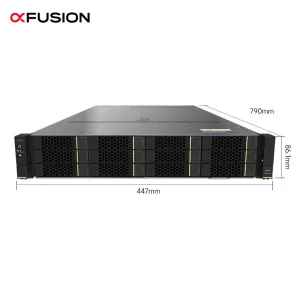
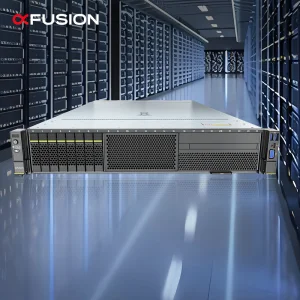
Solution: Implementing server chassis like the xFusion 2488H V7 or 2288H V6 AI servers, backed by active cooling configurations and dual 2000W redundant PSUs, ensures deep learning jobs continue through system transitions.
Challenge: Financial platforms need instant database sync times and cannot tolerate drive controller latency.
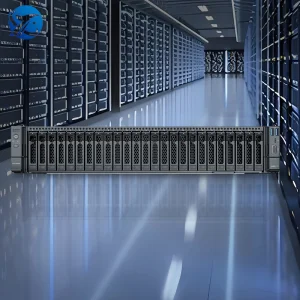
Solution: Utilizing the xFusion 2288H V6 Hyperconverged System loaded with SAS3908 Array Cards and read-intensive SATA PM893 SSDs provides redundant paths, ensuring stable I/O speeds during unexpected disk swaps.
Challenge: Remote telecommunication towers operate with limited onsite maintenance and require optimal thermal performance in small form factors.
Solution: The HPE ProLiant Compute DL360 Gen12 Liquid Cooling server offers high density in a 1U frame, minimizing moving cooling parts and ensuring high reliability in dusty or high-temperature environments.
Get answers to common hardware, configurations, and deployment questions for mission-critical setups.
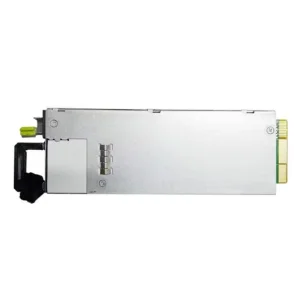
Platinum-certified PSUs (like 900W, 1500W, or 2000W designs) operate at over 94% efficiency under standard loads. Integrating them in a hot-swappable N+1 configuration allows the server to load-balance across power inputs. If one feed or unit fails, the remaining PSU instantly covers the system load, preventing power cuts without rebooting the system.
Enterprise array controller cards (such as the XC470C-M-8i using the SAS3908 chipset) contain dedicated onboard cache memory (e.g., 4GB) and battery backup modules. They process parity calculations independently of the system host CPU, maintaining write-back operations and allowing hot-plug replacements of failed drives without corrupting active file systems.
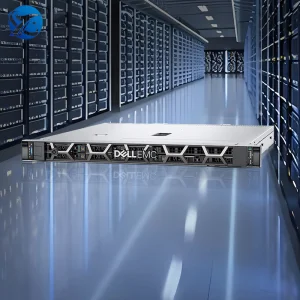
Modern high-density platforms like the DL360 Gen12 deploy multi-core CPUs and power-dense GPU layers that generate heat beyond the limits of traditional air fans. Liquid cooling transfers heat away from critical points faster than air. This prevents thermal throttling, ensures consistent high performance, and extends the lifetime of server silicon components.
We provide full customization, including CPU SKU options (such as Intel Xeon Scalable processors), memory layouts (various DDR5 configurations), custom storage arrays (blending read-intensive PM893 drives with high-speed NVMe drives), specific PCIe riser setups, and rack-level liquid cooling loops tailored to your data center infrastructure.