NexaGPU
NexaGPU
NexaGPU
Explore our core collection of host bus adapters, RAID controller cards, and hard drives designed for mission-critical computing nodes and low-latency storage arrays.
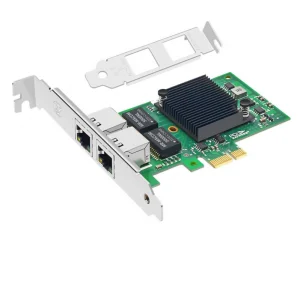
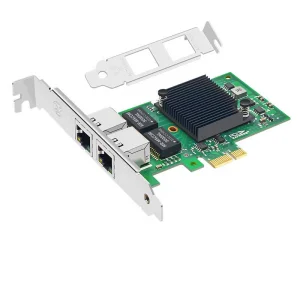
The global digital transformation, fueled by the exponential growth of artificial intelligence, high-performance computing (HPC), and 5G networking, has fundamentally restructured the server accessories market. The industry has evolved from standard off-the-shelf component distribution to highly specialized, custom-engineered hardware matrices. Today, global data centers demand accessories capable of navigating strict heat, electrical, and bus-speed limitations.
For procurement officers, hardware architects, and system integrators, selecting a reliable manufacturer is no longer simply about bulk ordering. It requires deep collaboration on hardware-level validation, firmware customization, and supply chain continuity. As PCIe technology transitions to Gen 5.0 and Gen 6.0, accessories such as host bus adapters (HBAs), SAS/SATA RAID controllers, and optical interconnects must maintain signal integrity across long backplane traces under extreme thermal stress.
Exporters of hardware equipment bridge the critical gap between raw semiconductor manufacturing and hyper-scale deployments. Companies like NexaGPU design, assemble, and validate high-density component arrays that meet strict global regulatory and compliance frameworks. With deep industry knowledge, NexaGPU provides the physical backbones for systems running mission-critical enterprise workloads globally.
Modern system architectures rely heavily on the efficiency of data flow between storage nodes and processing units. Standard storage accessories have transitioned to smart, dedicated silicon that offloads processing from the central CPU. This ensures maximum efficiency and protects against data corruption during unexpected system power downs.
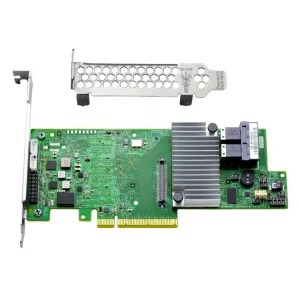
Equipped with LSI SAS3908 and SAS3808 architectures, enterprise-grade RAID controllers (like the 9560-16i and 9540-8i) deliver dedicated hardware logic for array validation, parity computations, and disk failover sequences. With integrated write-back cache capacities ranging from 4GB to 8GB, these cards absorb burst write IOPS and dramatically reduce write latency.
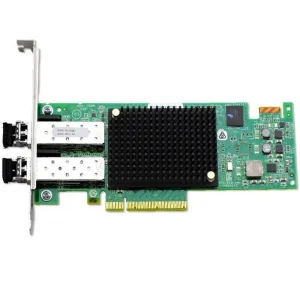
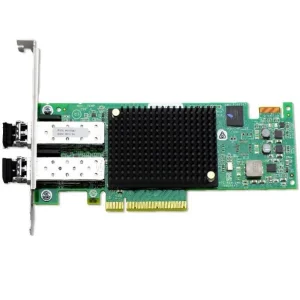
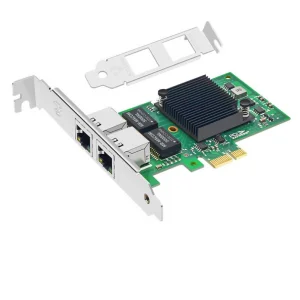
In modern Storage Area Networks (SANs), physical copper cabling hits distance and interference limits. High-speed Host Bus Adapters (HBAs), such as the Emulex LPe35002-M2, leverage 32GFC Fibre Channel technology. Using short-wave SFP28+ transceivers, they convert electrical signals to light pulses, enabling zero-packet-loss transfers over optical channels.
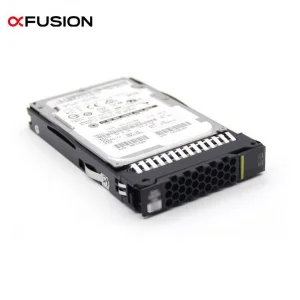
To balance capacity and speed, enterprise storage arrays combine high-speed read/write hybrid NVMe PCIe SSDs (such as the EP600 Series) with high-density Enterprise SAS HDDs. This tiering allows hot data to live on ultra-low-latency flash cells while cold archival backups reside on reliable SAS/SATA drives.
NexaGPU is a professional AI GPU server manufacturer and supplier specializing in high-performance computing infrastructure, GPU clusters, and customized AI server solutions for global enterprises, data centers, and AI development companies.
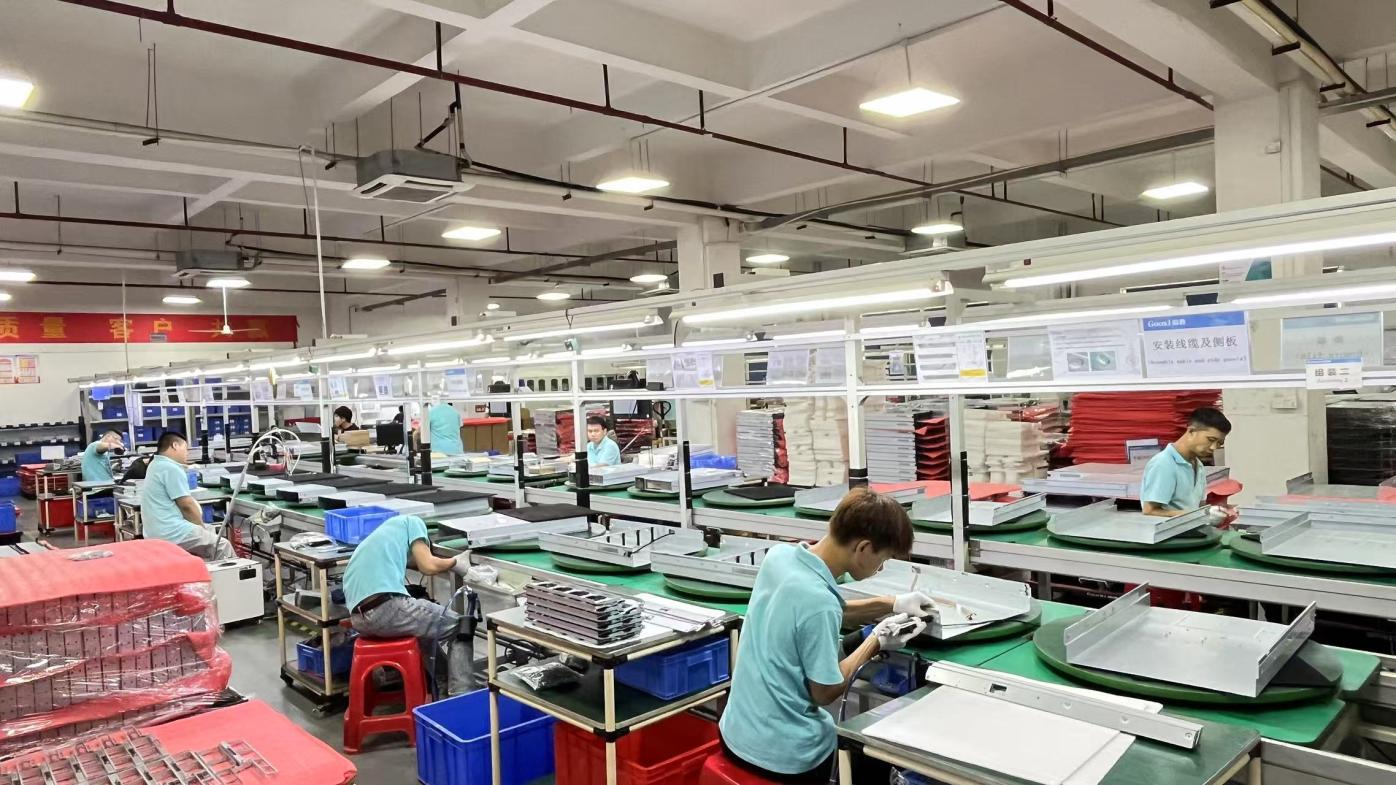
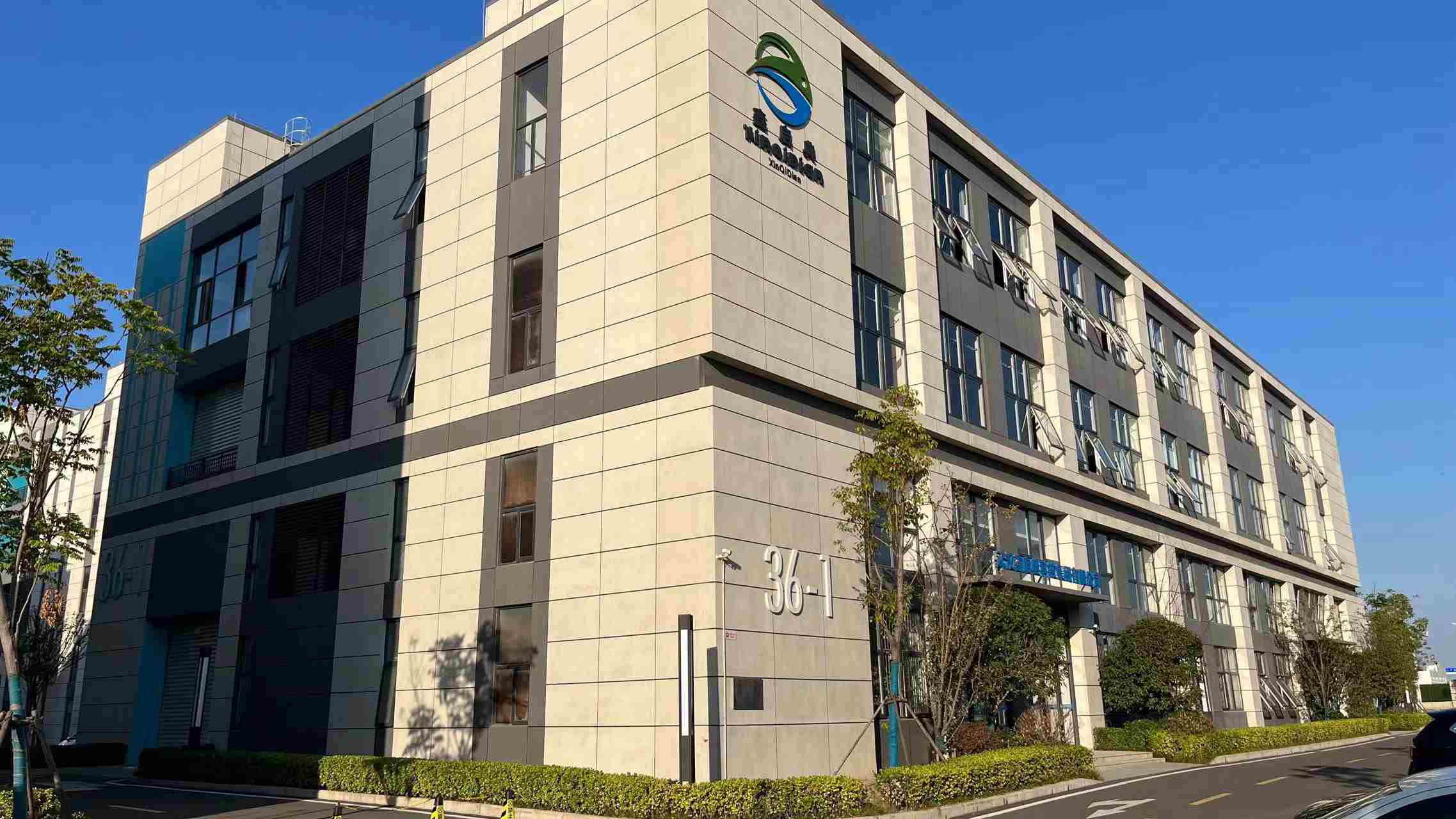
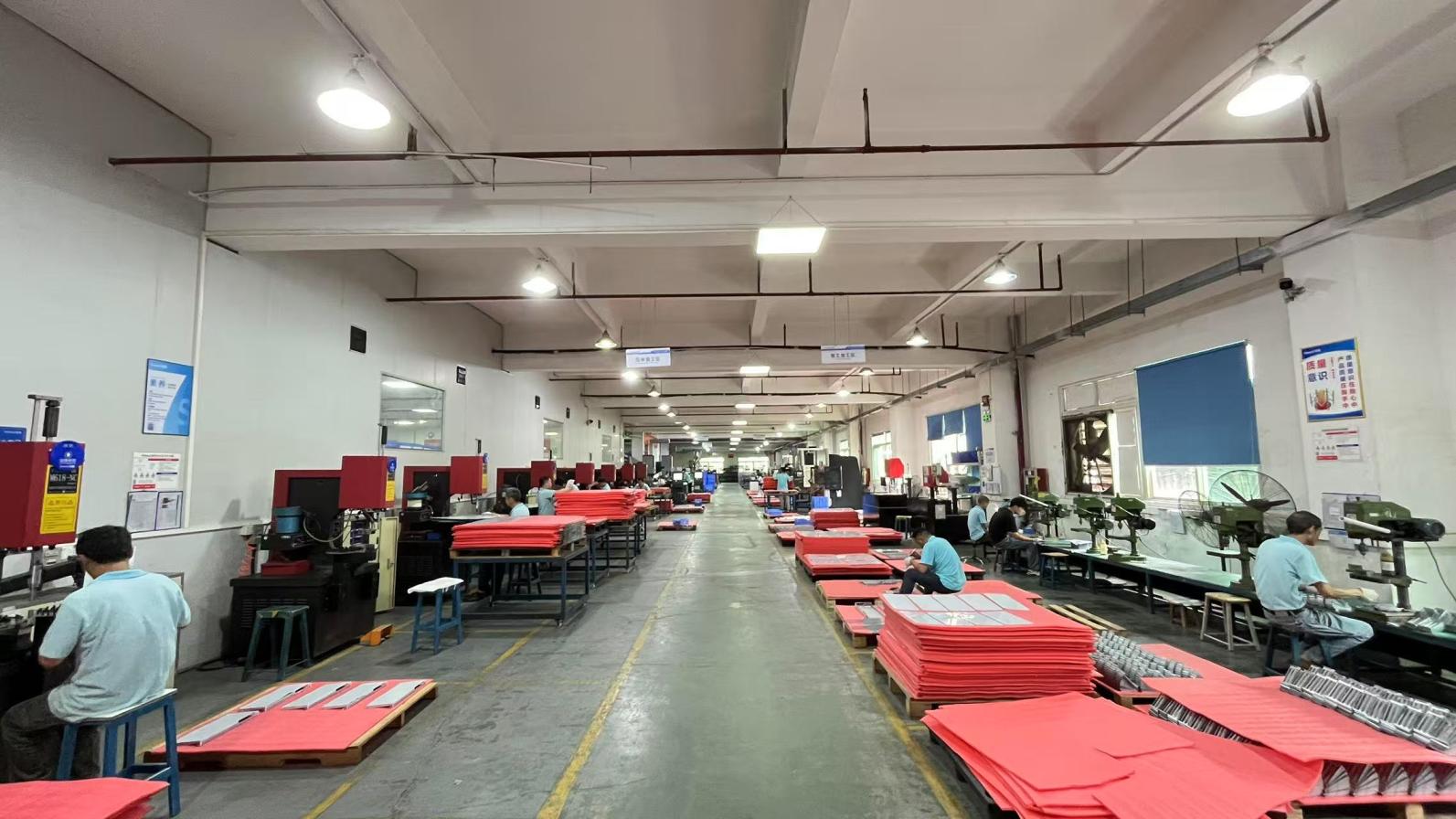
Established in 2016, NexaGPU has rapidly grown into a trusted provider of advanced GPU computing systems. The company operates a modern manufacturing facility with a building area of approximately 320㎡, supporting efficient production, assembly, and testing of AI server systems.
Through continuous innovation, custom engineering, and strict validation, NexaGPU delivers stable, high-performance physical server solutions to global organizations scaling their machine learning models and enterprise databases.
The server accessories market is on the verge of a major technological shift. Driven by high-intensity AI workloads and massive data sets, hardware components must transition to support higher bandwidth, lower latency, and better power efficiency. Below are the key technological advancements shaping our engineering roadmap:
As CPU core counts grow, standard PCIe Gen 4.0 lanes (with a 16GT/s transfer rate) are becoming system bottlenecks. Transitioning to PCIe Gen 5.0 doubles the bandwidth to 32GT/s, and PCIe Gen 6.0 doubles it again to 64GT/s using PAM4 signaling. NexaGPU’s future component designs target PCIe Gen 5.0 native negotiation lanes for all RAID controller cards and Fibre Channel HBAs, eliminating latency bottlenecks between storage pools and accelerator complexes.
Compute Express Link (CXL) introduces memory pooling and device coherency over the physical PCIe bus. In future datacenters, CXL-compliant accessories will allow CPUs and GPU accelerators to share memory pools dynamically, reducing latency and data duplication. Our R&D division is actively designing system architectures that leverage CXL memory expanders to increase hardware efficiency.
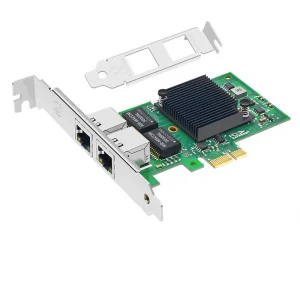
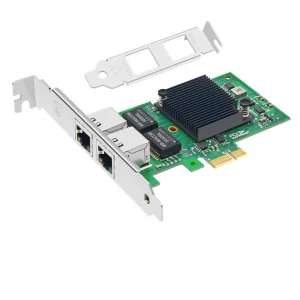
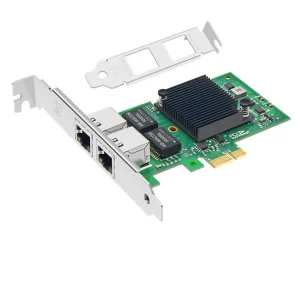
As component density rises, standard air cooling is reaching its physical limits. Next-generation server enclosures are adopting direct-to-chip liquid cooling and immersion setups. The accessories of the future, including SAS/SATA RAID array controllers, high-speed networking adapters, and SAS hard drive brackets, must be engineered to resist coolant corrosion and operate reliably in high-humidity immersion tanks.
Hardware-level attacks are a major threat to secure data centers. Modern accessories must include secure boot capabilities, cryptographic signature validation for all firmware updates, and physical Root-of-Trust (RoT) modules. This prevents malicious code from running directly on the storage controller or host bus adapter, protecting systems from the ground up.
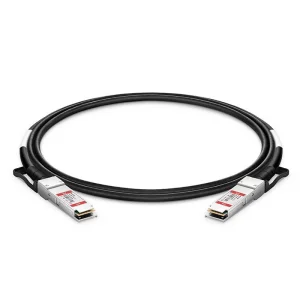
Explore our collection of high-density processing units, modular power systems, high-speed direct-attach cabling, and solid-state storage solutions.
Data center accessories must be selected based on the specific requirements of the local application scenario. Enterprise hardware installations generally fall into one of four macro-industry solutions:
To train Large Language Models (LLMs) and process complex inference pipelines, systems require multi-GPU setups. These configurations rely on high-frequency processors, high-performance power supplies (such as our Platinum 1500W and 2000W models), and fast storage interfaces like the EP600 PCIe NVMe SSDs to feed training datasets without interrupting GPU compute cycles.
For banking transactions and high-frequency trading platforms, data integrity and low latency are critical. Using Emulex Dual Port 32G FC HBA cards alongside 9560-16i array cards provides redundant pathways to flash arrays. This guarantees continuous uptime and zero-packet loss during peak market trading hours.
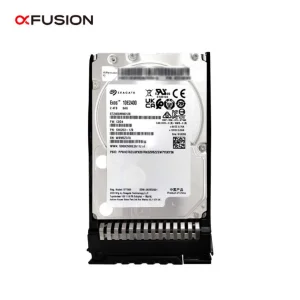
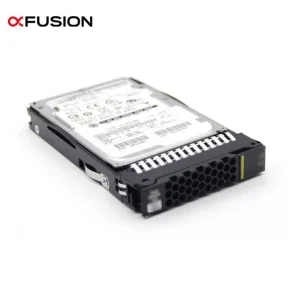
Hyperscalers rely on high-capacity SAS hard disks (such as our 4TB to 12TB drives) and SATA arrays to manage storage efficiency. These setups use SAS3808 Boot Cards for system loading, keeping the main high-capacity drive bays available for user data and virtual machines.
NexaGPU combines professional engineering with strict manufacturing standards. Over 11 years of experience in high-performance computing enables us to deliver systems built for continuous 24/7/365 enterprise operation.
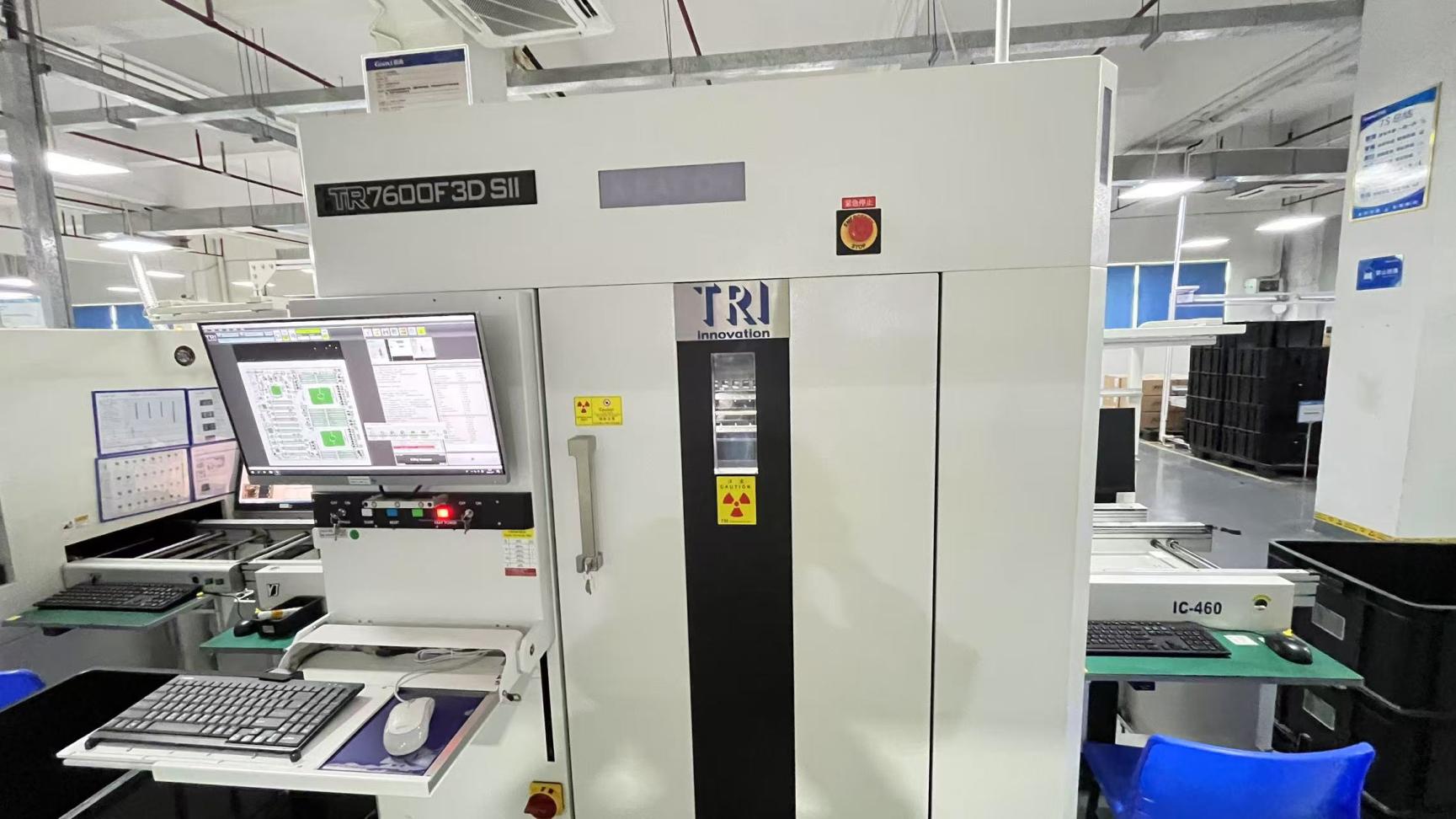
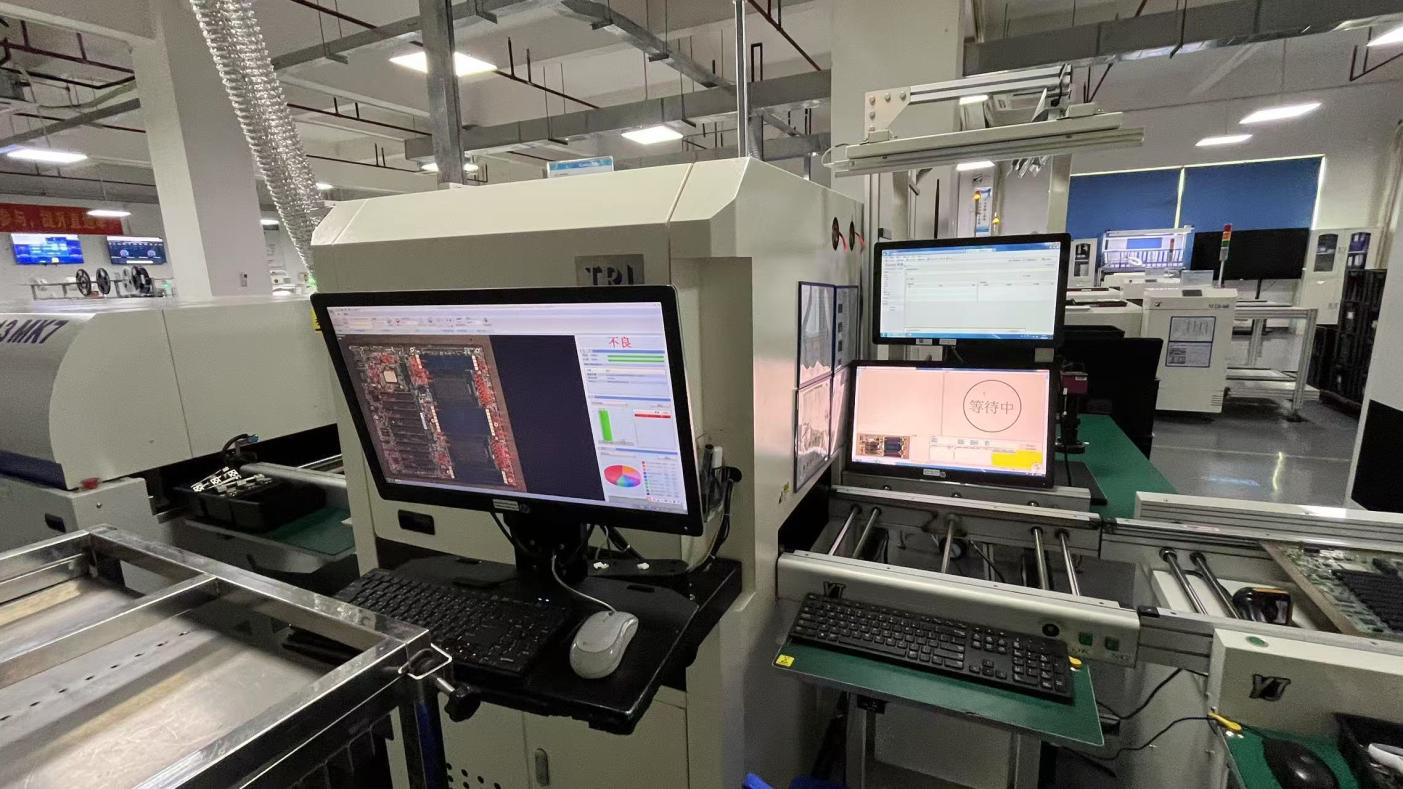
To ensure strict product quality, NexaGPU implements comprehensive multi-stage inspection processes, including hardware stress testing, thermal performance testing, and system stability validation. The company employs a dedicated quality assurance team of 45 QC specialists to maintain consistent product reliability.
Our trade operations are designed for global efficiency. NexaGPU maintains B2B technology supply chains with key markets including North America, Europe, Southeast Asia, and the Middle East. The company works closely with over 850 supply chain partners, including GPU chip suppliers, motherboard manufacturers, server chassis factories, and cooling system providers.
Additionally, NexaGPU's R&D capability is supported by a team of 120 R&D engineers focused on GPU architecture optimization, AI server design, and liquid cooling technology. The company offers extensive customization options including GPU configuration, CPU selection, memory expansion, storage architecture, and liquid cooling systems.
In the past year, NexaGPU successfully launched 85 new product models, covering AI training servers, inference servers, and high-density GPU computing clusters.
Get answers to common technical, procurement, and deployment questions about enterprise server accessories.