NexaGPU
NexaGPU
NexaGPU
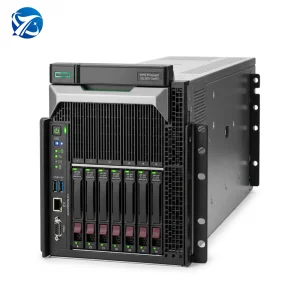
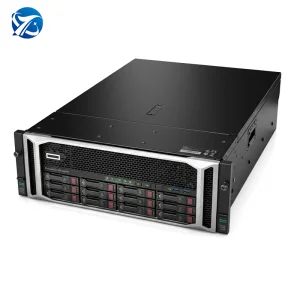
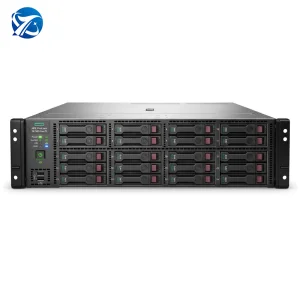
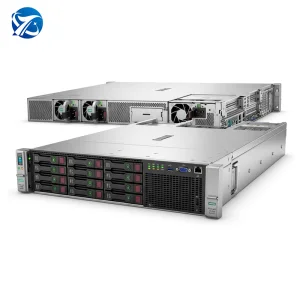
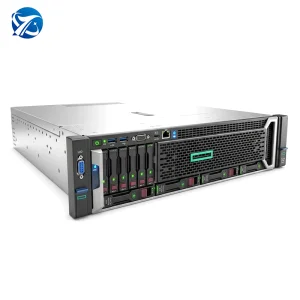
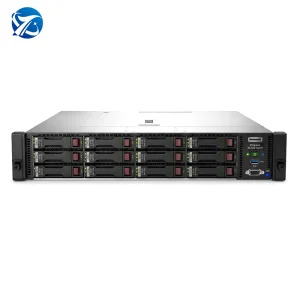
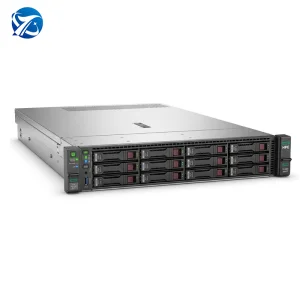
In the era of hyper-scale computing, data sovereignty, and intensive deep learning models, enterprise computing has shifted from legacy on-premise hardware configurations toward robust, hybrid architectures. As global data workloads scale exponentially, HPE ProLiant Gen11 and Gen12 architectures represent the gold standard in modular reliability, high-throughput memory channels, and enterprise-grade hardware root of trust.
Modern processing units like the Intel Xeon Scalable family and advanced AMD EPYC platforms are crossing thermal design envelopes of over 350W per socket. This demands structural customization. Traditional 1U or 2U compute configurations require precise airflow baffle design and, increasingly, liquid loop cooling conversions. High-density edge computing and massive neural network inferences are driving B2B procurement professionals to request hardware customizations featuring hybrid storage planes (EDSFF E3.S, PCIe Gen5 NVMe) to eliminate performance bottlenecks.
Security is no longer a localized concern; it is a global compliance mandate. The integration of silicon-level anchor security protocols in HPE systems (such as the HPE Integrated Lights-Out (iLO 6) ASIC) ensures that firmware cannot be compromised during the international transit supply chain. For global enterprises deploying to North America, Europe, and the Middle East, this immutable assurance reduces audit complexity and optimizes long-term total cost of ownership (TCO).
Strategic Insight: The transition to DDR5 memory architectures and PCIe Gen5 interfaces doubles the memory bus speed and peripheral throughput compared to Gen10 configurations. Our engineering processes focus on customizing these dynamic configurations to ensure zero CPU throttling under full load conditions.
Managing global IT supply chains requires balancing custom configurations, hardware validation, and reliable logistics. As enterprise infrastructure specialists, NexaGPU addresses these challenges by offering customized AI server integration alongside robust international shipping capabilities.
Operating within a highly connected ecosystem of over 850 supply chain partners, NexaGPU coordinates components from top-tier silicon developers, chassis factories, and advanced liquid cooling producers. This solid commercial framework ensures steady component access, bypassing global semiconductor bottlenecks. Backed by 11 years of industry experience and 6 years of export expertise, our teams manage B2B integration processes across borders.
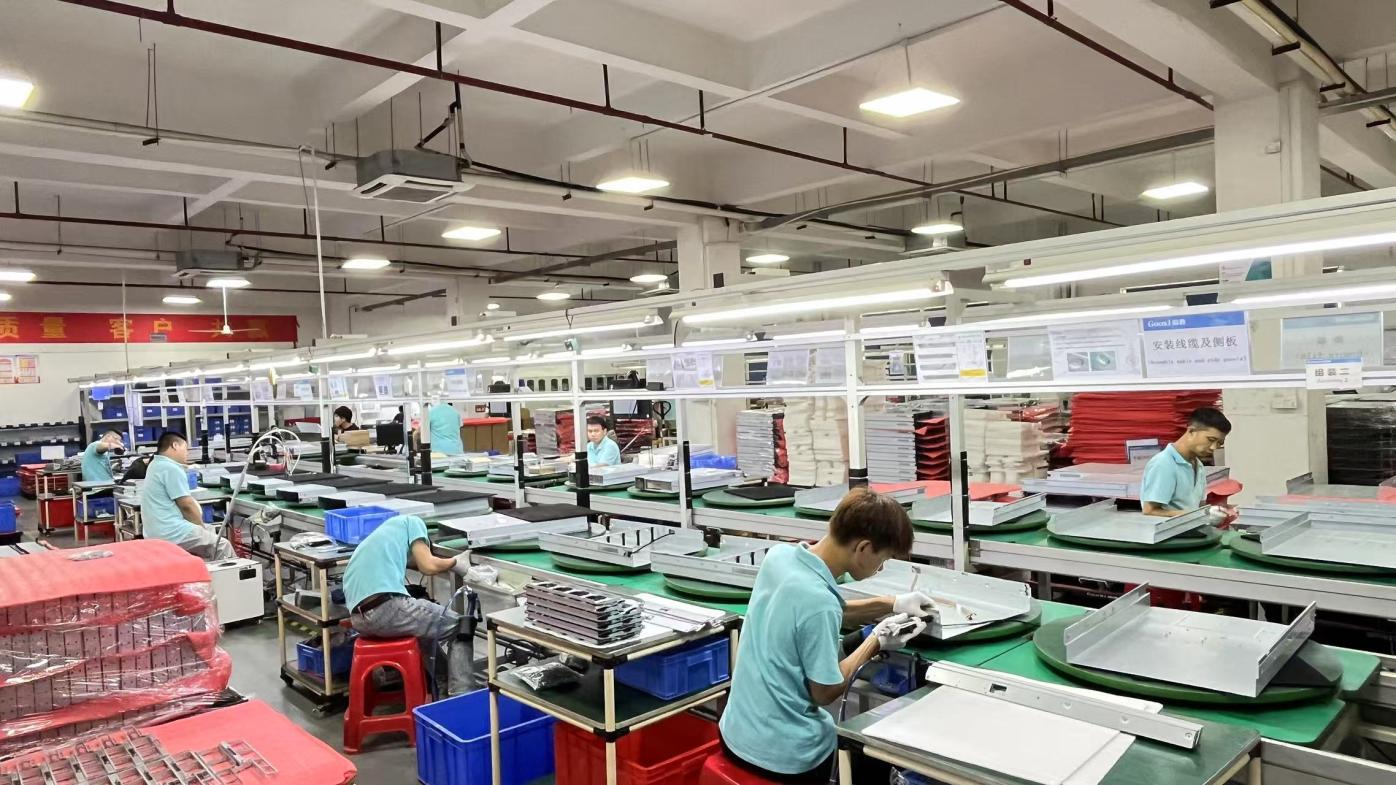
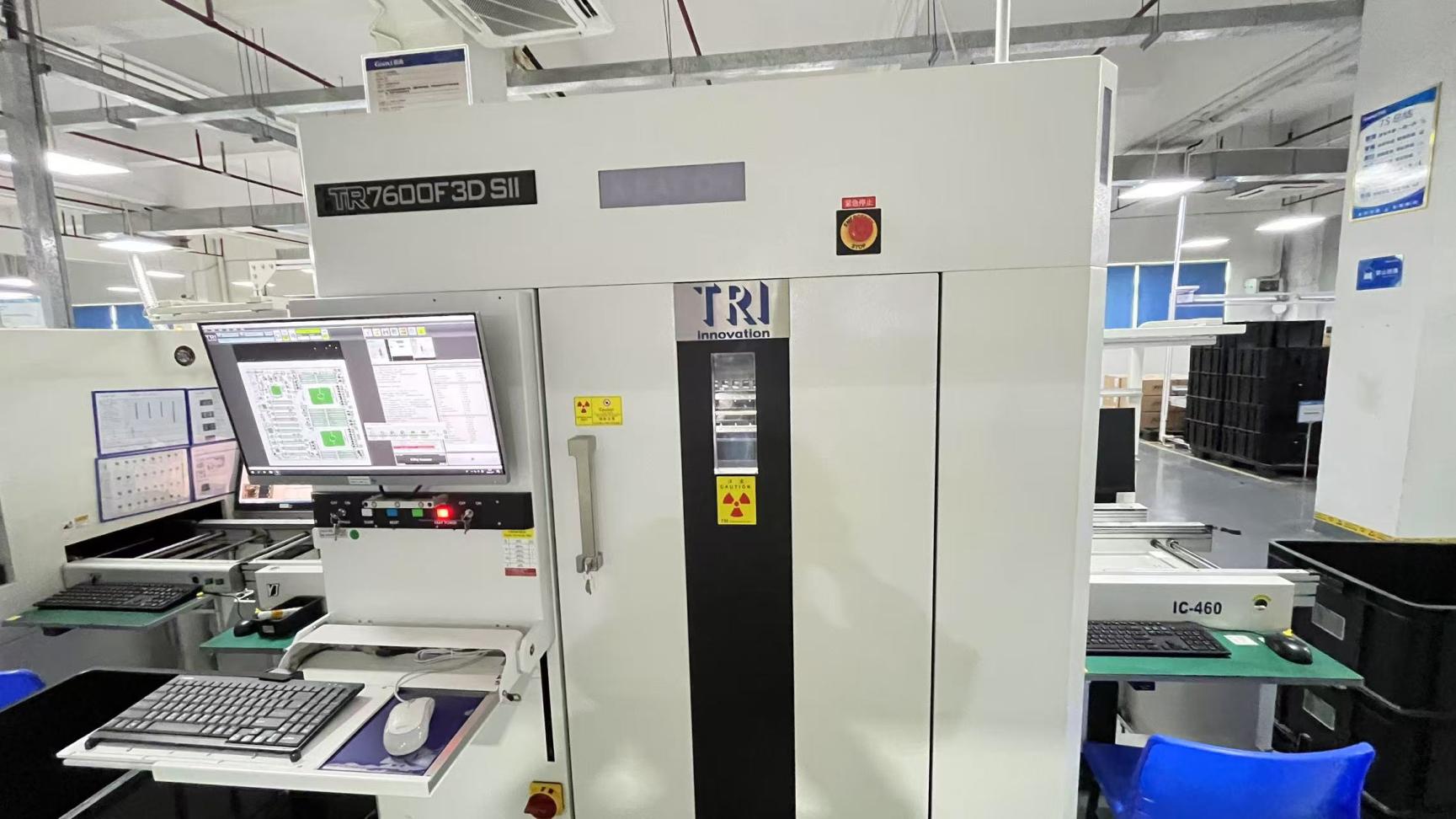
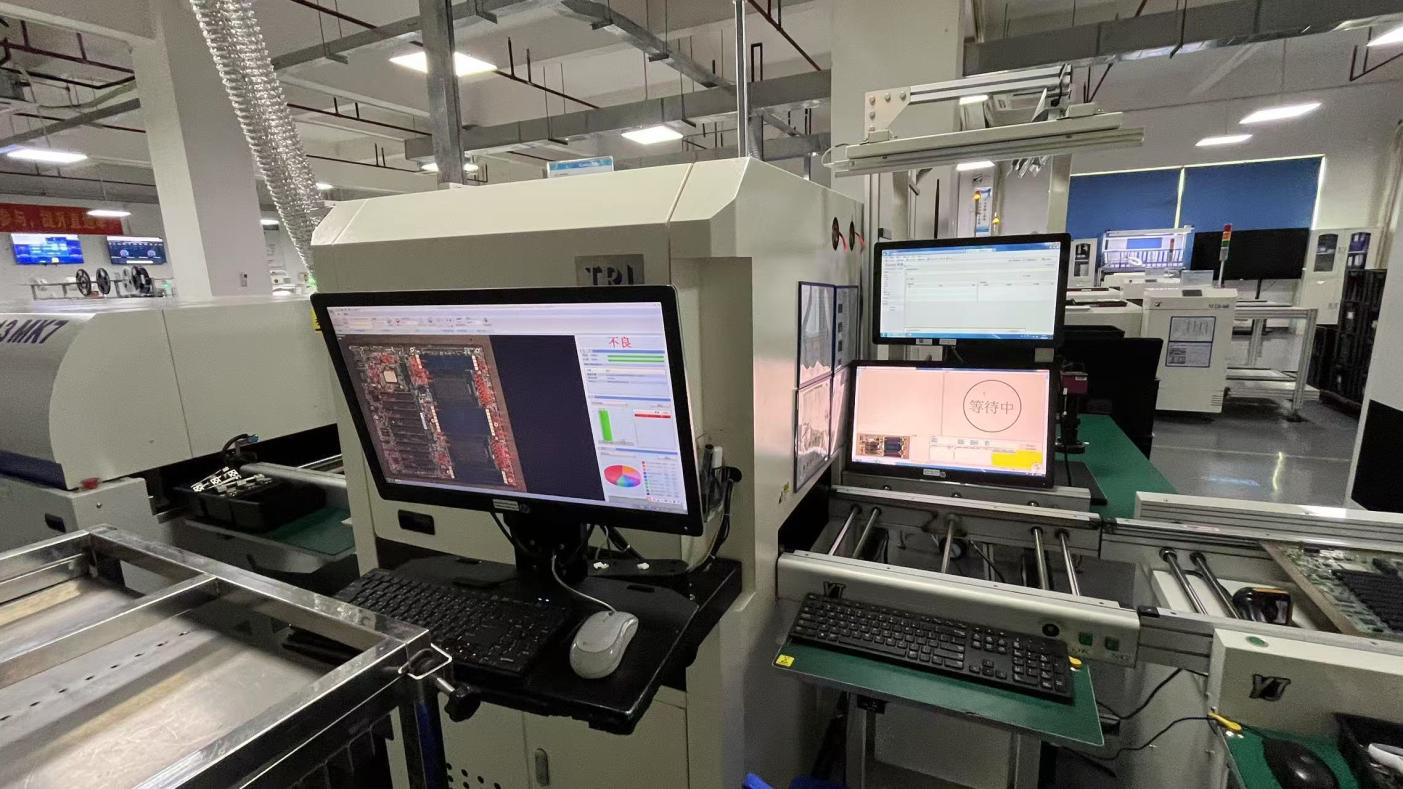
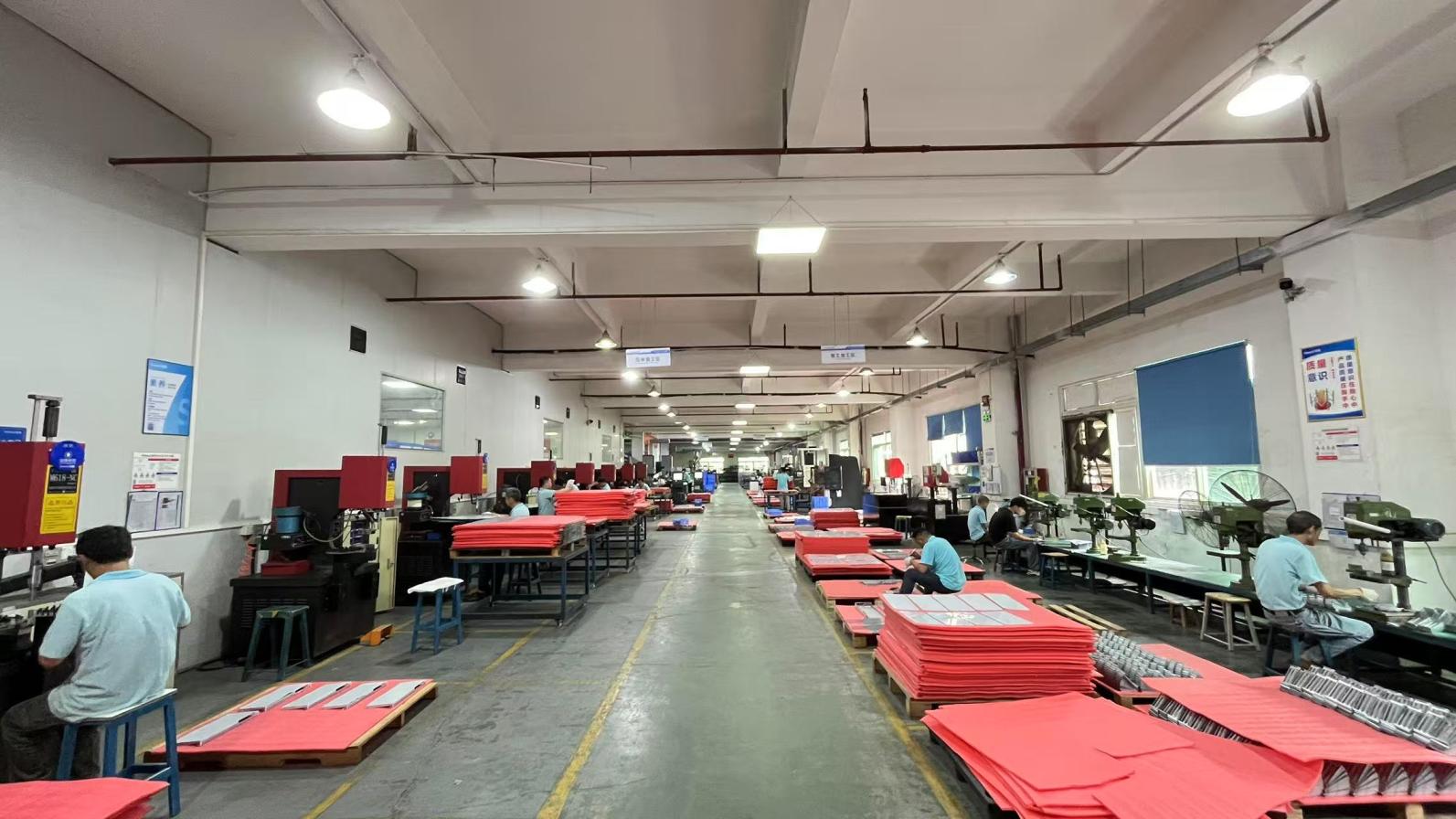
At our customized testing facility, featuring a 320㎡ specialized assembly and stress-testing lab, we subject every custom-configured server to simulated data center environments. With 45 dedicated Quality Control (QC) specialists tracking multi-stage inspections, we verify memory signal integrity, thermal dissipation, and redundant power supplies. This thorough testing guarantees that every system arrives fully optimized for immediate installation.
Generic configurations rarely meet the requirements of modern AI models and hyper-converged databases. NexaGPU's R&D division, comprising 120 specialized R&D engineers, works directly with enterprise clients to design tailored server systems.
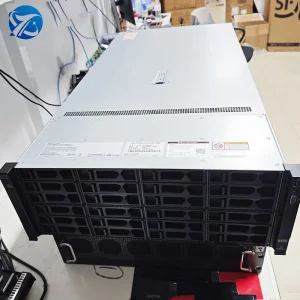
We customize PCIe layout configurations, configuring systems for multi-GPU arrays (up to 8 high-density GPU accelerators in 8U platforms or slim 3GPU modules in 1U setups). Storage designs are structured to optimize data input/output rates, integrating mixed-use SAS/SATA/NVMe configurations or high-density EDSFF drives to keep pace with deep learning models.
With modern processors generating significant heat, traditional air-cooling limits performance. Our engineering teams convert high-power systems to direct-to-chip liquid cooling setups. This allows servers like the DL360 Gen12 to sustain maximum computational load without thermal throttling, while also reducing facility cooling costs.
Demonstrating our commitment to R&D capability, our teams designed and delivered 85 new product models over the past year. This portfolio spans AI training platforms, optimized inference units, and high-density GPU storage nodes, keeping pace with shifts in the compute landscape.
Computing power delivers the greatest value when optimized for specific workloads. Enterprise servers serve as the structural backbone for crucial applications worldwide.
Building and running models like DeepSeek, LLaMA, and proprietary LLMs requires high-bandwidth memory access and low-latency storage. By utilizing optimized GPU clusters and specialized Xeon compute nodes, our architectures enable rapid data processing during training and support low-latency inference setups in production environments.
For cloud service providers (CSPs) and private clouds, rack systems like the HPE ProLiant DL380 Gen11 and Gen12 optimize density and resource utilization. We configure these units with up to 8TB of DDR5 memory and redundant network adapters, providing a reliable platform for virtual machines (VMs) and container environments.
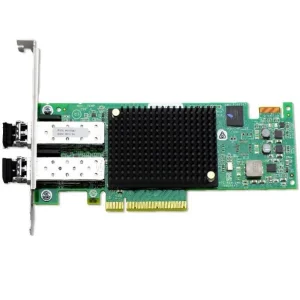
In fintech, microsecond differences directly impact performance. Our customized hardware integrations utilize low-latency network cards, such as the Emulex LPe35002-M2 Fibre Channel HBA, and optimized memory profiles to maintain data flow under heavy transaction volume.
Medical imaging, genomic sequencing, and climate modeling require fast file transfers and high storage capacity. We configure custom NVMe-over-Fabrics (NVMe-oF) storage systems to handle massive workloads securely while meeting regional privacy standards.
Expanding compute footprints globally requires navigation of regional electrical standards, local certifications, and secure logistics operations.
Every server configuration is certified to comply with target market standards, including FCC (North America), CE (European Economic Area), RoHS (environmental directives), and specific regional telecommunication requirements in the Middle East and Southeast Asia.
Enterprise hardware requires protective logistics. We use custom shock-absorbent packaging, humidity-controlled barrier foils, and secure pallets. High-value GPU nodes are shipped via monitored transport lines to guarantee component alignment remains intact during transit.
Our support teams coordinate post-delivery installation assistance, hardware replacement plans, and firmware update support. This minimizes deployment times and keeps systems running smoothly after arrival.
Enterprise compute platforms are evolving quickly. NexaGPU's R&D roadmap is structured to anticipate shifts in architecture, ensuring clients' systems remain viable over multi-year cycles.
The expansion of Compute Express Link (CXL 2.0 / 3.0) represents a major shift in memory pooling architectures. Our future developments integrate CXL topologies, allowing enterprise customers to pool memory resources dynamically across servers. This significantly improves utilization and reduces costs.
As silicon TDP limits rise, we are expanding our manufacturing facilities to support larger liquid-to-air cooling manifolds. This enables clients to deploy high-density hardware without upgrading to full-scale liquid-cooled facility infrastructures.
Upcoming Milestones:
Common questions concerning validation, customization, and logistics of HPE and high-performance server architectures.
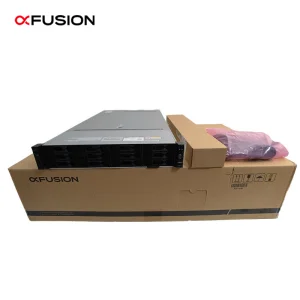
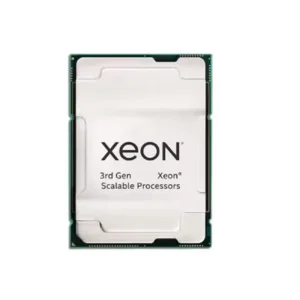
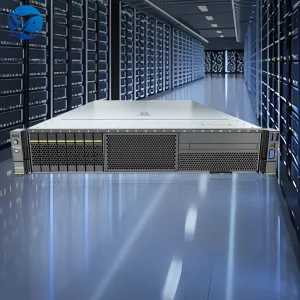
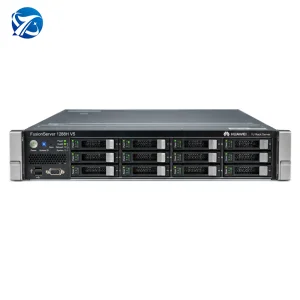
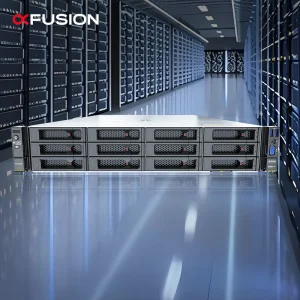
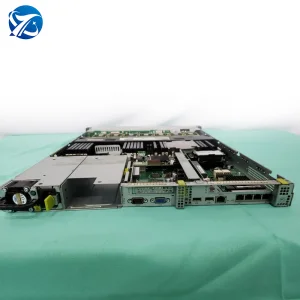
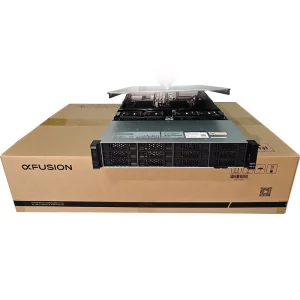
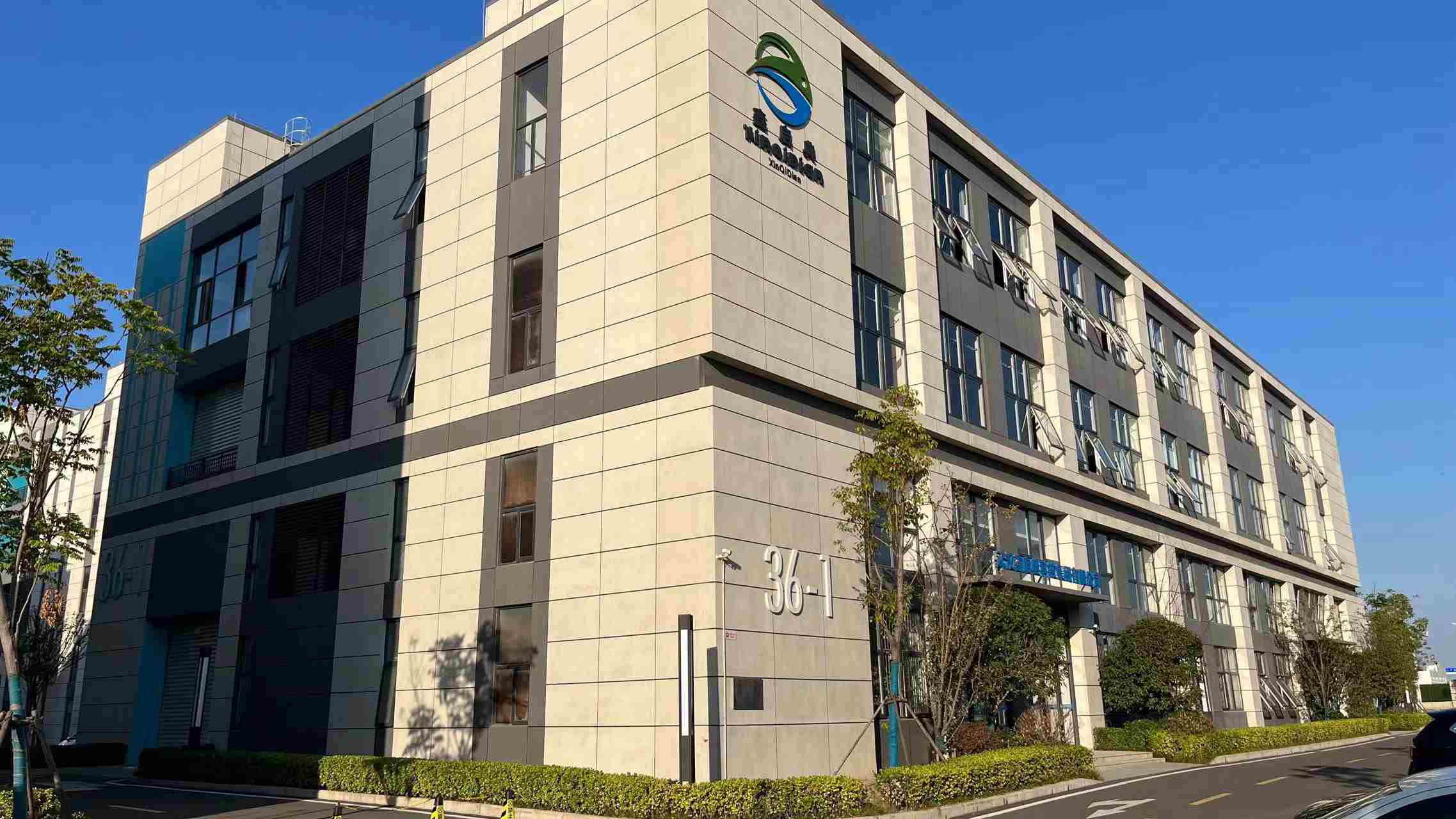
Visual overview of NexaGPU's production lines, hardware testing areas, and logistics storage facilities.