NexaGPU
NexaGPU
NexaGPU
In the contemporary digital landscape, driven by high-density AI clusters, high-frequency trading, and exascale cloud processing, the performance of the physical layer has become the critical factor in computing efficiency. As computing nodes transition to multi-socket systems powered by deep learning processors, structured network cabling acts as the critical physical vascular network that enables low-latency communication between GPUs, servers, and switches.
Enterprise data centers require cabling topologies designed to withstand extreme thermal conditions while maintaining structural integrity and minimized insertion loss. Traditionally, standard copper cabling systems (such as Cat6A and Cat7) were sufficient for basic enterprise environments. However, the introduction of ultra-high-speed network fabrics operating at 100G, 400G, and 800G requires specialized interconnect technologies, including high-frequency Direct-Attach Copper (DAC) cables, Active Optical Cables (AOCs), and structured multi-mode/single-mode fiber networks.
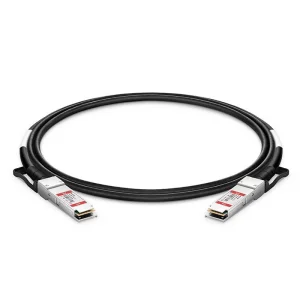
Modern high-speed interconnects like QSFP+ and QSFP28 DACs rely on precise impedance matching and electromagnetic interference (EMI) shielding. Signal degradation over copper is mitigated through specialized physical engineering, enabling high-speed links to function stably within a 3-meter range at high operating temperatures, making them ideal for Top-of-Rack (ToR) switch-to-server clustering.
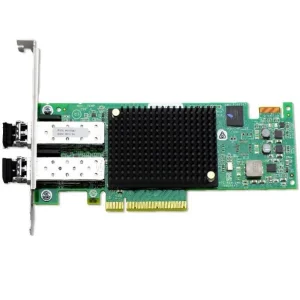
Fiber Channel Host Bus Adapters (HBAs), such as the Emulex LPe35002-M2, require low-insertion-loss LC SFP28/SFP56 interfaces to operate at 32GFC/64GFC speeds. The physical fiber path must utilize precision-polished connectors (APC or UPC) to limit return losses that could disrupt mission-critical storage array pipelines.
Established in 2016, NexaGPU has engineered high-performance AI GPU server systems, custom server platforms, and high-frequency interconnect solutions. Through rigorous material selection and engineering, our infrastructure systems support demanding AI training, data inference, and cloud computing operations worldwide.
NexaGPU maintains a structured quality control workflow to ensure continuous system reliability. Every component undergoes rigorous testing protocols—spanning hardware thermal chambers, signal integrity verification, and multi-stage hardware stress-testing. Managed by 45 dedicated QC specialists, our facilities ensure each physical patch panel, DAC assembly, and server chassis meets strict mechanical tolerances and electrical isolation standards.
Driven by our team of 120 experienced R&D engineers, NexaGPU designed and introduced 85 new product configurations over the past year. This portfolio covers air-cooled AI clusters, liquid-cooled direct-contact chassis, and customized optical/copper cabling solutions. Our designs optimize server architecture for low-latency signal distribution, supporting seamless deployment in modern high-density environments.
Operating from our specialized manufacturing hub in Shenzhen, we utilize a robust network of over 850 supply chain partners. This facilitates the procurement of high-grade copper, precision optic components, and advanced semiconductors. This network enables NexaGPU to deliver cost-effective, high-quality systems to enterprises across North America, Europe, Southeast Asia, and the Middle East.
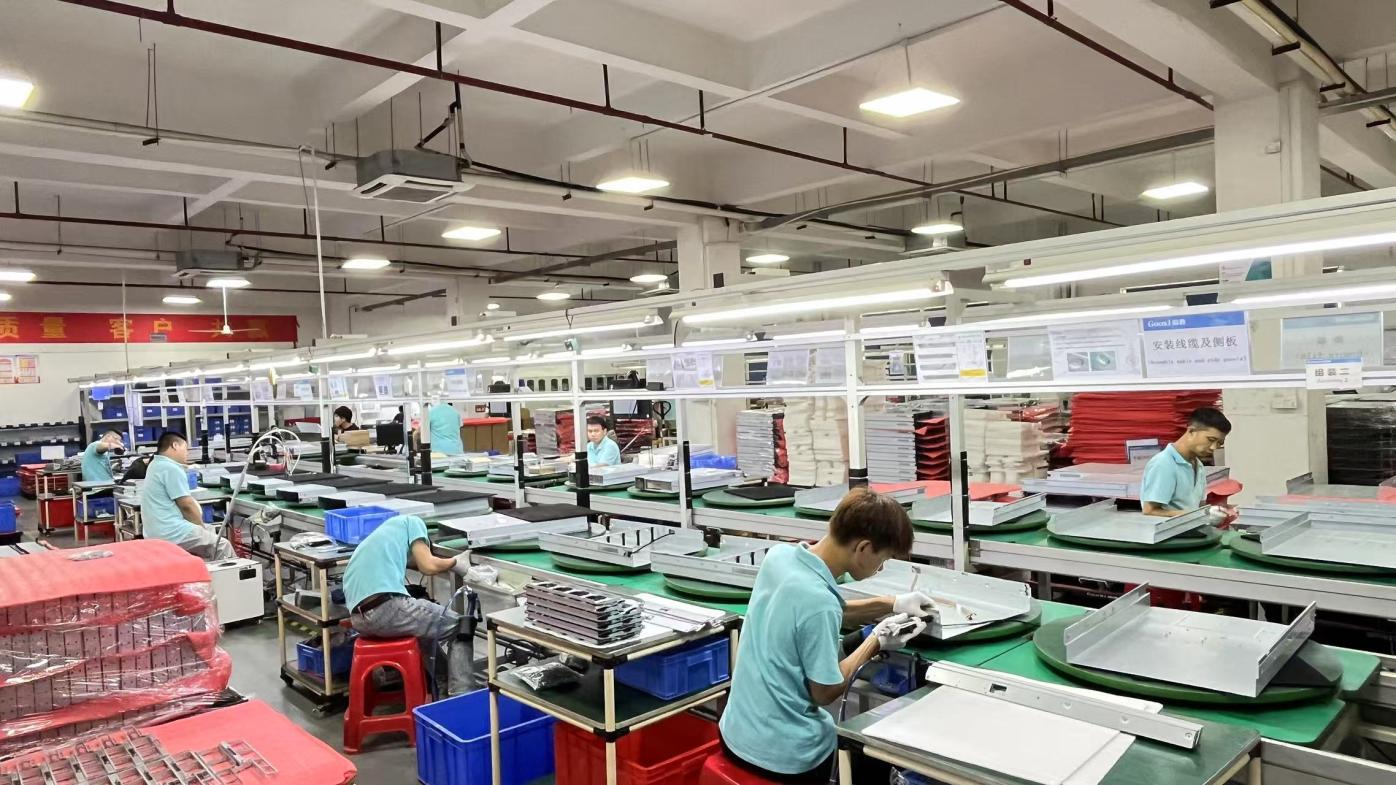
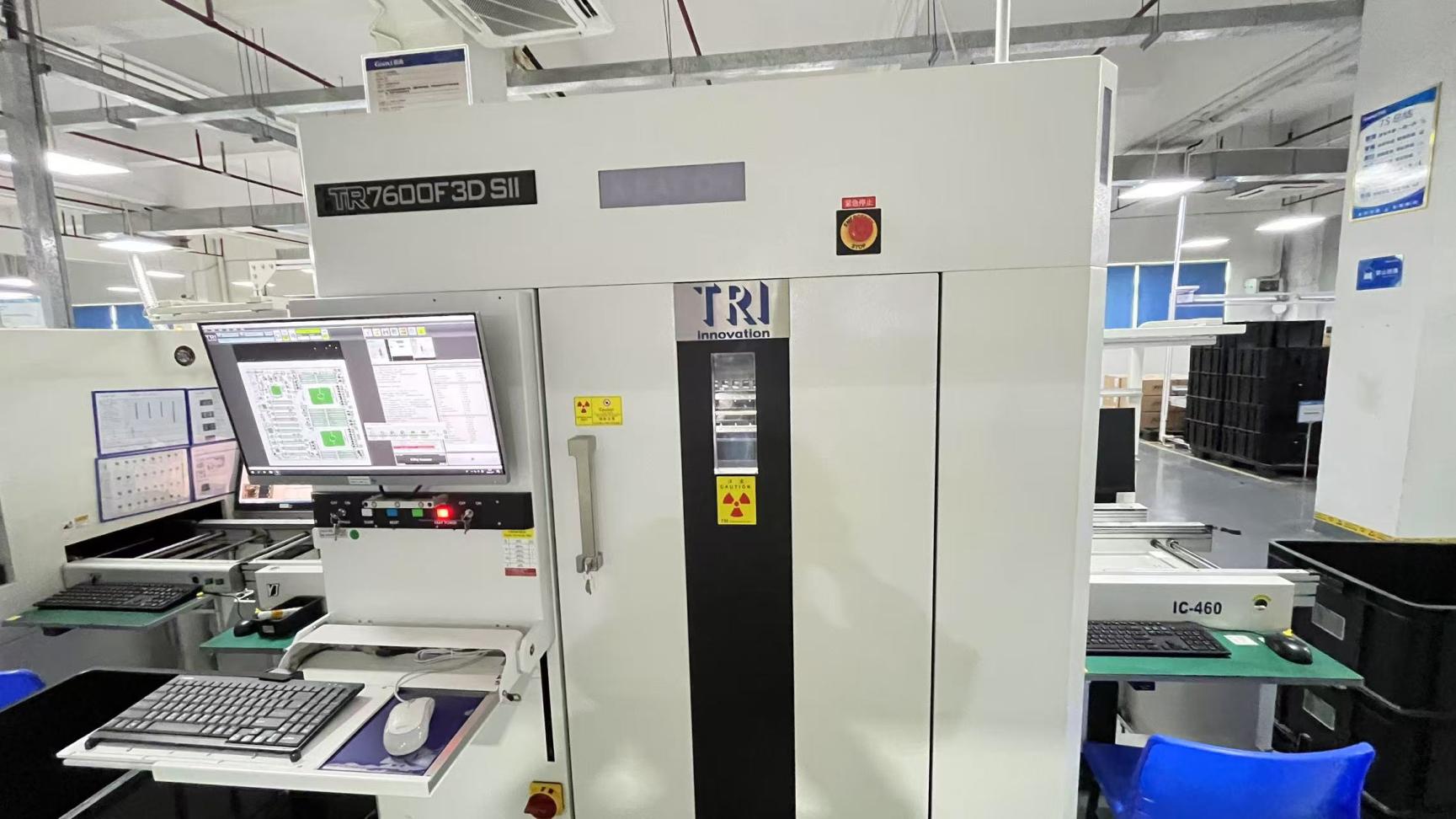
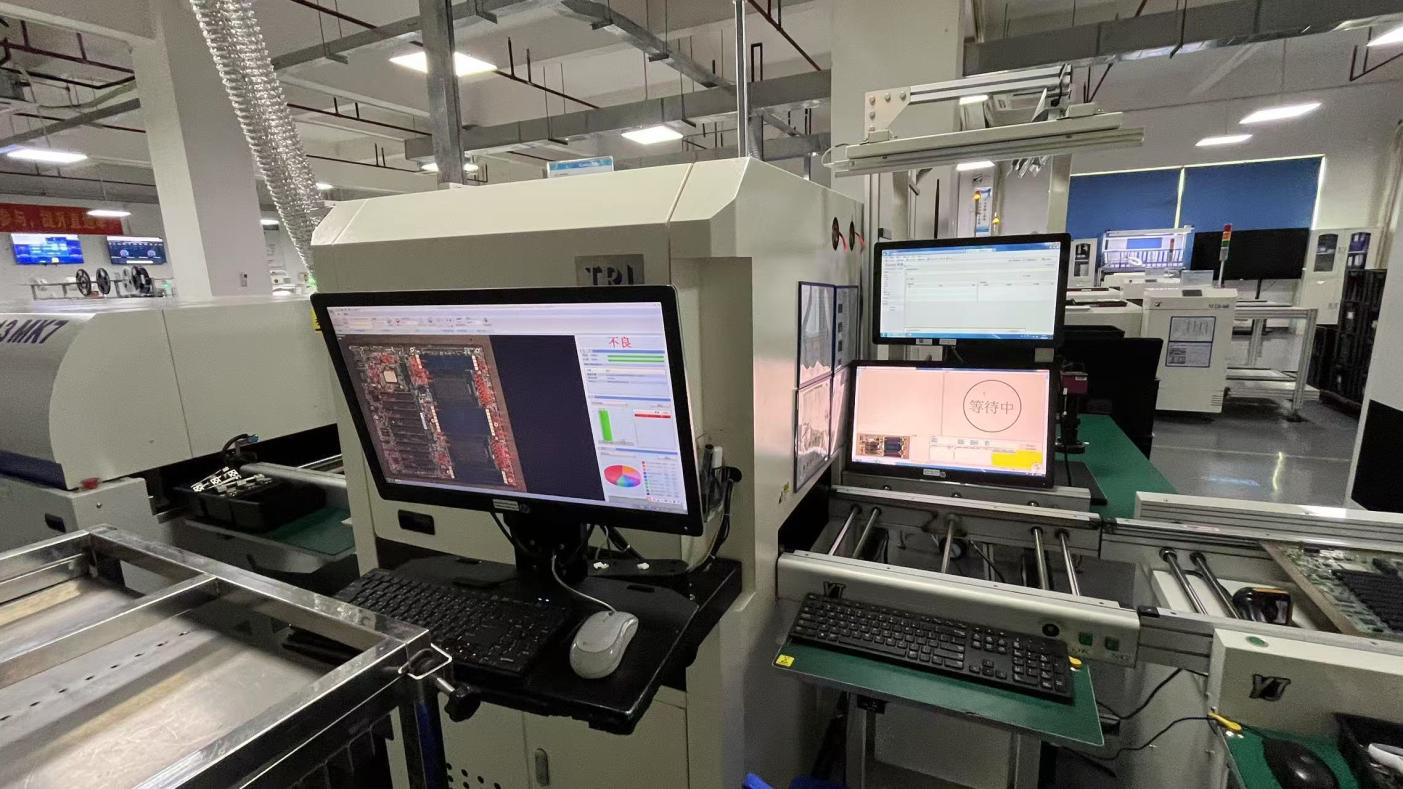
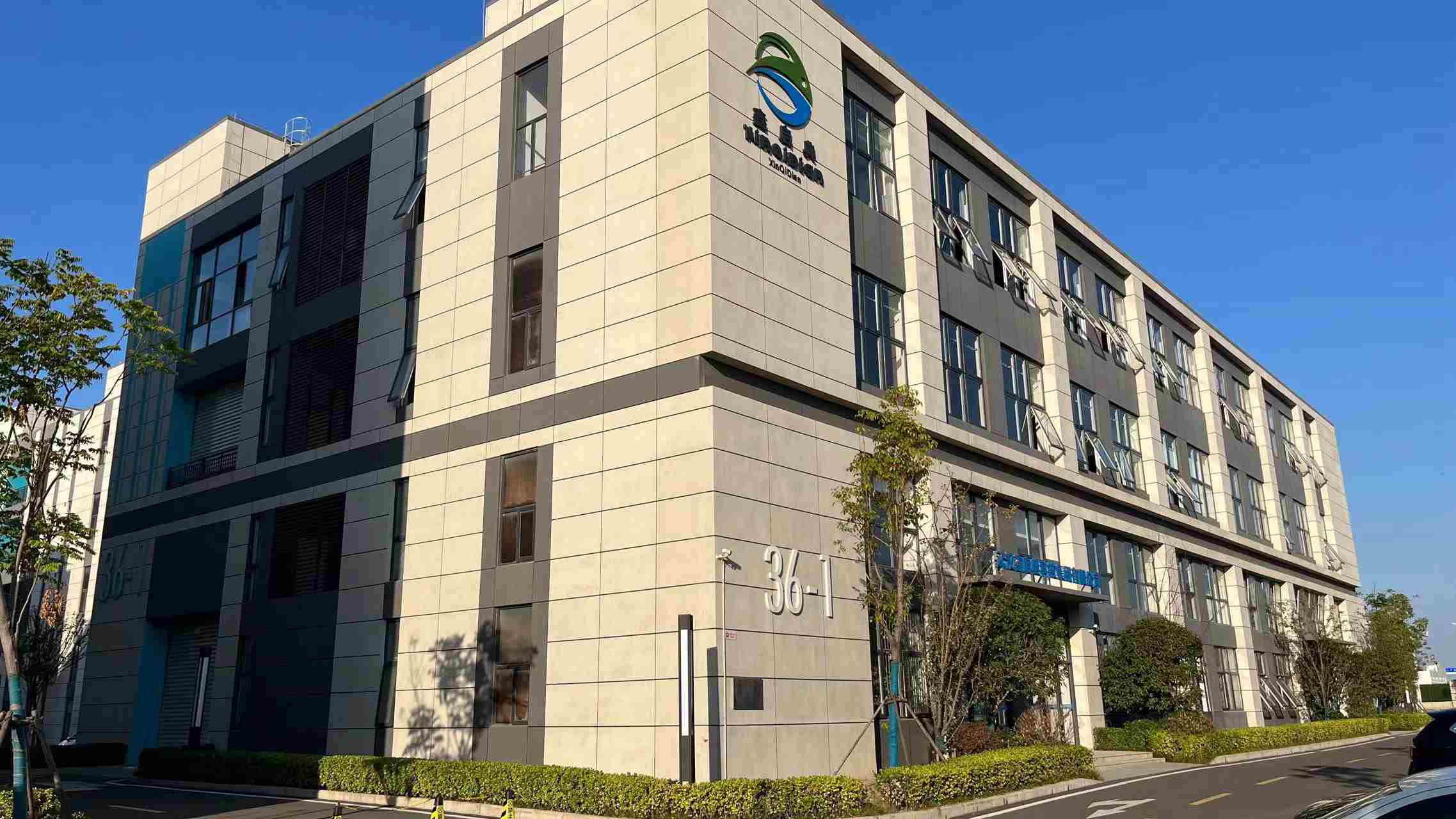
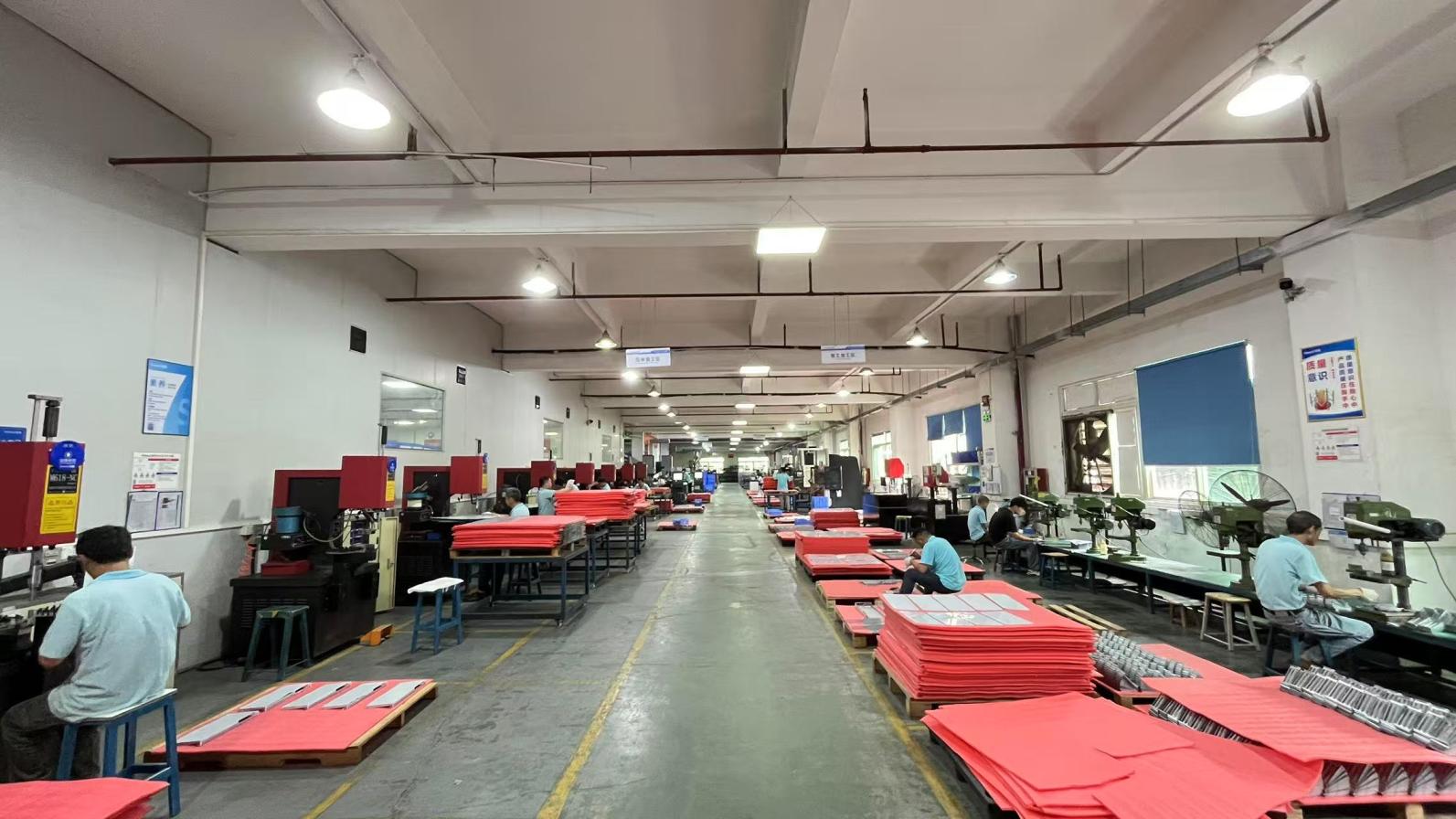
Manufacturing high-speed interconnects and server infrastructure requires close coordination between multiple raw material suppliers and component fabricators. Our location in Shenzhen allows NexaGPU to access high-quality components efficiently, including copper drawing, polymer insulation extrusion, PCB fabrication, and optical transceiver assembly.
This localized supply chain reduces typical production lead times, allowing us to rapidly prototype, test, and ship custom configurations. This structural advantage ensures we can scale production quickly in response to market demands, providing a reliable supply source for enterprise operations.
Cross-border deployments must comply with regional environmental and safety standards. NexaGPU designs and manufactures products in alignment with key international regulations, including:
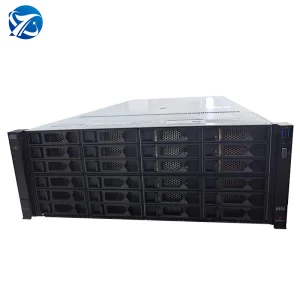
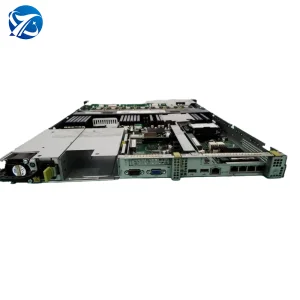
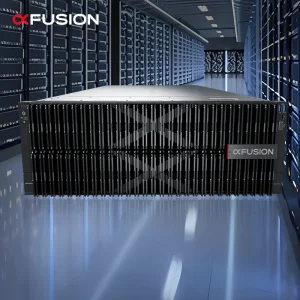
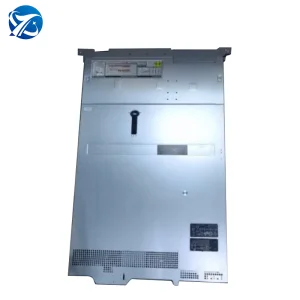
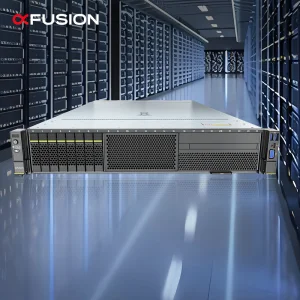
Modern AI workloads require high bandwidth and low latency across nodes. GPU systems like the FusionServer G5200 V7 use high-frequency DAC assemblies (such as 100G QSFP28 to 4x 25G SFP28 breakout configurations) to connect accelerators directly to spine-leaf network switches. This topology reduces latency and helps prevent bottlenecks during large model runs.
For relational databases and high-speed enterprise virtualization, storage latency is a critical metric. Using Fibre Channel network infrastructure coupled with 32GFC HBA cards (e.g., Emulex LPe35002-M2) and OM4/OM5 multi-mode patch cords allows systems to achieve reliable throughput, helping to secure consistent data access.
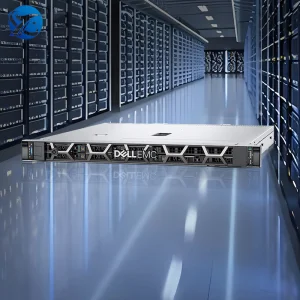
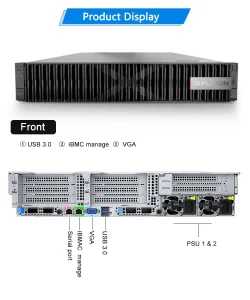
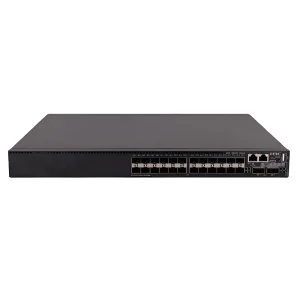
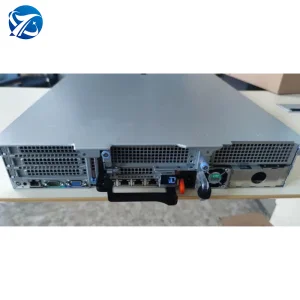
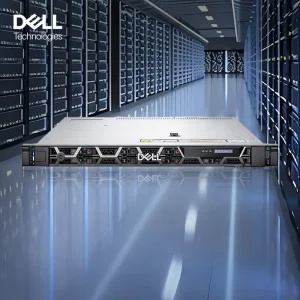
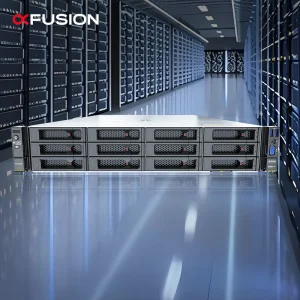
Enterprise workloads often balance operations across on-premises servers and cloud environments. Deploying platforms like the Dell PowerEdge R660 or xFusion 2288H V7 alongside structured patch panels, managed Layer-3 switches (such as H3C S6520X-30QC-EI), and high-density fiber paths helps maintain a reliable physical connection for consistent hybrid operations.
As networks scale to 800G and 1.6T speeds, traditional copper links face physical distance limits due to high-frequency attenuation. At these frequencies, copper connections are typically limited to lengths under 1.5 to 2 meters, which restricts their use inside server racks. Consequently, the industry is transitioning toward Active Optical Cables (AOC) and single-mode optical cabling setups to support longer distances.
Additionally, the adoption of liquid cooling systems in high-density racks impacts physical cabling paths. Direct-to-chip liquid cooling loops require cables with smaller outer diameters and tighter bend radii to prevent restrictions in airflow and cooling fluid lines. Cable manufacturers are developing high-density, small-diameter fibers and low-profile connectors to help operators balance signal performance with thermal management requirements.