NexaGPU
NexaGPU
NexaGPU
Deploy high-density hardware accelerators engineered for enterprise training pipelines, real-time inferencing matrices, and critical data store operations.
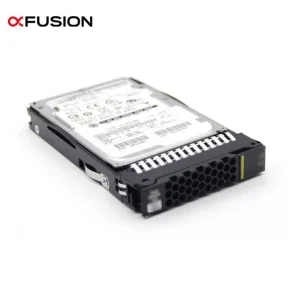
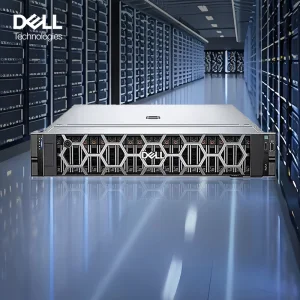
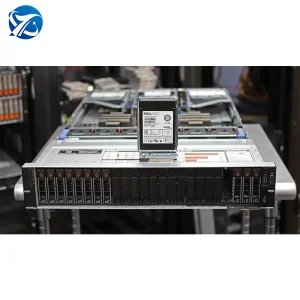
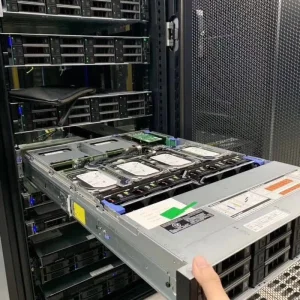
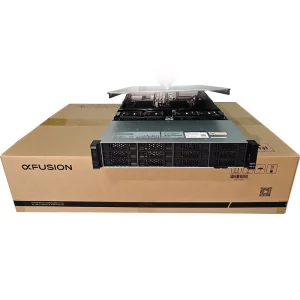
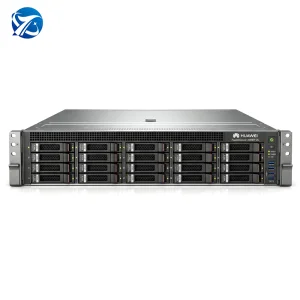
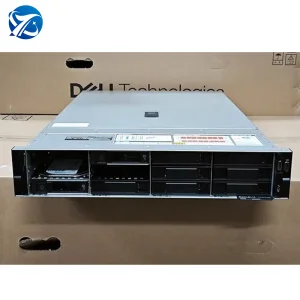
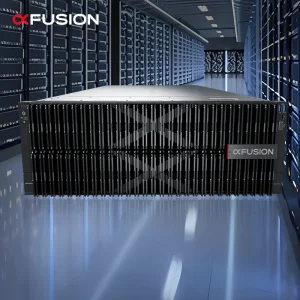
The global demand for computational power has shifted from general-purpose CPUs to specialized accelerators designed to run neural network matrices. As foundational models grow to hundreds of billions of parameters, the infrastructure supporting them requires highly integrated hardware design. As a center of advanced electronics manufacturing, China's GPU accelerator factories have transformed from simple assembly lines into complex engineering and research hubs.
In China's high-tech manufacturing corridors, factories develop server systems designed to support intensive AI workloads. A modern GPU accelerator factory must integrate multiple disciplines: high-speed signal routing (such as PCIe Gen 5/6 and custom proprietary fabrics), multi-phase power delivery systems capable of outputting thousands of amps at low voltages, and advanced thermodynamics to cool components that produce over 700 watts of heat per accelerator module.
By leveraging robust supply ecosystems in close proximity to PCB production, assembly plants, and testing facilities, these factories help optimize hardware for global enterprises. The target is clear: build systems with high computational density, low latency, and energy efficiency, helping enterprises scale their computational capacity without exceeding their power constraints.
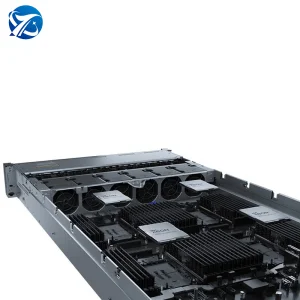
Designing multi-GPU nodes with optimized topological configurations to support high-throughput tensor operations and minimize interconnect bottlenecking.
Integrating 54V DC bus distribution architectures and smart power management components to maintain signal integrity during power spikes.
Implementing direct-to-chip (D2C) liquid loop cooling systems and high-PBT composite material fans to handle high thermal densities.
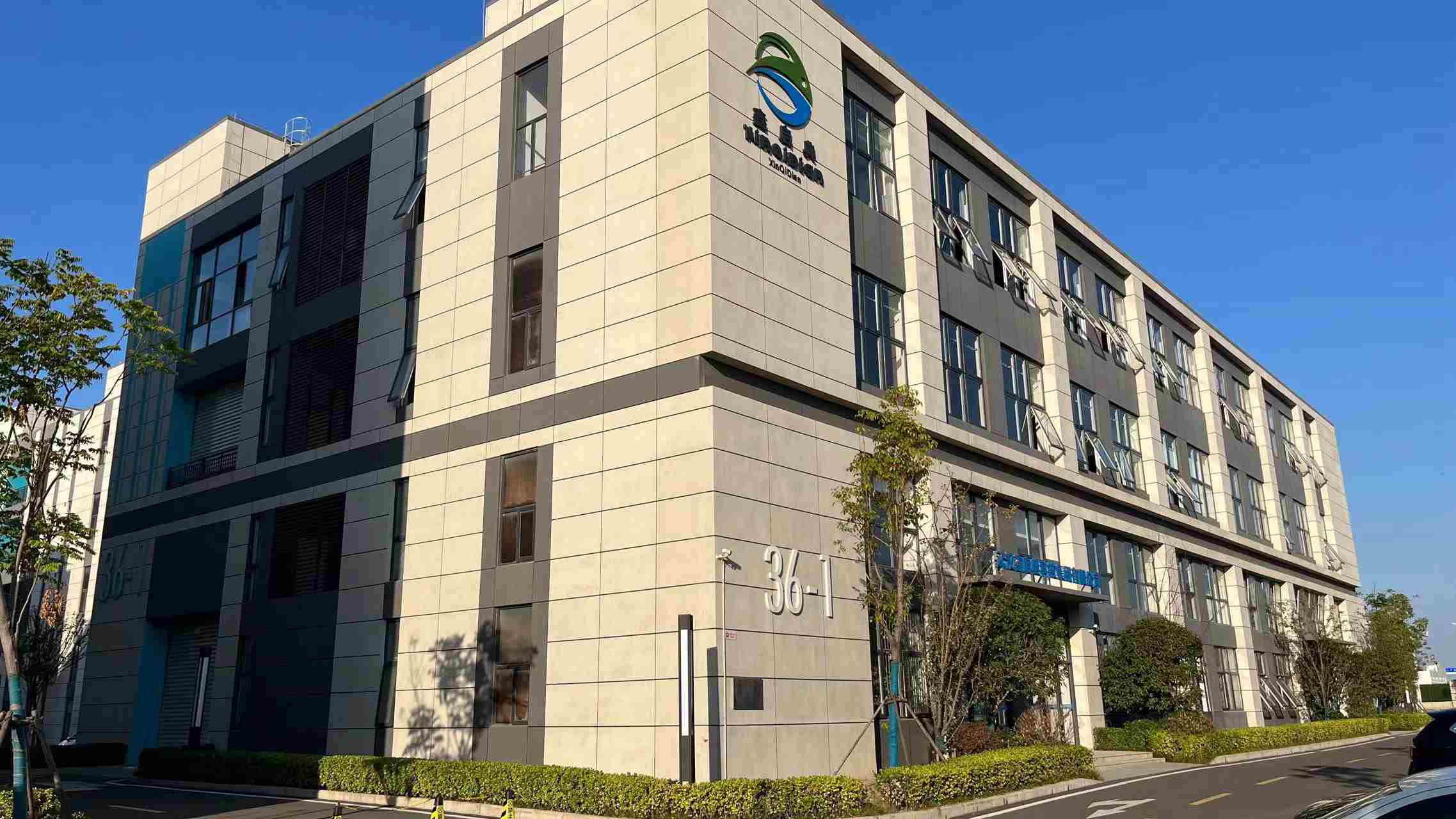
NexaGPU is an established manufacturer specializing in GPU computing systems, clustered AI nodes, and custom hardware configurations. Established in 2016, NexaGPU has developed into an infrastructure partner for international research groups, hyperscalers, and AI development companies. We maintain 11 years of industry experience in high-performance computing design, combined with 6 years of export experience across complex global trade corridors.
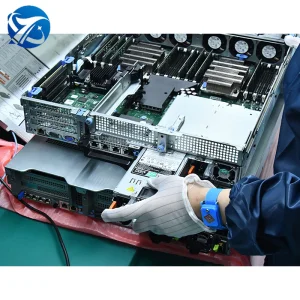
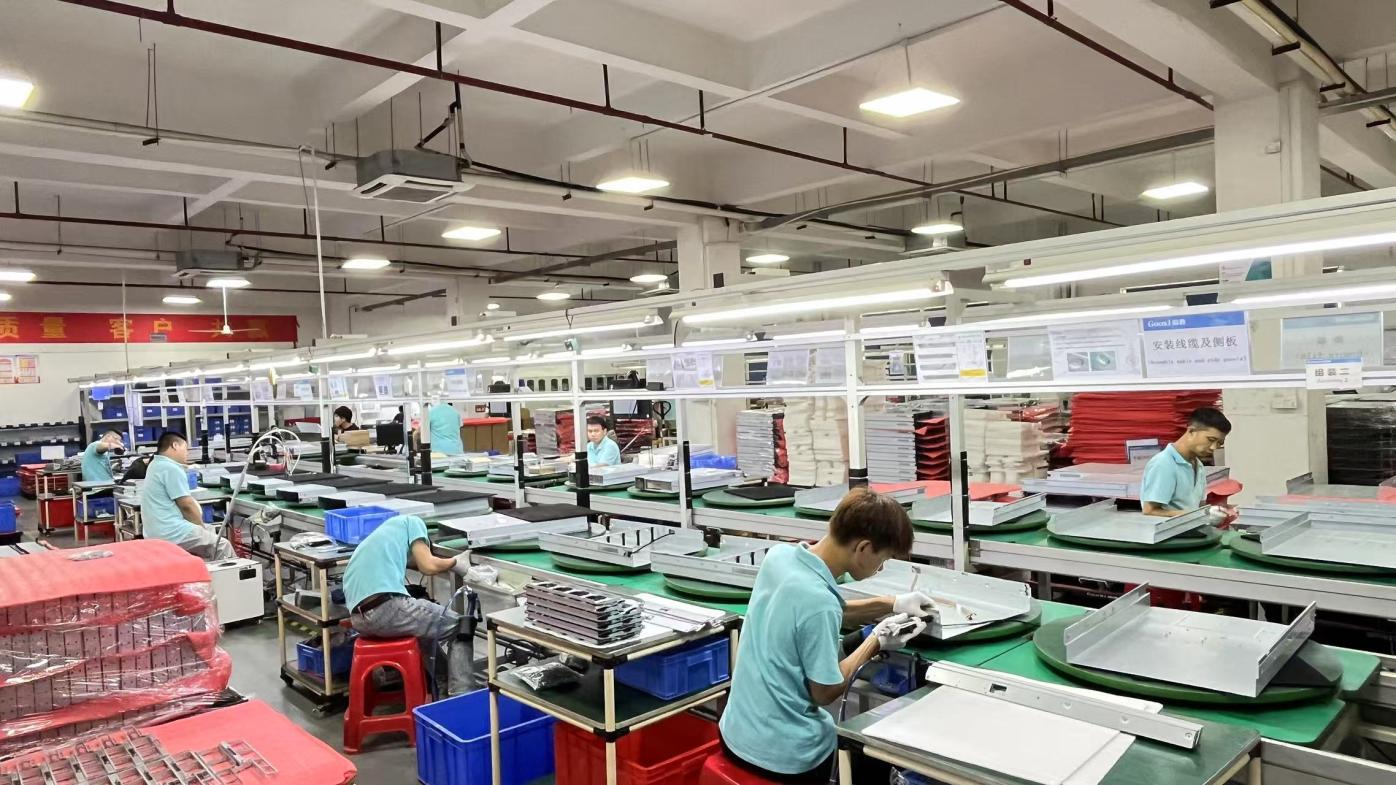
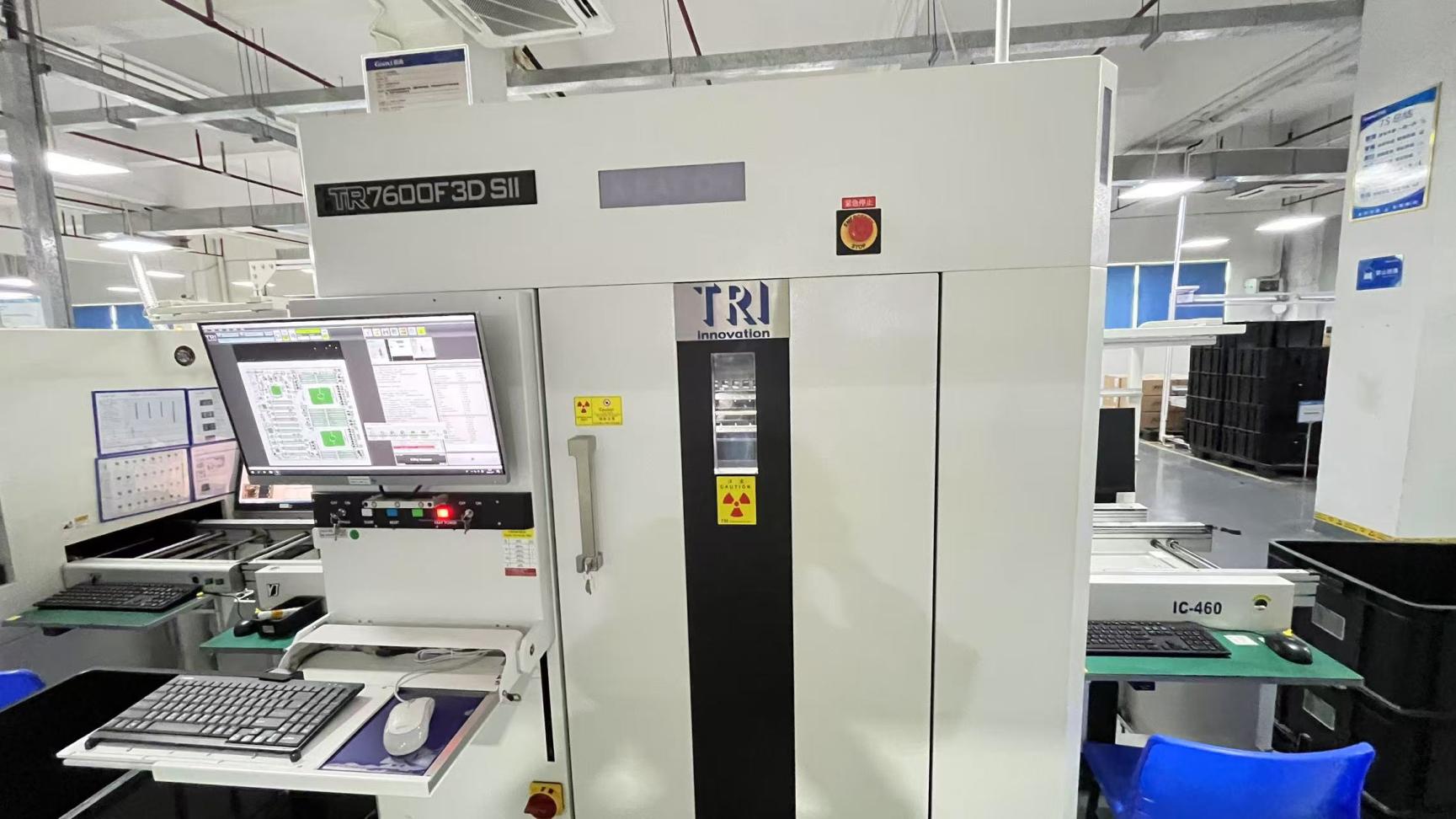
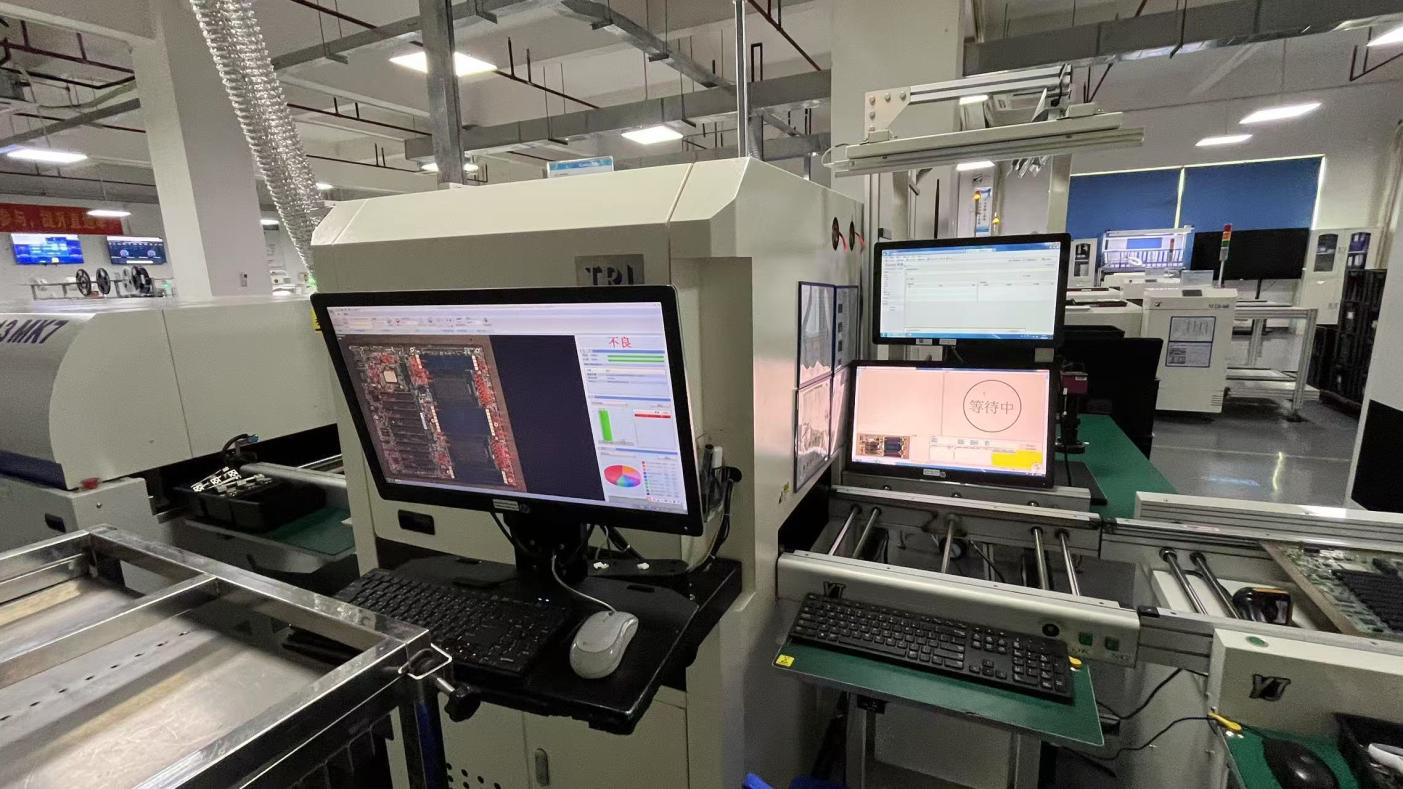
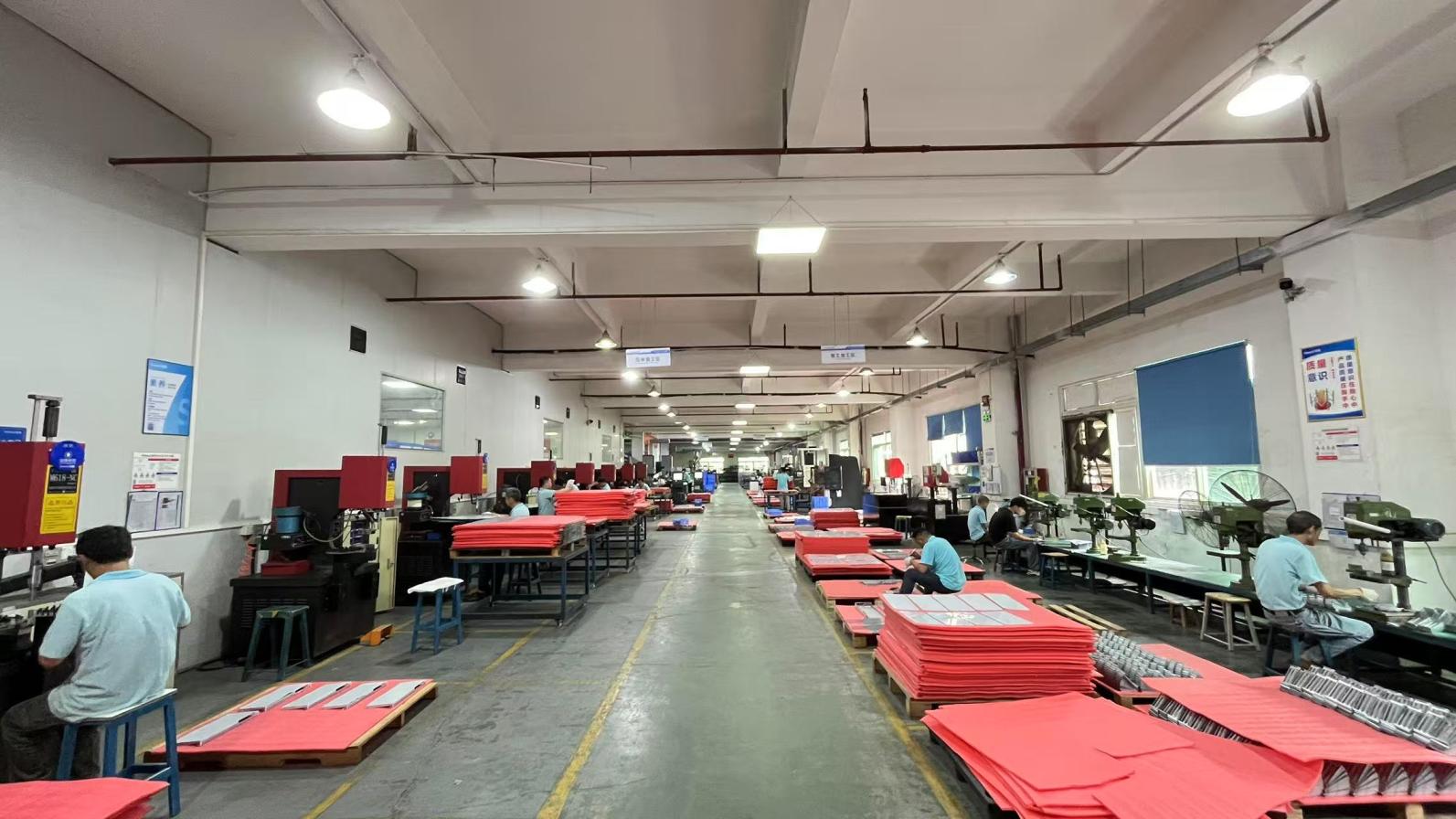
NexaGPU operates an assembly and integration center with a production footprint of approximately 320㎡, optimized for hardware integration, burn-in validation, and quality-control procedures. By working with over 850 supply chain partners—ranging from silicon vendors to PCB manufacturers and fluid-cooling providers—we maintain steady component availability and design custom servers for specialized projects.
Our engineering team consists of 120 R&D specialists focused on GPU architecture optimization, customized BIOS/BMC firmware development, and fluid dynamics for liquid-cooled server racks. In the past year alone, we introduced 85 new product configurations tailored to the evolving needs of AI training, distributed processing, and inference optimization.
Purchasing enterprise GPU accelerators involves evaluating several critical factors beyond raw teraflops. Enterprise IT buyers must match system specifications with their data center's infrastructure constraints. The key technical factors to consider include:
Large-scale model training is often limited by inter-node communications. Modern setups require high-speed interfaces like NVIDIA NVLink or open standards like UALink within the chassis, and external network interfaces like 400Gbps InfiniBand or RoCEv2 (RDMA over Converged Ethernet) to prevent communication delays during gradient updates.
Air cooling is reaching its physical limits with current hardware power demands. Modern facilities are shifting to liquid cooling options like Direct-to-Chip (D2C) or rear-door heat exchangers (RDHx). Ensuring component compatibility with various coolants and quick-disconnect fittings is critical to preventing leaks.
| Procurement Metric | Air-Cooled Configurations | Direct-to-Chip (D2C) Liquid Cooling | Operational Focus |
|---|---|---|---|
| Power Capacity | 10 kW - 18 kW per Rack | 30 kW - 100+ kW per Rack | Ensures high server density per square foot. |
| PUE Efficiency | Typical 1.4 - 1.6 PUE | Lower 1.05 - 1.15 PUE | Reduces operational utility costs. |
| Floor Footprint | High (requires wide cold/hot aisles) | Ultra-Dense (minimal aisle spacing required) | Maximizes compute density in existing data centers. |
| Upkeep Cycle | Standard filter & fan replacement | Coolant chemistry checks every 12-18 months | Ensures long-term system reliability. |
NexaGPU provides hardware designed to run modern AI models and handle complex business calculations. We configure systems for several main deployment environments:
Optimized nodes for large model architectures (such as DeepSeek-V3 or R1 series) using pipeline parallelism. Systems feature NVLink topologies and high PCIe bandwidth to minimize node-to-node bottlenecks.
High-density memory and multi-socket designs optimized for running ERP applications and predictive business intelligence, preventing data processing delays.
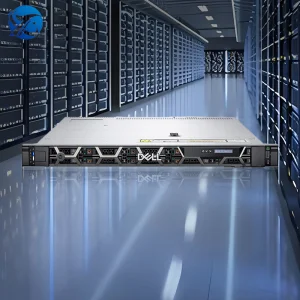
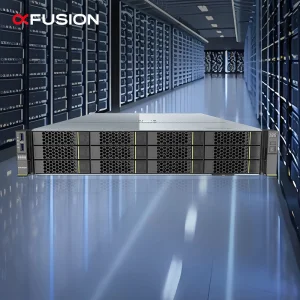
Compact 1U and 2U rack mount options designed for distributed edge networks, delivering local AI execution with lower power consumption.
Operating in international technology supply chains requires strict adherence to regional standards and regulations. NexaGPU ensures that all custom-built systems meet export and hardware safety compliance criteria.
Our Quality Control team of 45 QC specialists manages testing protocols to meet global requirements, including:
In addition, we work with global logistical partners to provide securely packaged, moisture-insulated, and shock-protected shipping, ensuring systems arrive undamaged and ready for integration.
Our R&D team is working to integrate upcoming hardware standards to support higher compute density and more efficient power utilization.
We are designing system architectures compatible with PCIe Gen 6, which doubles the data transfer rate compared to PCIe 5.0. Additionally, Compute Express Link (CXL) 3.0 support will allow shared memory pools across CPUs and GPUs, reducing memory access latency.
To offer alternatives to proprietary GPU designs, NexaGPU is developing modular systems aligned with Open Compute Project (OCP) standards. This allows operators to scale their computing clusters using modular, standardized hardware components.
Standard GPU servers are typically configured for inferencing workloads or generalized HPC tasks, utilizing standard PCIe interfaces. In contrast, deep learning training clusters require high-speed interconnects (such as NVLink or similar high-bandwidth fabrics) to handle constant parameter exchange, high-speed networking like InfiniBand or RoCEv2, and optimized cooling to handle sustained 100% compute utilization.
Each server undergoes a multi-stage testing process by our QC team. This includes software stress tests to check memory and logic stability, thermal tests in controlled chambers to verify heat dissipation, and long-duration burn-in runs under full computational load to ensure performance consistency.
Yes, we offer chassis options designed for Direct-to-Chip (D2C) cold plates and quick-disconnect manifolds. These configurations help integrate liquid-cooling loops into compatible data center racks.
Our R&D team can customize server configurations based on your project requirements, including options for specific CPU architectures, memory configurations, NVMe storage layouts, and network connectivity interfaces.
Review our additional computing, storage, and networking hardware designed to complete your data center deployment.