NexaGPU
NexaGPU
NexaGPU
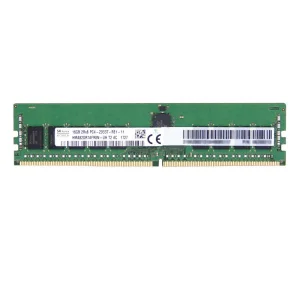
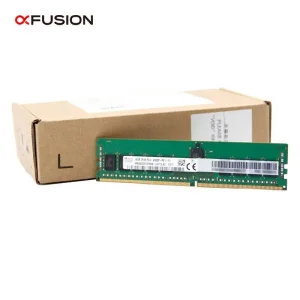
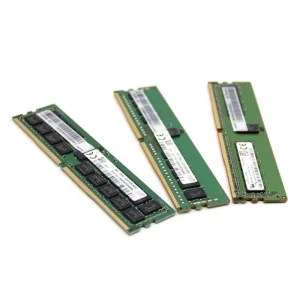
Industrial-grade ECC DDR4 RDIMM modules optimized for server virtualization, cloud migration, and demanding database applications.
Turkey's geostrategic position connecting Europe, the Middle East, and Central Asia has turned the country into a critical digital bridgehead. Major cities, particularly Istanbul, Kocaeli, and Ankara, are witnessing rapid growth in Tier-III and Tier-IV data centers. Leading telecom operators, including Turkcell, Türk Telekom, and Vodafone Turkey, together with local hyper-scale providers, are actively building out enterprise infrastructure. This rapid expansion is heavily driven by strict compliance regulations, such as the Personal Data Protection Authority (KVKK) and the Banking Regulation and Supervision Agency (BDDK), which require corporate and customer data to be stored securely within national borders.
Consequently, local cloud providers and enterprise datacenters face a surging requirement for high-density hardware clusters. Memory capacity is the primary bottleneck in virtualization and high-performance computing (HPC) nodes. Deploying robust, high-performance Server RAM (such as ECC-enabled DDR4 RDIMMs and DDR5 arrays) is essential to maximize virtual machine density, sustain high transaction volumes in retail giants like Trendyol and Hepsiburada, and keep financial banking transactions processing smoothly without latency spikes.
Navigating global semiconductor supply chains requires localized logistics, long-term component sourcing agreements, and reliable distribution networks.
The global server memory market relies on DRAM chip production from semiconductor giants like Samsung, SK Hynix, and Micron. Raw wafers are built into DRAM modules using specialized printed circuit boards (PCBs) and integrated controllers. As an OEM manufacturer, NexaGPU maintains direct integration with Tier-1 component channels to supply Turkey's technology distributors, system integrators, and cloud providers with certified, high-yield memory modules that prevent compatibility issues.
Turkish enterprise IT procurement faces significant hardware import delays, volatile exchange rates, and strict customs testing regulations. System integrators in Istanbul require localized support and partners who maintain adequate stock levels. By optimizing direct shipping channels and customs handling, NexaGPU delivers reliable, bulk-packaged RDIMMs and server arrays to Turkey without the typical lead times of standard enterprise retail channels.
Counterfeit or substandard memory chips can lead to severe operating system crashes, data corruption, and catastrophic system failures. We implement trace-level serial verification, component validation, and extensive testing to ensure that our modules meet enterprise specifications. This commitment to reliability helps Turkish businesses secure their operations against unexpected hardware downtime.
The enterprise computing landscape is transitioning from mature DDR4 memory technologies to high-bandwidth DDR5 architectures. While DDR4 memory (running up to 3200 MT/s at 1.2V) continues to power the majority of active legacy platforms throughout Turkish datacenters, DDR5 memory delivers major performance improvements with frequencies starting at 4800 MT/s and extending past 6400 MT/s.
A key architectural difference lies in power management. In DDR4 architectures, power management is handled by the server's motherboard. DDR5 transfers this function directly onto the memory module itself via an onboard Power Management Integrated Circuit (PMIC). This improves power efficiency, reduces motherboard trace complexity, and provides better local voltage control. DDR5 also features on-die Error Correction Code (ECC) to correct single-bit errors within the DRAM chip, working alongside traditional side-band ECC to guarantee enterprise-class data reliability.
Different workloads demand targeted memory configurations. Below are typical enterprise use-cases in Turkey.
High-performance e-commerce platforms hosting major sales events require rapid read-write response times. Utilizing high-frequency memory arrays (DDR4 3200MHz or DDR5) ensures Redis, Memcached, and search database configurations perform with optimal throughput under load.
Under BDDK requirements, domestic banking services must ensure absolute system uptime. ECC memory prevents single-bit errors from causing memory corruption, keeping real-time processing environments, payment gateways, and databases secure and stable.
For private and hybrid cloud environments running VMware vSphere or Proxmox, server memory density determines how many virtual machines can run on a single physical host. Deploying 64GB RDIMMs optimizes hypervisor density, reducing total hardware footprint.
NexaGPU is a professional AI GPU server and high-performance hardware manufacturer specializing in computational infrastructure, GPU clusters, and custom server configurations for global enterprises, research institutions, and telecom operators.
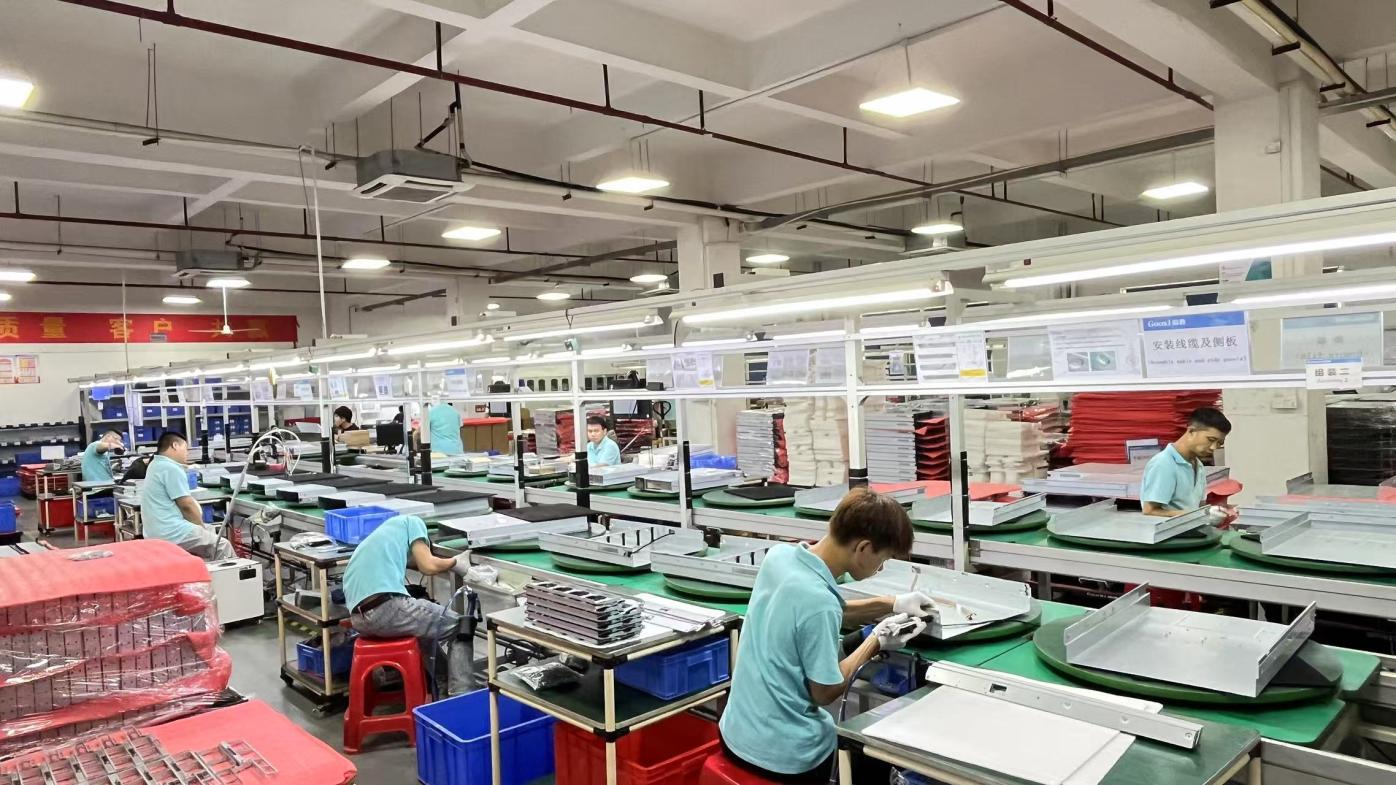
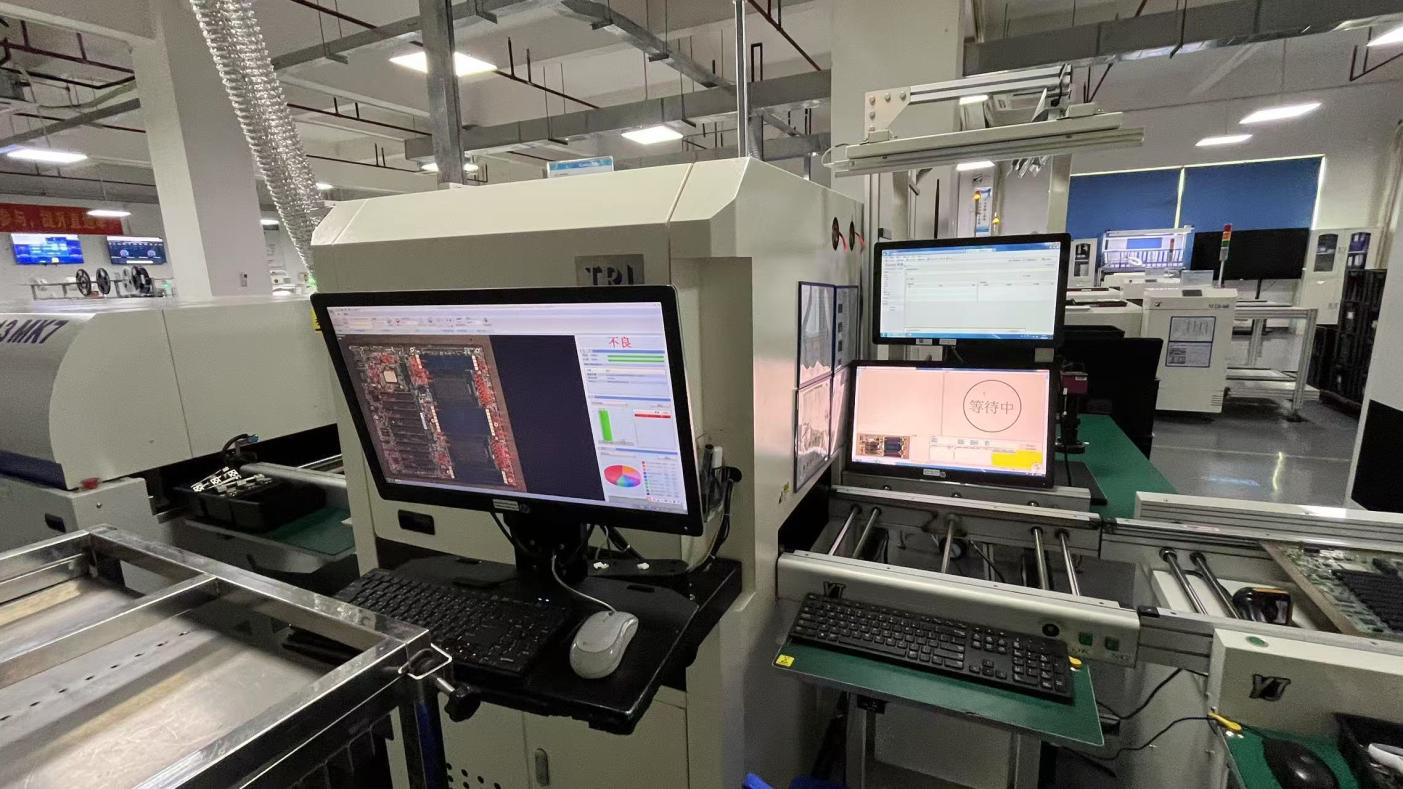
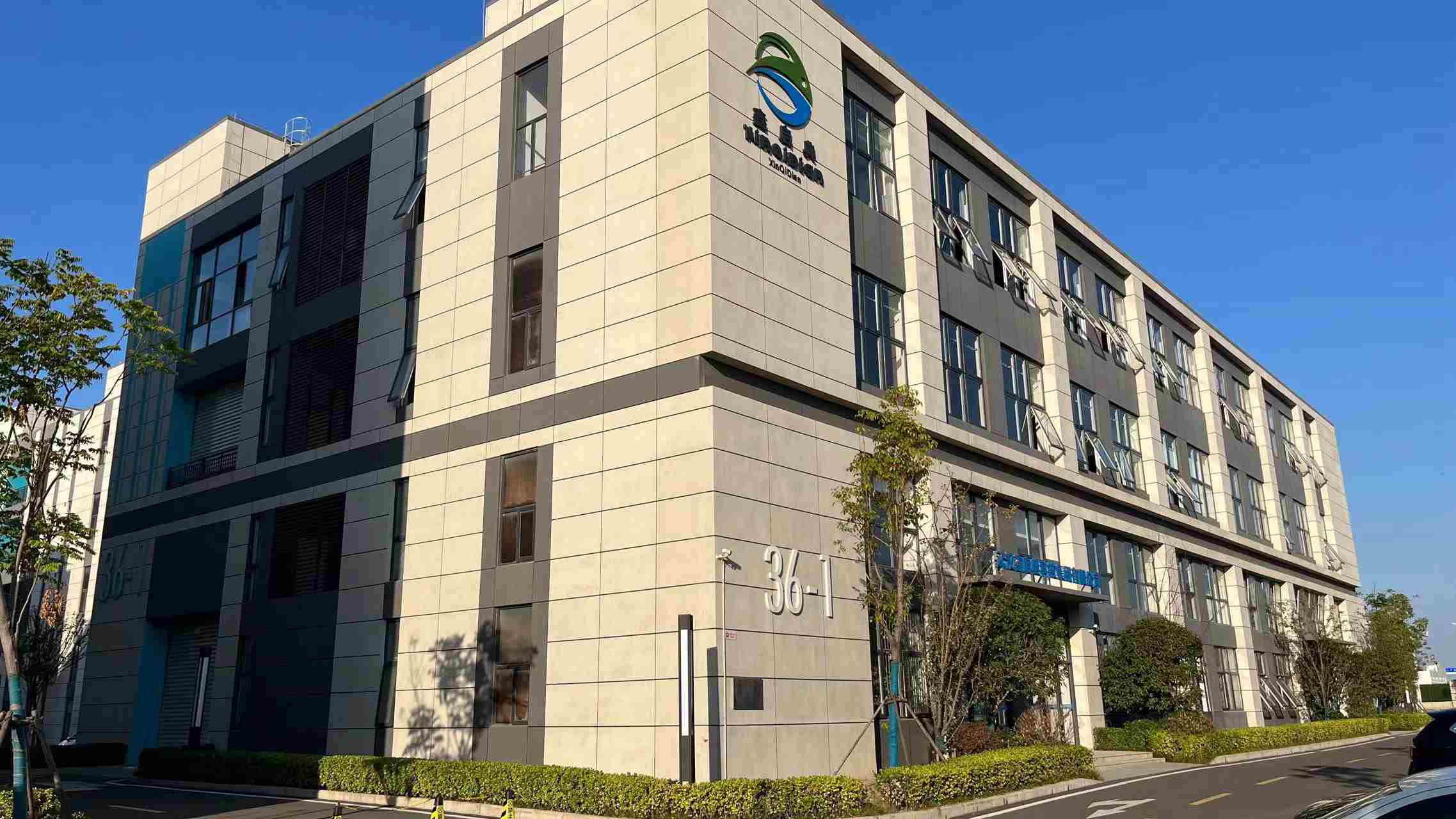
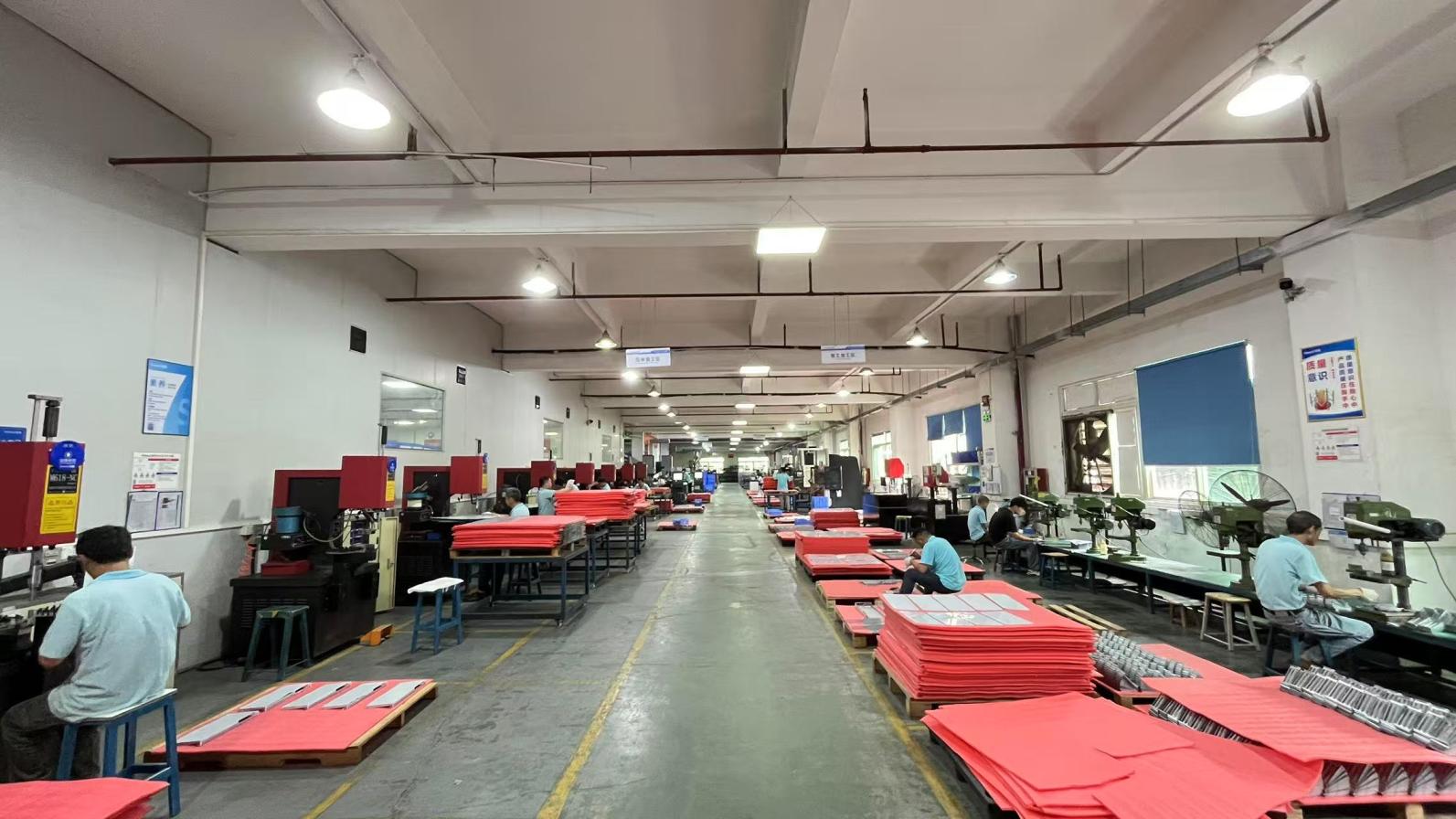
Established in 2016, NexaGPU has built a robust supply network and manufacturing capabilities. The company operates an advanced assembly and testing facility with a building area of approximately 320㎡. Designed for high-precision validation, this facility supports the production, testing, and optimization of AI servers and memory components. With 11 years of industry experience and 6 years of export experience, NexaGPU exports over USD 12 million in equipment annually to core regions including Europe, North America, Southeast Asia, and the Middle East.
To guarantee server reliability, NexaGPU implements strict validation testing, including thermal profiling, stability checks, and full system testing. Our quality control team includes 45 QC specialists who verify that every product meets enterprise standards. NexaGPU works with a network of over 850 supply chain partners, ensuring access to primary chip supplies, enterprise components, and high-performance server chassis.
Supported by 120 R&D engineers, NexaGPU specializes in customization options including GPU configuration, processor selection, memory expansion, storage design, and advanced liquid cooling. In the past year alone, the company introduced 85 new product models, providing options for AI inference, training, and database applications.

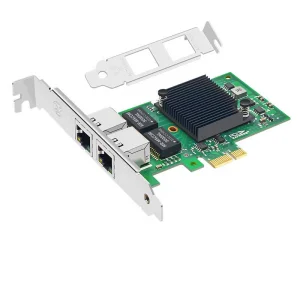
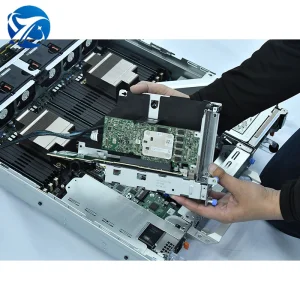
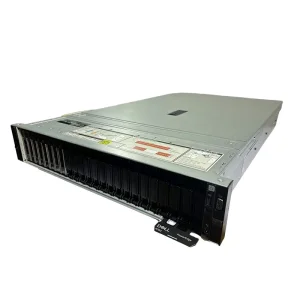
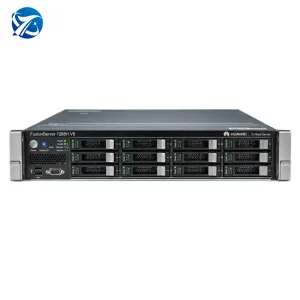
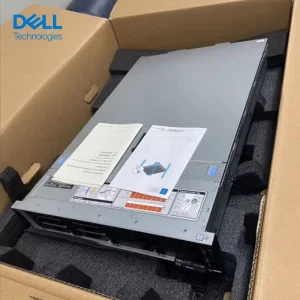
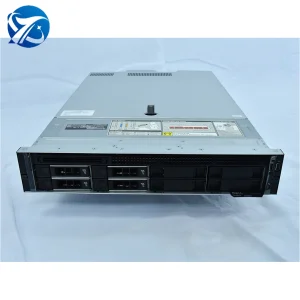
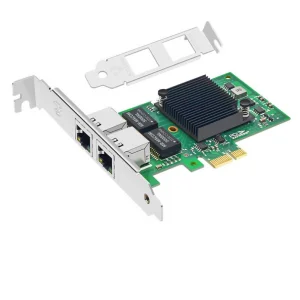
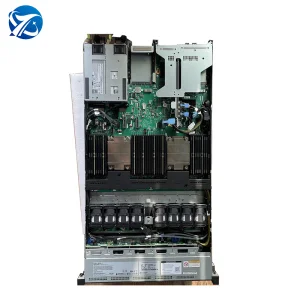
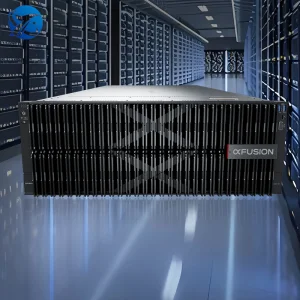
Explore our full range of enterprise servers, hardware RAID controllers, and memory-optimized compute platforms.


Optimizing system architecture requires adherence to guidelines that prevent hardware bottlenecks and thermal issues.
Modern server architectures utilize multi-channel configurations. To maximize bandwidth, ensure that DIMM modules are populated symmetrically across all available memory channels. Mixing modules with different capacities, speeds, or rank specifications can cause the memory controller to scale down to the lowest common denominator, reducing system performance and potentially introducing system instability.
High-density memory layouts generate considerable heat inside server chassis. System integrators should configure fan profiles to match the thermal load of populated memory banks. Operating memory modules above their rated temperature thresholds can increase correctable ECC error rates, trigger thermal throttling, and shorten the operating lifespan of the components.
Deploying LRDIMMs (Load-Reduced DIMMs) instead of standard RDIMMs can help bypass capacity limitations in memory-intensive databases. LRDIMMs replace the register with a buffer chip, reducing electrical loading on the memory bus and allowing system administrators to populate all slots with high-density, multi-rank modules without lowering operating speeds.
Technical answers to help system architects and purchasing managers plan enterprise upgrades.
Contact NexaGPU's sales and engineering teams to discuss custom system designs, wholesale memory pricing, or to request a quote.