NexaGPU
NexaGPU
NexaGPU
Explore our flagship high-performance server products deployed globally with embedded enterprise hardware solutions.
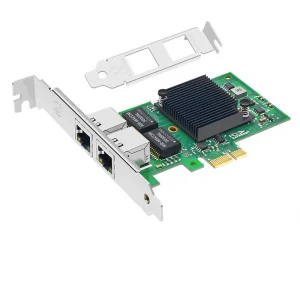
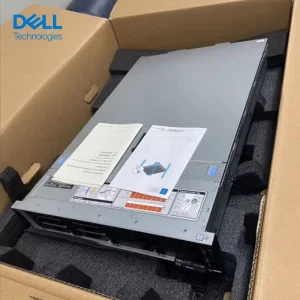
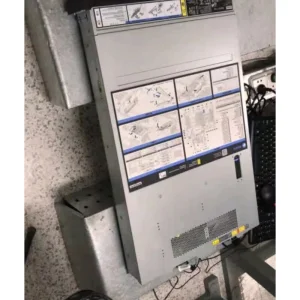
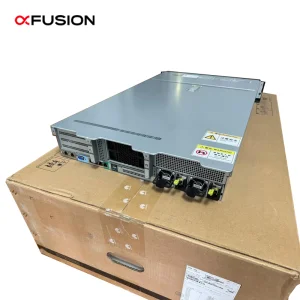
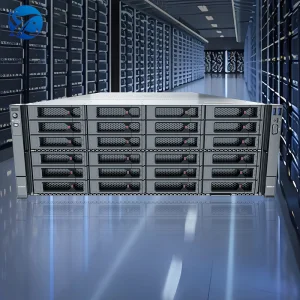
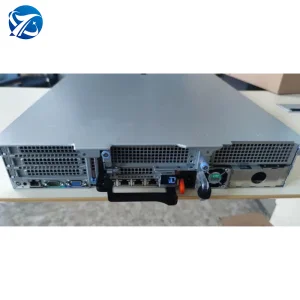
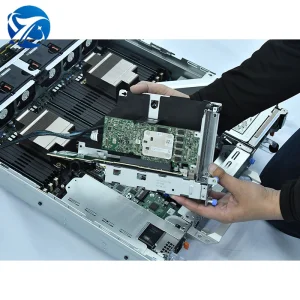
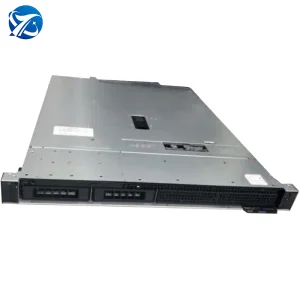
In the age of hyperscale virtualization, containerized microservices, and AI workloads driven by platforms like DeepSeek, data centers no longer function within localized confines. High-availability computing infrastructure mandates intelligent remote monitoring solutions capable of offering telemetry pipelines, automated diagnosis, and comprehensive Out-of-Band (OOB) administrative control. True remote management operates beneath the Operating System layer, bridging hardware components with central operations teams via dedicated Baseboard Management Controllers (BMCs).
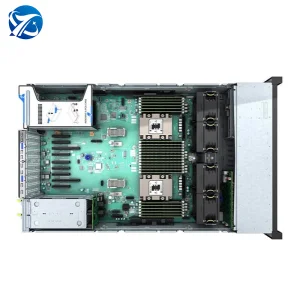
NexaGPU delivers high-density server configurations with enterprise-grade monitoring. Utilizing standard interfaces like IPMI 2.0, Redfish API, and SNMPv3, our configurations allow platform operators to track CPU/GPU thermals, verify storage health via PCIe RAID controllers, and isolate network bottlenecks remotely. By implementing dedicated silicon architectures like ASPEED AST2600 controllers, modern servers run diagnostics even during OS failure, minimizing Mean Time to Repair (MTTR) and assuring global clients of continuous uptime.
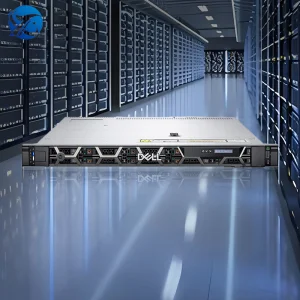
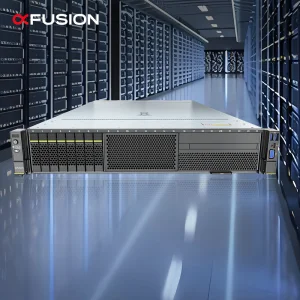
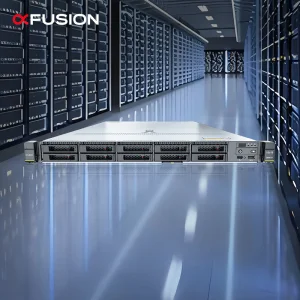
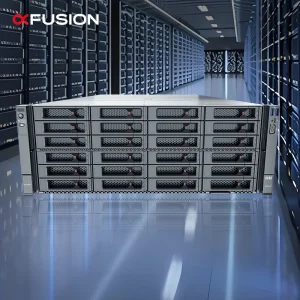
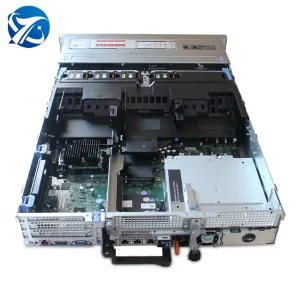
While traditional Intelligent Platform Management Interface (IPMI) protocols have served the industry for decades, modern global architectures require RESTful web service APIs. The Redfish standard, defined by the Distributed Management Task Force (DMTF), leverages JSON and OData schemas to scale management across thousands of distributed systems. NexaGPU's system integrations support these secure APIs, enabling platform architectures to query resource states, map dependencies, and script system provisioning. Whether managing xFusion FusionServer systems or high-density Dell PowerEdge arrays, operations teams can monitor critical health points from a single dashboard.
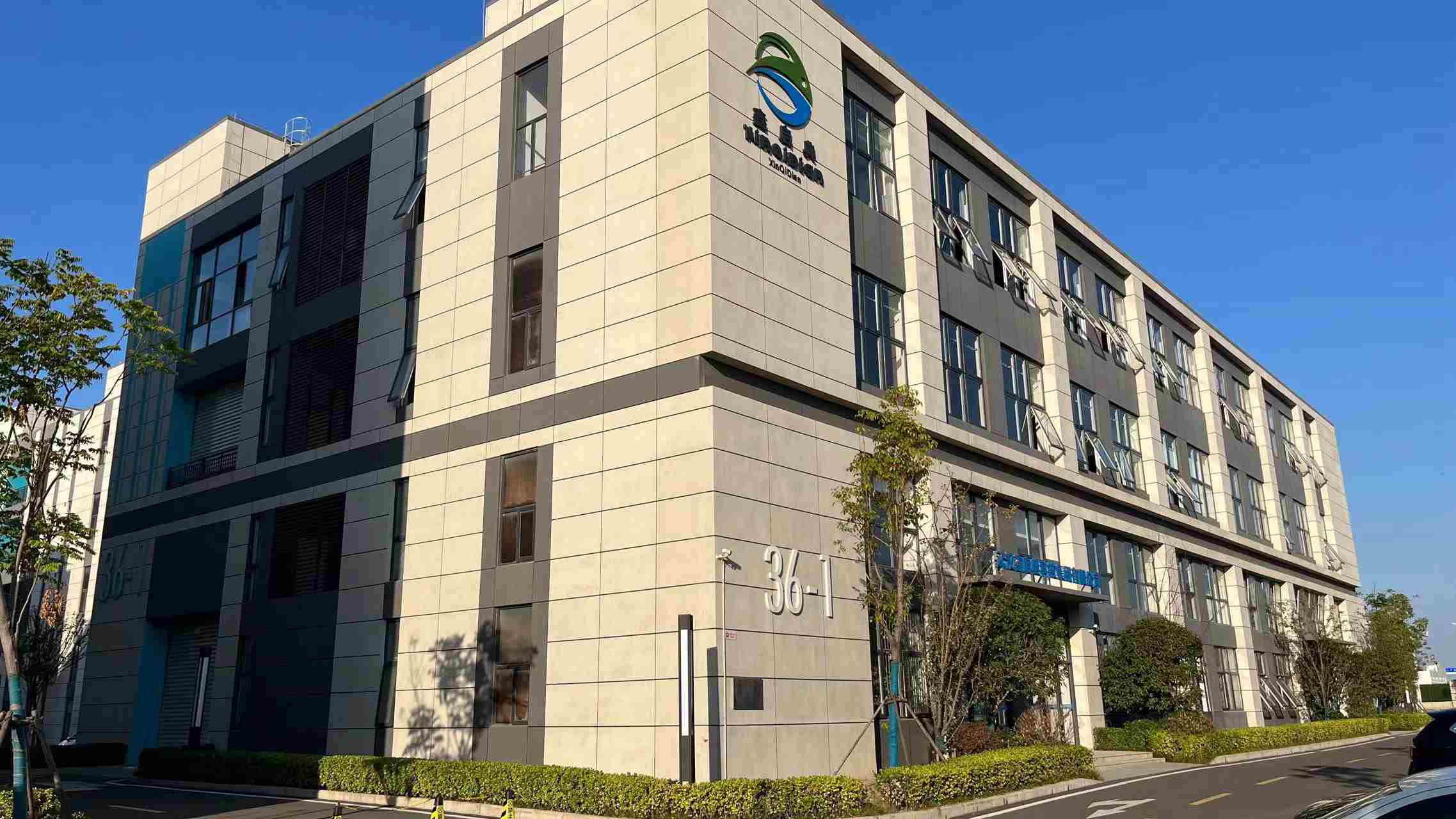
Established in 2016, NexaGPU is a leading manufacturer of high-performance computing infrastructure and custom GPU server systems.
We configure custom AI training, GPU clusters, and high-density inference servers. Our R&D team optimizes thermal dynamics and structural architectures for demanding multi-GPU configurations.
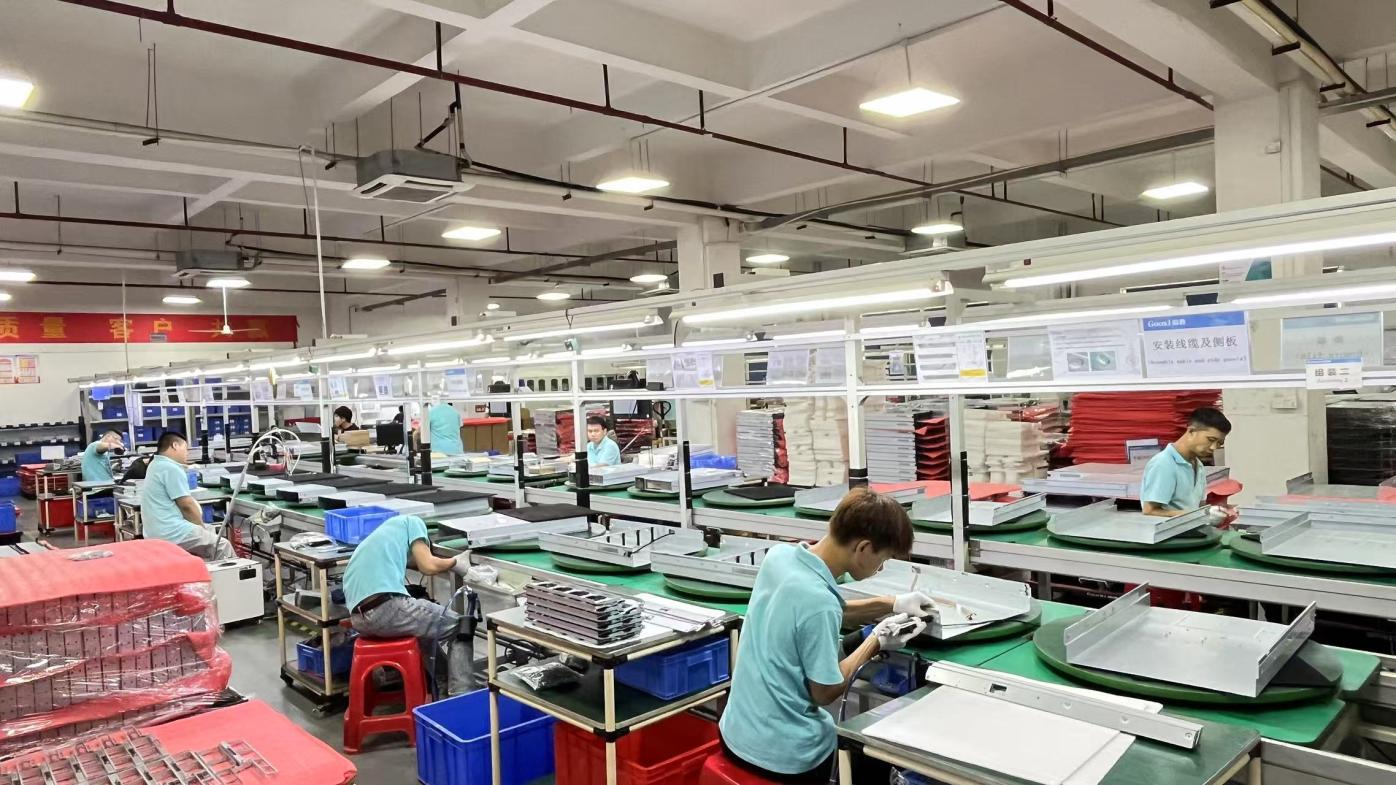
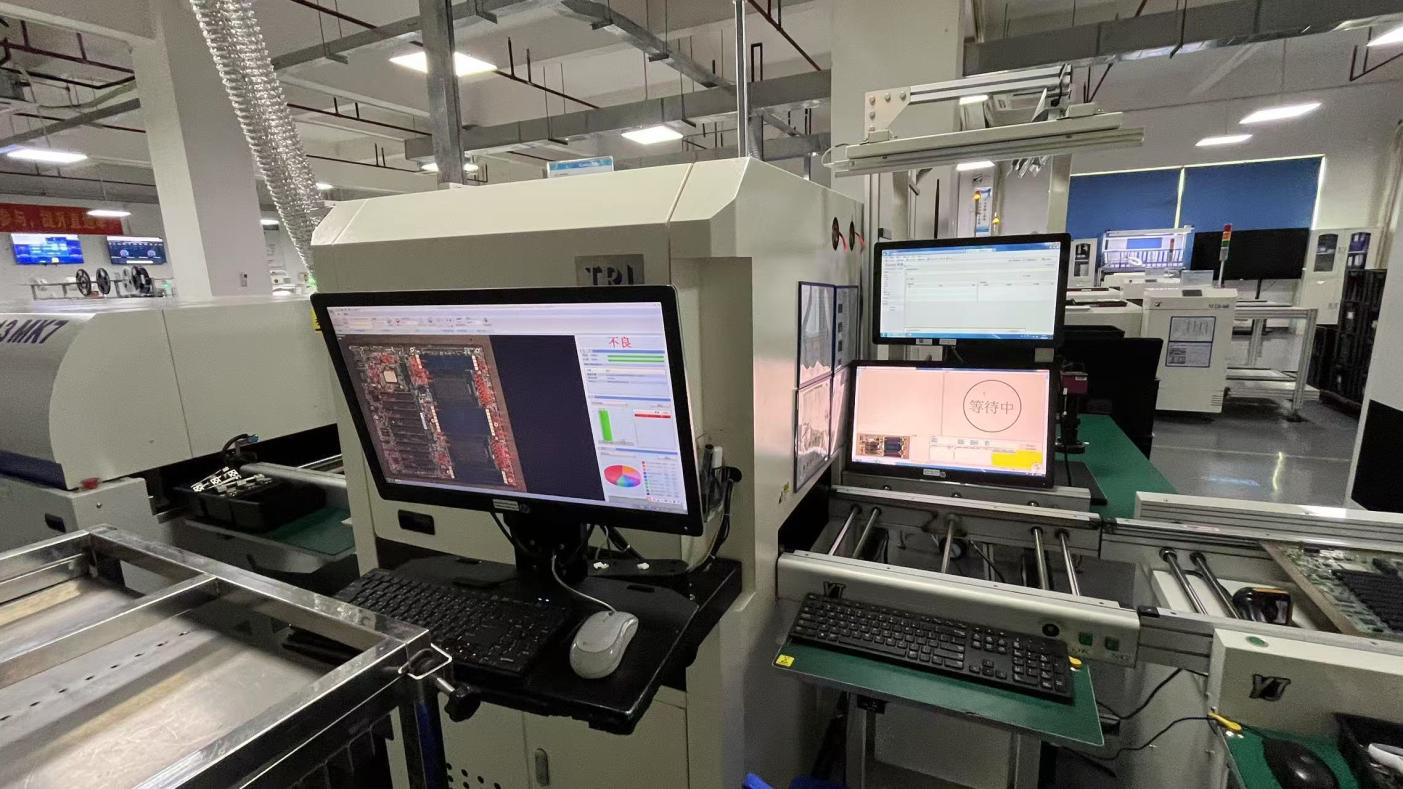
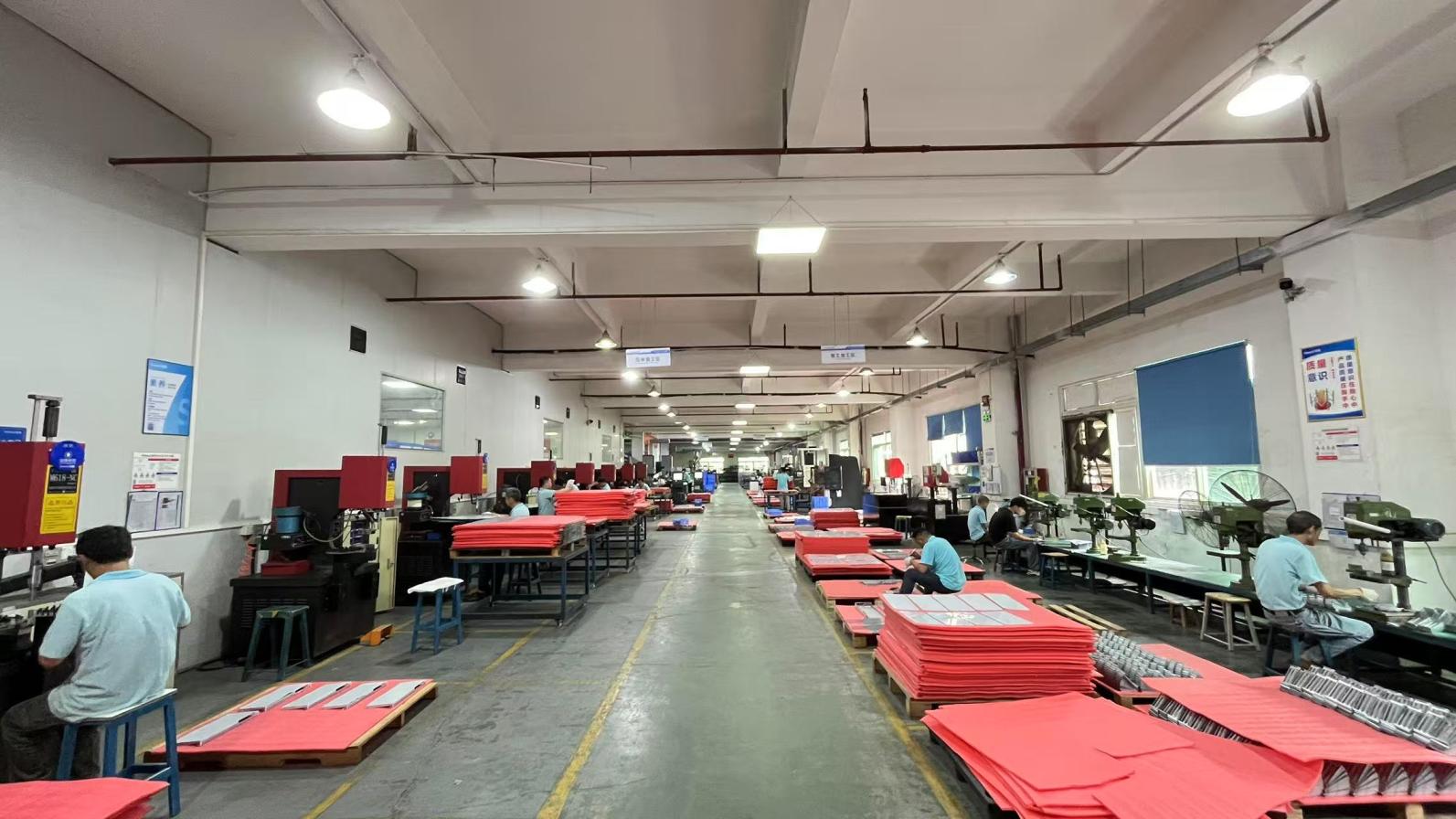
Our dedicated quality assurance team enforces rigid stress tests, thermal profiling, and memory verification. Every server goes through validation before shipment to maintain reliability.
Leveraging a network of over 850 supply chain partners, we ensure rapid access to key components, processing units, fast assembly, and streamlined global export protocols.
Sourcing hardware from China allows global enterprises to tap into a highly developed industrial ecosystem. Located in key manufacturing hubs, NexaGPU relies on localized supply lines that connect directly to premium component vendors, custom chassis manufacturers, power unit fabricators, and advanced liquid cooling designers. This network ensures faster turnaround times and allows us to customize server components for specific workloads.
Our hardware assembly and validation center conducts strict quality control protocols:

Providing compliant hardware deployments and local support to key international markets.
We work to meet regional standards including CE, FCC, RoHS, and UL guidelines. We also prioritize out-of-band security compliance by securing server IPMI and management interfaces against unauthorized external access.
Our remote systems configure user credentials using granular Role-Based Access Control (RBAC), and integrate with secure directory platforms like LDAP, Active Directory, and SAML to keep remote management sessions isolated.
With structured warehousing and component supply chains, NexaGPU supports deployment timelines in North America, Europe, Southeast Asia, and the Middle East, reducing lead times for critical server hardware.
Modern remote infrastructure demands are shifting rapidly. Data centers are transitioning from simple status checks to advanced predictive analysis. This section outlines key areas where NexaGPU integrates hardware architectures with functional management solutions:
In smart city networks, distributed GPU servers handle multiple live video feeds at the edge. Because these nodes are often deployed in hard-to-reach locations, reliable out-of-band monitoring is crucial. Remote capabilities allow administrators to reboot devices, configure network settings, and update firmware remotely, lowering maintenance costs.
High-density platforms running intensive workloads require reliable system monitoring. AI training clusters consume significant power, and power distribution units (PDUs) must work alongside BMC chips to monitor wattage at the component level. NexaGPU’s configurations support dynamic power capping, helping data centers limit maximum consumption during high-load periods without causing system crashes.
For organizations running hybrid cloud storage or private NAS structures, data protection is paramount. Hardware-level monitoring tracks RAID controller health, disk write status, and fan speeds in real time. If a drive fails or encounters sector errors, notifications can be routed instantly through email alerts or API hooks, allowing technicians to replace hot-swappable drives before data loss occurs.
Get answers to common technical queries regarding remote server hardware, compatibility, and enterprise procurement.
Complete your infrastructure deployment with our high-density rack servers and GPU computing platforms.