NexaGPU
NexaGPU
NexaGPU
Premium server platforms designed for massive parallel processing, enterprise virtualization, and localized AI workload hosting.
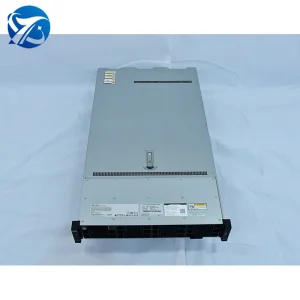
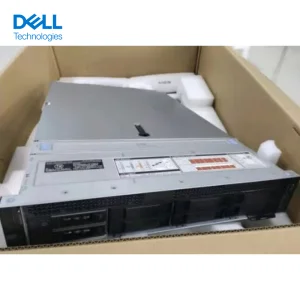
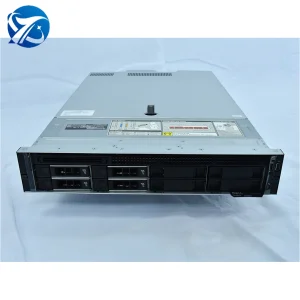
Under regulations like GDPR, HIPAA, and CCPA, multi-tenant public environments present operational risks. Enterprise private clouds offer closed network loops, dedicated cryptographic units, and complete system isolation to safeguard sensitive user data.
For operations utilizing deep neural networks (like DeepSeek, LLaMA, and custom large models), public cloud multi-tenancy causes volatile execution times. Private physical servers ensure consistent, maximum bus speeds over PCIe Gen 5 and NVLink backplanes.
While public clouds feature low initial setup barriers, long-term 24/7 compute loads often result in prohibitive egress charges and computing fees. Owning dedicated bare-metal infrastructure amortizes the investment within 12 to 18 months, reducing long-term OPEX.
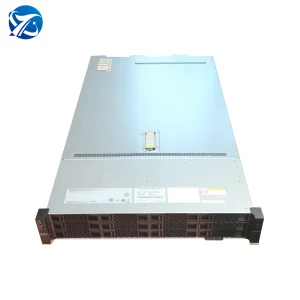
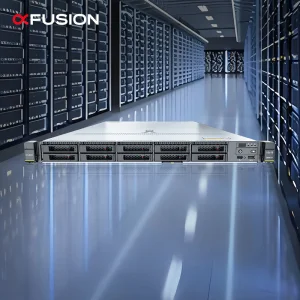
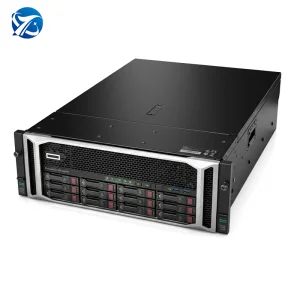
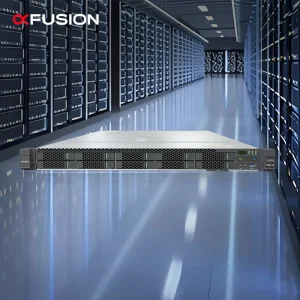
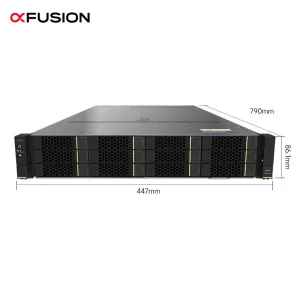
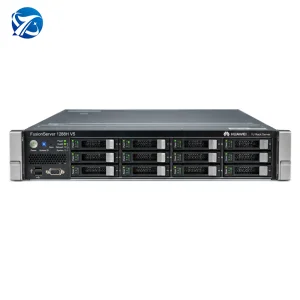
Deploying ultra-low latency, multi-socket Intel Xeon rack platforms (like the FusionServer 2488H V7) to execute high-frequency trade simulations, fraud detection pipelines, and high-throughput localized transaction databases.
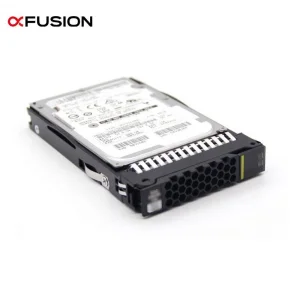
Processing massive gene sequencing arrays and medical imagery using high-density SSD arrays (such as the PM893 enterprise disk series) combined with GPU acceleration, ensuring strict adherence to protected patient record standards.
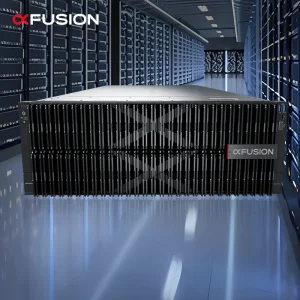
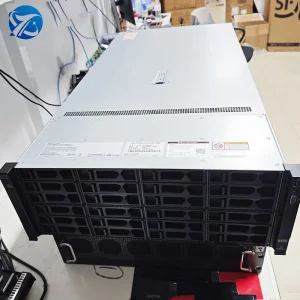
Utilizing high-density AI clusters (such as the FusionServer G8600 V7 8U setup) to run training pipelines, ingest large video feeds, and model complex neural simulations with high interconnect bandwidth.
Building a reliable private cloud environment requires robust hardware integration across compute, processing, high-speed storage, and networking layers. We customize configurations to eliminate performance bottlenecks and ensure maximum uptime.
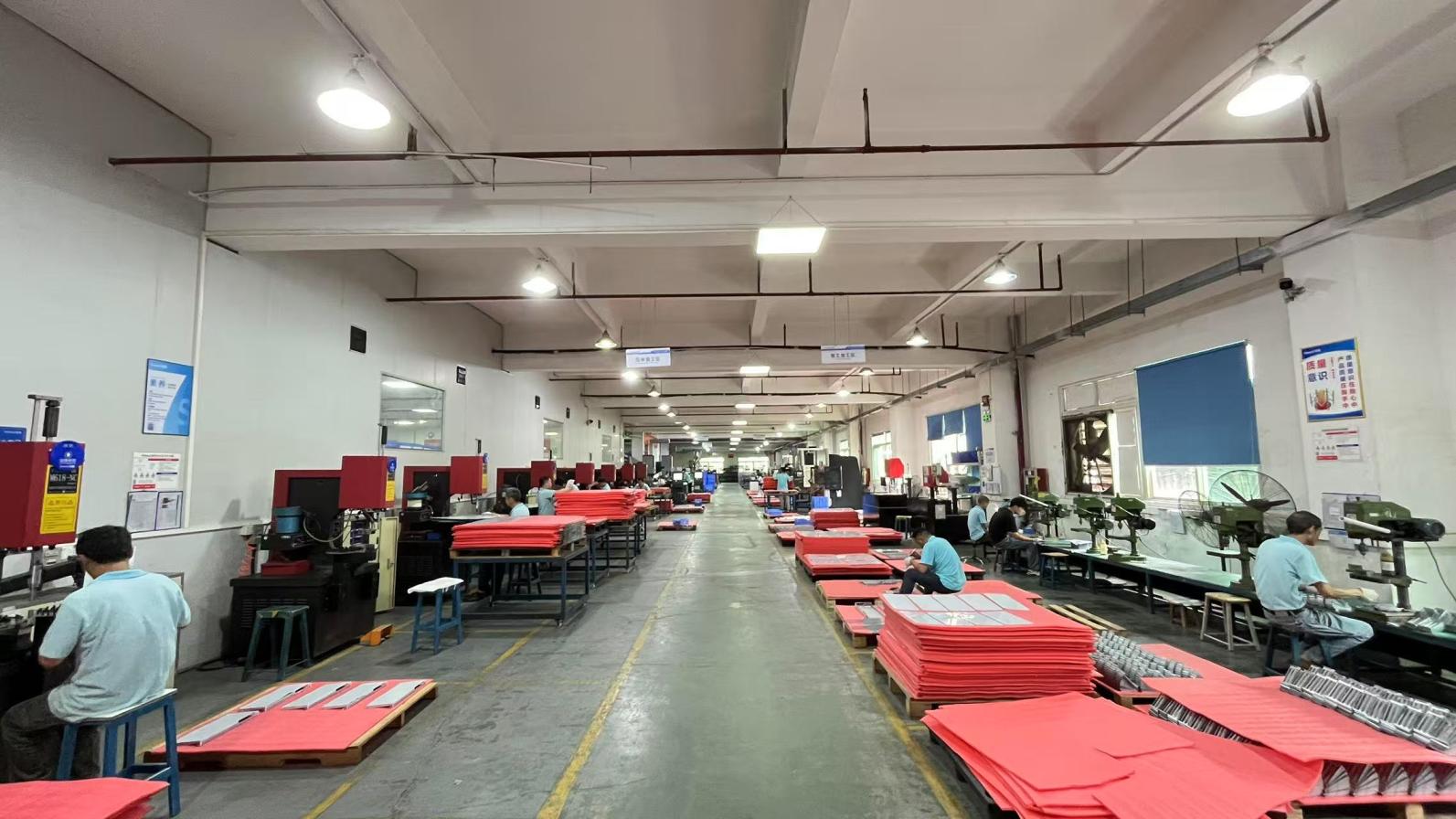
To ensure high standards, NexaGPU implements comprehensive, multi-stage inspection processes. Our testing protocols include hardware stress testing under continuous compute loads, detailed thermal performance tests using infrared imaging, and system stability validation under heavy data loads. Our R&D team works closely with chip manufacturers, motherboard designers, chassis manufacturers, and cooling liquid developers to create customized solutions for various deployment sizes.
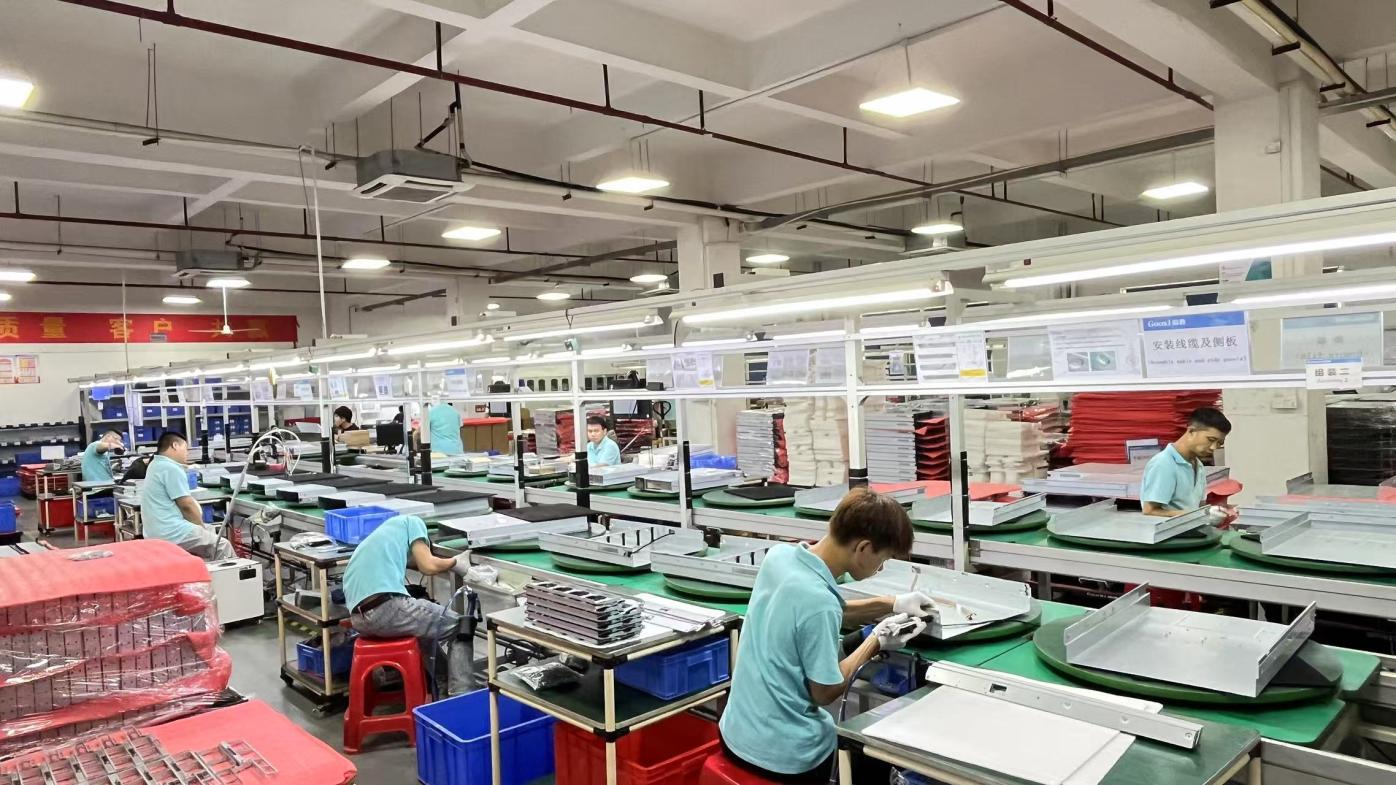
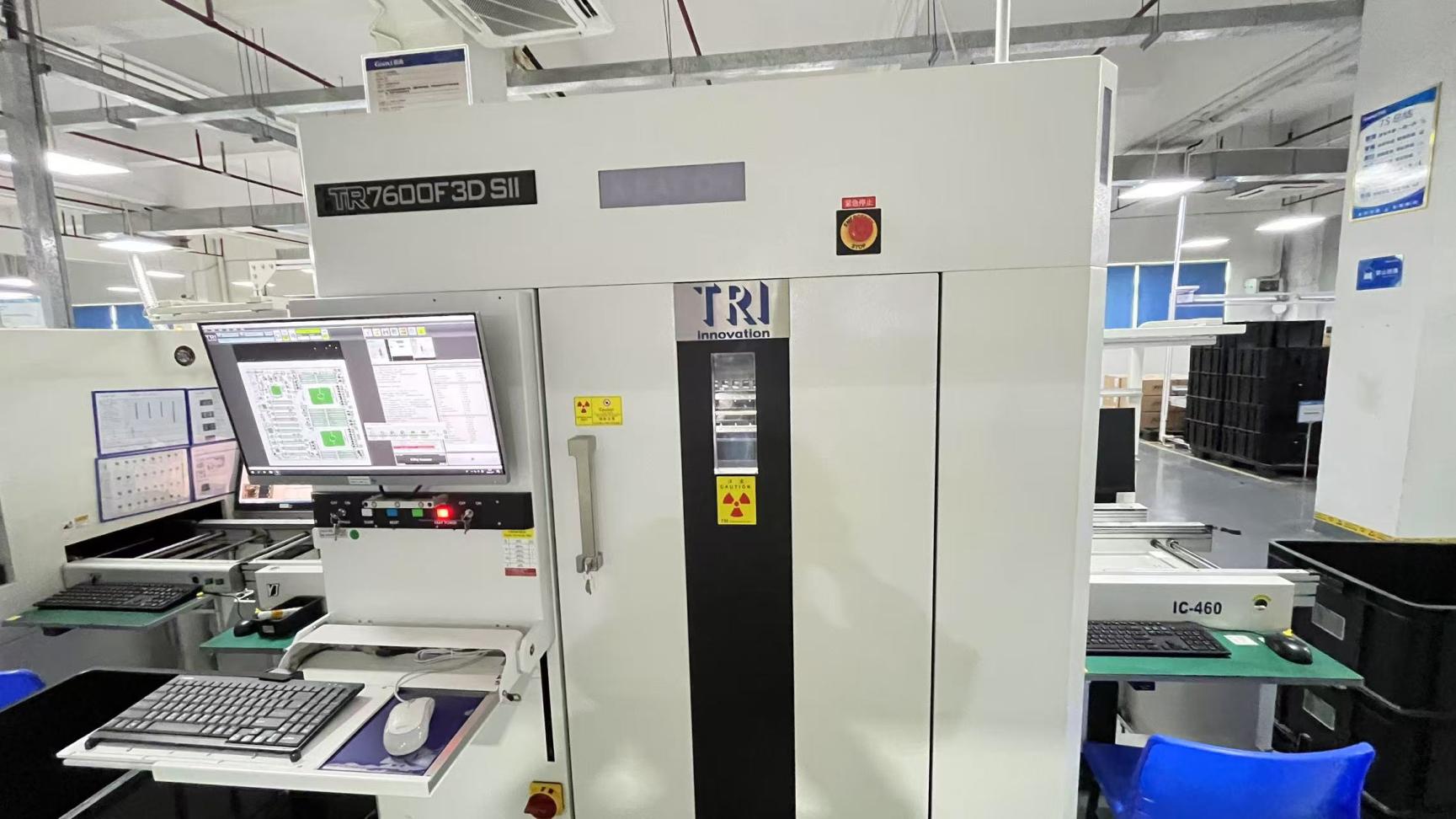
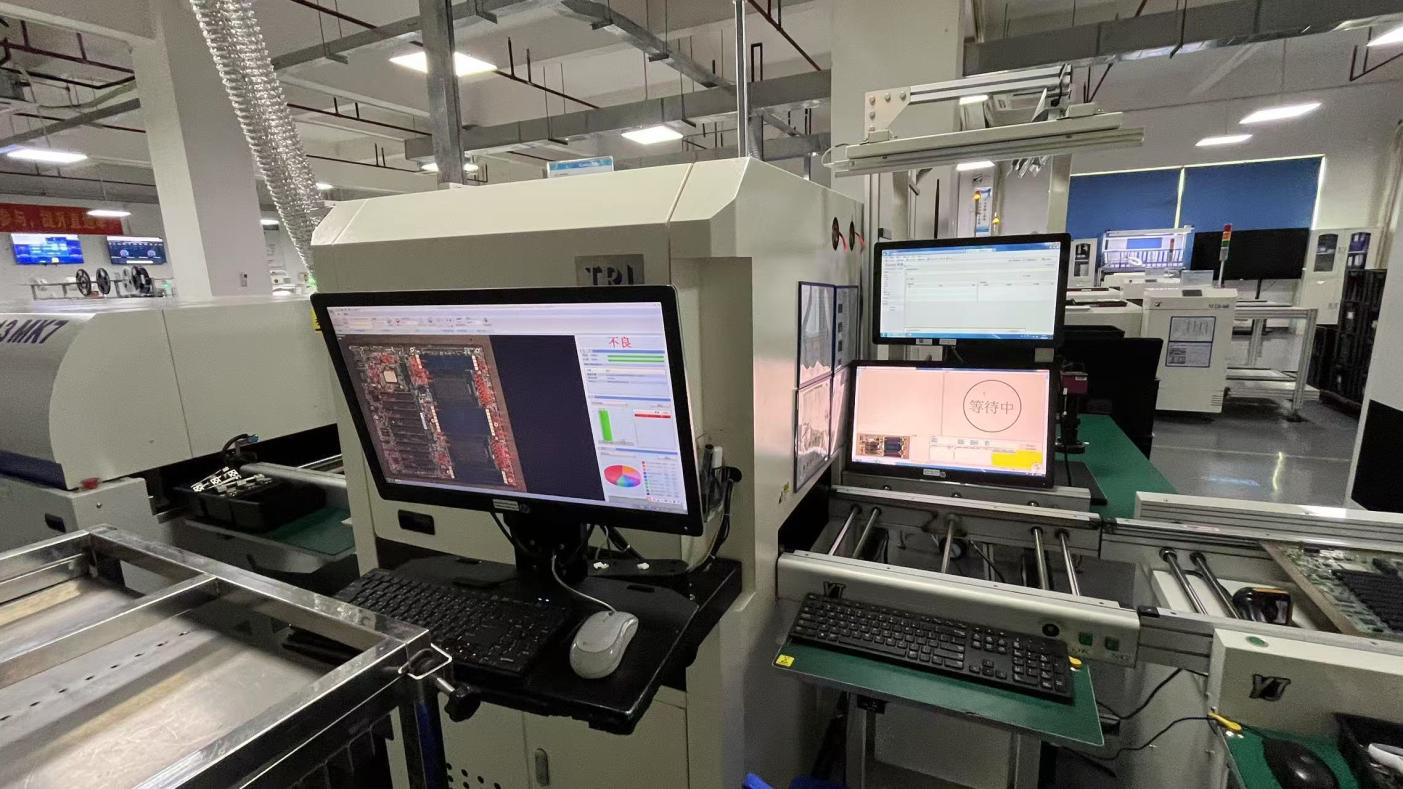
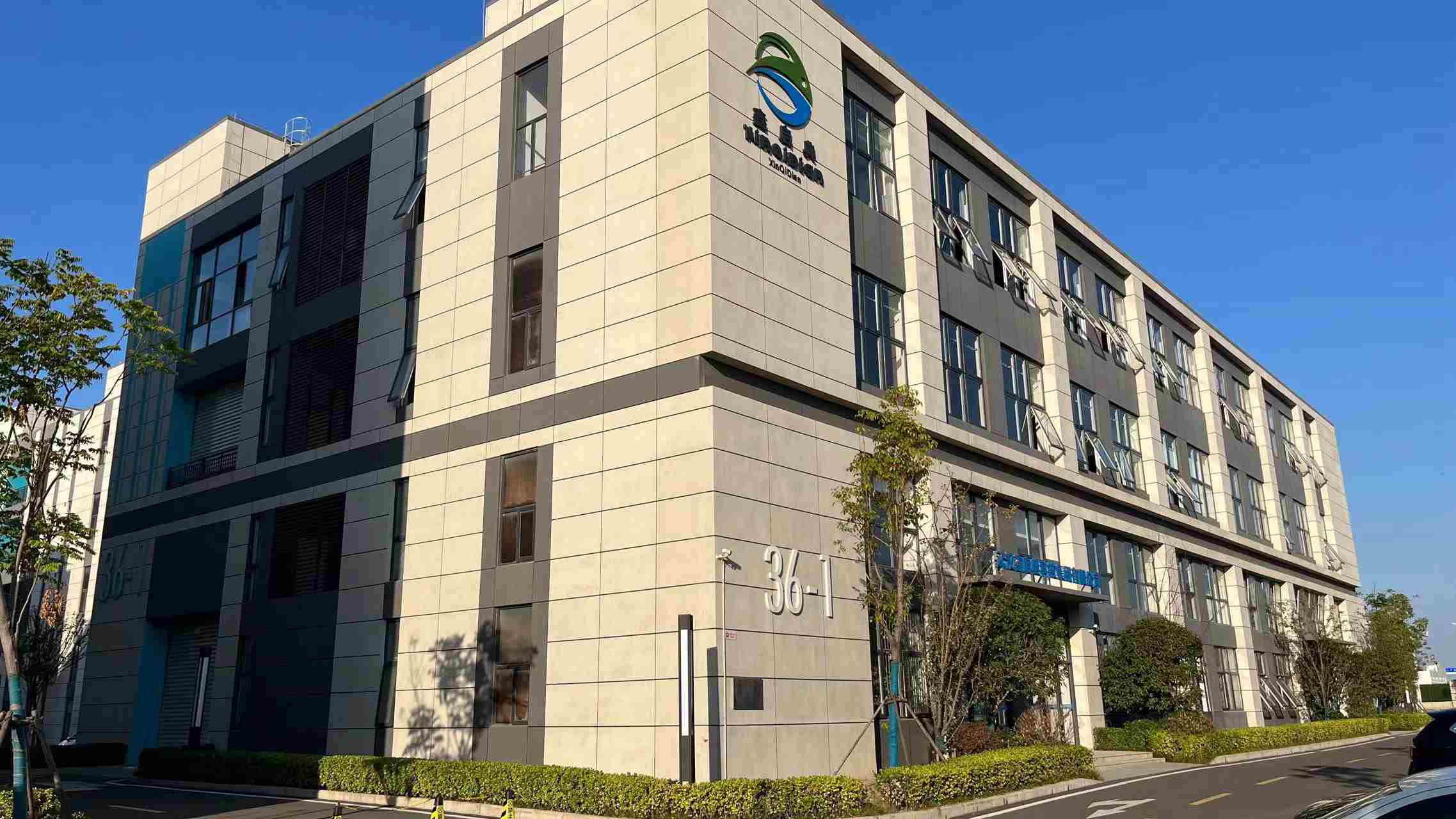
NexaGPU serves key markets with reliable logistics, export compliance, and hardware certification support.
Exporting high-performance computing devices requires navigating international import and export controls, safety compliance checks, and secure shipping protocols. NexaGPU ensures that every bare-metal chassis, memory module, and server node is fully compliant with regional target market specifications.
We configure systems to comply with CE, FCC, RoHS, and UL safety standards. Additionally, our R&D team can customize firmware to align with internal compliance frameworks such as HIPAA, GDPR, and SOC Type II, ensuring your private cloud solution is secure and audit-ready from day one.
Our 8U GPU solutions utilize optimized chassis designs that maximize internal space for cooling and power delivery. The motherboard layout features direct PCIe Gen 5 point-to-point pathways, minimizing signal latency between the CPU and the active GPU accelerators. Additionally, we integrate efficient power supplies (e.g., 1500W+ platinum level redundant units) to prevent voltage drops during high computational loads, ensuring stable performance for deep learning models.
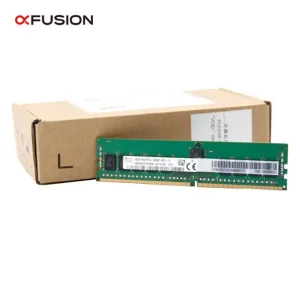
For workloads with intensive write operations, we recommend enterprise NVMe SSD arrays (such as the PM893 SSD series) configured in hardware RAID 10 or RAID 5, supported by high-performance LSI cache controllers. Combined with DDR5 ECC RDIMM system memory, this setup reduces storage access bottlenecks and provides the durability needed for database write cycles.
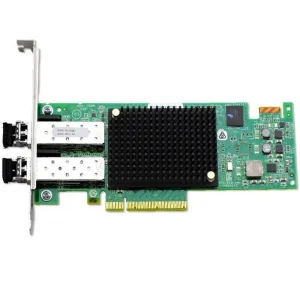
Customers can choose their preferred processor models (Intel Xeon or AMD EPYC), storage configuration, memory speed, network interfaces (such as Emulex Fibre Channel HBA cards or Mellanox 100G/200G NICs), and chassis cooling setups (liquid loops or high-airflow fans). Our R&D team designs and validates the custom configuration to ensure compatibility before mass production.
Every server undergoes a 72-hour burn-in phase, full hardware stress testing at maximum computing capacity, thermal inspections under variable fan speeds, and memory error analysis. This rigorous process helps ensure reliability and reduces hardware failures after deployment.
We offer standard 3-year hardware warranties on our custom server systems, including options for spare parts replacement and technical support from our engineering team. We work with local integration partners to provide timely hardware support and maintenance in major markets.
High-density components and server nodes to scale and upgrade your current infrastructure.