NexaGPU
NexaGPU
NexaGPU
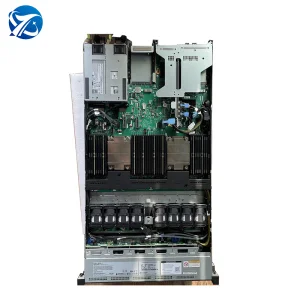
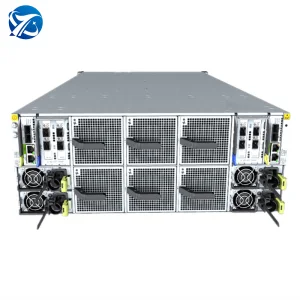
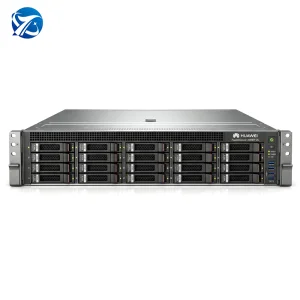
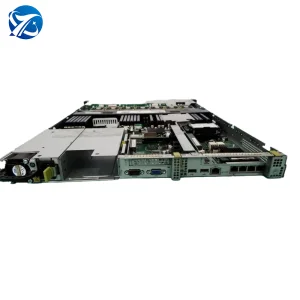
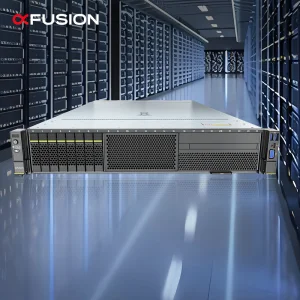
Enterprise-grade server units, computing racks, and storage subsystems calibrated for hyper-scale cloud applications.
Expert insights on semantic web infrastructure, hardware reliability metrics, and systemic growth in the AI computing era.
As hyperscale cloud environments undergo a transition from generic, general-purpose computation to highly specialized, accelerated workflows, standard server setups no longer meet operational demands. Modern workloads—ranging from Large Language Model (LLM) training to distributed data arrays—require hardware designs that maximize efficiency and minimize system latency. In particular, hardware setups tailored for DeepSeek and similar AI inference pipelines must focus on system interconnect optimization, memory bus architecture, and heat management.
For international buyers, identifying reliable suppliers for these compute resources is no longer just about cost per unit. It requires auditing the supplier's engineering processes, chip supply lines, and adherence to international validation standards. Manufacturers like NexaGPU bridge the gap between initial component design and high-volume, enterprise-grade deployment.
China's dominance in the global server supply chain is driven by integrated logistics, component sourcing clusters, and specialized assembly capabilities. The Pearl River Delta, especially the Shenzhen technology corridor, provides unparalleled speed in moving prototypes to production. This ecosystem offers distinct advantages for global enterprise buyers:
Why modern datacenters rely on custom-engineered GPU clusters and specialized compute servers.
Maximizing FLOPS per rack unit using PCIe Gen 5 topologies and dedicated NVLink configurations for deep-learning clusters.
Utilizing high-efficiency power supplies and fluid dynamic fans to handle thermal challenges in high-density rack systems.
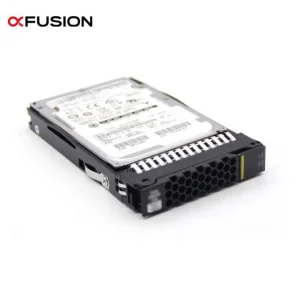
Minimizing I/O bottlenecks with low-latency NVMe and SATA arrays, backed by enterprise-grade RAID controllers.
Years Industry Experience
R&D Engineers
QC Specialists
Annual Export Revenue
Modern data centers are adapting to key trends that require significant adjustments in hardware procurement:
Custom server hardware supports several key business and technology use cases:
A professional AI GPU server manufacturer and supplier specializing in high-performance computing infrastructure.
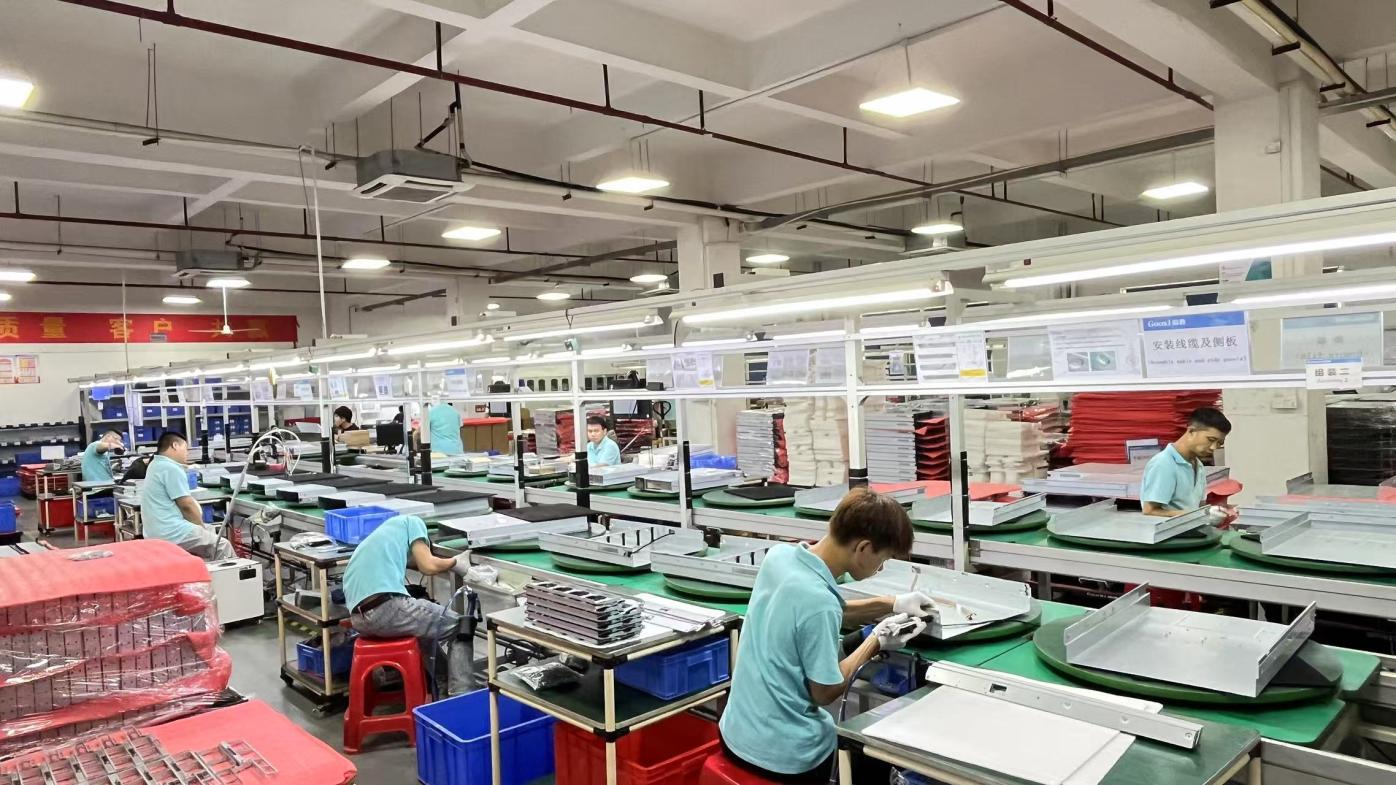
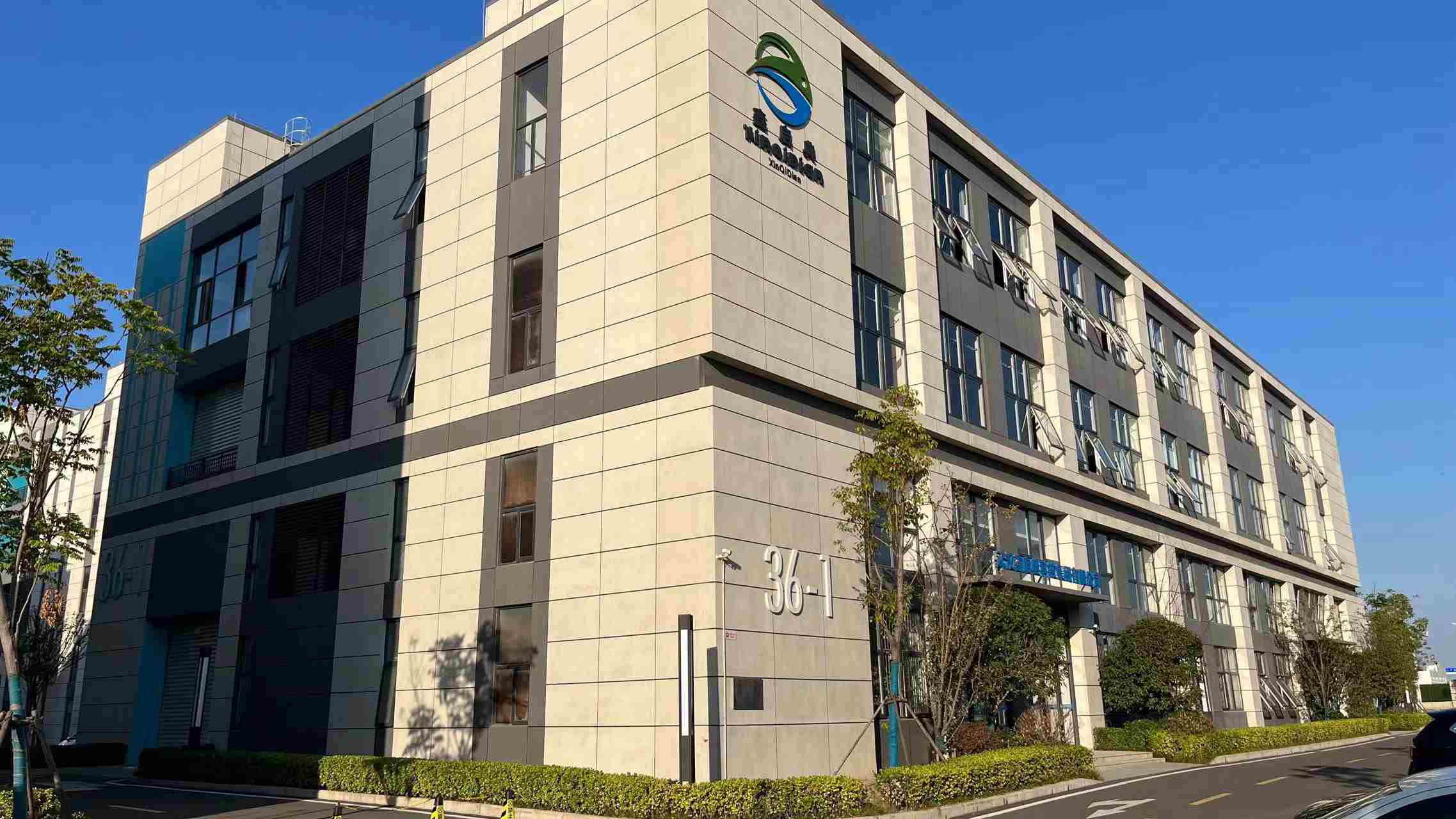
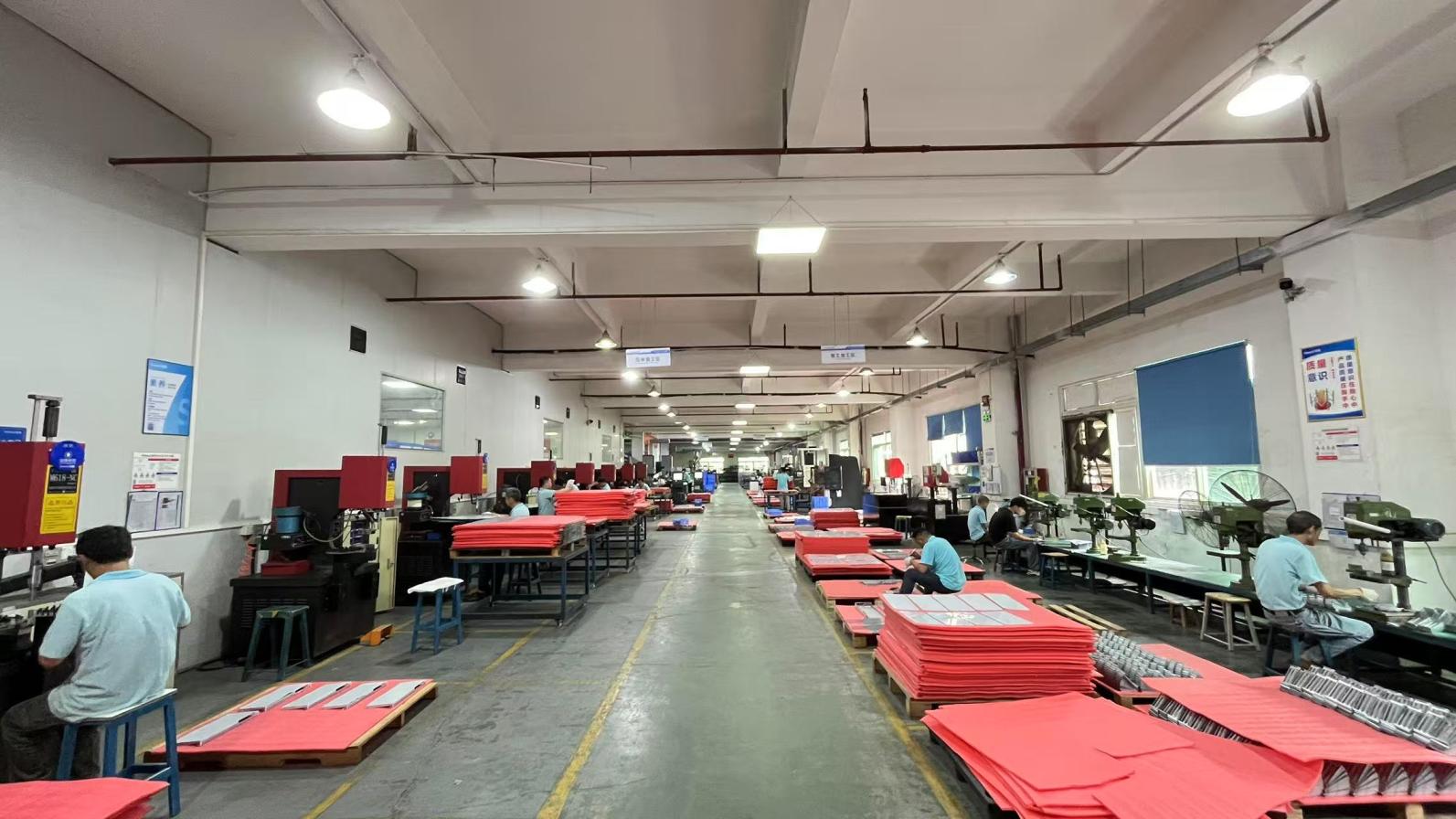
Established in 2016, NexaGPU has rapidly grown into a trusted provider of advanced GPU computing systems. The company operates a modern manufacturing facility with a building area of approximately 320㎡, supporting efficient production, assembly, and testing of AI server systems.
With an annual export revenue of USD 12 million, NexaGPU has built strong international business capabilities and maintains 6 years of export experience and 11 years of industry experience in high-performance computing and server manufacturing.
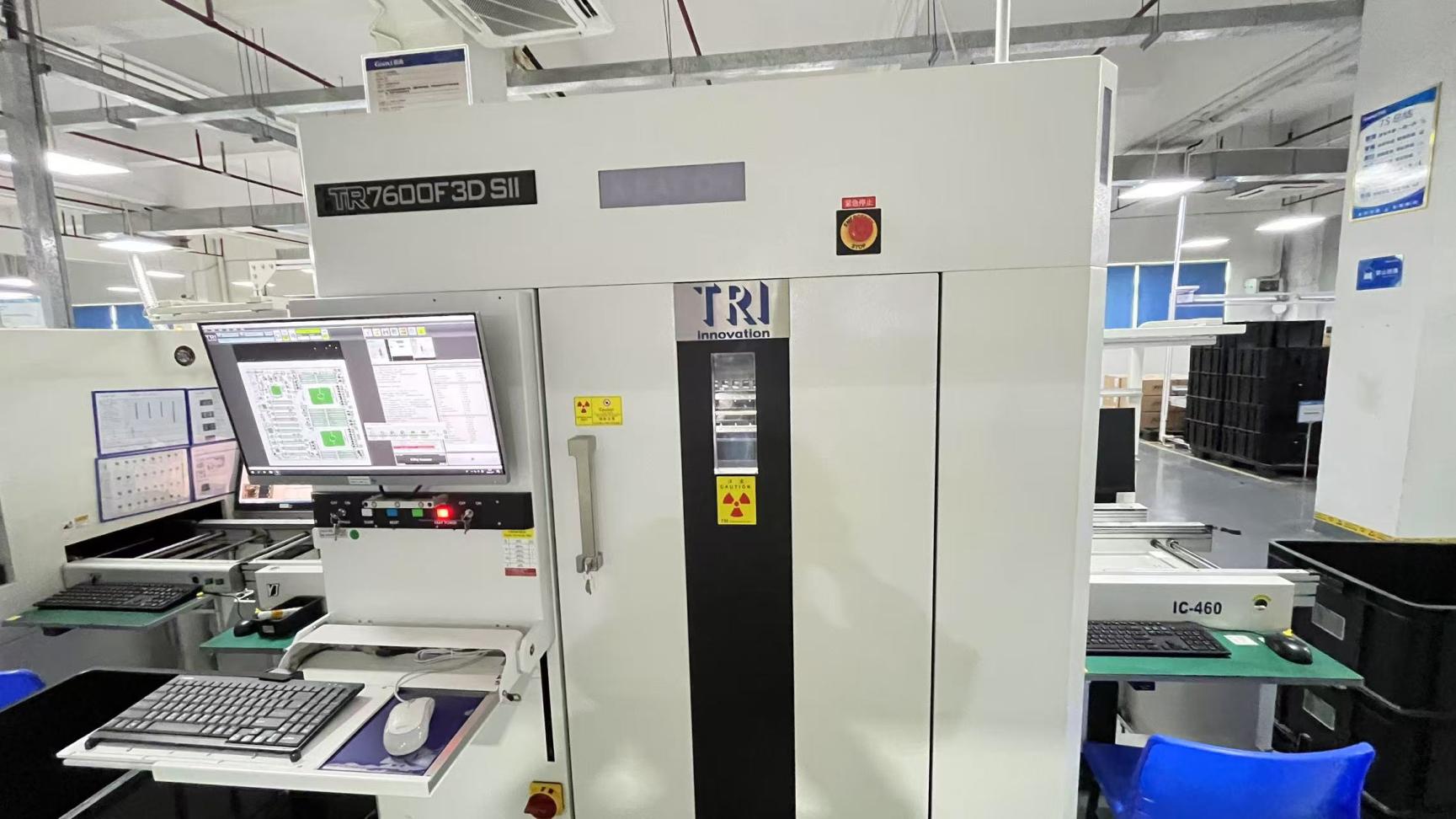
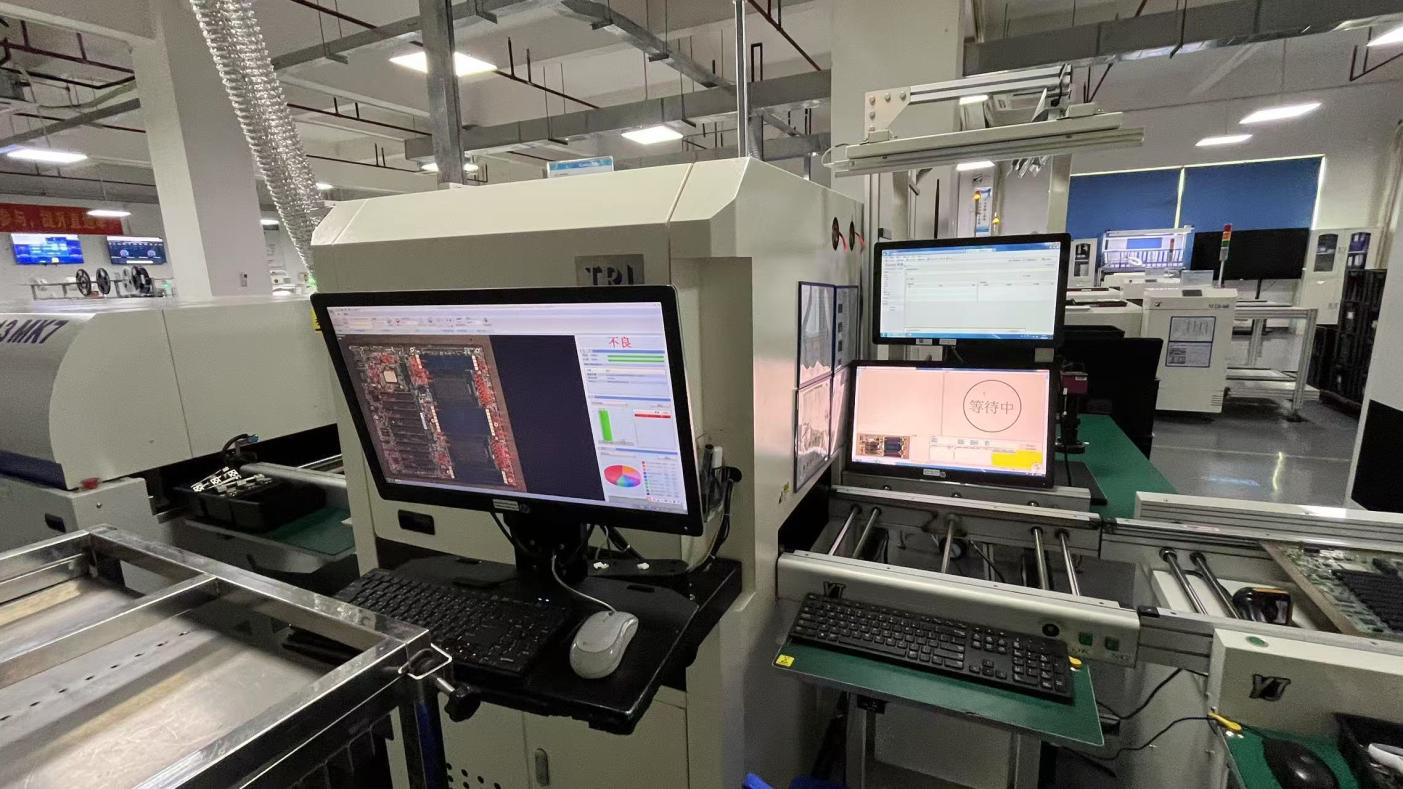
To ensure strict product quality, NexaGPU implements comprehensive multi-stage inspection processes, including hardware stress testing, thermal performance testing, and system stability validation. The company employs a dedicated quality assurance team of 45 QC specialists to maintain consistent product reliability.
NexaGPU works closely with over 850 supply chain partners, including GPU chip suppliers, motherboard manufacturers, server chassis factories, and cooling system providers, serving AI startups, cloud computing providers, data centers, and research institutions in North America, Europe, Southeast Asia, and the Middle East.
Crucial engineering and procurement answers for IT directors, data center managers, and purchasing officers.
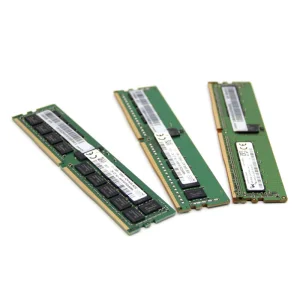
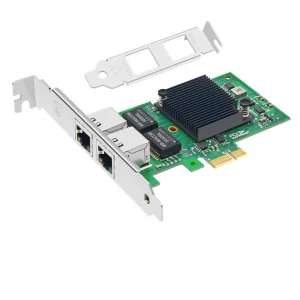
Reliable memory options, network interface cards, and high-density computing components to round out your deployment.