NexaGPU
NexaGPU
NexaGPU
Immediate access to critical hardware: host bus adapters, rack servers, and high-density GPU computing platforms.
In an era defined by artificial intelligence (AI), machine learning (ML), and massive dataset pipelines, storage is no longer merely a repository for passive archive data. It is the lifeblood of high-performance computing (HPC) ecosystems. Top-tier storage solutions suppliers must transition from traditional Network Attached Storage (NAS) configurations toward unified distributed, ultra-low latency flash storage, and PCIe Gen 4/5 architectures that can sustain the severe bandwidth requirements of modern workloads like DeepSeek, LLMs, and real-time analytical processors.
In this comprehensive whitepaper, we dissect the capabilities required of the top storage suppliers, mapping their manufacturing facilities, research and development output, geopolitical resilience, and technical roadmaps. Our objective is to guide CTOs, data center architects, and infrastructure procurement managers through the criteria that distinguish a transactional vendor from an essential strategic partner.
How high-throughput hardware is deployed across critical vertical sectors to maximize operational output and system resilience.
Requires massive parallel access to training datasets. Leverages ultra-high bandwidth NVMe SSDs and GPUDirect Storage (GDS) to feed GPU clusters continuously, eliminating costly GPU idle cycles.
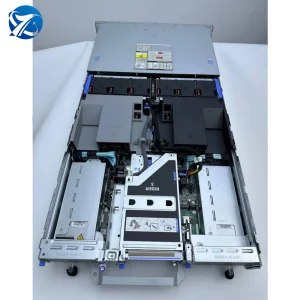
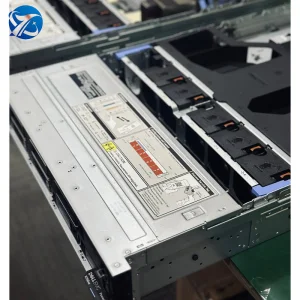
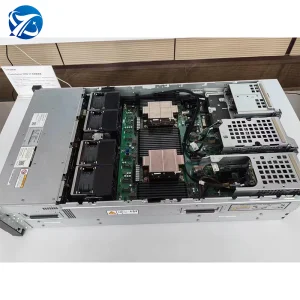
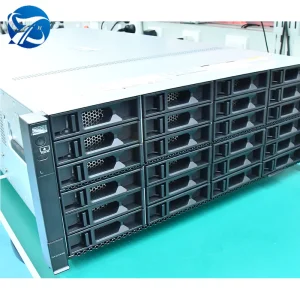
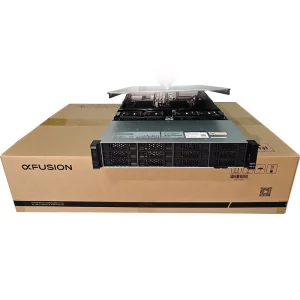
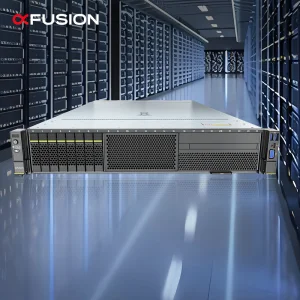
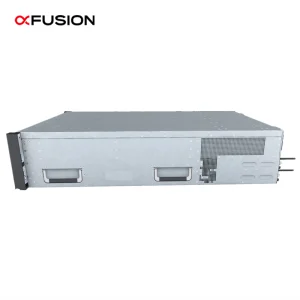
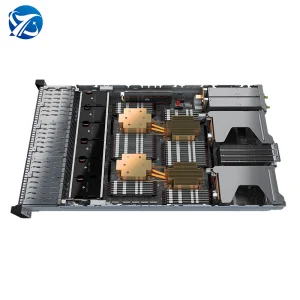
Optimized for ultra-dense architectures, high-performance computing, virtualization workloads, and hyper-converged storage nodes using 2U-rack systems with massive drive capacities.
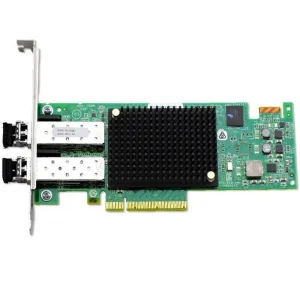
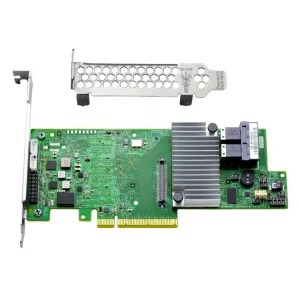
Demands microseconds-level latency. Accomplished by integrating high-speed Fibre Channel HBAs (like 32Gb/s SFP28 modules) directly into hardware storage layers for real-time transaction processing.
NexaGPU is a premier AI GPU server manufacturer and supplier, specializing in high-performance computing infrastructure, custom GPU clusters, and optimized enterprise-grade storage systems. Established in 2016, the company has positioned itself as an industry leader in server design, manufacturing, and international deployment.
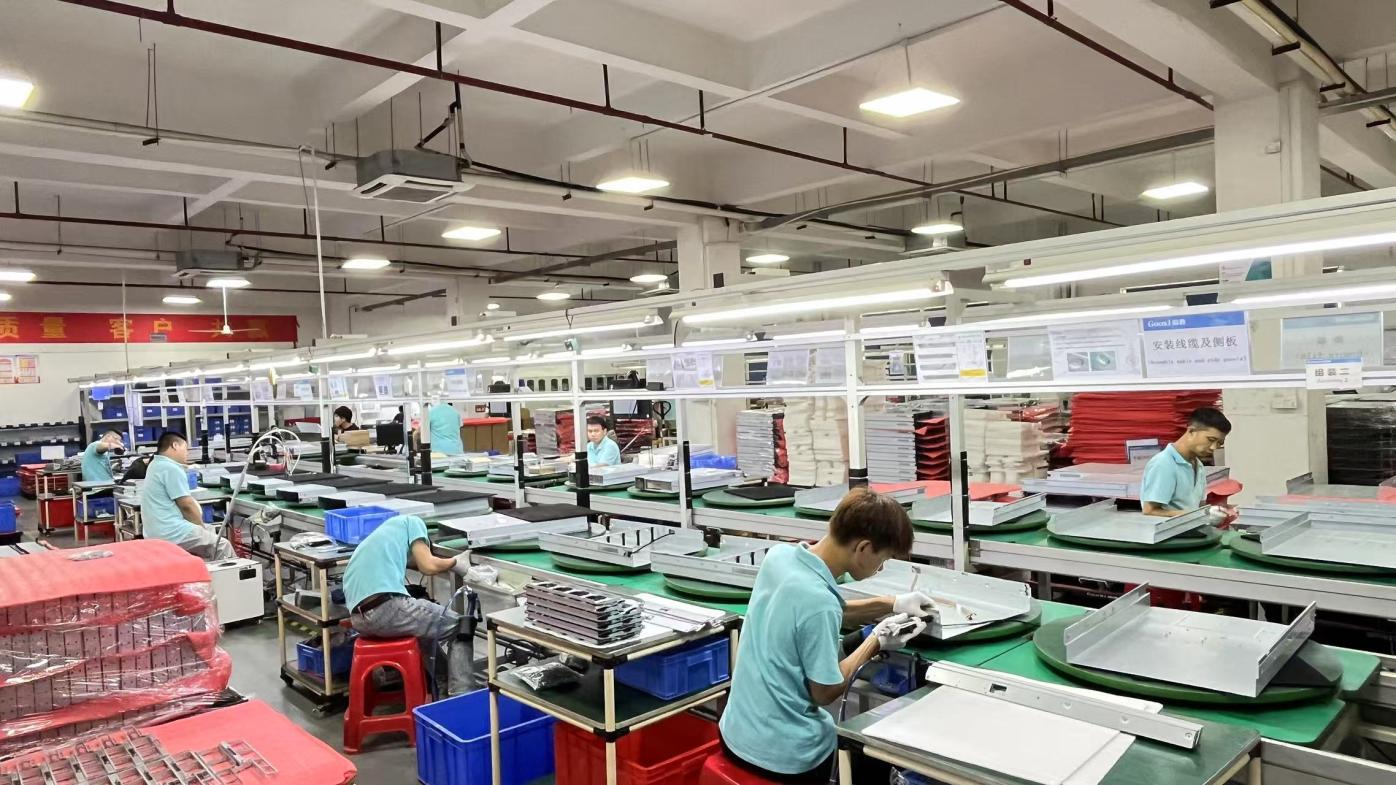
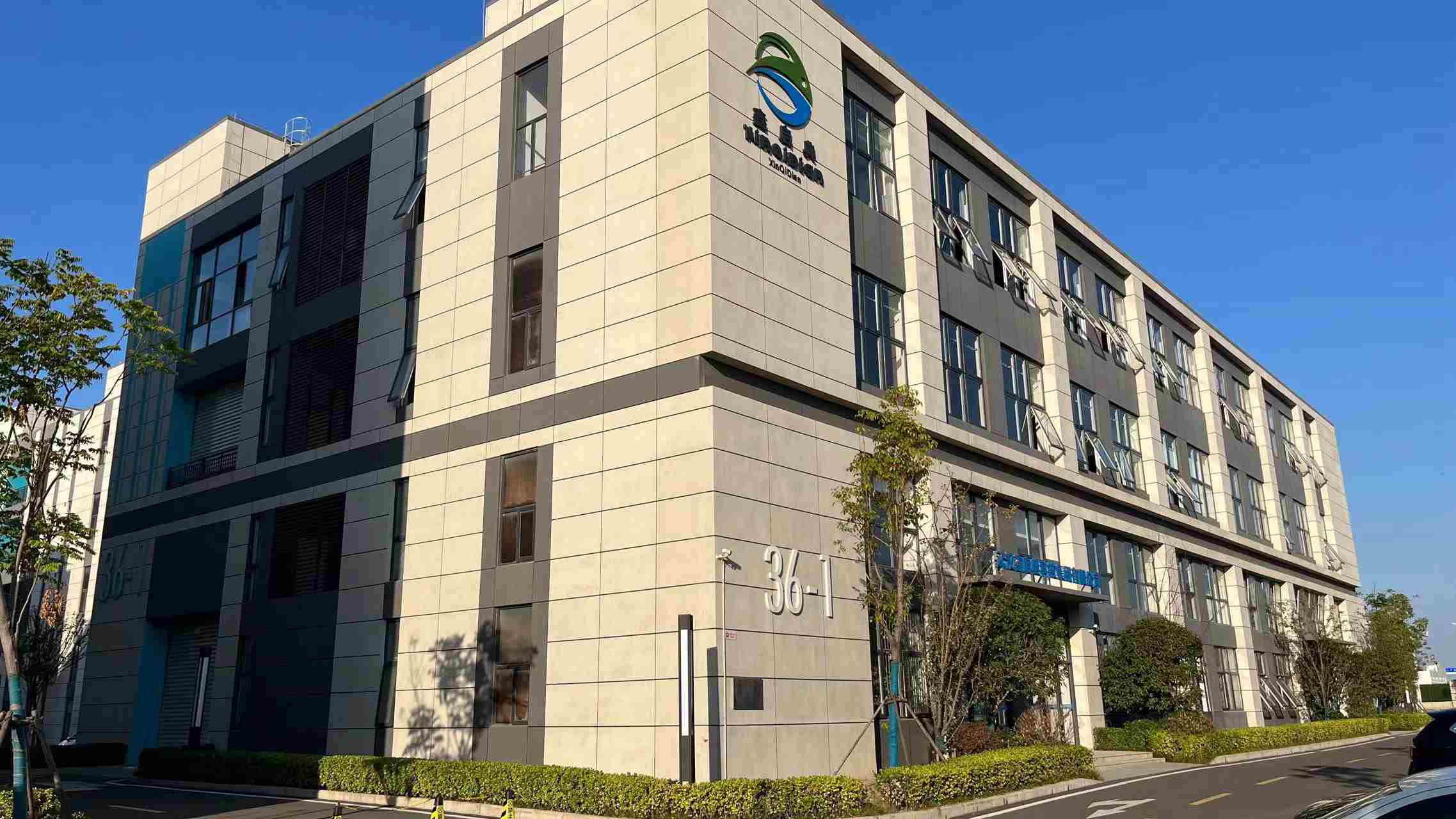
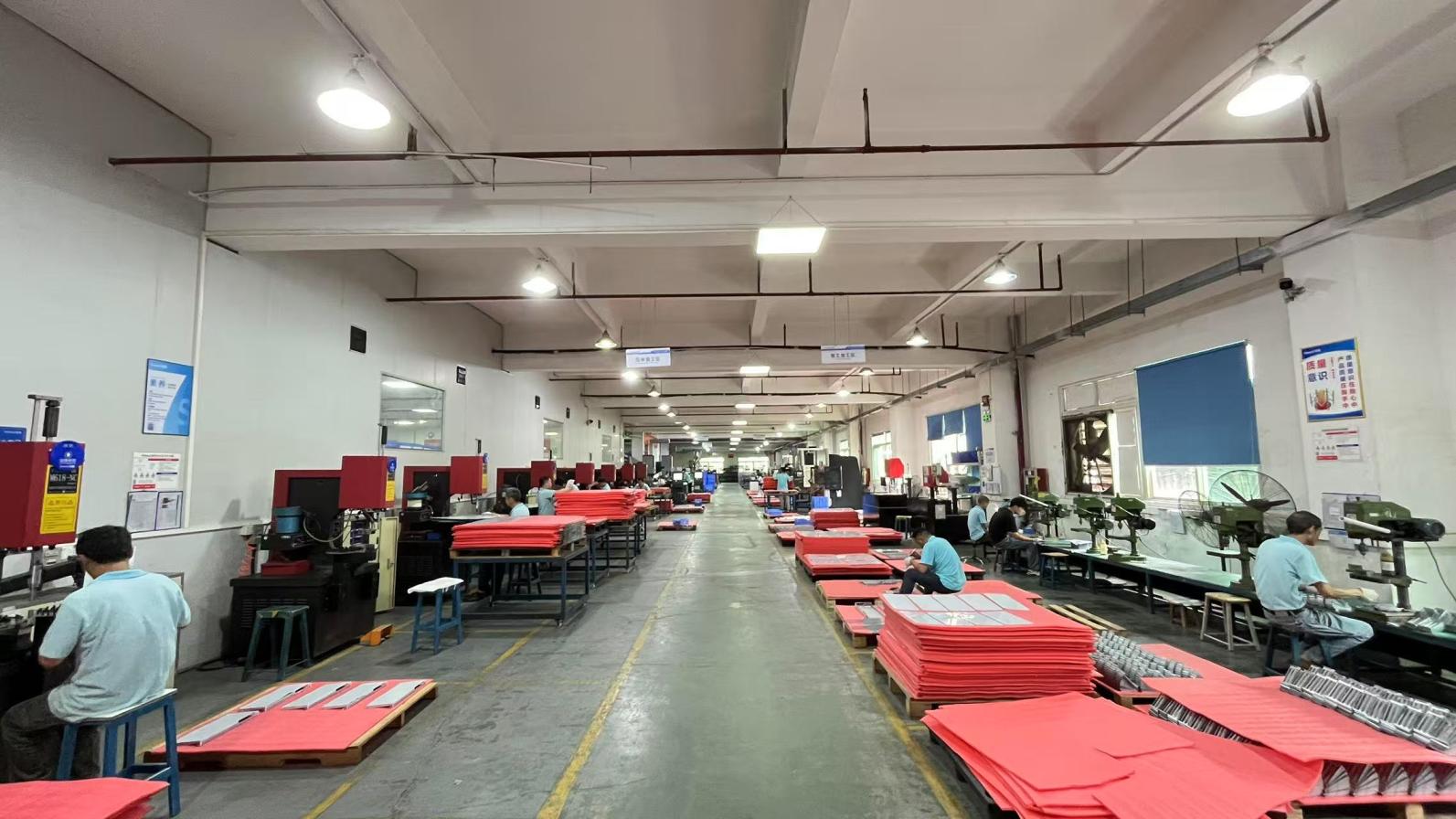
Operating a specialized, high-efficiency assembly and verification facility with a building area of approximately 320㎡, NexaGPU is built for precision integration. Rather than mass-producing low-grade consumer equipment, this facility focuses strictly on high-performance compute and storage systems where precise assembly, thermal pathing verification, and high-frequency testing are paramount.
With over 11 years of experience in the computing industry and 6 years of global export track record, NexaGPU has forged robust relationships across the global B2B technology chain. Their network spans 850+ core partners, including leading chip manufacturers, storage media fabricators, chassis designers, and liquid cooling innovators. This ensures components are secured reliably even during periods of global silicon constraints.
The manufacturing ecosystem in China has evolved from high-volume assembly to smart, automated, and precision-engineered Factory 4.0 paradigms. NexaGPU’s production lines leverage this regional transformation to offer unrivaled efficiency and supply chain consistency.
| Manufacturing Standard | Conventional Factory Metrics | NexaGPU Factory 4.0 Standard |
|---|---|---|
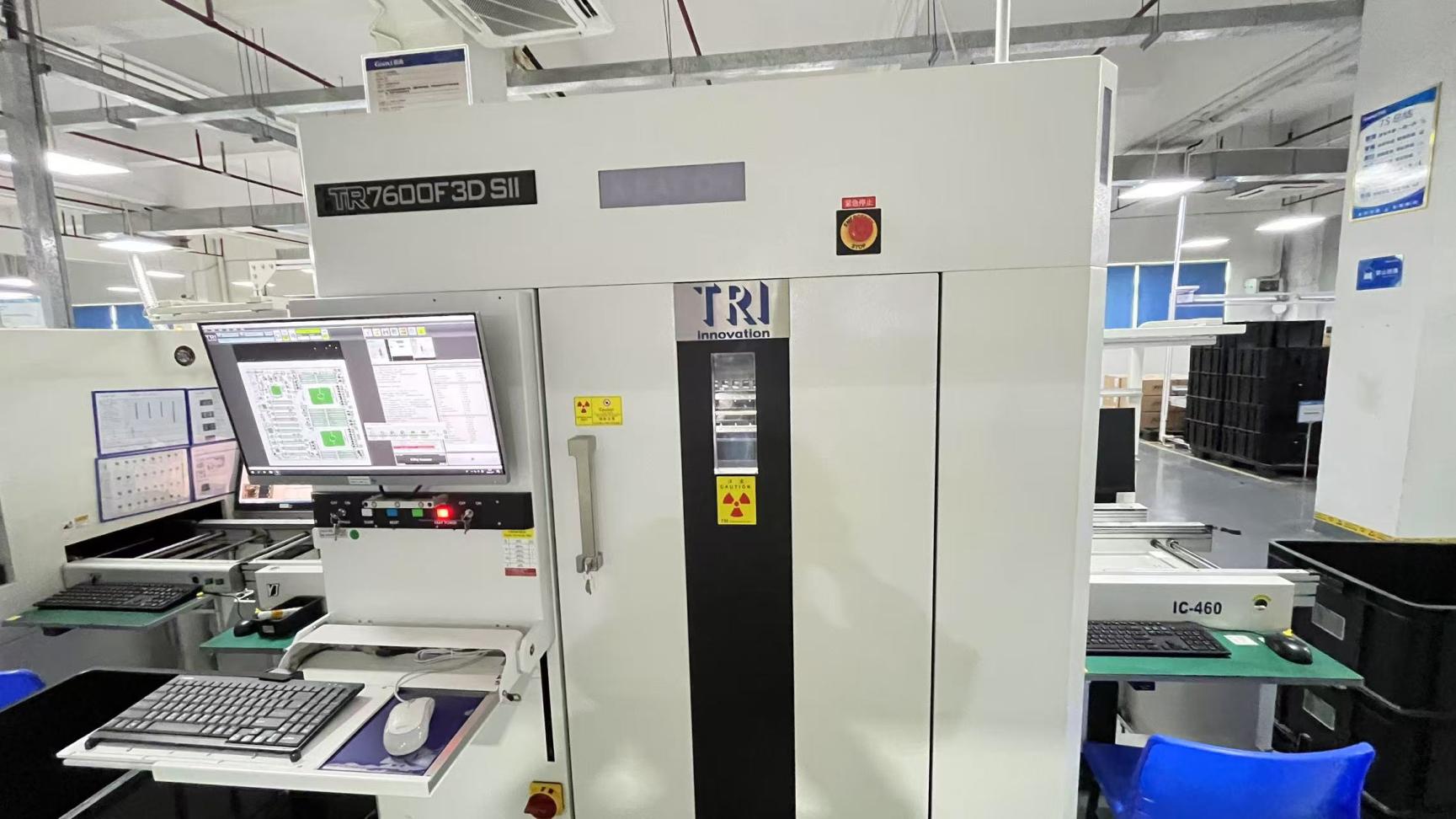
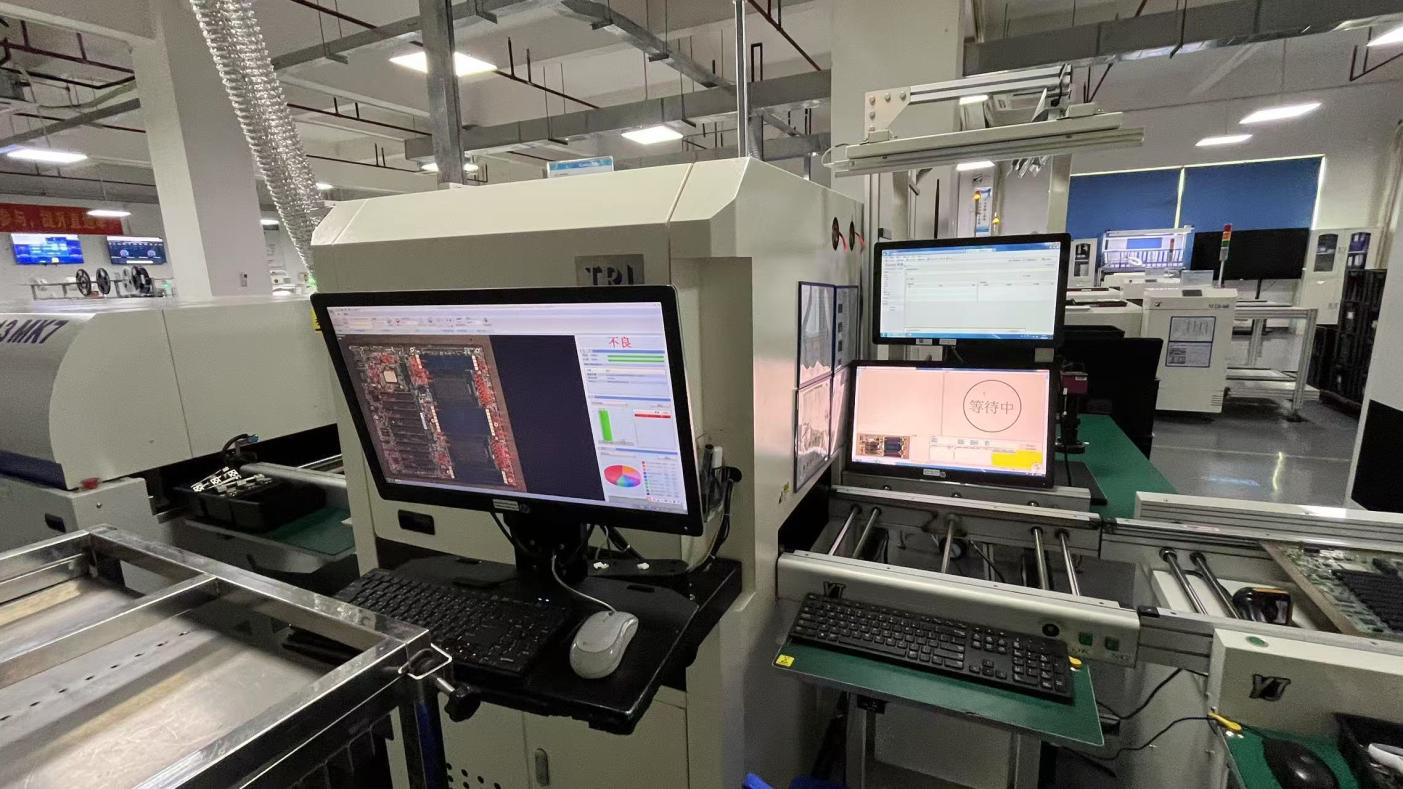
| Testing Protocols | Basic power-on self-test (POST) | Multi-stage burn-in, full thermal stressing, memory test pattern validation |
| Component Sourcing | Transactional spot-market buying | Direct ecosystem alignment with 850+ Tier-1 manufacturers |
| Customization Latency | 6 to 12 weeks engineering lead time | Rapid prototyping via in-house R&D team of 120 engineers |
| Quality Assurance (QA) | Sample checking (AQL methods) | 100% full-process stress-testing by 45 QC experts |
For international buyers, this smart infrastructure translates to highly predictable build lead times, complete traceability of storage controllers and memory components, and the structural capability to release 85 new product configurations yearly. NexaGPU is able to balance high performance with financial viability, ensuring that high-throughput SAS/SATA/NVMe technologies are accessible under optimized commercial agreements.
Understanding where enterprise storage is heading ensures that purchasing decisions made today do not become obsolete tomorrow. We track three primary trajectories in technology advancement:
CXL is breaking the silos between system RAM and storage. By creating unified memory pools, systems can share resources with near-zero latency, accelerating heavy analytic databases and AI execution phases.
Doubling the bandwidth of previous generations. Newer NVMe drives and high-speed Host Bus Adapters operate on PCIe 5.0 lanes, delivering read/write throughputs that eliminate the bottlenecks of deep-learning cycles.
Power consumption in hyperscale data centers has become a limiting growth factor. Future storage solutions emphasize high-density SSD arrays, intelligent spin-down states, and liquid-cooled configurations.
To align with these advancements, NexaGPU’s engineering team actively designs nodes that incorporate high-speed PCIe lanes, advanced thermal dispersion architectures, and compatibility with upcoming CXL standard memory pools.
Enterprise hardware procurement is an intricate process. Making the wrong choice can lead to recurring downtime, compatibility headaches, and unpredicted cost escalations. The following checklist details the criteria that should be prioritized during vendor assessment:
Deploying computing infrastructure globally requires adherence to local electrical, electromagnetic, and environmental safety regulations. NexaGPU understands these barriers and implements strict compliance frameworks to ensure smooth clearance and installation processes in major international markets.
All hardware platforms undergo thorough testing to align with international criteria:
Answers to common industry questions regarding integration, custom configurations, and deployment operations.
Fibre Channel HBAs (operating at 32Gb/s) are designed for storage area networks (SAN) requiring minimal latency and high data throughput. 12Gb/s SAS is typically utilized for direct-attached storage (DAS) or cascading external JBOD enclosures. For high-speed analytical databases, 32Gb/s SFP28 interfaces provide significantly higher bandwidth and lower protocol latency.
NexaGPU uses extensive validation cycles controlled by its 45 QC experts. Systems are tested against leading enterprise operating systems and hypervisors, including VMware ESXi, Proxmox VE, Red Hat Enterprise Linux, and Microsoft Windows Server, ensuring direct out-of-the-box driver integration and performance stability.
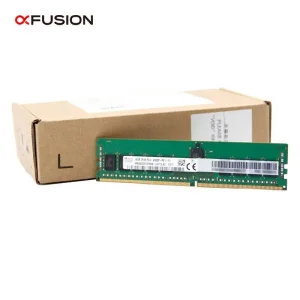
Yes, NexaGPU supports full custom memory sourcing. Options include high-performance server RDIMMs with specified frequencies (such as 3200MHz DDR4 or 4800MHz/5600MHz DDR5), specific ranks (Single Rank, Dual Rank, Quad Rank), and ultra-stable low-voltage variations to match existing node configurations.
By utilizing a network of over 850 upstream partners and maintaining strategic buffer reserves of critical raw materials, motherboard chipsets, memory dies, and chassis designs, NexaGPU minimizes lead times. This allows for stable production run schedules and protects global buyers from price volatility.
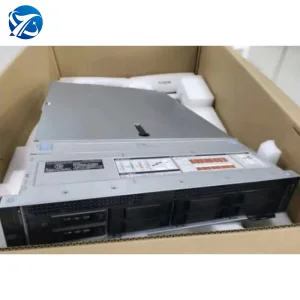
Maintain operational continuity with high-density server configurations, specialized array cards, and RAM memory arrays.
Step inside NexaGPU's production workspace, showcasing engineering workflows, quality control labs, and logistics centers.