NexaGPU
NexaGPU
NexaGPU
High-performance network switches, server nodes, and compute engines optimized for software-defined control and virtualization.
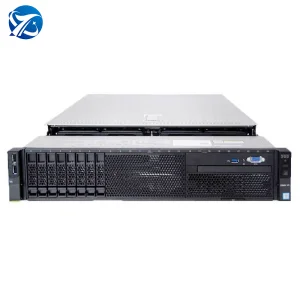
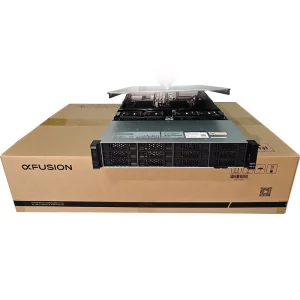
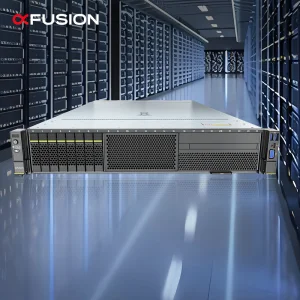
The global networking landscape is undergoing a monumental paradigm shift. Legacy hardware-centric models, plagued by proprietary command-line interfaces, fragmented configurations, and vendor lock-in, are giving way to agile, programmable Software-Defined Networking (SDN) architectures. By separating the control plane (network logic) from the forwarding plane (physical transport), SDN allows modern enterprises to run highly scalable, software-controlled overlays on top of robust, high-density physical compute and switching fabrics.
For network architects, global sourcing agents, and datacenter procurement managers, choosing the right combination of software-defined controllers and robust physical computing nodes is the key to minimizing latency, securing data boundaries, and future-proofing investments.
Providing the high-performance computing, storage, and networking hardware nodes required to drive the modern virtualized network plane.
NexaGPU is a premier manufacturer and supplier specializing in high-performance enterprise infrastructure, AI GPU servers, and robust networking solutions designed for global scale. Established in 2016, the company has leveraged its 11 years of industry experience to design computing hardware optimized for virtualization, software-defined storage (SDS), and software-defined networking interfaces.
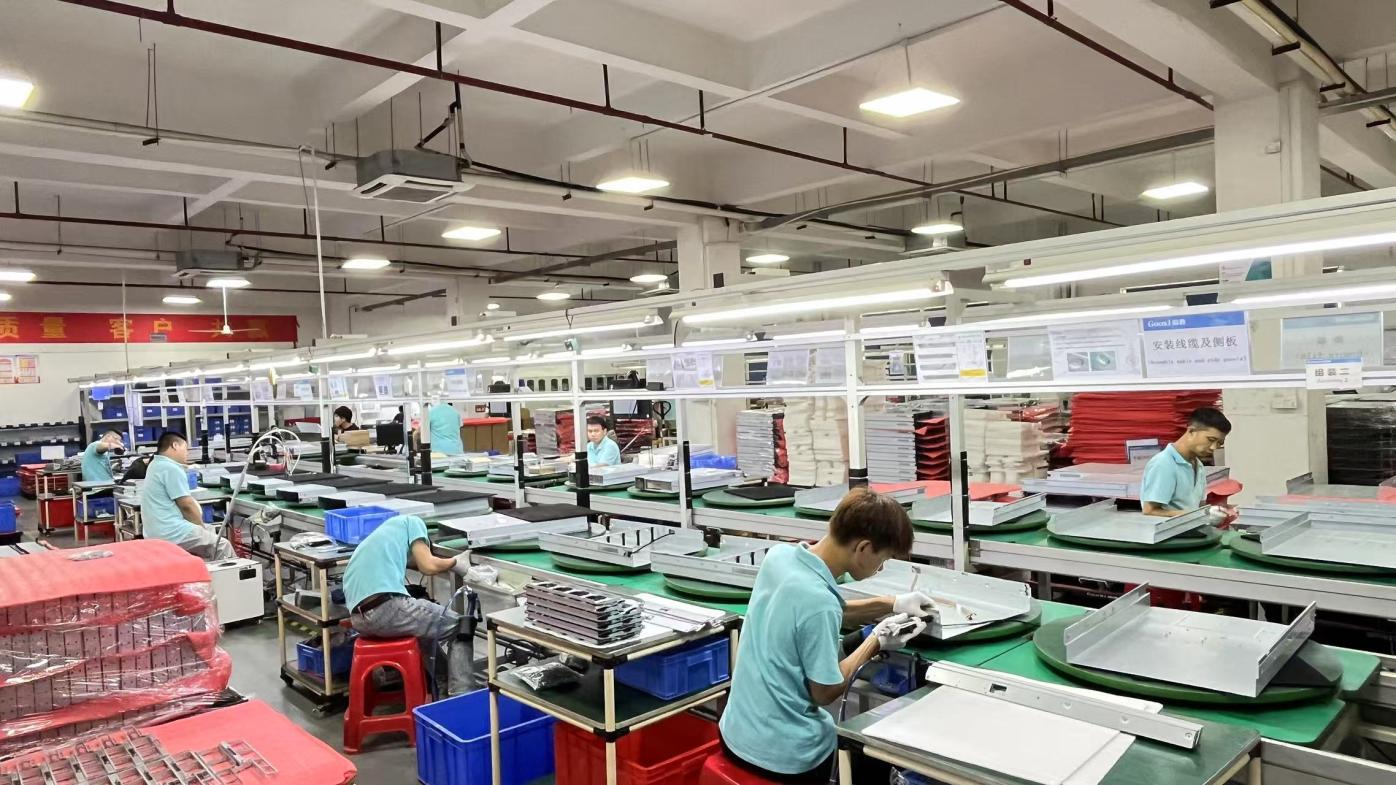
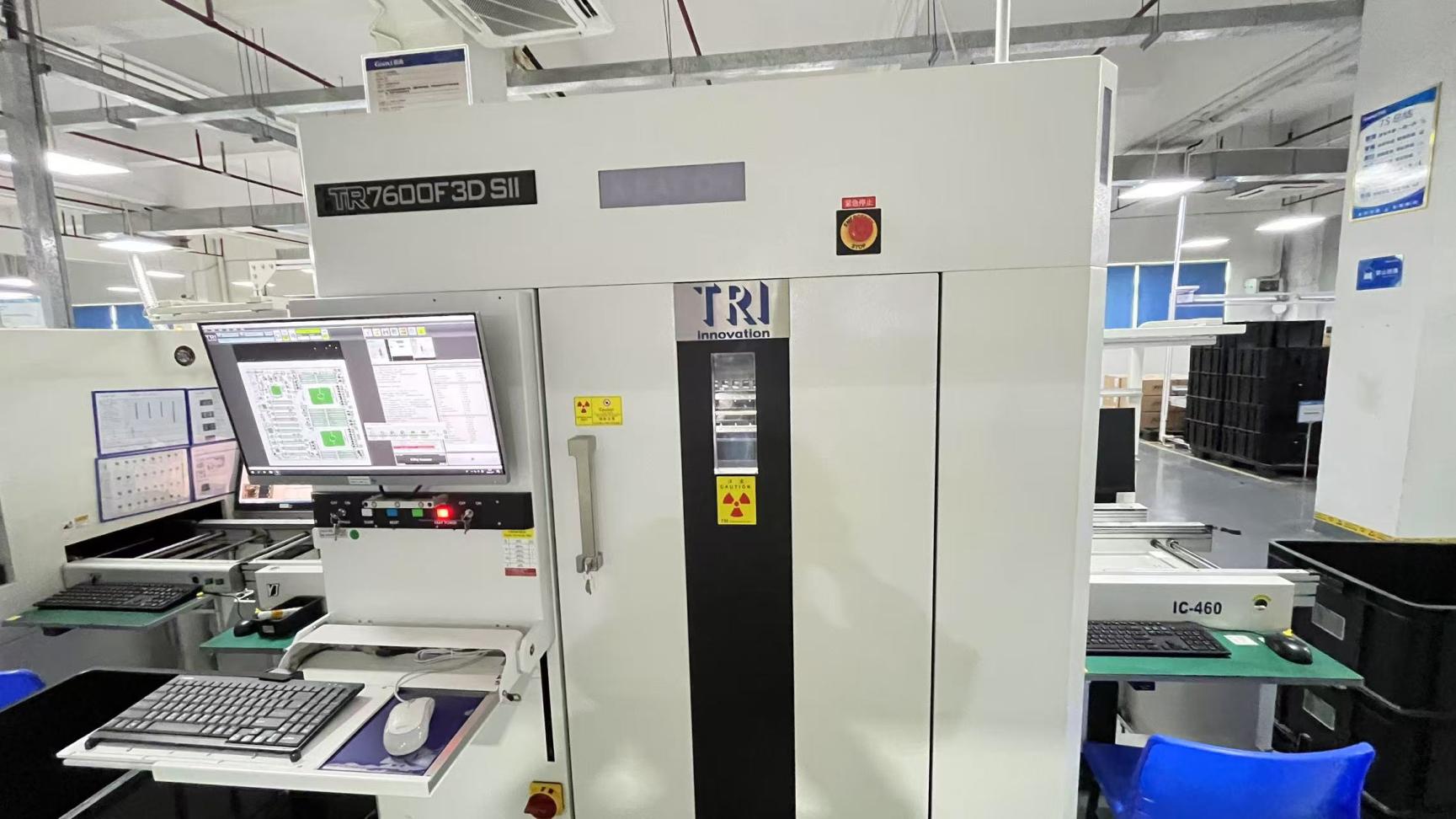
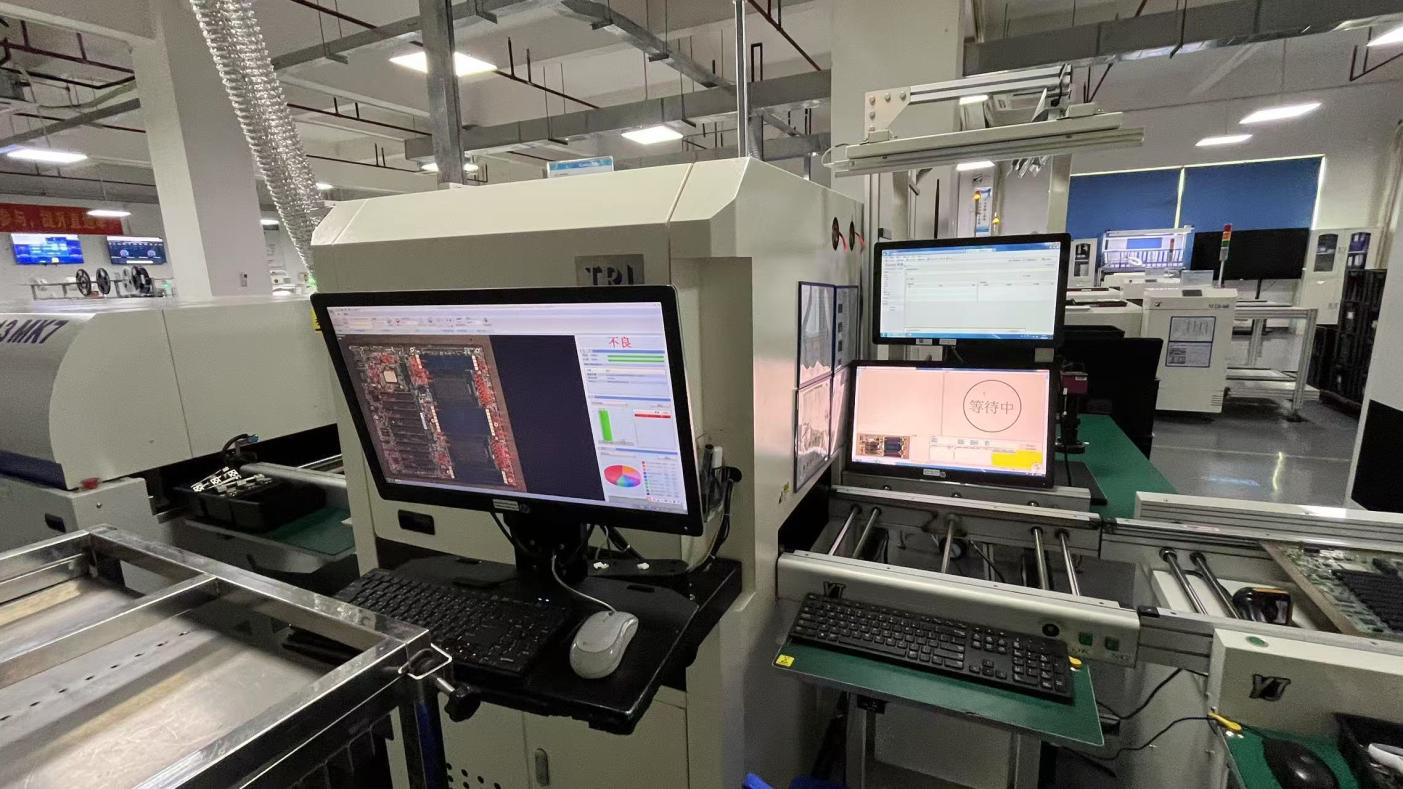
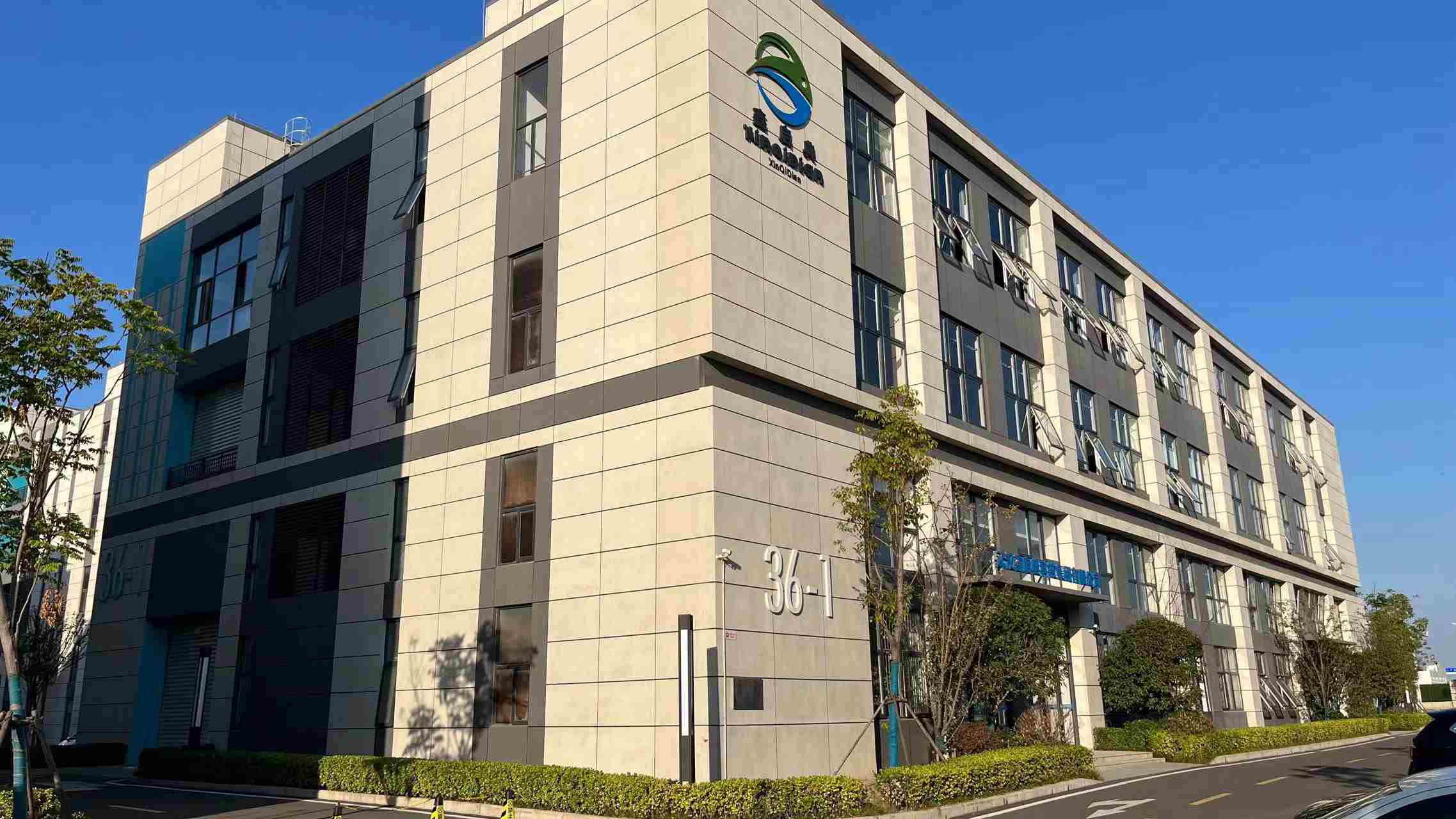
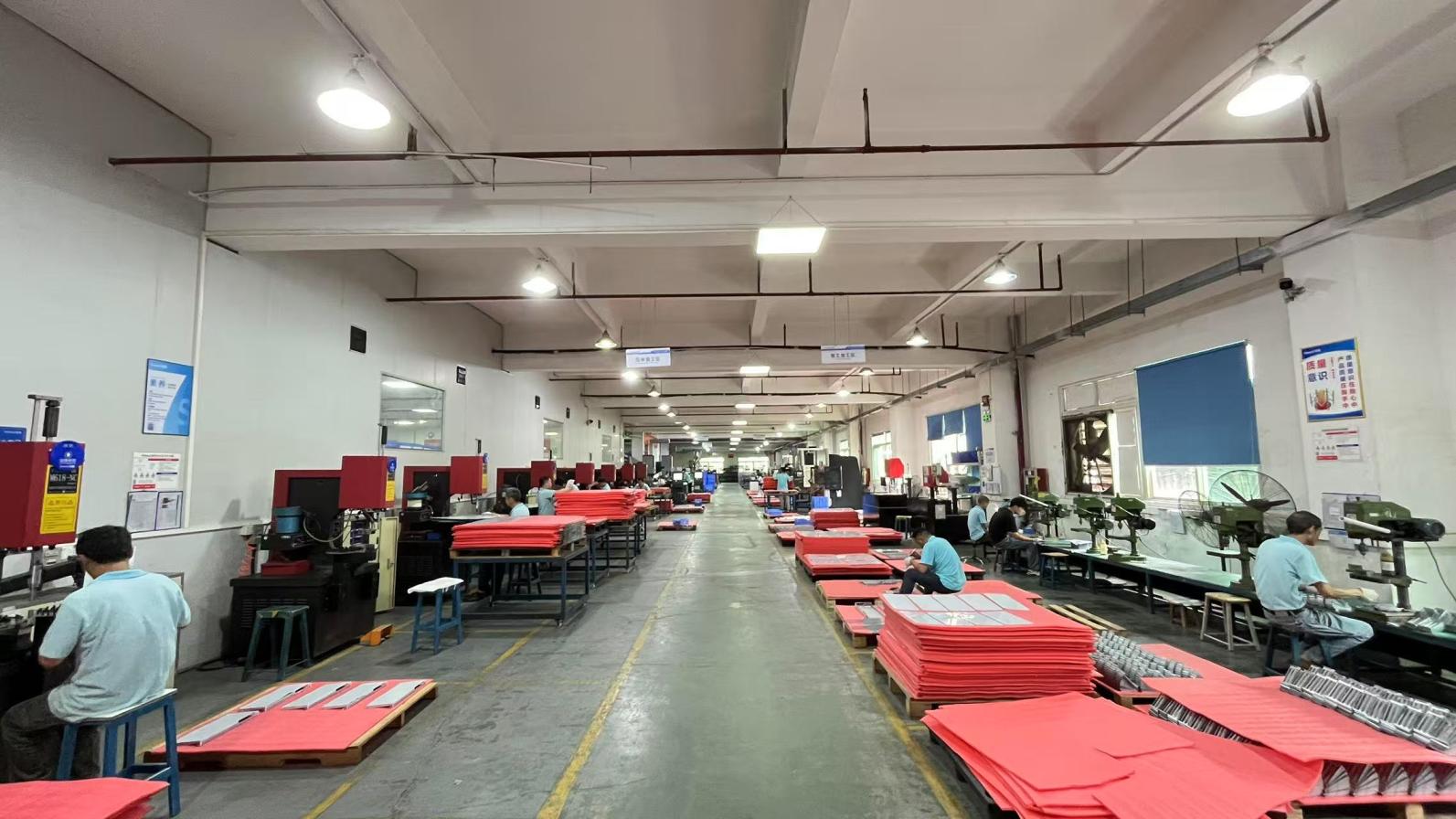
Operating a modern 320m² state-of-the-art facility, NexaGPU relies on advanced production, stress testing, and thermal verification systems to support global deployments. With a strong presence in North America, Europe, Southeast Asia, and the Middle East, NexaGPU bridges the gap between software virtualization layers and bare-metal performance.
Decentralization, hardware compatibility, and low-latency throughput dominate current technical criteria.
Global procurement teams are moving away from monolithic single-vendor stacks. Buyers look for SDN systems that run on Linux Foundation open projects like SONiC, OpenFlow, or ONIE-based (Open Network Install Environment) whitebox hardware to decouple investment pathways.
Security is no longer a peripheral concern. Enterprise SDN nodes must integrate TPM 2.0 (Trusted Platform Modules), secure boot architectures, and cryptographically verified firmware signatures to prevent middleman attacks at the physical link tier.
Modern hybrid networks span AWS, Azure, Google Cloud, and private data centers. Enterprise procurement prioritizes manufacturers who offer robust virtual overlay routing controllers (SD-WAN & SD-LAN) that simplify peering mechanisms.
An engineering evaluation of the global players defining the hardware capabilities and virtual management overlays of modern networks.
Cisco's Application Centric Infrastructure (ACI) is the industry benchmark for policy-driven datacenter SDN. Providing massive integration options across legacy and next-gen infrastructures.
VMware NSX delivers a complete L2-L7 software-defined networking and security stack, enabling virtual networks to be provisioned independently of the physical topology.
Huawei CloudFabric and CloudCampus deliver deeply integrated SDN switching and routing fabrics with high export penetrations across Asia, Africa, and parts of Europe.
Arista’s Extensible Operating System (EOS) and CloudVision software are optimized for ultra-low latency, multi-tenant containerized architectures, making them a cloud titan favorite.
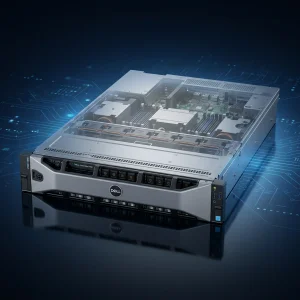
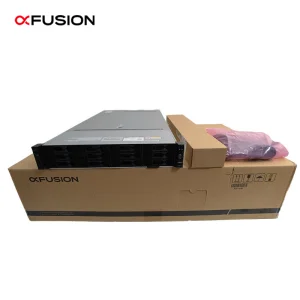
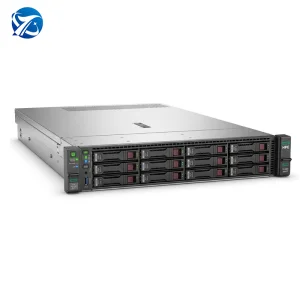
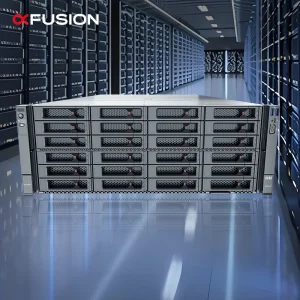
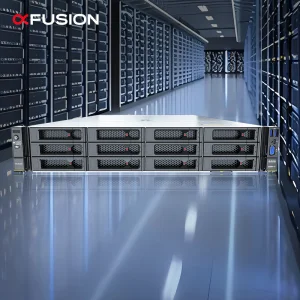
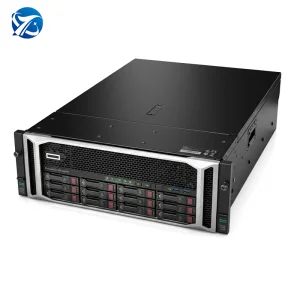
A key manufacturer of heavy-duty underlying server fabrics, GPU clusters, and custom NAS systems that act as the physical hypervisors and storage pools for complex enterprise SDN virtual machines.
Juniper Apstra and Contrail solutions focus on intent-based operations, allowing users to model, validate, and troubleshoot complex multi-vendor fabrics automatically.
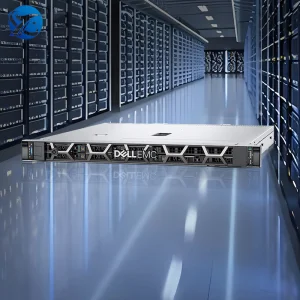
Dell's Open Networking initiative promotes disaggregated environments, giving buyers the choice of third-party network operating systems (like SONiC) on reliable hardware platforms.
Aruba EdgeConnect and CX switching platforms prioritize distributed branch architectures, offering SD-WAN, zero-trust network access, and centralized cloud orchestrators.
Nuage Networks specializes in massive-scale SDN solutions for telecommunication service providers, large enterprises, and multi-tenant public cloud data centers.
ExtremeCloud IQ utilizes advanced machine learning and automation to configure, monitor, and optimize SDN networks from the wire to the application layer.
How virtualized networking topologies solve complex system engineering bottlenecks in key enterprise verticals.
Artificial Intelligence workloads demand non-blocking, zero-packet-loss topologies. Standard TCP configurations result in internal network bottlenecks. SDN implementations with Remote Direct Memory Access (RDMA) over Converged Ethernet (RoCE v2) allow direct memory transfers between GPU nodes without host CPU intervention, increasing processing speeds and eliminating packet dropped rates.
Multi-branch enterprises rely on Software-Defined Wide Area Networking (SD-WAN) to replace costly MPLS backhaul circuits. SD-WAN dynamically routes traffic over standard public broadband networks based on application requirements, priority, and link performance. This saves branch management costs while enabling zero-touch deployment of new network sites.
5G infrastructures rely completely on virtualization. By utilizing Network Functions Virtualization (NFV) running on high-capacity general-purpose computing platforms (like the NexaGPU server series), telecom providers can dynamically scale User Plane Functions (UPF), Virtualized Radio Access Networks (vRAN), and firewalls to match real-time subscriber load.
The path toward autonomous, intent-based, and silicon-accelerated networking.
Static overlay configurations (VXLAN, NVGRE) decoupling logical ports from physical cables, managed through centralized SDN controllers using OpenFlow protocols.
Modern SDN platforms translate business intent into device policies automatically. SmartNICs and DPUs (Data Processing Units) offload encryption, VXLAN encapsulation, and routing directly onto hardware silicon, saving host CPU cycles.
Closed-loop, autonomous networking systems where machine learning models analyze streaming network telemetry in real-time, instantly adjusting routes, blocking DDoS vectors, and balancing traffic flows without human engineer intervention.
How leading manufacturers ensure smooth international deployment and local support standards.
Procuring hardware and software components across different international regions requires navigating complex compliance requirements. Exporters of SDN hardware and server systems must obtain and maintain critical regulatory certifications to satisfy local laws:
A key indicator of a reliable partner (such as NexaGPU) is the provision of localization engineering services, including custom firmware integration, localized language support interfaces, regional hardware warehouses for rapid spare replacement, and 24/7 technical help desks. This limits business down-time when upgrading critical network cores.
Answers to critical questions surrounding SDN architectures, procurement strategies, and hardware requirements.
Traditional routing relies on individual switches making forward decisions autonomously based on built-in routing tables. SDN decouples this control mechanism. A central, programmable SDN controller establishes paths for the entire network topology and pushes flow instructions directly down to physical hardware, offering complete visibility and customization.
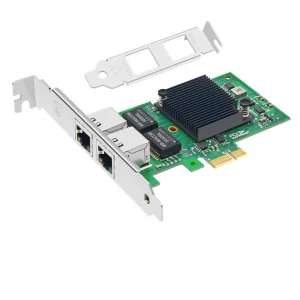
While the control configuration is virtual, all actual data packets must pass through physical CPUs, ASICs, network interface cards, and internal server buses. Underpowered hardware leads to high packet queue delays and memory buffer overflow during peak workloads. High-performance multi-socket servers with PCIe Gen5 interfaces are vital to process these virtual pipelines.
NexaGPU provides highly customizable OEM/ODM server systems. With our team of 120 R&D engineers, we allow clients to select specific CPUs, network controllers (NICs with RoCE capabilities), storage arrays, and custom thermal solutions (liquid cooling) to match the requirements of their proprietary SDN software stacks.
AI is transforming SDN from a manual configuration process to an autonomous model. AI models analyze streaming telemetry to predict and prevent link failures, detect abnormal traffic signatures indicating security breaches, and dynamically route traffic to reduce latency without engineer intervention.
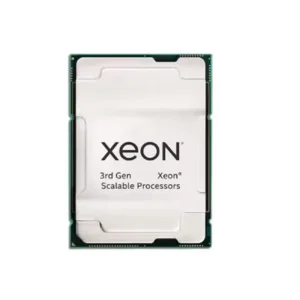
Essential compute nodes, storage drives, and acceleration cards to expand your SDN physical pool infrastructure.