 NexaGPU
NexaGPU
NexaGPU
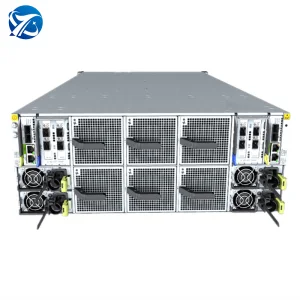
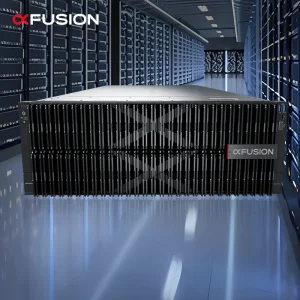
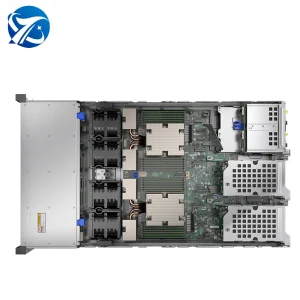
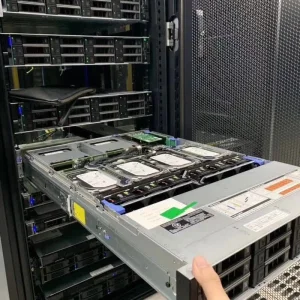
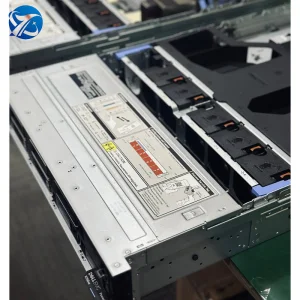
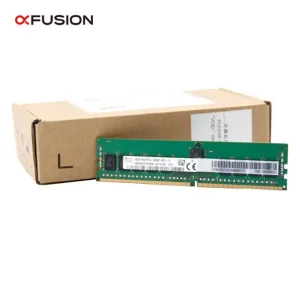
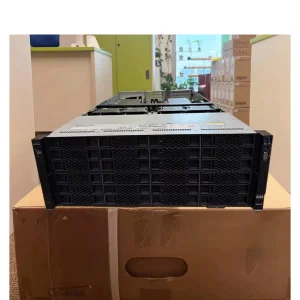
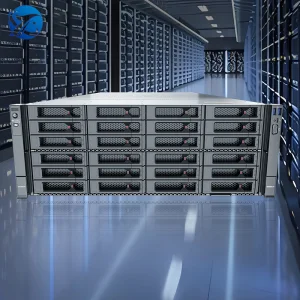
In an era defined by ubiquitous artificial intelligence, petabyte-scale data pipelines, and real-time inference demands, selecting the right hardware OEM/ODM manufacturer for datacenter management solutions is no longer a mere procurement exercise—it is a core strategic lever. Enterprise data centers are undergoing a radical evolution from static, legacy storage arrays into dynamic, GPU-accelerated, high-density compute-storage converges.
Modern data management hardware must resolve the triple bottleneck of memory bandwidth, PCIe bus saturation, and thermal envelope limitations. Next-generation infrastructures demand seamless integration between high-bandwidth memory (DDR5/CXL), NVMe-over-Fabrics (NVMe-oF) high-speed direct access arrays, and optimized multi-socket x86 or ARM CPU nodes capable of feeding high-density GPU accelerators without I/O throttling.
Modern OEM data servers maximize I/O throughput via PCIe 5.0 channels offering up to 32 GT/s per lane, eliminating communication latency between ultra-fast enterprise SSDs and AI acceleration clusters.
Advanced thermal engineering, direct-to-chip liquid cooling circuits, and high-efficiency titanium PSU setups ensure that power conversion loss is minimized under continuous 100% compute load.
Hardware specialized for massive transformer model inference and fine-tuning, equipped with multi-GPU interconnects (NVLink/NVSwitch) and scalable SAS/NVMe hot-swappable storage backplanes.
To establish absolute clarity for Chief Technology Officers (CTOs), Infrastructure Architects, and Global Procurement Officers, our research division evaluated market vendors across six critical empirical parameters. This framework ensures hardware reliability, long-term scalability, and optimized Total Cost of Ownership (TCO).
| Evaluation Parameter | Industry Benchmark Standard | OEM Customization Impact | Procurement Priority |
|---|---|---|---|
| Thermal & Power Dissipation | Direct Liquid Cooling (DLC) / Liquid-to-Air Heat Exchangers | High (Allows custom TDP tuning up to 350W+ per CPU socket) | Critical for High-Density Datacenters |
| Backplane Bandwidth | PCIe Gen5 / CXL 1.1 & 2.0 Enabled Native NVMe Expansion | Extreme (Custom backplanes for U.2/U.3/EDSFF E1.S SSDs) | High (Eliminates Storage Bottlenecks) |
| Manufacturing Precision & QA | Multi-stage burn-in stress testing (Minimum 72-hour thermal stress) | High (Rigid QC validation protocols reduce RMA rate <0.05%) | Critical for Enterprise Mission-Critical |
| Hardware-Level Security | Hardware Root of Trust (RoT), TPM 2.0, Secure Boot & PFR | Moderate (Firmware customization per enterprise policy) | High (Regulatory Compliance & GDPR) |
| Supply Chain Resilience | Direct silicon foundry allocation & OEM tier-1 component partnerships | Extreme (Rapid turn-around on chassis, PSU, and cable harnesses) | Essential for Rapid Datacenter Scaling |
The enterprise hardware ecosystem features a spectrum of infrastructure suppliers—ranging from legacy global OEMs offering pre-configured systems to ultra-agile ODM/OEM specialized custom manufacturers delivering tailored compute architectures. Below is the technical breakdown of the world's leading server and data management hardware vendors.
Core Focus: Enterprise GPU Compute Clusters, DeepSeek-Optimized Storage/Compute Rack Servers, Custom Liquid Cooling Systems.
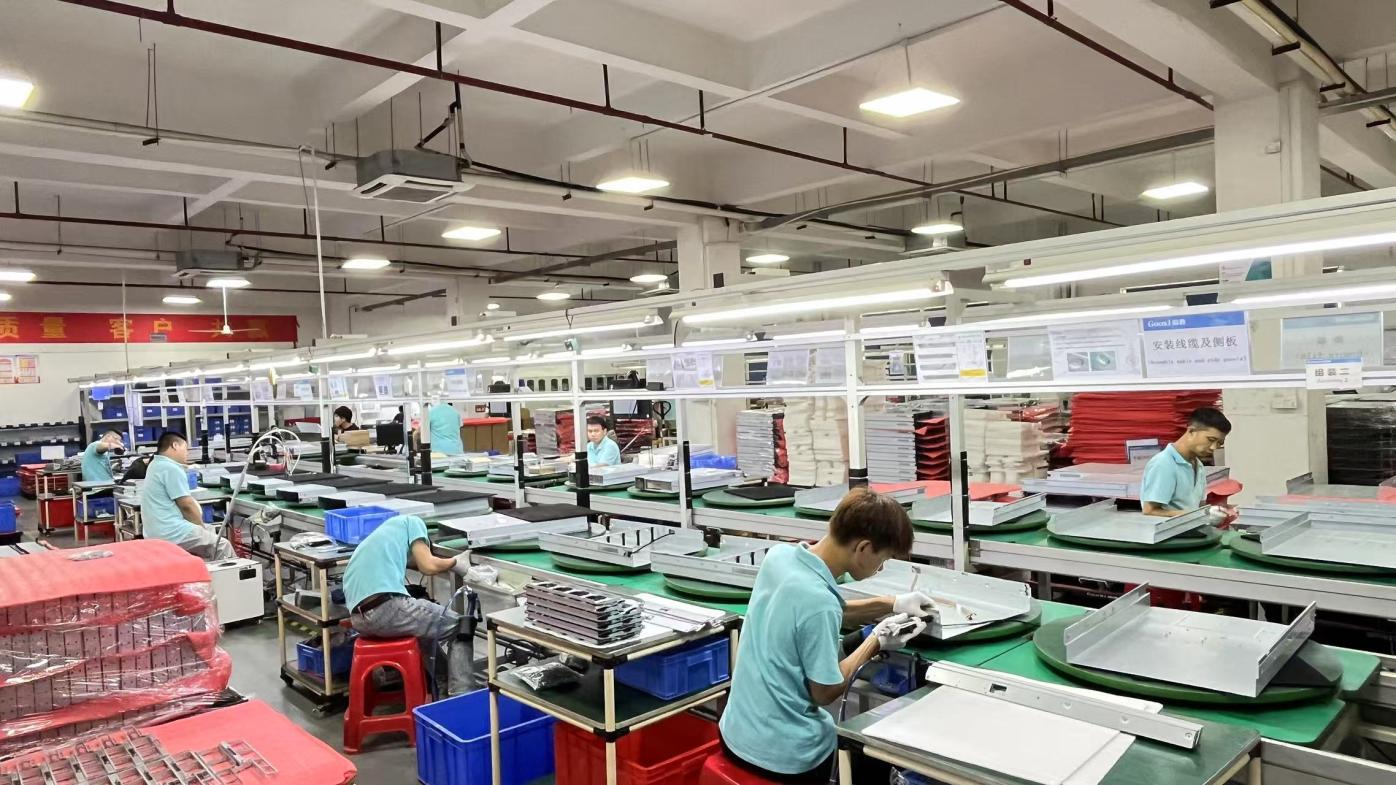
Engineering Advantage: NexaGPU stands at the forefront of specialized, flexible hardware engineering. Operating dedicated high-density server assembly lines supported by 120 specialized R&D engineers, NexaGPU excels in delivering tailor-made server architecture options—including precise GPU topology mapping, DDR5 memory backplane tuning, and custom storage drive bay ratios (SAS, NVMe, SATA mix). With 45 dedicated QC specialists conducting rigorous 72-hour system stress and thermal testing, NexaGPU achieves enterprise-grade stability with competitive direct-from-factory pricing.
Core Focus: Global Enterprise IT Infrastructures, Versatile Dual-Socket Compute Nodes.
Engineering Advantage: Industry-standard enterprise management tools such as iDRAC9, offering robust Remote Access Controller options alongside proven models like the PowerEdge R750 and R760. Excellent global enterprise warranty coverage and widespread integration across legacy IT software environments.
Core Focus: High-Density Enterprise Servers, Multi-Socket Mission-Critical Rack Nodes.
Engineering Advantage: Famous for high thermal reliability and exceptional structural efficiency (e.g., FusionServer 2258 V7, 5288 V7). Excellent power management algorithms and robust multi-GPU backplanes tailored for massive datacenter throughput.
Core Focus: Edge Compute, Hybrid Cloud Integration, Enterprise Storage Arrays.
Engineering Advantage: Integrated Lights-Out (iLO) management engine provides deeply integrated telemetry and silicon-level security verification for mission-critical operations.
Core Focus: Hyperscale Cloud Infrastructure, Neptune Direct Water-Cooling Systems.
Engineering Advantage: High rack-density integration with pioneering warm-water cooling technology aimed at significantly reducing datacenter Power Usage Effectiveness (PUE).
Core Focus: Building-Block Solutions, Rapid Time-to-Market GPU Platforms.
Engineering Advantage: Modular building-block architecture allowing rapid deployment of new CPU and GPU socket configurations as silicon vendors release new chips.
Core Focus: Hyperscale AI Compute Nodes, Open Computing Project (OCP) Architectures.
Engineering Advantage: Deep expertise in mass-scale hardware delivery for mega datacenters and internet service providers requiring customized server nodes.
Core Focus: Converged Network & Storage Computing Infrastructure.
Engineering Advantage: Tightly integrated fabric interconnects and unified management fabric that simplifies infrastructure provisioning in network-heavy enterprise topologies.
Core Focus: High-Availability Enterprise Storage & Telecommunication Infrastructure.
Engineering Advantage: Proprietary hardware acceleration chips, ultra-reliable SSD controller firmware, and advanced flash array designs for zero-downtime banking and telecom applications.
Core Focus: Ultra-High Volume Financial Transaction Systems, Enterprise Memory Bandwidth.
Engineering Advantage: Custom Power architecture processors delivering exceptional memory bandwidth and hardware-level encryption capabilities for specialized enterprise core systems.
The modern hardware landscape for AI compute servers and enterprise storage solutions relies heavily on concentrated electronics supply chain ecosystems. China—and specifically the Shenzhen Greater Bay Area technology corridor—hosts an unparalleled network of component manufacturers, PCB fabricators, metal stamping facilities, and specialized thermal solution developers.
By leveraging direct integration within this ecosystem, high-performance hardware manufacturers like NexaGPU can dramatically compress procurement timelines, execute rapid hardware prototyping, and offer direct-from-factory pricing structures impossible under fragmented supply chain models.
Direct component sourcing pipelines across chassis manufacturers, power supply units, backplane factories, and passive component foundries.
Turnaround custom mechanical chassis designs and PCIe layout modifications in days rather than months to meet targeted deployment deadlines.
Stringent validation pipelines including thermal chamber stress tests, high-vibration structural testing, and full memory channel ECC integrity checks.
Elimination of redundant intermediary broker margins, allowing clients to reallocate capital into higher GPU densities or larger memory capacities.
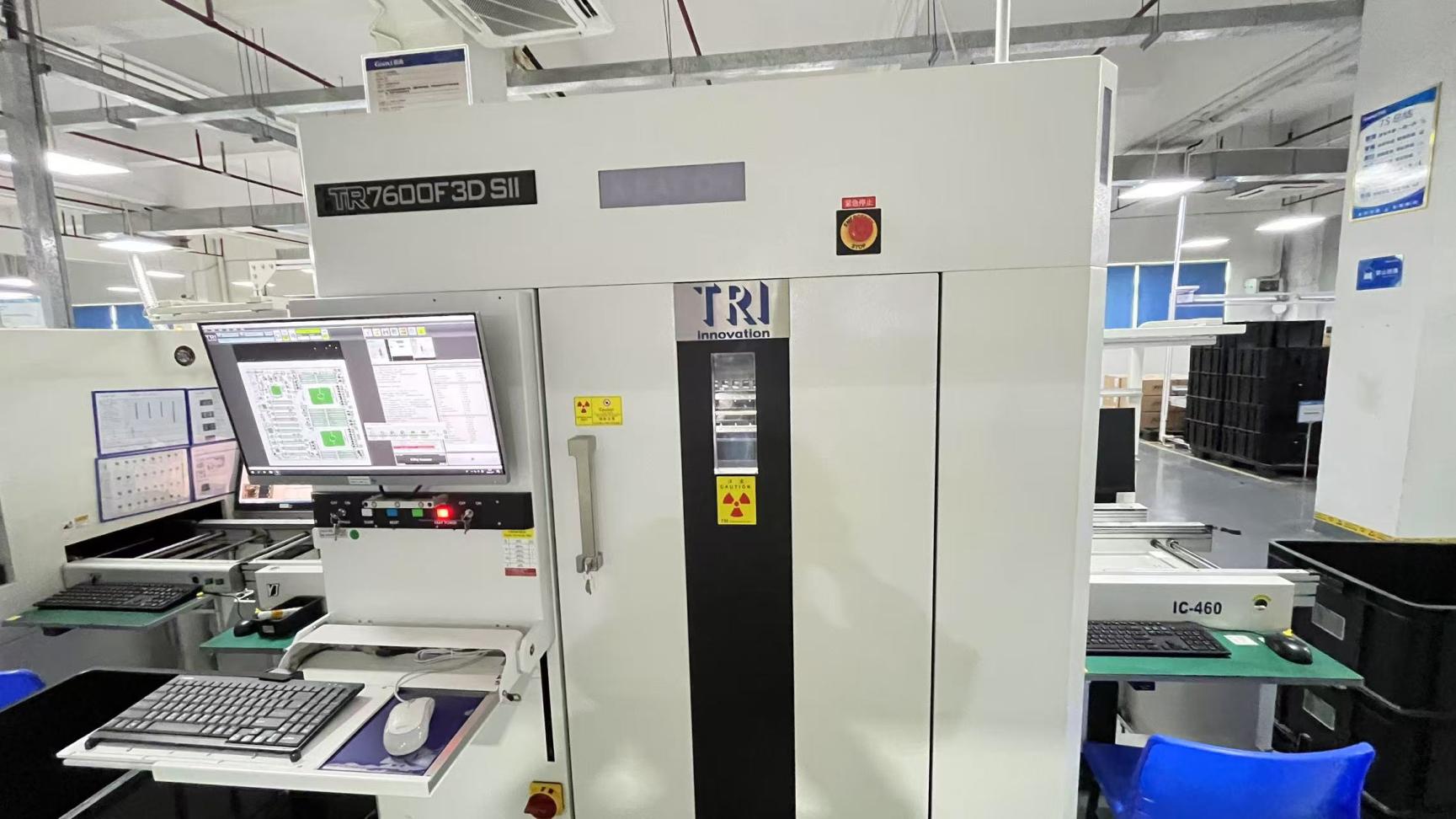
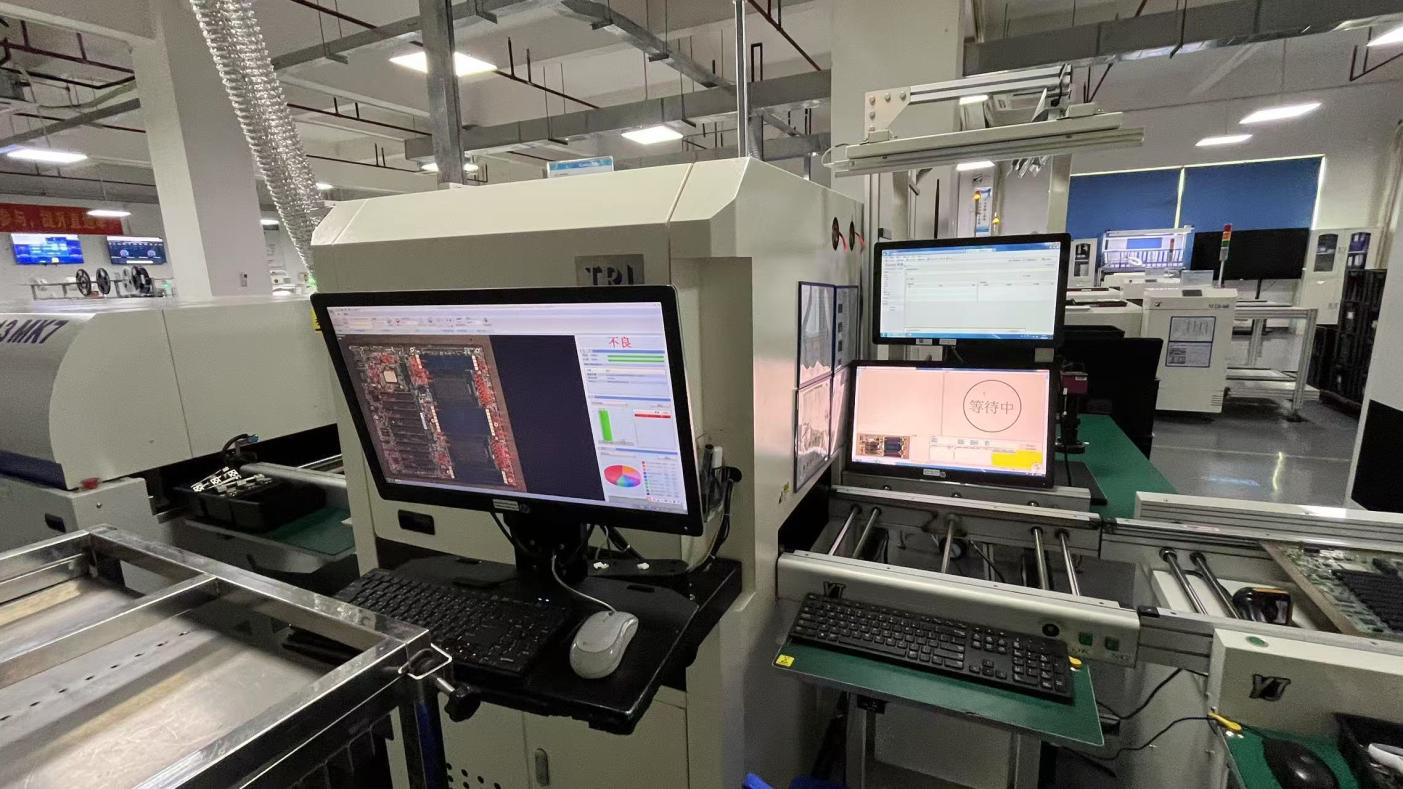
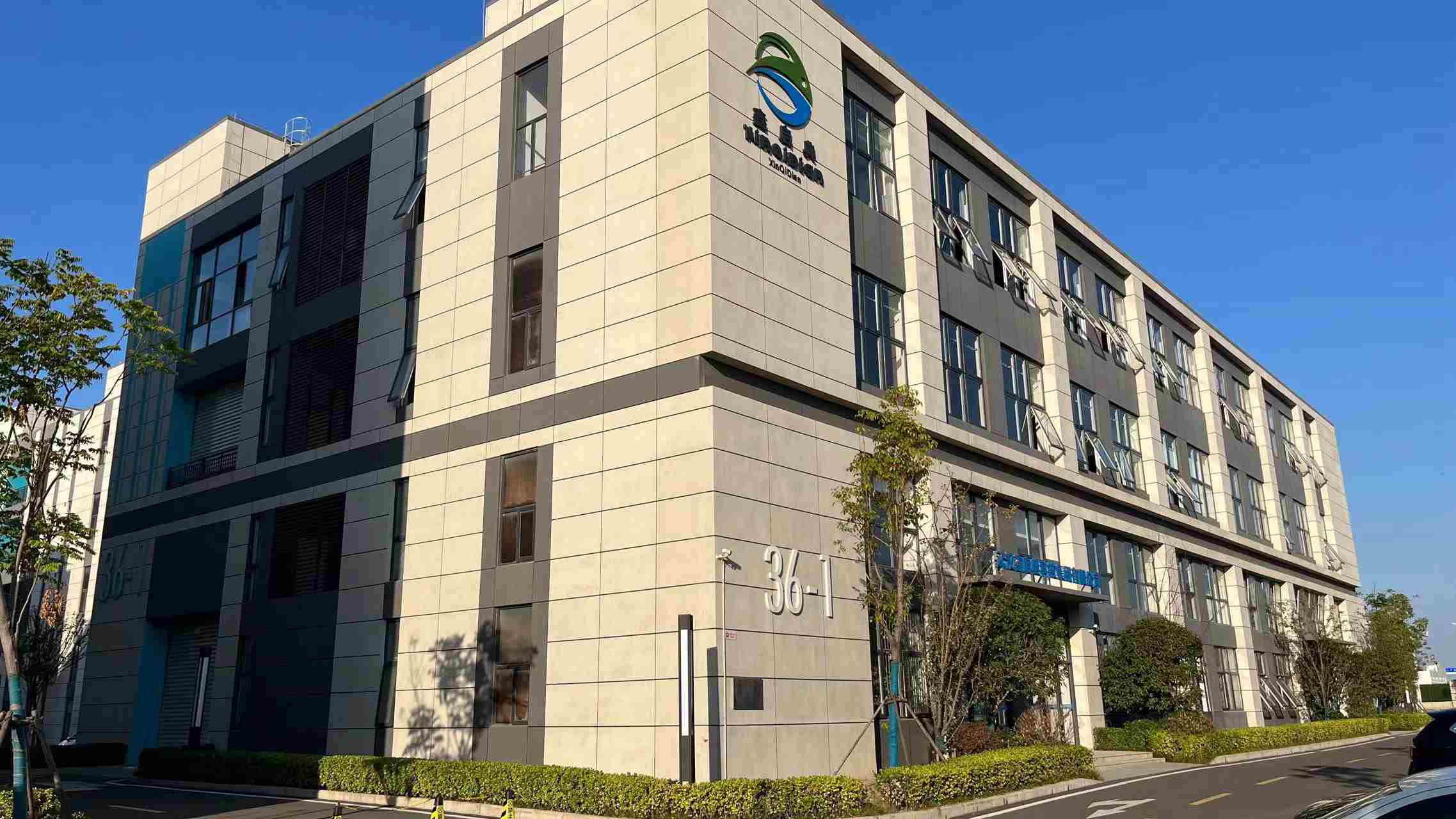
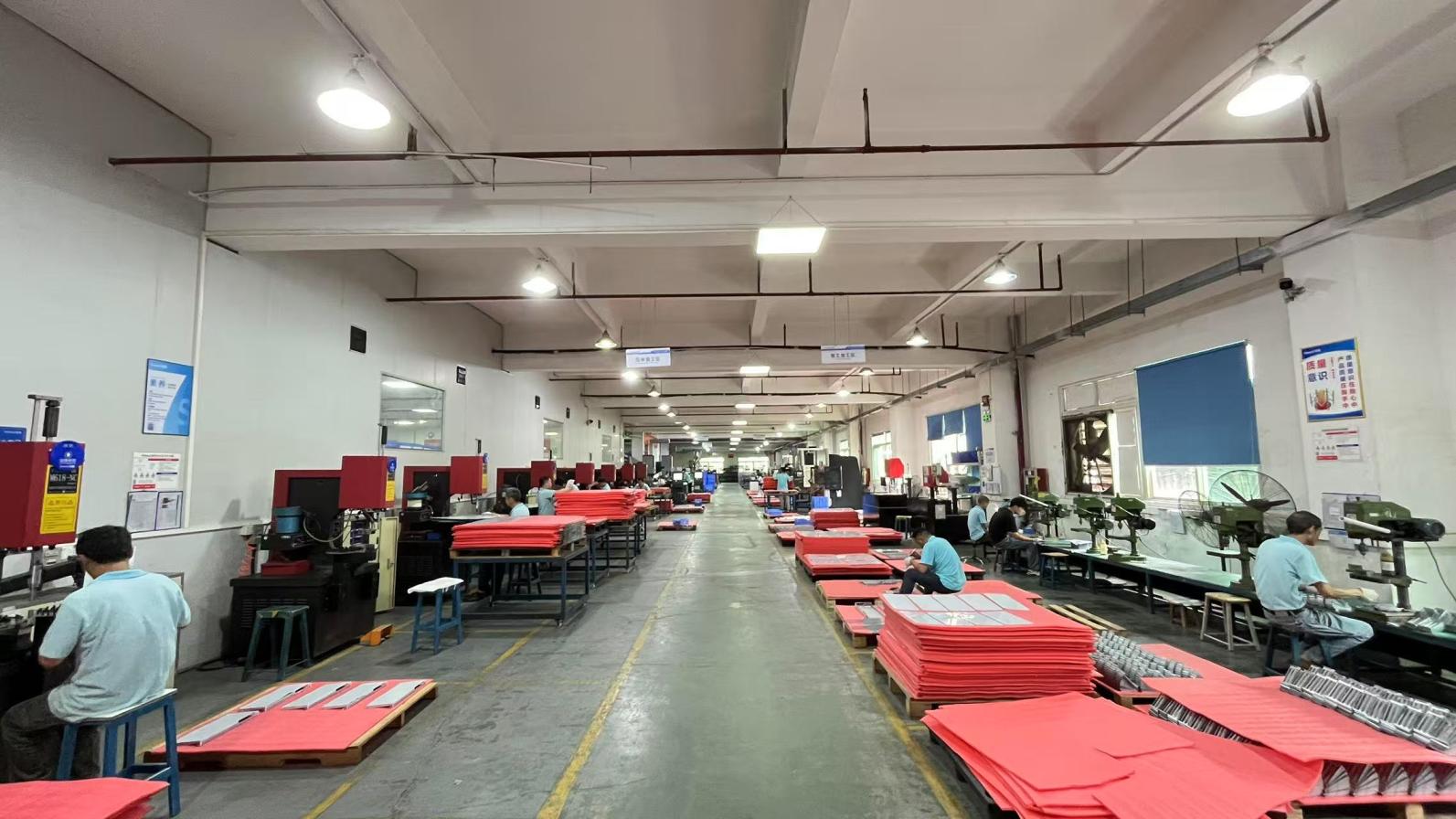
Established in 2016, NexaGPU has rapidly grown into a trusted provider of advanced GPU computing systems and high-density data server infrastructure. The company operates a modern, highly optimized server integration facility with specialized manufacturing floor area supporting efficient assembly, custom cable routing, thermal calibration, and multi-stage testing of complex compute clusters.
With an annual export revenue of USD 12 million, NexaGPU maintains 6 years of specialized export experience and 11 years of deep industry expertise in high-performance computing (HPC) and custom hardware manufacturing. Serving clients across North America, Europe, Southeast Asia, and the Middle East, NexaGPU bridges the gap between raw silicon power and turnkey datacenter deployment.
Deploying data management hardware across international boundaries requires absolute alignment with regional electrical safety standards, electromagnetic compatibility (EMC) regulations, and data sovereignty framework rules. Global enterprise IT buyers must ensure hardware assets satisfy stringent compliance benchmarks prior to datacenter rack commissioning.
All manufactured rack servers and storage expansion arrays comply with major global frameworks including CE, FCC Class A, RoHS, and ISO9001/ISO27001 standards. System power supplies utilize 80 PLUS Platinum or Titanium certifications to ensure peak electrical efficiency across 110V-240V grid architectures.
For defense, financial institutions, and cloud providers enforcing strict GDPR, HIPAA, or localized data compliance, hardware is delivered with secure TPM 2.0 modules, customizable BIOS/UEFI firmware without hidden microcode telemetry, and physically air-gapped management controller options.
Global sourcing packages include specialized export shock-proof packaging, advance replacement RMA options, customized rack-mount slide rails compatible with 19-inch square-hole EIA-310 cabinets, and region-specific PDU power cord configurations (C13/C14, C19/C20).
The rapid adoption of reasoning-focused large language models—exemplified by DeepSeek-R1 and modern multi-modal architectures—has shifted hardware requirements. Inference and training clusters now place extraordinary stress on local host memory capacity and KV-cache storage speed.
As GPU node thermal output breaches 700W to 1000W per card, traditional air cooling reaches thermal saturation. DLC cold plates attached directly to CPU and GPU silicon enable steady-state thermal management at zero throttling risk.
Compute Express Link (CXL) enables servers to share disaggregated pools of High-Speed DDR5 memory across PCIe buses, permitting massive LLM context windows without expensive monolithic RAM upgrades.
Tailored chassis setups engineered specifically for high-bandwidth model weight swapping between PCIe Gen5 U.2 NVMe SSD arrays and multi-card GPU topologies.
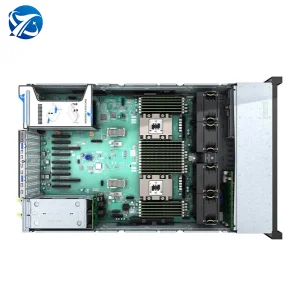
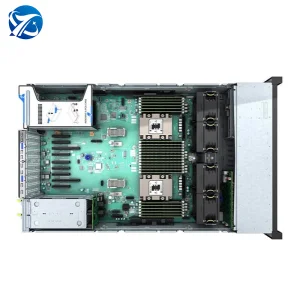
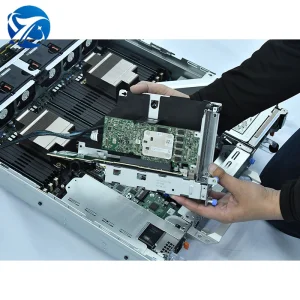
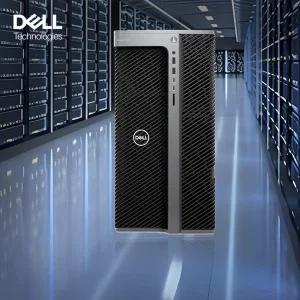
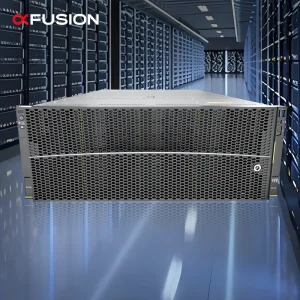
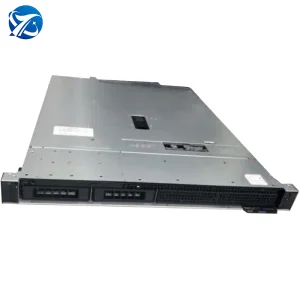
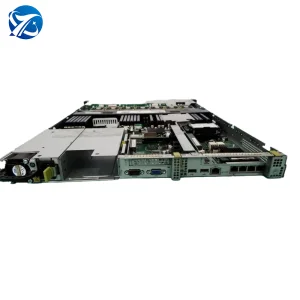
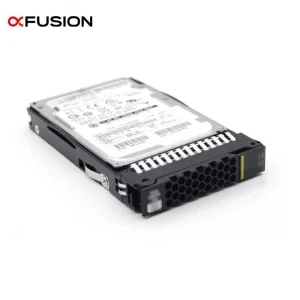
Traditional storage server vendors optimize primarily for sequential read/write block storage, drive density (LFF/SFF hard drive bays), and standard NAS/SAN protocols. In contrast, specialized GPU AI hardware OEMs (such as NexaGPU) design high-density compute architectures engineered specifically for high thermal output (TDPs exceeding 300W-700W per chip), complex multi-GPU topology interconnects (NVLink, NVSwitch, PCIe 5.0 switches), and high memory bandwidth (DDR5 ECC & HBM3) required for LLM training and inference workloads.
Sourcing directly from enterprise OEM/ODM facilities integrated within Chinese electronics clusters (such as Shenzhen) offers major advantages: a 30% to 50% reduction in lead times for customized backplanes and mechanical chassis, direct component sourcing from tier-1 component suppliers (reducing middleman markups), and the agility to execute bespoke board layouts, custom liquid cooling loops, and custom branding tailored to specific enterprise datacenter blueprints.
DeepSeek R1 and related open-weights reasoning models rely heavily on efficient Mixture-of-Experts (MoE) routing and massive KV-cache indexing. Servers optimized for DeepSeek deployment require specialized PCIe Gen5 bus topologies, high-speed NVMe-oF drive backplanes for fast checkpoint loading, and expansive DDR5 ECC memory bandwidth to prevent memory starvation during dense token generation steps.
Enterprise hardware must undergo multi-stage validation prior to shipping. This includes a minimum of 72 hours of continuous thermal chamber burn-in testing, full-load CPU/GPU stress tests (AIDA64, FurMark, Linpack), memory bit-error validation (MemTest86 ECC validation), storage drive SMART telemetry audits, and firmware integrity checks to ensure zero system crashes upon deployment.
Yes. NexaGPU specializes in full OEM/ODM hardware customization. Our 120-person R&D engineering team works directly with cloud providers, AI startups, and enterprise IT teams to tailor server hardware to exact software requirements—including customized PCIe expansion slot allocations, specific RAID/HBA controller configurations, specialized liquid cooling manifolds, and custom BIOS branding.
Direct-to-chip liquid cooling (DLC) and liquid-to-air heat exchanges dramatically improve Power Usage Effectiveness (PUE) by reducing server fan power draw by up to 80%. This lower operating temperature preserves hardware lifecycle stability, reduces thermal throttling events, and enables enterprise datacenters to achieve up to a 30% reduction in total facility electricity consumption over a standard 3-year refresh cycle.