NexaGPU
NexaGPU
NexaGPU
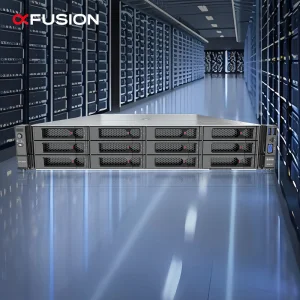
Enterprise-grade rack servers optimized for massive parallel requests, ultra-low latency caching, and computational offloading at the network edge.
Modern internet architectures are undergoing a tectonic shift. As high-definition video streaming, edge artificial intelligence, dynamic API routing, and web applications demand real-time latency response, the burden has shifted from centralized cloud datacenters directly to the edge of the network. A Content Delivery Network (CDN) is no longer a simple network of static file caching repositories. Instead, it has transformed into a distributed, compute-intensive network capable of executing sophisticated workloads at localized Points of Presence (PoPs).
This evolution creates massive pressure on physical infrastructure. Global enterprises, Tier-1 telcos, and cloud platform providers require high-performance, dense, and thermal-efficient edge servers. Selecting the correct Content Delivery Network hardware factory or ODM/OEM supplier determines not just the initial capital expenditure (CAPEX), but also the long-term operational expenditure (OPEX), cache-hit ratios, and structural stability of global services.
Maximizing storage capacity per rack unit (RU) using state-of-the-art PCIe NVMe drives to handle concurrent asset requests without throttling.
Integrating dedicated GPU architectures at edge nodes to run localized AI inference (like DeepSeek configurations) and dynamic video transcoding.
Implementing smart redundant PSUs (up to 1400W 80-Plus Titanium) and specialized cooling systems to withstand varying edge environments.
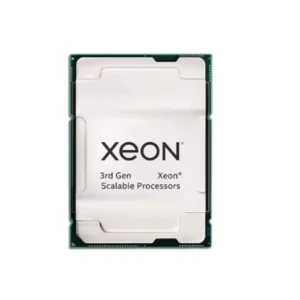
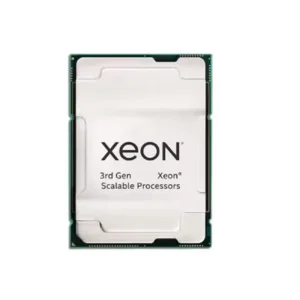
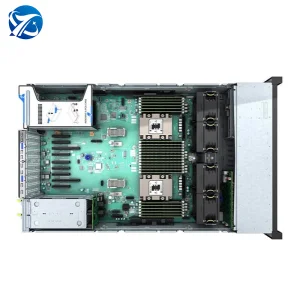
When engineering a modern CDN PoP, procurement departments look past the traditional software layer and focus intensely on hardware capabilities. The hardware must guarantee high network throughput, low latency packet processing, and extreme data reliability. For example, utilizing multi-socket Xeon Scalable processors combined with massive DDR5 ECC memory allows the system to hold the "hottest" cache files directly in RAM, reducing SSD read cycles and driving down latency to sub-millisecond ranges.
A professional AI GPU and high-performance server manufacturer specializing in critical hardware backbones for global enterprises and data centers.
NexaGPU is a specialized manufacturer and supplier of GPU and high-density rack computing configurations. We supply global enterprise-grade hardware that drives advanced computing topologies, distributed edge networks, and complex CDN architectures.
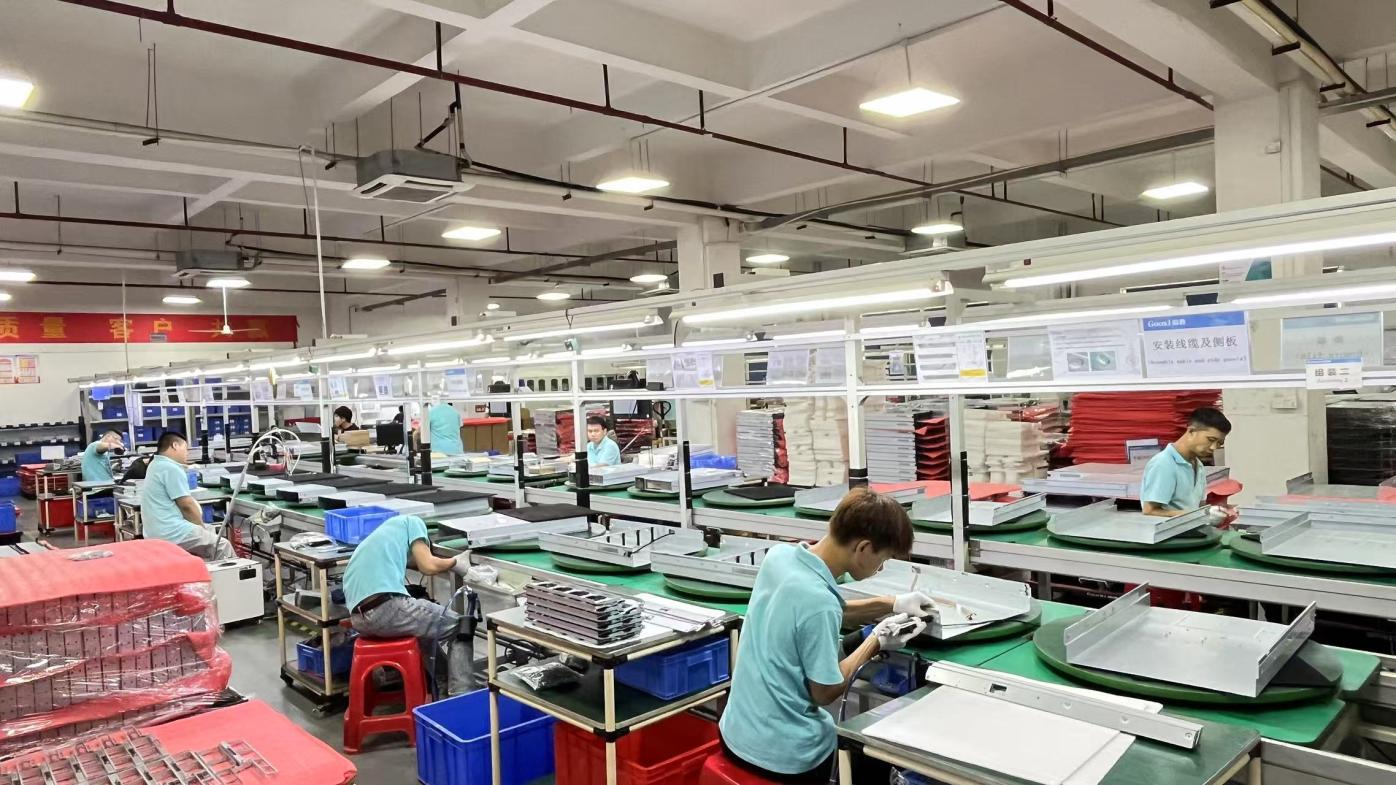
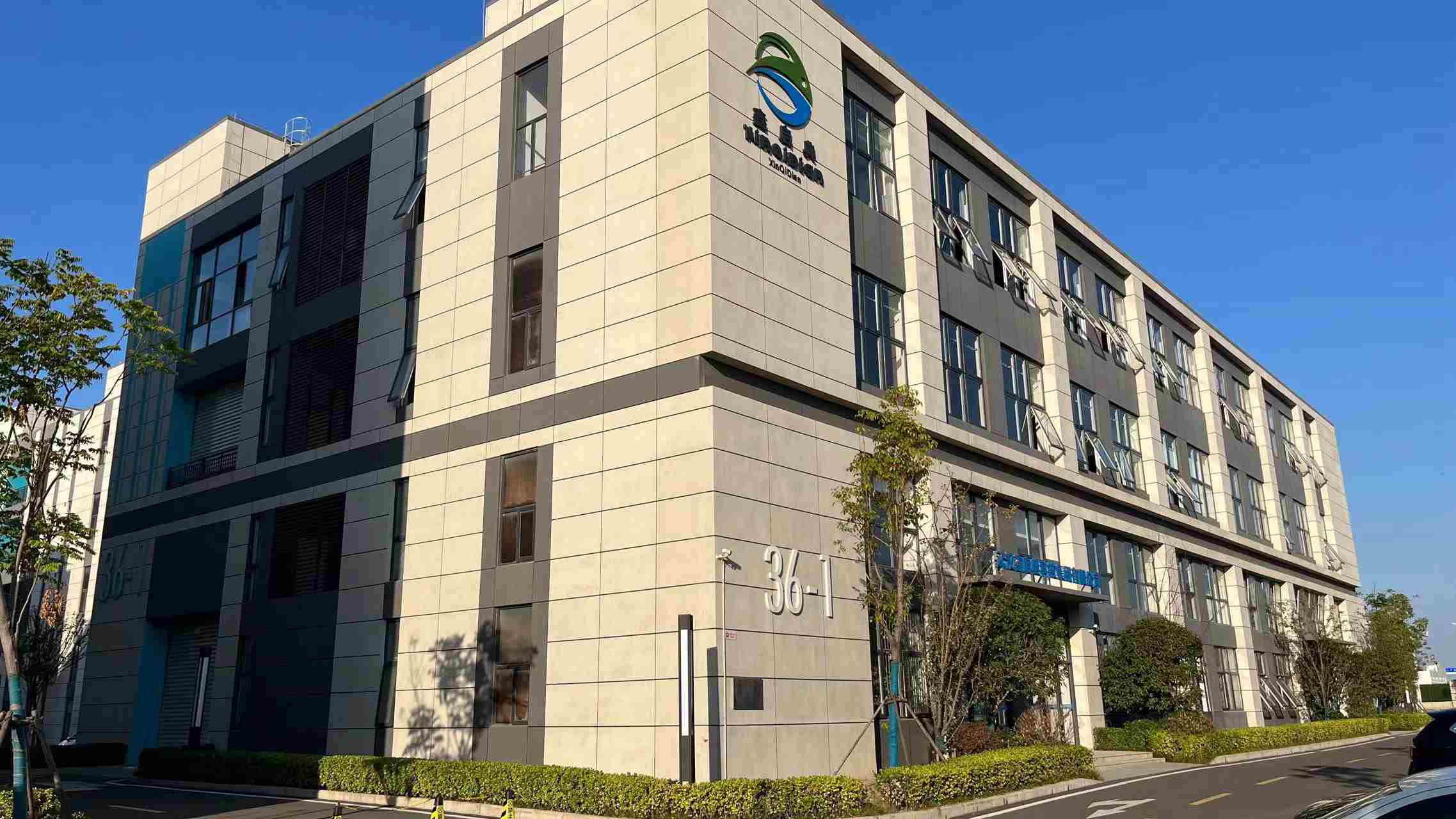
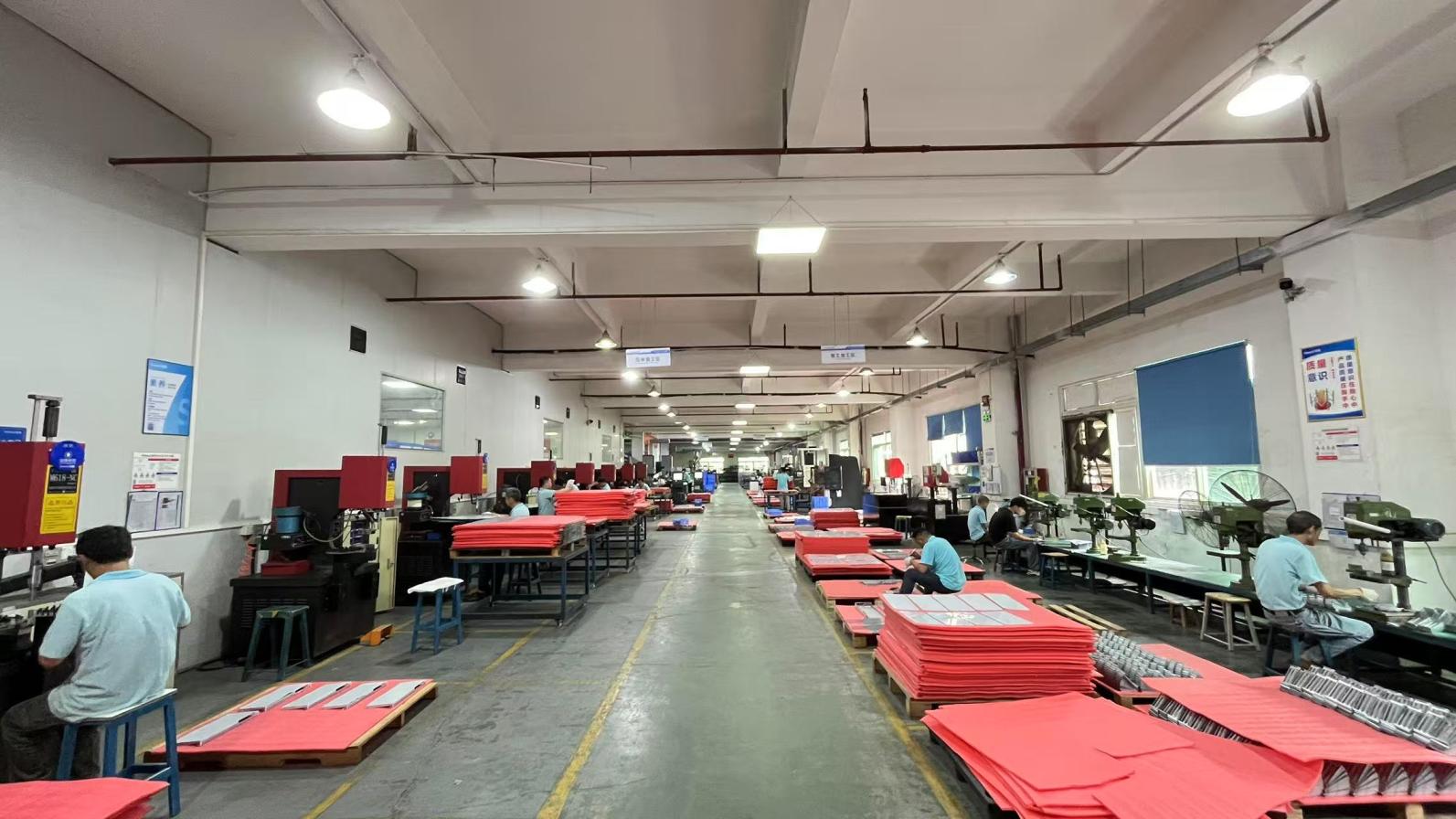
Established in 2016, NexaGPU operates an advanced hardware integration facility with a building area of approximately 320㎡, purpose-optimized for high-stress server validation, precise assembly, and advanced liquid cooling loop integration.
Supported by a robust R&D department of 120 engineers, the company focuses on cutting-edge hardware optimizations, high-efficiency server architectures, custom BIOS setups, and reliable cooling dynamics to prevent performance throttling at the edge.
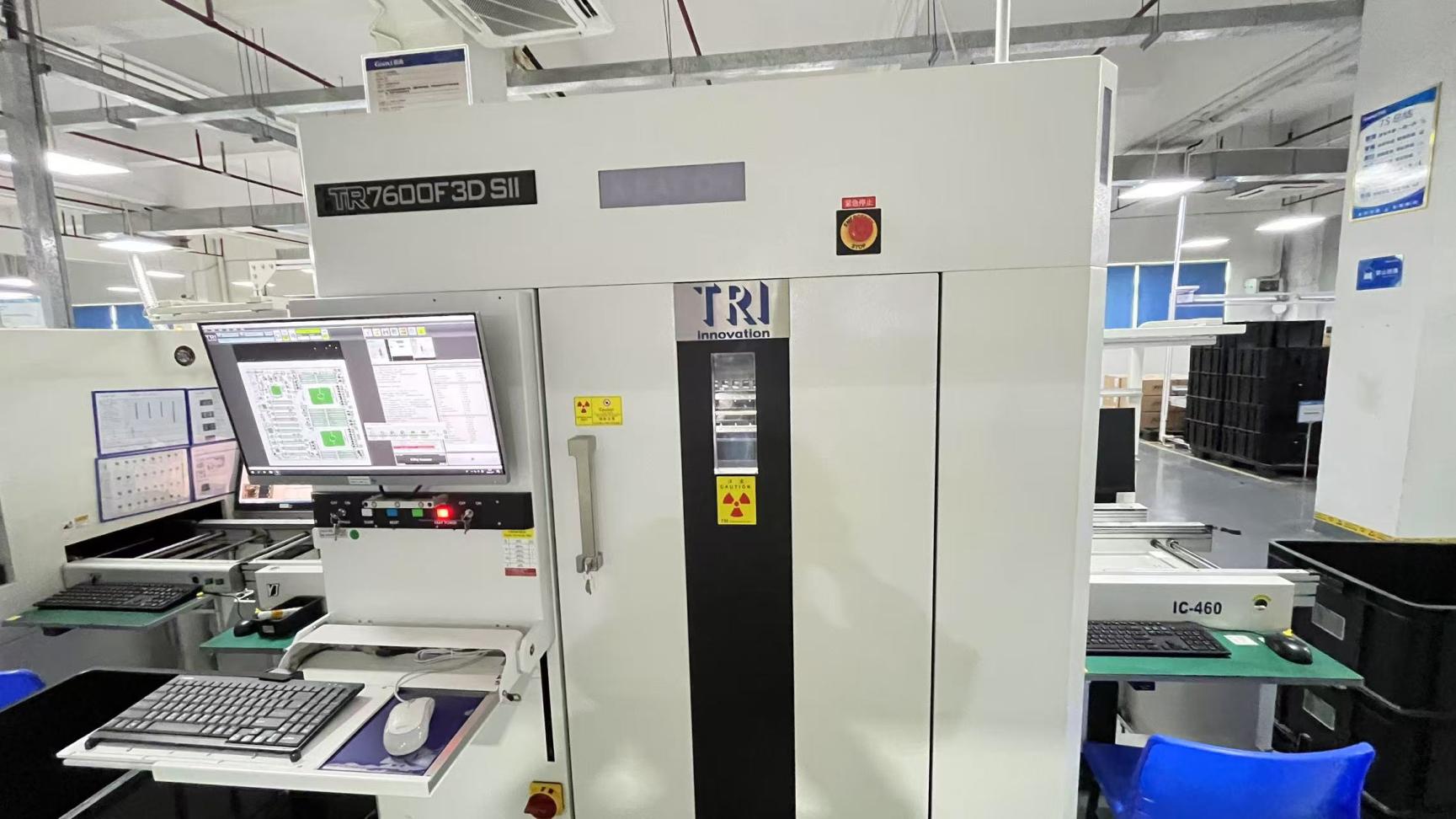
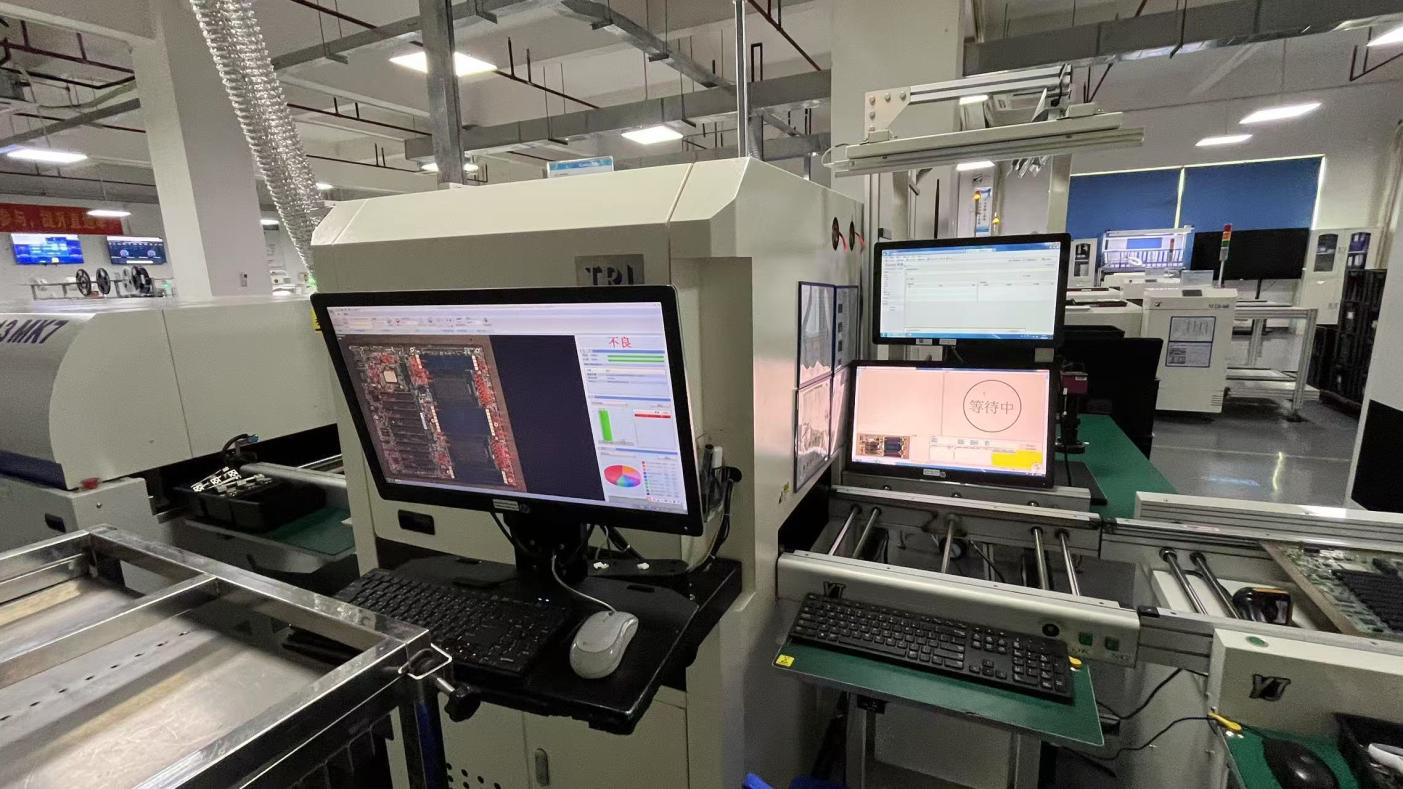
To guarantee continuous operability of CDN nodes, NexaGPU implements rigorous validation routines. Our 45 dedicated QC specialists execute strict hardware stress testing, thermal load testing under simulated high-airflow server cabinets, and multi-day storage read/write performance testing. This ensures that every node delivered to North America, Europe, Southeast Asia, or the Middle East complies with the highest standards of reliability.
Visual demonstration of our structured cleanrooms, testing beds, and component sourcing warehousing.
As governments globally enforce strict data sovereignty regulations (such as GDPR in the EU, CCPA in California, and regional cyber laws in the Middle East), CDN operators must align their hardware procurement strategy with geopolitical realities. Deploying standardized bare-metal CDN caches requires close coordination with factories that understand localized requirements.
Modern CDN hardware must prevent firmware-level vulnerabilities. Suppliers like NexaGPU design platforms with Secure Boot features, Cryptographic Hardware Roots of Trust, and TPM 2.0 modules. These security layers prevent unauthorized hardware-level intrusion, crucial for nodes deployed in remote edge locations where physical access might be less secure.
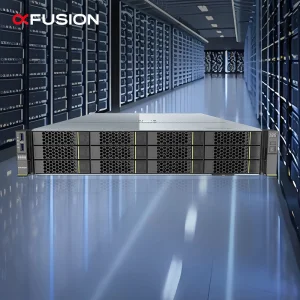
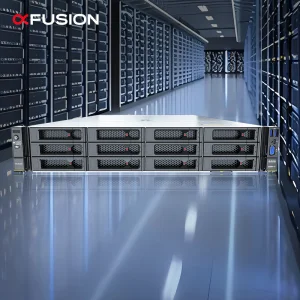
Data centers worldwide are facing strict Power Usage Effectiveness (PUE) targets. High-density servers equipped with custom 2U heat pipe heat sinks, high-CFM (cubic feet per minute) variable-speed fans, and smart power management options allow CDNs to operate within limited thermal thresholds, lowering operational expenditures and helping enterprises achieve green compliance metrics.
With chip shortages and shipping bottlenecks constantly threatening deployment deadlines, working with a supplier linked to over 850 partners is vital. NexaGPU’s strong supply chain ecosystem allows for rapid parts configuration, helping networks scale from local pilots to multi-region infrastructure deployments in weeks instead of quarters.
The convergence of edge computing and artificial intelligence (Edge AI) is defining the next generation of CDN hardware. The traditional separation of compute (in central clouds) and delivery (at the edge) has collapsed. Here is the trajectory of CDN node architectures as observed by industry-leading engineers:
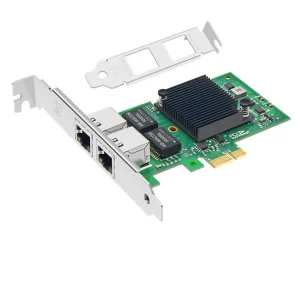
Doubling input/output bandwidth. Crucial for matching the speed of 400Gbps network interfaces, preventing performance bottlenecks between network cards and storage systems.
Enabling poolable, low-latency memory access. This allows edge caching devices to access shared memory architectures, maximizing caching performance during extreme traffic events.
Deploying architectures optimized for AI frameworks like DeepSeek, localized LLM processing, real-time user intent mining, and semantic translation at localized edge hubs.
Sourcing managers must future-proof their networks. Choosing systems that support modular GPU upgrades, high-wattage power supplies (such as 1400W or 1600W configurations), and extensible memory slots ensures that nodes deployed today can easily scale to support AI and interactive applications tomorrow.
Comprehensive answers addressing critical technical concerns, compatibility questions, and supply chain logistics for B2B tech buyers.
Browse our selection of multi-socket computing servers, storage appliances, and high-bandwidth SAS RAID controllers.