NexaGPU
NexaGPU
NexaGPU
Engineered for extreme workloads, AI training, deep learning inference, and low-latency storage fabrics.
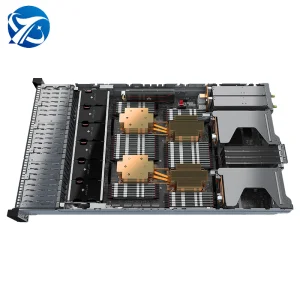
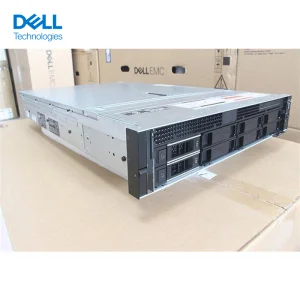
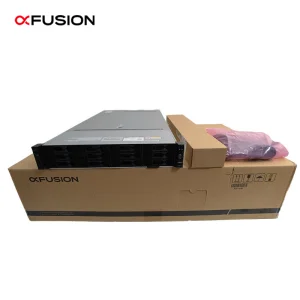
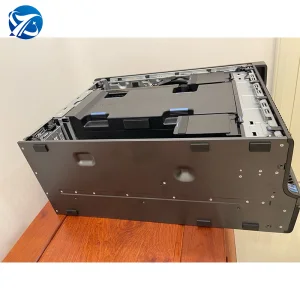
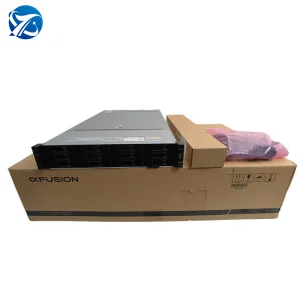
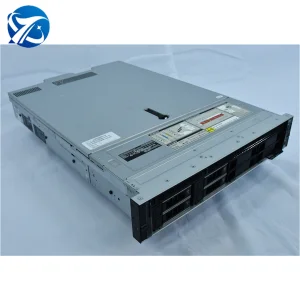
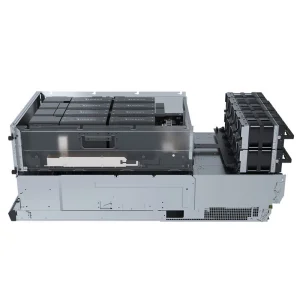
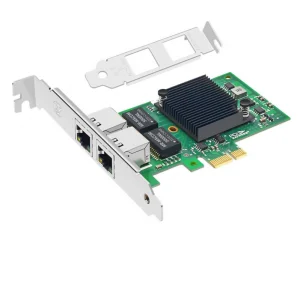
Understanding the foundational shifts in hyper-scale cloud deployment, scientific high-performance computing, and enterprise machine learning infrastructures.
Compute nodes represent the physical building blocks of modern supercomputing grids and distributed clouds. Unlike standard enterprise servers, a modern compute node is hyper-optimized for dense parallel execution, extreme memory bandwidth, and low-latency cluster communication. With the rapid deployment of dense generative AI architectures like DeepSeek and GPT-class models, the world is witnessing an unprecedented transition from standard CPU-centric nodes to heterogeneous GPU compute clusters.
Globally, manufacturers are forced to redesign hardware layouts to support elevated thermal envelopes (TDPs exceeding 1000W per GPU socket), high-capacity PCIe Gen 5 configurations, and next-generation storage solutions such as U.3 NVMe SSDs. This shift demands deep specialization in thermodynamic engineering and signal integrity to minimize data packet losses across high-bandwidth backplanes.
Leveraging China's unparalleled electronics supply chain ecosystem to deliver high-performance servers with cost-performance efficiency.
Offering modular chassis modifications, bespoke liquid cooling loops, variable GPU/CPU topologies (1:8 vs 1:4 ratios), and custom bios flashing. Over 85 new product configurations were introduced this year alone to address specific deep learning workloads.
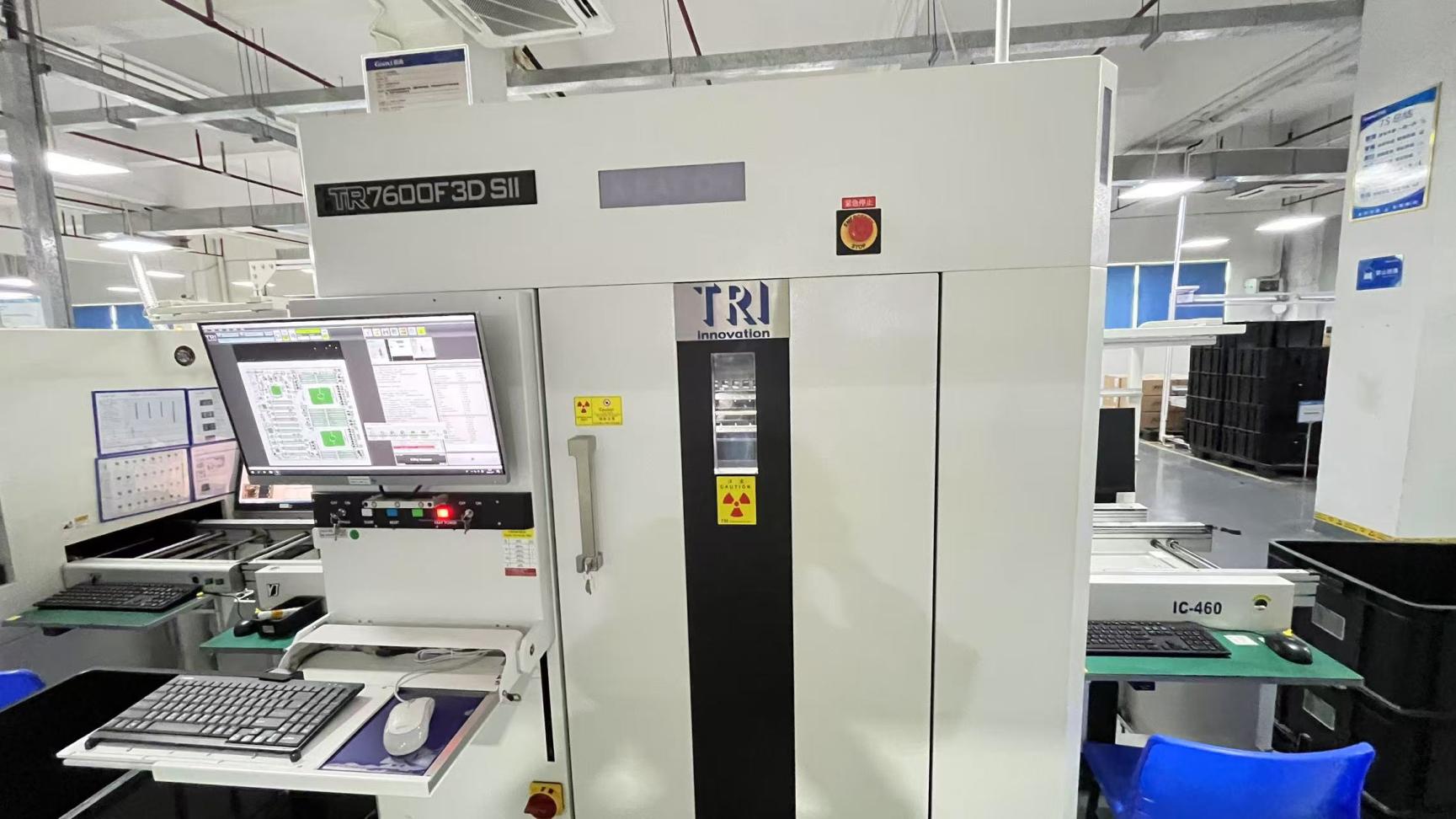
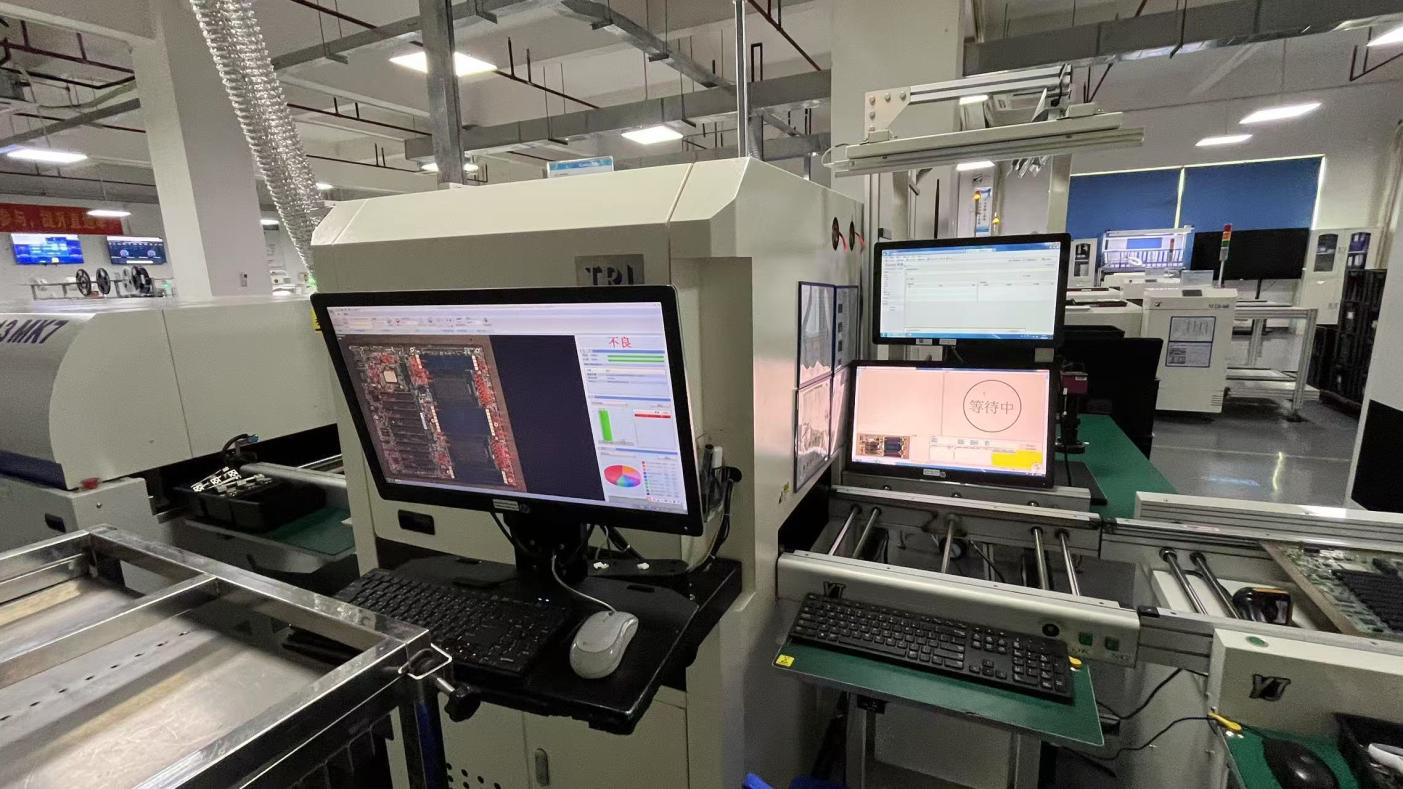
Our QA framework consists of a dedicated 45-specialist Quality Control team executing component burn-in, extreme thermal cycling, vibration resilience testing, and multi-day Linpack benchmarking to guarantee 99.999% field reliability.
By working closely with over 850 verified structural, electronic, and cooling component manufacturers, we reduce lead times by up to 40% compared to Western integrators, passing these speed and cost advantages to our global clients.
How industry-specific workloads drive distinct structural designs and localized compute architecture footprints.
Automotive testing and smart city monitoring require massive, high-throughput storage networks and GPU compute nodes optimized for ingestion. These deployments utilize systems like the AI Inference G5200 V5 to run complex multi-object tracking models directly in edge data centers, bridging latency gaps.
For scaling next-generation AI projects (such as DeepSeek and LLaMA fine-tuning), enterprises run multi-node GPU clusters. The systems rely on high-speed PCI Gen 5 paths and standard SAS bootcards (e.g., the XP270-M2) to isolate operating system calls from critical AI mathematical computations.
Financial modeling, oil & gas modeling, and pharmaceutical simulations require deep dual-socket and quad-socket compute nodes. Servers like the FusionServer 2488H V6 and DEll PowerEdge R960 offer dense computing resources in minimum rack unit spaces, maximizing computational densities per square meter.
Looking ahead at the next wave of compute infrastructure innovations and architectural evolutions.
As processor thermal design power (TDP) breaks historical limits, conventional air cooling is becoming structurally obsolete. Future compute nodes will feature integrated water blocks connected directly to secondary cooling loops. Direct-to-chip water systems enable data centers to operate with Power Usage Effectiveness (PUE) ratings below 1.15, saving substantial overheads for corporate buyers.
The standard boundary between RAM and disk storage is blurring. With CXL technology integrated into next-generation CPU and GPU platforms, compute nodes can pool memory dynamically across physical server frames. This prevents unused memory resources from idling, reducing total capital expenditures for large scale enterprise datacenters.
Unlike proprietary ecosystems, open-source AI frameworks (such as DeepSeek, Mixtral, and LLaMA) require modular, customizable hardware arrays. System integrators are moving away from proprietary chassis architectures, offering flexible OCP (Open Compute Project) configurations that allow buyers to mix and match motherboards, storage cards, and networking fabrics from varied supply chains.
With computing tasks shifting to multi-tenant public clouds, confidential computing has become a top priority. Future compute nodes will integrate hardware root of trust (RoT), encrypted memory spaces, and secure virtualization directly onto the processor silicon, ensuring zero-trust verification from the bios layer to the application layer.
Essential checkpoints for Chief Technology Officers and Server Infrastructure Sourcing Directors.
Assess the operating energy costs versus computing performance. Insist on 80 Plus Titanium power supply units and variable speed fans with advanced management chips to scale down power during off-peak windows.
Ensure compatibility with industry standards. Nodes must support standard rack mounts, standard PCIe expansion slots, and multi-vendor RAM modules to mitigate future vendor lock-in risks.
Procuring servers from manufacturers with massive localized supply ecosystems (like NexaGPU's 850+ partners network) safeguards deployments against sudden international transit delays and custom hold-ups.
Providing clear answers to core engineering and procurement concerns regarding compute nodes.
Expand your existing node architectures with certified components, server chassis, and scalable sub-systems.
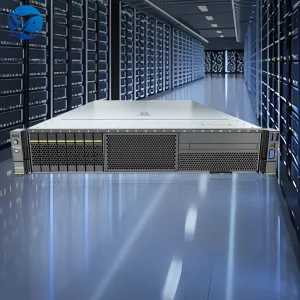
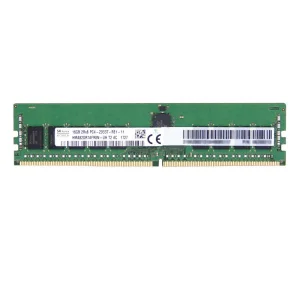
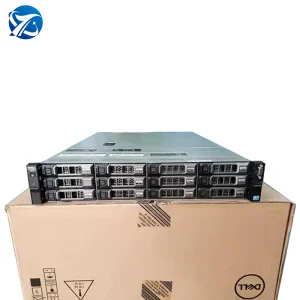
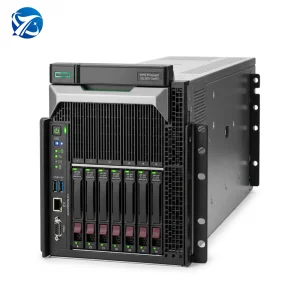
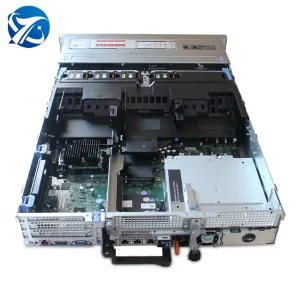
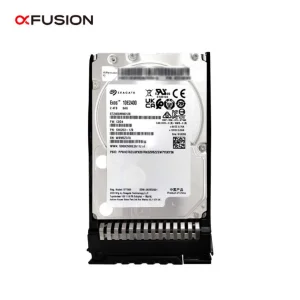
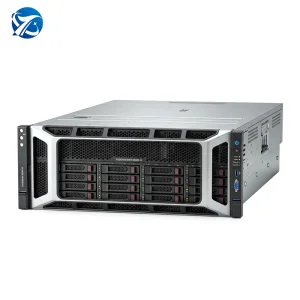
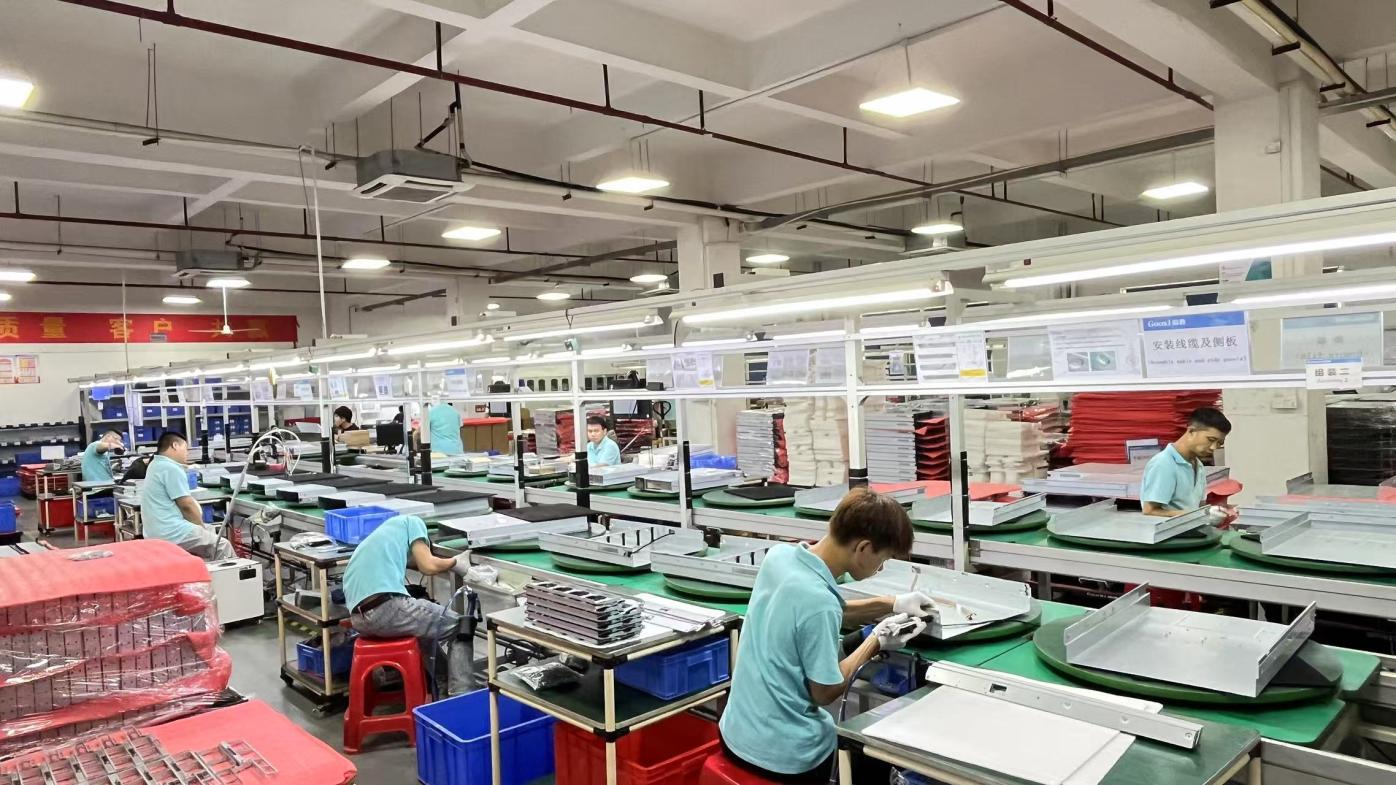
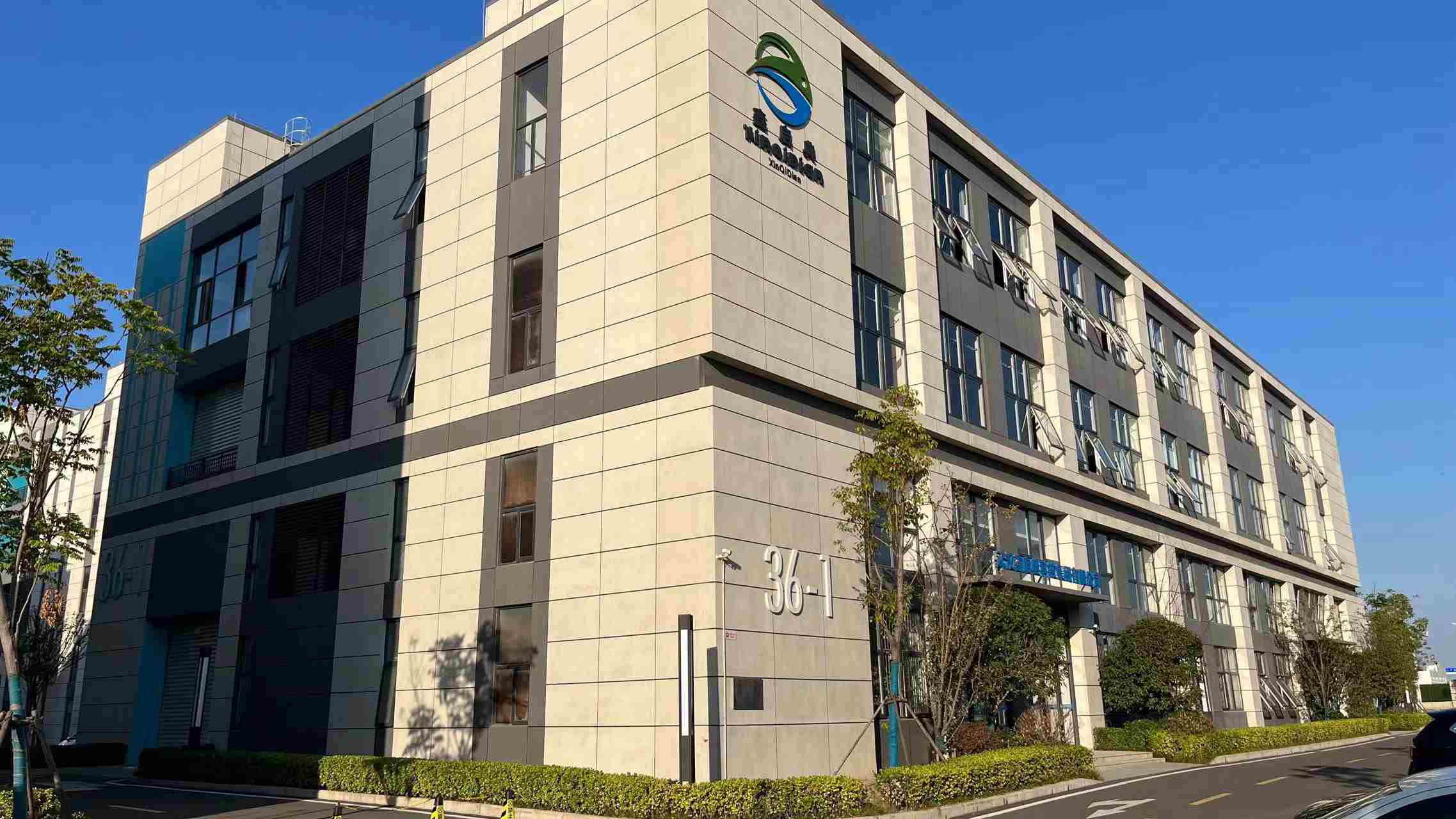
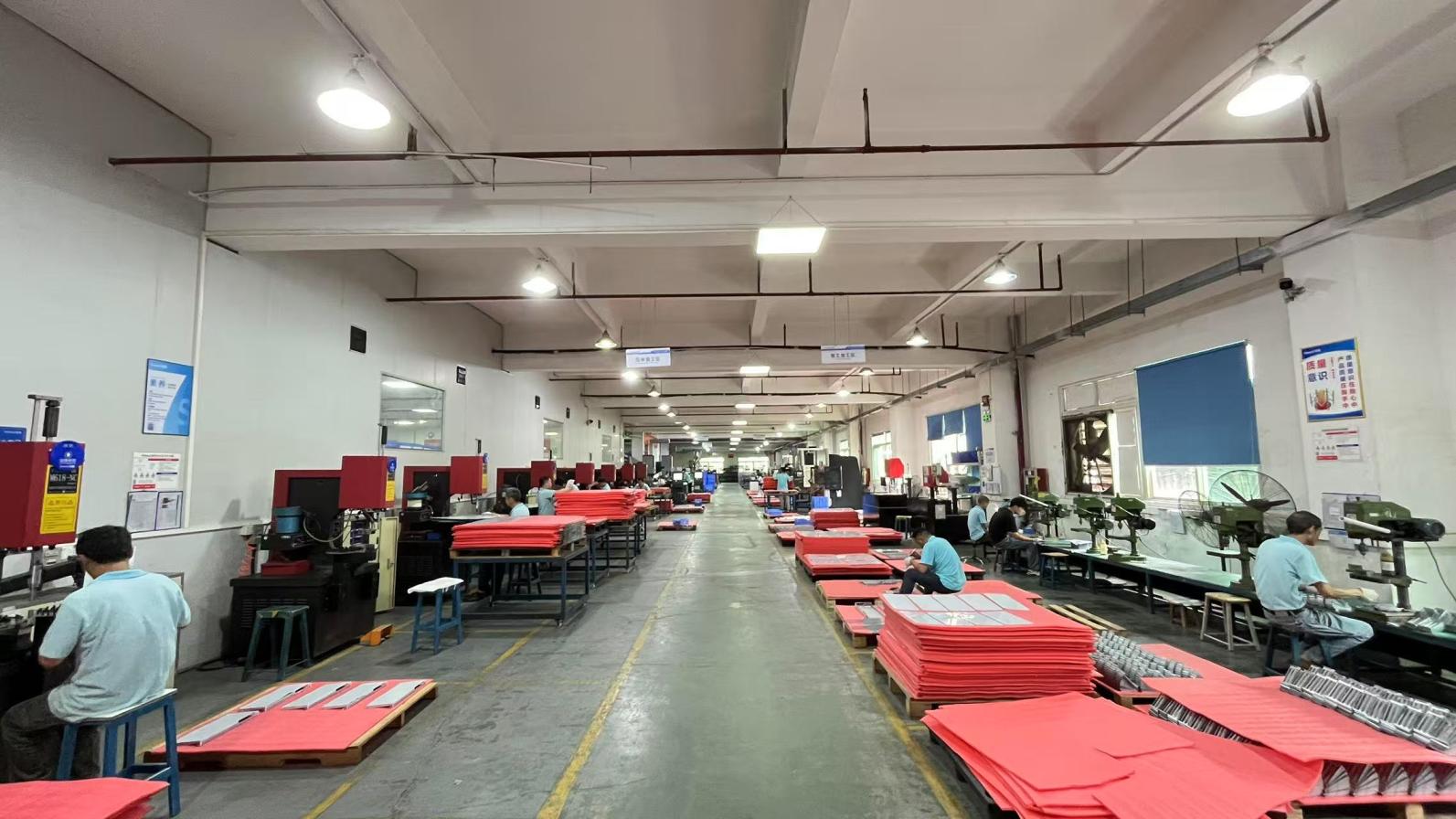
Inside NexaGPU's professional high-performance manufacturing, verification, and assembly operations.
NexaGPU is a professional AI GPU server manufacturer and supplier specializing in high-performance computing infrastructure, GPU clusters, and customized AI server solutions for global enterprises, data centers, and AI development companies. Established in 2016, NexaGPU has rapidly grown into a trusted provider of advanced GPU computing systems. The company operates a modern manufacturing facility with a building area of approximately 320㎡, supporting efficient production, assembly, and testing of AI server systems.
With an annual export revenue of USD 12 million, NexaGPU has built strong international business capabilities and maintains 6 years of export experience and 11 years of industry experience in high-performance computing and server manufacturing. To ensure strict product quality, NexaGPU implements comprehensive multi-stage inspection processes, including hardware stress testing, thermal performance testing, and system stability validation. The company employs a dedicated quality assurance team of 45 QC specialists to maintain consistent product reliability.
NexaGPU has a solid trade background in global B2B technology supply chains, with major markets including North America, Europe, Southeast Asia, and the Middle East. The company works closely with over 850 supply chain partners, including GPU chip suppliers, motherboard manufacturers, server chassis factories, and cooling system providers. Its main customer base includes AI startups, cloud computing providers, data centers, research institutions, and enterprise IT solution providers.
NexaGPU demonstrates strong R&D capability, supported by a team of 120 R&&D engineers focused on GPU architecture optimization, AI server design, and liquid cooling technology. The company offers extensive customization options including GPU configuration, CPU selection, memory expansion, storage architecture, and liquid cooling systems. In the past year, NexaGPU successfully launched 85 new product models, covering AI training servers, inference servers, and high-density GPU computing clusters.