NexaGPU
NexaGPU
NexaGPU
Explore our high-performance hardware modules customized for high-frequency Telematics data ingestion, Deep Learning training, and low-latency edge application deployment.
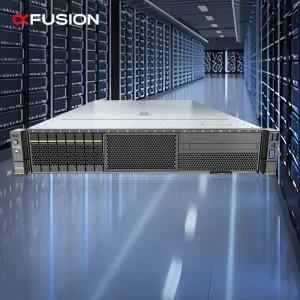
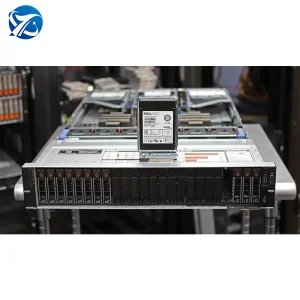
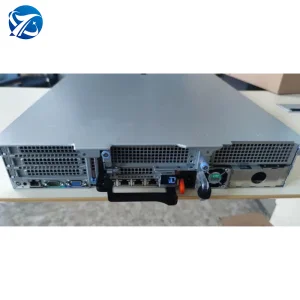
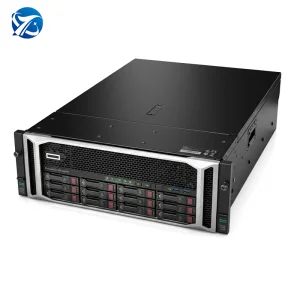
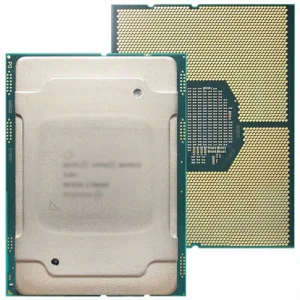
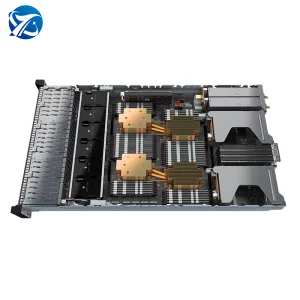
The global telematics ecosystem is undergoing a generational shift. No longer limited to simple GPS vehicle tracking, modern telematics integrates edge compute nodes, high-definition camera arrays, Lidar sensor streams, and cellular Vehicle-to-Everything (C-V2X) connectivity. At the heart of this revolution is the need for highly resilient, high-bandwidth backend computing platforms capable of parsing, storing, and analyzing billions of telemetry data points per second.
Commercial fleet logistics, public transit authorities, and autonomous vehicle operators demand robust, server-grade hardware capable of running complex deep learning frameworks for ADAS (Advanced Driver Assistance Systems). As an OEM/ODM Telematics and computing infrastructure equipment manufacturer, we engineer systems that serve as the computing bedrock for modern Fleet Management Systems (FMS), intelligent traffic control units, and automated dispatch operations.
Processing cellular and satellite telemetry packages from connected vehicles in real-time, requiring low-latency network pipelines and massive parallel processing capacity to assure critical road safety.
Utilizing high-performance GPU clusters to run machine learning algorithms that identify engine failures, analyze driver fatigue patterns, and dynamically optimize logistics routing.
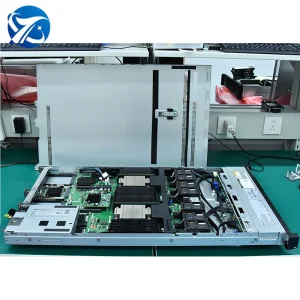
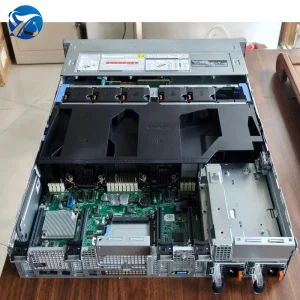
Deploying hybrid systems where 1U/2U server nodes filter data streams at the regional gateway level before forwarding compressed pipelines to centralized multi-GPU databases.
Leveraging global technological advancements, NexaGPU designs and manufactures high-performance computing hardware, enabling real-time telematics platforms and deep learning algorithms to process data without latency.
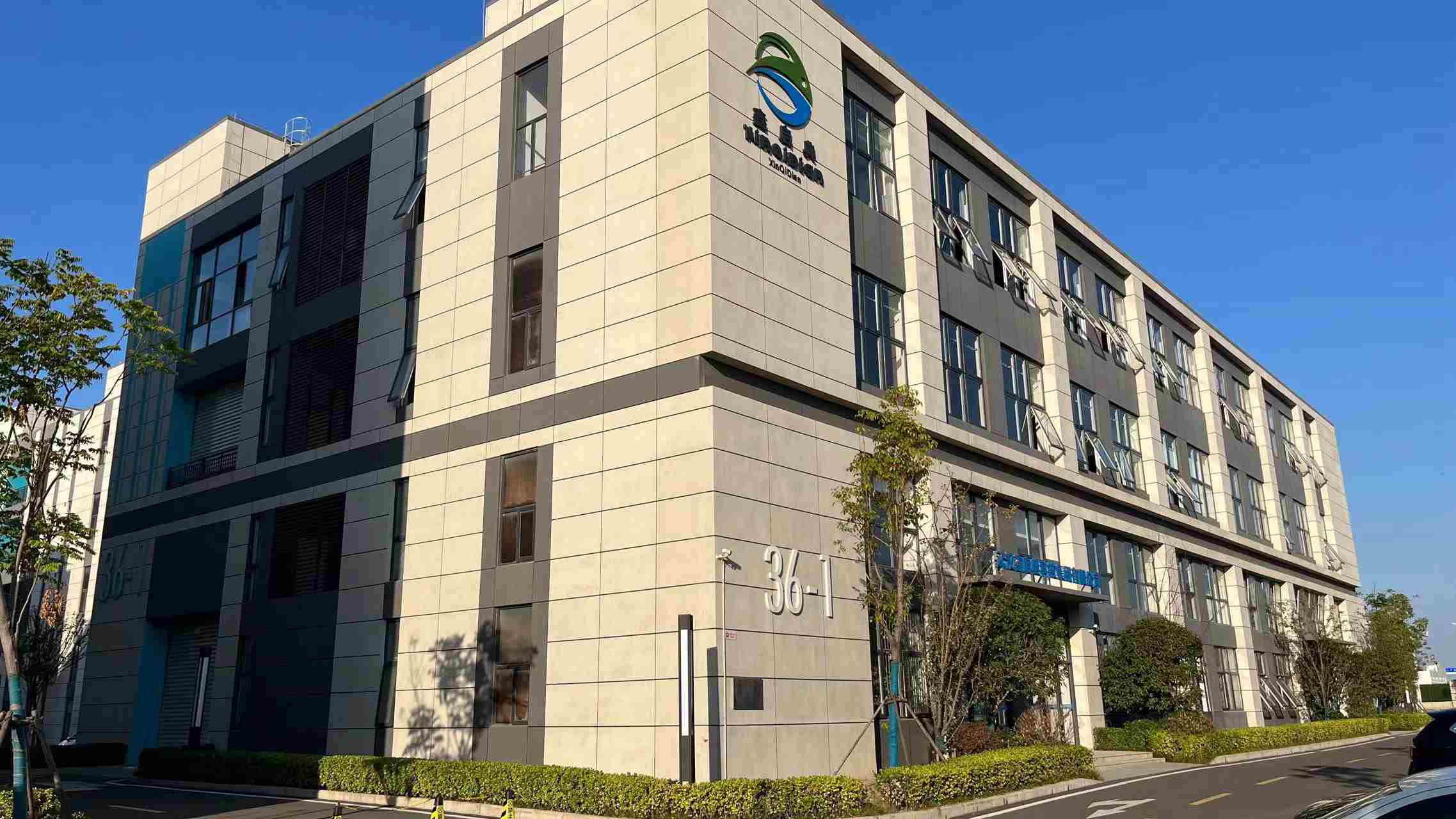
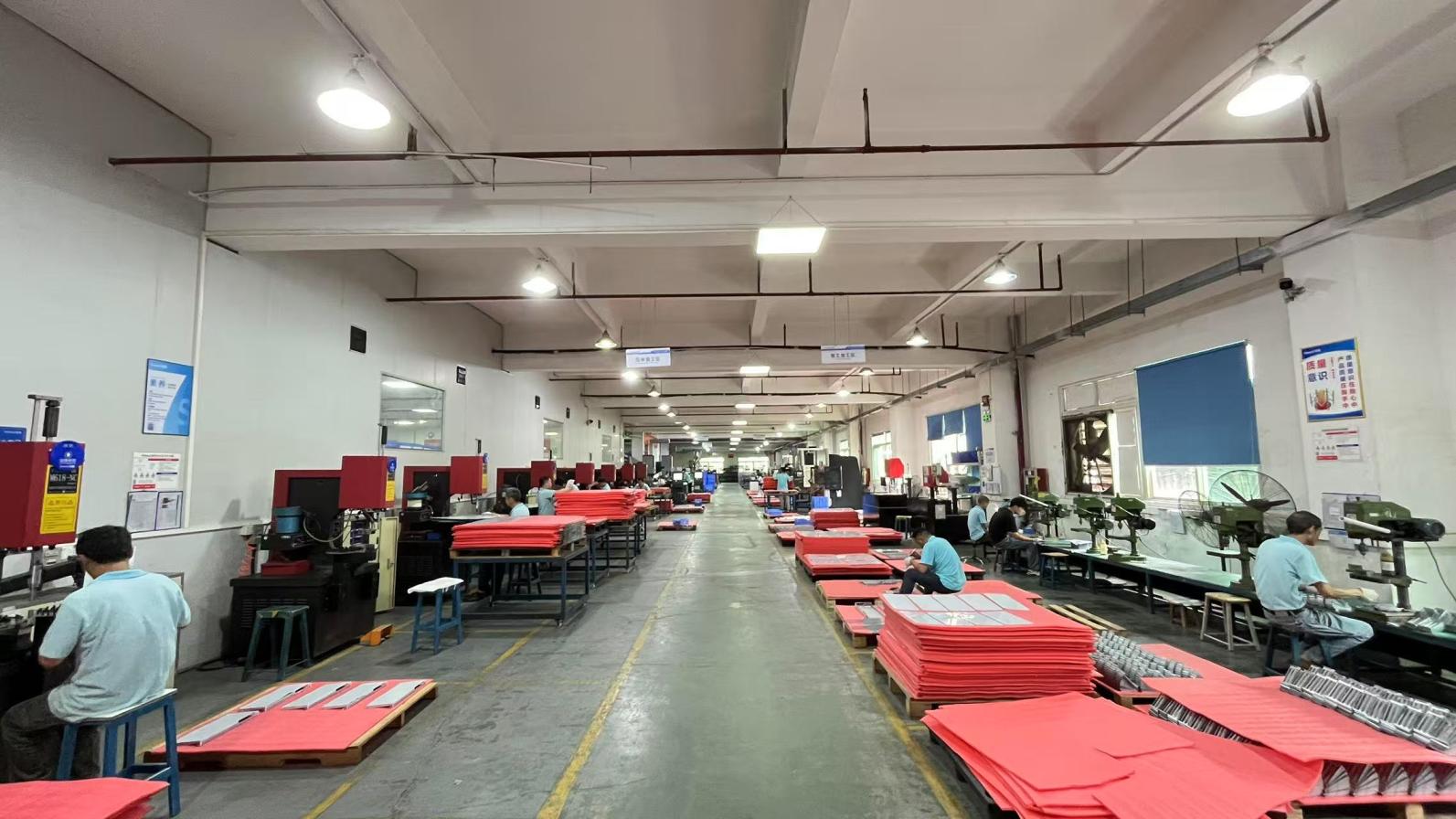
Established in 2016, NexaGPU has emerged as a premier OEM/ODM manufacturer in the enterprise computing and hardware optimization domain. Rooted in the heart of Shenzhen’s technology manufacturing zone, we leverage an extensive local ecosystem of over 850 supply chain partners, enabling rapid prototyping, custom cooling adaptation, and structural server revisions that scale to international B2B requirements.
With a focus on reliability, NexaGPU implements strict multi-stage quality control mechanisms overseen by our dedicated QA team. By optimizing the raw hardware stack, our systems handle massive data throughput requirements, which are crucial for running modern AI platforms like DeepSeek, TensorFlow, and custom telematics mapping suites.
Deciding where to process data represents a core architectural challenge for modern systems integrators. Telematics systems now output large video streams from in-cabin cameras, driver-monitoring sensors, and exterior forward-facing ADAS units. Sending raw video streams from thousands of vehicles directly to the cloud is cost-prohibitive and introduces latency. This necessitates a layered processing hierarchy.
| Computational Tier | Hardware Requirements | Latency Target | Primary Applications |
|---|---|---|---|
| In-Vehicle Edge | Low-power embedded modules & microcontrollers | < 5 milliseconds | Immediate collision warnings, lane departure alerts, real-time vehicle kinematics. |
| Regional Edge Nodes | 1U/2U Rackmount servers (e.g., Dell PowerEdge, xFusion, HPE DL360) | 10 - 50 milliseconds | Regional geofencing alerts, micro-traffic routing patterns, local database replication. |
| Centralized Data Center | High-density GPU nodes & multi-socket CPU clusters | > 100 milliseconds | Autonomous driving model retraining, deep analytics profiling, annual fleet forecasting. |
By leveraging robust 1U and 2U server systems like the HPE ProLiant Gen11/Gen12 and the xFusion FusionServer series, global enterprises build intermediary networks. These systems ingest geographic, diagnostic, and environmental data, preprocess it at the regional network boundary, and ensure that only clean, high-value information is forwarded to core server warehouses for heavy computing.
Telematics solutions are heavily influenced by geographic regulations, infrastructure readiness, and specific operational environments. Our hardware platforms are designed with flexibility in mind to meet these localized requirements.
Compliance-driven deployment dominates these markets. Strict requirements such as the FMCSA's Electronic Logging Devices (ELD) mandate in the US and equivalent tachograph regulations in Europe demand continuous connectivity and high server uptime. Furthermore, EU GDPR regulations restrict how biometric tracking (like driver eye-tracking) is uploaded, making secure edge-filtering and localized storage standard practices.
In these growing economies, telematics applications focus largely on active asset security, anti-theft tracking, and fuel optimization. Ruggedized edge infrastructure and low-cost regional processing clusters are preferred due to intermittent cellular coverage. Robust network switches like the H3C S6520X series play a major role in keeping communication networks active at regional sorting centers.
The telematics sector is evolving beyond traditional boundaries. Looking ahead, three primary technological trends will define the hardware requirements of future deployments:
The roll-out of high-capacity 5G standalone networks allows vehicles to communicate with infrastructure (V2I), pedestrians (V2P), and other vehicles (V2V) with sub-millisecond lag times. This requires core data centers to handle high-frequency data ingestion and real-time message routing.
Driver monitoring systems (DMS) are transitioning from simple drowsiness detection to complex behavioral modeling. System hardware must process multi-stream high-definition video inputs inside the vehicle cabin using localized neural processors.
Enterprise fleet operators are building real-time "digital twins" of their supply chain infrastructure. By running real-time simulations on GPU-accelerated computing nodes, organizations can forecast delivery delays, dynamically adjust routes based on weather patterns, and optimize fuel consumption.
B2B buyers and systems developers face complex challenges when choosing hardware platforms. A systematic approach to checking critical specifications helps mitigate deployment risks.
When procurement managers evaluate OEM/ODM computing platforms for their telematics backends, they must look beyond processing speeds. Reliability under varying thermal conditions, long-term component availability, power efficiency, and hardware-level security (like TPM 2.0 chips) represent critical check-points.
Our manufacturing facility supports custom bios tuning, pre-configured raid arrays, and custom rail-kit sizing. This ensures that the hardware integrated into your backend rack systems is ready for continuous, round-the-clock operations from day one.
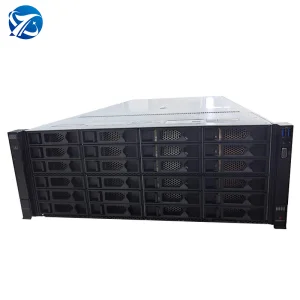
Explore our high-density server configurations, high-speed network switches, and core processors engineered to scale telematics operations.
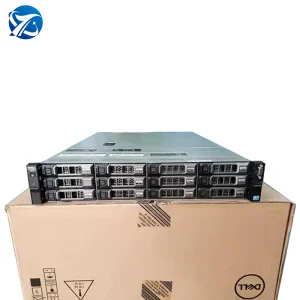
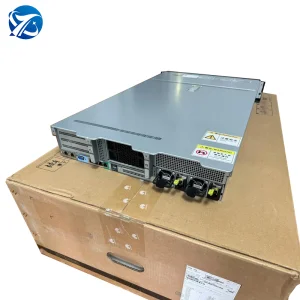
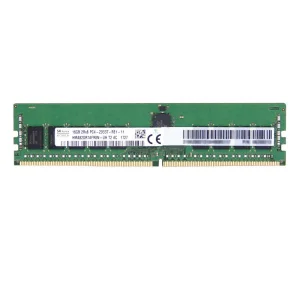
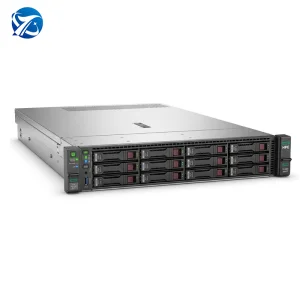
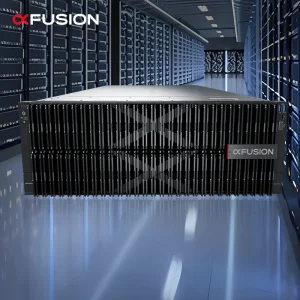
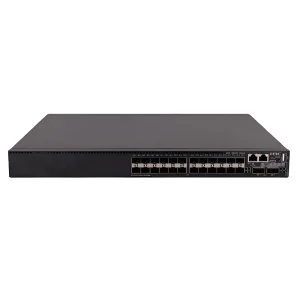
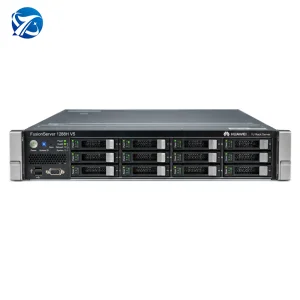
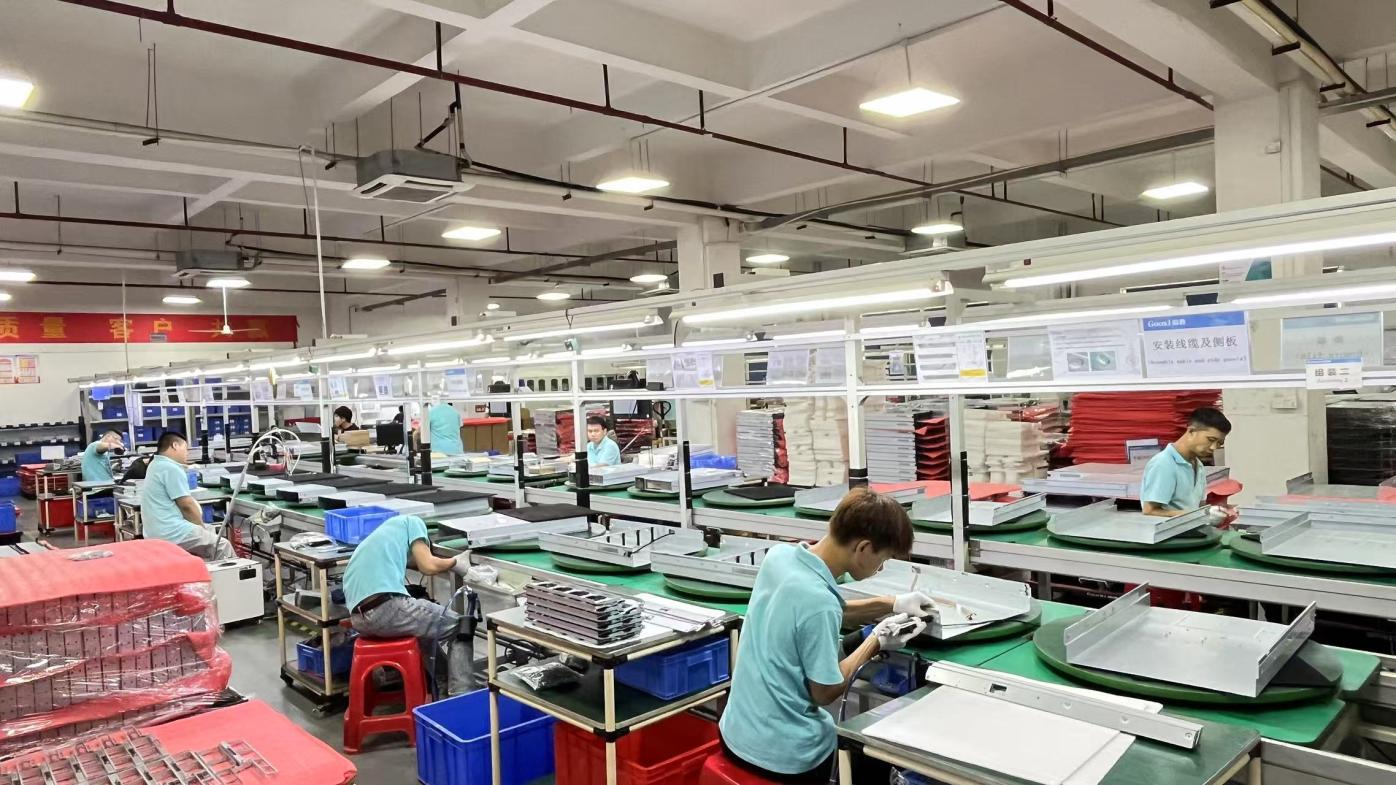
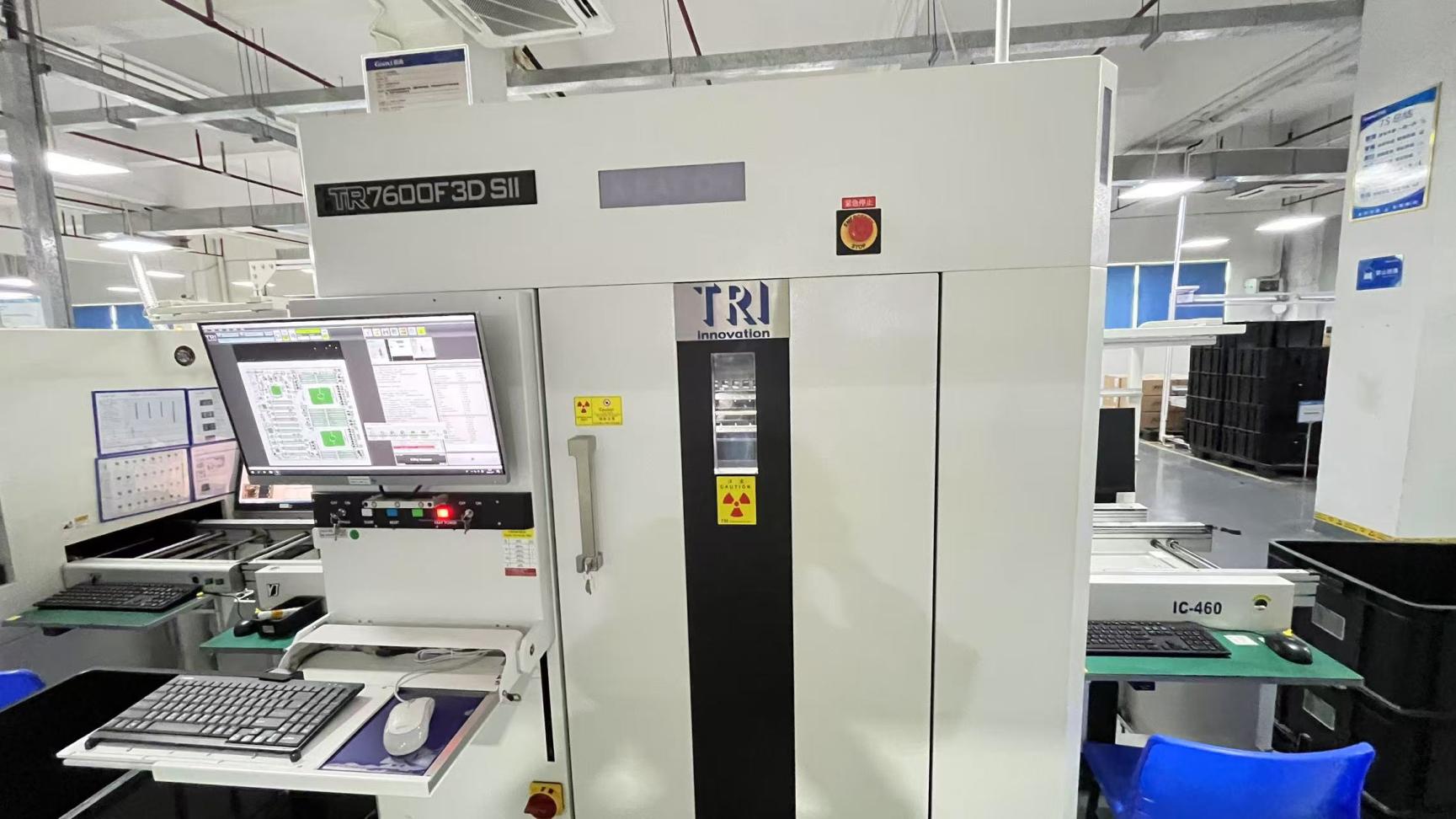
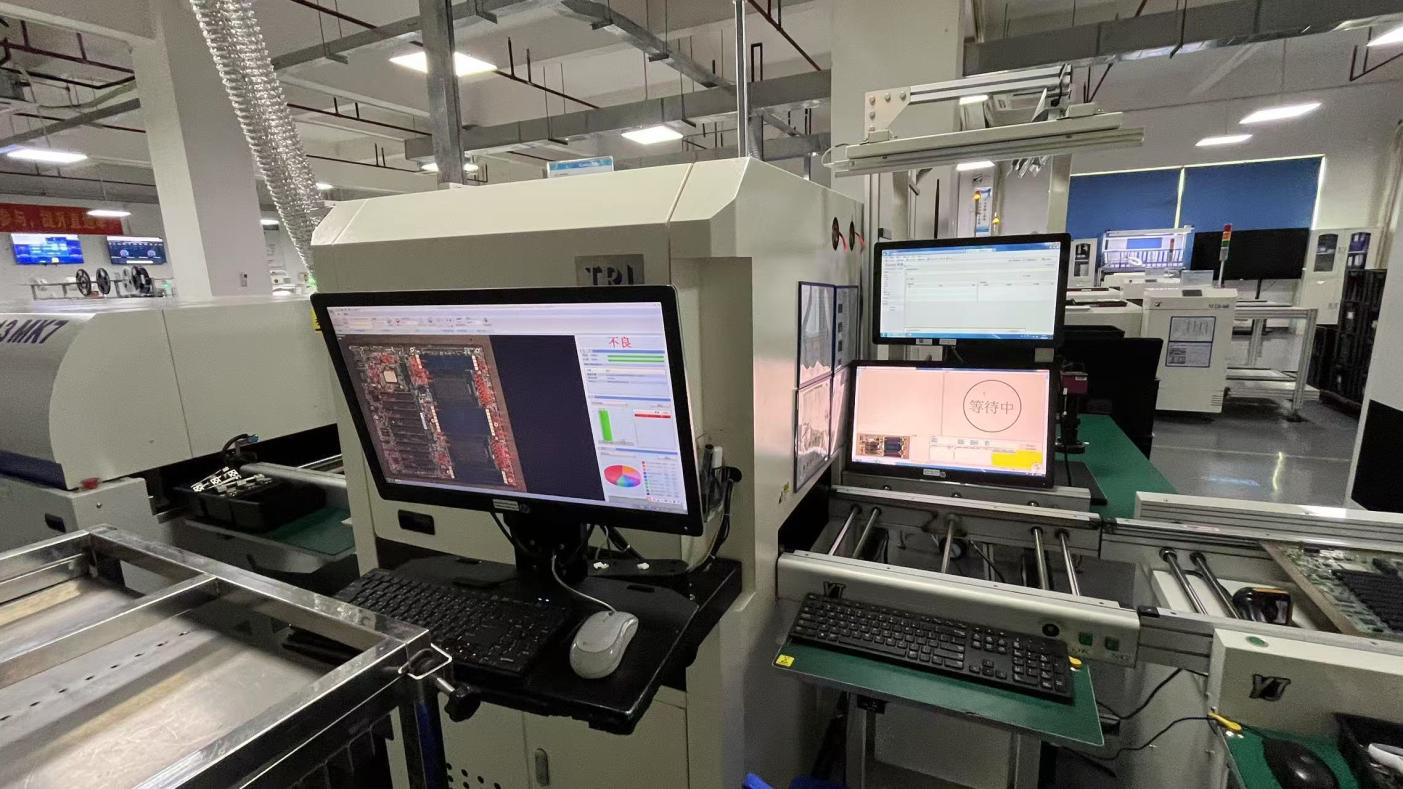
A visual overview of our manufacturing processes, showing how we assemble, configure, and inspect high-performance computing hardware before delivery.