NexaGPU
NexaGPU
NexaGPU
Premium server models and hardware components optimized for high-intensity computing pipelines, artificial intelligence training, and containerized architectures.
In the modern computational landscape, generic data center hardware is hitting an efficiency wall. As complex architectures, large-scale language models (such as DeepSeek R1), and high-frequency semantic indexing processes scale, the demand for targeted performance optimization has escalated from a secondary concern to an absolute survival metric for hyperscalers and enterprises alike.
This paper outlines the role of custom OEM/ODM hardware design and physical performance optimization tools in mitigating bottle-necks. By engineering computational pathways at the bare-metal layer—optimizing CPU-to-GPU topologies, memory sub-systems, power distribution networks, and thermodynamic dissipation frameworks—NexaGPU and its supply partners deliver the tangible hardware-level customizations that drive massive efficiency gains, lower Total Cost of Ownership (TCO), and provide the crucial information gain required by global B2B enterprises.
A look at the metrics defining our engineering excellence, manufacturing discipline, and strategic distribution partnerships across the globe.
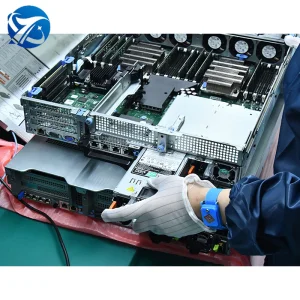
Established in 2016, NexaGPU has quickly evolved into an elite manufacturer specializing in high-performance computing infrastructure, GPU clusters, and highly customized AI server configurations. With a physical integration facility and precision testing lab spanning 320㎡, NexaGPU maintains an agile development-to-production pipeline designed for rapid iteration. In the past fiscal year alone, our engineering teams successfully launched 85 new product models, addressing specialized configurations for GPU-accelerated computing, hyperconverged layouts, and low-latency storage architectures.
Leveraging deep relationships with over 850 supply chain partners—including premium semiconductor suppliers, complex PCB fabricators, chassis design houses, and custom cooling specialists—NexaGPU operates as a crucial link in the global IT B2B supply network. Our core customer base spans leading artificial intelligence startups, public and private cloud providers, global data centers, and advanced research institutions in North America, Europe, Southeast Asia, and the Middle East.
An engineering-first analysis of the emerging trends shaping hardware performance optimization and physical compute nodes.
Overcoming the von Neumann bottleneck using high-speed PCIe Gen 5 channels and emerging Compute Express Link (CXL) standards. This enables unified memory pools, reduces GPU-to-CPU transit latency, and maximizes overall processing throughput.
Transitioning from traditional air cooling to highly efficient liquid-to-air and direct-to-chip liquid cooling systems. This roadmap mitigates modern GPU thermal design power (TDP) thresholds exceeding 700W per module, ensuring continuous optimal operations.
Configuring system firmware, BIOS parameters, and hyper-threading profiles specifically to facilitate the low-latency routing demands of Mixture-of-Experts (MoE) token processing and high-density deep learning inference models.
The manufacturing capabilities of NexaGPU are deeply tied to the rapid-prototyping ecosystem of China's primary tech hubs. While our dedicated integration facility covers a focused 320㎡ footprint, it operates as a specialized design, hardware-level programming, and validation laboratory. Mass production and scaling are achieved through fluid collaboration with a network of over 850 certified tier-1 and tier-2 supply partners.
By situating our testing facilities at the center of the global server hardware supply chain, NexaGPU reduces the lead times for custom component manufacturing (such as custom sheet metal chassis design, unique backplane designs, and specialized power supplies) from months to weeks. Additionally, this localized supply network acts as a buffer against supply chain disruptions, ensuring consistent component availability and cost optimization for global buyers.
Every server system integrated by NexaGPU undergoes rigorous validation overseen by our dedicated quality assurance division.
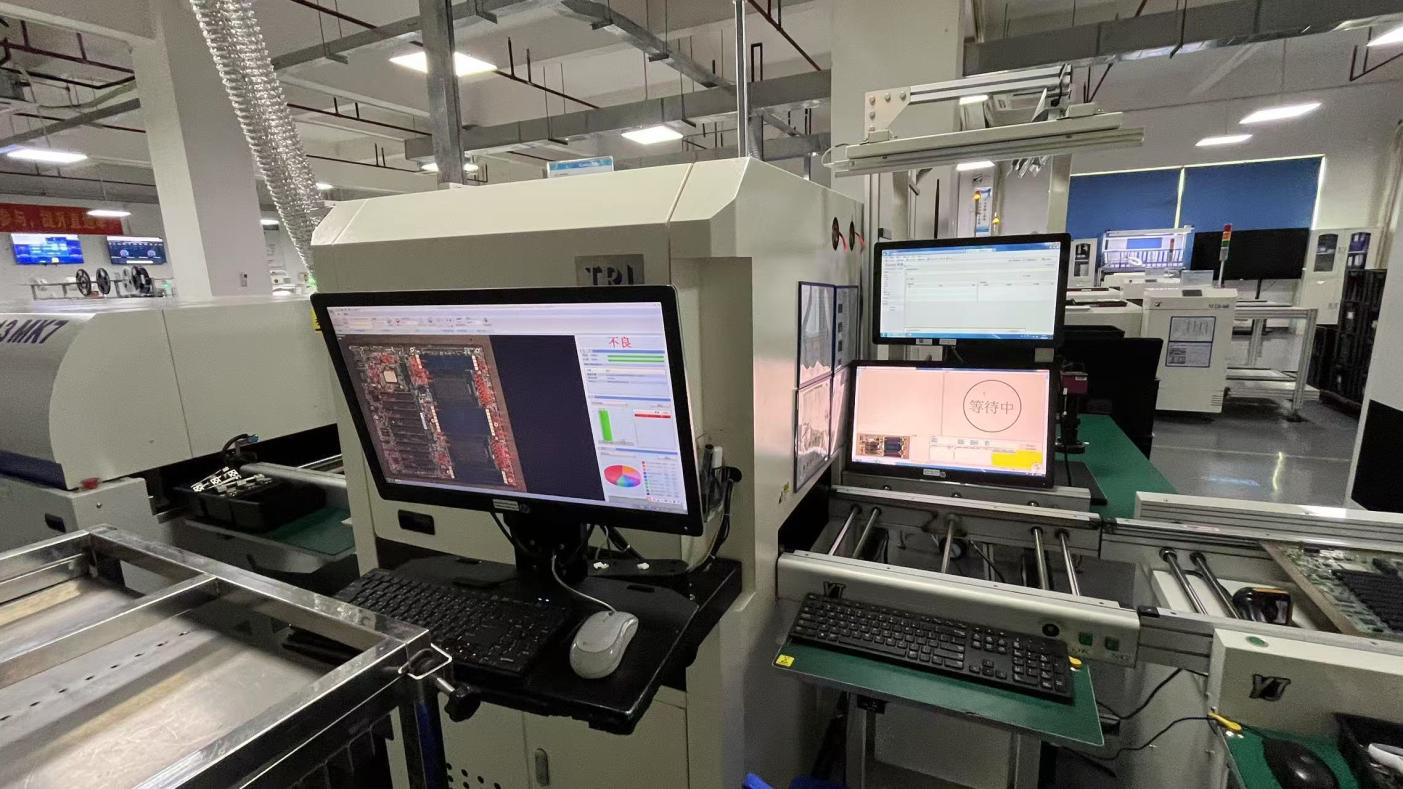
Initial inspection of raw components, capacitors, memory modules, and PCB trace configurations under microscopic stress conditions to isolate manufacturing anomalies prior to server assembly.
Executing continuous 72-hour synthetic workloads under maximum heat and power profiles inside specialized climate chambers to verify systemic integrity under adverse datacenter scenarios.
Manual testing of system management tools (IPMI, BMC, and customized system APIs) by 45 QA specialists to ensure integration compatibility with standard datacenter automation suites.
Operating a technology brand on a global scale requires strict alignment with varying international regulatory policies. NexaGPU’s hardware platforms are developed from the ground up to comply with regional safety, emission, and environmental protection guidelines. This includes maintaining certifications for CE, FCC, RoHS, and UL, allowing seamless integration into operations across North America, Europe, the Middle East, and Asia-Pacific.
Beyond standard certifications, our servers feature redundant energy management systems conforming to advanced global green-computing directives. This enables datacenters in strict environmental regulatory zones (such as the European Union) to lower overall power utilization effectiveness (PUE) metrics, aligning with ESG requirements without sacrificing computational capacity.
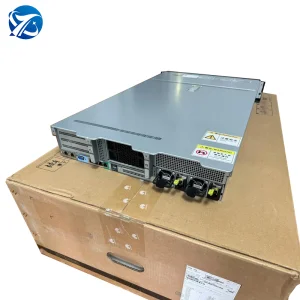
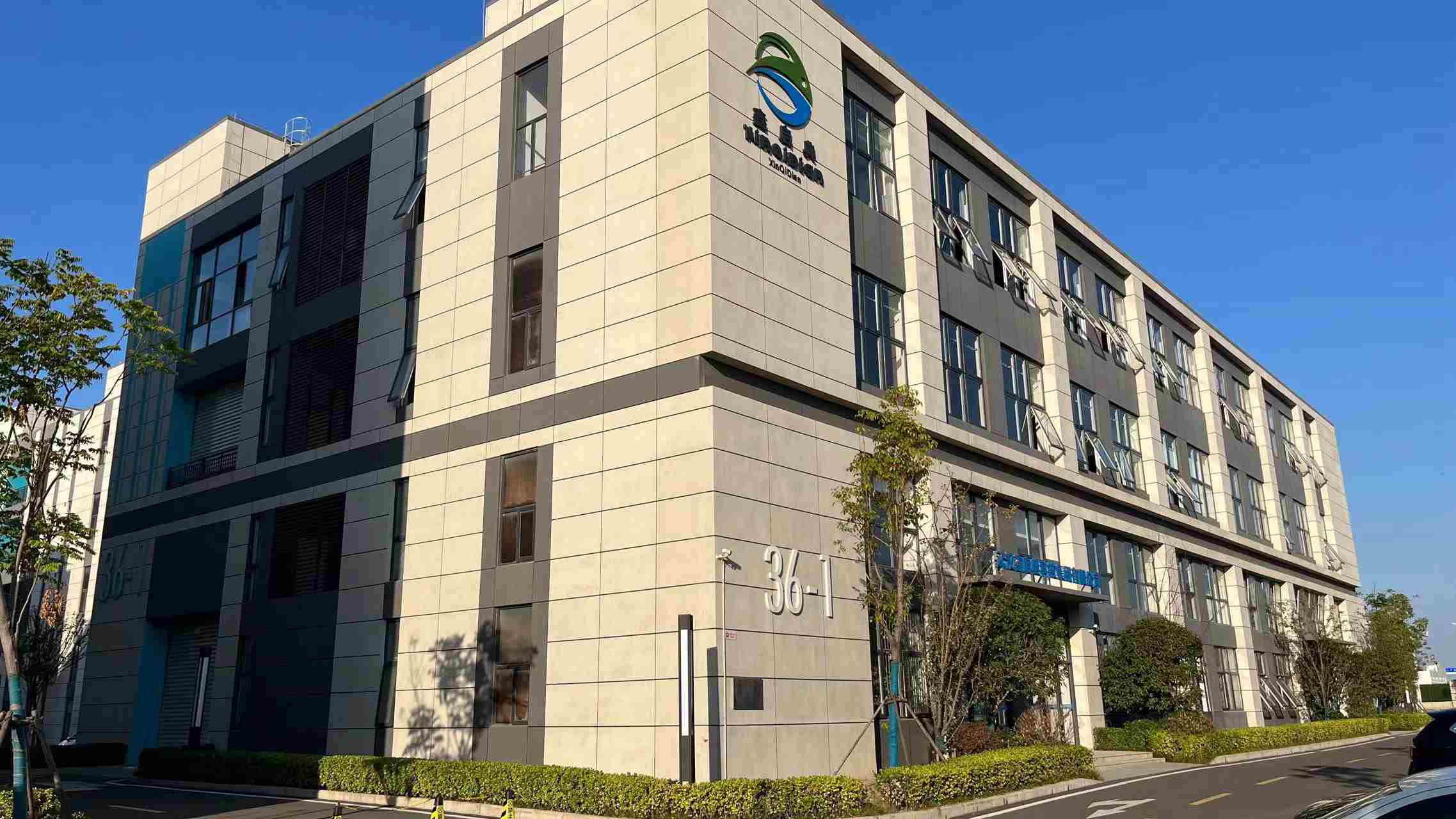
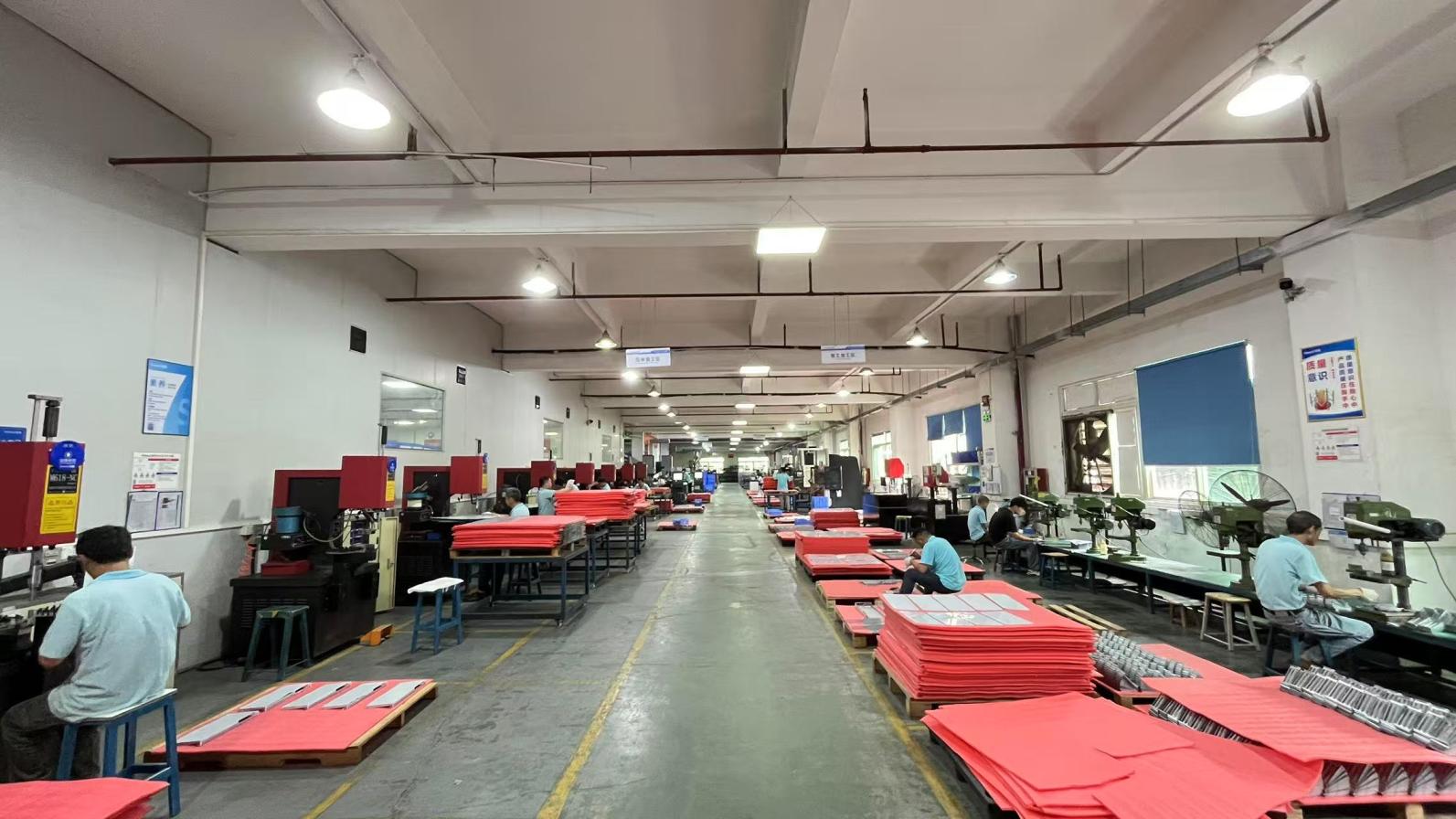
A visual look inside NexaGPU's design studios, system testing lines, and logistics staging areas.
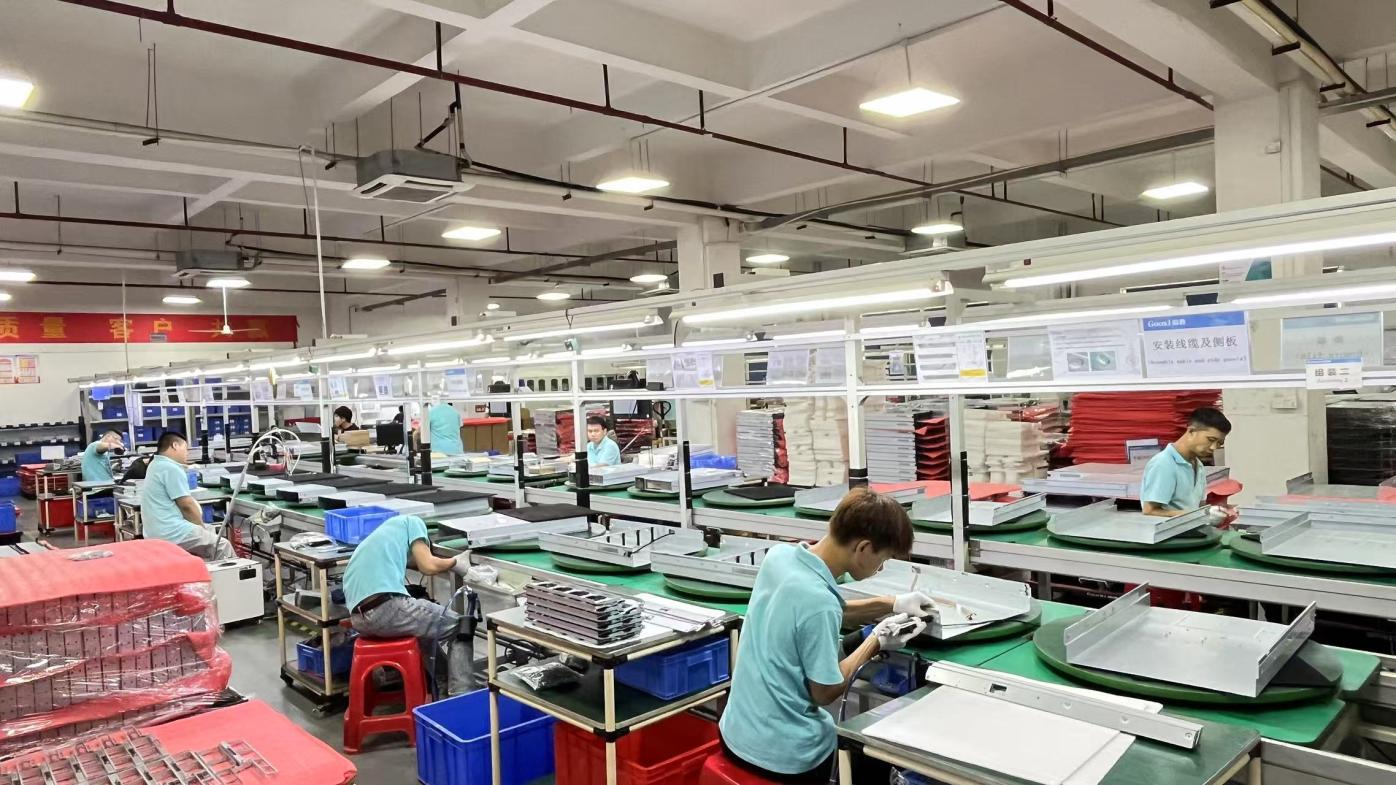
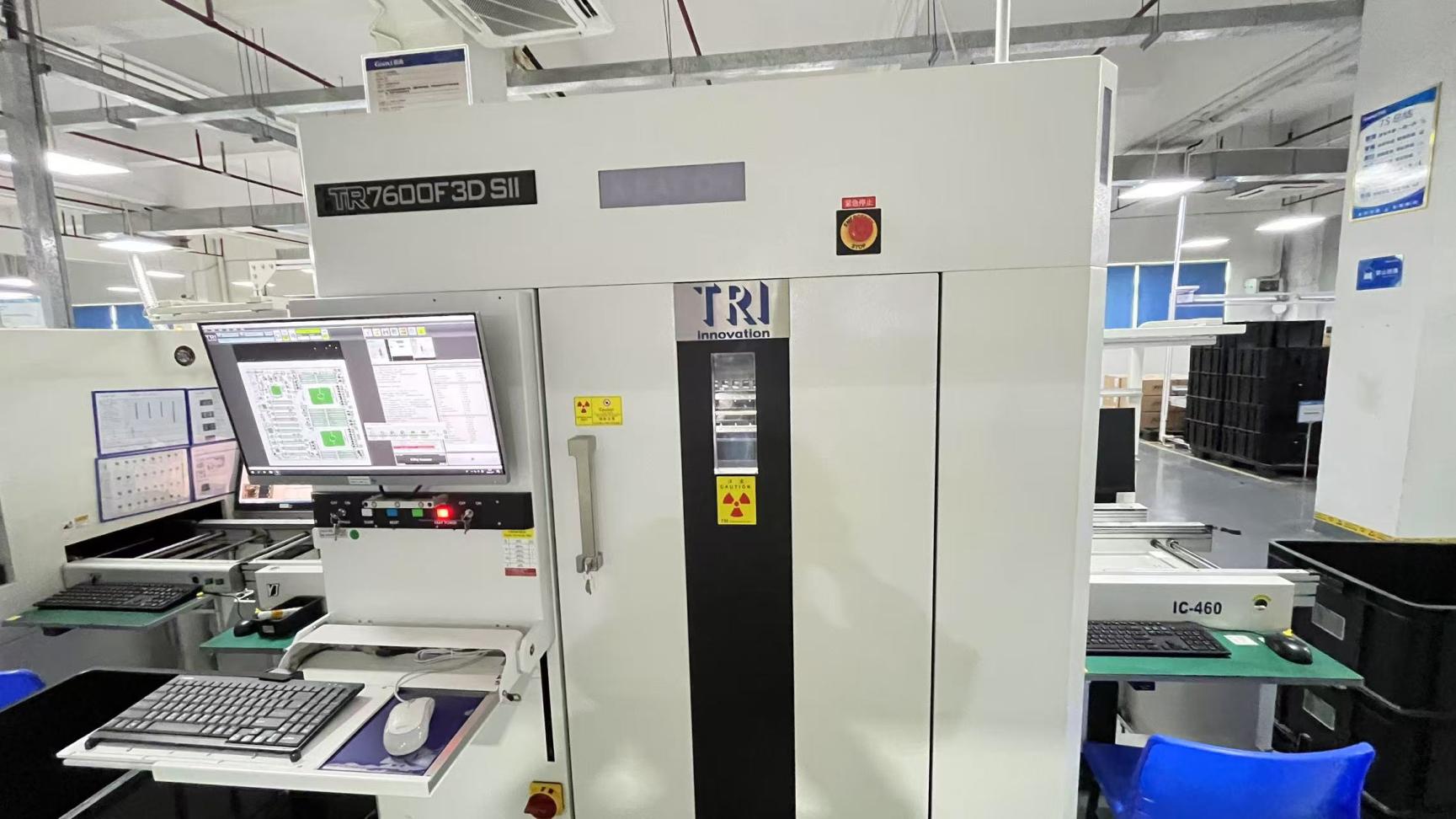
Enterprise procurement professionals are tasked with managing three distinct priorities: hardware performance optimization, predictable logistics, and long-term hardware support. Off-the-shelf servers from standard vendors often bundle features that are unnecessary, inflating costs and complicating support cycles.
NexaGPU solves this friction point through modular ODM services. By selecting only the physical architectures, expansion layouts, and cooling subsystems required for specific software suites, enterprise buyers reduce upfront acquisition costs by up to 25%. Furthermore, custom firmware configurations optimize hardware lifecycle times, reducing system degradation risks and guaranteeing long-term utility across the typical three-to-five-year datacenter replacement cycle.
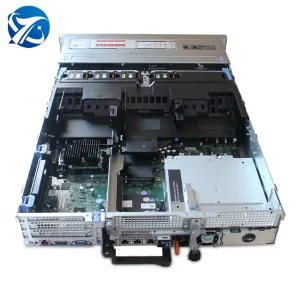
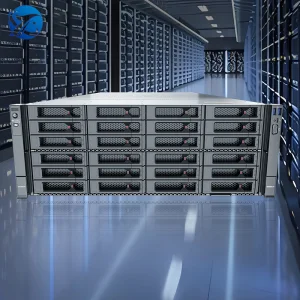
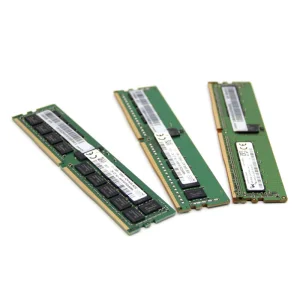
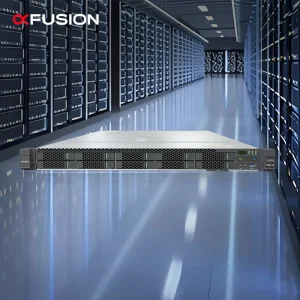
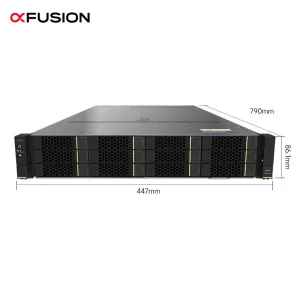
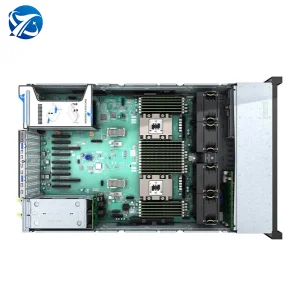
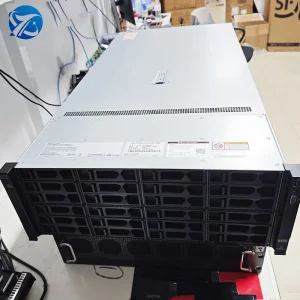
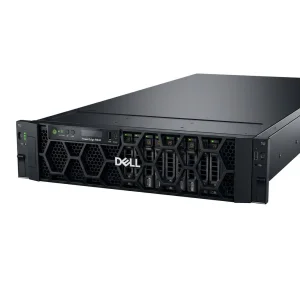
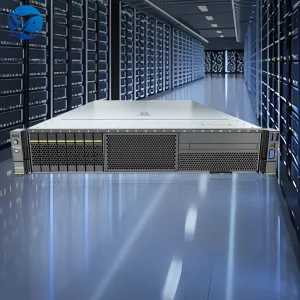
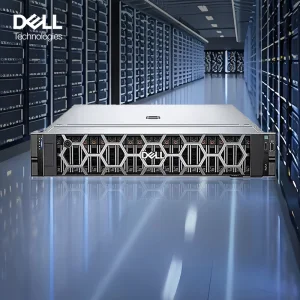
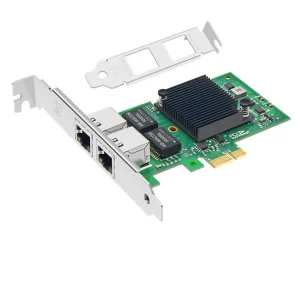
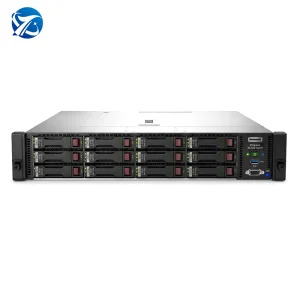
Highly tailored 2U/4U architectures, liquid cooling platforms, and specialized interface components to build resilient datacenter operations.
Addressing critical queries surrounding hardware integration, configuration compatibility, and lifecycle management for modern datacenters.
Standardized off-the-shelf servers are built for generic workloads, often resulting in layout compromises, unnecessary components, and generalized cooling paths. Custom OEM/ODM servers allow engineers to tailor component paths—such as designing custom PCIe routing paths, integrating specific CXL modules, and selecting optimal liquid cooling topologies. This reduces thermal throttling risk, lowers system latencies, and maximizes raw computational throughput for specialized applications like Deep learning training and high-density virtualization.
Modern GPU architectures easily exceed 700W per card, rendering standard air cooling setups highly inefficient. NexaGPU integrates custom cold-plate liquid cooling designs, closed-loop liquid-to-air cooling options, and specialized coolant distribution configurations. These setups channel heat away from processing cores with minimal noise and power draw, enabling datacenters to maintain lower PUE values while preventing systemic heat damage during high-workload operations.
Yes. Heavy models like DeepSeek R1 require significant GPU memory bandwidth and minimal inter-node latency due to their Mixture-of-Experts (MoE) routing mechanisms. NexaGPU optimizes hardware profiles specifically for these environments by configuring systems with high-density DDR5 memory pathways, low-overhead SAS/NVMe storage controllers, and customized PCIe Gen 5 configurations that maximize peer-to-peer data transfers, reducing model latency and processing overhead.
Our quality assurance program consists of a three-stage validation framework managed by 45 testing specialists. The process includes: 1) Physical inspection of incoming components and assembly tracing; 2) 72-hour burn-in stress tests under peak workloads in thermal control rooms; and 3) Firmware validation to verify system stability, management tools, and BIOS profile behaviors under target virtualization environments.
With more than 850 partners spanning chip distribution, board fabrication, sheet metal stamping, and specialized electronics, we can rapidly source components and configure bespoke designs. While our central facility serves as the engineering, quality testing, and integration hub, the scale of this partner network allows us to easily ramp up production to handle large-scale datacenter orders without experiencing typical supply chain delays.