NexaGPU
NexaGPU
NexaGPU
High-density computing engines designed for real-time telemetry processing, AI model training, and distributed enterprise protection.
Exploring how high-performance compute clusters and hardware customization shield enterprise nodes from sophisticated cyber threats.
Modern endpoint security has moved far beyond basic signature matching. Today, endpoint protection platforms (EPP) and Endpoint Detection and Response (EDR) solutions demand instant, sub-millisecond analysis of huge telemetry streams. Operating systems generate complex arrays of process activity, registry updates, network calls, and file-system access events. Capturing and processing these at scale requires massive compute power. This architectural need has driven security teams and managed security providers (MSSPs) to seek custom-engineered, hardware-accelerated infrastructure capable of hosting next-generation local and cloud-based AI scanning engines.
As an industry-focused OEM/ODM Endpoint Security Solutions Infrastructure Supplier & Exporter, NexaGPU designs systems that fill this critical capability gap. We build high-throughput GPU storage architectures and multi-socket CPU computing nodes specifically optimized for security pipelines. Our server frameworks handle rapid AI model inference, continuous threat simulation, and vast telemetry ingestion. This ensures that endpoint agents can offload heavy processing without adding latency to everyday production systems.
Extended Detection and Response (XDR) models rely on combining telemetry across multiple vectors—endpoints, cloud workloads, user identities, and email paths. This telemetry is funneled into machine learning engines to spot advanced threats (APTs) and fileless malware. Without hardware acceleration, ingest queues fill up, causing critical latency. NexaGPU's OEM/ODM options are engineered to prevent these system bottlenecks:
Proven manufacturing processes, highly specialized R&D, and global B2B delivery channels.
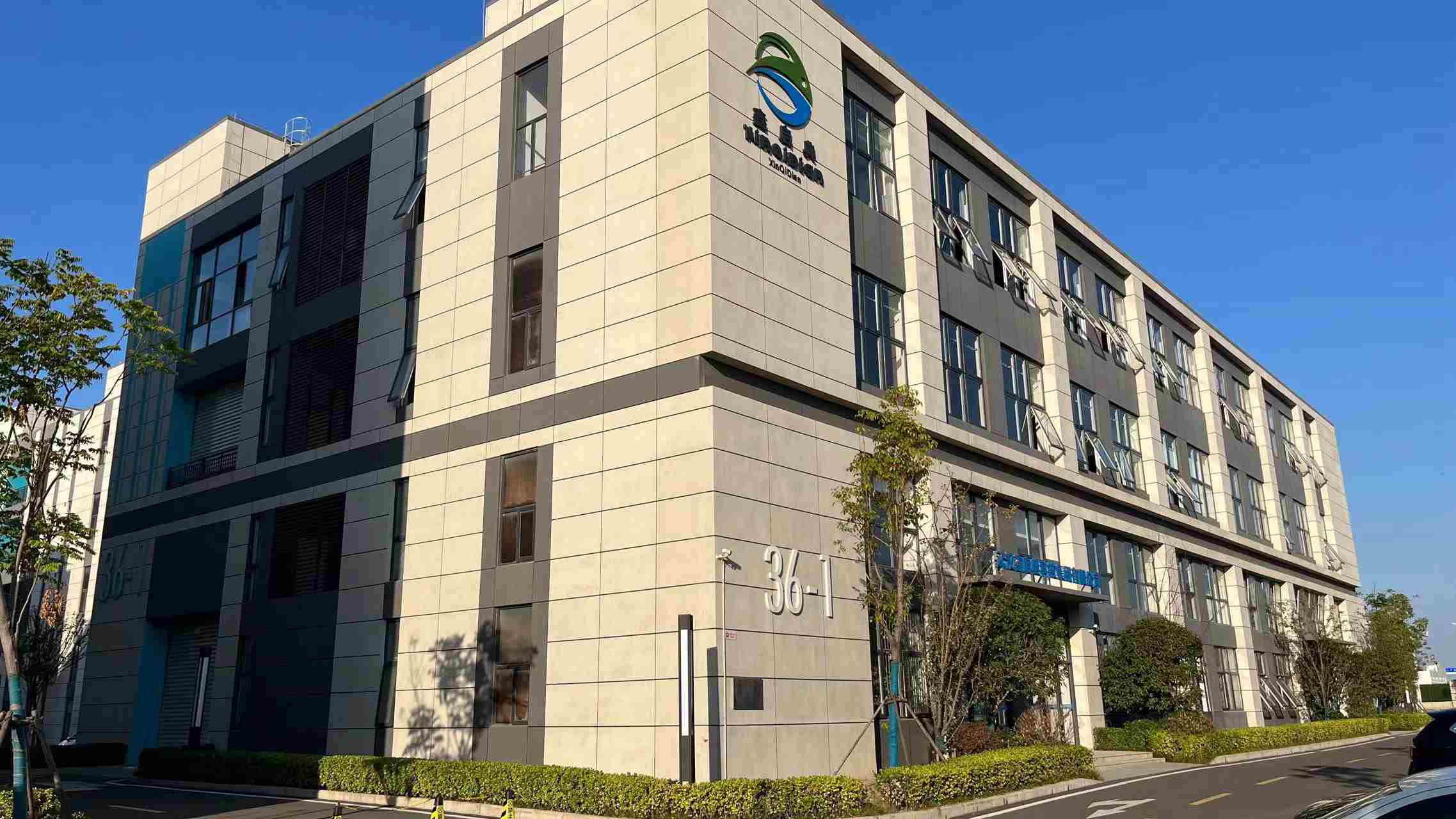
Established in 2016, NexaGPU has evolved into a trusted manufacturer of advanced computing setups, high-performance GPU clusters, and custom AI server solutions. With over 11 years of deep industry expertise and 6 years of export experience, our engineering teams bring a wealth of practical knowledge to every project. We understand the specific, complex demands of modern enterprise IT security infrastructure.
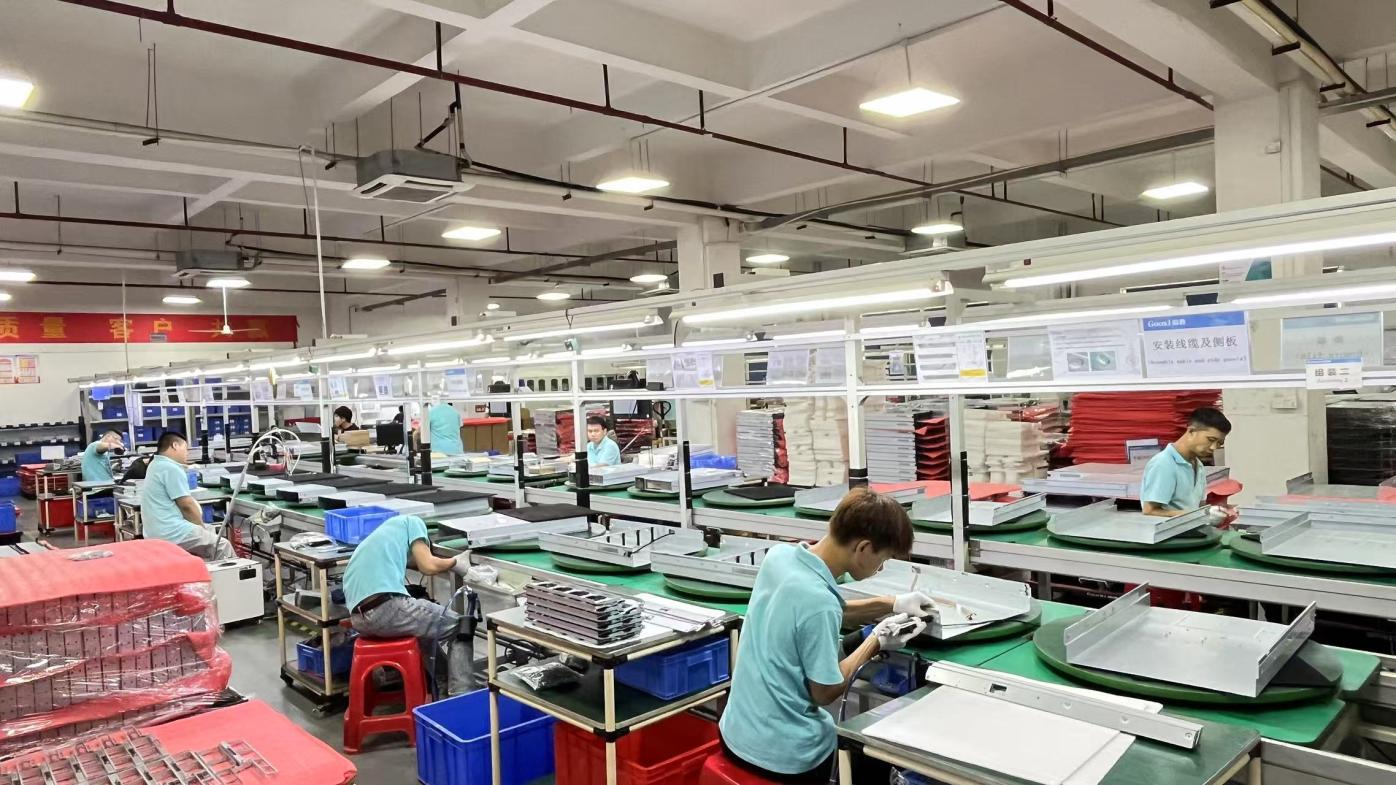
Our focus on precision-driven manufacturing is supported by a dedicated R&D facility. Here, our team of 120 R&D engineers optimizes architectures, refines liquid cooling solutions, and ensures our designs integrate smoothly with modern cybersecurity software. Our 320㎡ specialized assembly and testing facility is optimized for high-density, custom builds. Every server undergoes strict validation processes to guarantee top reliability and thermal efficiency.
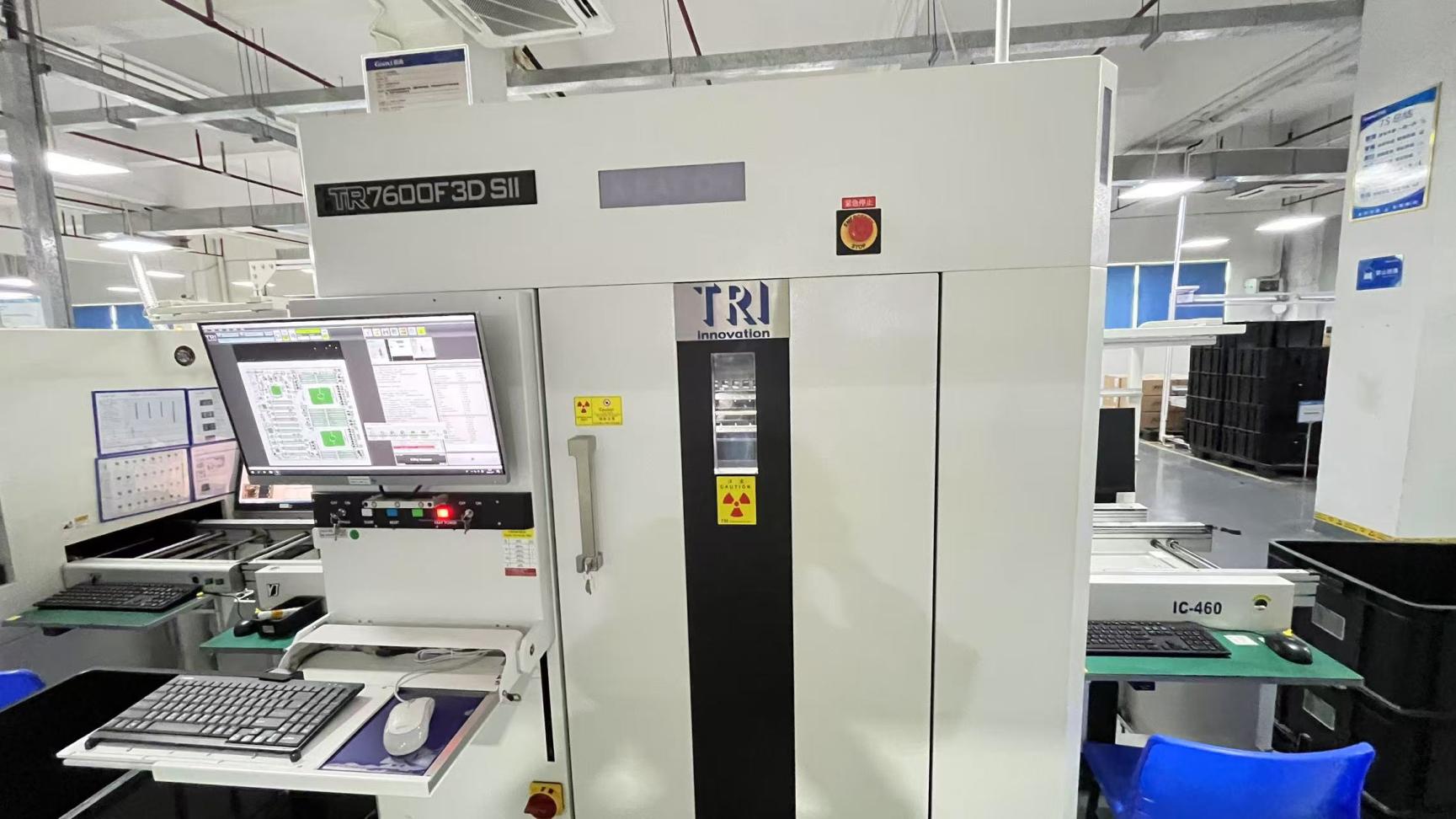
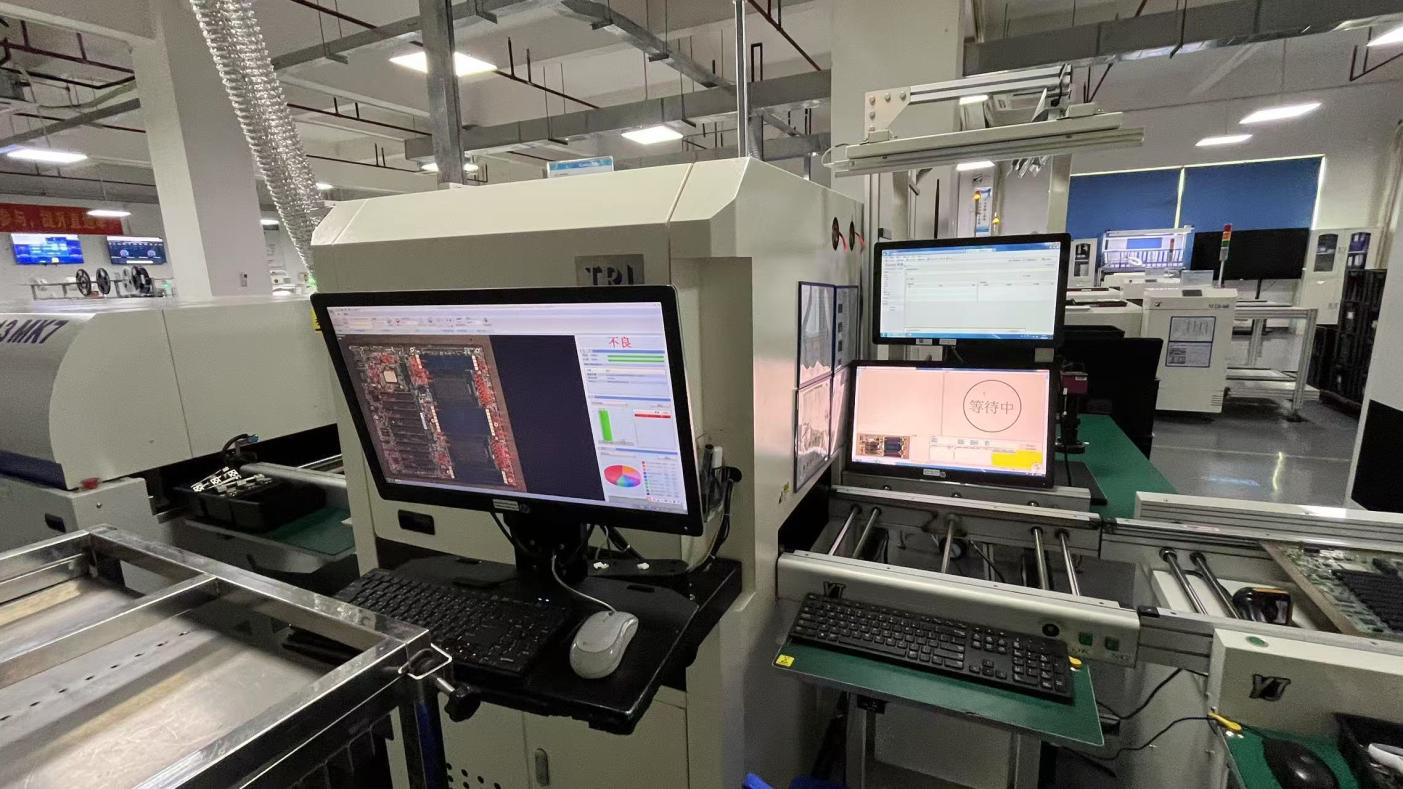
Our quality assurance is managed by a team of 45 QC specialists who conduct thorough, multi-stage testing, including hardware stress tests, thermal profiles, and system stability checks under heavy processing loads. With an annual B2B export revenue of USD 12 million, NexaGPU works closely with a network of over 850 supply chain partners, guaranteeing a steady supply of high-grade components like CPU/GPU processors, storage modules, and physical security chips.
Why hardware-level compliance forms the cornerstone of international security strategies.
In the security space, hardware integrity is vital. Attackers targeting firmware and boot sectors can bypass standard operating system protections. That is why NexaGPU provides complete ODM customization options. Security firms can specify the exact hardware trust mechanisms they need, including silicon-based root-of-trust, disabled console ports, physical chassis intrusion detectors, and customized UEFI firmware built to block unauthorized bootloaders.
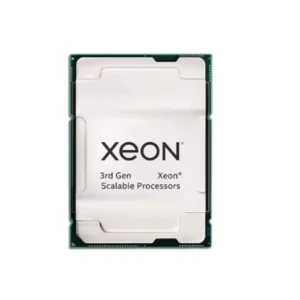
By using hardware encryption keys and Intel SGX (Software Guard Extensions) technology featured on our modern Intel Xeon servers, clients can create isolated computation pockets. This allows threat-detection software to analyze code safely within an encrypted enclave, preventing malware from observing the security agent itself. This design is crucial for financial institutions and defense contractors who operate under zero-tolerance rules for system and data exposure.
How our custom-built hardware solutions defend endpoints across critical global industries.
Modern factories rely on thousands of IoT sensors, robotic arms, and terminal controllers. These Operational Technology (OT) networks are prime targets for ransomware. Traditional software-only antivirus programs are often too heavy for lightweight PLCs. Instead, operators deploy NexaGPU's compact, ruggedized edge servers on-site. These servers run AI-driven behavioral analysis engines, checking raw network traffic and endpoint data locally. This provides real-time threat detection without requiring a constant cloud connection or impacting factory operations.
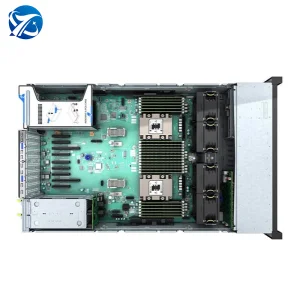
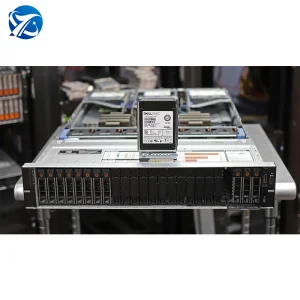
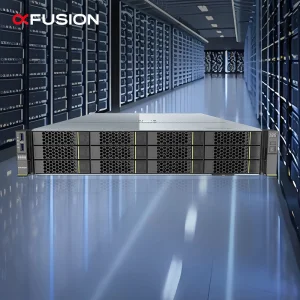
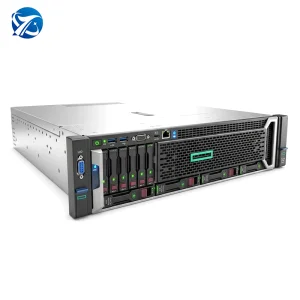
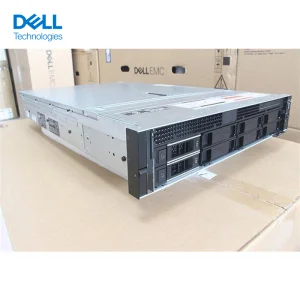
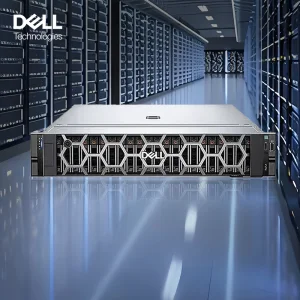
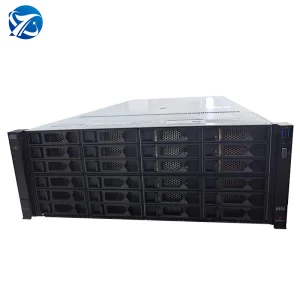
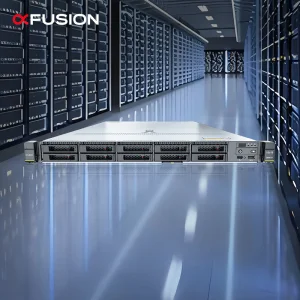
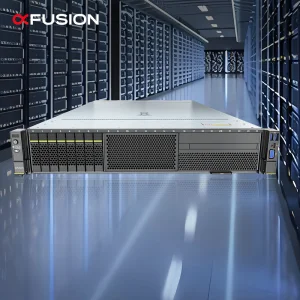
Medical networks process sensitive patient records and connect critical diagnostic equipment. Under privacy laws like HIPAA, transferring patient telemetry to public cloud nodes for scanning can introduce compliance risks. By installing high-performance servers, such as the FusionServer 2488H V5 or xFusion 2288H V6 directly in the hospital data center, healthcare providers keep patient records local. Threat detection models run in-house, scanning and neutralizing threats while keeping all data safely within the hospital’s security perimeter.
In high-frequency trading and banking systems, milliseconds dictate success. Threat prevention software must process transactions and file transfers instantly. NexaGPU's multi-socket, high-frequency CPU designs process incoming data streams in parallel. Backed by fast, high-performance DDR5 memory, our systems handle demanding endpoint scanning tasks, helping banks run threat verification with minimal impact on application speeds.
National defense and government bodies require complete data isolation. Our ODM solutions allow these clients to specify hardware profiles that match sovereign cloud requirements. This includes physical write-protect switches, secure sanitization protocols, and isolated administration interfaces. This hardware-level control helps protect government systems against advanced threats and targeted persistent attacks.
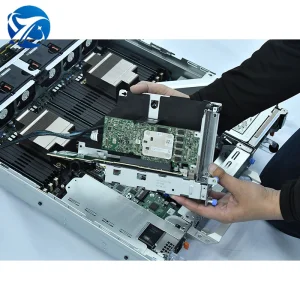
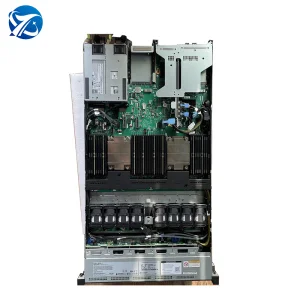
Inside our quality-controlled assembly lines, showing where specialized AI hardware gets assembled and tested.
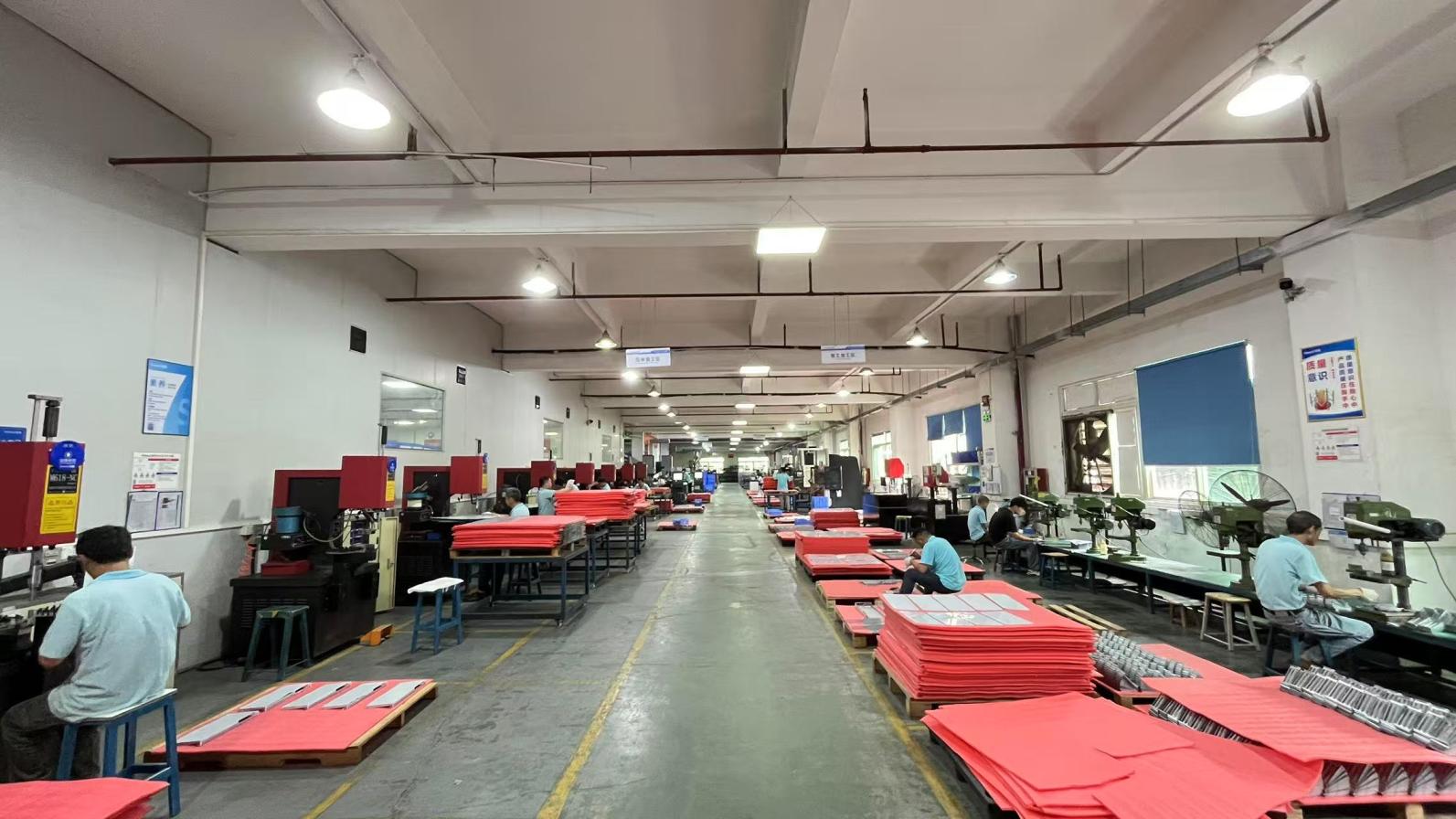
Adapting hardware to match the evolution of AI-driven cybersecurity models.
The cybersecurity landscape is constantly evolving. In response, modern security software is shifting toward localized Large Language Models (LLMs) and advanced agent frameworks, such as Deepseek integration. Rather than relying on simple pattern matching, tomorrow's security systems will use natural language understanding. This allows them to monitor process logs, read network traffic, and write real-time security rules directly at the endpoint. This transition requires significant hardware acceleration at the edge.
NexaGPU's development roadmap focuses on supporting this shift by delivering servers optimized for deep-learning training and fast inference. Over the past year, we have introduced 85 new product models, which include high-density GPU computing platforms and efficient edge servers. These designs allow security teams to deploy intelligent agent networks directly onto their own hardware, keeping telemetry analysis private and localized.
Deploying powerful GPU arrays in standard server racks can quickly lead to thermal limits and performance throttling. To prevent this, NexaGPU is actively developing liquid cooling loops, direct-to-chip heat exchanges, and high-flow air chassis. These thermal improvements ensure security servers can maintain peak processing speeds during intensive log analysis or active security events. Additionally, we are working closely with major silicon providers to build Hardware Root of Trust (RoT) elements directly into our motherboards. This provides a secure hardware base to verify all firmware and software layers above it.
Answering key questions about custom security servers, deployment configurations, and design options.
Flexible compute nodes designed to scale with your organization's storage, processing, and analytical demands.