NexaGPU
NexaGPU
NexaGPU
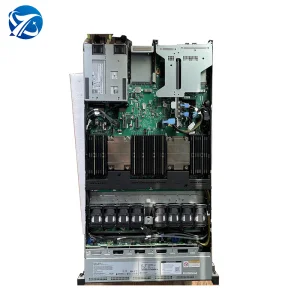
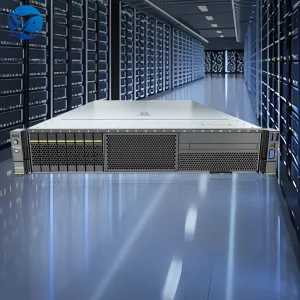
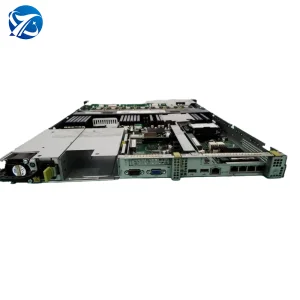
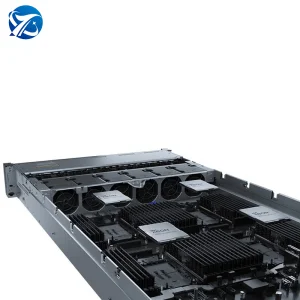
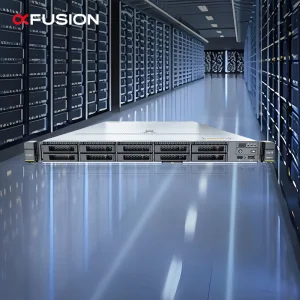
Explore our high-performance hardware array, featuring market-leading compute nodes, specialized RAID controllers, high-speed RAM, and standard enterprise components.
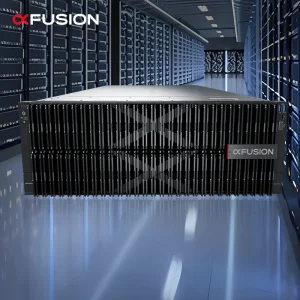
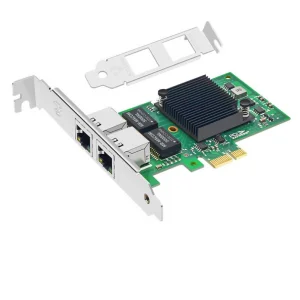
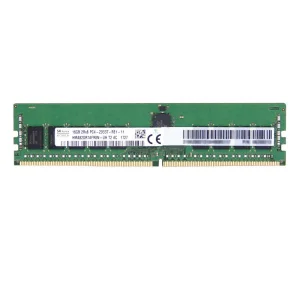
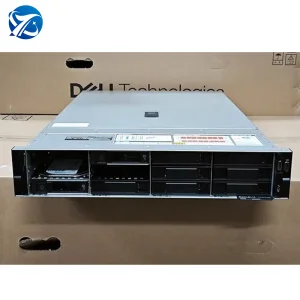
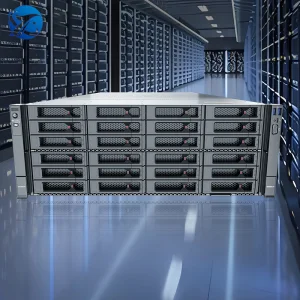
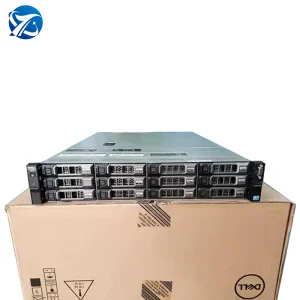
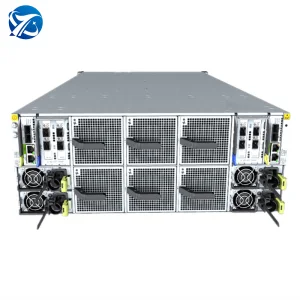
As deep learning, high-density neural networks, and exascale computing rewrite industrial standards, modern enterprises face physical scaling barriers. Standard 1U and 2U rack form factors encounter critical thermal boundaries and power limits. In contrast, 6U Rack Servers provide the structural volume, computational density, and electrical safety profiles necessary to house tomorrow’s highest performing hardware.
By scaling vertically, 6U rackmount units enable the side-by-side integration of multiple multi-core CPUs, expansive PCI Express arrays, and thick liquid-to-air cooling structures. This solves the spatial challenges posed by the latest TDP spikes in graphics processors and high-performance server boards, and bridges the gap between traditional architectures and modern containerized processing infrastructures.
Our collaborative OEM/ODM factories are engineered from the ground up to address these demands, delivering robust 6U barebones, power-optimized chassis, and highly optimized customized servers. Through our flexible design cycles, we build enterprise infrastructure that keeps pace with rapid technological change.
Industrial datasets and Generative AI parameters are growing exponentially. Standard data center configurations now demand physical space optimized for structural load, fluid cooling, and high amperage delivery. Our 6U server topologies are engineered specifically for next-generation facilities that need to run sustained compute-heavy operations without constant thermal throttle issues.
With high-performance CPU architectures climbing past 350W TDP and accelerator GPUs pushing beyond 700W each, standard power distribution cannot keep up. 6U solutions provide dedicated spatial pathways for multiple redundant Titanium-grade power units, ensuring N+N or N+1 continuous uptime under heavy workloads.
From initial metalwork stamping to optimized BMC firmware tuning, our architectural design capabilities cater to precise performance envelopes.
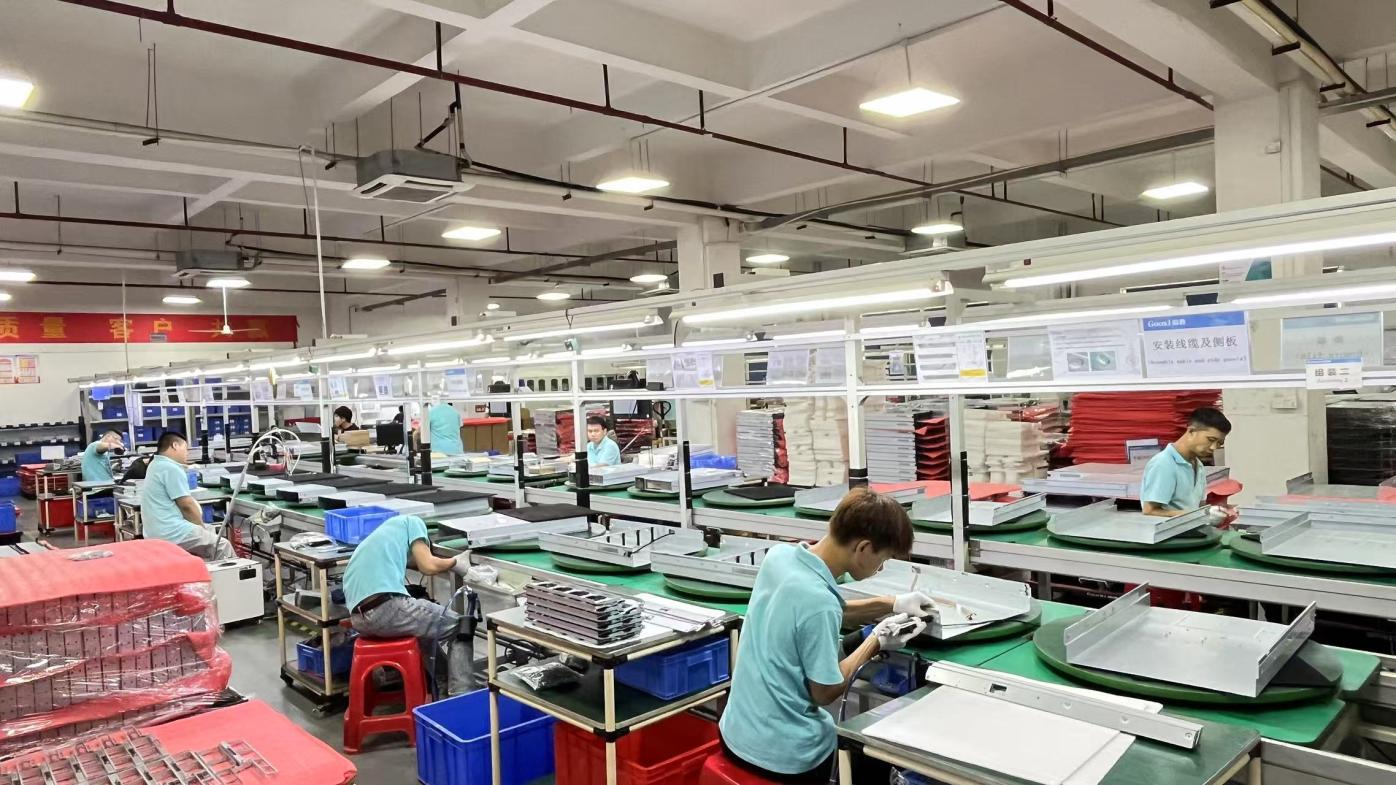
Our OEM manufacturing lines handle heavy-gauge electro-galvanized cold-rolled steel (EG) processing. We design robust chassis shells that prevent flex, absorb vibration from high-RPM fans, and secure heavy GPU compute nodes during shipping and deployment.
Our R&D team runs advanced computational fluid dynamics (CFD) simulations to analyze internal air pressure, static impedance, and airflow. We customize internal air shrouds and fan speeds to prevent thermal hot-spots, ensuring efficient cooling for high-TDP processors.
Our designs support custom high-speed backplanes, integrating PCIe Gen 5/Gen 6 lanes, NVMe storage architectures, and Compute Express Link (CXL) extensions. This ensures low latency and high bandwidth across complex, multi-accelerator arrays.
Autonomous vehicle development relies on processing massive pipelines of sensor, lidar, and high-res video data. Deep neural network models require sustained computing power. Our 6U server configurations support massive parallel GPU arrays, reducing training cycle times from weeks to days.
Medical research demands high-throughput sequencing and high-precision modeling. The 6U architecture easily handles dense memory configurations and multiple high-bandwidth network ports, helping speed up complex genomic pipelines and molecular dynamics calculations.
High-capacity 6U rack servers are optimized for specialized enterprise workloads. By providing ample space for expansion slots, massive storage arrays, and custom accelerator boards, they excel in challenging industrial environments.
Our solutions target data centers, oil & gas modeling, financial trading networks, and telecom applications where performance reliability is critical. In environments that run complex simulations or low-latency transaction processing, a custom-engineered 6U chassis provides the physical stability and electrical overhead needed for uninterrupted operations.
Leveraging NexaGPU’s extensive R&D resources, we customize PCIe configurations, memory speeds, and storage layouts. This ensures your hardware matches the exact performance demands of your core software stack.
Ensuring compliance, reliability, and smooth import/export procedures across international boundaries.
Our manufacturing and assembly processes meet demanding international standards, including CE, FCC, RoHS, and UL safety directives. Each 6U server is tested and certified to ensure smooth deployment in high-security datacenters globally.
Through our network of over 850 supply chain partners, we ensure reliable component sourcing, mitigating regional disruptions. Our logistics partners coordinate customs documentation, bonded storage, and on-site delivery assistance.
We provide long-term components support and hardware consistency. From initial validation to end-of-life replacement planning, we offer steady component supply to maintain platform consistency for multi-year rollouts.
A quick breakdown of how 6U server designs compare to standard 1U, 2U, and 4U chassis form factors.
| Feature Spec | 1U / 2U Standard Server | 4U High-Density Server | 6U Enterprise / Industrial Server |
|---|---|---|---|
| GPU Accelerator Capacity | 1 to 2 Low-Profile GPUs | Up to 4 Double-Width GPUs | 8 to 10 SXM/OAM High-TDP Acceleration Nodes |
| Max Thermal Budget (TDP) | Up to 800 Watts Total | Up to 2400 Watts Total | 4000 Watts to 8000+ Watts (Power Optimized) |
| Chassis Depth / Flex Tolerance | Standard Depth, low flex tolerance | Extended Depth, moderate reinforcement | Deep-Reach Chassis, high vibration resistance |
| Cooling Configurations | High-RPM 40/60mm Air Fans | 80mm Dedicated Fan Walls | 120mm low-noise fans, integrated Liquid Loops |
| Expansion Slot Capacity | Highly restricted (Low profile only) | Standard PCI-Express layouts | Multi-tiered custom PCIe Gen 5/6 configurations |
NexaGPU is a professional AI GPU server manufacturer and supplier specializing in high-performance computing infrastructure, GPU clusters, and customized AI server solutions for global enterprises, data centers, and AI development companies.
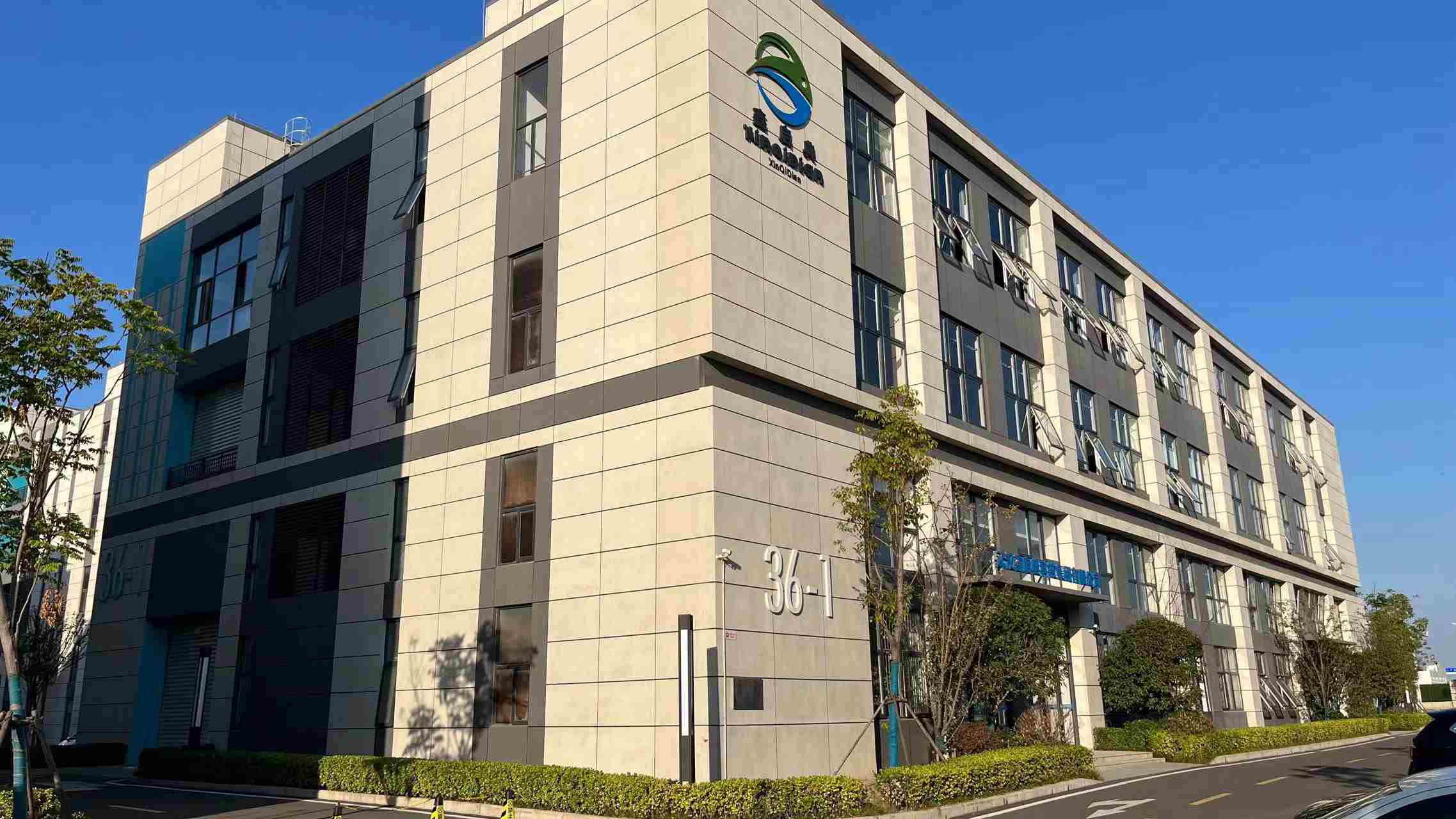
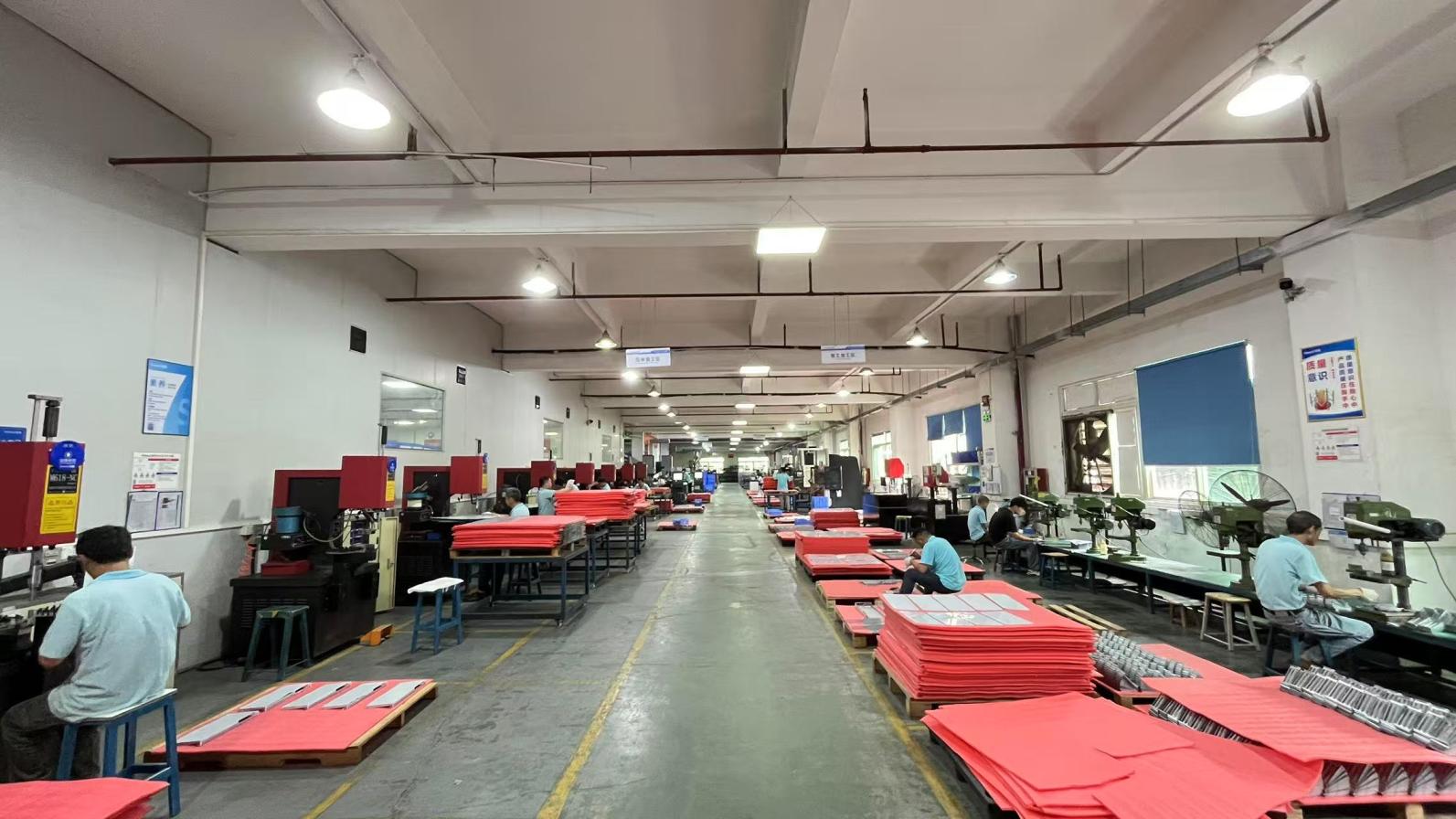
Established in 2016, NexaGPU has rapidly grown into a trusted provider of advanced GPU computing systems. The company operates a modern manufacturing facility with a building area of approximately 320㎡, supporting efficient production, assembly, and testing of AI server systems.
With an annual export revenue of USD 12 million, NexaGPU has built strong international business capabilities and maintains 6 years of export experience and 11 years of industry experience in high-performance computing and server manufacturing.
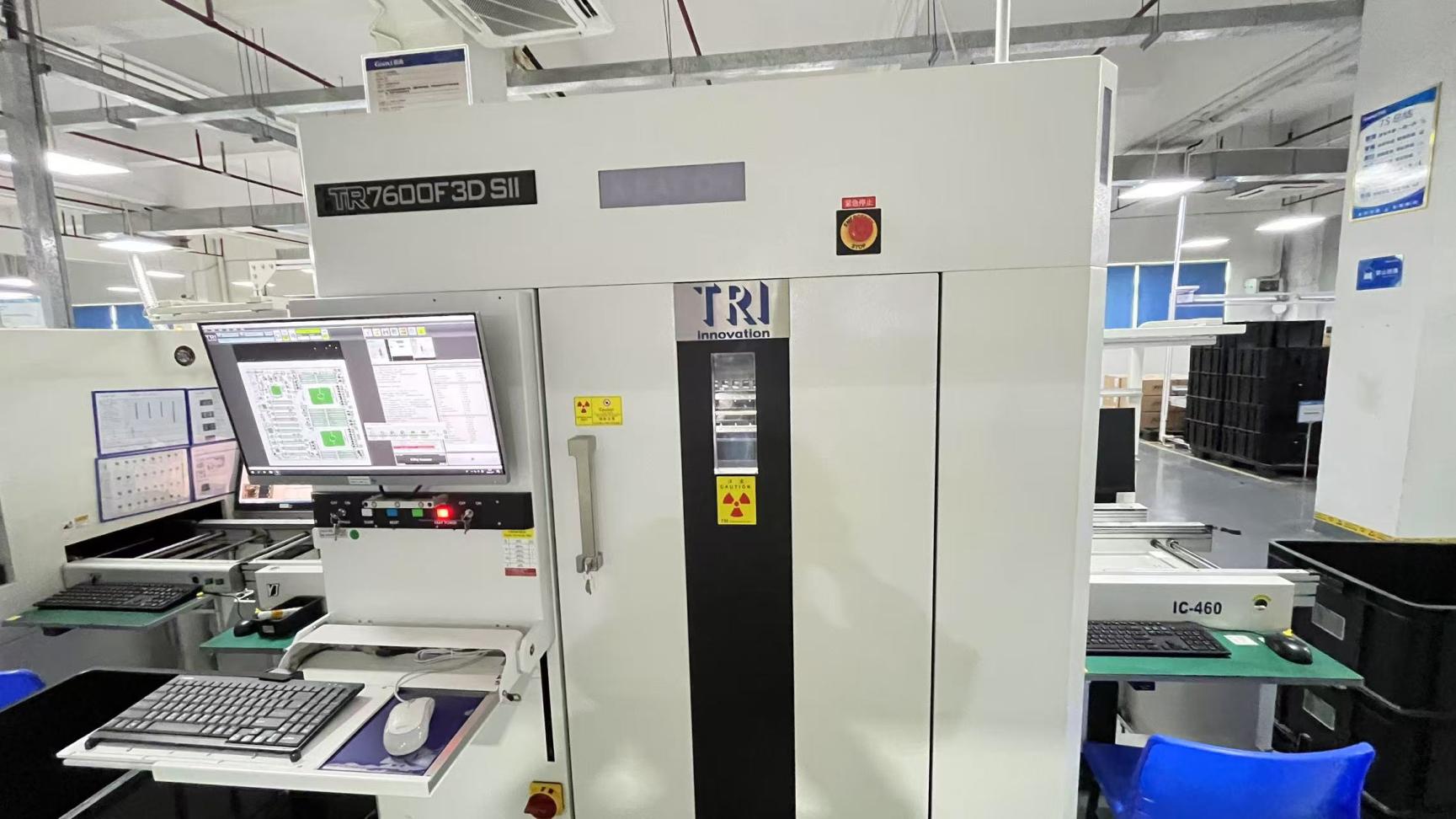
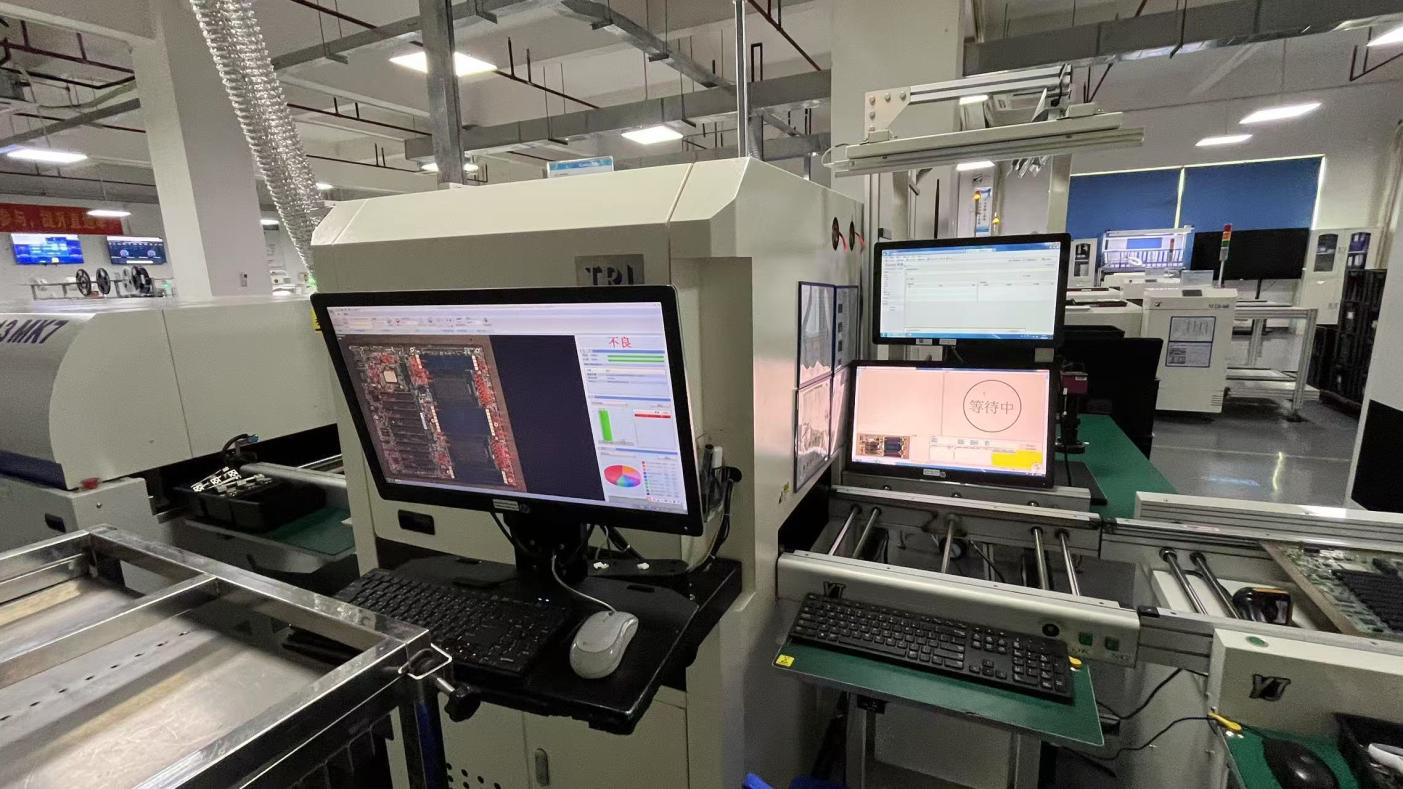
To ensure strict product quality, NexaGPU implements comprehensive multi-stage inspection processes, including hardware stress testing, thermal performance testing, and system stability validation. The company employs a dedicated quality assurance team of 45 QC specialists to maintain consistent product reliability.
NexaGPU has a solid trade background in global B2B technology supply chains, with major markets including North America, Europe, Southeast Asia, and the Middle East. The company works closely with over 850 supply chain partners, including GPU chip suppliers, motherboard manufacturers, server chassis factories, and cooling system providers.
Its main customer base includes AI startups, cloud computing providers, data centers, research institutions, and enterprise IT solution providers.
NexaGPU demonstrates strong R&D capability, supported by a team of 120 R&D engineers focused on GPU architecture optimization, AI server design, and liquid cooling technology. The company offers extensive customization options including GPU configuration, CPU selection, memory expansion, storage architecture, and liquid cooling systems.
In the past year, NexaGPU successfully launched 85 new product models, covering AI training servers, inference servers, and high-density GPU computing clusters.
Through continuous innovation and engineering excellence, NexaGPU is committed to delivering scalable, efficient, and reliable AI computing infrastructure for the global artificial intelligence industry.
Modern data centers are transitioning to high-bandwidth interconnects and energy-efficient cooling solutions. The future of 6U server platforms lies in integrating high-density computing components with smart management systems.
As PCIe Gen 6/Gen 7 and newer interconnect standards emerge, signal integrity over longer distances is increasingly critical. 6U server form factors offer the spatial depth required to position active retimers and redrivers, preventing packet loss and maintaining performance at scale.
Furthermore, standardizing direct-to-chip (D2C) liquid cooling manifolds inside 6U chassis allows organizations to reduce infrastructure overhead. By deploying closed-loop liquid-to-air heat exchangers directly in the rack, operators can lower cooling energy requirements, supporting global green computing initiatives.
With bandwidth limits constantly tested by modern data processing, we are moving toward optical interconnects. Our future configurations integrate PCIe 6.0 compatibility and direct-on-board optical transceivers to support massive data throughput.
Air cooling is approaching its physical limits for high-density GPU deployments. Our liquid-cooling roadmap focuses on direct-to-chip cold plate integration and advanced dielectric fluid cooling configurations inside the 6U frame.
Get answers to common technical questions about configuring, cooling, and maintaining 6U enterprise platforms.
A 6U form factor offers greater physical volume and height. This allows for vertical board placement, large high-airflow fans, and complex liquid cooling loops. It provides more spatial flexibility for multi-GPU arrays and high-wattage power supplies, helping avoid thermal throttling under heavy, continuous compute loads.
Our quality assurance process includes automated optical inspection, full system hardware stress tests, and environmental chamber cycling. Our team of 45 QC specialists performs system-level diagnostic validation, verifying memory, storage, and network interfaces before delivery.
Our OEM/ODM customization services cover structural metal fabrication, customized motherboard backplanes, specialized cooling arrays, custom BIOS/BMC firmware integration, and corporate brand styling. We configure PCIe lane distribution and power setups to match specific hardware requirements.
Yes, we design and integrate hybrid direct-to-chip (D2C) liquid cooling loops, support internal pump setups, and install custom heat exchangers. These systems are tailored to manage thermal performance in dense GPU setups, helping reduce overall cooling energy costs.
Lead times vary depending on design complexity. Component selection, mechanical mockups, and early prototyping are typically completed in 4-6 weeks. Production run schedules and testing phases are finalized based on the overall volume and custom hardware requirements.
Explore our high-density server configurations, specialized AI accelerators, and cloud computing architectures optimized for heavy enterprise workloads.