NexaGPU
NexaGPU
NexaGPU
Direct procurement of carrier-grade server architectures, solid-state arrays, and high-speed interconnect cables.
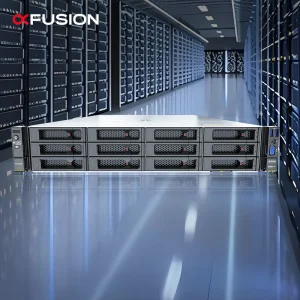
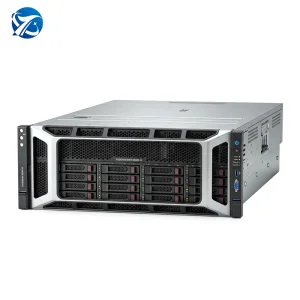
Deep analysis of enterprise computing infrastructure convergence in a data-driven world.
The global telecommunications and datacentre hardware landscape is undergoing a monumental architectural shift. Driven by the computational demands of large language models (LLMs) like DeepSeek and Llama-3, as well as the exponential expansion of edge processing, telecom networks are no longer simple transit pipelines. They have transformed into highly integrated, distributed AI compute hubs. As a result, global procurement strategies are shifting from basic routing hardware to high-density GPU servers, enterprise-grade NAS storage arrays, and high-speed data transmission interfaces capable of sustaining sub-millisecond latencies.
Within this environment, Chinese telecommunications equipment factories and exporters have evolved past simple contract manufacturing. They now lead the market in co-developing, customizing, and scaling the critical infrastructure that powers hyperscalers, local cloud nodes, and private enterprise datacentres. Leveraging localized component ecosystems, sophisticated thermal design expertise, and rapid prototyping workflows, these manufacturers provide global buyers with unmatched cost efficiencies, technical flexibility, and supply chain resilience.
How modern telecommunications and high-performance server hardware deploy across critical regional markets.
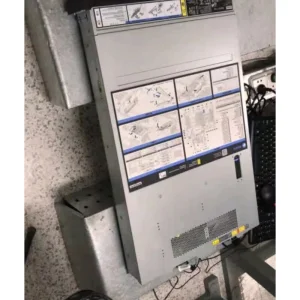
Municipal networks require low-latency video analysis and telemetry ingestion at the edge. High-density GPU platforms like the AI Inference G5200 V5 are deployed locally to run real-time traffic control algorithms, public safety monitors, and environmental sensor pipelines. By hosting model inference at the municipal edge, municipalities save up to 70% on backhaul bandwidth costs.
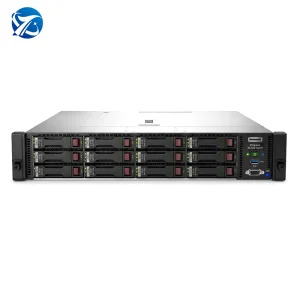
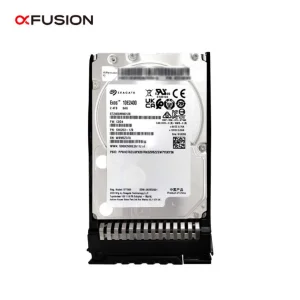
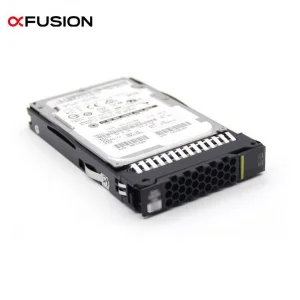
For regional financial hubs and enterprise datacentres requiring hybrid storage networks, deploying high-capacity drive configurations is critical. Integrating heavy-duty SATA HDD Hard Drives (up to 20TB) inside configurations like the xFusion FusionServer 2288H V7 2U allows organizations to scale storage capacities cost-effectively while preserving high-speed read/write performance.
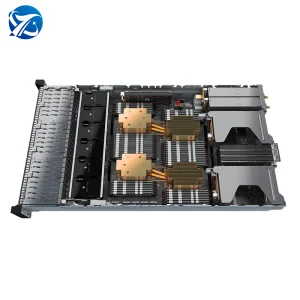
In regions with high ambient temperatures, traditional air cooling is inefficient and drives up PUE (Power Usage Effectiveness). Sourcing liquid-cooled computing platforms, such as the HPE ProLiant Compute DL360 Gen12 Liquid Cooling server, enables high-density deployment in harsh environments, reducing power demands and system thermal stress.
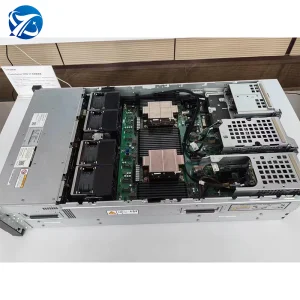
To comply with local data protection regulations (e.g., GDPR, CCPA), enterprises build private AI workloads. Multi-socket architectures, such as the xFusion 2U Rack Deepseek Cloud AI 2025 system and xFusion G5500 V7 clusters, allow businesses to train, fine-tune, and deploy custom model parameters safely behind corporate firewalls.
Anticipating hardware demands and protocol evolutions in global networks.
Over the next five years, the engineering requirements for enterprise systems will be dictated by speed, thermal control, and high processing efficiency. Key industry developments focus on several major technology areas:
Why Chinese manufacturing hubs remain the backbone of the global digital infrastructure supply chain.
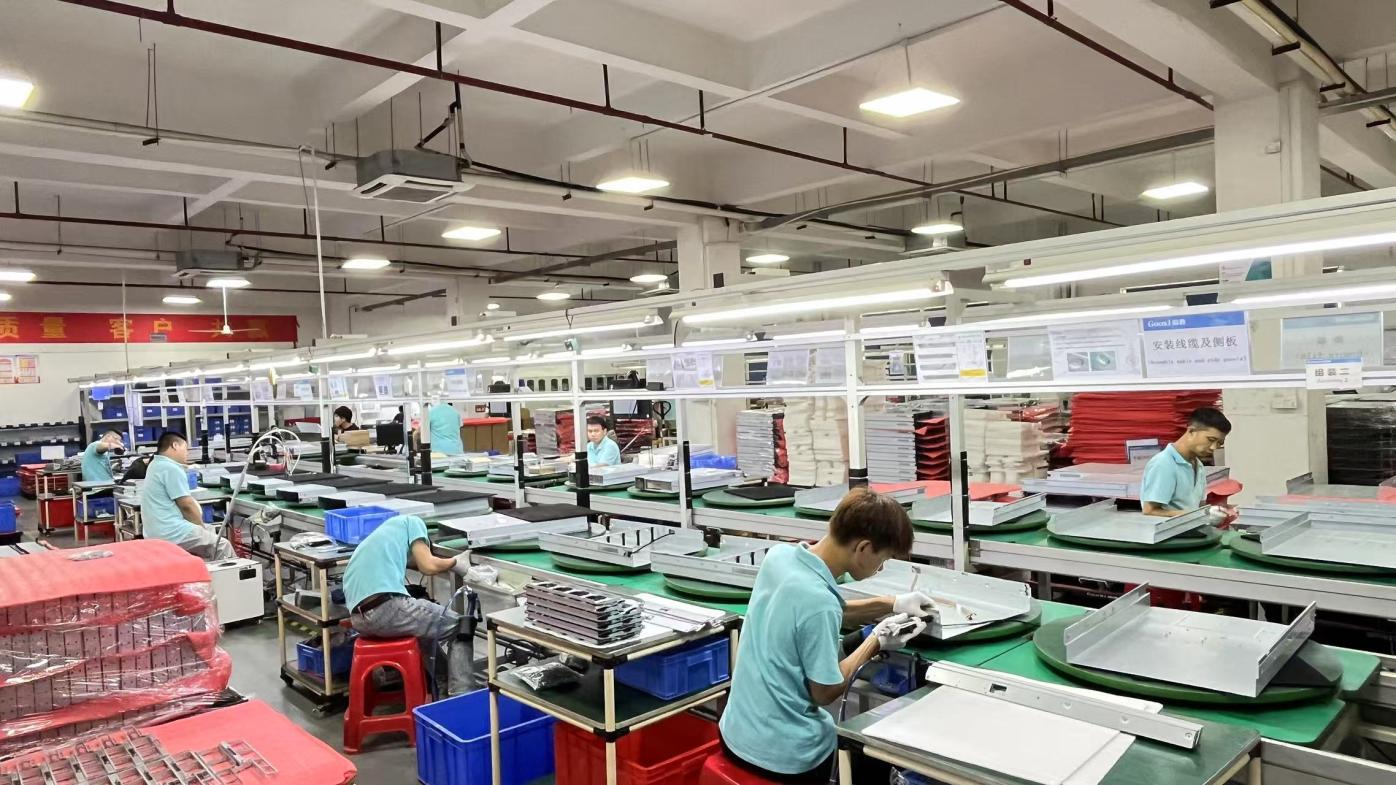
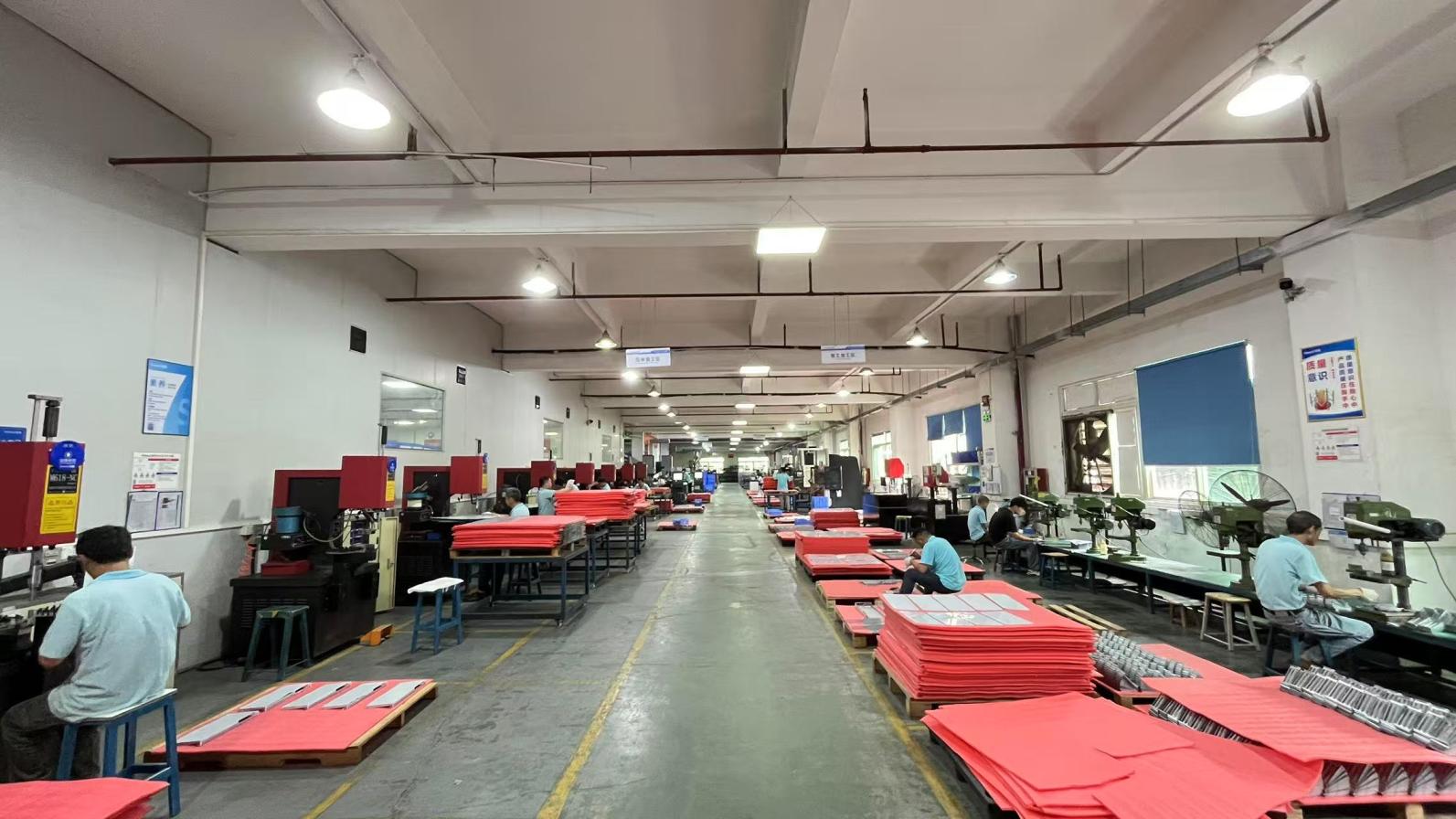
Manufacturing clusters in regions like Shenzhen and Dongguan locate raw component makers, PCB fabricators, system integrators, and testing labs close together. This geographic proximity speeds up production cycles, allowing factories to build custom server configurations in days rather than weeks.
Whether tailoring specialized server chassis, modifying PCIe layouts, or adding liquid cooling lines, Chinese exporters offer flexible customization. Global enterprise buyers can source systems adapted to their exact data center spaces and power limits.
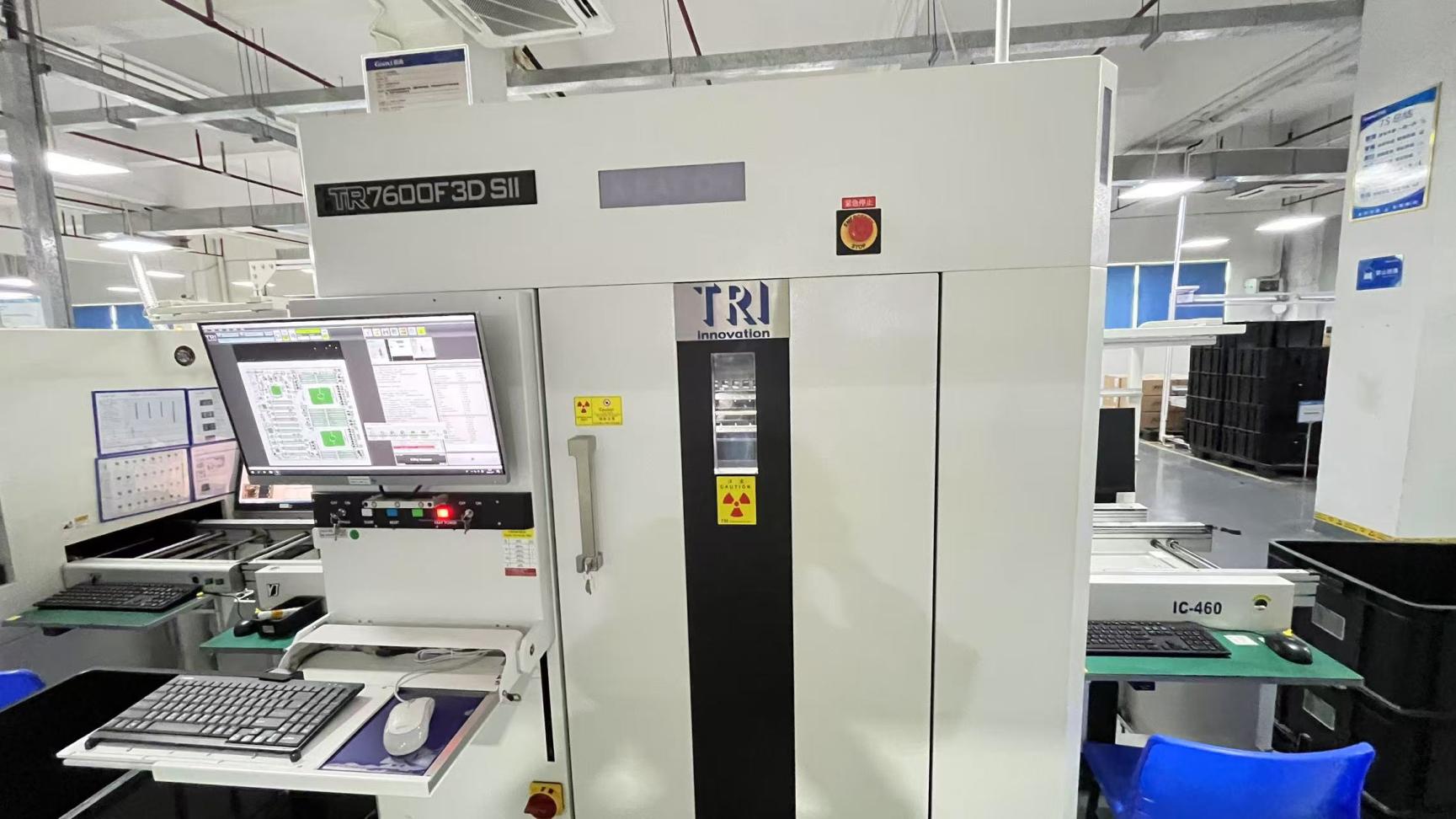
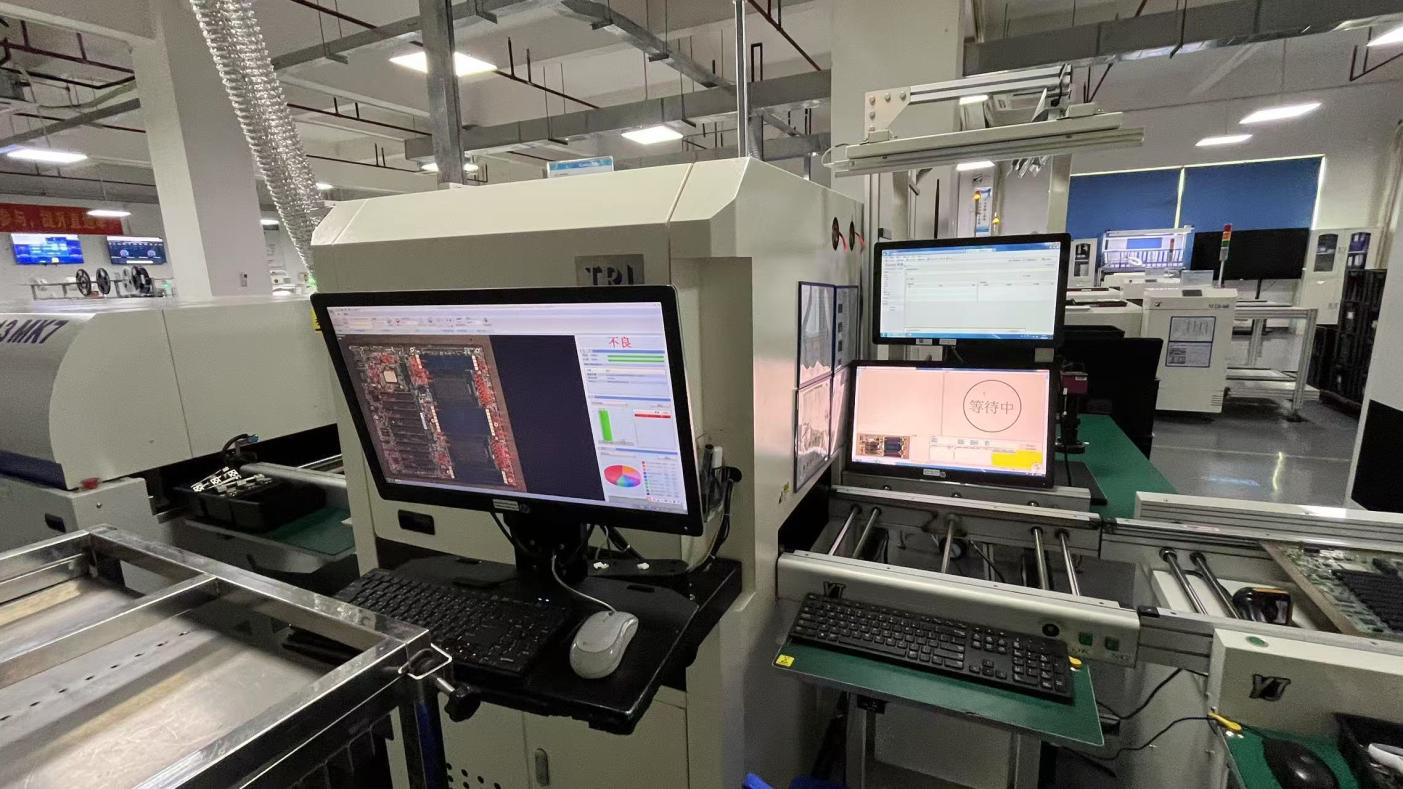
Leading Chinese exporters maintain strict testing regimes. Every server node goes through burn-in testing, memory diagnostic screening, thermal stress evaluation, and full network packet tests before shipping, keeping defect rates extremely low.
Partnering with a globally verified leader in enterprise computing systems and hardware assembly.
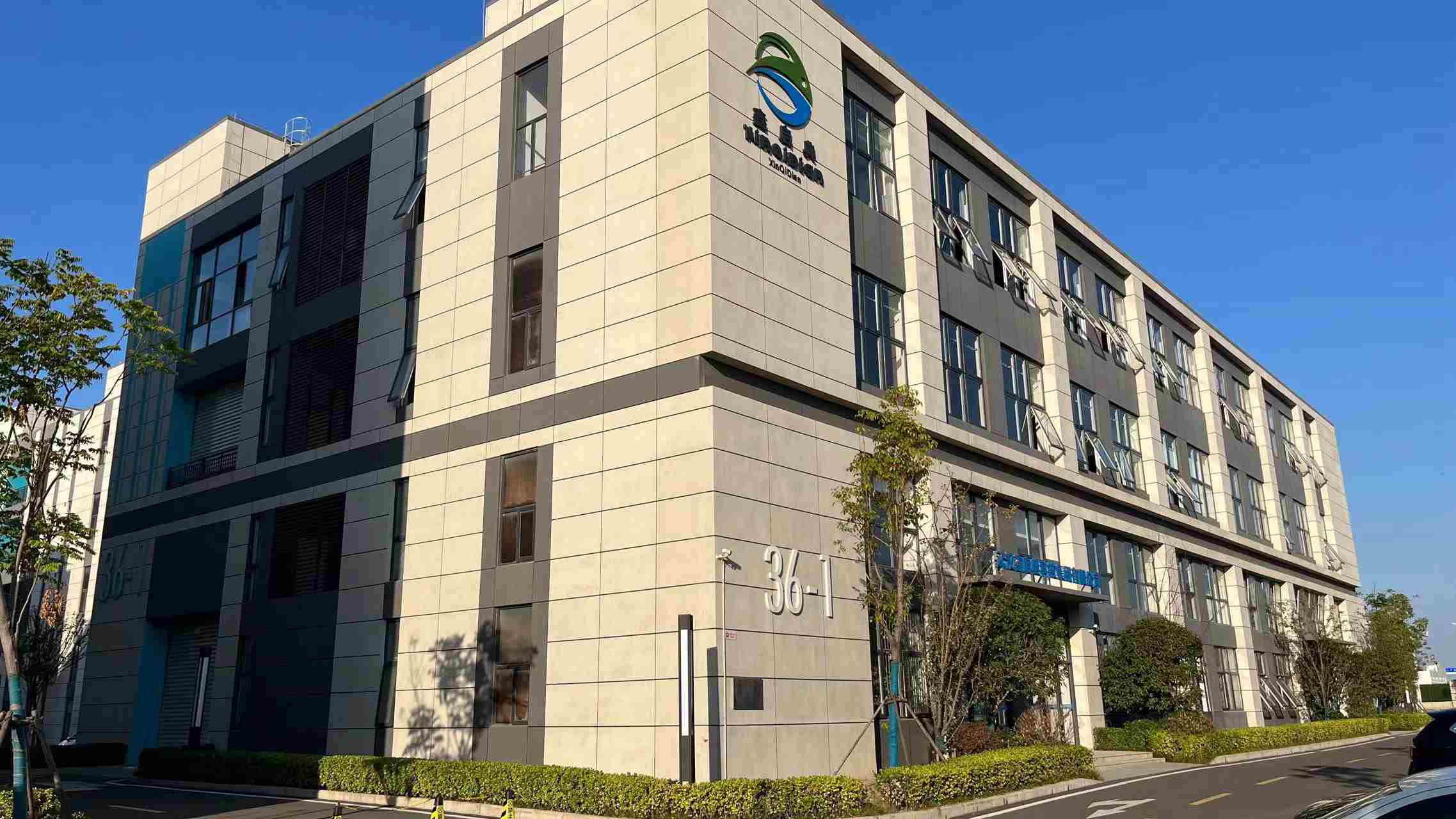
Established in 2016, NexaGPU is a leading manufacturer specializing in high-performance computing systems, GPU clusters, and custom server setups. We serve enterprise customers, modern data centers, and AI development projects worldwide, providing hardware designed to run intensive workloads efficiently and reliably.
Ensuring reliable operation and smooth deployment in international markets.
Global operations require hardware that complies with local standards. All exported network switches, server nodes, and transceivers carry key safety certifications, including CE, FCC, RoHS, and UL. These certifications guarantee that the equipment meets strict standards for electromagnetic interference, energy consumption, and environmental safety, preventing customs delays and deployment issues.
Maintaining long-term reliability requires structured technical support. Exporters offer comprehensive integration assistance, including remote IPMI configuration, custom firmware tuning, and replacement parts access. By collaborating with local logistics centers, manufacturers provide fast warranty support and hardware replacement, keeping data center downtime to a minimum.
Engineering answers regarding custom configurations, deployment, and sourcing.
Our rack systems, including the FusionServer 2288H V7 and G5500 V7, support a range of configurations. These run from low-profile PCIe cards for light AI inference to full double-width GPU modules like the NVIDIA H100, L40S, or specialized local ASIC accelerators. The chassis are built with enough PCIe Gen5 lanes to ensure maximum processing speed with minimal latency.
Yes, our systems support hybrid storage layouts. You can combine high-capacity 3.5-inch SATA hard drives (such as 10TB or 20TB disks) with fast NVMe PCIe Gen5 SSDs (like the EP600 series). This setup is ideal for tiered data arrangements: use the solid-state storage for active processing cache and hot data, and use the SATA HDDs for cost-effective, long-term cold storage.
Our quality assurance process is managed by a team of 45 QC technicians. Every server goes through thermal validation, hardware stress testing, and system stability checks. This includes running processors under full load for extended periods to ensure they can handle demanding production workloads reliably.
Liquid cooling helps lower system power usage and keeps processing temperatures consistent. It allows high-density configurations to run continuously without overheating, even in environments with limited airflow. By reducing the load on external AC cooling, it helps lower overall operational costs.
Scale your operational requirements with reliable, factory-direct servers and connectivity gear.
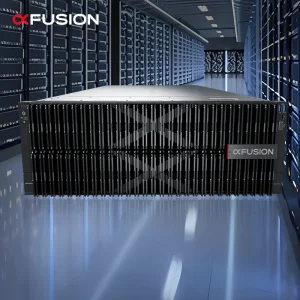
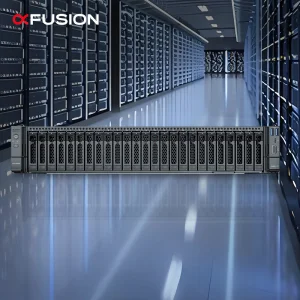
Inside our modern processing and validation center.