NexaGPU
NexaGPU
NexaGPU
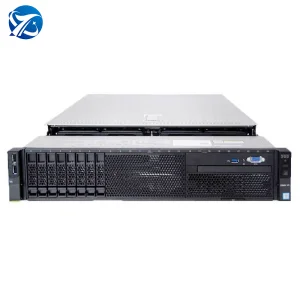
Explore our premium high-density rackmount appliances engineered for demanding enterprise environments, complex routing, network acceleration, and hardware security offloading.
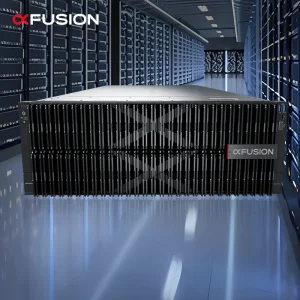
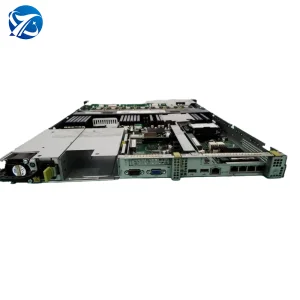
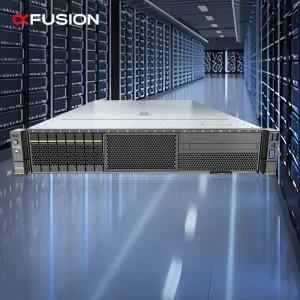
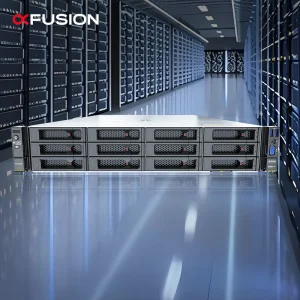
Examining how high-performance silicon, AI acceleration, and zero-trust policies are reshaping global hardware standards.
Today's cyber threat landscape requires far more than basic packet filtering. Enterprise environments demand multi-layered security paradigms that process terabits of data in real time. Modern Network Security Appliances function as the bedrock of unified threat management (UTM), next-generation firewalls (NGFW), secure web gateways (SWG), and deep packet inspection (DPI) centers.
With the transition toward software-defined networking (SDN), virtualization, and AI-driven predictive protection, the fundamental hardware architecture must achieve raw computing efficiency and low latency. This is where advanced specialized factories in China, collaborating with specialized technology partners like NexaGPU, deliver unprecedented value. Combining massive multi-core processing power (utilizing Intel Xeon Scalable processors or AMD EPYC architectures) with high-density GPU accelerators allows security nodes to parse TLS 1.3 encrypted streams, analyze malware behavior heuristics on the fly, and mitigate zero-day vulnerabilities at the network edge.
Furthermore, hardware acceleration through Technologies like DPDK (Data Plane Development Kit) and Intel QAT (QuickAssist Technology) has become standard. These technologies offload crypto-processing and compression from general CPU cores, ensuring that security operations do not act as bottlenecks to enterprise throughput.
NexaGPU - Setting the Benchmark in High-Performance GPU Infrastructure and Enterprise Cyber-Hardware Customization.
Established in 2016, NexaGPU has quickly positioned itself as an industry leader in customized AI servers and enterprise network processing systems. Leveraging over 11 years of deep industry experience and 6 years of export expertise, we bridge the gap between high-density compute requirements and strict security compliance.
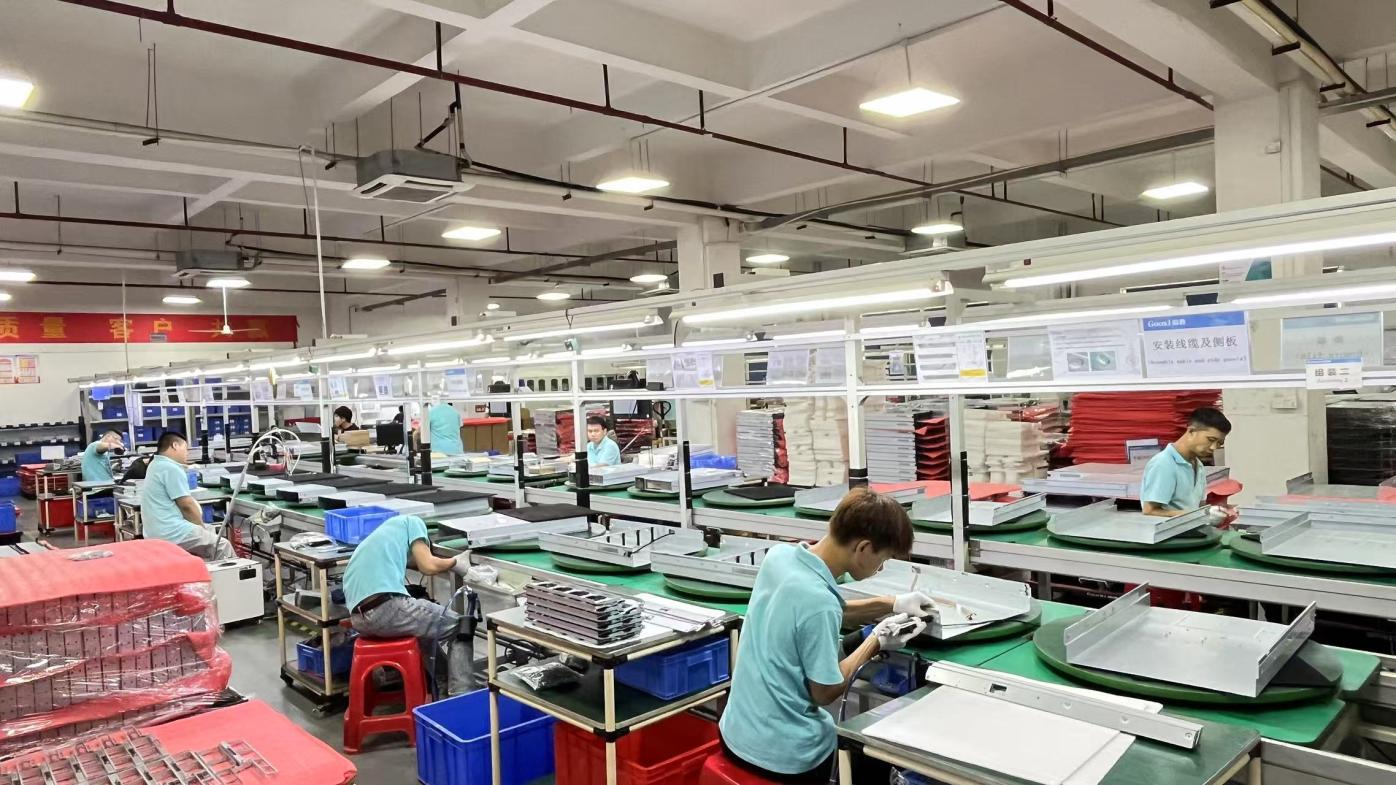
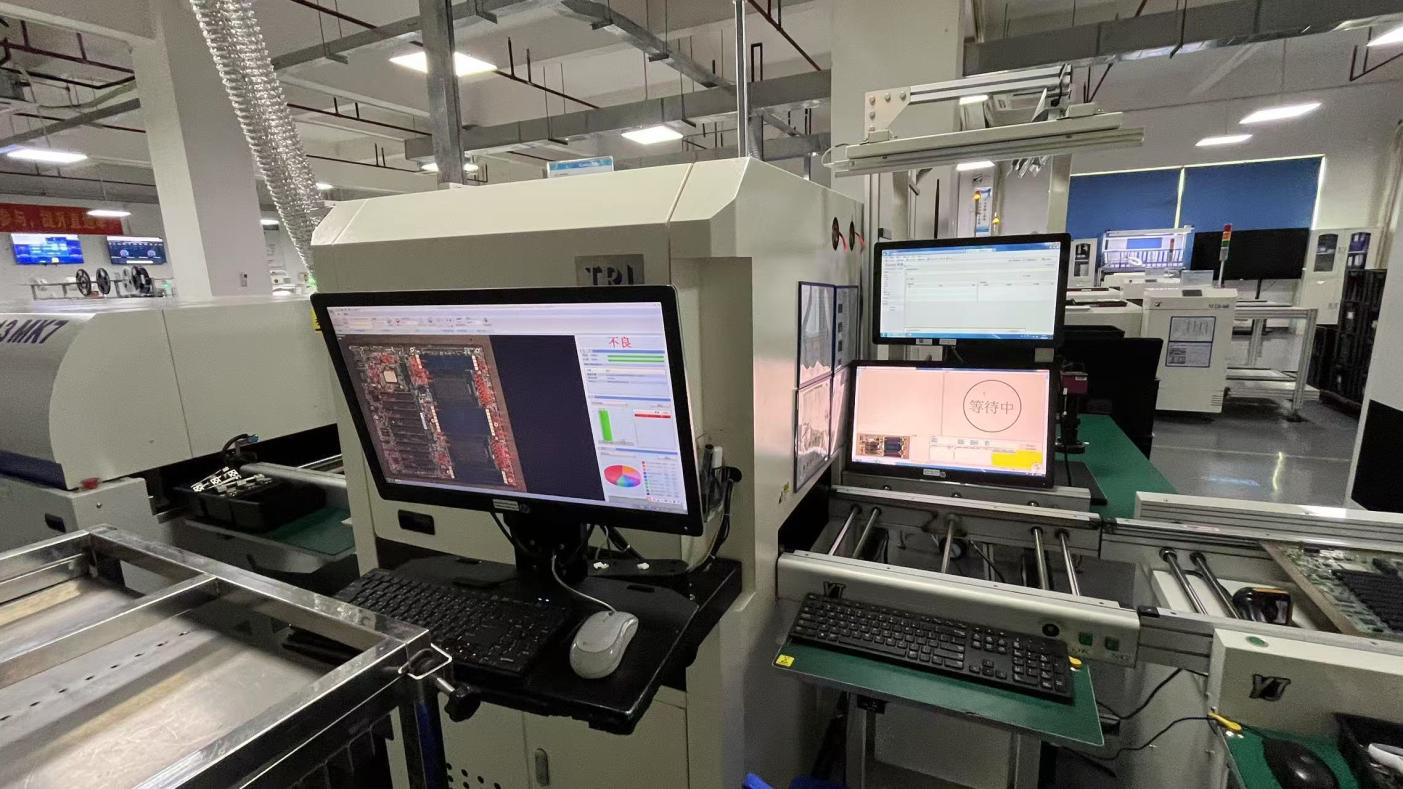
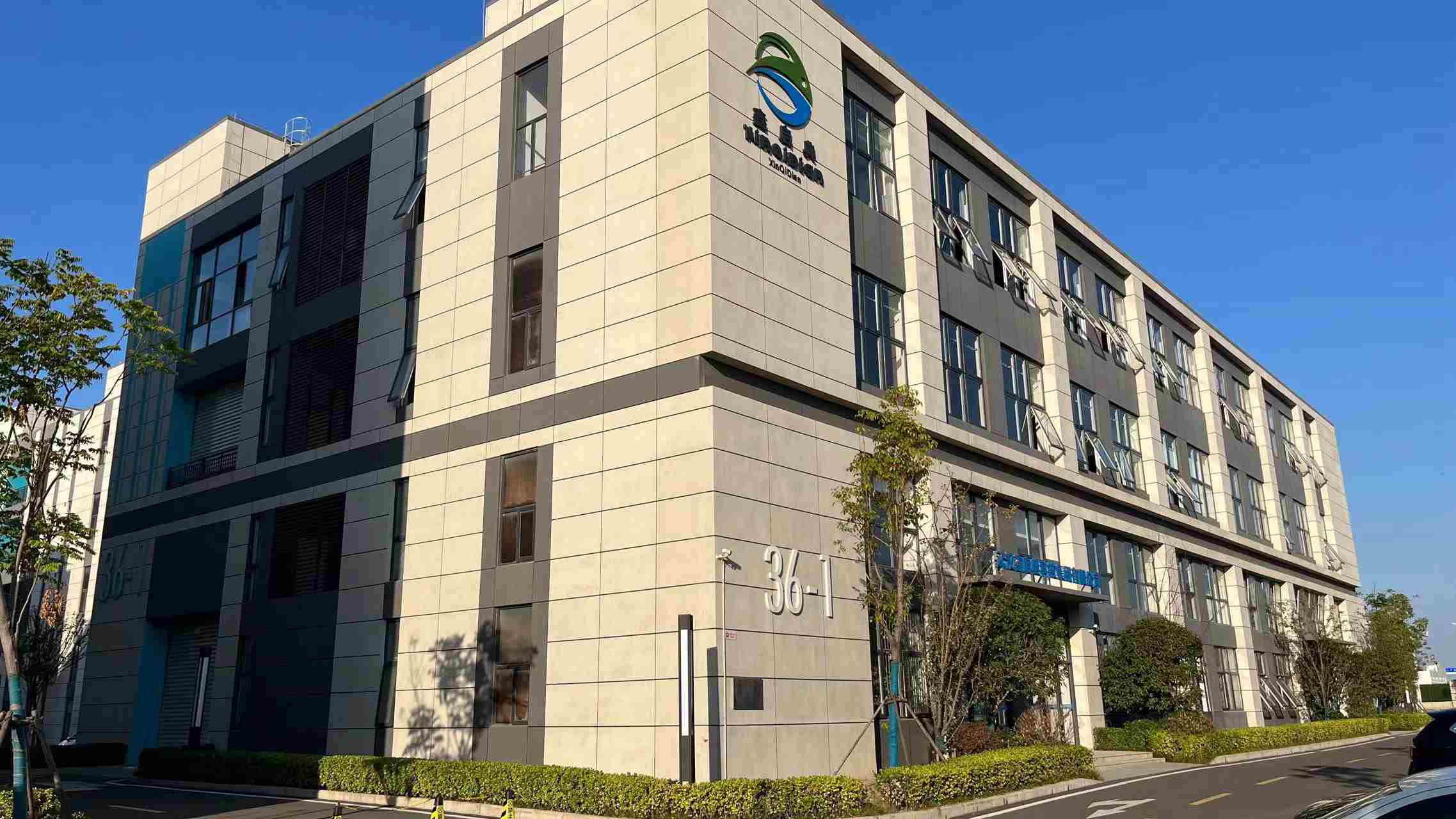
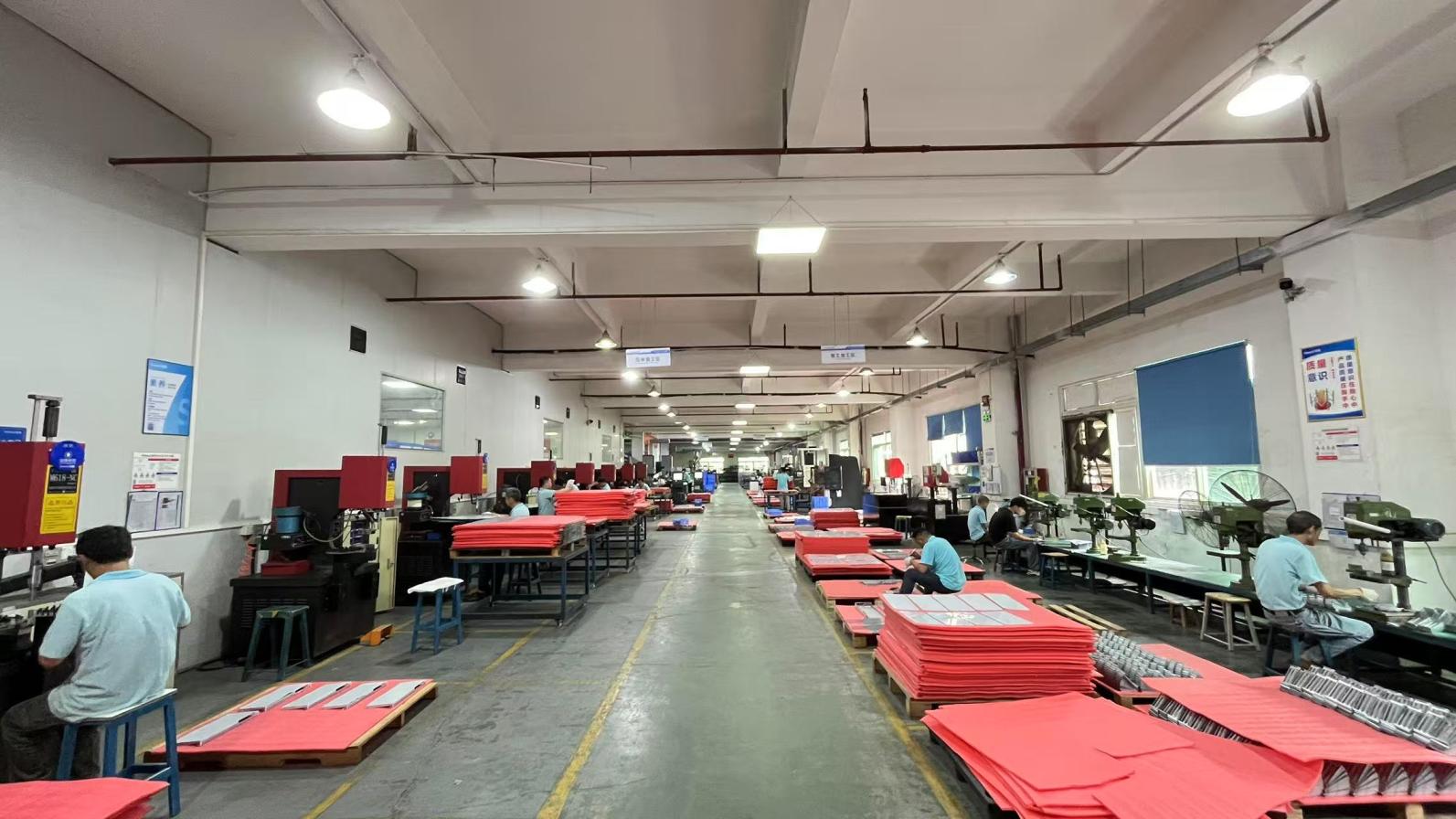
Operating out of a modern, specialized high-tech assembly and integration facility (with a dedicated footprint of 320㎡ configured specifically for strict custom testing protocols), NexaGPU deploys a strong team of 120 R&D engineers. Our engineering core concentrates on optimal layout, thermal design, liquid cooling integrations, and optimized hardware configurations. To guarantee unmatched field reliability, we employ a dedicated quality control team consisting of 45 QC specialists. Our rigorous multi-stage QA inspection covers full-load thermal profiles, memory burn-in tests, and software compatibility validations across all major enterprise hypervisors and OS platforms.
Our expansive logistics and supply networks include active collaborations with over 850 strategic hardware partners. This strong network lets NexaGPU rapidly procure premium silicon, system memory components, and robust chassis architectures, insulated from global supply disruptions. This ensures continuous product delivery to our core markets in North America, Europe, Southeast Asia, and the Middle East.
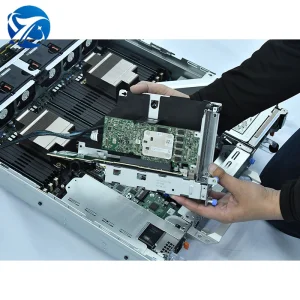
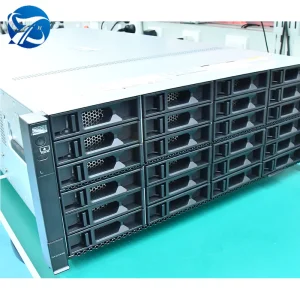
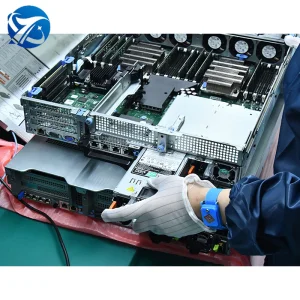
A preview of our engineering hubs, testing areas, and physical hardware assembly lines ensuring international standard compliance.

How global buyers evaluate and qualify hardware platforms for high-throughput security deployment.
Procurement teams require devices that handle multi-gigabit IPsec VPN tunnels, SSL/TLS handshake acceleration, and deep packet analytics. We configure platforms with Intel QAT, advanced crypto-coprocessors, and SmartNIC support to process line-rate traffic without CPU exhaustion.
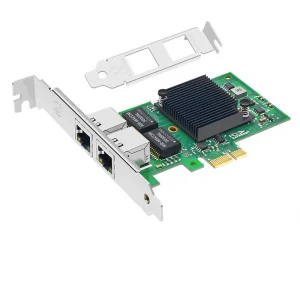
Adaptability is crucial for network core changes. Procurement cycles demand modular network interface card slots (NICs), supporting copper, SFP+, SFP28 (25GbE), and QSFP28 (100GbE) connectivity options with bypass features to prevent point-of-failure outages.
Enterprise clients prioritize partners who guarantee component traceabilty. With 850+ supply partners, NexaGPU ensures that every CPU, SSD, and NIC is sourced directly from certified semiconductor manufacturers, keeping product delivery clean and predictable.
Custom security frameworks tailored for high-volume datacenters, distributed enterprise branches, and edge computing nodes.
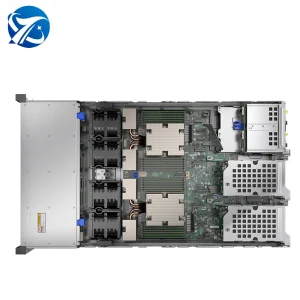
High-density 2U platforms equipped with multiple high-core CPUs and PCIe Gen5 slots. Built for deep packet inspection, firewall operations, and cloud edge segmentation, handling massive concurrent sessions.
Compact rack systems designed for remote offices and distributed enterprise setups. Integrates cellular failover, high IPsec throughput, and centralized orchestration capabilities for seamless cloud security.
Leveraging GPU and TPU acceleration cards to identify anomalies via local ML inferences. Essential for immediate, off-grid detection of ransomware patterns and active network penetrations.
Ensuring system safety, component traceability, and international standard certification for seamless cross-border deployments.
Deploying infrastructure globally requires strict compliance with varying regional standards and security regulations. At NexaGPU, we ensure our appliances meet international testing and safety requirements. Our manufacturing lines run under strict quality management frameworks, validating that each unit leaving the facility holds relevant CE, FCC, RoHS, and ISO 9001 certifications.
We provide extensive hardware customization to align with specific regional requirements:
Driving innovations to address quantum-ready cryptography, DPU integration, and green computing requirements.
As we look toward 2030, the network security appliance industry faces two main paradigm shifts: the rise of quantum computing and the need for energy-efficient hardware. Here is how NexaGPU is adapting its product designs:
By releasing 85 new product configurations annually, we ensure that our global clientele has fast access to these upcoming hardware developments, keeping them ahead of security risks.
Direct technical answers to help enterprise buyers optimize their hardware sourcing strategies.
Every hardware appliance undergoes a comprehensive, multi-stage testing process. Our QA team of 45 specialists carries out 72-hour system stress testing, memory diagnostics, thermal mapping under full processing loads, and network port validation. Additionally, we verify compatibility with major hypervisors and operating systems to guarantee immediate out-of-the-box system stability.
We adapt BIOS configurations and select hardware components to match the specific kernel requirements of open-source or custom operating systems. This includes choosing compatible Intel network interfaces, configuring specialized watchdog timers, and enabling UEFI or Legacy boot options as required.
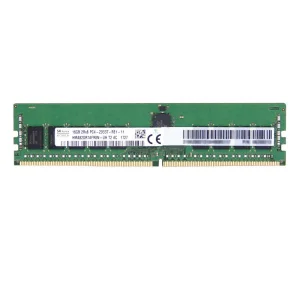
For Hyperconverged Infrastructure (HCI) or multi-tenant virtualization, we recommend systems with high-core processors (e.g., dual Intel Xeon Scalable or AMD EPYC), generous memory allocations (using multi-channel DDR4 or DDR5 RAM), and high-throughput network cards with SR-IOV support to allow direct hardware access for virtual instances.
Our close working relationship with 850+ supply chain partners allows us to source components well in advance. We maintain inventory buffer levels for core items like CPUs, network interfaces, and storage drives, ensuring stable production times and minimizing shipment delays for critical customer orders.
Lead times depend on the complexity of the customization. Standard options usually ship within 7 to 15 business days. Highly customized orders requiring custom BIOS configurations, physical hardware modifications, or specialized liquid cooling layouts generally ship within 20 to 30 business days, with full tracking and transit updates provided.
Yes. Through our specialized customization service, we can pre-configure hardware platforms to meet the specific certification standards of third-party software partners, ensuring smooth software installation and optimal performance in the field.
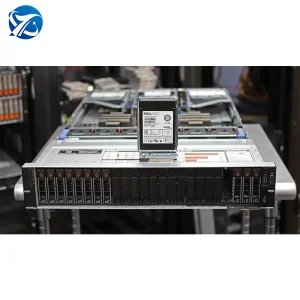
Complete your deployment with our high-reliability server nodes, expansion arrays, high-speed RAM, and storage host bus adapters.