NexaGPU NexaGPU

xFusion Server Factories & Supplier in the Canada Market

High-Density Hardware Infrastructure for Canadian Enterprise Clouds, AI Workloads, and Edge Platforms

1. Executive Summary: High-Performance Computing Dynamics in the Canadian Tech Ecosystem

Canada’s industrial landscape is experiencing a rapid structural migration toward artificial intelligence (AI), machine learning pipelines, big data visualization, and cloud-native hyperconverged infrastructures (HCI). From the commercial centers of Toronto and Montreal to the primary digital media and software nodes in Vancouver, enterprises require reliable server platforms. xFusion Server platforms, recognized for their energy-to-performance efficiency and dynamic engineering, have become central to these digital shifts.

This document details the availability, technical integration, and physical deployment parameters of xFusion Servers in the Canadian market. It provides information for Chief Technology Officers (CTOs), systems architects, and IT managers looking to optimize compute densities while lowering regional cooling expenses, and highlights NexaGPU's role as a trusted supply partner.

2. Market Landscape: Commercial & Industrial Demand for xFusion Platforms in Canada

The demand for robust rack server infrastructure in Canada is driven by several regional industries:

  • Ontario Finance & E-Commerce Hubs: Firms based in Toronto require low-latency, resilient compute structures to execute transaction models, scale banking platforms, and protect sensitive financial data.
  • Quebec Artificial Intelligence Research Ecosystem: Montreal has established itself as an international hub for deep learning, supported by entities like MILA. The local ecosystem relies on high-density GPU platforms and multi-core configurations for model training and inference.
  • Western Canada Resource Engineering (Alberta & BC): Natural resources, energy development, and geological modeling require high-capacity, multi-socket configurations for complex simulations.

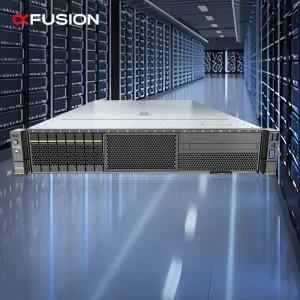
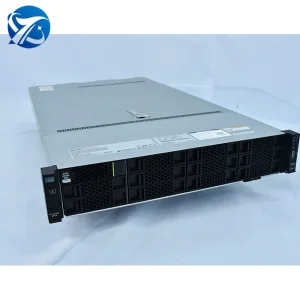
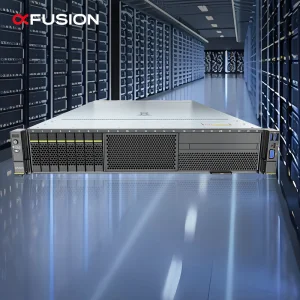
xFusion's product line, particularly the FusionServer 2288H V6 and 5288 V6 configurations, supports these applications. Featuring built-in hardware accelerations, scalable Intel Xeon processors, and comprehensive NVMe configurations, they meet the demands of Canadian enterprise environments.

3. Localized Environmental and Compliance Strengths

Deploying server infrastructure in Canada requires matching local environmental conditions and regulatory requirements:

  • Compliance with PIPEDA and SOC Standards: The Personal Information Protection and Electronic Documents Act (PIPEDA) demands that physical storage platforms maintain secure boot protocols, trusted platform module (TPM) chips, and clean audit logs. The security options in xFusion V6 architectures support these compliance needs.
  • Optimizing Cold-Climate Operations: Many Canadian colocation providers take advantage of ambient air temperature solutions. The intelligent cooling designs of the V6 server line reduce energy footprints, allowing operators to run systems efficiently.

NexaGPU: Your Trusted Global Server Supply Partner

Combining high-performance engineering capabilities with an established supply chain to support your server deployments.

Advanced R&D Base

Founded in 2016, NexaGPU runs a modern assembly facility with an engineering team of 120 specialists focused on optimized thermal designs, high-capacity server layouts, and stable liquid cooling.

Rigorous QC Standards

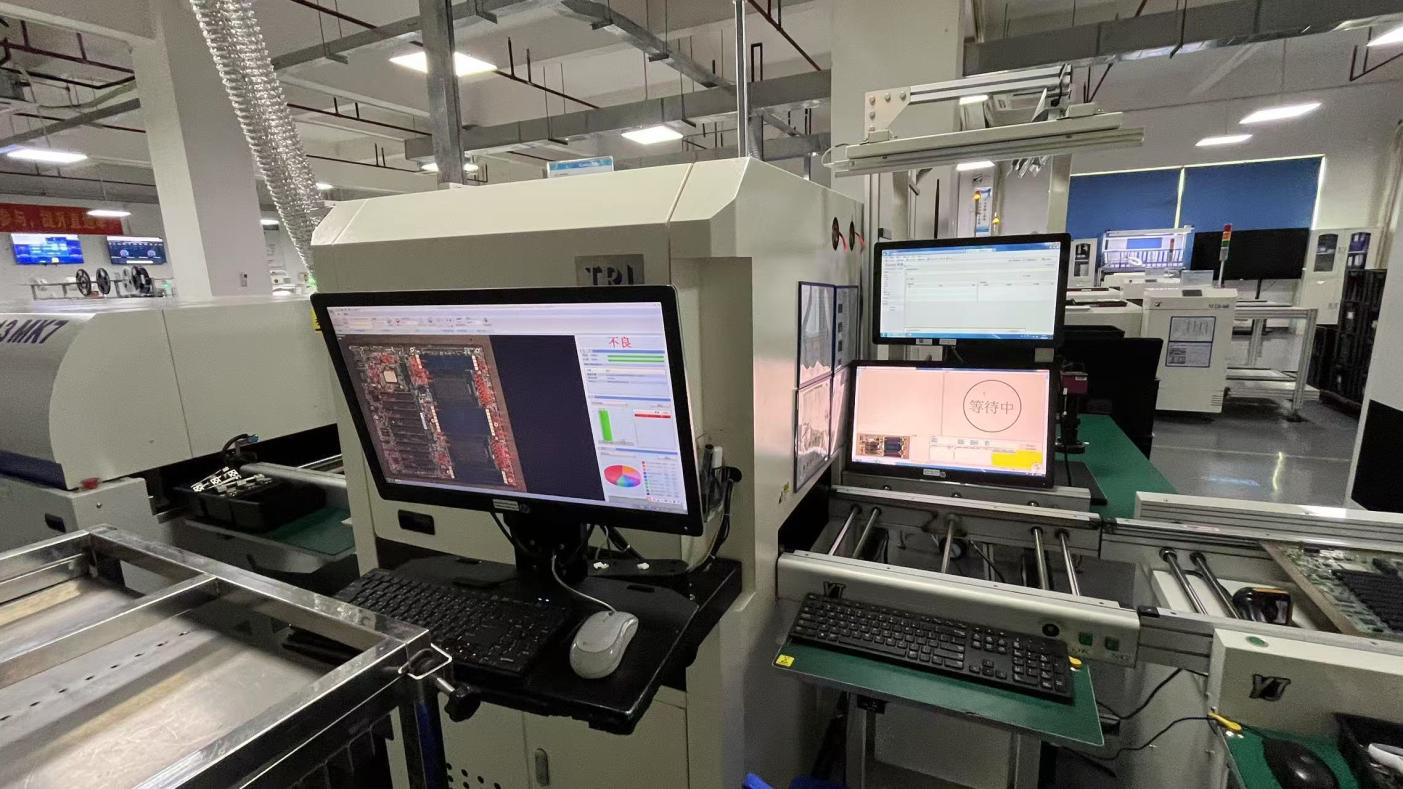
Our quality control processes include physical stress testing, thermal load testing, and system validations, managed by a team of 45 quality assurance specialists.

Global Integration Network

With an annual export value of USD 12 million and partnerships with over 850 supply chain suppliers, we deliver solutions to enterprises, research labs, and cloud providers globally.
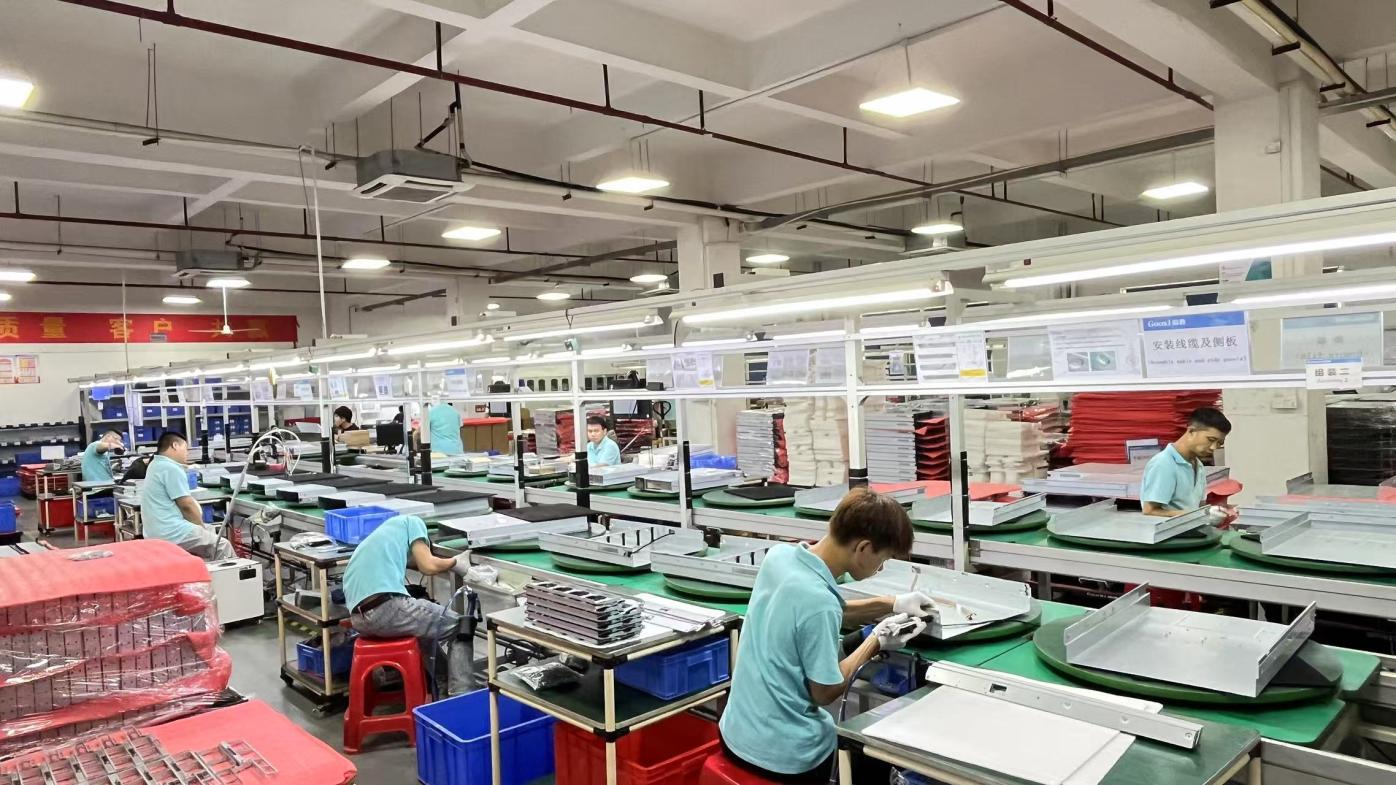
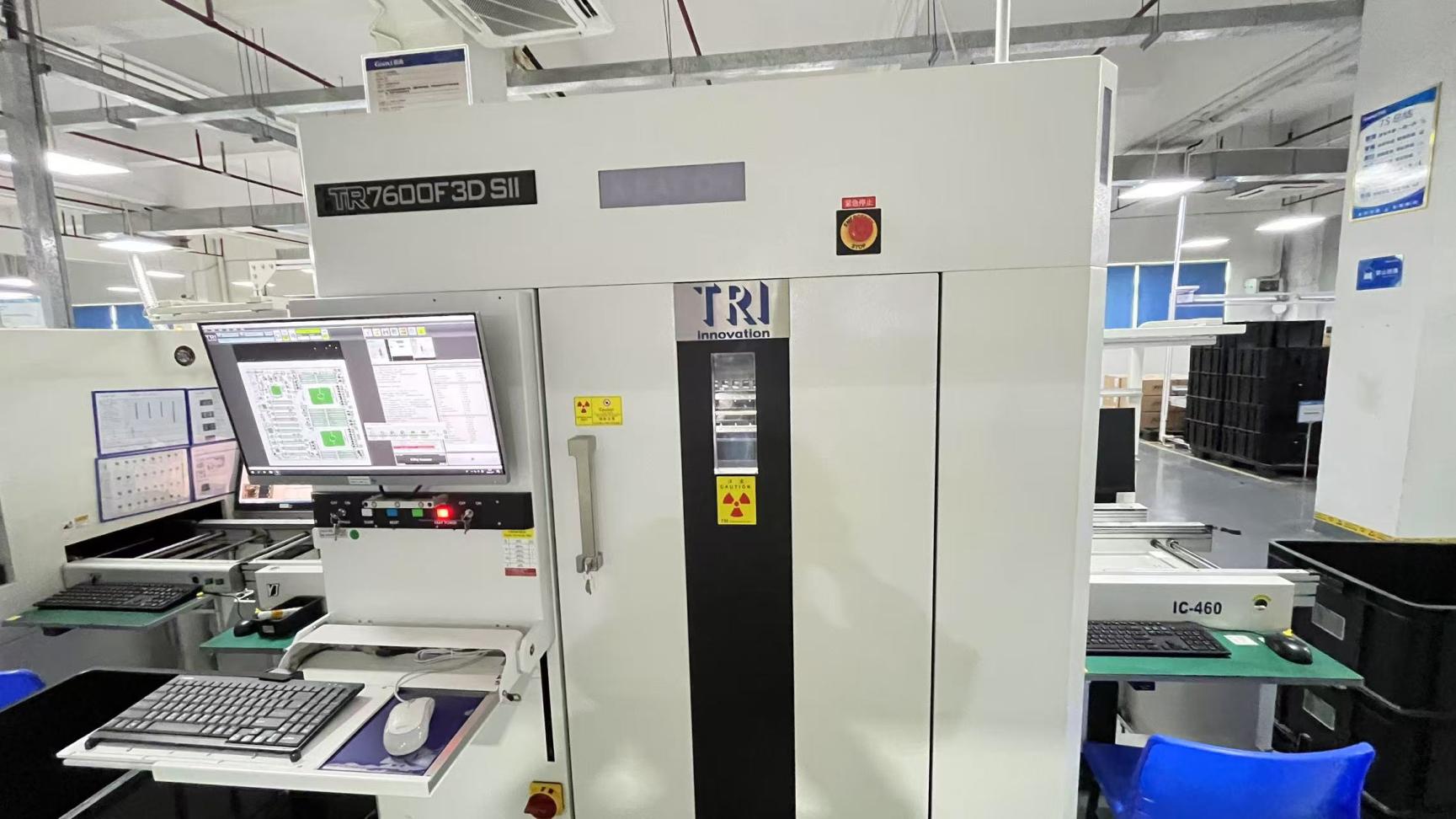
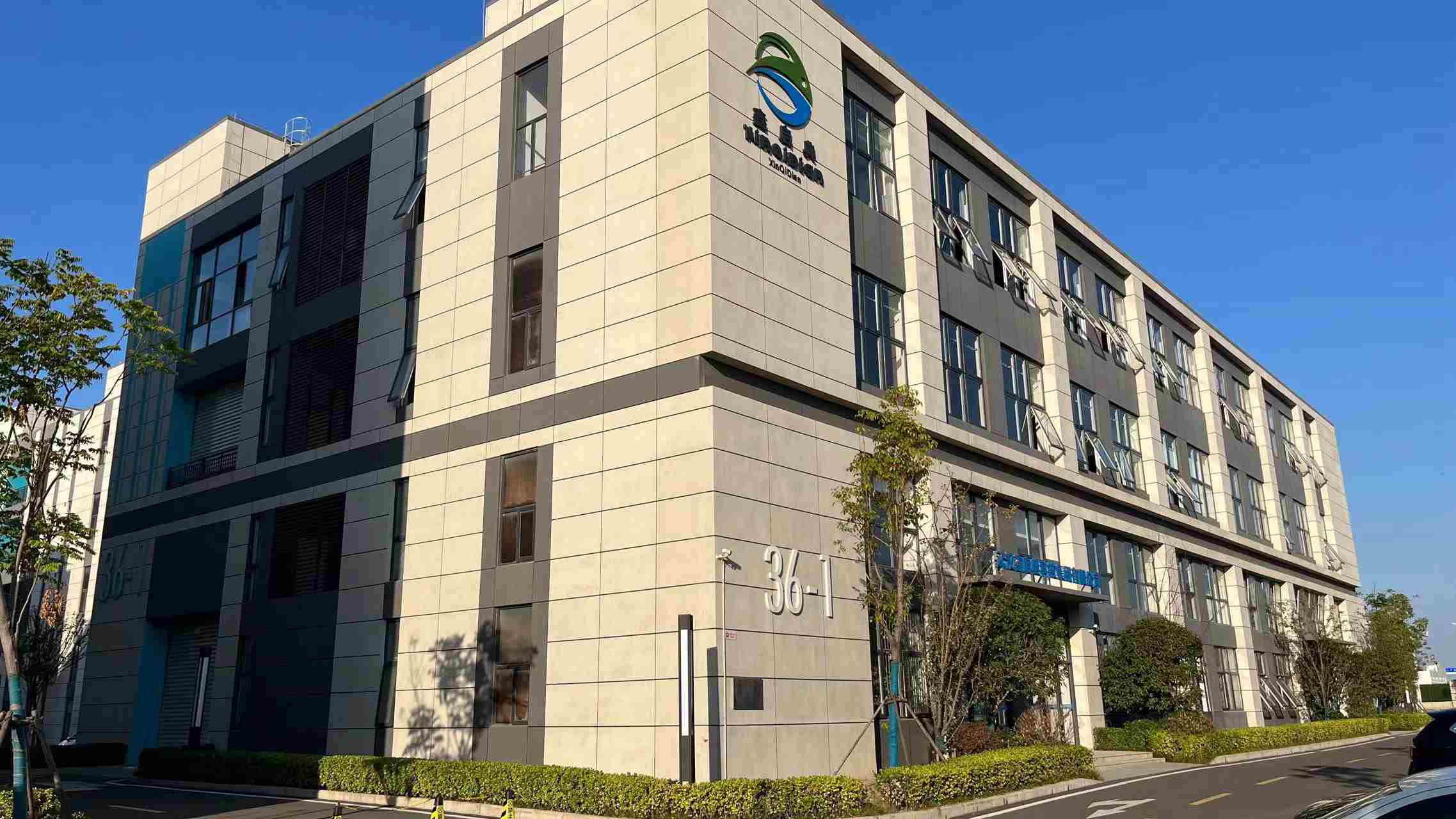
NexaGPU Server Manufacturing Facility Room 1
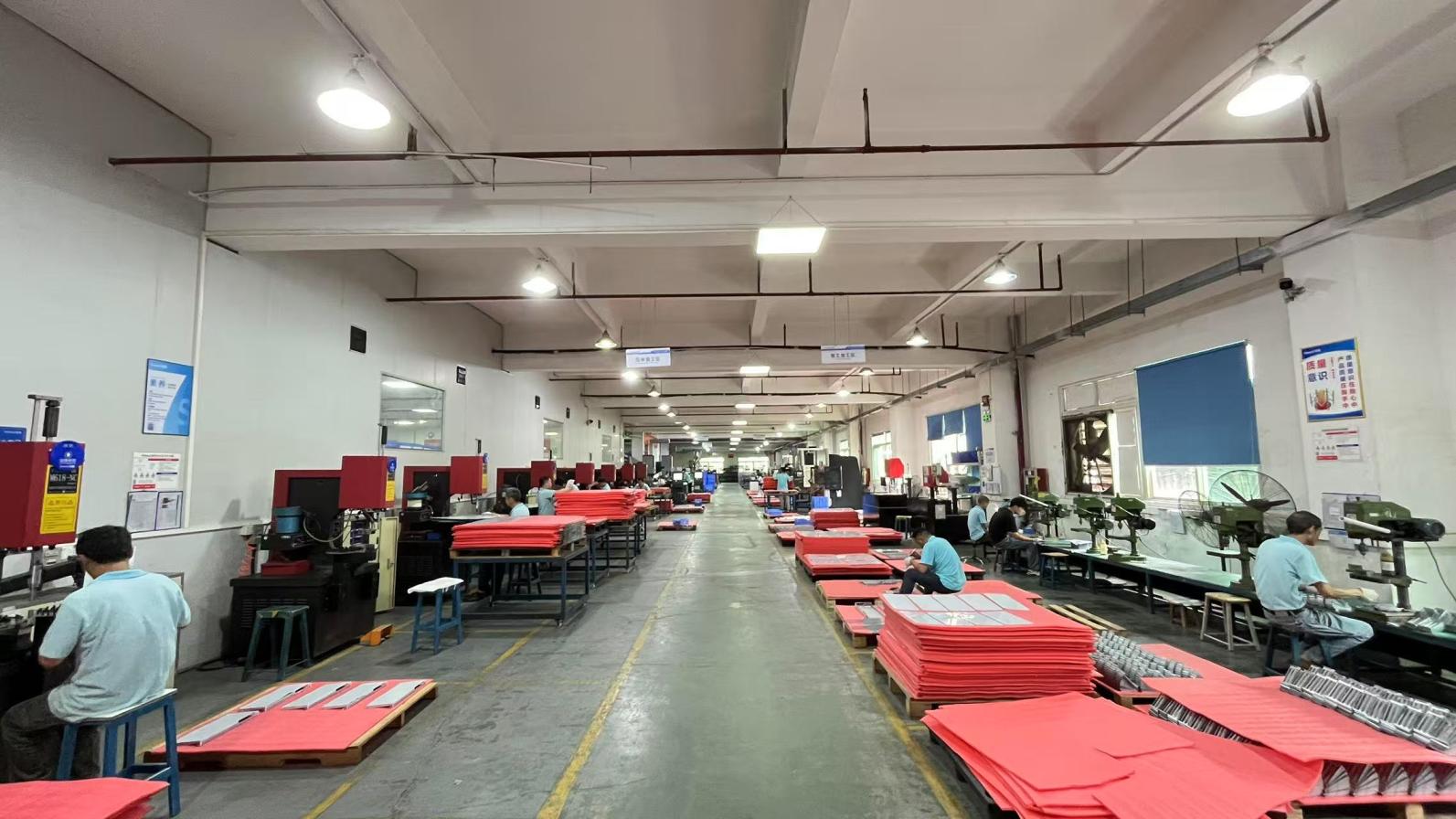
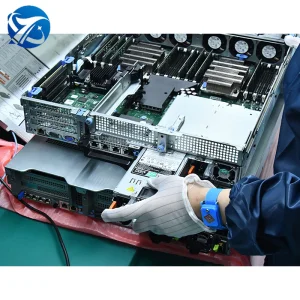
NexaGPU Hardware Assembly Line
Server Thermal and Stress Testing Chamber
NexaGPU Engineering QA Setup
Enterprise Server Shipment Operations

11+

Years Industry Experience

$12M

Annual Export Revenue

120+

R&D Engineers

850+

Global Supply Partners

4. Technical Deep-Dive: Architecture and Hardware Advantages of xFusion Servers

The V6 generation of xFusion servers offers key advantages in power efficiency and physical footprint optimization:

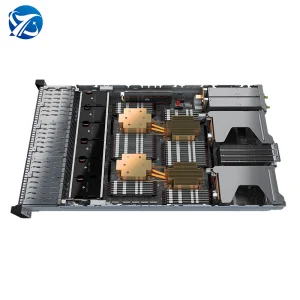
  • Intel Xeon Scalable Processors: The 3rd Generation Intel Xeon Scalable processors (Ice Lake architecture) support advanced security features and up to 40 cores per processor, boosting multi-threaded workload efficiency.
  • Advanced Storage Architecture: Up to 36 drive slots in 4U setups and specialized high-density 2U options provide options for NVMe SSD arrays, SAS/SATA drives, and high-performance RAID configurations.
  • Intelligent Thermal Management: Dual-direction airflow controls and localized fan management prevent overheating in dense server environments.
  • Configurable Power Supplies: Optional hot-swappable titanium and platinum PSUs (such as 1500W and 2000W models) help maintain high operational efficiency.

5. Core Enterprise Solution Templates

The typical use-case configurations for the Canadian market include:

Option A: Virtualization & Enterprise Database Engine
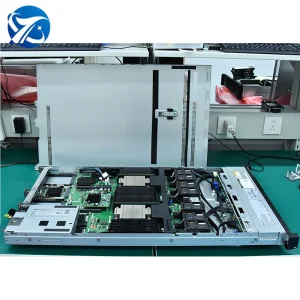
Using the 2288H V6 platform with dual Intel Xeon processors and high-speed memory arrays enables low-latency transactional performance for databases, ERP services, and hybrid cloud applications.

Option B: Scale-out High-Density Storage Clusters
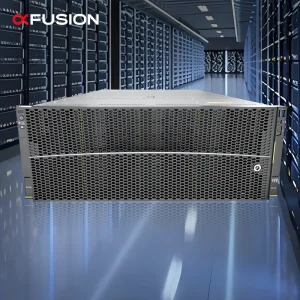
The 5288 V6 4U setup supports massive storage densities, making it suitable for cold storage projects, backup systems, video rendering pools, and log analysis applications.

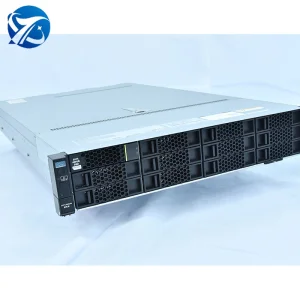
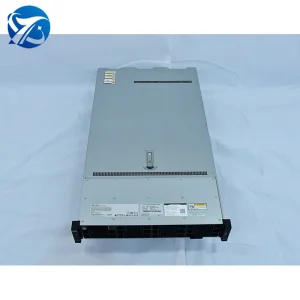
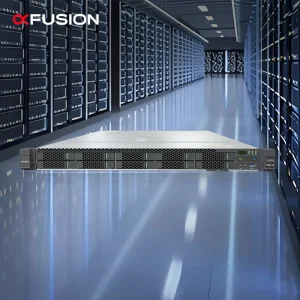
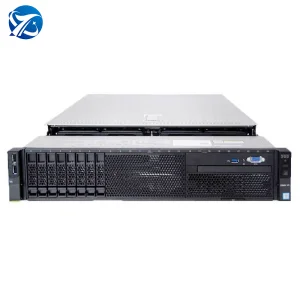
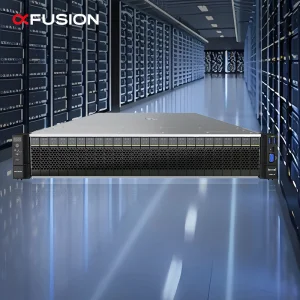
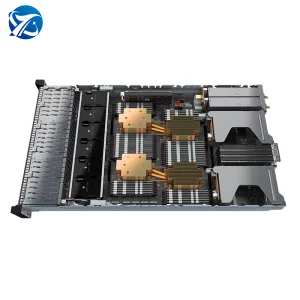
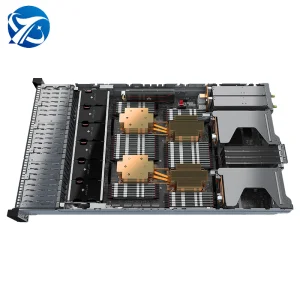
xFusion Systems & Compute Configurations

Select your production, GPU, database, or storage nodes from our verified inventory, optimized for shipment across Canada.
6. Future Outlook: Next-Generation Computing and Sustainable Power Efficiency

The direction of enterprise hardware engineering in Canada is shaped by green data center mandates and requirements for high-density architectures. High thermal design power (TDP) processors and high-capacity GPU systems need cooling methods beyond traditional air options. The xFusion platform is adjusting to these requirements:

  • Expanding Liquid-Cooling Support: Transitioning toward cold-plate and immersion-cooling configurations helps manage heat dissipation, allowing data centers to lower power usage effectiveness (PUE) scores and meet regional sustainability goals.
  • Support for Advanced DDR5 and PCIe Gen 5 Standardizations: Emerging configurations support faster memory and expansion bus throughput, removing storage access bottlenecks for large-scale operations.
  • Centralized Intelligent Operations with AI-Powered Diagnostic Tools: Upgraded out-of-band management modules compile system metrics, identify hardware issues, and optimize resource distribution to reduce operational costs.

Frequently Asked Questions

Answers to technical and logistics questions regarding the deployment of xFusion server hardware in Canadian enterprise data centers.
How do xFusion Servers perform under PIPEDA data compliance guidelines?
xFusion Servers feature built-in hardware security options, including Trusted Platform Modules (TPM 2.0), secure boot mechanisms, and encrypted flash architectures. These options support access control and encryption standards required under Canadian PIPEDA and SOC 2 data protection frameworks.
What are the power supply requirements for 2288H V6 models deployed in Canada?
Most configurations support redundant, hot-swappable titanium or platinum power supply units (options include 900W, 1500W, or 2000W). These operate efficiently under typical Canadian data center electrical setups (such as standard 208V/240V utility distributions).
How does the ambient temperature design of V6 servers help reduce operating costs?
With smart fan profiling and high thermal thresholds (supporting ASHRAE A2 to A4 classes), V6 servers can operate at higher data center intake temperatures. This helps operators lower cooling energy use, particularly in cold-climate regions of Canada.
Can NexaGPU customize hardware profiles (GPU, RAM, and SSD options) before shipping?
Yes. Through our engineering facility, we offer configuration options for storage (SATA, SAS, NVMe arrays), system memory, CPU models, and PCIe expansion slots to match specific system requirements.
What is the standard lead time and support protocol for Canadian locations?
Delivery timelines depend on configuration complexities and current stock levels in our hubs. We use established shipping lanes to deliver systems to Canadian cities, and supply components and options for continuous system operation.