NexaGPU NexaGPU

Server RAM Factories & Supplier for the Oman Market

Enterprise-Grade DDR4 & DDR5 Memory Architectures Optimized for High-Temperature Deployments

Send Inquiry Now

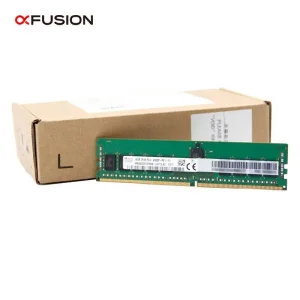
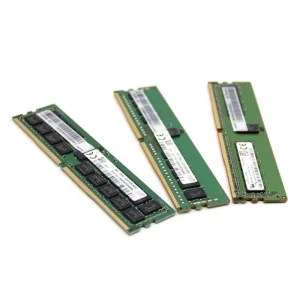
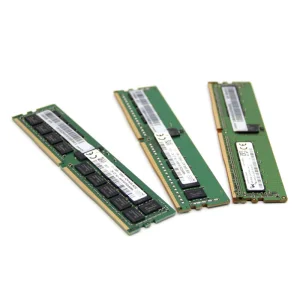
Featured Server Memory Modules for Oman Data Centers

Executive Whitepaper: Strategic Memory Provisioning for the Sultanate of Oman

As the Sultanate of Oman rapidly accelerates its digital economy under the visionary framework of Oman Vision 2040, the demand for enterprise computing infrastructure has surged exponentially. Modern virtualization, high-performance computing (HPC) clusters, cloud data repositories, and edge nodes require memory architectures that are not only high-speed but also exceptionally resilient.

This whitepaper, prepared by NexaGPU, outlines the critical technical parameters of server RAM design, deployment strategies in Middle Eastern ambient environments, and the economic advantages of direct-factory sourcing from China's robust electronics supply chains.

The Oman Digital Infrastructure Landscape

Oman's tech ecosystem is undergoing a profound structural shift. Guided by the Ministry of Transport, Communications and Information Technology (MTCIT), the establishment of hyperscale data centers in Muscat, the expansion of smart ports in Sohar, and the cooling-advantageous high-altitude regions of Salalah have made Oman a hub for regional data traffic.

Unlike consumer hardware, enterprise server memory deployed in Omani environments must withstand specific localized challenges:

  • Thermal Tolerance: Data centers in the Middle East, while air-conditioned, face intense ambient heat. A memory module's thermals directly affect signal integrity and refresh rates (tREFI). NexaGPU memory modules utilize advanced, multi-layer PCBs and optimized thermal dissipation materials to maintain low operating temperatures even under high stress.
  • Continuous Uptime Requirements: The Omani banking sector, oil & gas extraction complexes (PDO), and government portals run on mission-critical applications where one bit-flip can result in significant financial loss. Standardizing on ECC (Error-Correcting Code) memory is non-negotiable.
  • Localized Integration: Adapting state-of-the-art DDR4 and DDR5 standards to legacy server nodes (such as HPE ProLiant Gen9/Gen10/Gen11 and xFusion servers) commonly deployed in Oman's local private clouds.

Technological Roadmap & Specification Matrices

Transitioning from DDR4 to DDR5 is a key architectural choice for CTOs across Muscat. DDR5 introduces crucial advancements, including On-Die ECC, dual 32-bit subchannels, and PMIC (Power Management Integrated Circuits) on the DIMM itself rather than the motherboard. This structural evolution significantly reduces power consumption (from 1.2V down to 1.1V) while expanding data throughput limits.

Specification Parameter DDR4 Enterprise RDIMM DDR5 Enterprise RDIMM Impact on Omani Compute Infrastructure
Data Rates 2133 MHz to 3200 MHz 4800 MHz to 8400+ MHz Increases data throughput for high-velocity database operations in Oil & Gas.
Operating Voltage 1.2V 1.1V Reduces thermal dissipation, lowering data center cooling overheads in hot climates.
Power Management Managed by Host Motherboard On-DIMM PMIC (Power Management IC) Ensures highly stable local power regulation and minimizes signal noise.
ECC Architecture Side-band ECC (System Level) On-Die ECC + Side-band ECC Drastically lowers Bit Error Rates (BER), preventing server crashes.
Channel Architecture Single 72-bit channel Dual 32-bit subchannels (40-bit with ECC) Improves memory access efficiency in highly virtualized environments.

Memory Architecture: RDIMM vs. LRDIMM for High-Density Systems

For major computing operations in the Salalah and Muscat zones, determining whether to deploy **Registered DIMMs (RDIMMs)** or **Load-Reduced DIMMs (LRDIMMs)** is critical:

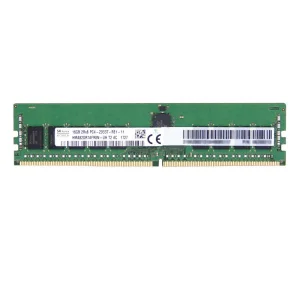
  • RDIMMs (Registered DIMMs): Incorporate a register buffer that buffers command, address, and control signals. This lightens the electrical load on the memory controller, allowing systems to support more memory channels without compromising stability. Our 16GB, 32GB, and 64GB RDIMMs are ideal for the majority of virtualized server deployments.
  • LRDIMMs (Load-Reduced DIMMs): Replace the register with a memory buffer chip that buffers both control and data signals. This enables maximum capacity configurations (e.g., filling all slots in a dual-socket HPE Gen11 server with 128GB or 256GB modules) at the cost of slightly higher latency.
Architectural Recommendation for Oman Enterprise Networks: For workloads that prioritize database speed and lower latencies, DDR4/DDR5 RDIMMs clocked at 3200MHz/4800MHz provide the most cost-effective performance curve. For heavy AI training and LLM execution nodes, LRDIMMs or high-capacity RDIMMs should be prioritized.

Industrial Application Scenarios in the Gulf Region

Oil & Gas Reservoir Modeling

High-density RAM modules support fast processing of seismic data and reservoir simulations, optimizing extraction plans in real-time across Oman's major oilfields.

Sovereign Cloud & Government Portals

Secured RDIMMs with hardware-level error correction keep central database transactions reliable, supporting regional smart-government initiatives.

AI & Edge Analytics in Ports

Sohar Port and Freezone deploy AI models at the edge. Low-power DDR4/DDR5 modules are ideal for industrial compute nodes operating under hot field conditions.

The China Factory Supply Chain Advantage & NexaGPU Capabilities

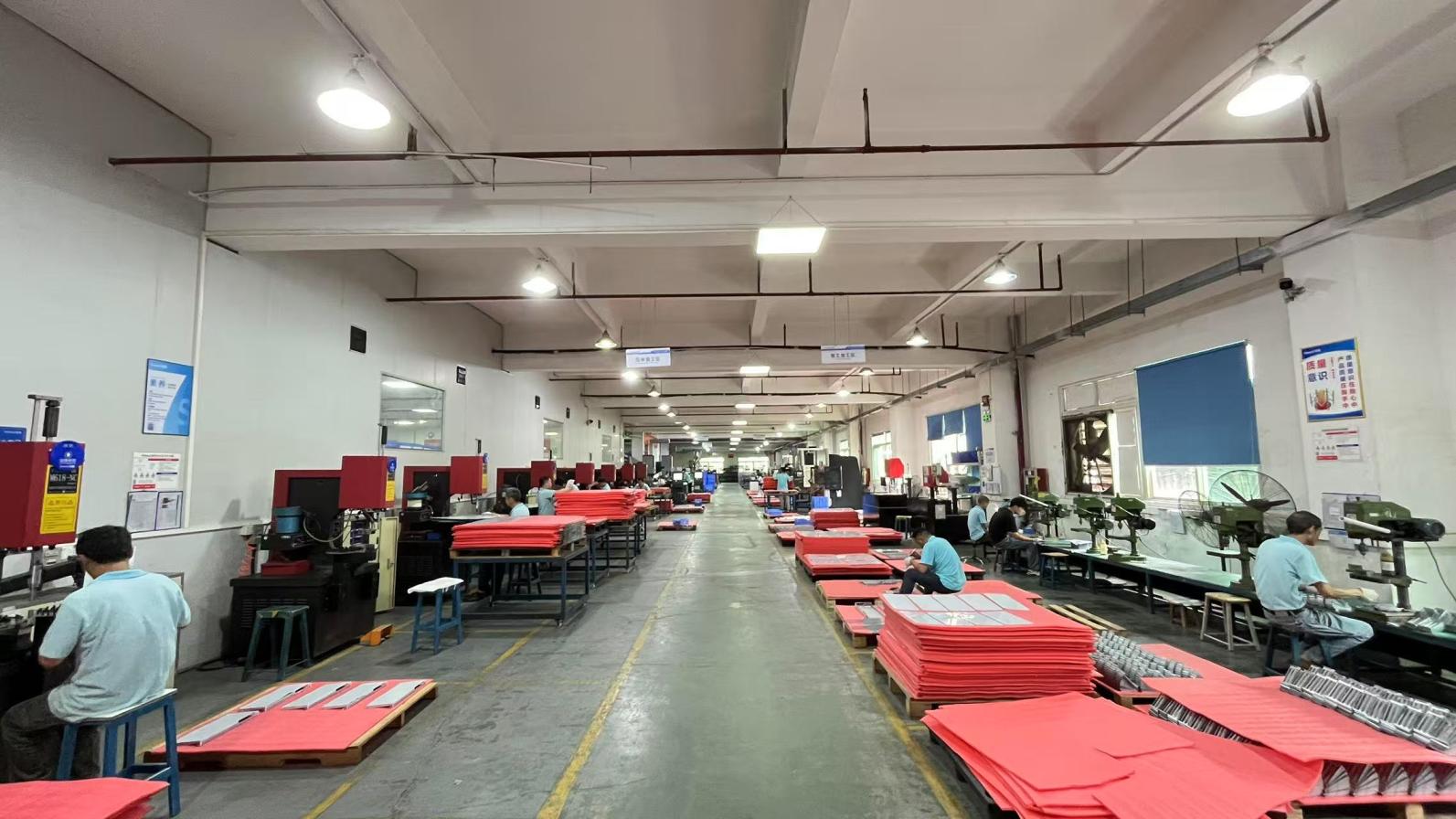
Sourcing enterprise hardware directly from a specialized manufacturer like NexaGPU offers Omani businesses, system integrators, and data centers a distinct competitive edge. Through vertical integration, direct procurement channels for premium DRAM chips (Samsung, SK Hynix, Micron), and robust assembly processes, we ensure top-tier reliability without the typical markups of global retail distribution.

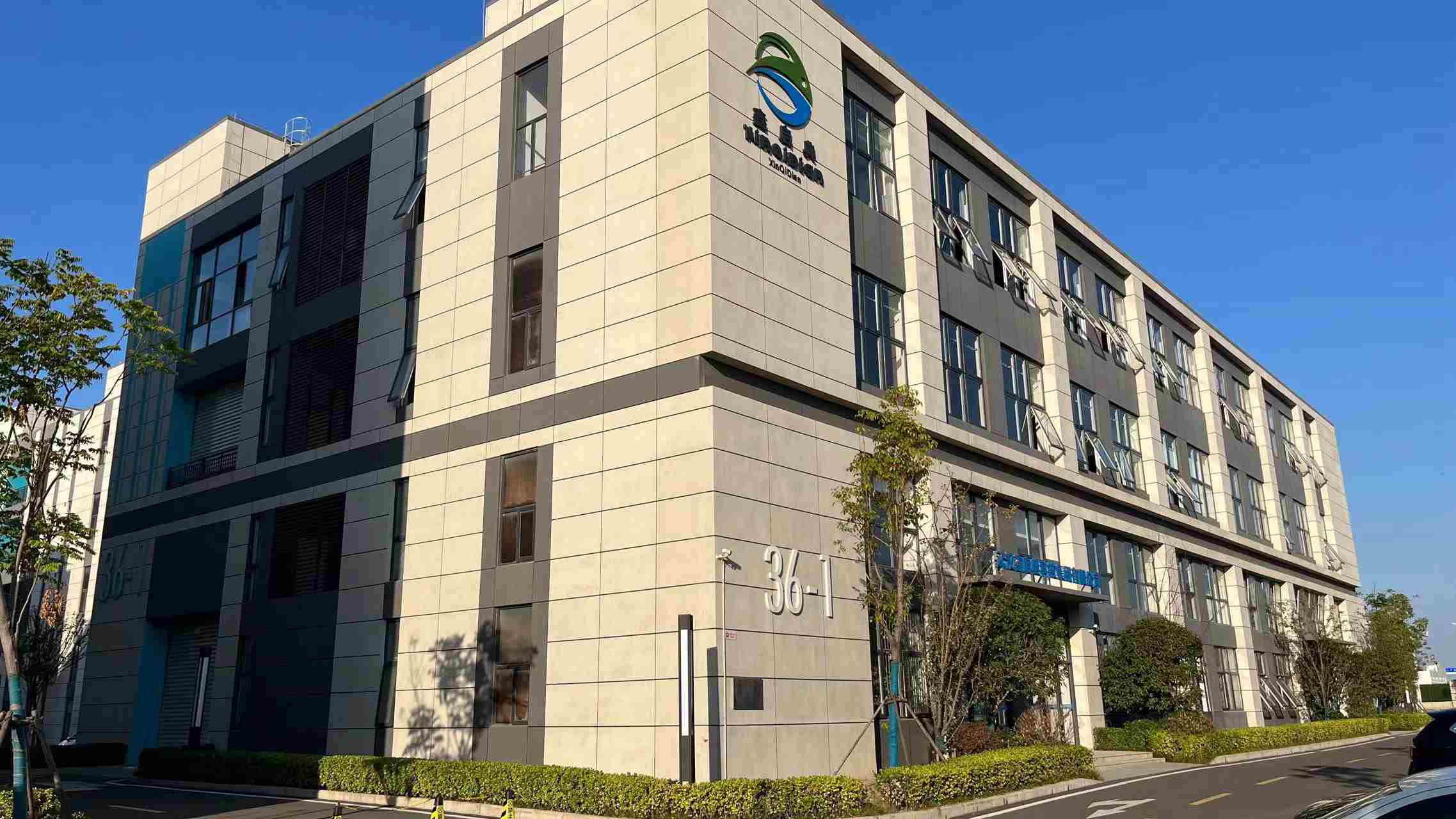
Established in 2016, NexaGPU is a leading manufacturer specializing in high-performance computing infrastructure, custom-built memory solutions, and AI GPU cluster configurations. With 11 years of deep industry experience and 6 years of export expertise, we navigate the complex compliance, customs, and shipping corridors connecting China directly to the Middle East.

USD 12M
Annual Export Revenue
120+
R&D Engineers
45
QA/QC Specialists
850+
Supply Chain Partners

Quality Control & Extreme Temperature Simulation

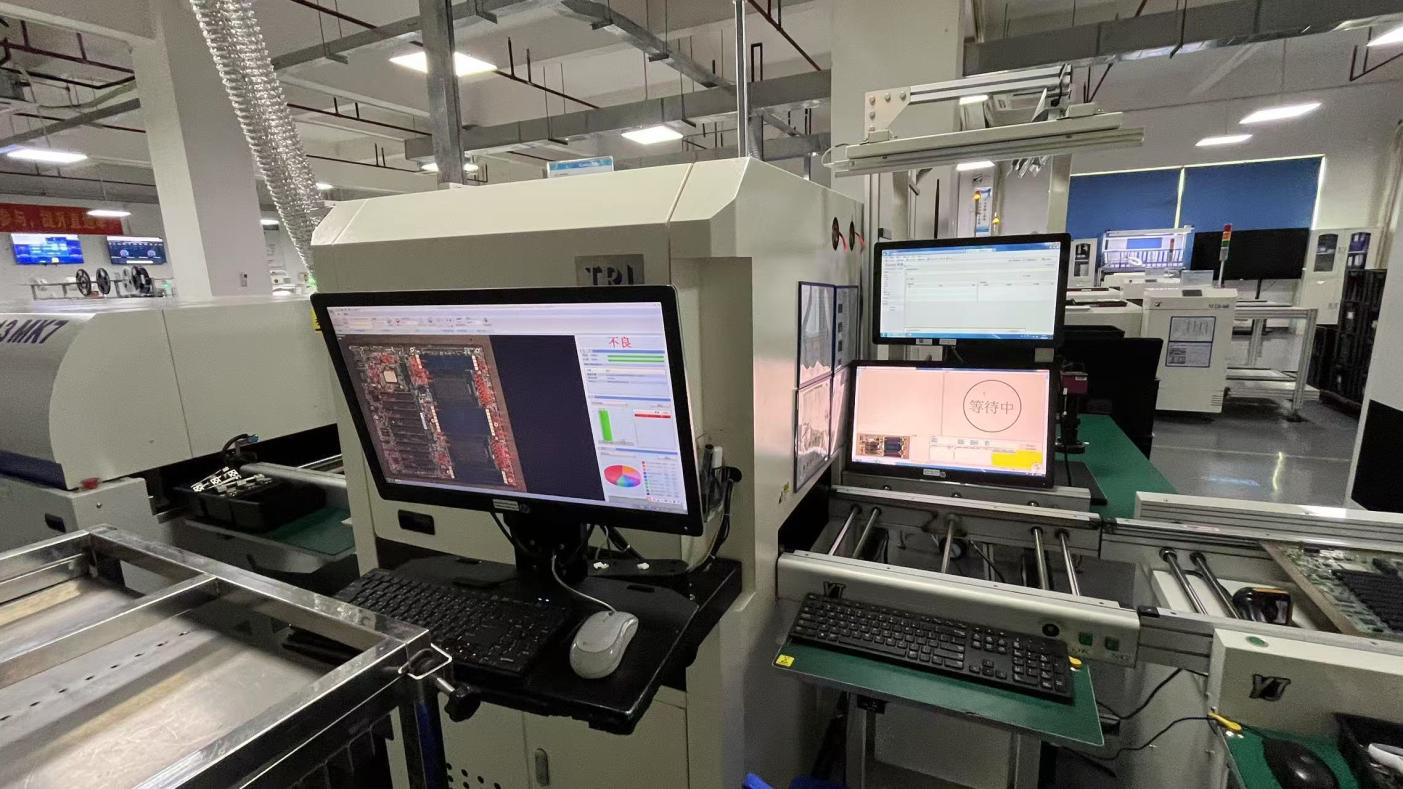
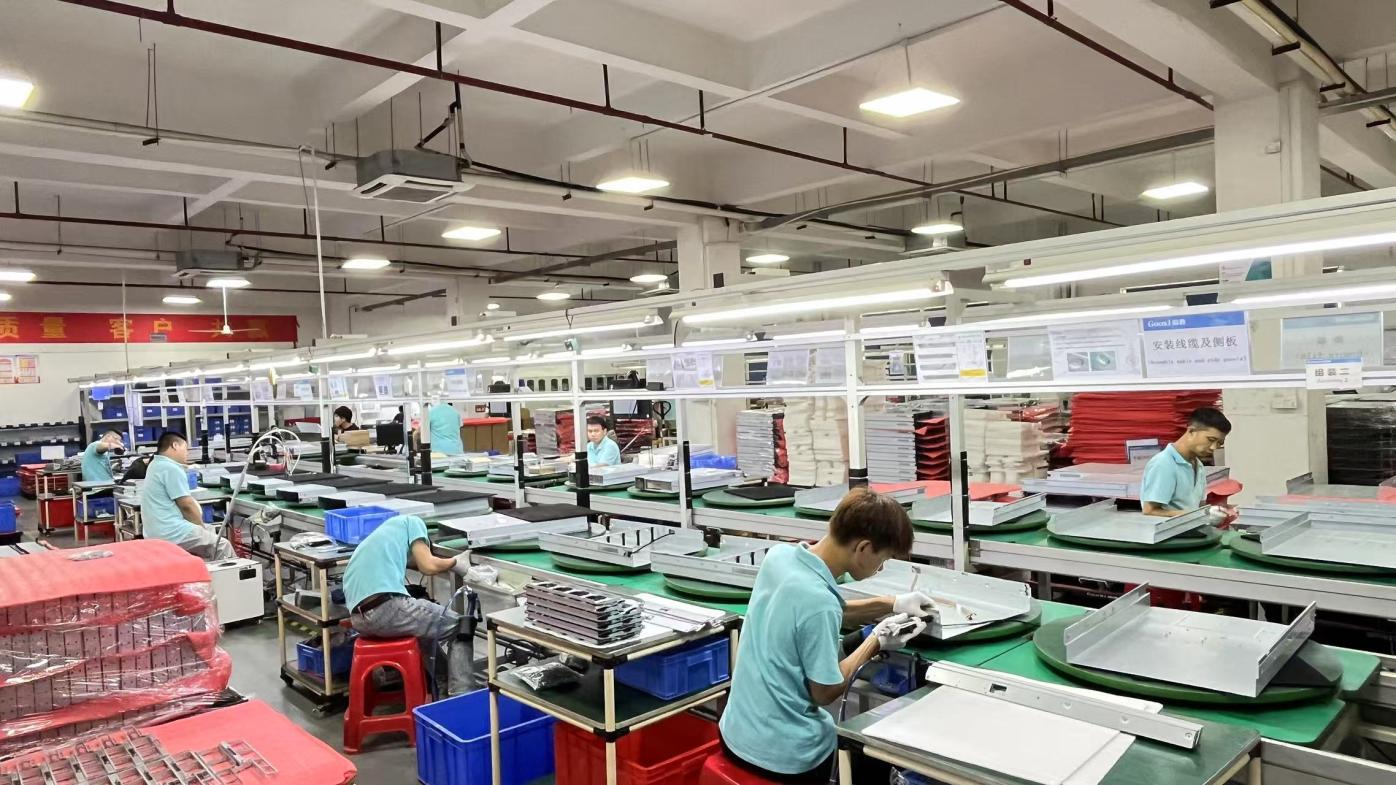
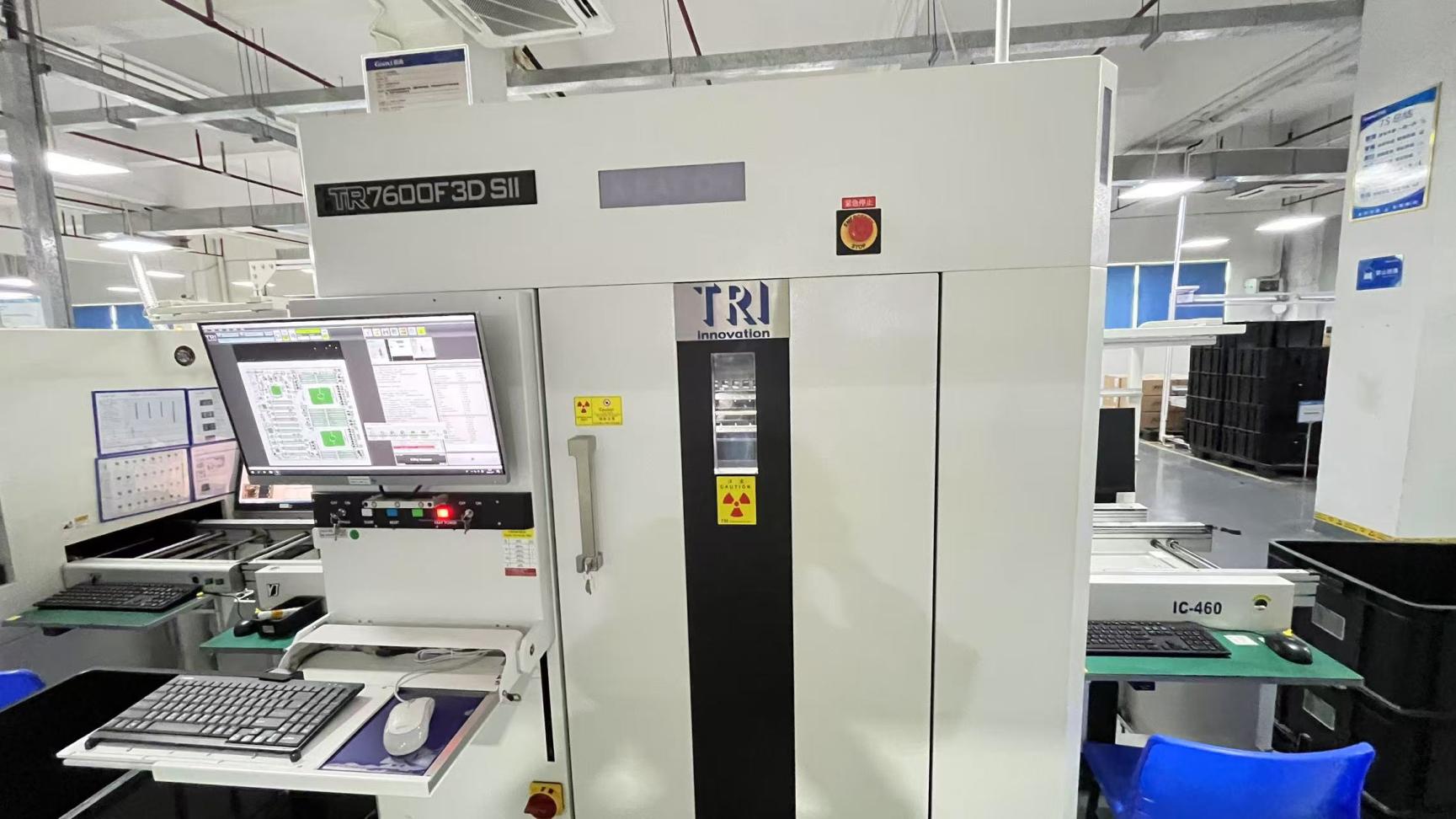
Given Oman's local climate, we conduct thorough multi-phase stress testing. Every batch of RAM modules undergoes high-temperature burn-in tests at up to 70°C, alongside system-level validation on HPE, Dell, and xFusion motherboards.

Our 120 R&D engineers continuously refine PCB trace layouts, optimizing memory signal pathways to resist electrical noise and prevent transmission errors under heavy workloads.
Seamless Oman Logistics, Customs, & Regional Compliance

Importing enterprise-level networking and hardware into the Sultanate requires strict adherence to localized guidelines set by Oman's Royal Oman Police Customs division and the Ministry of Transport, Communications and Information Technology. NexaGPU simplifies this pipeline:
  • SABER & G-Mark Certifications: We provide full conformity assessments and certified documentation to prevent clearing delays at Muscat International Airport (MCT) and Port of Salalah.
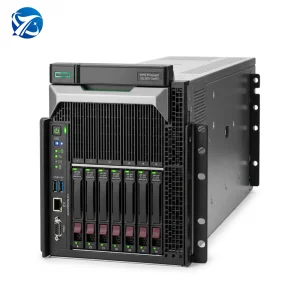
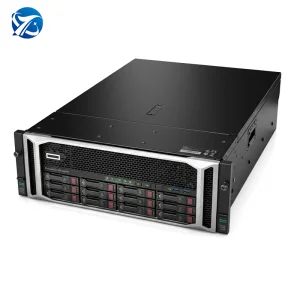
  • Hardware Compatibility Assurance: Our technical team assists your local systems integrators in matching exact server models (HPE ProLiant, xFusion, H3C) with their corresponding DDR4 or DDR5 specifications.
  • Comprehensive Warranty Support: NexaGPU offers extended, multi-year warranties on all memory modules and barebone server systems, complete with rapid replacement support to minimize downtime.

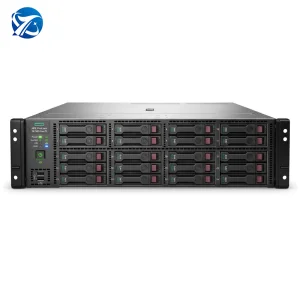
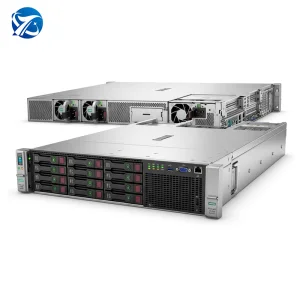
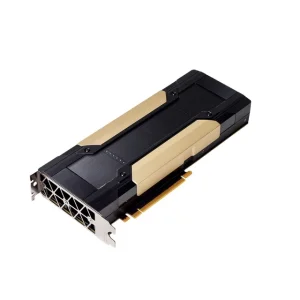
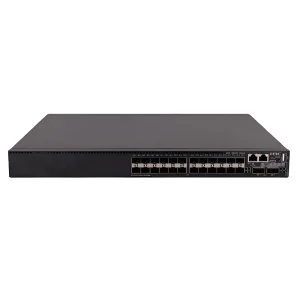
Compatible Enterprise Systems & Infrastructure Accessories

Frequently Asked Questions & Technical Clarifications

Q1: What is the main structural difference between RDIMMs and standard desktop RAM?
RDIMMs (Registered DIMMs) incorporate a register chip that buffers the control, command, and address lines. This isolates the system's memory controller from the electrical load of the RAM chips, enabling a higher number of dual-inline memory modules to operate stably per channel. Standard desktop RAM (UDIMM) lacks this buffer, limiting maximum system memory capacities and preventing the use of advanced hardware ECC configurations.
Q2: How does NexaGPU test its server memory for the extreme ambient heat in Oman?
We operate simulated environment chambers that test components at sustained elevated temperatures (up to 70°C). This process ensures that refresh cycles (tREFI) remain stable and that the thermal conductive materials of our heatsinks effectively dissipate heat, protecting against thermal throttling in servers running within Middle Eastern data centers.
Q3: Are these memory modules compatible with HPE ProLiant Gen11 and xFusion servers?
Yes. Our DDR4 and DDR5 RDIMMs are engineered to comply strictly with JEDEC and industry-standard BIOS profiles. We perform validation testing across major server platforms, including HPE ProLiant Gen10/Gen11, Dell PowerEdge, H3C, and xFusion systems, ensuring compatibility and seamless plug-and-play installation.
Q4: What are the shipping times and import requirements for Muscat, Oman?
Typical shipping times from our Chinese manufacturing facility to Muscat range between 5 to 9 business days via express air freight (DHL/FedEx). We handle all necessary commercial invoicing, HS coding for telecom equipment, and conformity documents to ensure smooth customs clearance through the Royal Oman Police portal.
Q5: Can I mix different memory capacities (e.g., 16GB and 32GB) in the same server?
While it is technically possible on some modern systems if you balance channels symmetrically, we highly advise against it. Mixing capacities or ranks (e.g., mixing single-rank with dual-rank) can force the memory controller to run at lower speeds or cause system instability. For optimal performance, we recommend using identical capacity, speed, and rank configurations across all active channels.

Ready to Scale Your Omani Digital Infrastructure?

Consult with our engineering team today. Get direct-factory pricing, thermal-compatibility validation, and custom packaging solutions tailored to your data center requirements.

Send Inquiry Now