 NexaGPU
NexaGPU
NexaGPU
Robust enterprise infrastructure deployed globally, now optimized for high-temperature and unstable power environments in Central Africa.
Analyzing the macroeconomic indicators, telecommunication expansion, and challenges shaping the network hardware procurement in CAR.
The Central African Republic's digital landscape is undergoing a structural paradigm shift, driven by major international initiatives such as the World Bank-funded Central African Backbone (CAB) project. By connecting Bangui to fiber optic links originating in neighboring Cameroon and the Republic of the Congo, the country is transitioning from slow, costly satellite communications (VSAT) to high-speed landline broadband.
This transformation requires carrier-grade Layer 3 routing switches capable of aggregating bandwidth at regional boundaries, managing traffic with ultra-low latency, and interfacing with diverse optical transceivers. Heavy mining facilities, NGOs, and municipal agencies in CAR are actively updating their local networks to ingest this newly available trunk fiber capacity.
Hardware failure is one of the highest expenses for IT operations in Central Africa. In Bangui and the rural provinces, the power grid experiences frequent voltage drops, surges, and blackouts. Furthermore, environmental dust, high ambient temperatures, and humidity index levels accelerate component degradation.
To achieve reliable uptimes, procurement teams must select hardware with exceptional thermal management (up to 45°C continuous operating temperatures), power supply redundancies (dual hot-swappable AC/DC PSUs), and active air filtration. Off-the-shelf commercial switches fail prematurely in these environments, driving the demand for specialized industrial-grade or hardened enterprise equipment.
These hardware modules provide the physical backbone for CAR industrial operations, telecommunication centers, and mission-critical enterprise systems.
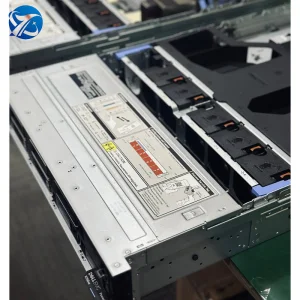
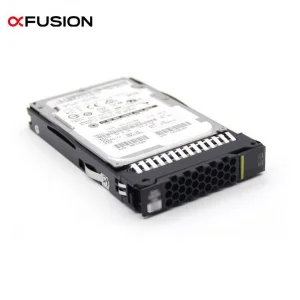
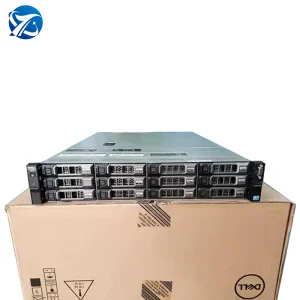
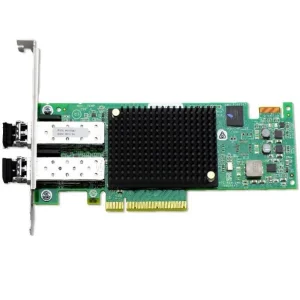
Empowering Central African industries, mining concessions, and telecom carriers with resilient network architectures built for long-term scalability.
Concessions located in remote areas like Bria or Ndassima require independent, localized, and ultra-reliable communications. Our solutions integrate Industrial Ethernet switches that connect machinery, telemetry sensors, and local video surveillance systems to private VSAT and point-to-point microwave links.
Public sectors in Bangui require secure, centralized, multi-agency networks. Transitioning to e-governance demands high-security Layer 3 core routing systems that prevent unauthorized access and prioritize critical administrative data traffic.
With the Central African Backbone expanding, local Internet Service Providers (ISPs) need core switches that support dense optical transceivers and offer line-rate packet forwarding to handle increasing consumer demand.
How NexaGPU's production capabilities and strict quality assurance pipelines guarantee hardware reliability for challenging global markets.
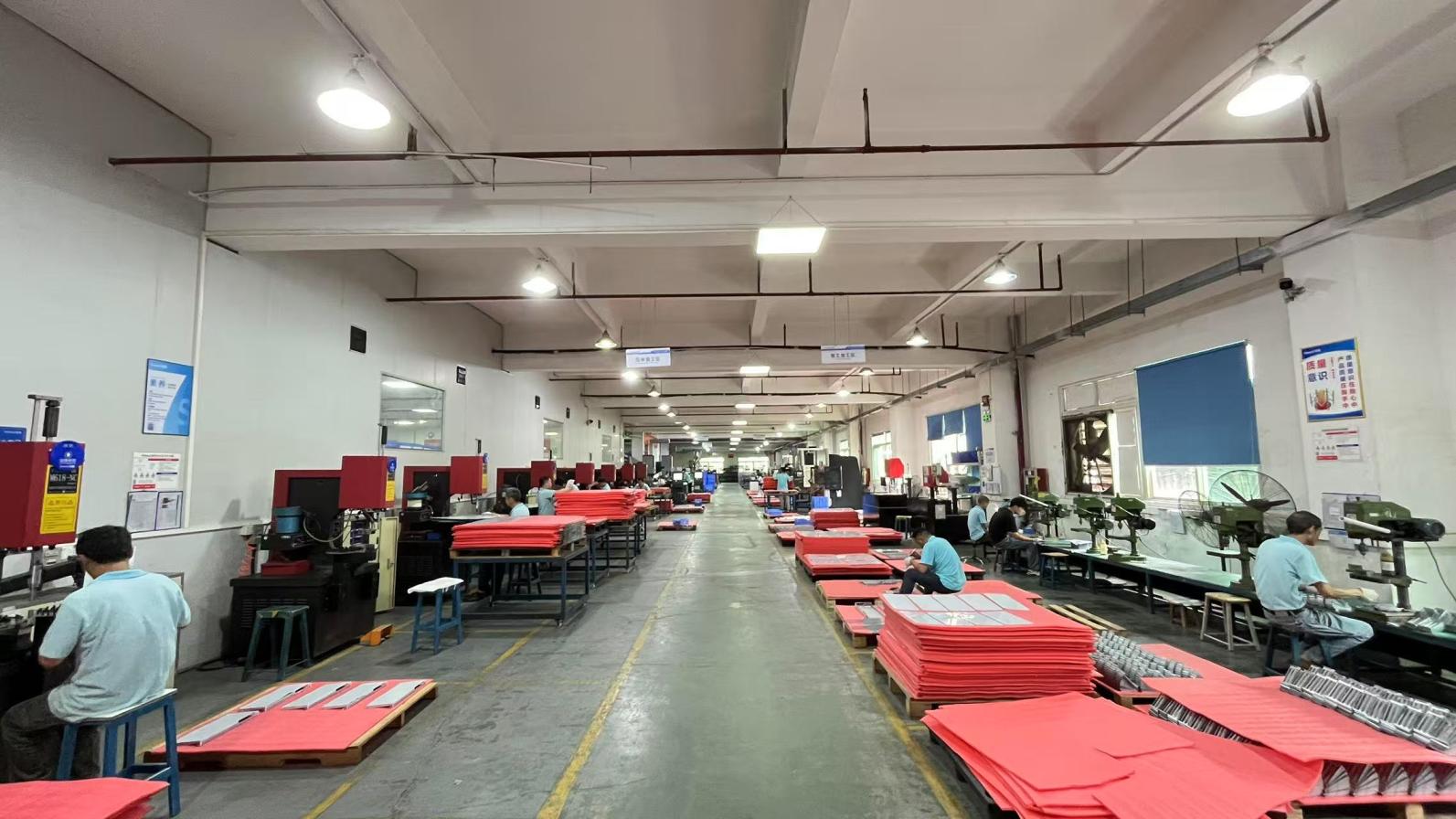
Established in 2016, NexaGPU is a leading AI GPU server and high-performance networking infrastructure provider. With 11 years of industry experience and 6 years of export expertise, we develop high-availability hardware designed to perform under demanding conditions.
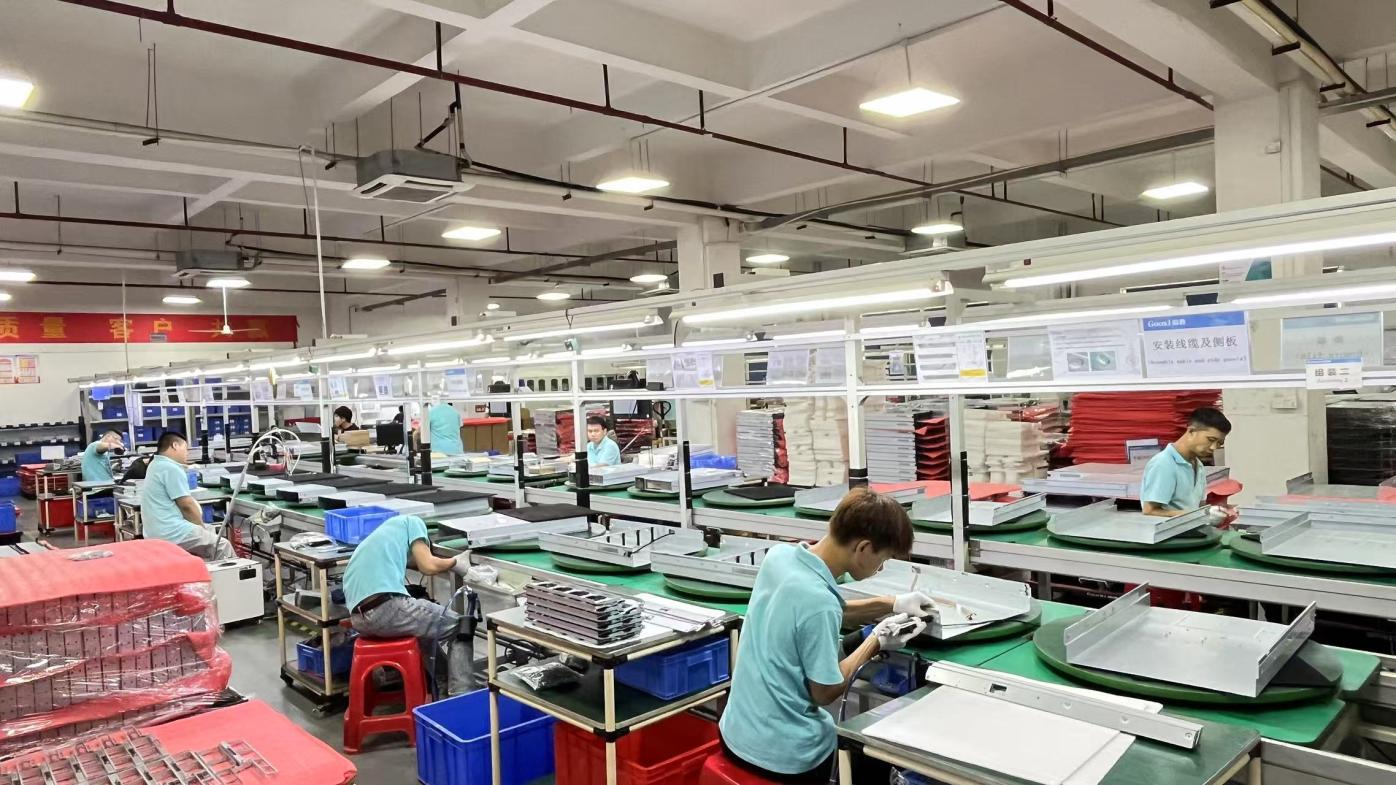
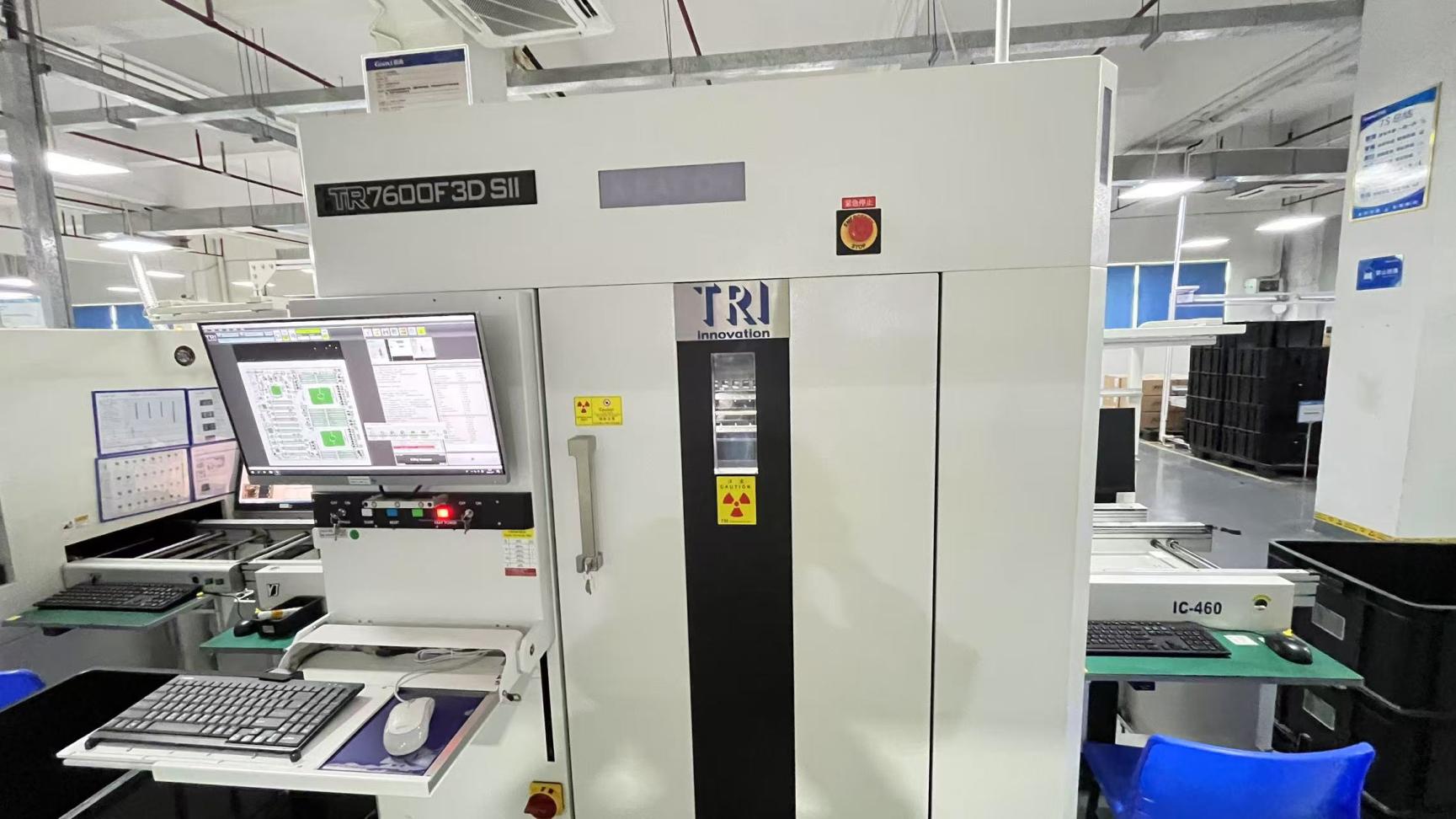
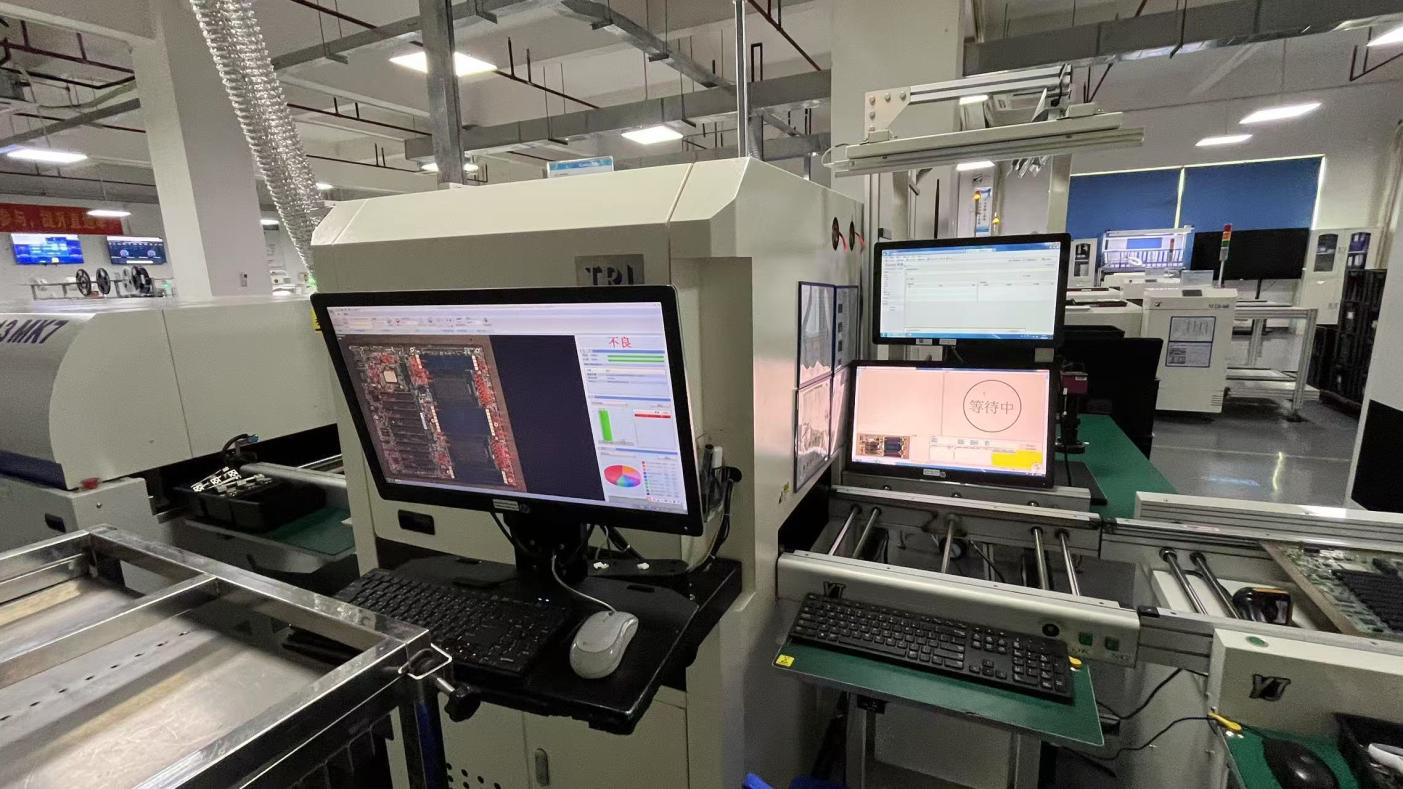
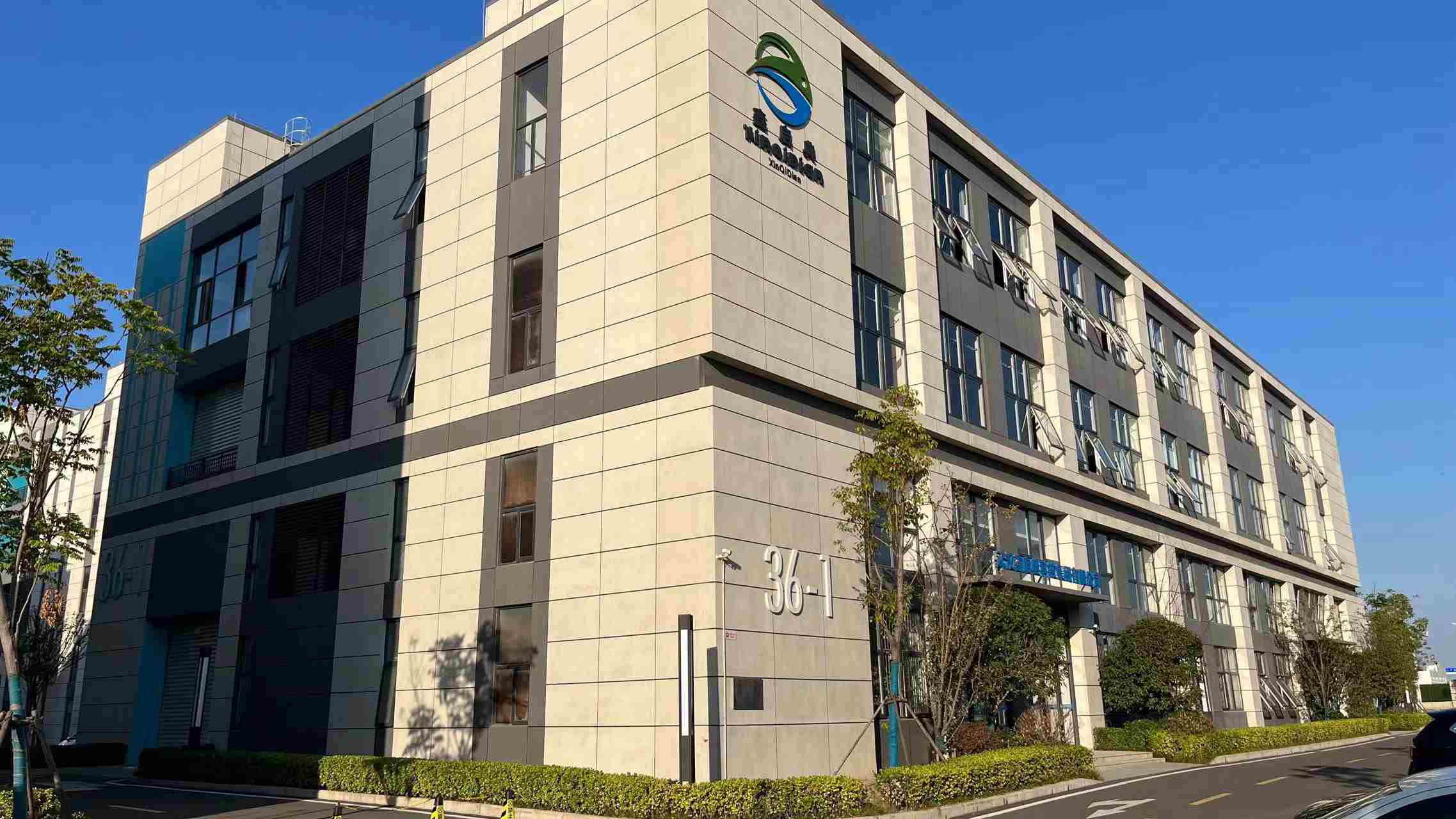
Our advanced engineering validation facility, spanning a dedicated 320㎡ building area, is optimized for hardware integration, testing, and stress-validation. Supported by a robust network of over 850 supply chain partners, we source tier-one capacitors, dual-layer motherboards, and optimized cooling blocks to manufacture hardware that resists extreme electrical noise and high-dust environments.
Our team of 120 R&D engineers continuously tests and launches new architectures, successfully releasing 85 new product models in the past year alone. This ensures our global clients in Africa, the Middle East, and Europe have access to the latest breakthroughs in high-efficiency hardware.
Strategic advice for African procurement officers, government buyers, and multinational mining corporations.
Importing networking equipment into the Central African Republic requires adherence to ARTEC (Agence Régionale des Télécommunications) regulations. We provide certified documentation, HS code categorization, and compliant custom invoices to prevent transit delays at Bangui M'Poko International Airport or Douala Port (Cameroon transit corridor).
When ordering, clients can specify regional configuration profiles:
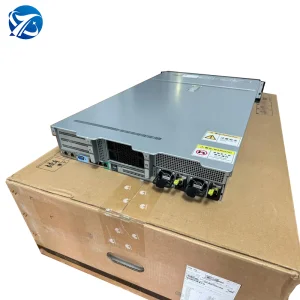
For remote locations, we design modular packaging solutions. Heavy rack gear is enclosed in shock-absorbing cases, and critical spare modules (such as hot-swap fans and spare power supplies) are bundled in the original shipment to minimize downtime.
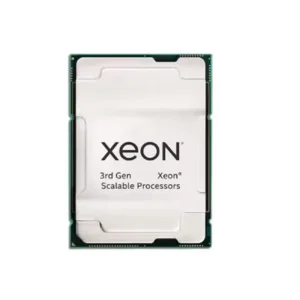
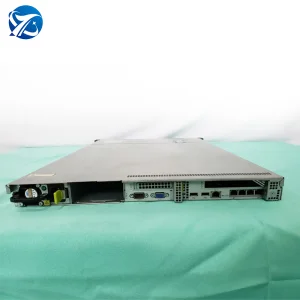
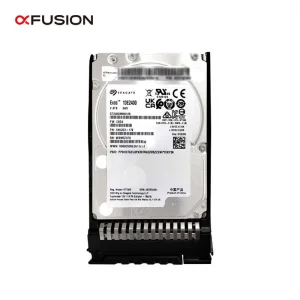
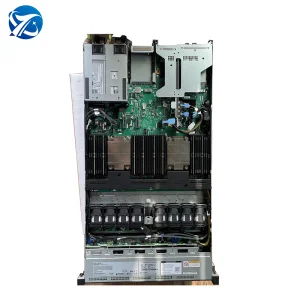
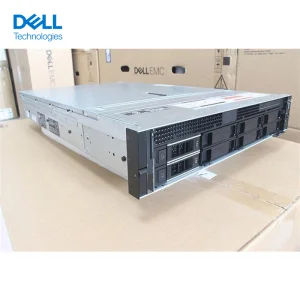
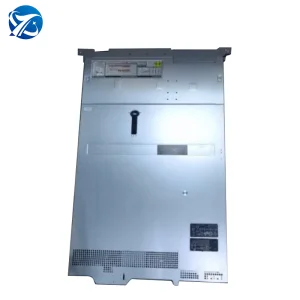
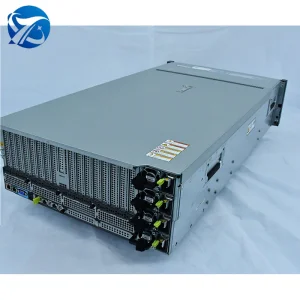
Our comprehensive selection of processing, storage, and connectivity hardware built to support mission-critical enterprise systems.

Addressing the main technical and logistical questions faced by IT planners in the CAR region.
Our enterprise and industrial switches are equipped with wide-voltage tolerance power supplies (supporting 90V to 264V AC input fluctuations) and support dual hot-swappable AC/DC power configuration modes. In the event of a power supply phase failure, the system transitions to the secondary source within milliseconds, avoiding packet loss. We recommend utilizing dedicated Online Double-Conversion UPS systems alongside our redundant power modules for complete security.
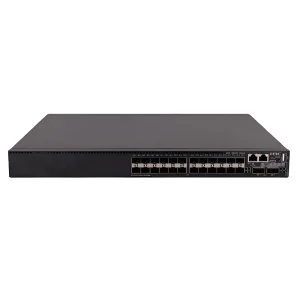
The CAB project utilizes Single-Mode Fiber (SMF) for regional backhaul over long distances. Our switches, such as the H3C S6520X-30QC-EI, support LC-duplex Single-Mode optical modules (10GBASE-LR, 10GBASE-ER, and 10GBASE-ZR) capable of spanning distances from 10km up to 80km without external signal amplification.
Given the remote nature of sites in CAR, we offer customizable SLA plans. This includes supplying a pre-packaged "Spare Kit" containing replacement power units, fans, and transceiver cards along with the primary hardware. We also provide remote engineer support (L2/L3) to guide local technicians through swaps and config restorations.
Yes. Our network switches conform to standard IEEE protocols (such as 802.1Q VLAN trunking, 802.1s MSTP, LACP for link aggregation, and OSPF/BGP dynamic routing). They are fully compatible with external enterprise equipment from major vendors, allowing for integration into mixed-brand data centers.
We offer FOB China ports, CIF Douala (Cameroon), or CIP Bangui (via air freight). Air cargo shipments typically arrive at Bangui M'Poko International Airport within 7 to 12 business days following final QA inspection. Ocean routes via Douala followed by land transit take approximately 45 to 60 days.