NexaGPU
NexaGPU
NexaGPU
Pre-validated core optical switches and multi-socket high-performance servers configured for low-latency routing and dense virtualization workloads.
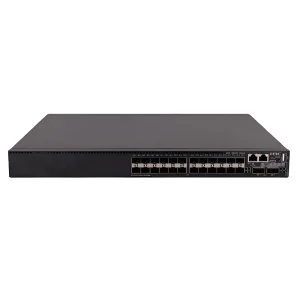

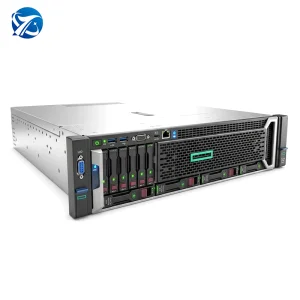
Brazil is experiencing an unprecedented boom in data center capacity, telecom upgrades, and enterprise modernization. Driven by nationwide 5G rollouts, the explosion of real-time financial payments (such as Pix), and strict data residency policies governed by the LGPD (Lei Geral de Proteção de Dados), the demand for high-capacity, low-latency network switch systems has escalated sharply. The main technology corridors of São Paulo, Barueri, Campinas, and Rio de Janeiro, alongside northern subsea cable hubs like Fortaleza, require resilient network backbones capable of processing Terabits of throughput.
As a seasoned network infrastructure factory and system integrator, we supply carrier-grade switches and hardware servers tailored to meet Brazil’s unique environmental and regulatory conditions. From ANATEL-compliant optical modules to high-efficiency cooling architectures designed to operate in warm tropical climates, our solutions ensure optimal performance and operational longevity.
Modern high-performance networks are transitioning from traditional three-tier structures to Leaf-Spine topologies. This shifting paradigm minimizes latency by ensuring any server-to-server communication is no more than two hops away. Our Layer 3 core switches support non-blocking line-rate forwarding and deep buffer structures to prevent packet loss during intense traffic spikes.
Furthermore, the rapid rise of distributed AI clusters requires RDMA over Converged Ethernet (RoCEv2) capabilities. This allows GPU-to-GPU data transmission over standard optical ethernet switches without CPU intervention, reducing training and inference latency across deep learning clusters.
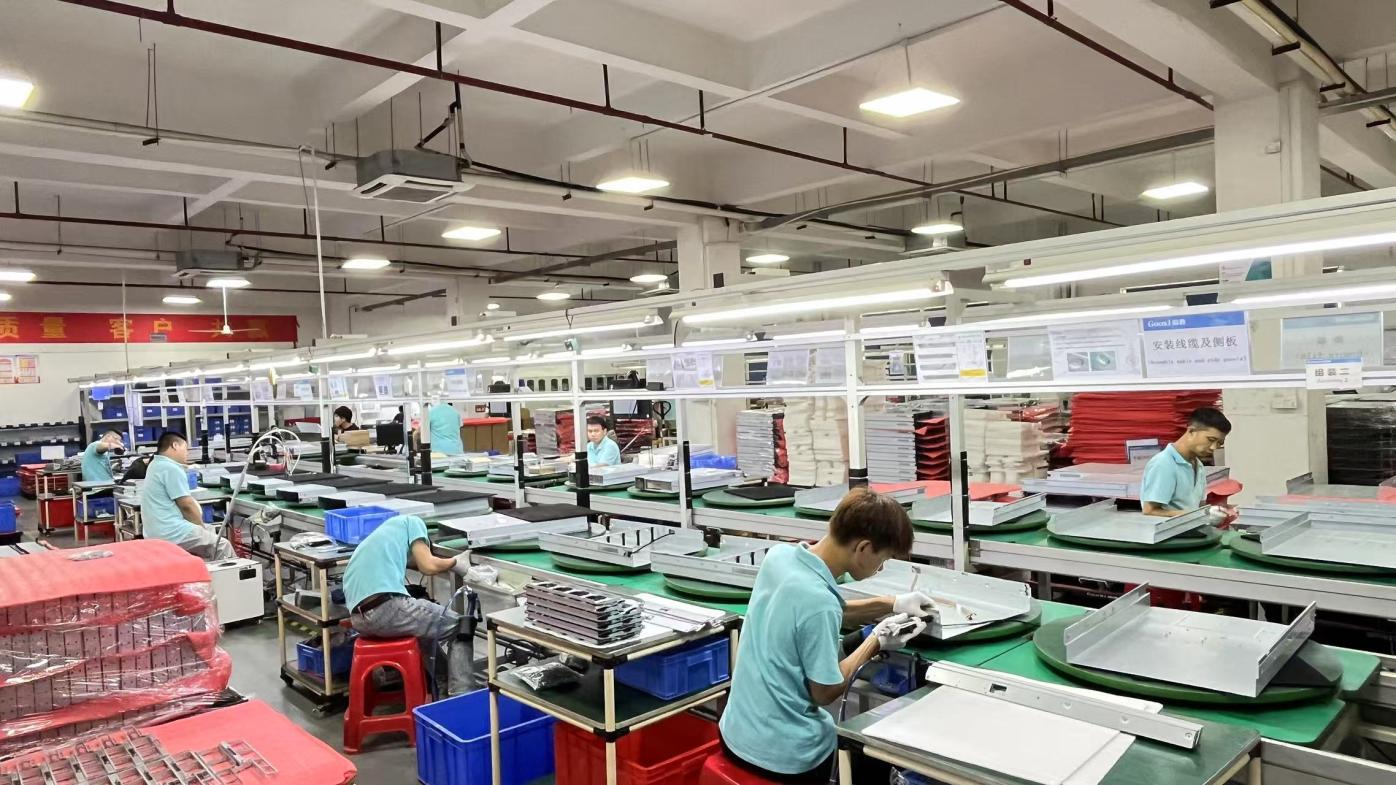
Empowering Latin American enterprises with industry-leading hardware production, rigorous testing protocols, and robust logistics infrastructure.
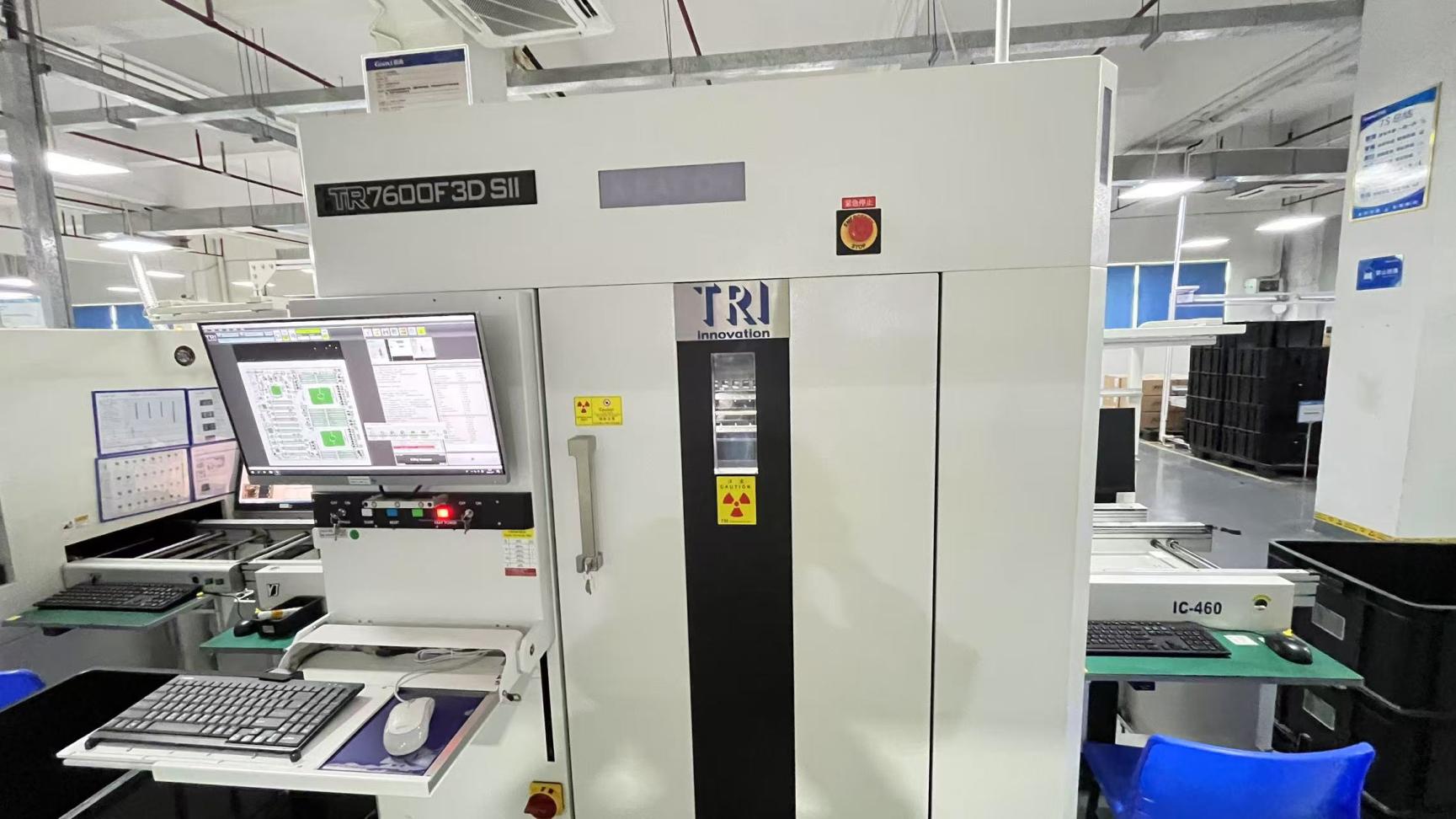
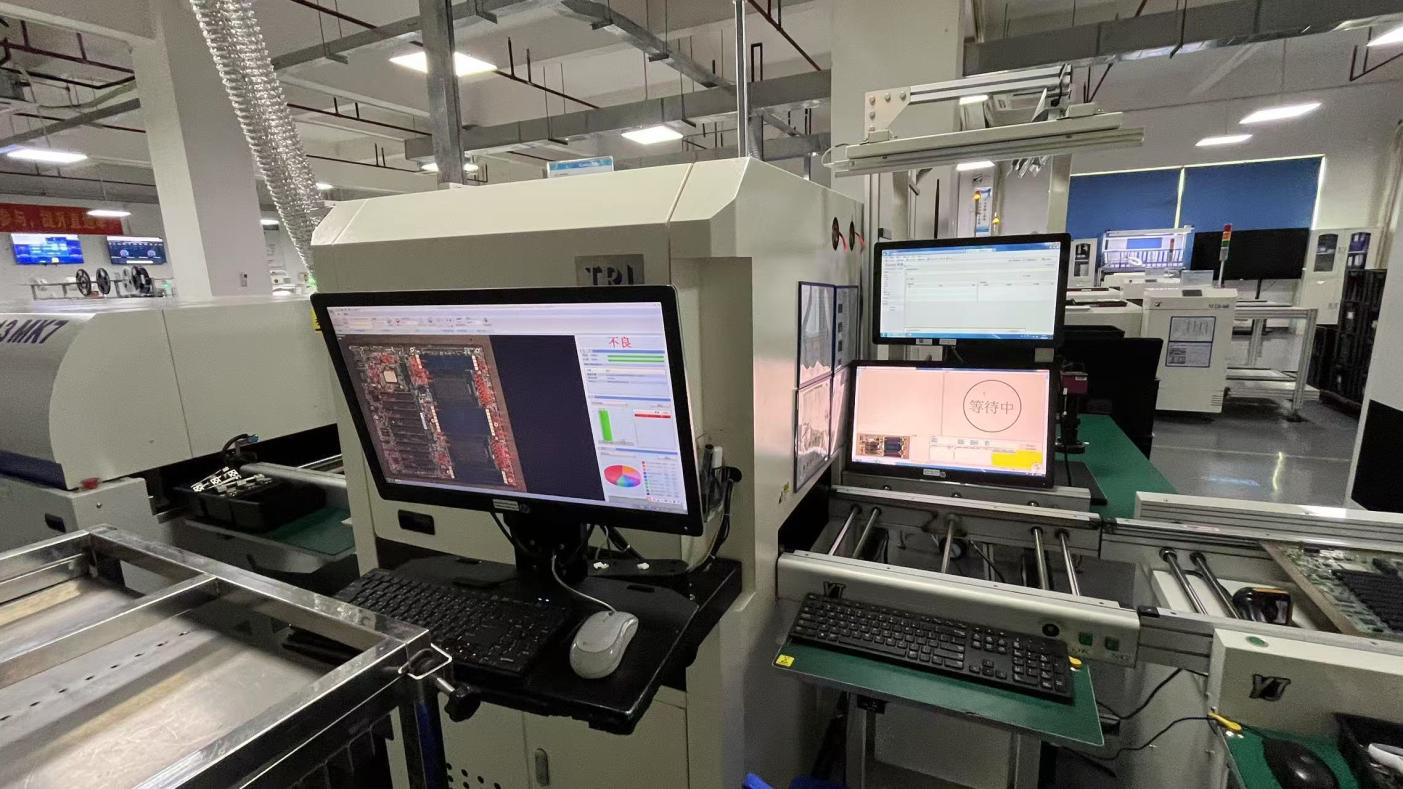
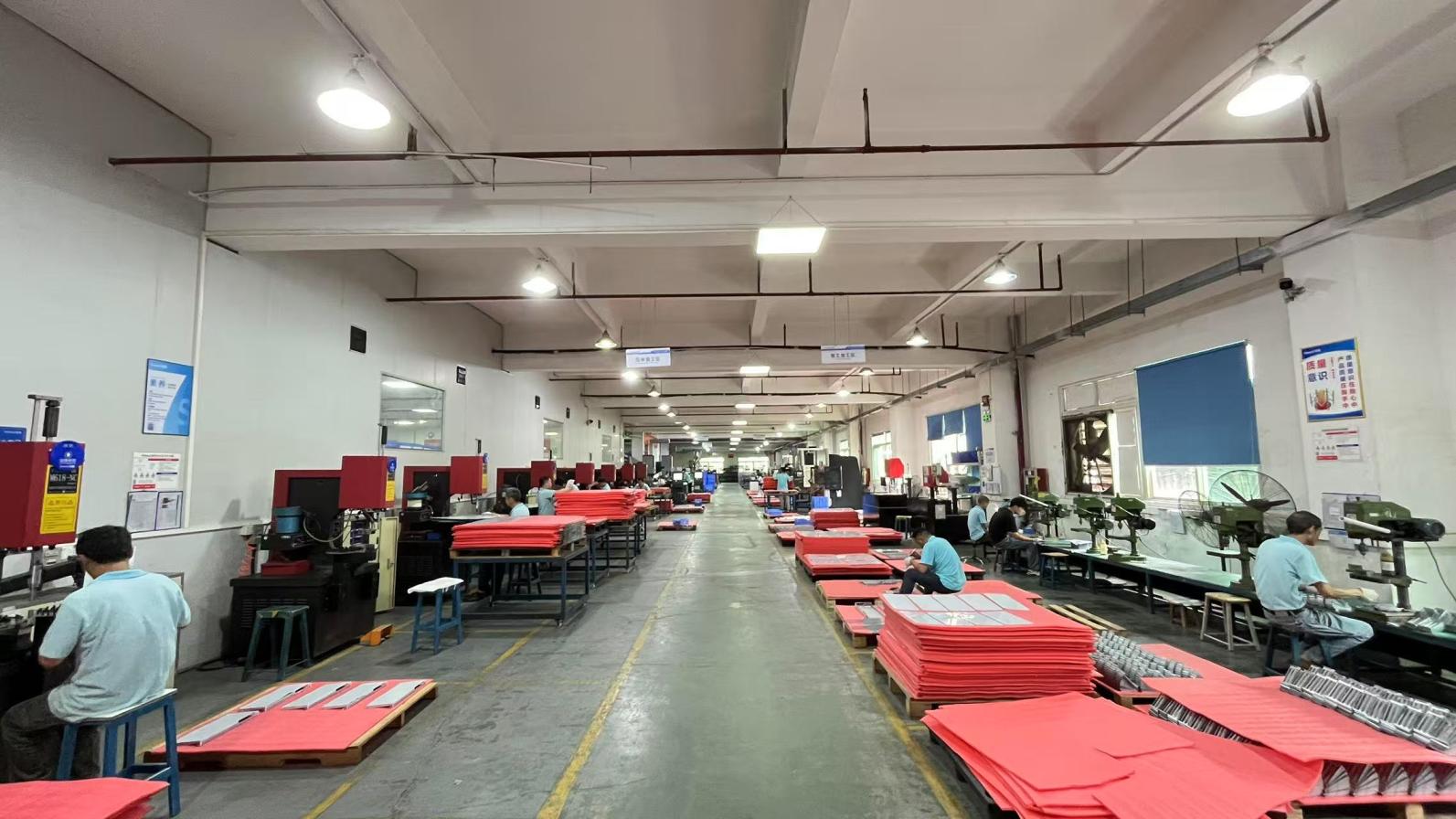
NexaGPU is a professional AI computing and network infrastructure manufacturer specializing in high-performance computing, L2/L3 switch integration, and customized enterprise hardware solutions. Established in 2016, we have expanded to become a trusted global OEM/ODM manufacturer with 11 years of deep industry expertise. Operating from a modern manufacturing, integration, and testing facility, we maintain a comprehensive multi-stage quality assurance process.
Our quality control workflow includes hardware stress testing, high-temperature environmental baking (crucial for Latin American climates), signal integrity diagnostics, and firmware validation. With over 850 strategic supply chain partners worldwide, we guarantee component availability, fast production turnaround times, and stable supply lines even in volatile market phases.
With 120 dedicated R&D engineers, we specialize in high-density optical routing, custom port configurations, and thermal dissipation systems. In the past year alone, we launched 85 new product designs across networking, storage, and accelerated compute nodes. This rapid adaptation loop allows us to configure networking hardware to match specific local demands, including dual hot-swappable AC/DC power modules, custom firmware profiles, and specialized mounting rail kits for Brazilian datacenter standard racks.

A granular look at high-throughput networking frameworks, switching fabrics, and server integration protocols.
In modern enterprise networks, the core switch acts as the central transport hub. By deploying all-optical layer 3 designs like the H3C S6520X-30QC-EI series, network architects achieve sub-microsecond latency and massive backplane bandwidth. These devices support static routing, OSPF, BGP, and RIP protocols, allowing dynamic path selection across complex multi-branch systems. Crucially, they enable EVPN-VXLAN overlay architectures, which abstract physical networks into flexible virtual overlays, isolating multi-tenant datacenters and ensuring secure traffic segmentation.
Our network switches feature high-speed SFP28 (25G) and QSFP28 (100G) ports, permitting modular scaling. As Brazilian network traffic spikes due to 5G density, upgrading the backbone from 10G to 100G requires only simple transceiver replacements, protecting the client's initial capital expenditure.
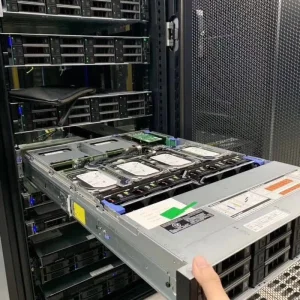
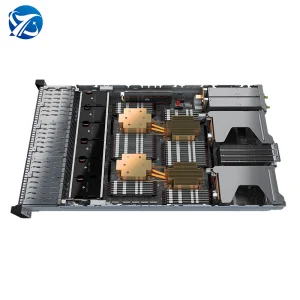
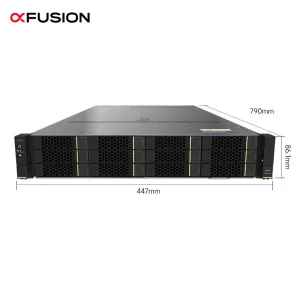
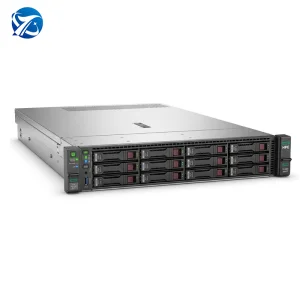
For high-performance server clusters, standard networking switches can introduce significant latency and jitter. Integrating solutions like the HPE ProLiant Gen12 and Dell PowerEdge R760XS requires dedicated network configurations. We design custom network fabrics using high-bandwidth Ethernet switches with RoCEv2 (RDMA over Converged Ethernet) support. This configuration permits servers to access remote memory directly, providing the throughput needed for advanced storage arrays and parallel GPU compute environments.
How our custom-tailored network switch and server architectures drive growth in Brazil's most critical economic sectors.
Supplying regional ISPs in states like Minas Gerais, Paraná, and Bahia with affordable, resilient 10G/40G/100G optical aggregation switches to expand fiber-to-the-home (FTTH) networks and decrease dependence on expensive localized monopolies.
Deploying rugged, dust-resistant network nodes in Mato Grosso and Rio Grande do Sul. These switches coordinate real-time IoT sensor data from smart farm machinery, routing edge data to centralized processing hubs.
Delivering ultra-low latency L3 switches to the financial district of São Paulo. High-frequency trading systems benefit from prioritized packet routing and microsecond-level switching, guaranteeing fast transaction execution.
The global networking landscape is rapidly transitioning toward 400G and 800G optical transport architectures. Silicon Photonics technology is integrating lasers directly onto silicon chips, dramatically reducing the heat profile and energy consumption of transceiver modules. Our R&D team is actively engineering next-generation chassis switches designed to support 800G QSFP-DD ports, ensuring our customers have a future-proof path for high-throughput computing.
Simultaneously, open networking is gaining significant momentum. By separating hardware from software (disaggregation), enterprises can run open-source operating systems like SONiC (Software for Open Networking in the Cloud) on our switches. This breaks vendor lock-in, reduces licensing costs, and allows custom network scripting for automated traffic control.
Importing hardware into Brazil requires navigating complex tax frameworks, including the ICMS, IPI, and local municipal service taxes (ISS). Our established channels streamline this process. We provide comprehensive documentation for ANATEL homologation, ensuring that all switches, network cards, and transceivers satisfy the strict electromagnetic compatibility (EMC) and radio frequency guidelines required by Brazilian national standards.
Technical and logistical insights into importing and deploying high-performance network switch systems in Brazil.
Explore our complete catalog of enterprise hardware, designed to integrate seamlessly with our switch architectures.