NexaGPU
NexaGPU
NexaGPU
Optimized configurations engineered for rapid deployment, critical enterprise workloads, and maximum thermal efficiency in Seoul's technology hubs.
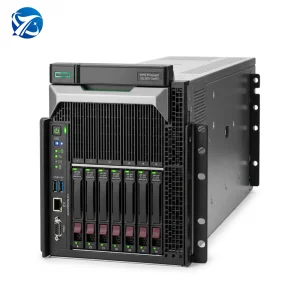
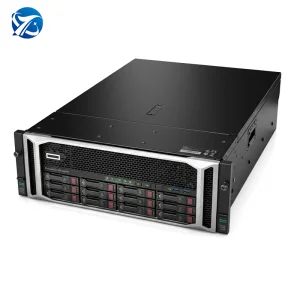
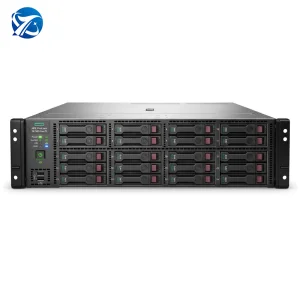
Analyzing the commercial and industrial demand driving the next-generation compute landscape in South Korea's metropolitan region.
The Seoul Metropolitan Area is recognized globally as one of the most hyper-connected urban landscapes, acting as a crucial nerve center for cloud computing, high-frequency financial trading, and artificial intelligence in Northeast Asia. Industrial zones such as the Gasan Digital Complex, Sangam DMC, and the high-tech R&D corridor of Pangyo Techno Valley are generating unprecedented data requirements. With hyper-scale installations hosted by operators like Naver, Kakao, Equinix, and Digital Realty, the demand for enterprise-class hardware—particularly HPE ProLiant servers—has experienced rapid growth.
South Korea’s public and private sectors are executing aggressive structural shifts towards the cloud. Under the national "K-Cloud" initiative, AI research facilities and sovereign cloud networks are demanding hardware that satisfies three local design mandates:
As server manufacturers, NexaGPU delivers customized HPE architectures and high-density GPU computing clusters directly tailored to satisfy these rigorous metropolitan parameters, bridging the gap between global hardware pipelines and South Korea's high-efficiency environments.
Engineered for Reliability, Scalability, and High-Performance Compute Environments Globally.
Established in 2016, NexaGPU is a professional AI GPU server manufacturer and supplier specializing in high-performance computing infrastructure, GPU clusters, and customized enterprise-level platforms. With 6 years of export history and a massive supply network spanning over 850 partners, we ensure that every system—from HPE ProLiant architectures to custom DeepSeek AI pipelines—is engineered to perfection.
How current-generation silicon and enterprise reliability features resolve major infrastructure bottlenecks.
Modern HPE ProLiant Gen12 and Gen11 platforms represent a structural leap in compute density. Featuring the latest Intel Xeon 6 and 4th/5th Gen AMD EPYC processors, these architectures handle massive multithreaded workloads without thermal throttling. Under localized conditions in Seoul's Tier 4 data centers, these processors optimize operations by balancing core frequency and power allocation dynamically, preventing unexpected thermal overheads during Peak Compute Load periods.
AI inference, big-data analytics, and containerized microservices in Seoul’s tech corridors are limited by data bus bottlenecks. HPE ProLiant platforms resolve this through the integration of DDR5 memory and PCIe Gen 5.0 expansion buses. DDR5 offers double the bandwidth of legacy DDR4, and PCIe Gen 5.0 doubles data throughput to accelerators and local NVMe storage arrays. This combination allows local financial systems to achieve ultra-low latency executions during high-traffic trading windows.
Implements hardware-level verification to prevent firmware compromises, protecting financial and municipal networks across Seoul.
Allows high-density NVMe drive arrays to fit within ultra-compact 1U systems, optimizing rack space and cooling efficiency.
Reduces data center PUE and controls operational costs by removing heat directly from the high-wattage CPU/GPU cores.
As server factories adapt to energy-efficient building regulations in South Korea, traditional air cooling is reaching its physical limits. Next-generation HPE servers are built to support closed-loop direct liquid cooling (DLC) and EDSFF high-density form factors. This configuration decreases the energy consumption of cooling fans by up to 40% and keeps the system within optimal thermal ranges, ensuring continuous uptime under continuous workloads.
Tailoring high-performance server architectures to key industrial sectors in the Seoul metropolitan market.
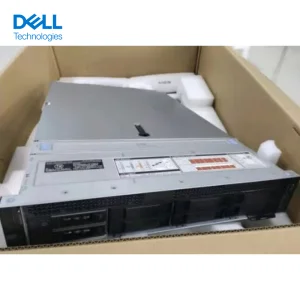
In Yeouido, fractions of a millisecond determine trading profitability. Deploying dual-processor HPE ProLiant DL360 Gen12 servers allows brokerage firms to achieve ultra-low latency executions by leveraging PCIe Gen 5.0 buses, low-latency NVMe arrays, and optimized operating system layers.
For industrial automation and quality control plants, servers must operate reliably in challenging factory floor settings. Custom ruggedized rack setups ensure real-time telemetry processing and Edge AI defect detection without packet dropouts.
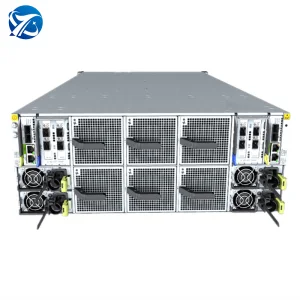
Deploying Large Language Models and deep-learning pipelines requires massive parallel processing. High-density GPU configurations, such as the G5200 V5, deliver the necessary computing power for neural networks, automated driving research, and advanced AI simulations.
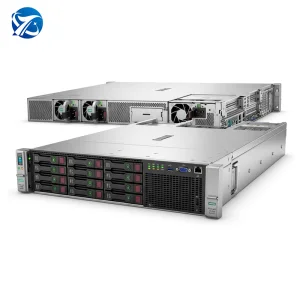
With strict data-privacy regulations, government agencies and local enterprises rely on HPE DL380 Gen11 setups to isolate multi-tenant operations securely, protecting sensitive databases while maximizing hardware utilization rates.
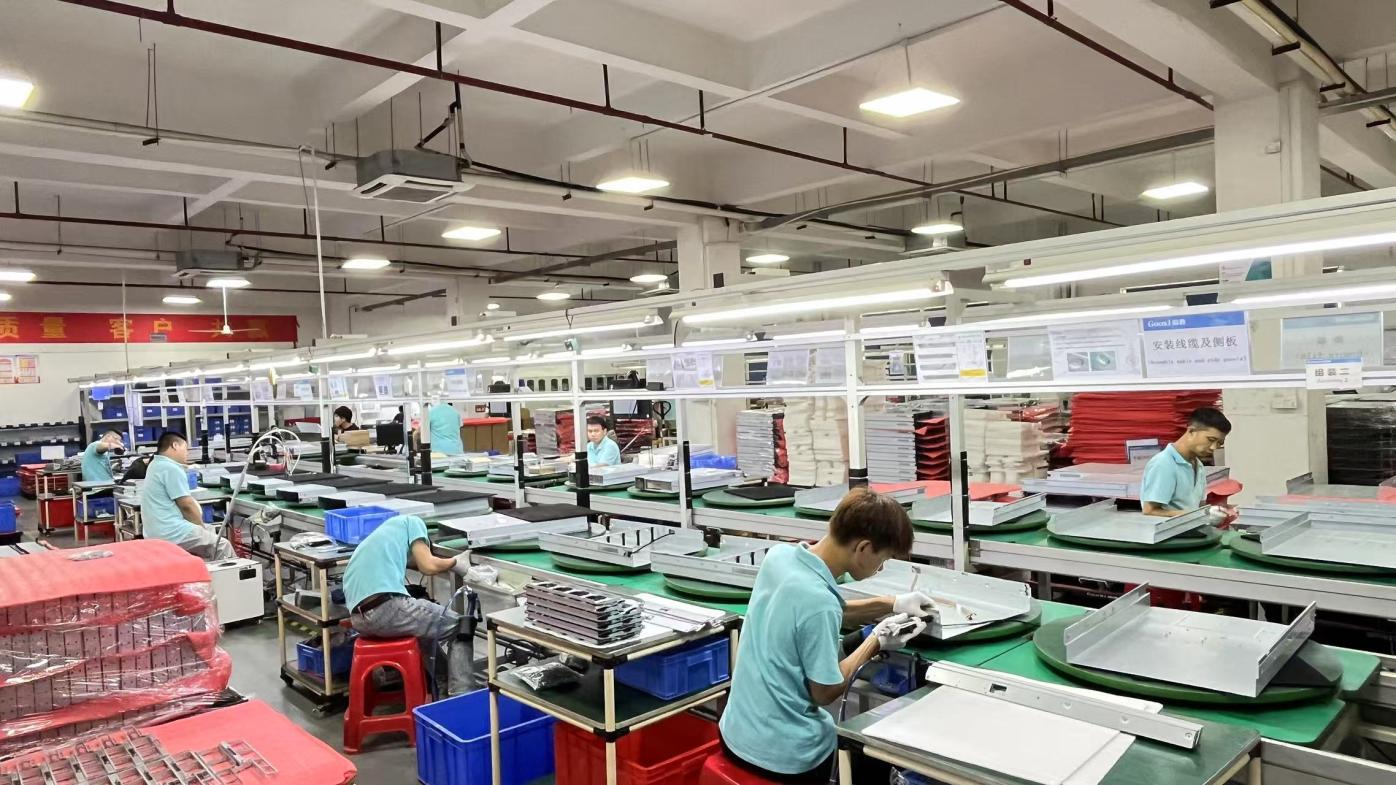
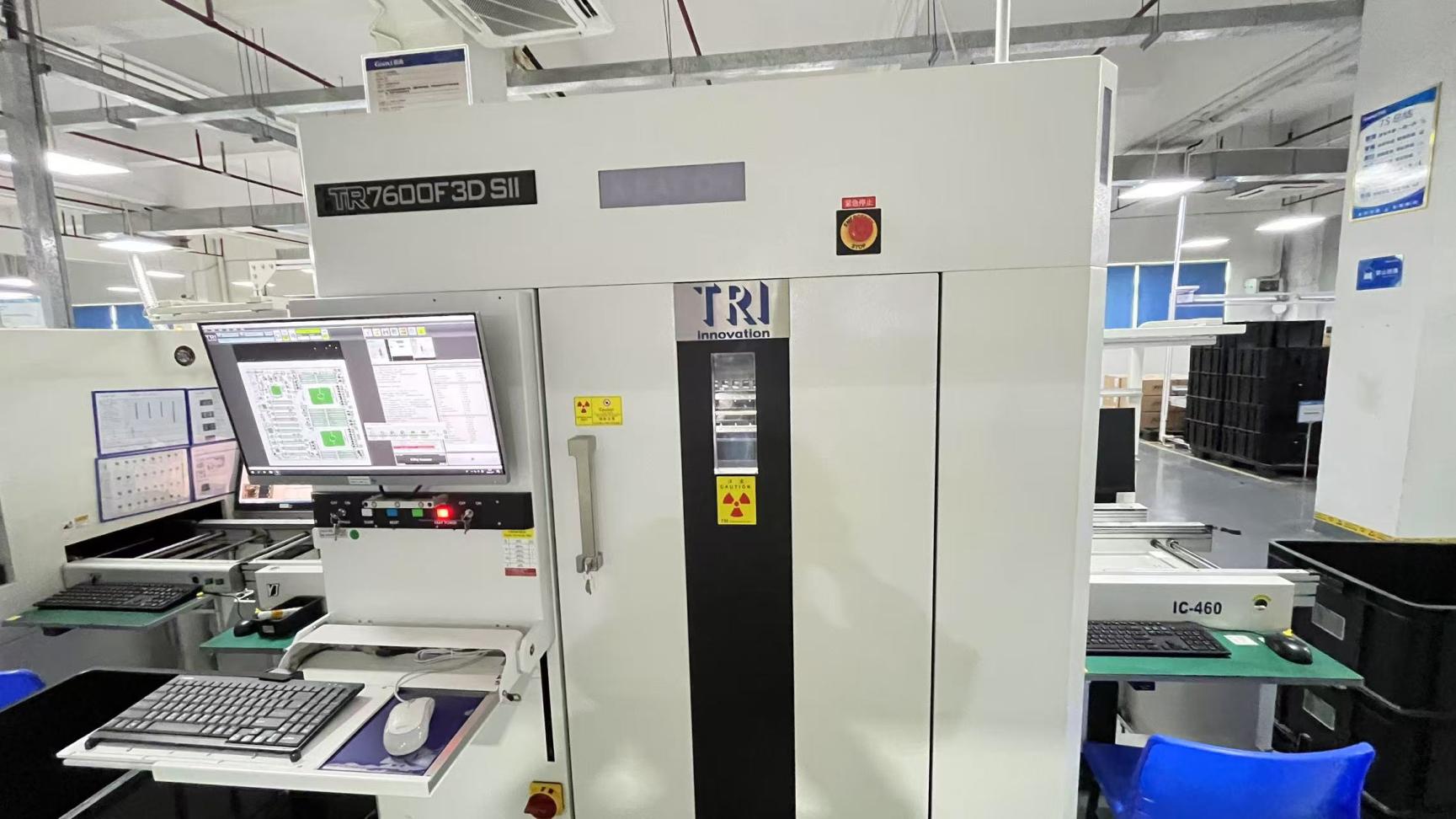
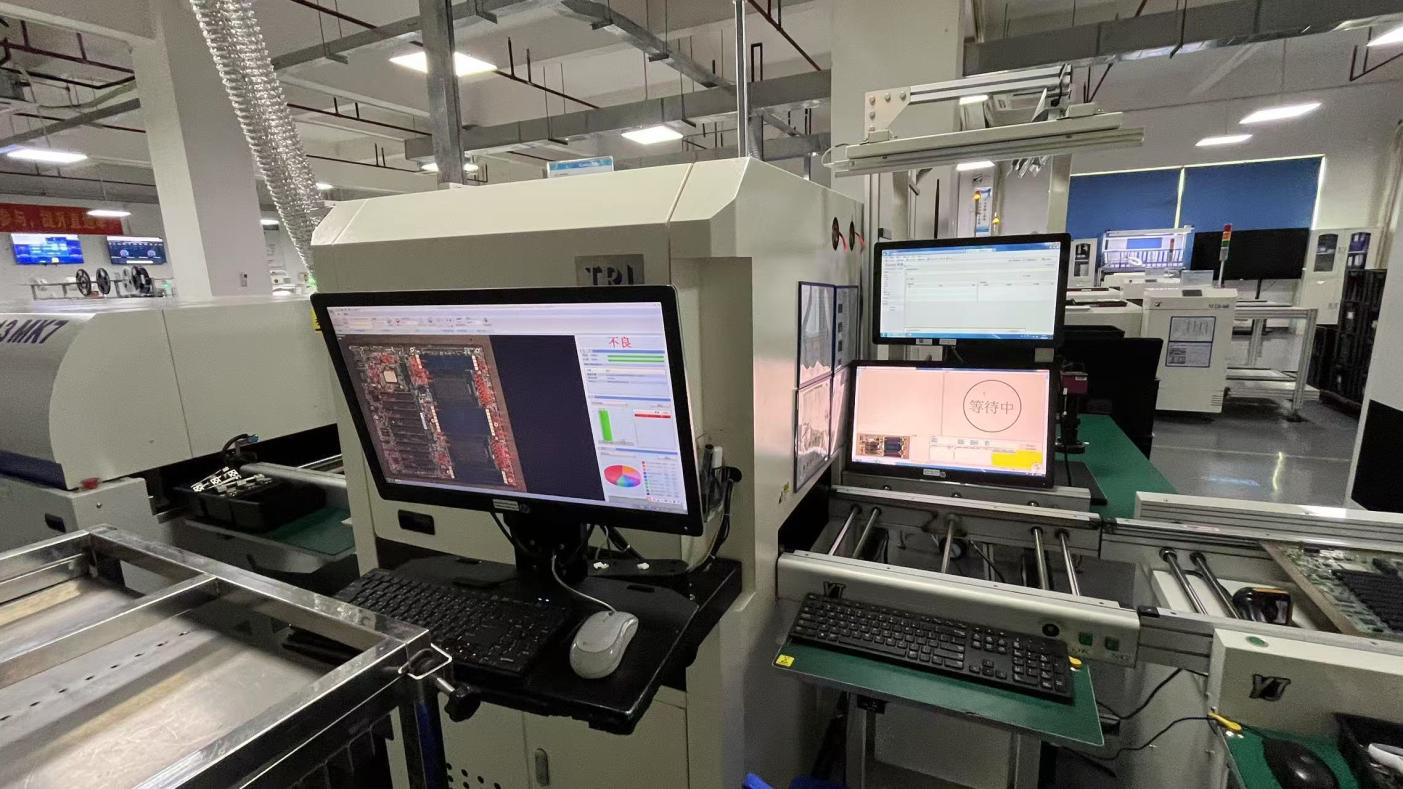
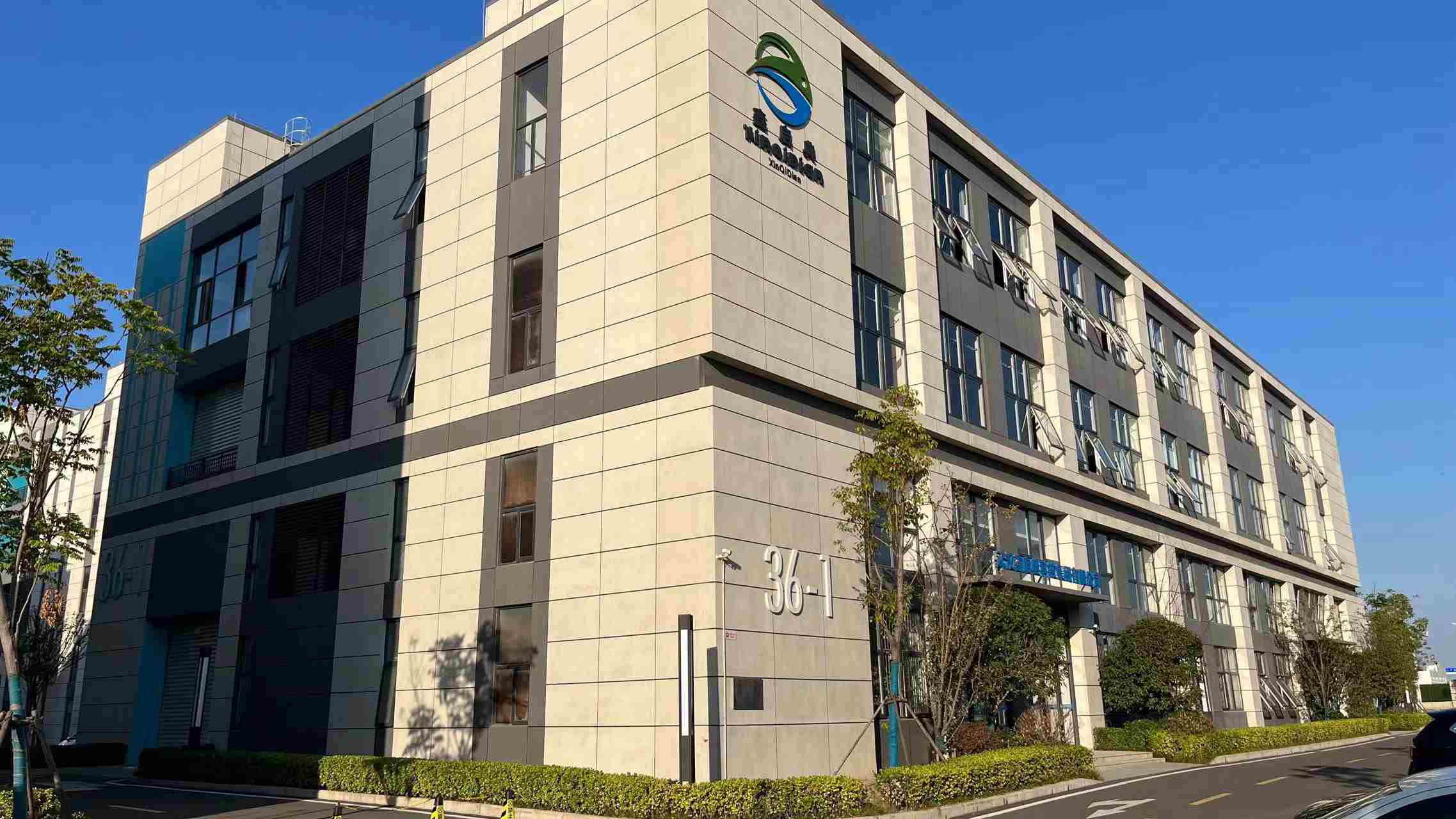
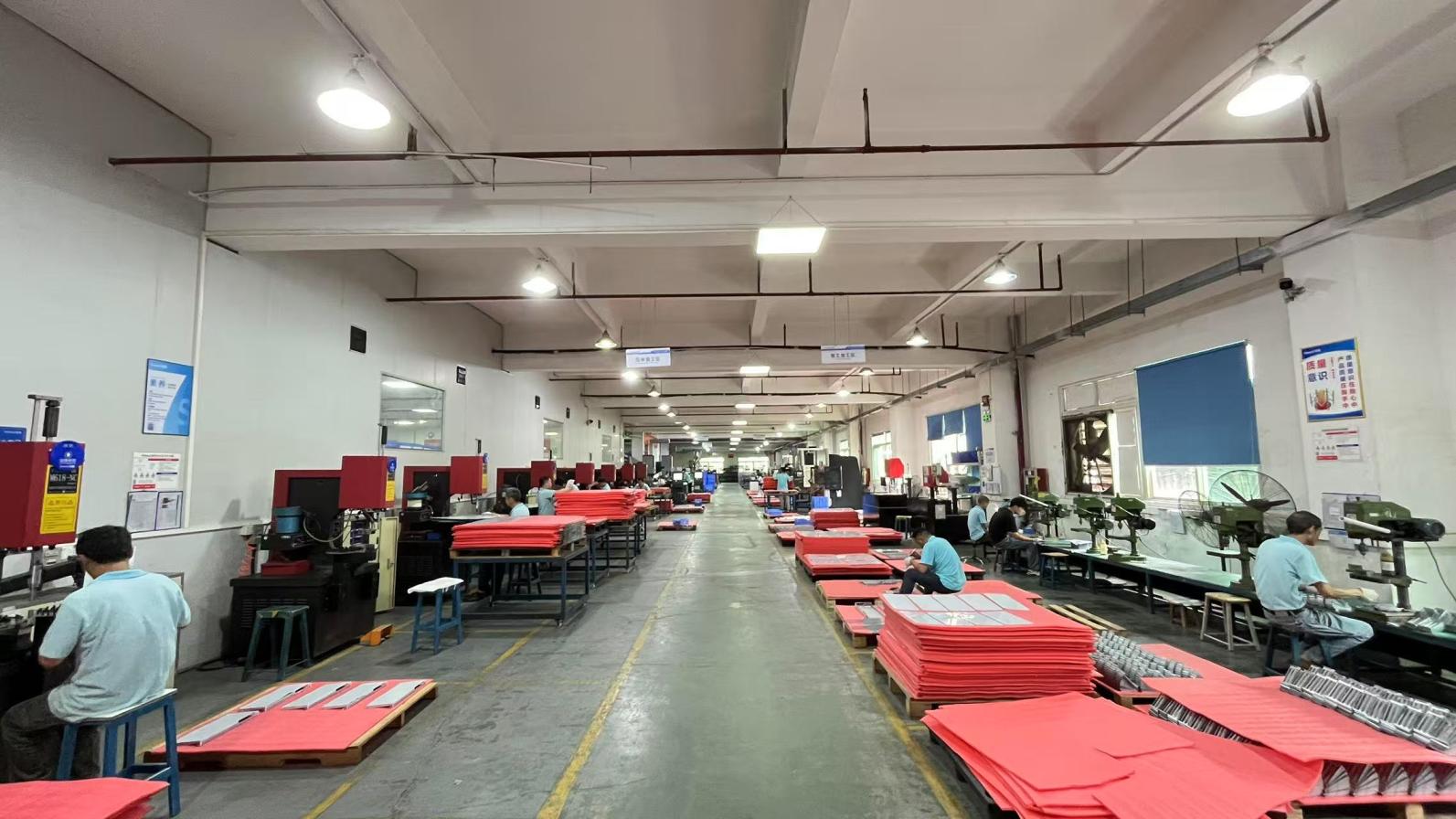
Tour our production facility, designed for rigorous quality control, hardware verification, and global supply chain integrations.
NexaGPU operates a modern manufacturing facility with a dedicated building area of 320m², supporting efficient assembly, configuration, and testing. To guarantee hardware dependability in critical environments, our team of 45 quality assurance specialists subjects every system to multi-stage stress tests. This includes 72-hour high-temperature chamber burns, intensive thermal loop validations, and full-speed network throughput tests.
Our supply chain network of 850 partners ensures we can configure, customize, and deliver server systems matching your specific hardware requirements—even during global semiconductor shortages. We collaborate closely with top GPU, CPU, and motherboard manufacturers, ensuring direct access to authentic components with global warranties.
Future-proofing your server infrastructure for emerging workloads and hardware standards.
As we plan for 2025 through 2030, server technology is shifting toward hyper-integration, modular server components, and higher thermal capacities. NexaGPU’s hardware roadmap focuses on the following key areas:
Explore our full line of rack servers, GPU clusters, and high-density storage platforms configured for the Seoul metropolitan region.
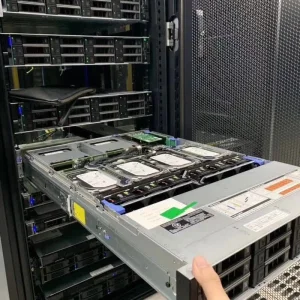
Answers to key considerations for procurement, integration, and compliance for the South Korean enterprise sector.