NexaGPU
NexaGPU
NexaGPU
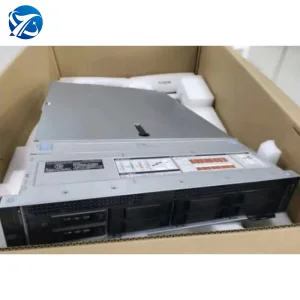
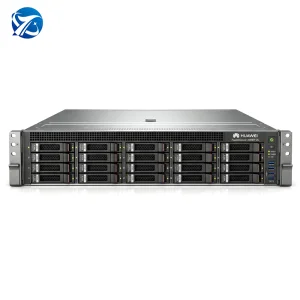
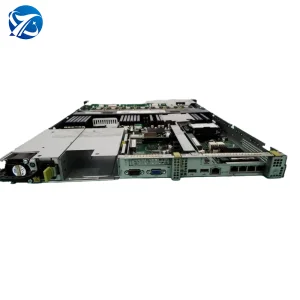
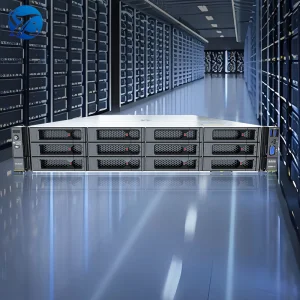
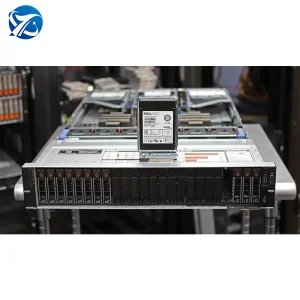
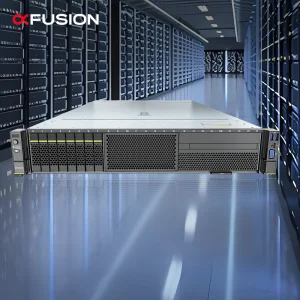
Explore our selection of top-tier xFusion and OEM Dell PowerEdge GPU/Rack servers designed to handle AI model training, data analysis, and virtualization.
In the era of hyper-scale cloud deployments, high-performance computing (HPC), and massive deep learning training pipelines, server architecture has transitioned from standard compute cycles to dense hardware accelerators. Organizations looking to run modern LLMs (Large Language Models), such as DeepSeek-671B or other multi-trillion parameter systems, require hardware interfaces that guarantee ultra-low latency memory access, massive PCI Express bandwidth, and extreme thermal dissipations. As a leading manufacturer of xFusion and Dell-adapted architectures, NexaGPU designs hardware setups configured to bridge these modern computational bottlenecks.
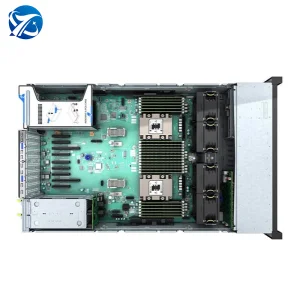
To address enterprise complexity, modern multi-socket server architectures such as the FusionServer 2488H V5 use Intel Xeon Scalable Processors across four sockets, optimizing the core-to-memory bandwidth. This layout facilitates direct UPI (Ultra Path Interconnect) connections between processors, reducing interconnect hops and drastically accelerating data-heavy analytics platforms like ERP database clusters. By reducing bottlenecks at the silicon level, modern systems ensure enterprise ERP operations experience minimal read/write latency.
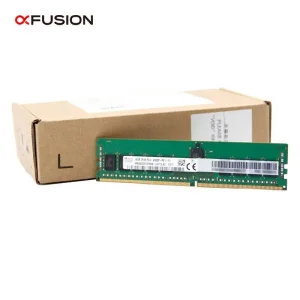
Incorporating error-correcting (ECC) DDR4 and DDR5 technologies (like the xFusion DDR4 RDIMM 16GB/32GB/64GB Modules) is paramount for database coherence. Under constant thermal cycles, standard DRAM is prone to single-bit flips; ECC ensures continuous operation by detecting and automatically repairing memory faults on the fly.
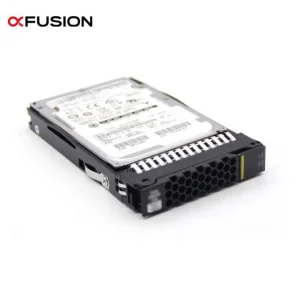
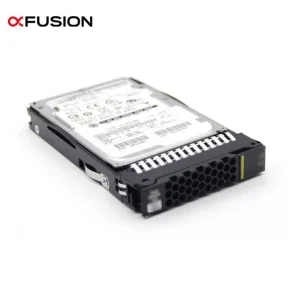
The transition from Legacy SATA to SAS 12Gb/s and PCIe NVMe architectures allows modern enterprise arrays to scale beyond IOPS bottlenecks. S4520 Read Intensive SATA SSD arrays or large-scale NL SAS HDDs (up to 12000GB) configure optimal tiered-storage architectures for enterprise cloud setups.
Modern out-of-band standard cards (like the XP270-M2 SAS3808 Boot Card) provide dedicated processing logic to enable system admins to update firmware, monitor thermal zones, and diagnose hardware faults remotely without affecting primary workloads.
Established in 2016, NexaGPU has emerged as a premier OEM/ODM server assembly and customization partner, delivering high-density GPU computing and customized xFusion rack servers.
Operating from an optimized, state-of-the-art facility covering 320㎡, NexaGPU is engineered for precision customization, high-stress testing, and final quality control operations. Backed by 11 years of deep industry experience and 6 years of global B2B export operations, we ship server systems that meet the rigorous operational standards of international data centers. Our annual export revenue of USD 12 million reflects our stability and the trust global enterprises place in our systems.
Our R&D pipeline features 120 dedicated engineers focusing on custom server design, liquid-cooling solutions, PCIe layout optimization, and high-power-density system stability. In the past year alone, we introduced 85 new product models, including specialized AI training systems, edge computing devices, and specialized high-density multi-GPU clusters. Quality is strictly managed by our 45-member Quality Assurance team, who perform multi-stage testing including thermal chambers, 24-hour hardware burn-ins, and deep protocol-level diagnostics.
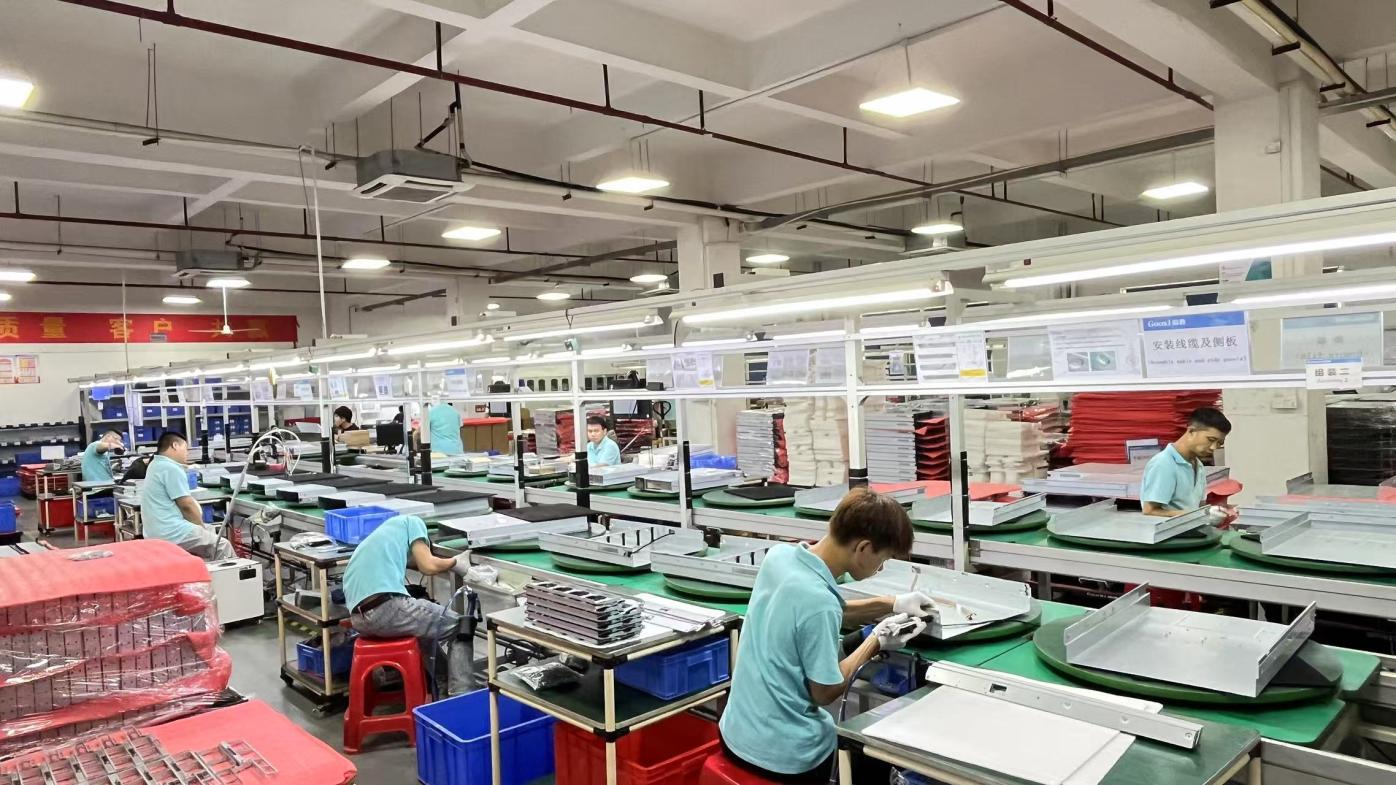
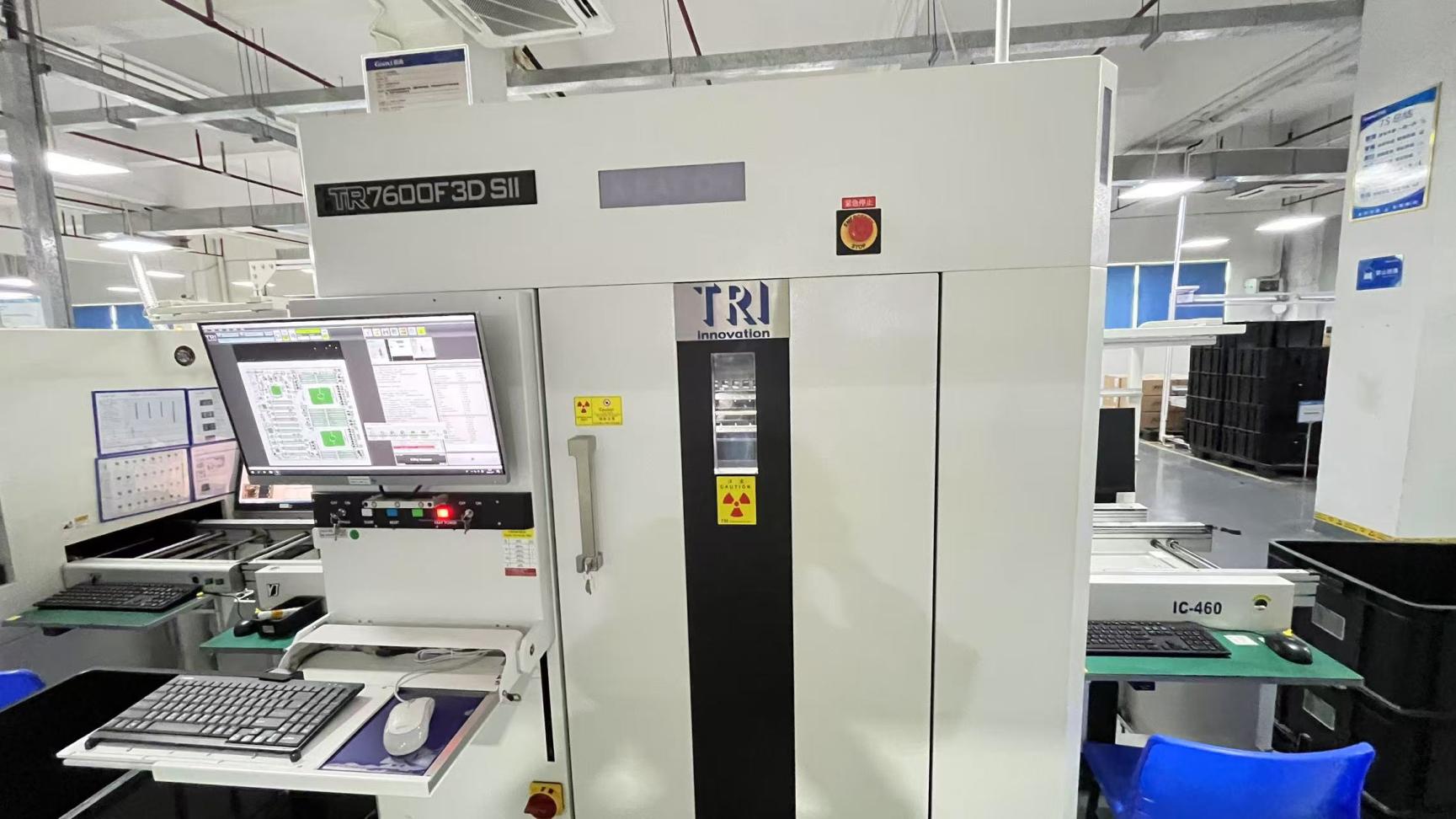
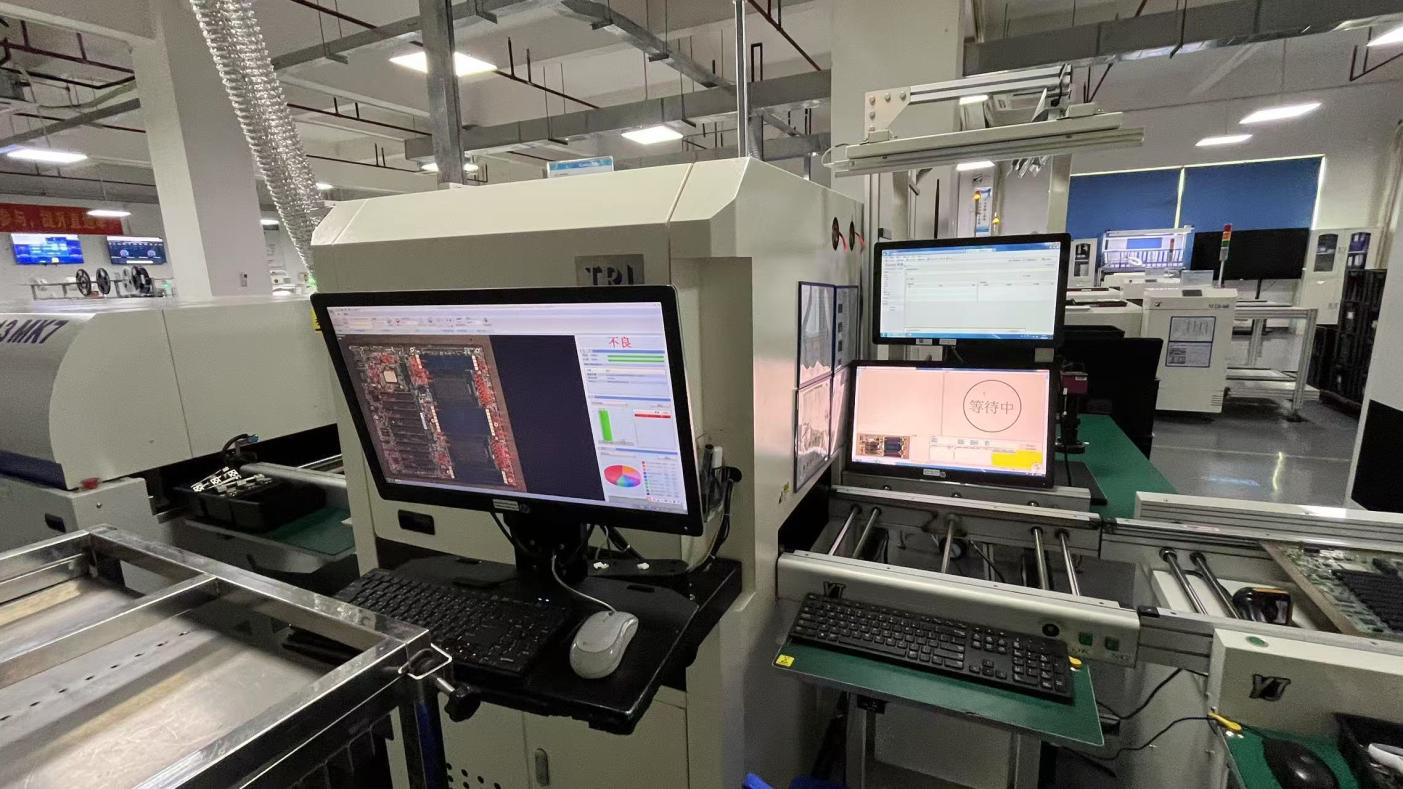
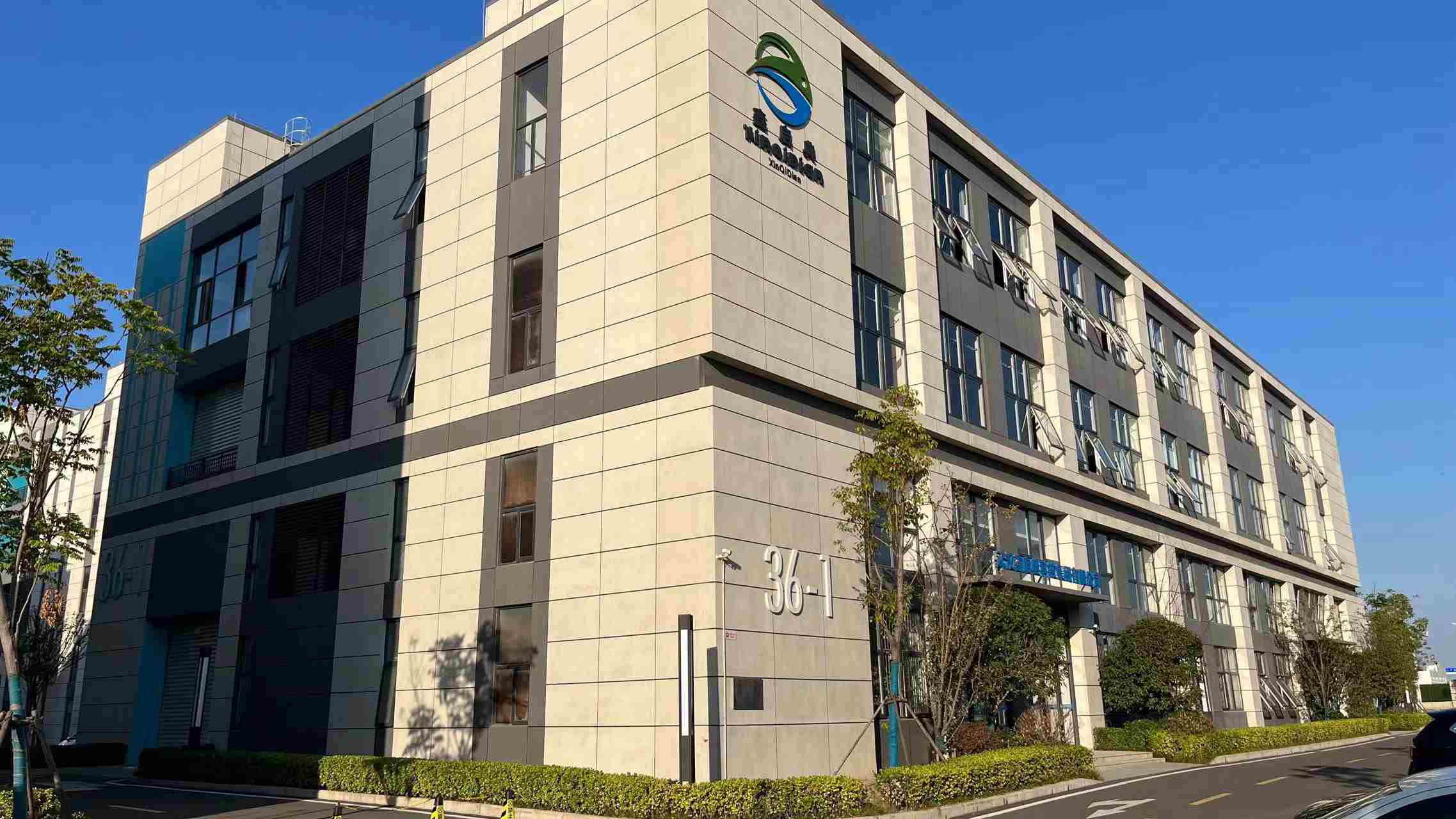
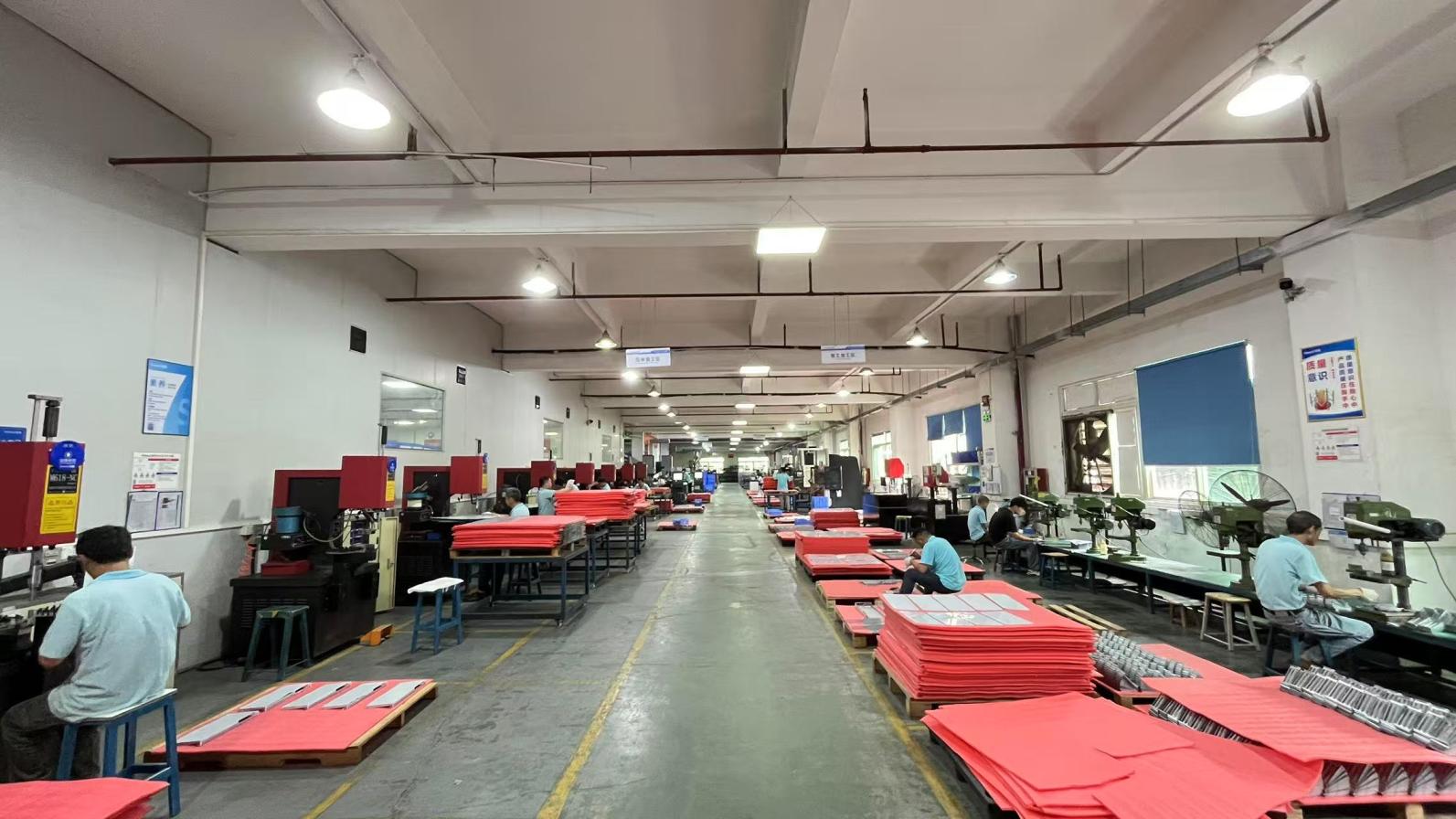
The proximity to the world’s most dense electronics ecosystem in Shenzhen allows NexaGPU to access over 850 component suppliers. This ecosystem guarantees rapid hardware prototyping, customized PCB layouts, and swift assembly times. Whether provisioning custom M.2 RAID adaptors (e.g., XP270-M2), selecting high-performance ECC memory DIMMs, or sourcing specialized sheet metal chassis, our supply chain ensures that lead times are up to 40% shorter than competitors outside mainland manufacturing hubs.
However, speed is nothing without compliance. Delivering server equipment to Europe, North America, Southeast Asia, and the Middle East requires adherence to regional certifications. NexaGPU maintains compliance protocols for CE (European Conformity), FCC Part 15 (US), RoHS, and UL, assuring international system administrators that our hardware meets safety, electromagnetic compatibility, and hazardous material limits.
| Server Model Category | Processor Compatibility | RAM Capacities & Type | Storage Configurations | Target Local Applications |
|---|---|---|---|---|
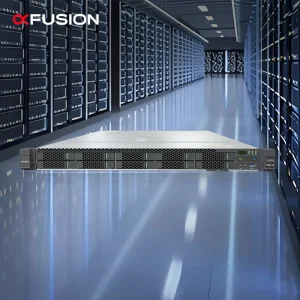
| xFusion FusionServer 1288H V6 | Dual-Socket 3rd Gen Intel Xeon Scalable | Up to 32x DDR4 RDIMM (ECC) | 8x 2.5-inch SAS/SATA/NVMe SSDs | Edge Computing, High-Density Cloud Deployment |
| FusionServer 2488H V5 | Four-Socket 2nd Gen Intel Xeon Scalable | Up to 48x DDR4 LRDIMM/RDIMM | 25x 2.5-inch SAS/SATA SSDs / NVMe | Mission-critical ERP & Real-time Database Analytics |
| FusionServer G8600 V7 | Dual-Socket Intel Xeon Scalable or AMD EPYC | Up to 32x DDR5 ECC RDIMM | Up to 8x Dual-width GPUs & NVMe arrays | Large Language Model Training (DeepSeek), GPU Cloud |
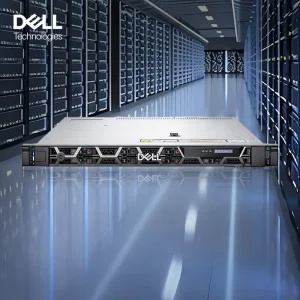
| Dell OEM PowerEdge R760/R750 | Dual-Socket 3rd/4th Gen Intel Xeon Scalable | Up to 32x DDR5/DDR4 ECC | Flexible 3.5 or 2.5-inch drive arrays | Hybrid Cloud, High-Density Storage NAS, Edge Node |
Different businesses present unique hardware performance challenges. NexaGPU architectures are custom-tailored to solve these practical workload demands.
Deploying massive models like the DeepSeek 671B requires high-speed interconnects (such as NVLink or PCIe Gen5 fabrics) alongside multi-GPU clusters. Systems like the FusionServer G8600 V7 and Dell PowerEdge R750 GPU variants provide the necessary hardware lanes and robust power distribution boards to prevent throttling under heavy compute loads.
Large-scale enterprises running ERP systems need multi-socket platforms to maintain massive database states in memory. The FusionServer 2488H V5 multi-socket server enables massive configuration flexibility, housing up to 48 RDIMM slots and hot-swappable enterprise SATA/SAS drives to guarantee uptime for thousands of concurrent transactions.
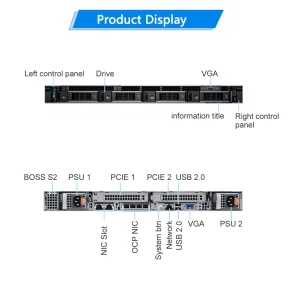
For processing data closer to the source (such as smart factories or retail clusters), standard 2U servers can be too deep. Using short-depth server designs like the 1288H V5 xFusion or the Dell R350 1U Rack allows enterprise networks to configure localized processing power in spaces where space and ventilation are limited.
Addressing future bottlenecks through next-generation cooling architectures, advanced interconnect standards, and eco-friendly infrastructure optimization.
The rapid growth of AI infrastructure has driven standard server power envelopes past 10kW per rack, rendering traditional air-cooling designs obsolete. NexaGPU’s active R&D focuses heavily on liquid-cooling options (including localized direct-to-chip cold plates and full immersion cooling loops) to support next-generation GPU processors. In tandem, the development of CXL (Compute Express Link) protocols will allow memory pooling between CPUs and GPU clusters, breaking the physical RAM capacity constraints that limit massive data engines. NexaGPU remains committed to remaining at the vanguard of these advancements, engineering systems that ready modern organizations for the workloads of tomorrow.
Answers to critical questions regarding hardware customization, deployment, and supply logistics for enterprise buyers.
The XP270-M2 RAID standard controller uses the LSI SAS3808 storage controller, which unloads RAID computations from the host CPU. By supporting RAID 0, 1, and JBOD configurations directly on the M.2 system boot volume, it ensures OS stability and data protection. It also features integrated out-of-band management interfaces, enabling administrators to check card health, rebuild RAID arrays, and monitor temperatures remotely without system interruption.
DDR4 ECC RDIMMs feature a register (buffer) that stabilizes the command and address signals sent to the memory chips. This allows the system to support a larger memory capacity per channel without signal degradation. The Error-Correcting Code (ECC) technology continuously scans and corrects single-bit memory corruptions, preventing system crashes and ensuring data integrity in critical enterprise applications.
Unlike standard dual-socket servers, the 2488H V5 utilizes four Intel Xeon Scalable processors on a single motherboard. This design provides double the CPU cores, threads, and memory bandwidth within a compact 2U server chassis. It is highly optimized for resource-heavy workloads, including virtualization clusters (such as VMware vSphere), in-memory databases (like SAP HANA), and ERP systems.
Each generation represents advancements in processing power and data architecture: Gen 5 servers (such as 1288H V5/2488H V5) feature 1st and 2nd Gen Intel Xeon Scalable processors with PCIe Gen 3 lanes. Gen 6 servers (such as 1288H V6/2288H V6) upgrade to 3rd Gen Intel Xeon Scalable processors, introducing PCIe Gen 4 support for double the GPU and NVMe bandwidth. The latest Gen 7 servers (like the 2288H V7/G8600 V7) adopt 4th/5th Gen Xeon Scalable processors, PCIe Gen 5 connectivity, and high-performance DDR5 ECC memory, providing the throughput needed for advanced AI workloads.
Our QA process involves multi-stage testing managed by 45 dedicated quality control specialists. After assembly, every server undergoes hardware-level stress testing, component-level checks, and thermal environment simulation. We also perform full software and BIOS validation to ensure all components, including CPUs, RAM modules, expansion cards, and RAID controllers, run stable under full workload conditions before being packaged and shipped.
Explore additional server models, storage drives, and network solutions configured to meet demanding global IT infrastructures.