NexaGPU
NexaGPU
NexaGPU
Enterprise-grade server platforms engineered to anchor virtualization layer processing, storage networks, and computational demands of high-concurrency collaboration software.
An in-depth analysis of semantic requirements, database performance, and computational topologies powering global unified communication suites.
In the modern digital economy, collaboration software has transitioned from a utility to the primary ecosystem where intellectual property is created, exchanged, and stored. Unified Communication as a Service (UCaaS), Virtual Desktop Infrastructures (VDI), real-time document co-authoring engines, and AI-assisted enterprise brainstorming tools rely on instantaneous synchronization. However, the visible software interface is only the tip of an expansive iceberg. Behind every seamless video conference call, instantaneous file share, and multi-user digital whiteboard session lies a highly complex, hardware-dense substrate of data center infrastructure.
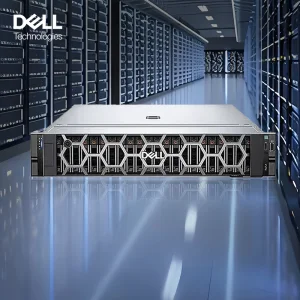
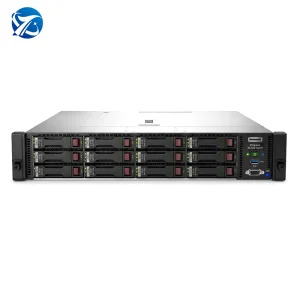
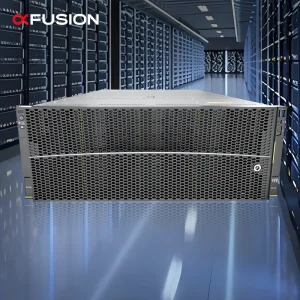
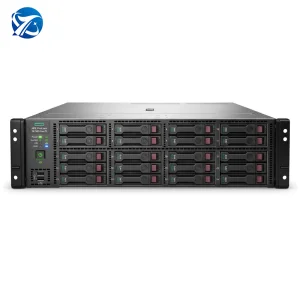
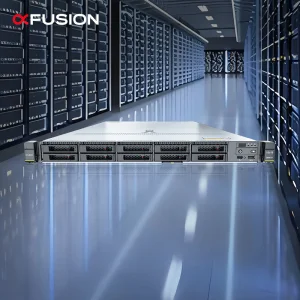
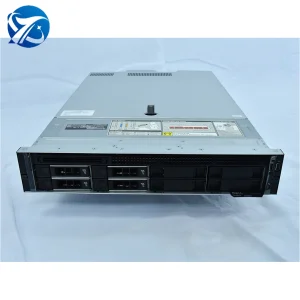
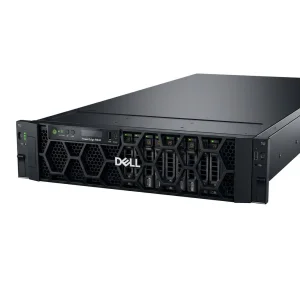
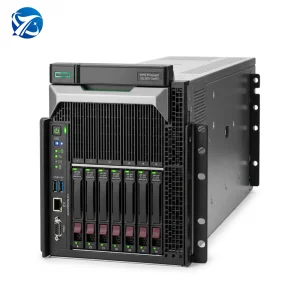
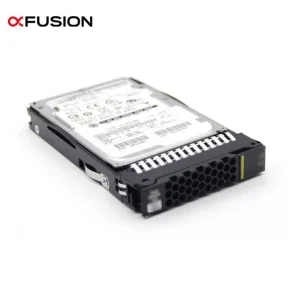
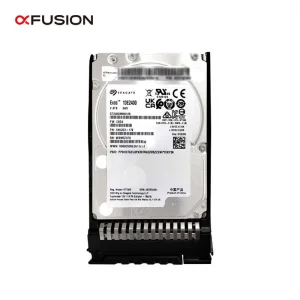
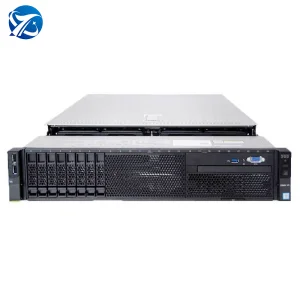
As a premier global provider, NexaGPU bridges the technical boundary between agile collaboration software environments and high-performance server architectures. Enterprise software suites require ultra-low latency, vast memory bandwidth, and scalable storage tiering to prevent concurrency bottlenecks. By leveraging robust server systems—such as optimized 2U computing nodes, enterprise-grade SAS arrays, high-speed NVMe flash systems, and deep-learning GPU platforms—we provide international enterprises and system integrators with the foundational reliability required to host high-demand work productivity platforms.
Procurement teams at multinational conglomerates face unique bottlenecks when sourcing physical systems for collaboration software deployments. Modern distributed enterprise environments demand a delicate equilibrium between immediate raw processing speed and structural energy efficiency.
SaaS and local on-premises instances of collaboration environments operate under intense data privacy scrutinies. Enterprises must navigate strict regional regulatory frameworks (GDPR in Europe, HIPAA in healthcare environments, and regional sovereignty acts in Asia and the Middle East).
Sourcing computing systems from China’s premier industrial technology corridors provides global clients with an unparalleled structural advantage. NexaGPU’s facility, coupled with our strategic partnerships, forms a robust hub capable of satisfying the massive infrastructure deployments demanded by modern collaboration platform scaling.
With over 850 strategic partners across the silicon, chassis, thermal system, and power supply manufacturing sectors, we orchestrate raw material flow with exceptional efficiency. Our 120-person R&D engineering team conducts hardware-level optimization to customize motherboards and BIOS, ensuring deep integration with major virtualization hypervisors (such as VMware ESXi, Proxmox VE, and Microsoft Hyper-V) used to run collaboration database nodes.
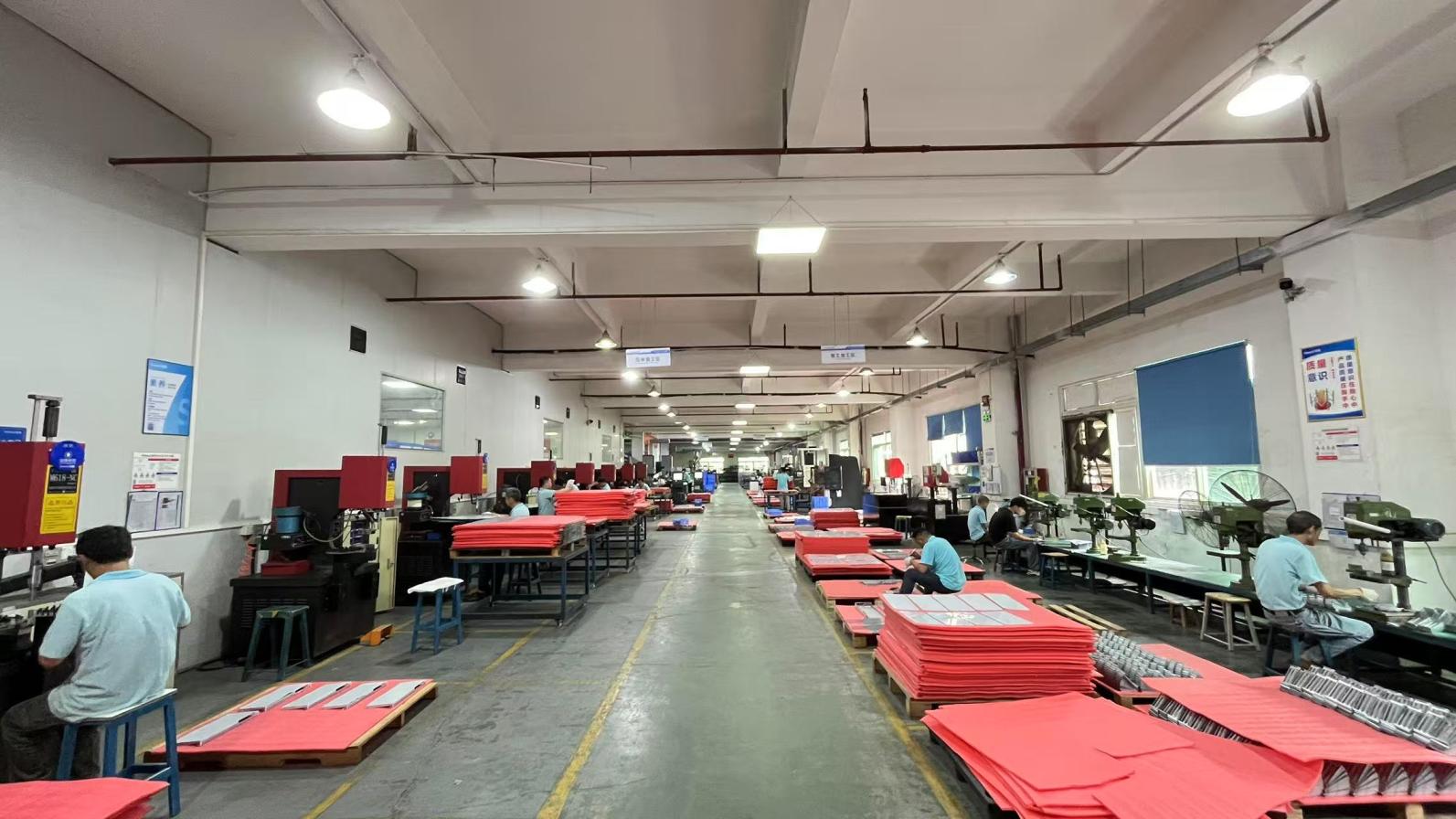
Crucially, quality control is not a post-production afterthought; it is integrated directly into the assembly matrix. Operating with 45 specialized quality control (QC) engineers, every barebones chassis and assembled system undergoes rigorous structural validation, long-term thermal profiling under mock collaboration software environments, and network card packet stress tests. This systematic approach guarantees that every server shipped maintains extreme uptime characteristics.
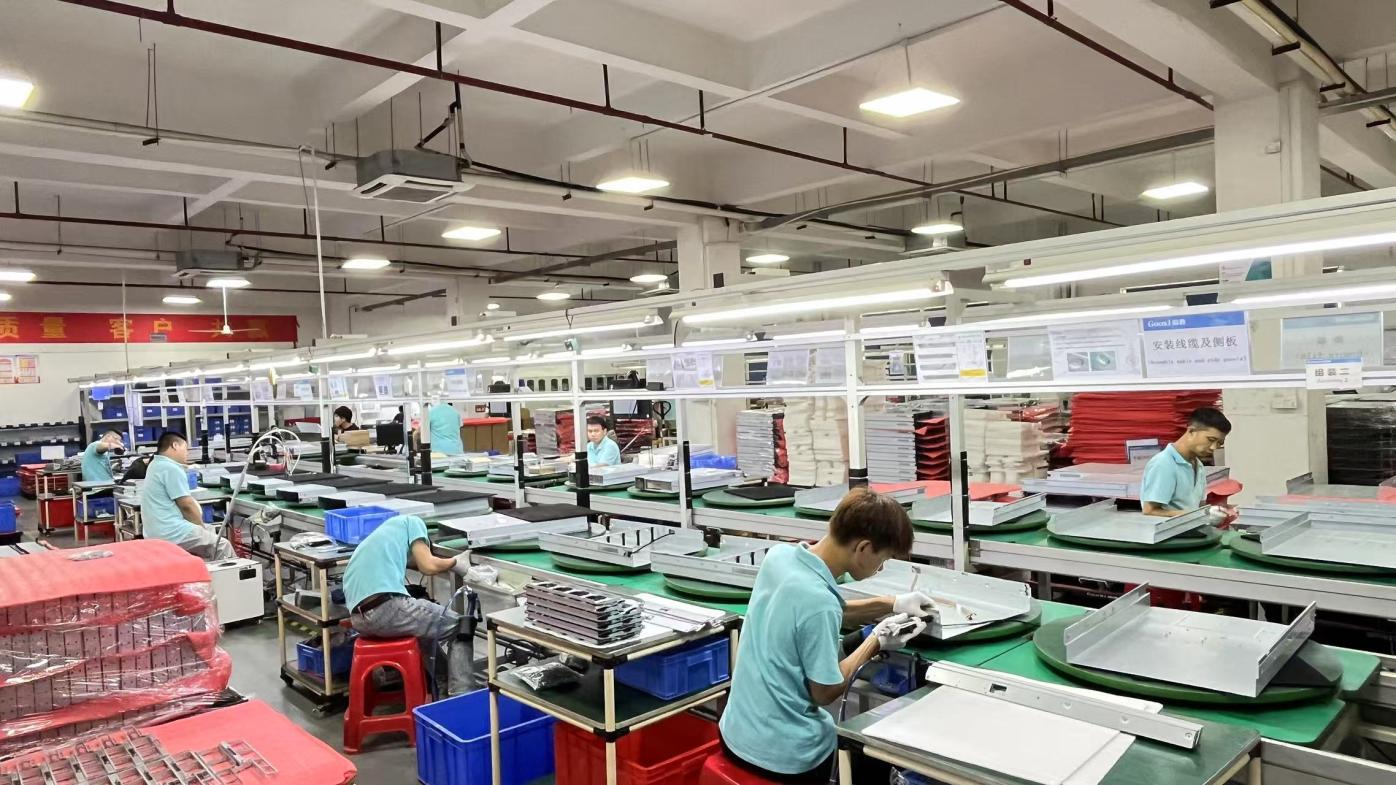
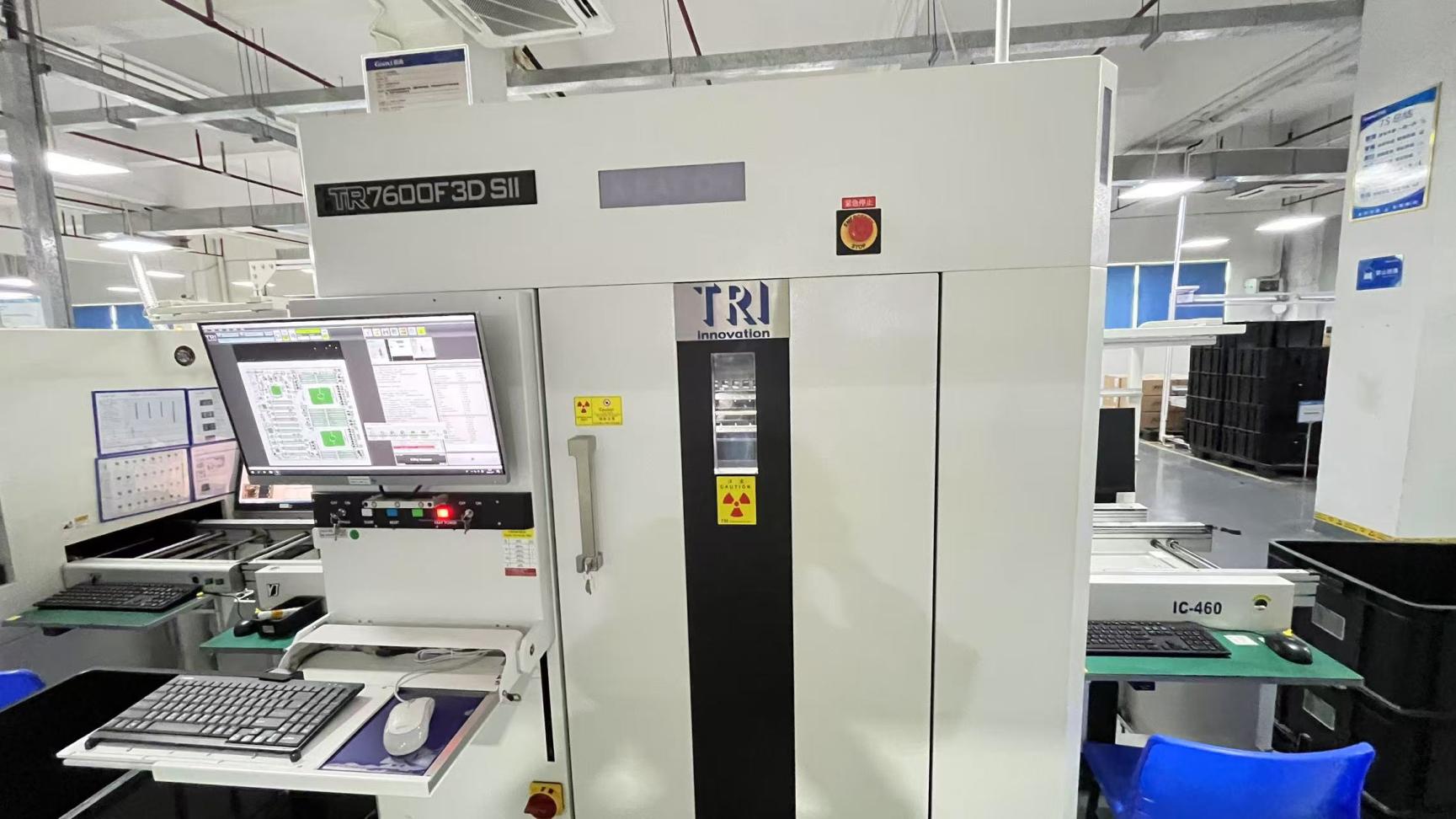
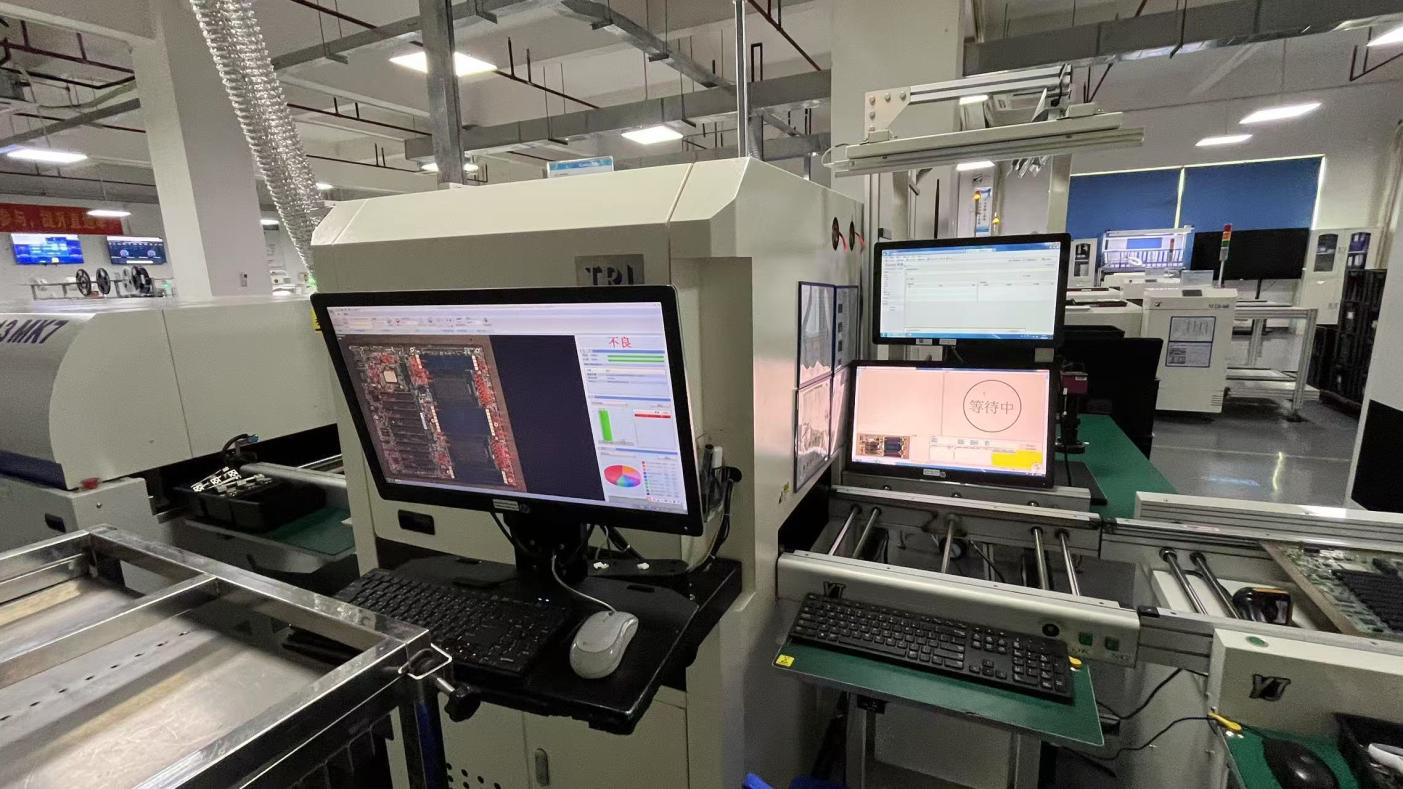
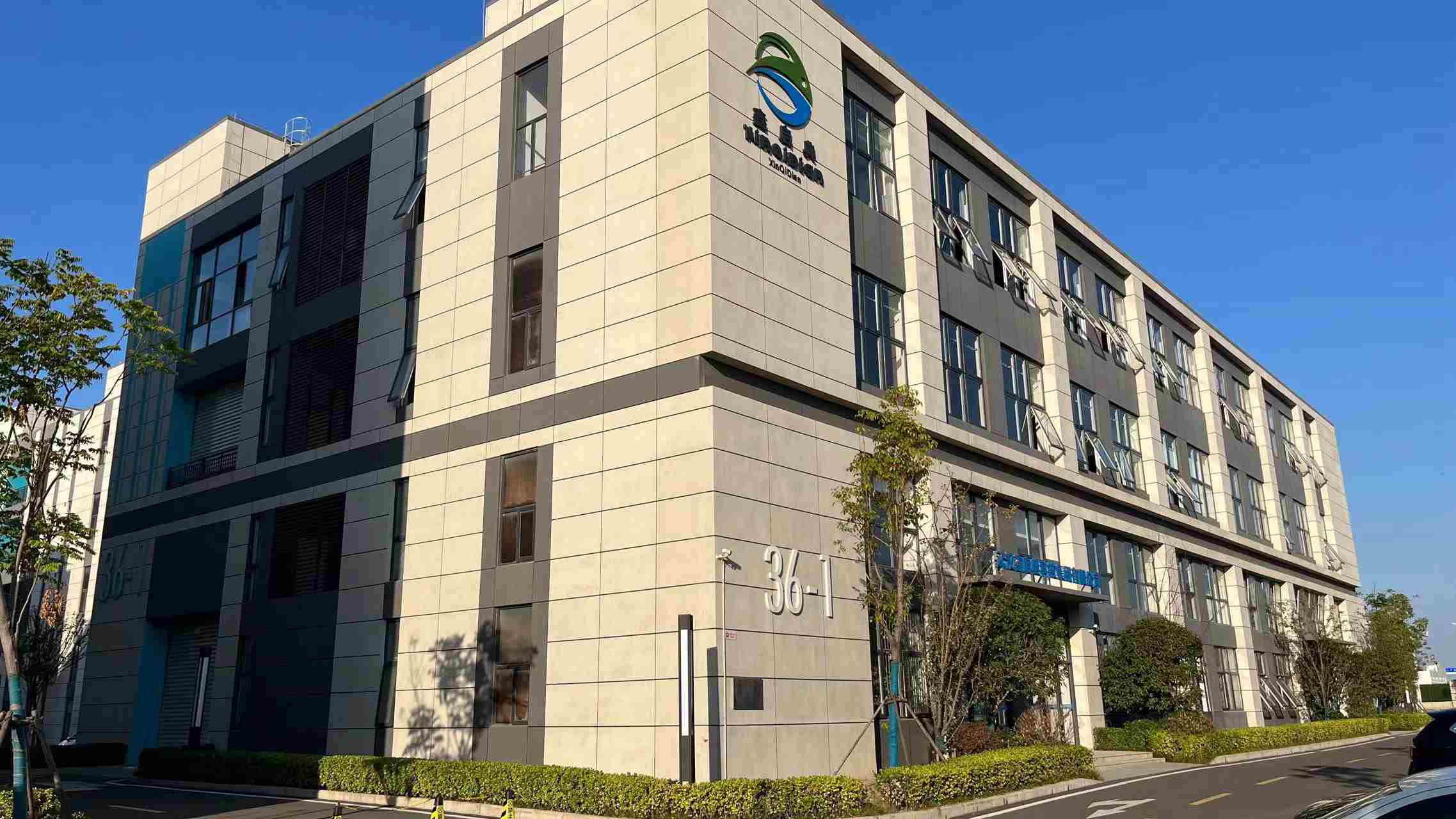
Analyzing the technological path of unified enterprise networks and localized application architectures.
Modern collaboration tools are moving beyond text and video. Platforms are integrating on-premise generative AI engines (such as deepseek networks, real-time transcription models, and local language summarizers). This evolution shifts the hardware requirement from traditional multi-core CPU virtualization to high-performance GPU systems designed for inference pipelines.
Engineering, architecture, and VFX teams collaborate on design plans from remote locations using high-performance VDI platforms. By hosting graphic-intensive CAD files on 2U rack servers equipped with enterprise GPUs and sharing virtualized frame buffers, developers can edit high-resolution 3D models collaboratively in real-time.
As database clusters and virtualization servers operate continuously to maintain team synchronization across multiple global time zones, energy costs can escalate. Liquid-cooling setups and high-density, power-balanced system configurations represent the next major wave of green datacenter architectures.
Leading the way in high-performance hardware and customized cloud server design.
NexaGPU is a professional AI GPU server manufacturer and supplier specializing in high-performance computing infrastructure, GPU clusters, and customized AI server solutions for global enterprises, data centers, and AI development companies.
Established in 2016, NexaGPU has rapidly grown into a trusted provider of advanced GPU computing systems. The company operates a modern manufacturing facility with a building area of approximately 320㎡, supporting efficient production, assembly, and testing of AI server systems.
With an annual export revenue of USD 12 million, NexaGPU has built strong international business capabilities and maintains 6 years of export experience and 11 years of industry experience in high-performance computing and server manufacturing.
To ensure strict product quality, NexaGPU implements comprehensive multi-stage inspection processes, including hardware stress testing, thermal performance testing, and system stability validation. The company employs a dedicated quality assurance team of 45 QC specialists to maintain consistent product reliability.
NexaGPU has a solid trade background in global B2B technology supply chains, with major markets including North America, Europe, Southeast Asia, and the Middle East. The company works closely with over 850 supply chain partners, including GPU chip suppliers, motherboard manufacturers, server chassis factories, and cooling system providers.
Its main customer base includes AI startups, cloud computing providers, data centers, research institutions, and enterprise IT solution providers.
NexaGPU demonstrates strong R&D capability, supported by a team of 120 R&D engineers focused on GPU architecture optimization, AI server design, and liquid cooling technology. The company offers extensive customization options including GPU configuration, CPU selection, memory expansion, storage architecture, and liquid cooling systems.
In the past year, NexaGPU successfully launched 85 new product models, covering AI training servers, inference servers, and high-density GPU computing clusters. Through continuous innovation and engineering excellence, NexaGPU is committed to delivering scalable, efficient, and reliable AI computing infrastructure for the global artificial intelligence industry.
Addressing the core technical considerations of procurement leads, system architects, and operations managers.
Web-based collaboration software utilizes technologies like WebSockets and HTTP/2 to push real-time updates across multiple user interfaces. If the database servers or memory subsystems experience delays, files cannot sync, voice streams drop packets, and version conflicts occur. Utilizing enterprise server equipment with dual-socket processors, high-frequency DDR5 memory, and high-performance NVMe SSDs ensures collaboration platforms handle hundreds of concurrent edits with ease.
NexaGPU’s quality assurance department of 45 specialists performs testing over multiple stages. Hardware modules undergo component testing, stress testing (running under full system loads for 24-72 hours), temperature profile verification, and interface network performance tests. Once completed, a system validation certificate is generated for each node to ensure out-of-the-box system stability.
Yes. R&D engineering capabilities allow for configuration changes to the systems. Customers can specify the type and model of Xeon or EPYC processors, density and speed of RAM, size and endurance levels of solid-state storage arrays, and network cards. Additionally, we customize active liquid cooling systems or custom cooling plates for dense data center rack environments.
By designing dedicated, private hardware systems (including local network attached storage and localized compute node grids), enterprises can store information in specific geographical locations. This structure bypasses the compliance challenges that public, multi-tenant cloud storage platforms face under strict privacy regulations.
With our 850+ partner network and modern facility, we maintain raw material stock for common processor families, memory types, and storage capacities. Custom B2B orders are structured through specialized project phases, typical production timelines range from 7 to 21 working days, backed by export experience to North America, Europe, and Asia.
High-capacity storage systems and GPU workgroup platforms supporting massive database indexing and local inference tasks.