NexaGPU
NexaGPU
NexaGPU
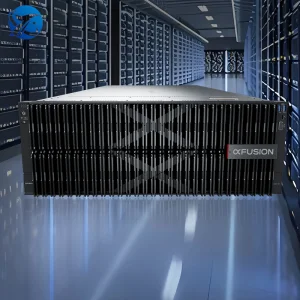
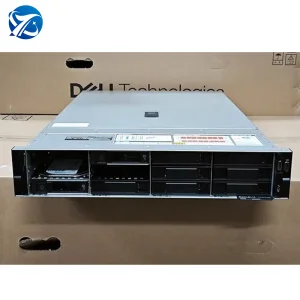
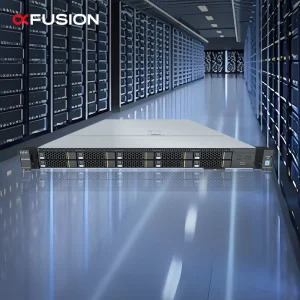
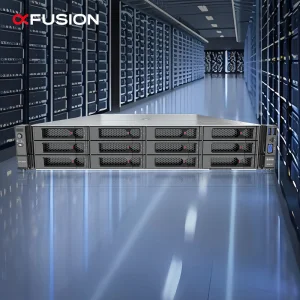
Explore our premium tier of compute nodes and deep-learning workstation architectures designed for parallel processing, AI inference, and ultra-high-speed computational throughput.
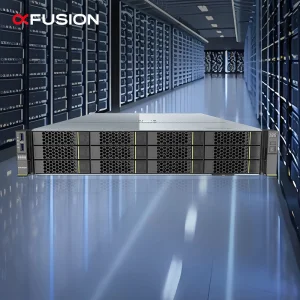
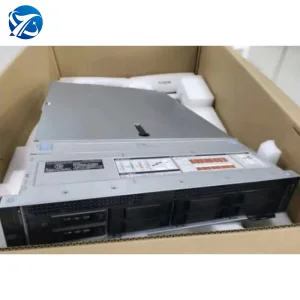
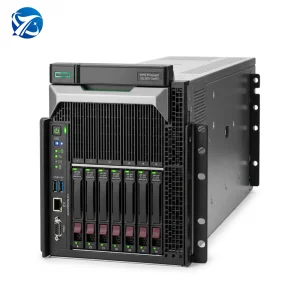
Real numbers detailing our global footprint, industrial capacity, and dedicated expert infrastructure engineering.
NexaGPU stands at the forefront of high-performance computing infrastructure, delivering robust GPU clusters, advanced deep learning workstations, and tailormade enterprise solutions. Our infrastructure powers artificial intelligence models, cloud services, and complex scientific workflows globally.
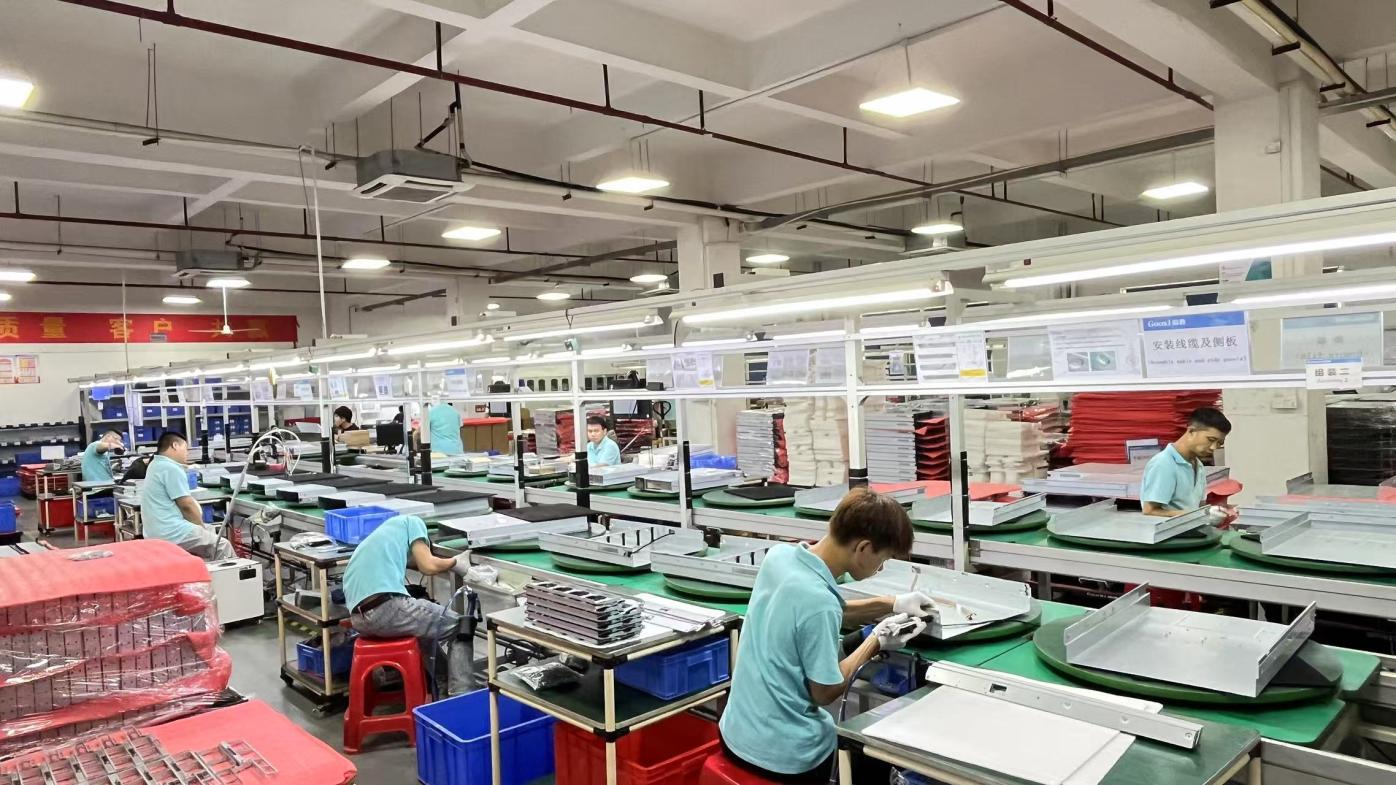
Operating from our state-of-the-art testing facility with a core footprint of 320m², we focus heavily on multi-phase stress validation, thermal distribution mapping, and structural configuration. NexaGPU ensures that every cluster leaving our line is prepared for immediate enterprise implementation.
With an annual export volume reaching USD 12 Million and over 6 years of direct export experience, our hardware is integrated into data centers across North America, Europe, Southeast Asia, and the Middle East. We specialize in OEM / ODM configurations, accommodating tailored liquid-cooling structures, dense memory architectures, and scalable PCIe expansion boards.
A comprehensive analysis of how global data trends, AI model scale, and high-density chips demand customized engineering at the hardware level.
The paradigm of computing has shifted. Standard microprocessing architecture is no longer sufficient for complex vector matrix operations demanded by large-scale neural network models (like DeepSeek R1, LLaMA-3, and proprietary transformer architectures). Today's processing requires high-bandwidth memory (HBM), high-density GPU nodes, and sophisticated motherboard topography that mitigates communication latency between nodes.
In this global landscape, China has emerged as a major fabrication and customization hub. China-based engineering facilities like NexaGPU bridge the gap between high chip requirements and actual deployment limitations. High-density server integration requires deep-level supply chain access. With over 850 partners globally, we procure top-tier components—such as PM9A3 series dense NVMe storage units and high-quality PCIe Gen5 riser boards—to construct workstations capable of 24/7 continuous operations.
Precise mapping of CPU PCIe lanes to GPU clusters, preventing I/O bottlenecks during distributed model training.
Advanced airflow dynamics and customized liquid cooling loops to combat thermal throttling in high-ambient operations.
Selecting premium motherboard layouts and signal-boosting hardware elements to minimize packet loss and CRC errors.
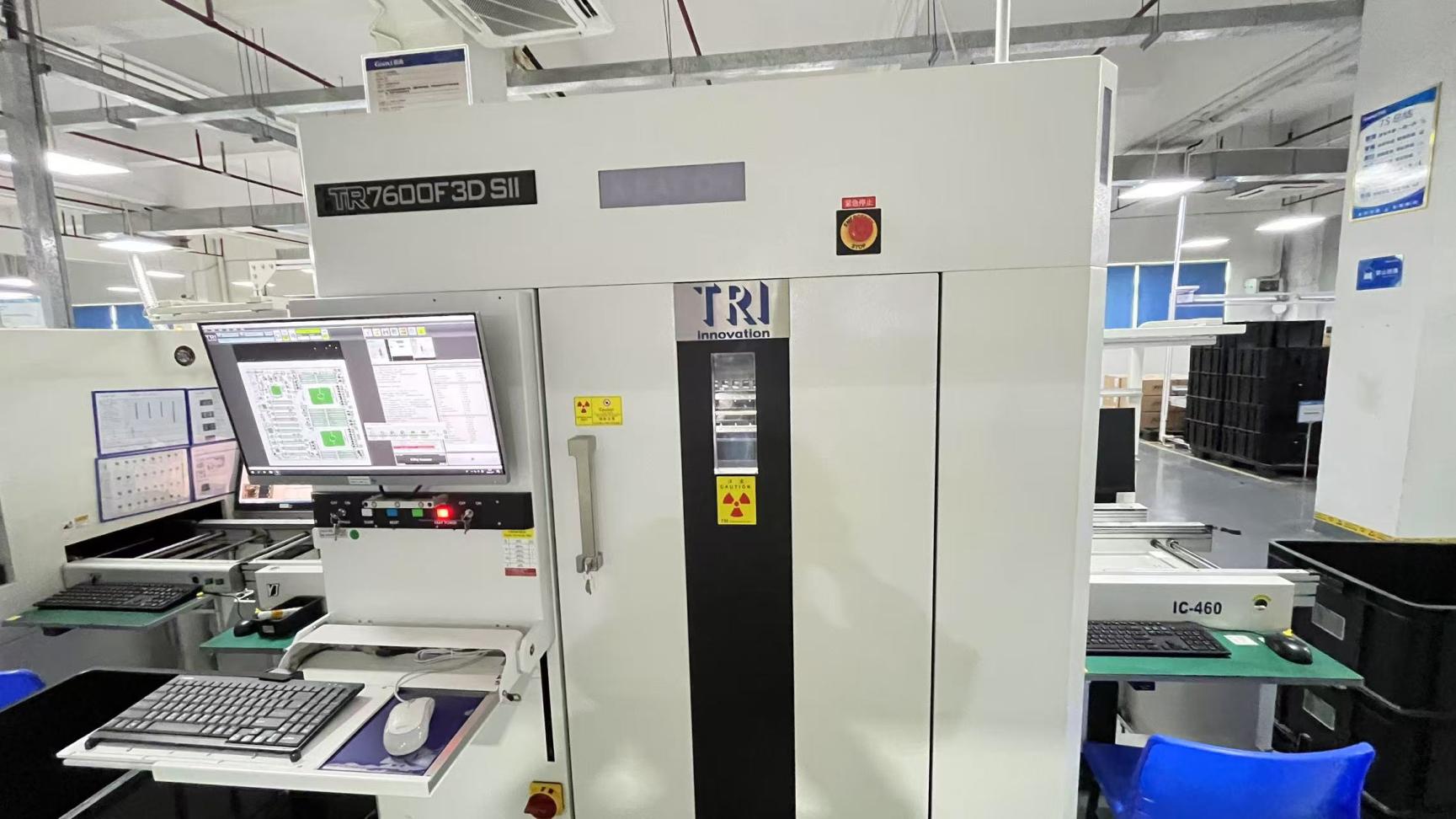
Reliability is the primary metric for enterprise workstations. A single node crash during a multi-day scientific calculation run can result in thousands of dollars in compute time loss. To combat this, NexaGPU relies on a rigid, multi-layered quality control network overseen by our 45 dedicated QC specialists.
Our quality assurance framework starts with individual component verification. Each memory module, PCIe riser card, and storage drive (including read-dense PM9A3 SSD arrays) undergoes rigorous validation before insertion into the system chassis. Once integrated, each node is subjected to 72 hours of uninterrupted stress testing.
We execute extensive stress runs targeting GPU cores, CUDA pipelines, CPU threads, and storage write-cycles. Thermal probes track system heat zones, allowing us to tweak chassis baffle positions to optimize dynamic airflow. This attention to mechanical engineering ensures that our servers are optimized for years of trouble-free enterprise performance.
How NexaGPU hardware architectures resolve operational bottlenecks across diverse sectors, including artificial intelligence development, medical imaging, and hyper-scale virtualization.
Custom setups designed specifically for massive model execution. Built to maximize PCIe bandwidth, our servers allow deep neural networks (such as DeepSeek) to run high token-per-second outputs, eliminating standard interface lag.
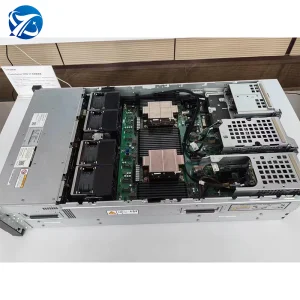
Utilizing high-core-count processors like Xeon Scalable CPUs alongside high-density RAM configurations. Our 2U nodes allow IT architects to spin up hundreds of virtual machines with dedicated resources and minimal hypervisor overhead.
For research centers running complex particle simulations, aerodynamic modeling, and rendering pipelines. These configurations require stable GPU/CPU cooperation and massive data pools sustained by fast storage arrays.
High-capacity storage builds that leverage dense NVMe technology. Excellent for hot-tier enterprise databases, live media pools, and backups requiring near-zero retrieval delay.
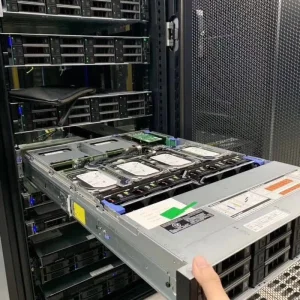
A transparent look inside our testing facilities, layout departments, and industrial assembly spaces.
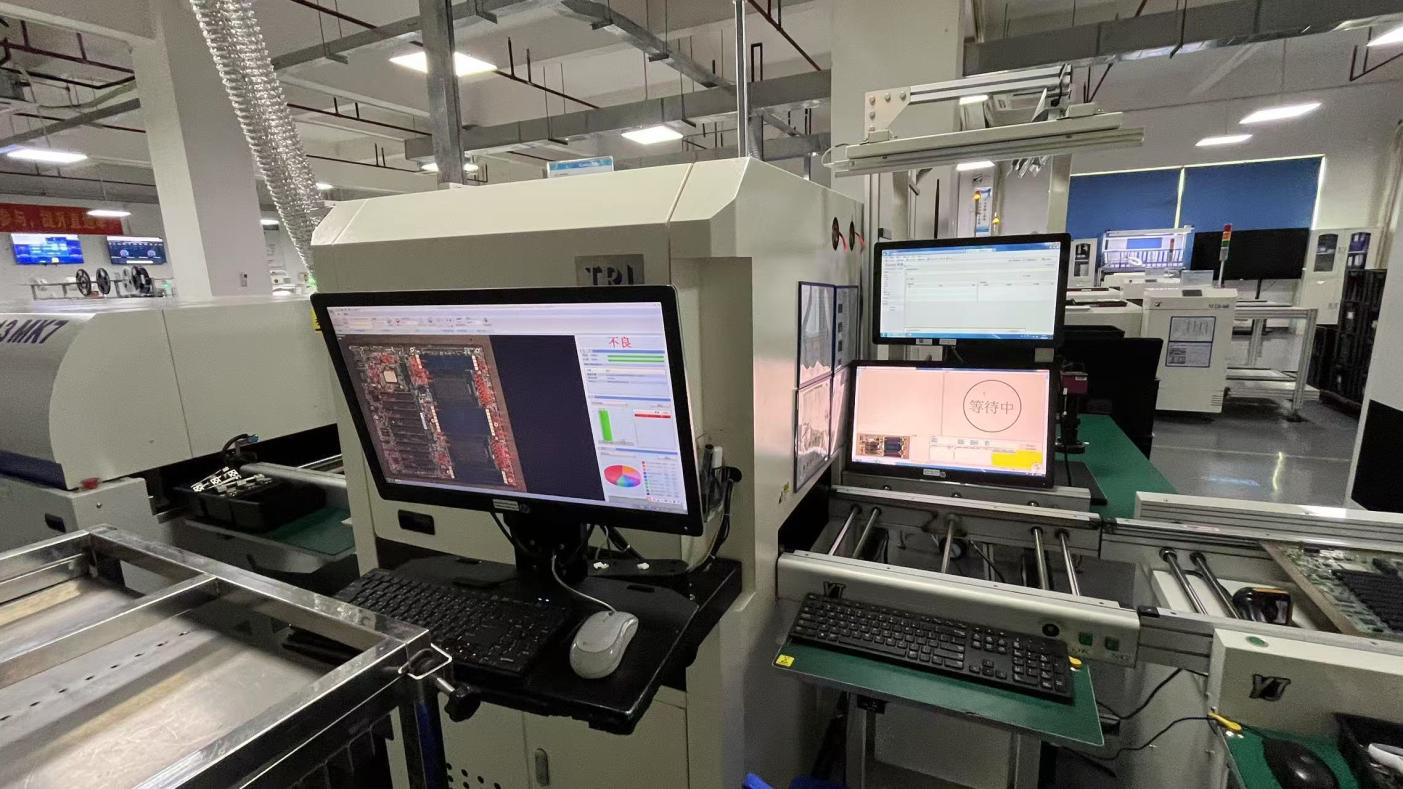
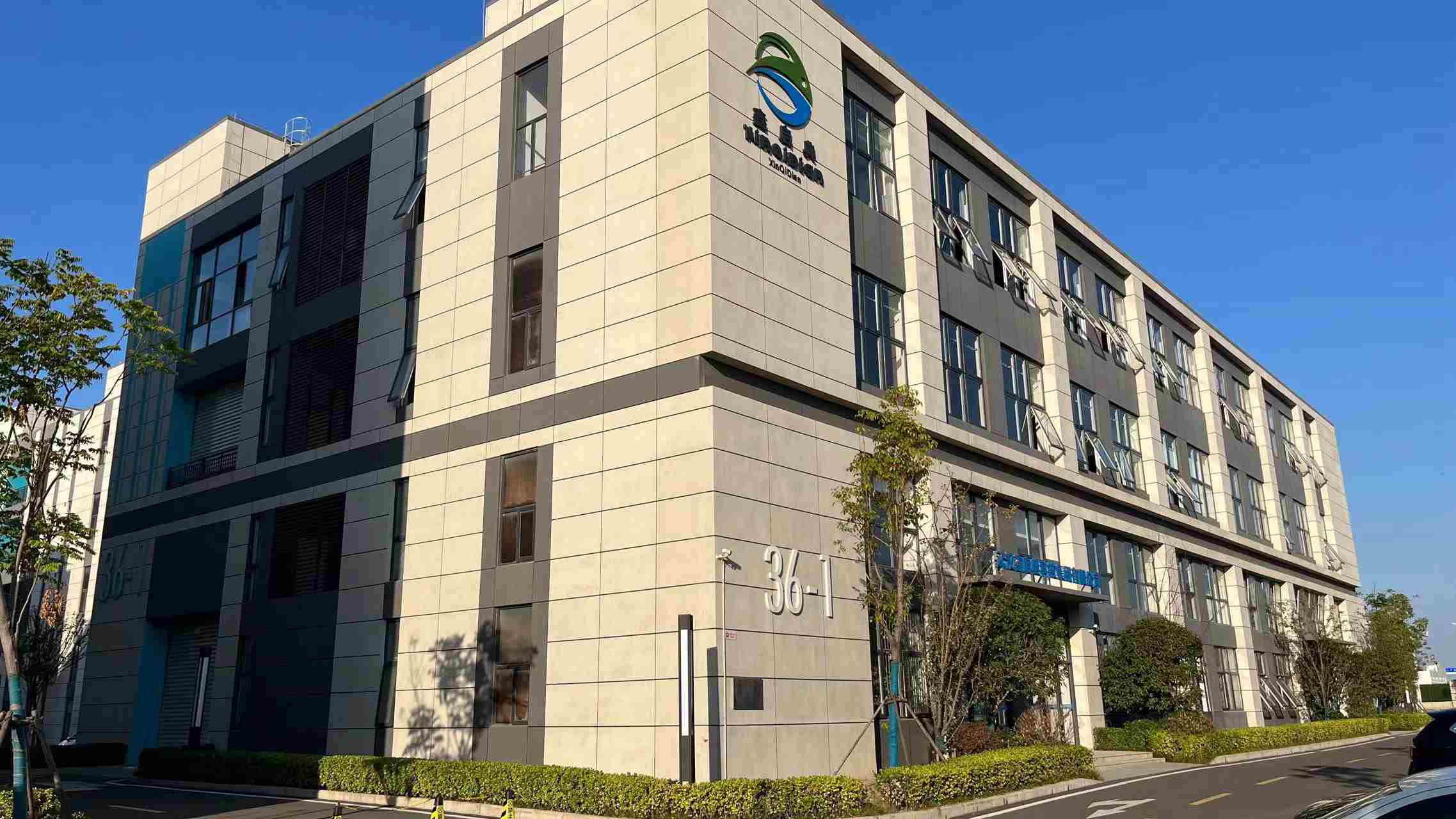
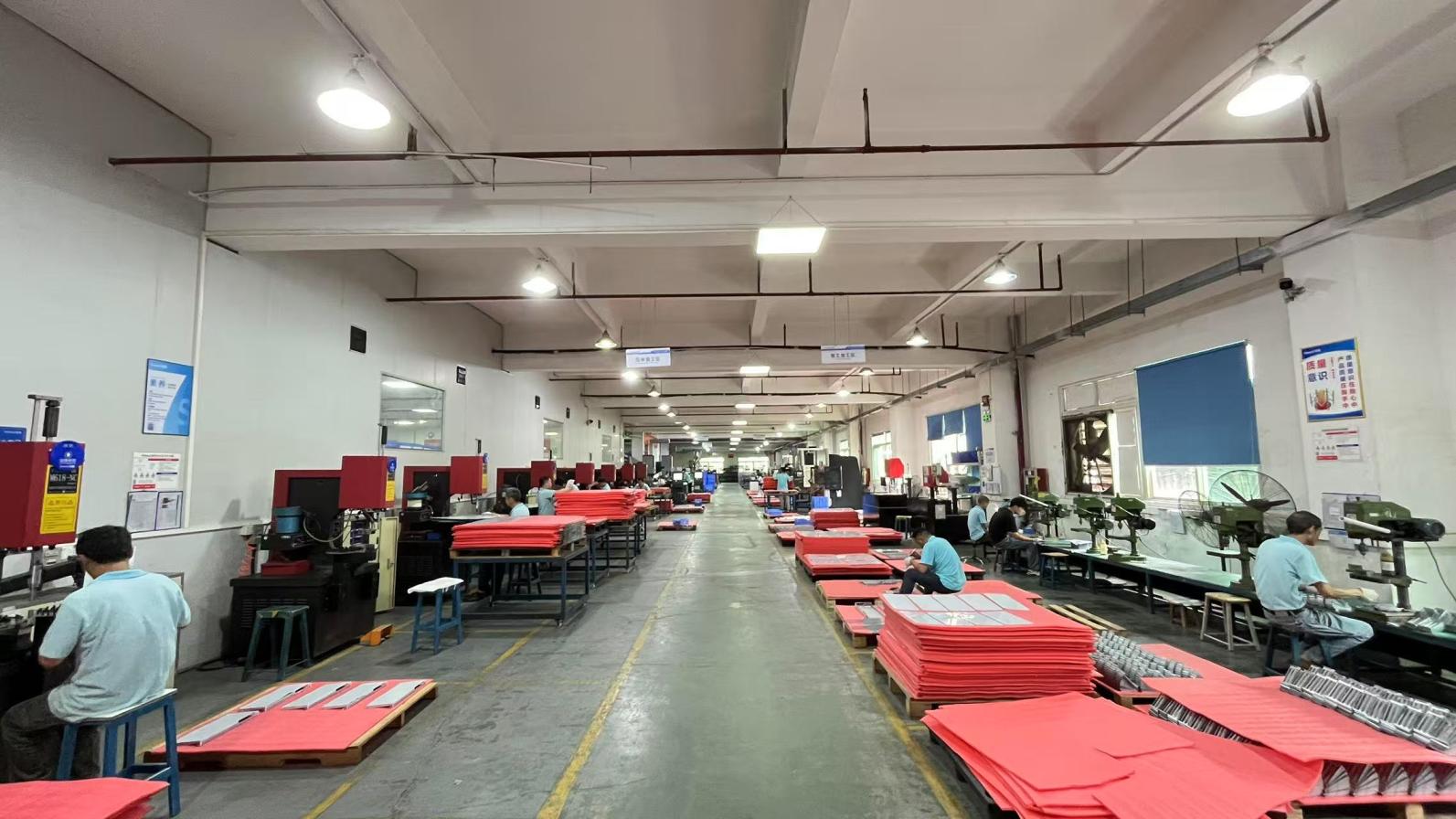
Navigating global IT hardware customs requirements demands deep knowledge of compliance matrices. NexaGPU ensures that every product build conforms strictly to local guidelines—including FCC, CE, RoHS, and local telecommunication protocols.
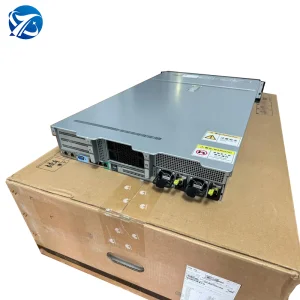
Our global shipping framework is tailored to support complex B2B technology logistics. We work directly with customs clearing agents across Europe, North America, the Middle East, and Southeast Asia to minimize customs processing times. Each server shipment is palletized with customized shock-absorbent packaging, preventing vibration-induced hardware micro-fractures during transport.
Beyond logistics, NexaGPU provides direct support infrastructure to localized systems integrators. This includes system BIOS optimization patches, remote management module firmware (IPMI), and hot-swap replacement components stored in partner centers across major logistics hubs.
A reference table comparing performance, scaling potential, and cooling setups across modern multi-GPU rack architectures.
| Architecture Class | Optimal Use-Case | Cooling System | PCIe Lane Management | Scaling Factor |
|---|---|---|---|---|
| 1U/2U High-Density Rack | Edge AI Inference / Web Hosting Clusters | Dynamic Airflow / Redundant Fans | Direct CPU Riser Lanes | High (Scale-Out) |
| 4U/8U Deep GPU Nodes | Large Language Model (LLM) Training | Closed-loop Liquid or Custom Blocks | PCIe Switch / Inter-GPU Bridges | Exceptional (Scale-Up) |
| Tower Workstation | Desktop AI Model Dev / Local rendering | Silent Air Cooling / AIO Liquid Loops | Direct Motherboard Lines | Moderate (Stand-alone) |
| Dense Storage Node (PM9A3) | Hot Data Tiers / Multi-tenant DB | Active Chassis Fans | NVMe over Fabric / Direct HBA | High (Capacity Scale) |
With GPU thermal design profiles (TDP) climbing with each new generation, standard air cooling systems are reaching their physical limits. NexaGPU’s engineering focus is shifting towards hybrid and full direct-to-chip liquid cooling systems.
Our R&D team, consisting of 120 design specialists, has successfully launched 85 new product configurations last year alone. We are currently developing advanced, low-viscosity dielectric coolant systems that remove heat directly from compute boards without traditional piping. This development will reduce overall rack power consumption by up to 35%, lowering utility costs for data centers.
Our roadmap also includes deep integrations with high-speed memory arrays and optical communication interfaces. By preparing today for the optical transit requirements of tomorrow, NexaGPU ensures that our system builds remain relevant, upgradable, and capable of adapting to future processing cycles.
Addressing the core technical considerations that procurement managers and enterprise system architects face during server hardware specification.
We configure systems utilizing modern PCIe Gen5 interconnect architectures and high-bandwidth interconnects (like NVLink bridges). We carefully configure motherboard topologies to minimize lane sharing, optimizing direct peer-to-peer memory access between cards.
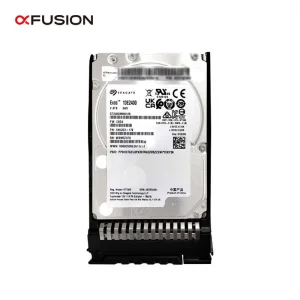
Every PM9A3 drive undergoes high-density write cycle stress tests, read consistency latency tests, and simulated power loss testing. We verify that performance metrics match enterprise parameters and ensure thermal dissipation remains within specifications.
Typically, a batch of GPU clusters requires 10 to 14 working days for complete structural assembly, cable optimization, multi-phase system burn-in testing, and software integration (e.g. flashing client-specific OS configurations).
Yes. Supported by our 120 R&D engineers, we design custom chassis configurations, alter mounting bracket alignments, and modify electrical outputs to match unique datacenter infrastructure needs.
We work with international certification houses to verify electrical, EMC, and environmental criteria. Each component block is checked against local import laws prior to departure, ensuring seamless customs clearance.
We employ tools to stress-test processor cores and check memory blocks for errors. GPUs are put through intense load simulations to check thermal stability and ensure uniform voltage across power phases.
Explore our highly scalable server units, deep-density storage bays, and dynamic computing frames engineered for seamless expansion.