NexaGPU
NexaGPU
NexaGPU
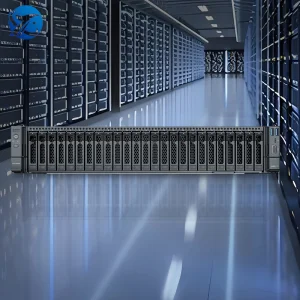
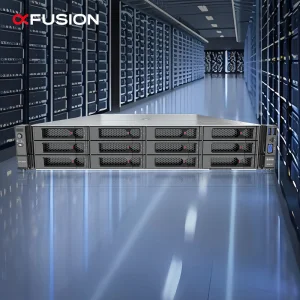
Industrial-grade rack mounts and high-performance GPU systems designed for global cloud hosting, virtualization deployments, and hypervisor management.
The global hosting, cloud, and VPS (Virtual Private Server) landscapes are experiencing unprecedented structural mutations. Traditionally, VPS architectures operated on standard CPU-centric hypervisors optimized for basic web hosting, general database management, and lightweight application running. However, the rise of intensive containerized clusters, microservices, and specialized workload execution—such as DeepSeek R1 large language models and advanced neural networks—has forced a hardware-level revolution.
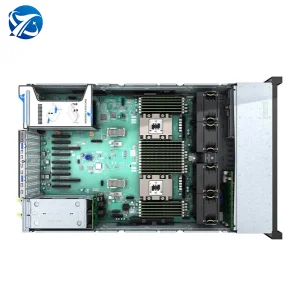
Today, a Top China Virtual Private Server Factory does not merely produce generic rack-mount boxes. We build the hyper-dense, compute-optimized clusters that serve as the foundational backbone for virtualized nodes. Modern VPS nodes require multi-socket configurations, dynamic DDR5 RAM caching, and native PCIe Gen4/Gen5 lanes to facilitate multi-tenant hardware segregation without bottle-necking hypervisor communication.
When enterprise IT buyers, cloud service companies, and wholesale exporters source virtualization platforms, they look far beyond raw processor clock speeds. True platform resilience is defined by enterprise-grade component synergy. High IOPS (Input/Output Operations Per Second) NVMe pools are crucial for virtual machine deployment speeds; a slow storage layer bottlenecks hundreds of virtual nodes sharing the same physical drive.
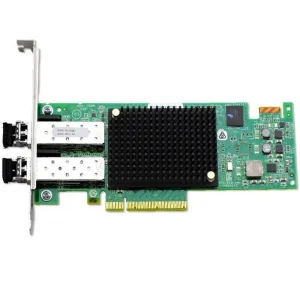
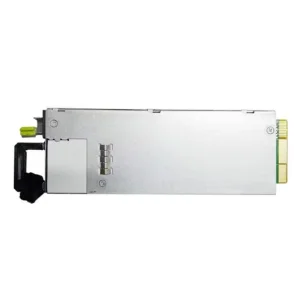
Reliable network adapters (such as 32Gb/s SFP28 Emulex HBA Cards) ensure virtual routers can direct traffic globally without latency spikes. Power optimization is another vital element: employing hot-swappable Platinum-certified 2000W PSUs reduces thermal strain and safeguards continuous server uptime in multi-tenant environments.
As a premier hardware OEM/ODM manufacturing facility, NexaGPU is built for processing the structural requirements of next-generation physical servers.
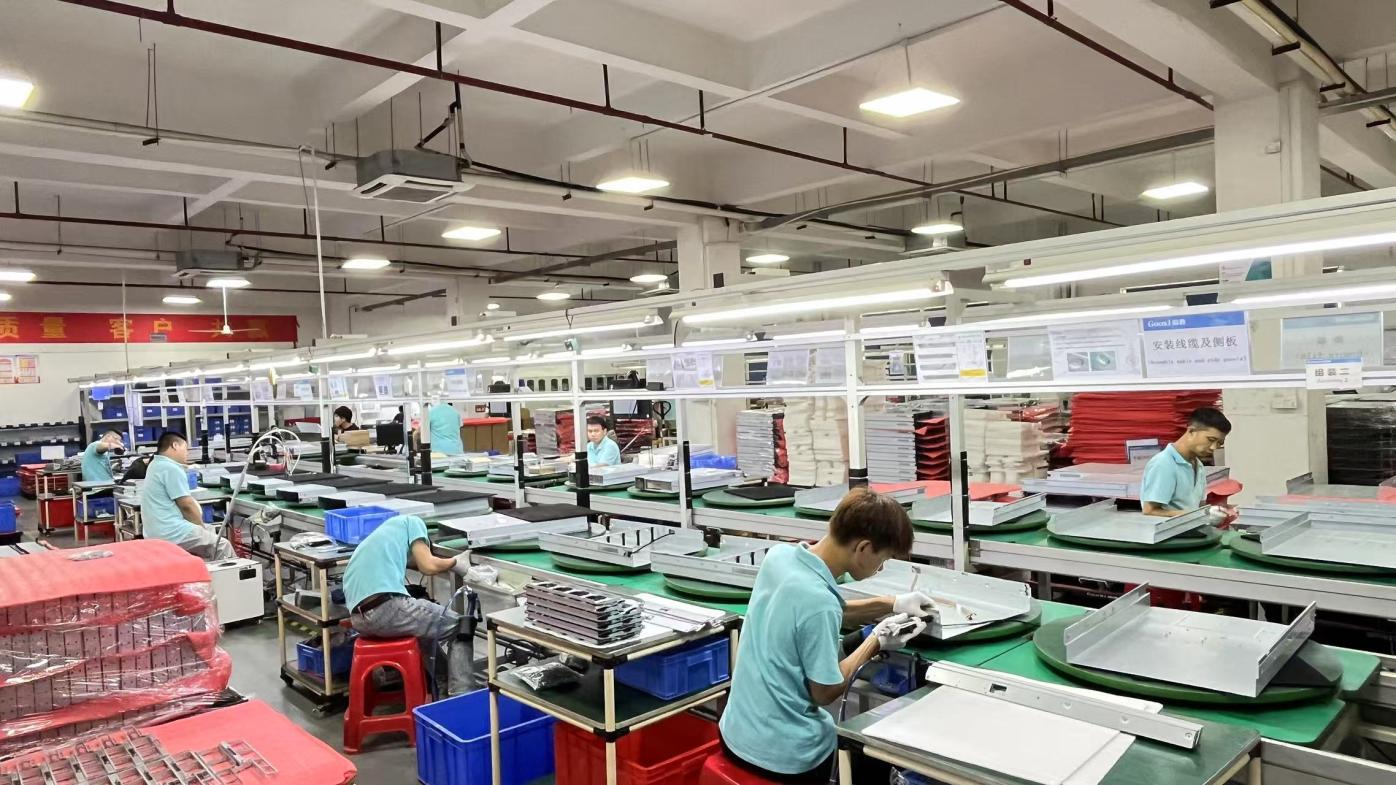
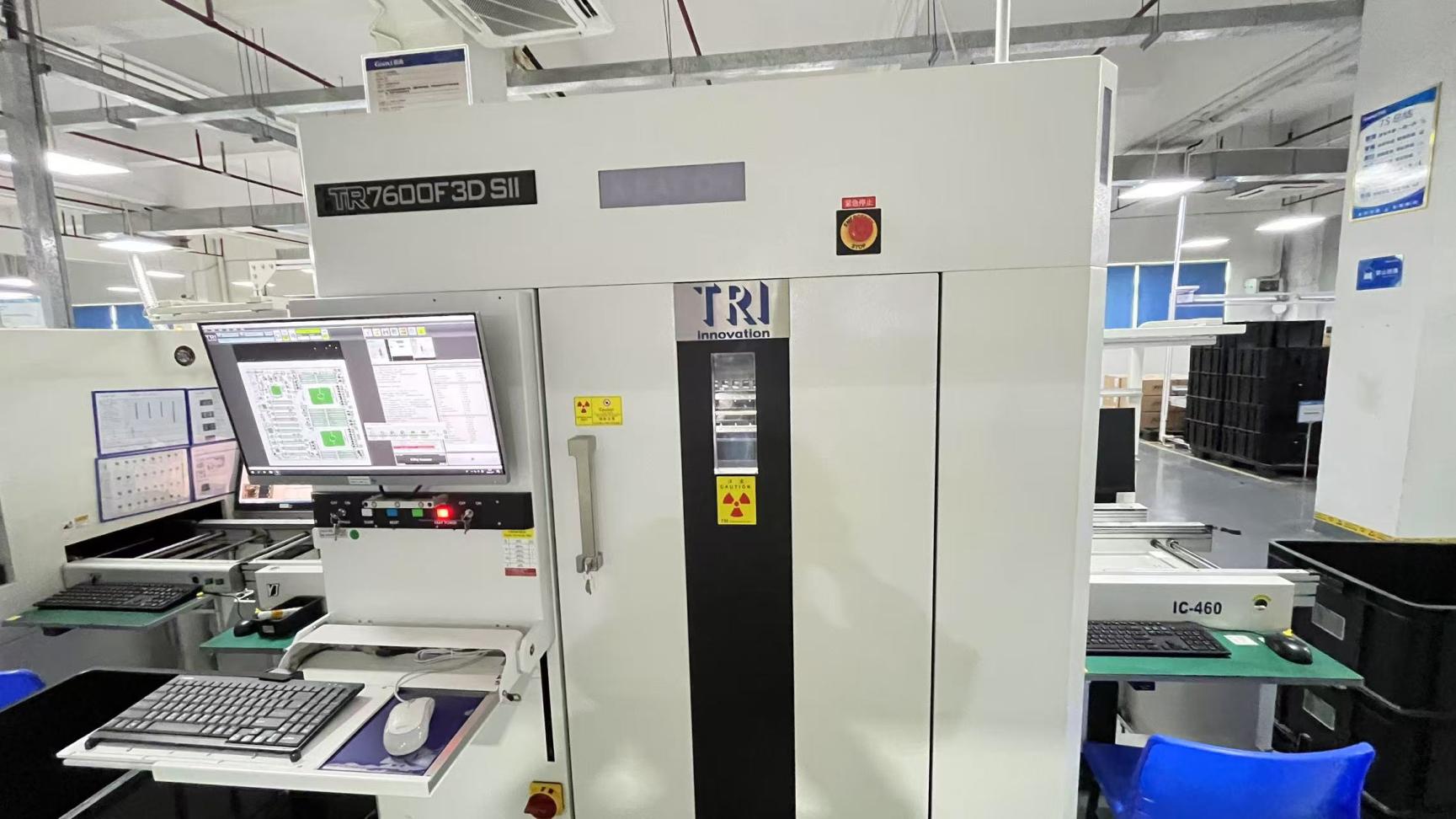
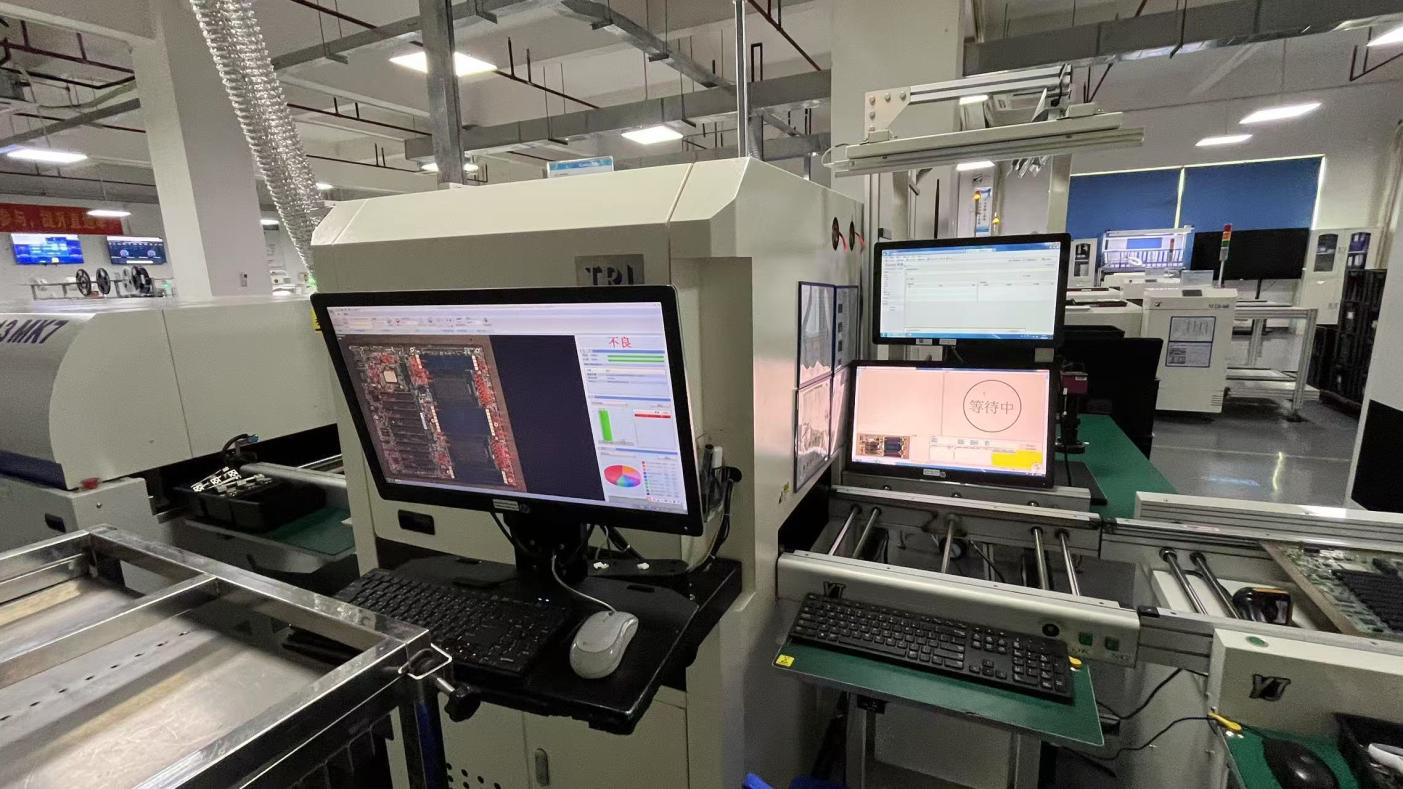
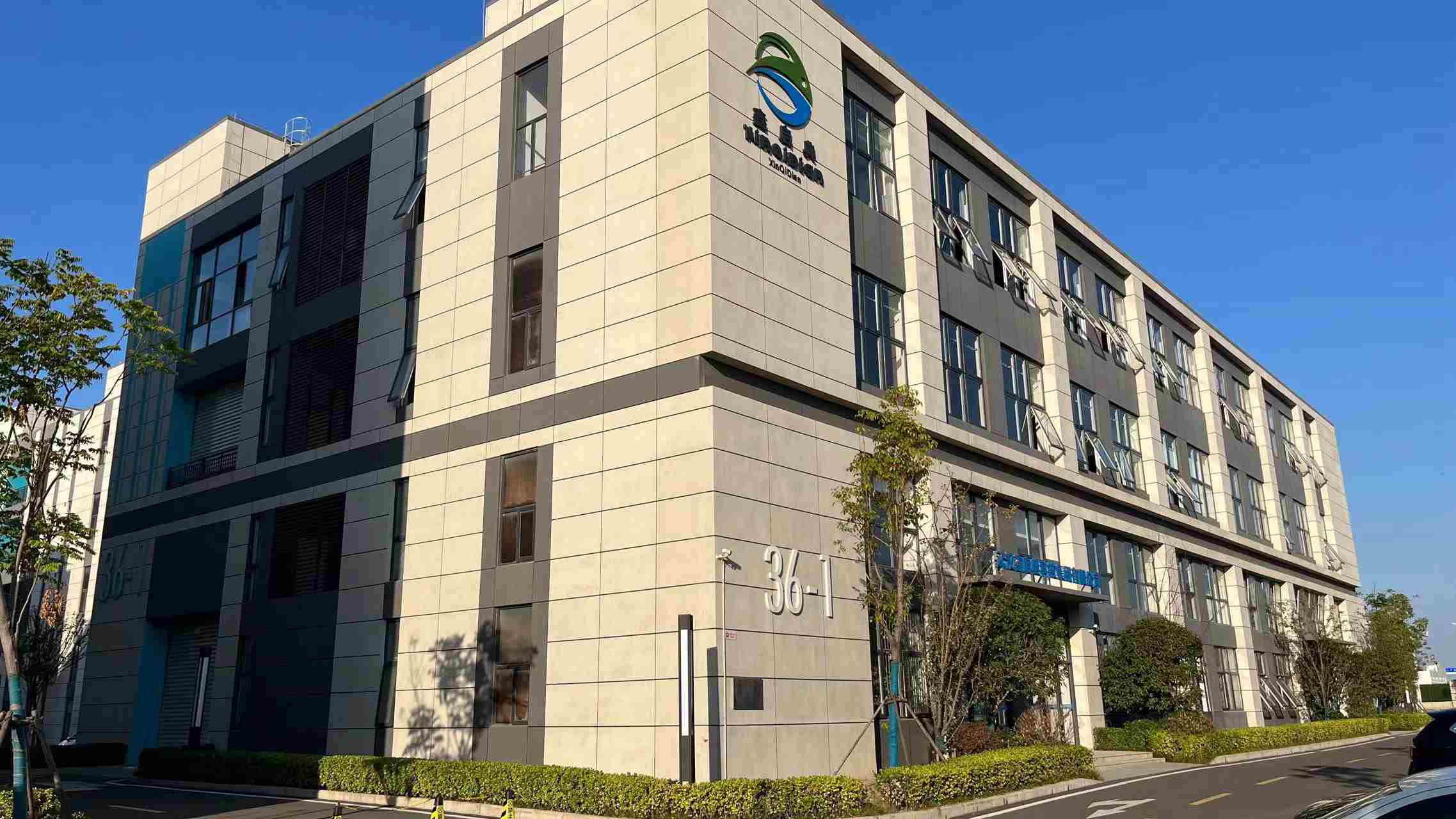
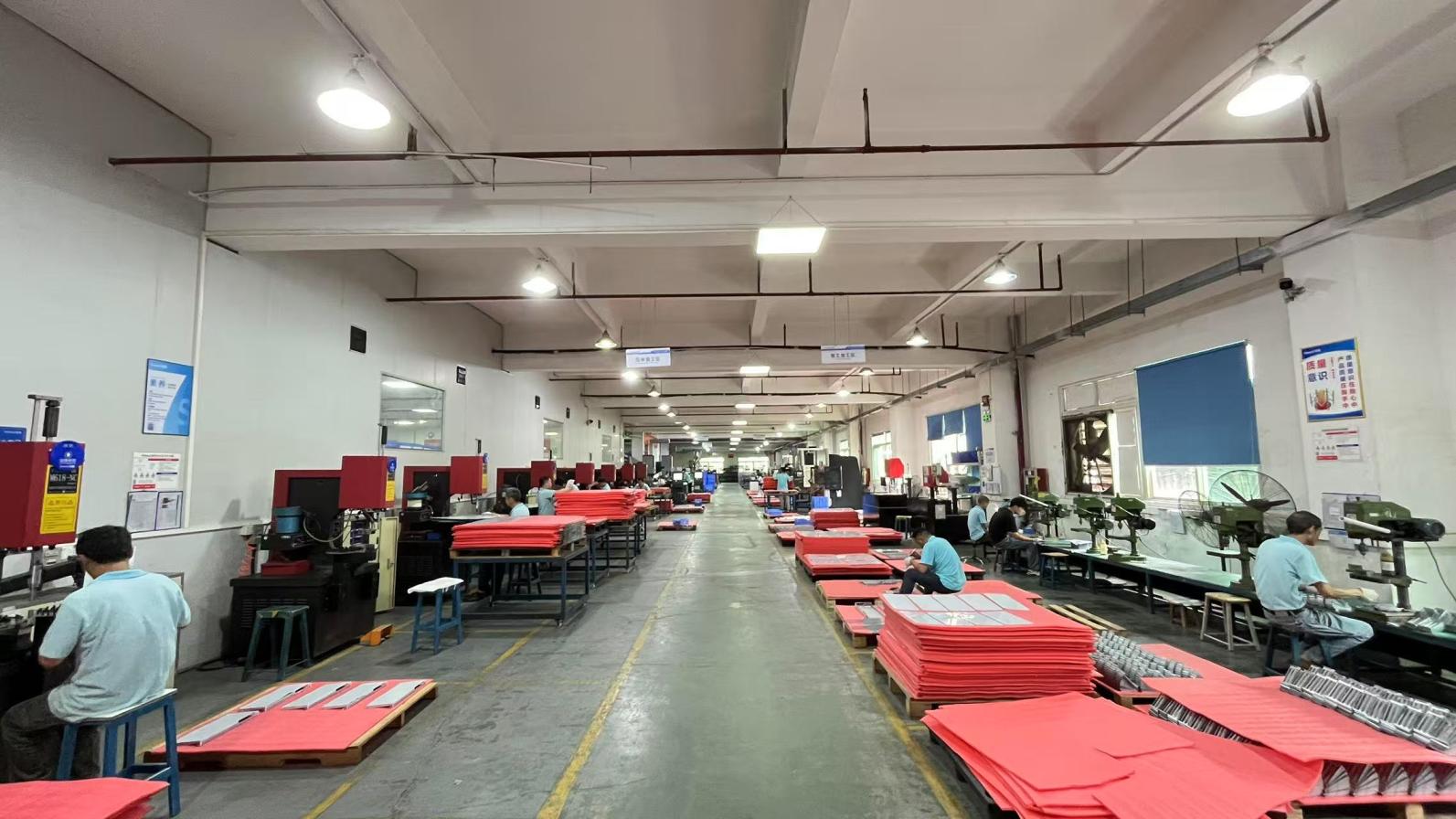
NexaGPU is a professional AI GPU server manufacturer and supplier specializing in high-performance computing infrastructure, GPU clusters, and customized AI server solutions for global enterprises, data centers, and AI development companies. Established in 2016, NexaGPU has rapidly grown into a trusted provider of advanced GPU computing systems. The company operates a modern, high-precision customization and validation facility with a building area of approximately 320㎡, optimized for efficient production, high-density modular assembly, and stress-testing of complex AI and cloud VPS server nodes.
With an annual export revenue of USD 12 million, NexaGPU has built strong international business capabilities and maintains 6 years of export experience and 11 years of industry experience in high-performance computing and server manufacturing. To ensure strict product quality, NexaGPU implements comprehensive multi-stage inspection processes, including hardware stress testing, thermal performance testing, and system stability validation. The company employs a dedicated quality assurance team of 45 QC specialists to maintain consistent product reliability.
NexaGPU has a solid trade background in global B2B technology supply chains, with major markets including North America, Europe, Southeast Asia, and the Middle East. The company works closely with over 850 supply chain partners, including GPU chip suppliers, motherboard manufacturers, server chassis factories, and cooling system providers. Its main customer base includes AI startups, cloud computing providers, data centers, research institutions, and enterprise IT solution providers.
NexaGPU demonstrates strong R&D capability, supported by a team of 120 R&D engineers focused on GPU architecture optimization, AI server design, and liquid cooling technology. The company offers extensive customization options including GPU configuration, CPU selection, memory expansion, storage architecture, and liquid cooling systems. In the past year, NexaGPU successfully launched 85 new product models, covering AI training servers, inference servers, and high-density GPU computing clusters. Through continuous innovation and engineering excellence, NexaGPU is committed to delivering scalable, efficient, and reliable AI computing infrastructure for the global artificial intelligence industry.
How our server manufacturing pipelines translate directly into sector-specific cloud operational efficiency.
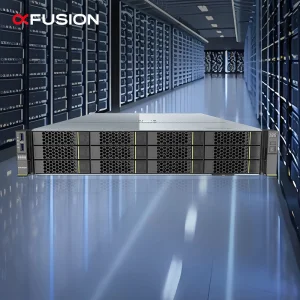
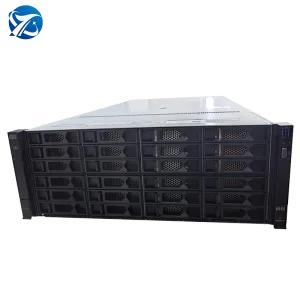
Using hyper-converged architectures to partition 2-socket Intel/AMD platforms into individual VPS containers. High IOPS SSD configs eliminate node noisy neighbors, providing persistent throughput.
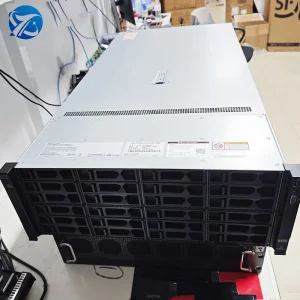
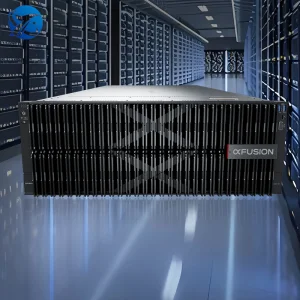
Deploying 8U GPU servers (e.g. xFusion G8600 V7) equipped with custom multi-link GPU fabrics. Perfect for training regional models, high-performance computing, and DeepSeek workloads.
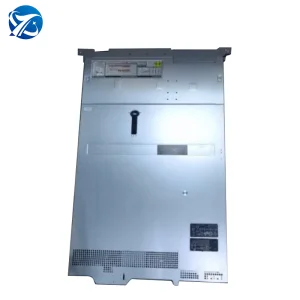
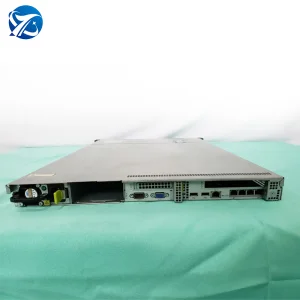
Deploying optimized 1U short-depth chassis in metropolitan carrier offices to cache streaming assets, decrease API turnaround times, and handle localized virtualization instances.
Navigating different energy regions, network requirements, and security configurations is a primary obstacle when importing enterprise hardware. For hosting providers deploying systems across North America, Europe, Southeast Asia, and the Middle East, hardware compliance is critical.
NexaGPU architectures are built to conform with global testing guidelines. Standardizing dynamic AC-DC PSUs to support multiple input limits (90V-264V range) ensures that rack servers function without modifications across global server rooms. On-site microcode security profiles and hardware virtualization options (Intel VT-x, AMD-V) are fully pre-configured in the system BIOS, enabling instant containerized deployments right out of the box.
Each chassis undergoes precise electrical load checks to confirm grounding and safety performance under extreme multi-component stress scenarios. Integrated baseboard management controller (BMC) firmware complies with safety protocols, guaranteeing that administrative control remains restricted to your secure management networks.
Our engineering division maintains a dedicated development path to ensure our compute platforms support the future of hosting.
| Architecture Stage | Hardware Specifications Focus | Virtualization Performance Impact | Implementation Timeline |
|---|---|---|---|
| Phase 1: High-Density SSDs | PCIe Gen 5.0 U.2/U.3 NVMe drives, providing data transfers up to 14,000 MB/s. | Minimizes database query latency and supports near-instant VM creation. | Available immediately on v7 lines |
| Phase 2: GPU Clustering | Multi-GPU arrays using high-speed PCIe interconnect configurations. | Enables dedicated AI training nodes to support complex compute loads. | Standardizing across 2U/4U lines |
| Phase 3: Thermal Optimization | Direct liquid cooling loops for TDP requirements up to 350W. | Helps lower PUE values, cutting cooling overhead in modern data centers. | Custom order configurations |
Answers to common industry questions regarding import processes, custom builds, and hardware integration.
Physical GPU servers utilize advanced hypervisors (such as KVM, VMware ESXi, or Proxmox) to partition physical hardware into smaller, distinct virtual units. By leveraging technologies like SR-IOV (Single Root I/O Virtualization) or NVIDIA vGPU, hosting providers can distribute hardware power among multiple isolated VPS instances. This allows clients to run machine learning models, render graphic assets, and process data on dedicated resources, without needing to rent a complete physical bare-metal server.
Sourcing directly from a China factory provides access to reliable components, customized configurations, and competitive pricing. NexaGPU uses a supply network of over 850 partners to procure memory, processing units, storage drives, and thermal management units. This close integration allows us to build customized server systems, perform detailed testing (such as stress testing and power draw optimization), and export globally while keeping costs manageable.
Our Quality Assurance process includes multi-phase testing overseen by 45 QC specialists. Every server undergoes full memory validation, long-run CPU/GPU heat testing, storage write checks, and IPMI connectivity tests. The servers are tested under full load for at least 72 hours to ensure all components meet performance metrics before they are packaged and shipped.
Supported by 120 R&D engineers, we offer extensive hardware personalization options. This includes specifying RAM allocations (DDR4 vs. DDR5), selecting storage architectures (NVMe arrays, SAS drives, or high-capacity NAS configurations), installing network cards (such as Emulex 32Gb/s HBA cards or 100G Ethernet adapters), and configuring power supplies (including Platinum 900W, 1500W, or 2000W redundant PSUs).
With 6 years of export experience, we manage compliance standards and trade logistics for North America, Europe, Southeast Asia, and the Middle East. Our systems are built using components that comply with standard electrical regulations (CE, FCC, RoHS) to ensure trouble-free installation in data centers globally.
Complete your virtualization setups with high-speed interface cards, reliable power units, and custom high-density servers.