NexaGPU
NexaGPU
NexaGPU
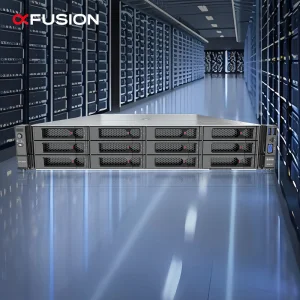
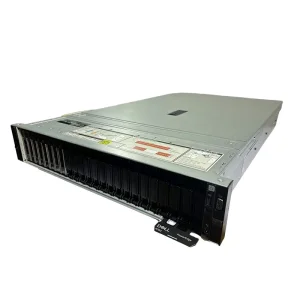
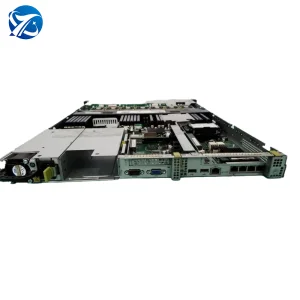
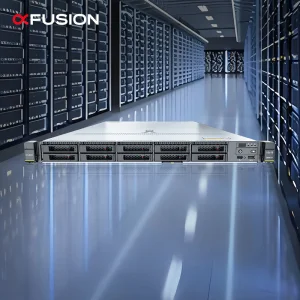
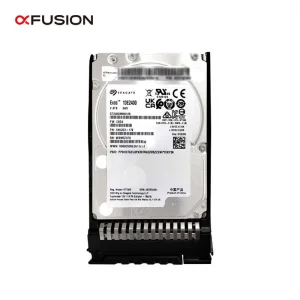
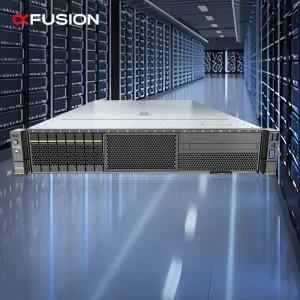
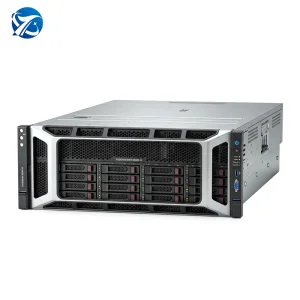
In the era of hyper-scale cloud environments, artificial intelligence, and real-time data streaming, Enterprise SSD storage has transformed from standard secondary storage into a core pillar of high-performance computing (HPC). Globally, the solid-state storage sector is experiencing massive architectural changes. The transition from traditional SATA-based SSDs to high-bandwidth, ultra-low latency PCIe NVMe drives is accelerating. The rise of machine learning networks and models like DeepSeek demands continuous throughput, turning data ingestion and checkpointing into major system bottlenecks. Consequently, modern storage clusters rely heavily on advanced solid-state architectures to maximize GPU utilization.
Historically dominated by global silicon heavyweights, the SSD manufacturing space is undergoing significant diversification. China's flash memory ecosystem, supported by integrated semiconductor testing, packaging, and high-performance controller production, has emerged as a key supply source for enterprise storage arrays. Local manufacturers leverage close proximity to key global hardware production clusters to deliver optimized storage solutions. These range from PCIe Gen4 PM9A3 SSD configurations to next-generation PCIe Gen5 enterprise flash modules, offering the competitive edge and cost-efficiency required by modern datacenters.
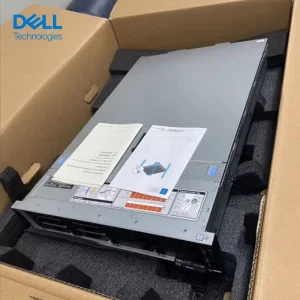
Modern U.2, U.3, and E3.S form factors minimize signal degradation and physical space, maximizing density in dense 1U and 2U server rack designs.
By adopting TLC and QLC NAND flash architectures, enterprise clients achieve superior cost per gigabyte metrics alongside highly robust TBW write limits.
Integrating with NVMe over Fabrics (NVMe-oF) using RDMA or TCP enables storage resource disaggregation across large-scale physical server infrastructures.
Solid-state disk (SSD) storage is no longer a generic component; it is optimized and configured for specific operational workloads. Understanding user intent and technical requirements is critical for deploying the correct storage medium. Below, we highlight the four core enterprise deployment profiles where China SSD storage and server units provide major architectural performance gains:
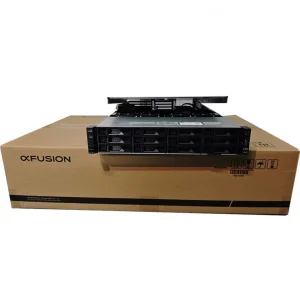
Large Language Model training (such as DeepSeek architectures) depends on fast ingestion of multi-terabyte datasets. Storage subsystems must support continuous, high-IOPS random reads. PCIe NVMe storage devices, such as the PM9A3 series integrated within xFusion and PowerEdge server topologies, deliver the latency profile needed to feed hungry GPU nodes without waiting cycles.
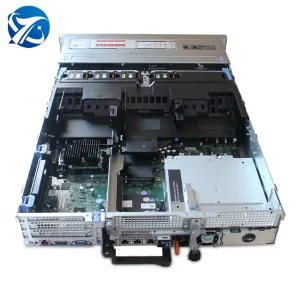
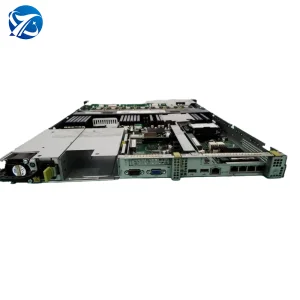
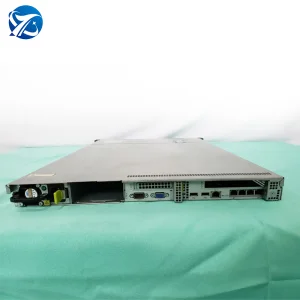
Modern corporate operations rely on virtualization engines. Hyperconverged platforms, like the xFusion 2288H V6 system, combine computing nodes and local flash resources into a single software-defined tier. High-speed local SSDs support local caching, running container workloads and virtual machine disks (VMDKs) with near-zero latency.
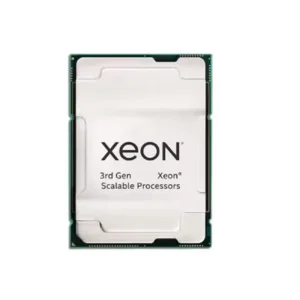
File systems hosting corporate resources demand reliable, high-density storage configurations. Deployments utilizing dual-socket Xeon systems like the FusionServer 1288H series maximize memory expansion and storage configurations. This provides structural backup capacity, high-speed file transfers, and low-latency network file shares.
Smart city and deep learning video processing networks consume multiple concurrent high-resolution camera feeds. Storage infrastructure needs sustained write capabilities to prevent frame drops. Optimized B2B GPU platforms, such as the AI Inference G5200 V5, use high-speed flash pools to process and analyze visual information in real time.
The flash memory landscape is evolving rapidly, driven by three major architectural trends: performance scaling, system integration, and thermal management.
With data rates climbing to 32 GT/s per lane under the PCIe Gen 5 specification, next-generation enterprise drives provide double the bandwidth of Gen 4 equivalents. This high speed is critical for training complex AI topologies and prevents storage arrays from bottlenecking powerful modern accelerator nodes.
CXL introduces memory-semantic access to block storage devices. In modern server nodes, CXL enables dynamic memory pooling and unified caching, letting system processors access flash media with low latency, similar to system DRAM.
Modern storage architectures generate significant heat in high-density rack configurations. Advanced packaging, dedicated heatsinks, and liquid cooling options protect hardware investments and prevent performance throttling under sustained operation.
The dominance of Chinese manufacturing in the global enterprise computing and storage supply chain is built on strong industrial integration. From substrate fabrication and controller development to packaging and validation testing, the domestic ecosystem minimizes turnaround times and optimizes manufacturing costs.
Domestic semiconductor firms design specialized SSD controllers featuring advanced low-density parity-check (LDPC) error correction engines, hardware encryption, and optimized flash translation layers (FTL) to ensure long-term durability and performance stability.
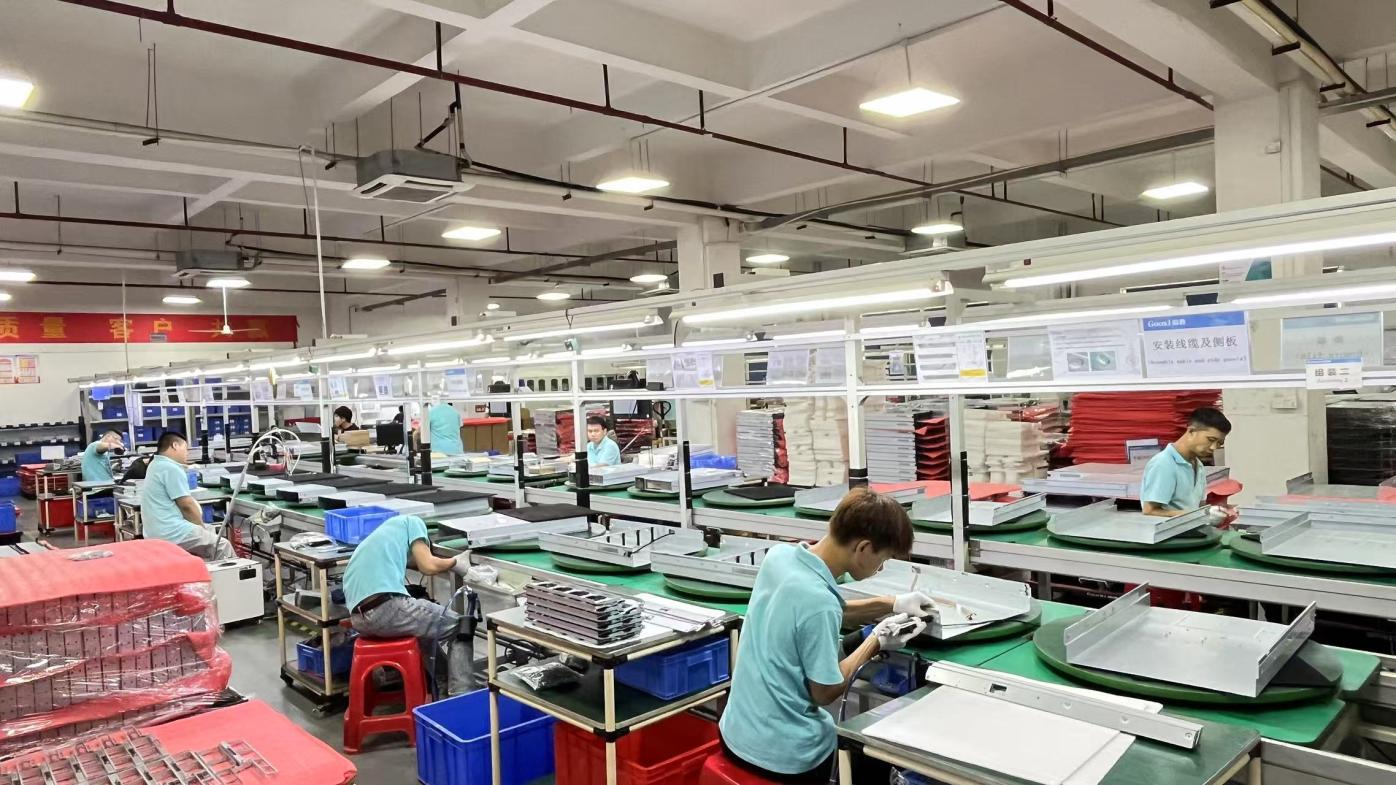
Shenzhen and the wider Greater Bay Area house advanced packaging facilities. Here, NAND flash dies are stacked and wired onto PCBs with precision, ensuring excellent physical integrity and vibration resistance for high-stress server environments.
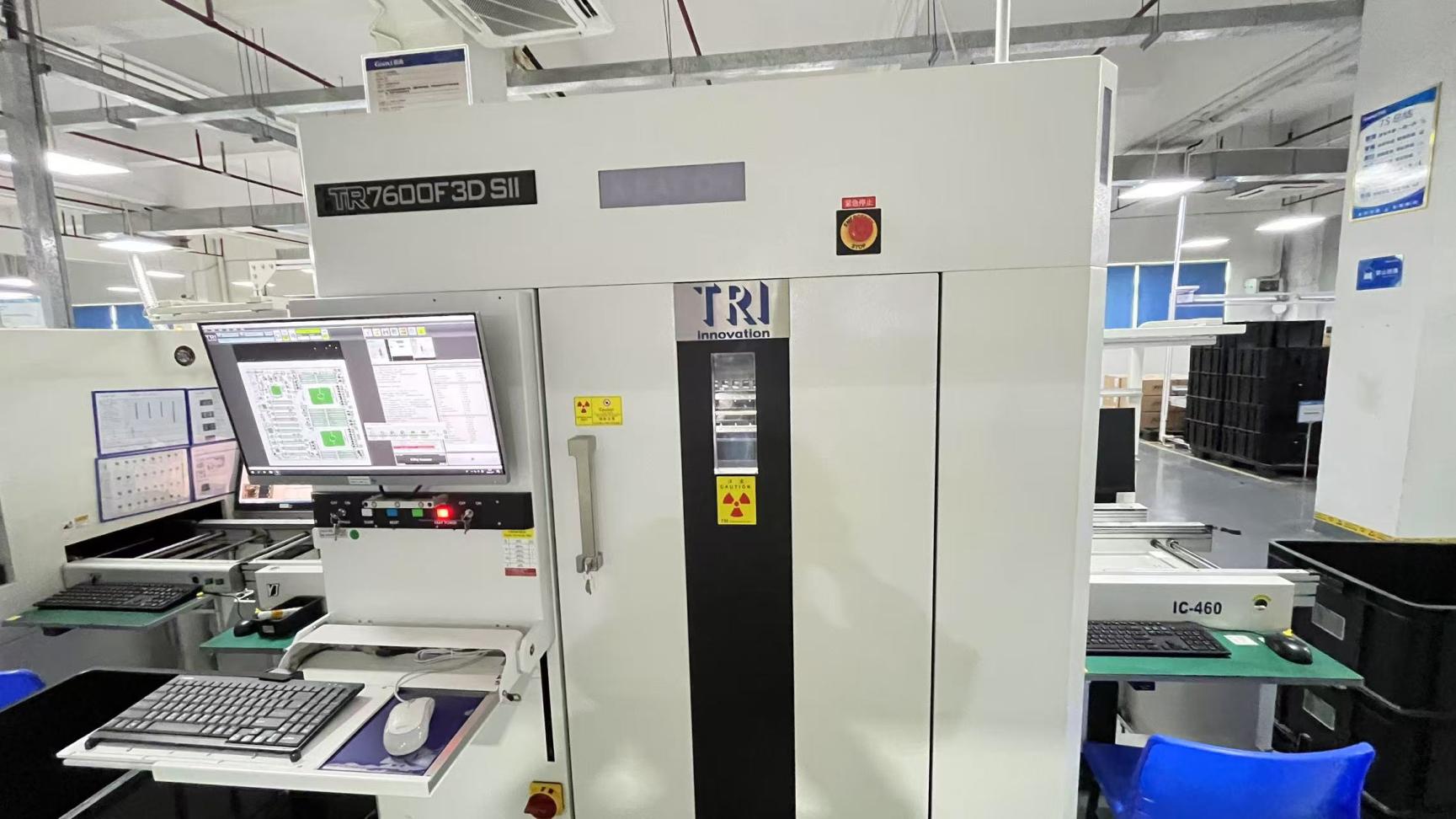
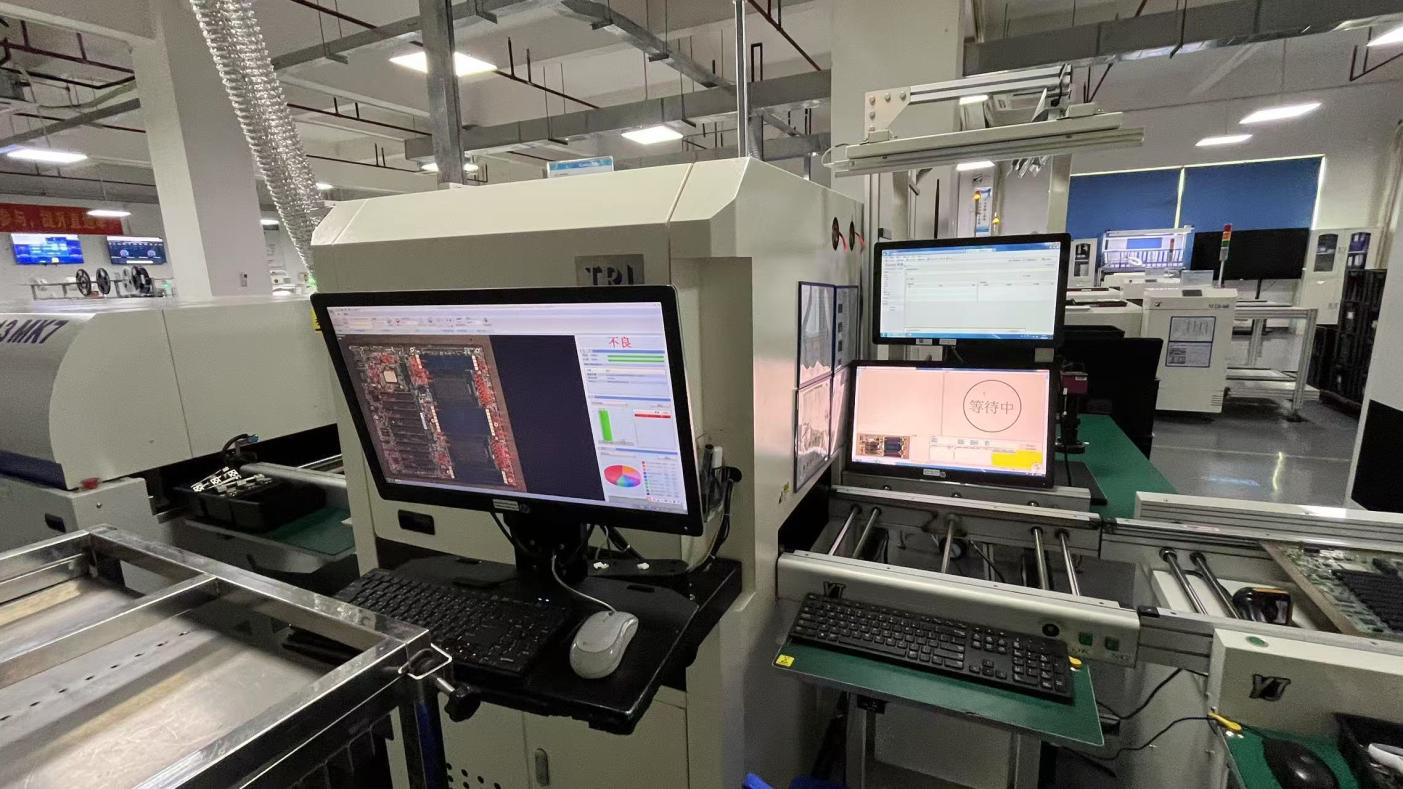
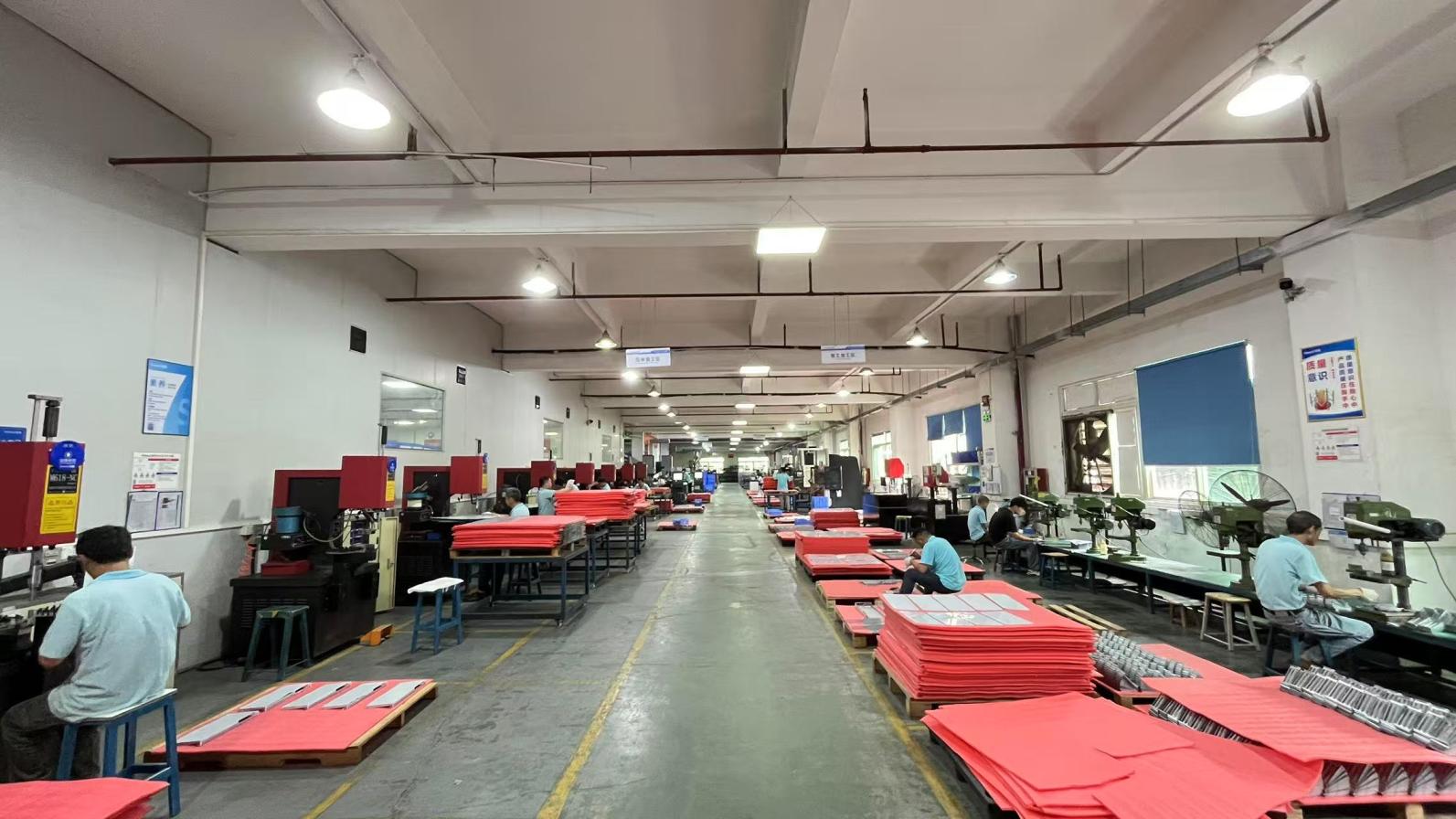
High-reliability enterprise hardware undergoes exhaustive Burn-In and hardware stress testing. Dedicated quality inspection teams analyze thermal performance and read/write stability across varying operating temperatures before products leave the factory floor.
NexaGPU is a specialized AI GPU server manufacturer and supplier focusing on high-performance computing infrastructure, GPU clusters, and customized AI server solutions for global enterprises, cloud datacenters, and AI development operations.
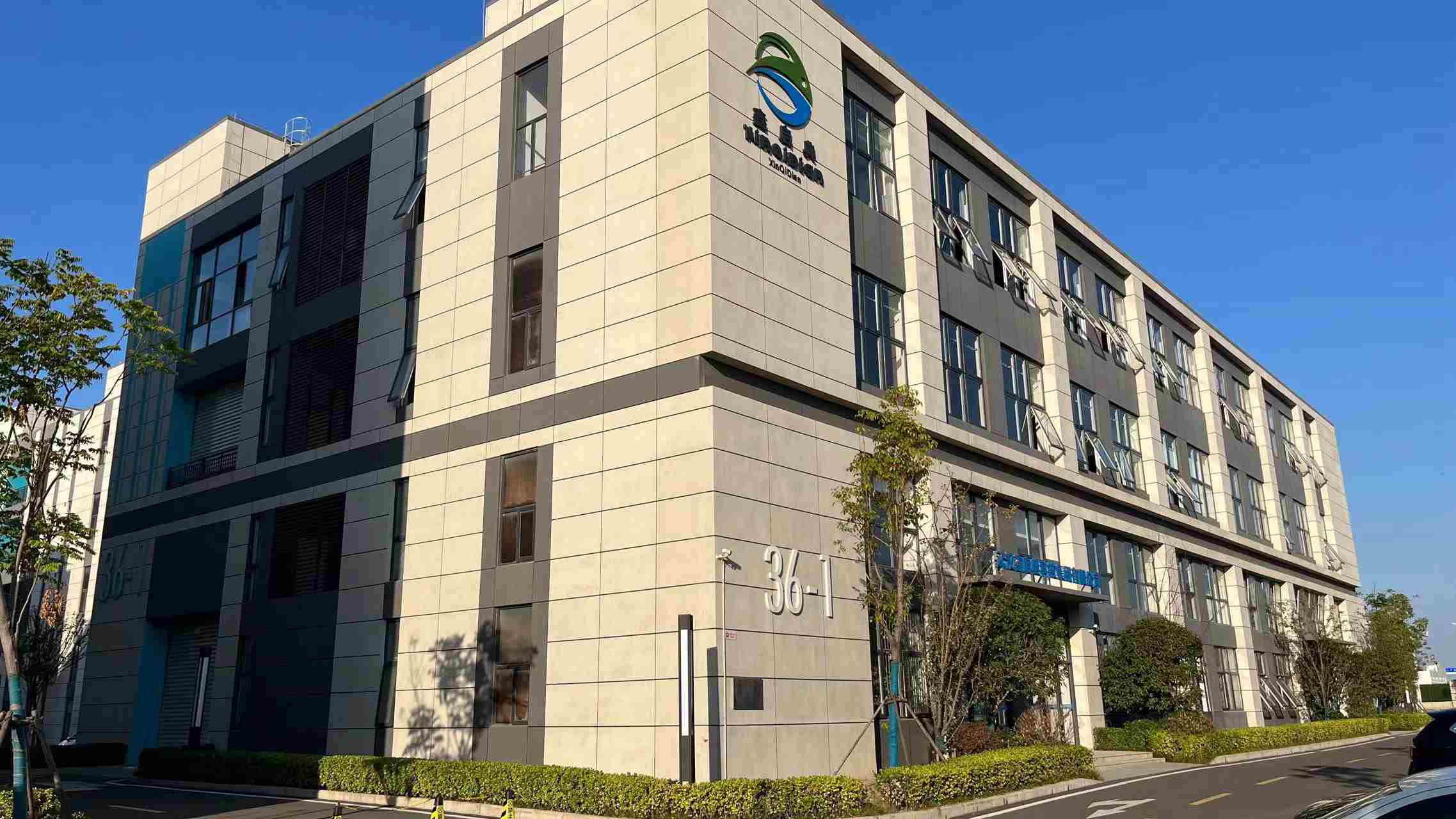
Founded in 2016, NexaGPU has grown into a trusted provider of high-performance computing systems. Operating a modern facility with a building area of approximately 320㎡, NexaGPU supports the efficient production, assembly, and testing of AI server systems. This facility handles everything from initial board-level integration to final software validation.
To guarantee enterprise-grade product quality, NexaGPU implements comprehensive multi-stage inspection processes, including hardware stress testing, thermal performance validation, and system stability testing under sustained loads. The company employs a dedicated quality assurance team of 45 QC specialists to ensure consistent hardware reliability.
NexaGPU has a strong trade footprint in global B2B technology supply chains, serving major markets in North America, Europe, Southeast Asia, and the Middle East. Working closely with over 850 supply chain partners—including GPU chip suppliers, motherboard manufacturers, server chassis factories, and cooling system providers—NexaGPU supports cloud computing networks, AI startups, academic institutions, and enterprise IT teams.
Driven by innovation, NexaGPU's R&D team of 120 engineers focuses on optimization, server architecture design, and liquid cooling integration. The company offers flexible customization, including GPU configurations, processor choices, memory allocation, storage arrays, and thermal setups. Highlighting this R&D capability, NexaGPU launched 85 new product models in the past year, addressing the demand for high-performance training and inference infrastructure.
When evaluating enterprise SSDs and server hardware from Chinese manufacturers, procurement officers should focus on key technical metrics over raw cost-per-gigabyte. The table below outlines critical operational vectors to consider before purchasing:
Drive Writes Per Day (DWPD) and Terabytes Written (TBW) define an SSD's operational lifespan. Write-heavy tasks, like databases and log servers, require high-end TLC flash with 3 to 5 DWPD. In contrast, read-intensive environments can use cost-effective QLC flash with lower endurance profiles.
Enterprise-grade SSDs must feature onboard tantalum capacitors to provide temporary power during unexpected power cuts. This protection enables the controller to flush data from volatile DRAM cache to non-volatile NAND flash, preventing data corruption.
High-speed NVMe drives run hot. Ensure selected SSDs feature advanced dynamic thermal throttling algorithms. These systems manage temperatures through smart airflow design or specialized heatsinks, preventing sudden performance drops during intensive read/write cycles.
TLC (Triple-Level Cell) stores 3 bits per cell, offering higher write endurance, lower latency, and better write performance. It is ideal for write-heavy workloads like databases and virtual machines. QLC (Quad-Level Cell) stores 4 bits per cell, providing higher storage density at a lower price point. It is best suited for read-intensive operations, data archiving, and large content delivery networks where writes are infrequent.
NexaGPU uses a 45-specialist Quality Control team to run multi-stage hardware and software stress tests. Every server is subjected to full-load hardware tests, thermal scanning, and memory diagnostic checks for 24-72 hours to ensure long-term stability and prevent premature component failure before shipping.
Yes. NexaGPU supports extensive storage array customization. Customers can choose specific NVMe drives (such as Samsung PM9A3 series or domestic alternatives), select preferred drive bay quantities (e.g., U.2, U.3, or E3.S configurations), configure RAID controllers (like Broadcom MegaRAID), and request hardware-based encryption options.
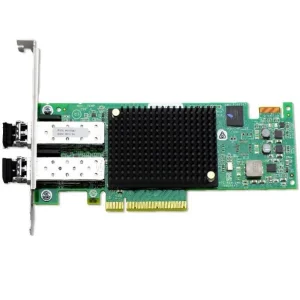
NVMe-oF extends the high performance and low latency of NVMe across network fabrics like Ethernet (using RDMA/RoCE or TCP) or Fibre Channel. This enables servers to access shared storage enclosures with minimal network overhead, allowing datacenter administrators to scale storage capacity independently from compute resources.
Dual-port SSDs connect to two host controllers simultaneously, creating redundant paths to the flash storage. If one controller or path fails, the second path maintains access to the data, ensuring high availability and preventing single points of failure in enterprise storage arrays.
As NAND cells shrink and stack layers increase, raw bit error rates rise. Low-Density Parity-Check (LDPC) engines built into SSD controllers identify and correct transmission errors on the fly. This system improves data integrity and significantly extends the usable lifespan of TLC and QLC flash media.