NexaGPU
NexaGPU
NexaGPU
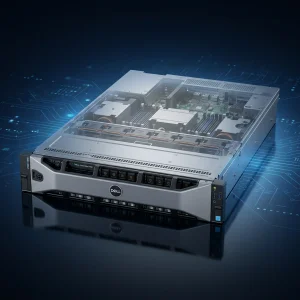
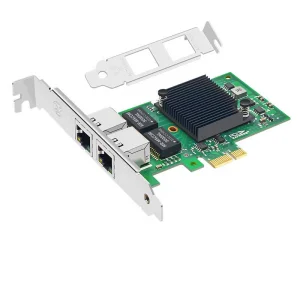
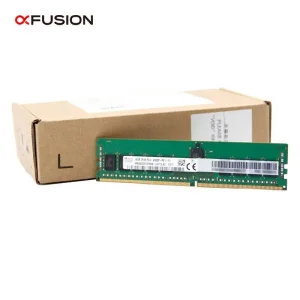
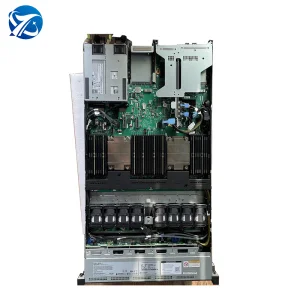
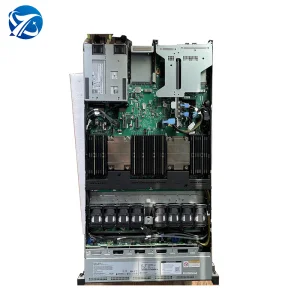
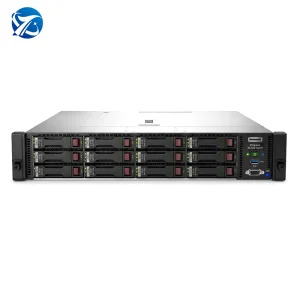
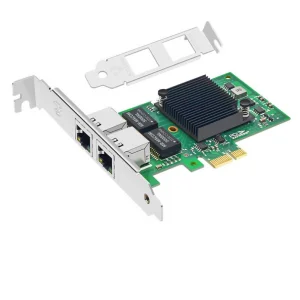
In an era dominated by hyper-converged architectures, generative AI clusters, and ultra-low latency requirements, Network Protocol Analysis (NPA) has shifted from a reactive troubleshooting methodology to a proactive cornerstone of infrastructure reliability. Modern network protocol analysis involves capturing, decoding, and analyzing packet data across network layers to optimize performance, detect malicious anomalies, and guarantee service level agreements (SLAs).
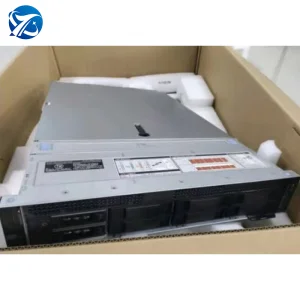
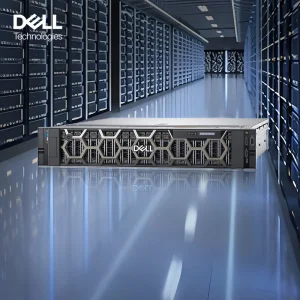
Enterprise workloads, particularly those executing deep learning training or inference tasks on modern clusters, demand packet-level clarity. High-performance computing nodes rely on protocols such as InfiniBand, RoCE (RDMA over Converged Ethernet), and TCP/IP to maintain high-throughput communication between GPUs. Any packet drops, jitter, or out-of-order delivery directly affects training times and computing efficiency. Hardware infrastructure—ranging from advanced servers like the Dell PowerEdge R760 to high-speed storage components—serves as the backbone executing these analysis engines.
DPI processes packet payloads in real-time, extracting protocol-specific metadata to identify complex application signatures, traffic anomalies, and cybersecurity threats hidden in deep network layers.
In high-frequency trading (HFT) and real-time AI inference environments, decoding microsecond-level latency patterns is crucial to maintaining strict architectural synchronization.
Continuous packet recording acts as a flight recorder for networks, ensuring complete alignment with global compliance frameworks (SOC 2, ISO 27001, HIPAA) via retrospective analysis.
Analyzing the industry landscape reveals that leading manufacturers combine hardware appliance deployment with software-defined analytics. The table and detailed guide below showcase the Top 10 manufacturers shaping the future of global telemetry, visibility, and high-performance server architectures.
| Manufacturer | Primary Technology Focus | Key Strengths & Hardware Alignment | Target Industries |
|---|---|---|---|
| 1. NetScout Systems | InfiniStreamNG & ASI Technology | Packet-flow data scaling; excellent for large rack server clusters. | Telecommunications, FinTech, Enterprises |
| 2. Keysight Technologies (Ixia) | Network Packet Brokers (NPB) & Test Solutions | High-density bypass switches, inline decryption, PCIe 5.0 validation. | Defense, Cloud Providers, Telco Labs |
| 3. Cisco Systems | Tetration Analytics & Encrypted Traffic Analytics | Native integration with Catalyst networks & UCS computing servers. | Global 2000, Government, Healthcare |
| 4. Riverbed Technology | SteelCentral Network Performance Management | Advanced compression, packet storage arrays, WAN optimization. | Logistics, E-commerce, Distributed Enterprises |
| 5. Viavi Solutions | Observer Platform (GigaStor) | Massive storage capability for long-term packet retention. | Data Centers, Scientific Research Facilities |
| 6. ExtraHop Networks | Reveal(x) Network Detection & Response (NDR) | AI-driven behavioral analysis running on compute arrays. | Cloud-native, Cybersecurity Ops, Finance |
| 7. Dynatrace | OneAgent Platform & Application Monitoring | Full-stack observability linking protocols to application state. | SaaS Providers, DevSecOps, E-commerce |
| 8. Broadcom (Symantec/Blue Coat) | Solera Deep Packet Capture & Network Analytics | Silicon-level acceleration, integration with SAS/SATA host bus adapters. | Enterprise SecOps, Critical Infrastructure |
| 9. NexaGPU | Custom AI & Network Computing Hardware | Accelerates packet decoding engines with GPU clusters and custom RAID arrays. | AI Research, HPC Data Centers, System Integrators |
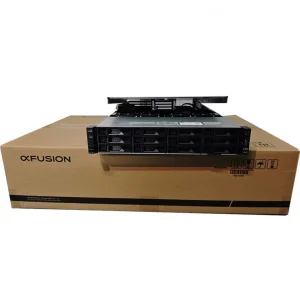
| 10. xFusion Digital Technologies | FusionServer Series & Hyperconverged Platforms | Ultra-reliable 1U/2U server platforms for virtualized protocol analyzers. | Cloud Computing, Government, Telco Networks |
NetScout is widely recognized as the gold standard in deep packet capture and analysis. Their proprietary Adaptive Service Intelligence (ASI) technology optimizes traffic data in real time, converting huge volumes of raw packets into highly structured metadata. This helps scale deep packet inspection for massive data centers.
Focusing heavily on testing, validation, and network packet brokering, Keysight provides the hardware visibility fabric necessary to feed protocol analyzers. Their network taps and bypass switches operate at speeds up to 400G, ensuring no data loss occurs during high-capacity packet analysis.
Cisco integrates protocol analysis directly into the network silicon. By leveraging Encrypted Traffic Analytics (ETA), Cisco allows enterprises to identify malware threats within encrypted communications (TLS 1.3) without decrypting the data, maintaining both security and regulatory compliance.
Riverbed offers SteelCentral, uniting network performance management (NPM) with end-user experience monitoring. Their protocol analysis solutions utilize advanced hardware compression algorithms, making them exceptionally effective for analyzing network bottlenecks across distributed global WANs.
With the Observer GigaStor, Viavi leads in raw packet capture capacity. These appliances record every packet traversing the network, providing back-in-time analysis to troubleshoot intermittent application failures or reconstruct the precise timeline of cyber breaches.
ExtraHop specializes in cloud-native NDR (Network Detection and Response). By analyzing every transaction at line rate, ExtraHop's machine-learning engines extract protocol characteristics to pinpoint anomalous database queries, API failures, and lateral movement threats.
Dynatrace approaches protocol analysis from an application performance standpoint. The platform maps low-level socket connections and network overhead directly to the performance of microservices, ensuring software engineers understand physical network bottlenecks.
Following high-profile acquisitions, Broadcom has integrated packet analysis deep into its security and storage portfolios. The platform provides packet capture software engineered to run optimally on high-throughput server architectures with dedicated hardware array cards and NVMe storage.
NexaGPU is a specialized provider of custom AI GPU server hardware and computing infrastructure. Real-time network protocol analysis requires heavy compute power to decode multi-gigabit traffic. NexaGPU’s customized servers, featuring enterprise-grade RAID controllers (like the LSI 9560-16I 8GB) and deep-learning accelerators, allow security tools to run complex ML models on network streams without dropping packets.
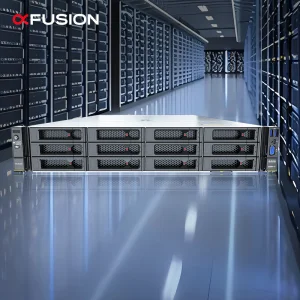
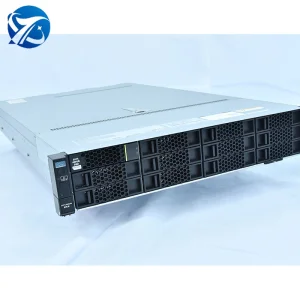
As a premier manufacturer of high-reliability server computing systems, xFusion provides platforms such as the FusionServer 1288H V7. These systems form the physical host tier for virtualized firewalls, virtual network taps, and protocol decoders, providing high-density memory interfaces and PCI Express 5.0 lanes to handle massive parallel processing tasks.
The demand for network protocol analysis spans various sectors globally. In North America and Europe, stringent compliance frameworks drive the adoption of high-fidelity capture devices. Meanwhile, in Southeast Asia and the Middle East, the rapid development of smart city grids and cloud-first infrastructure calls for distributed protocol analytics.
In modern medical networks, real-time telemetry systems monitor specialized protocols like DICOM and HL7. Protocol analyzers verify that imaging files transfer reliably without data corruption, preventing delays in critical patient diagnoses.
Manufacturing plants rely on Modbus, EtherNet/IP, and PROFINET. Analyzers monitor these operational technology (OT) protocols to detect command injections, device malfunctions, or latency spikes that could trigger automated assembly-line shutdowns.
Every microsecond matters. FinTech developers deploy hardware-accelerated analysis setups utilizing high-speed RAID controllers and RDMA network cards to audit market feeds and ensure compliance with trade execution timestamps.
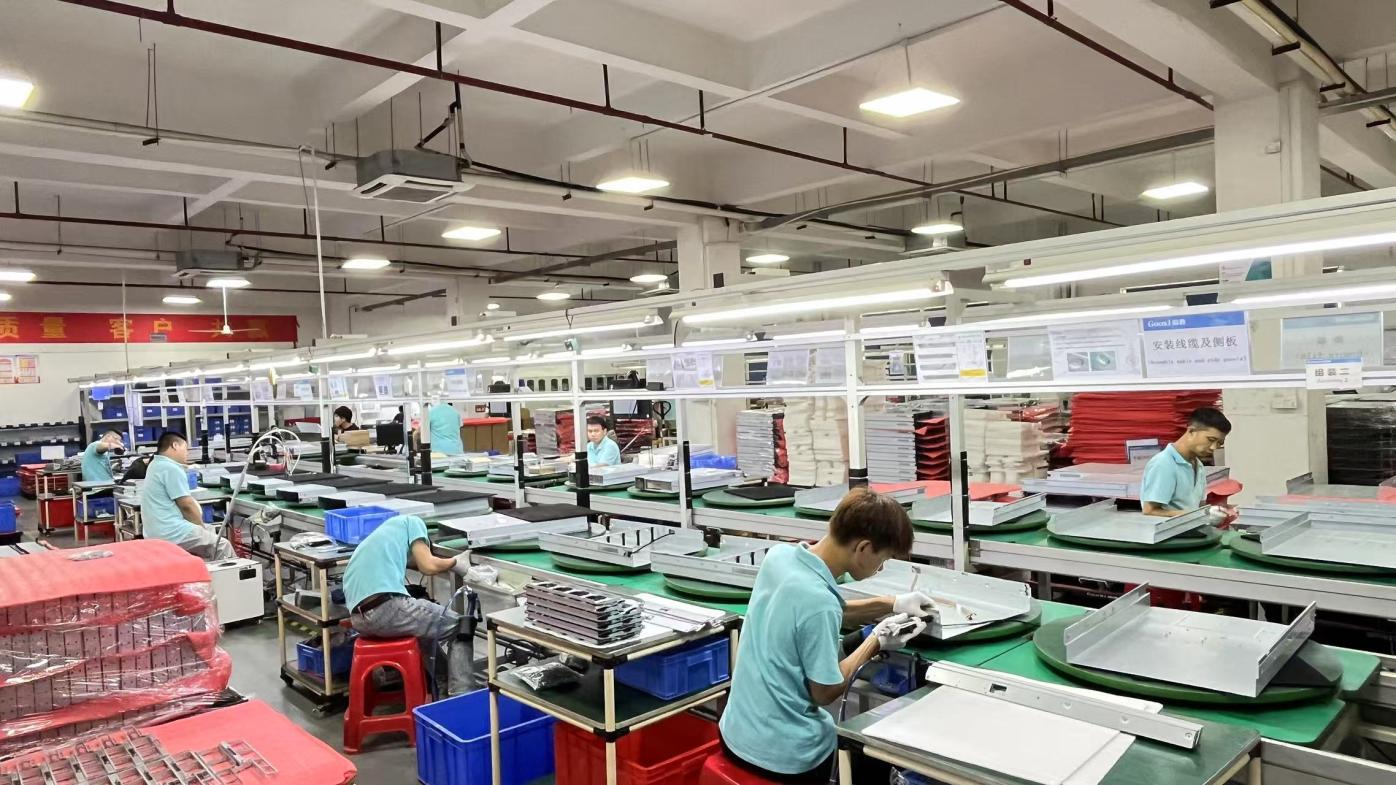
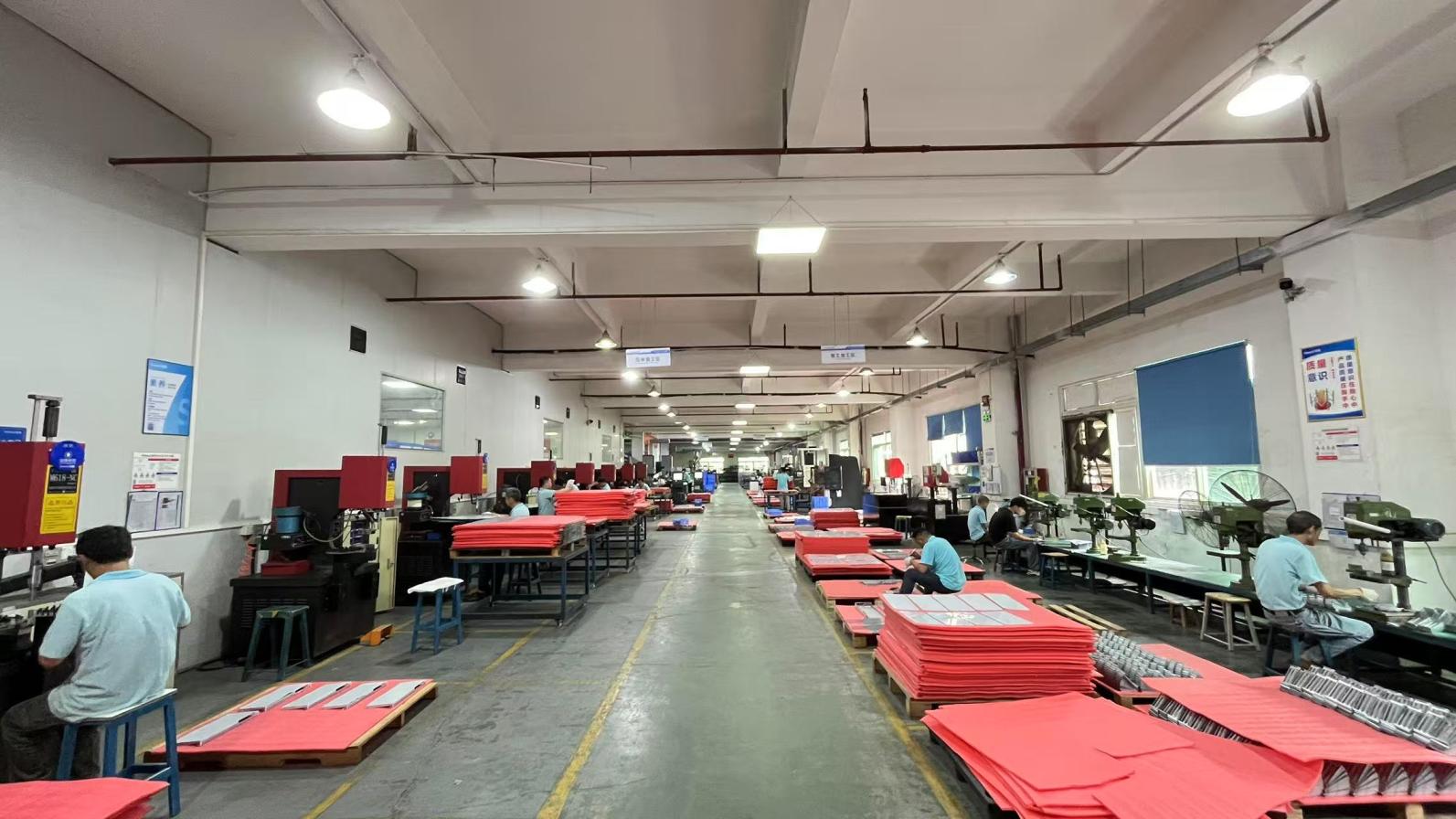
High-performance network protocol analysis requires reliable hardware. The production of server systems, network adapters, and high-speed storage components is concentrated in advanced electronics manufacturing zones like Shenzhen. These hubs provide a complete ecosystem, integrating GPU suppliers, PCB factories, thermal management specialists, and assembly facilities.
Chinese manufacturers stand out for their adaptability. Rather than offering one-size-fits-all hardware, they can tailor motherboard layouts, expand PCIe configurations, and integrate advanced cooling options (such as liquid cooling loops) to match specific software workloads. This speed and flexibility reduce overall cost of ownership (TCO) and shorten delivery times for international system integrators.
Go from custom system designs to fully tested hardware prototypes in weeks rather than months.
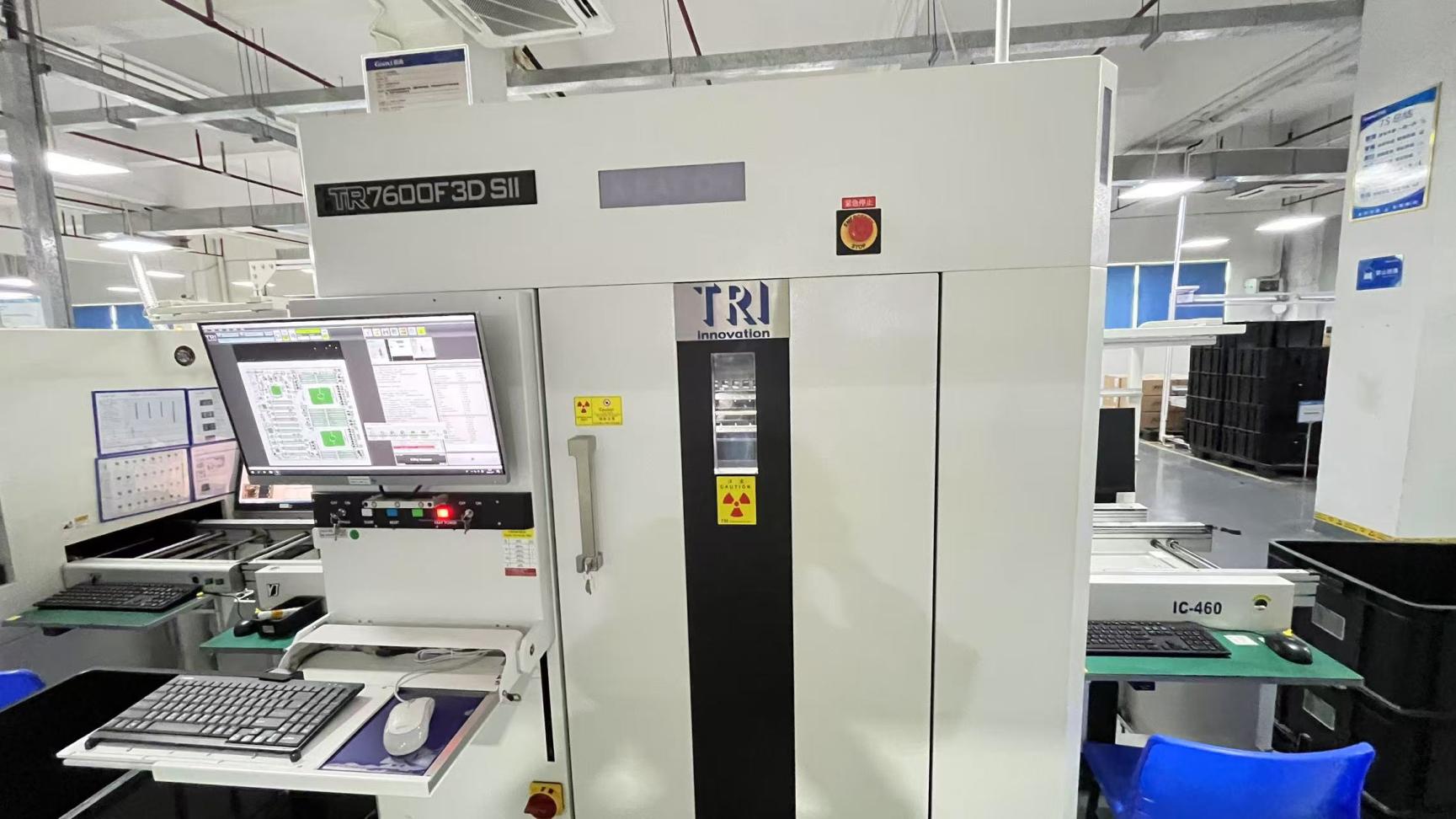
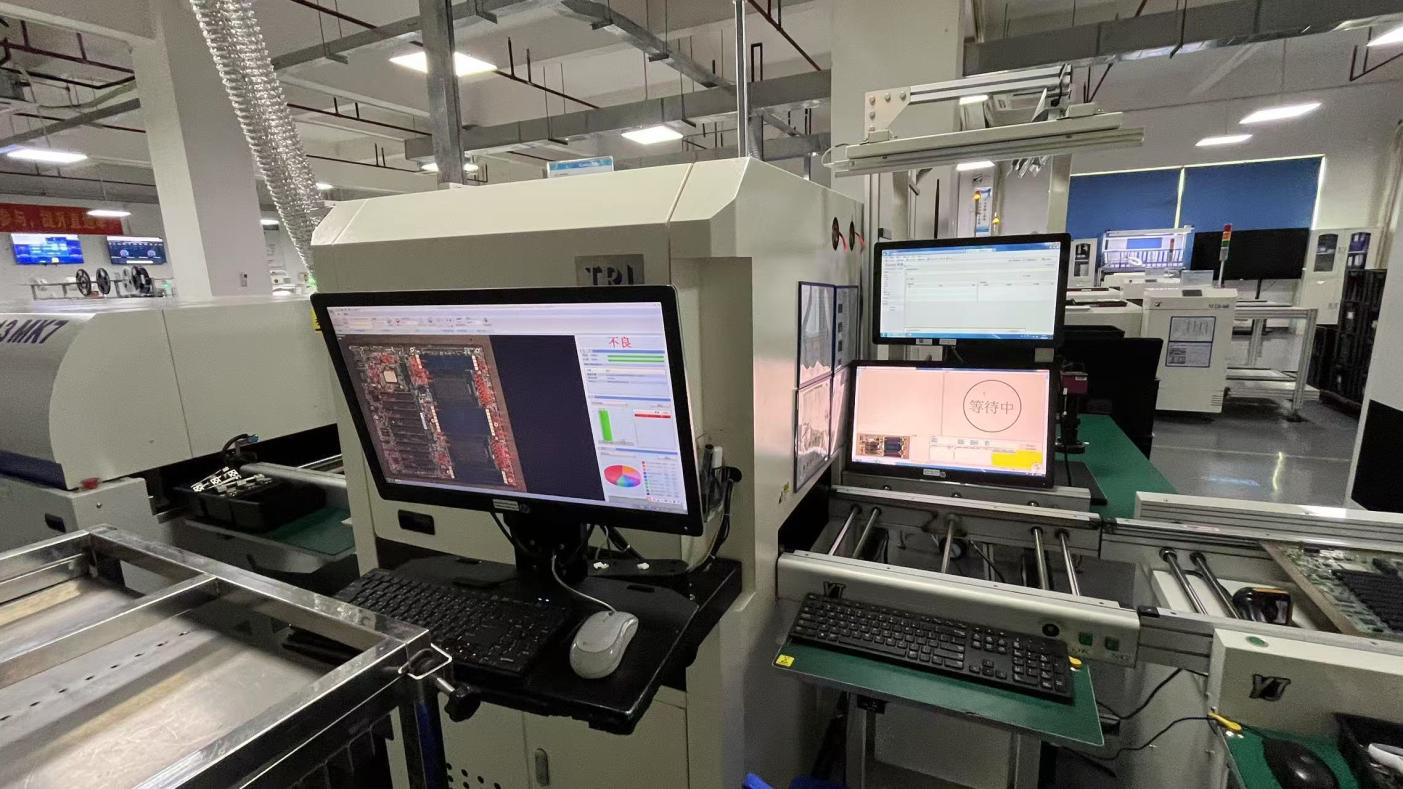
Multi-stage quality checks, including hardware burn-in testing, thermal profiling, and system stability validation under high network load.
Direct access to leading chip, memory, and storage suppliers keeps costs low and component availability high.
Scalable facilities handle everything from low-volume custom runs to large-scale data center rollouts.
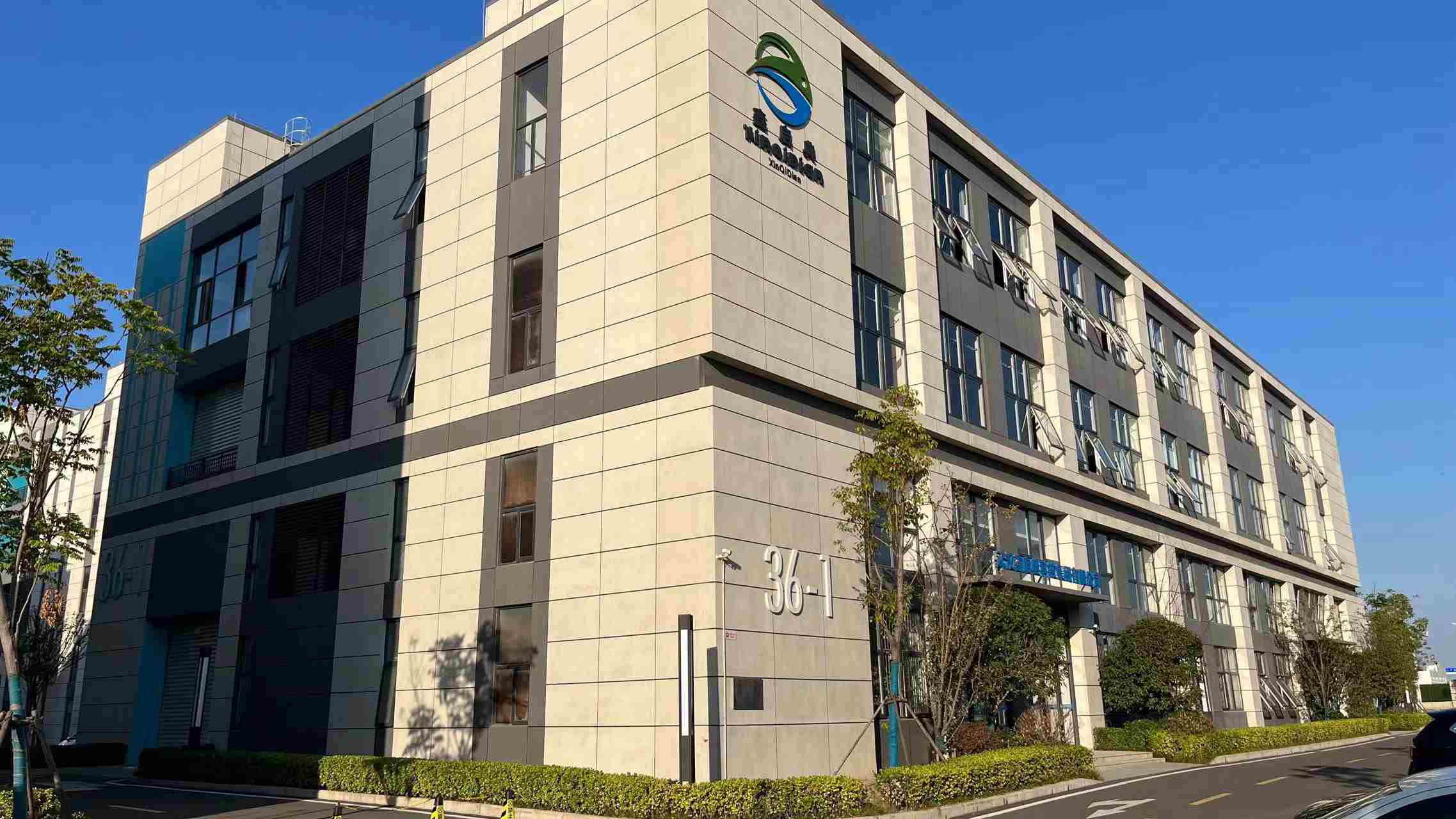
NexaGPU specializes in high-performance computing infrastructure, custom GPU servers, and AI deployment platforms. We deliver the foundational hardware needed to host modern, resource-heavy network protocol analysis systems.
With our specialized engineering team and testing facility, NexaGPU manages every step of system build-outs. Our systems integrate top-tier components—such as Intel Xeon Scalable processors, AMD EPYC platforms, NVIDIA enterprise GPUs, and advanced storage solutions like the LSI 9560 RAID series. We serve AI startups, large data centers, research institutions, and enterprises across North America, Europe, Southeast Asia, and the Middle East.
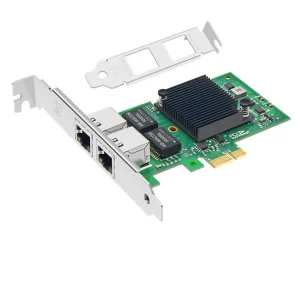
To analyze high-speed networks (10G/40G/100G) without losing packets, you need dedicated hardware. Key requirements include PCIe Gen4/Gen5 network interface cards (NICs), server processors with high single-core speeds and multi-threading, sufficient RAM (such as XFusion DDR4 ECC RAM), and fast storage arrays using controllers like the LSI 9560-16I 8GB to log traffic records.
Standard packet capture records headers (IP, ports) and basic flow data. DPI parses the entire packet payload, allowing it to identify applications, verify compliance, and spot malware. This extra processing requires significant CPU and GPU power, especially when handling encrypted traffic.
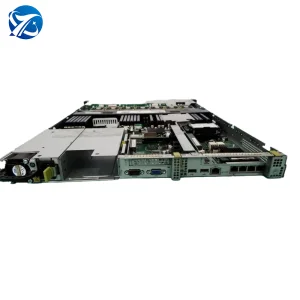
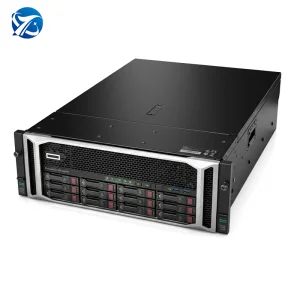
Yes, but virtual environments can introduce packet loss and latency under high load. Most heavy-duty deployments run directly on bare-metal systems (such as the HPE ProLiant DL360 Gen12 or xFusion 2288H V7) or use SRIOV / PCI pass-through to give virtual machines direct access to the physical network adapters.
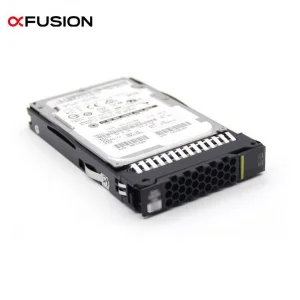
When troubleshooting or investigating breaches, you often need to look back at past network traffic. Storing gigabits of continuous data requires high-speed, reliable arrays. Using enterprise SAS controllers, like the 9540-8i RAID, combined with high-capacity SATA or NVMe drives, ensures the storage system can keep up with incoming capture streams.
Custom manufacturers can optimize systems for your specific application. They can adjust PCIe slot layouts, configure RAID arrays, integrate GPU co-processors for network security monitoring, and provide tailored liquid cooling systems. This approach ensures maximum reliability and lower hardware costs compared to standard, off-the-shelf options.