NexaGPU
NexaGPU
NexaGPU
Explore industry-leading rack servers designed for AI training, NAS storage clusters, and high-density enterprise computing workloads.
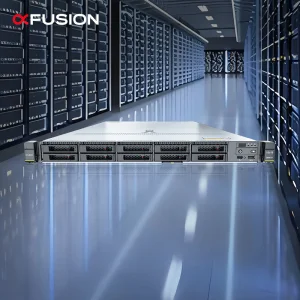
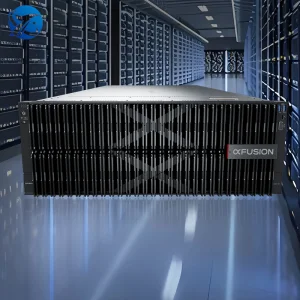
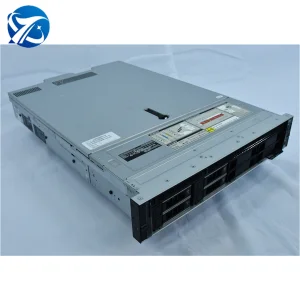
In the modern era of computing, data centers are facing unprecedented challenges. The explosive growth of Large Language Models (LLMs) like DeepSeek, high-fidelity engineering simulations, and massive cloud-native storage nodes has pushed traditional server architectures to their absolute limits. The demand for compute efficiency, thermal optimization, and space consolidation has ushered in the age of **High-Density Rack Servers**.
High-density servers pack greater processing power, system memory, storage capacity, and network bandwidth into smaller form factors (1U, 2U, or 4U rackmount configurations). By utilizing multi-node setups and integrated liquid-cooling options, enterprises can double or triple their computing performance without expanding their physical data center footprint. Today, global supply chains depend heavily on specialized manufacturers and exporters capable of integrating robust processor architectures, high-bandwidth storage interfaces, and thermal mitigation technologies.
Transitioning to high-density layouts lowers operational overhead, improves Power Usage Effectiveness (PUE), and accelerates modern AI workloads. Selecting the right supplier requires evaluation of R&D innovation, component sourcing reliability, and end-to-end QC stress validation.
A look into our manufacturing capacity, quality control infrastructure, and global B2B partnerships.
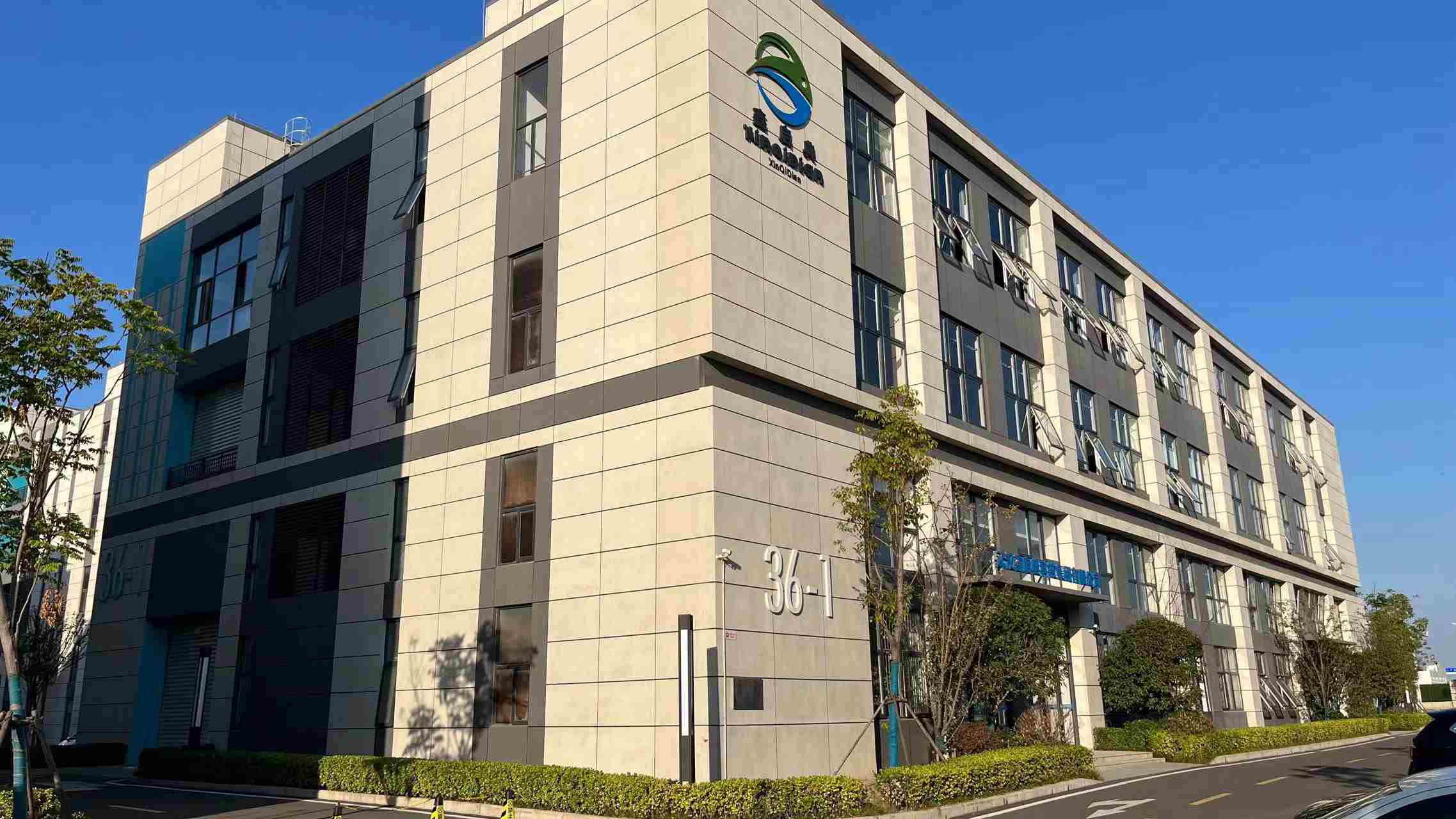
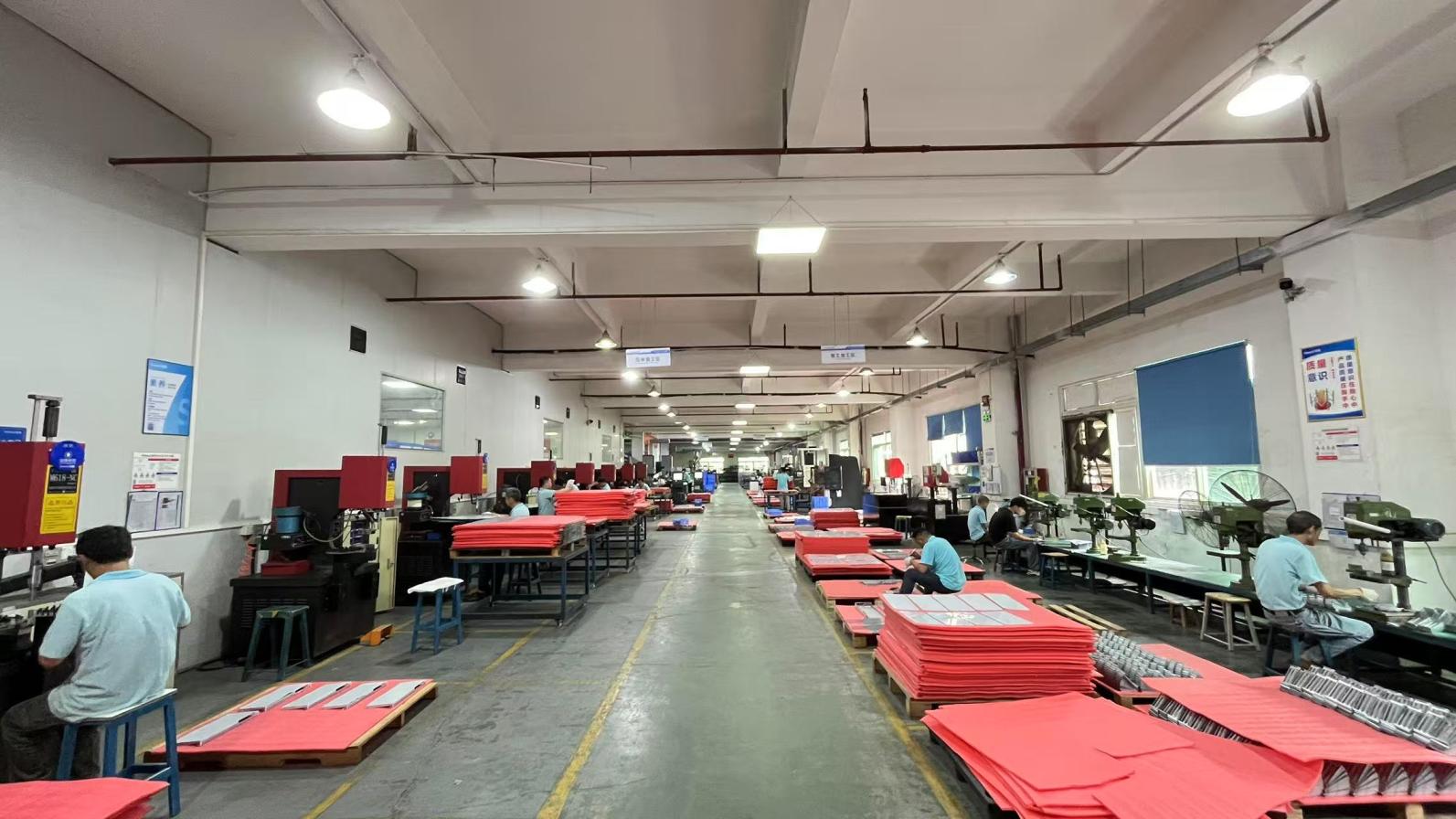
NexaGPU is a premier manufacturer specializing in high-performance computing infrastructure and custom GPU clusters. Established in 2016, the company operates a specialized high-performance validation lab (320㎡) with robust multi-stage testing facilities, ensuring zero-defect hardware configurations. Working with over 850 global supply chain partners, we ensure reliable delivery of server components, chassis, and complete assemblies.
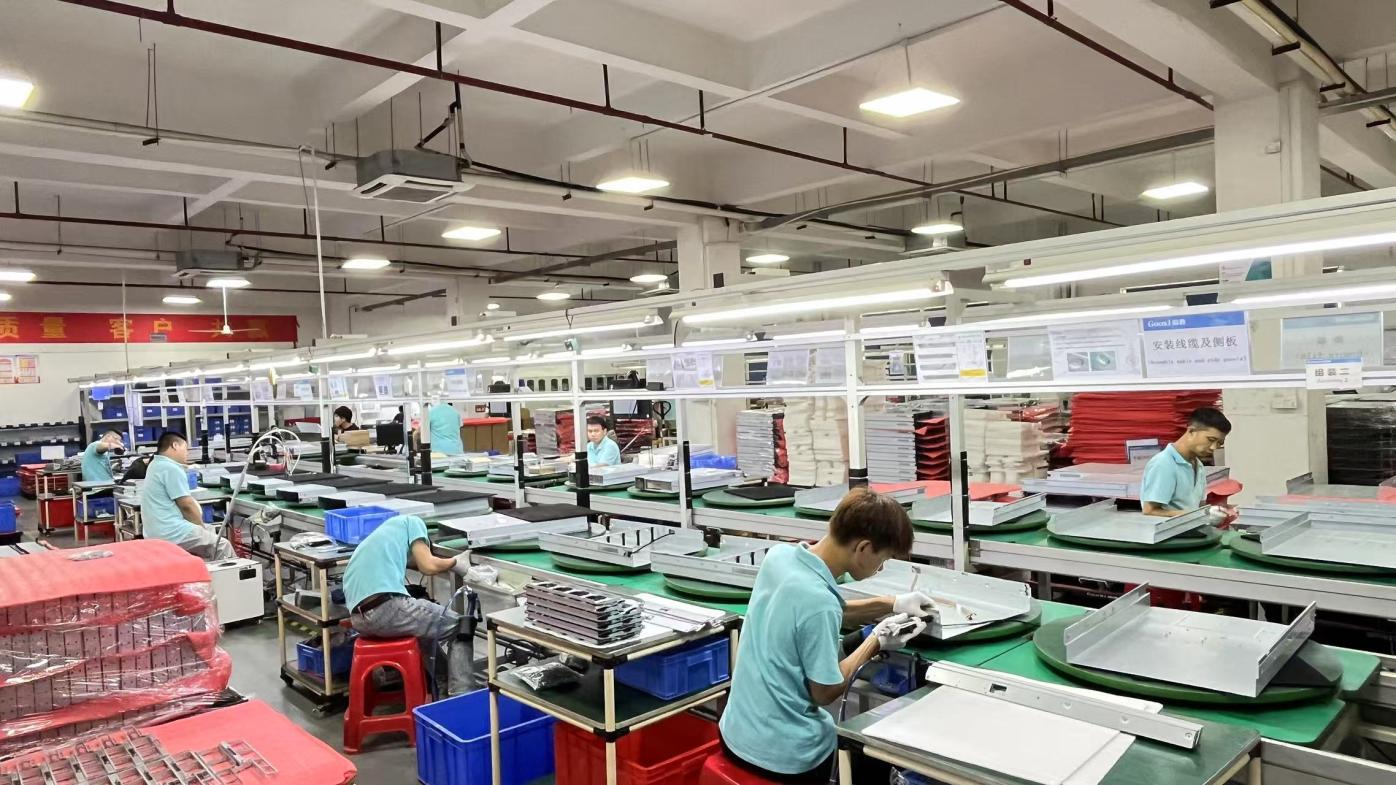
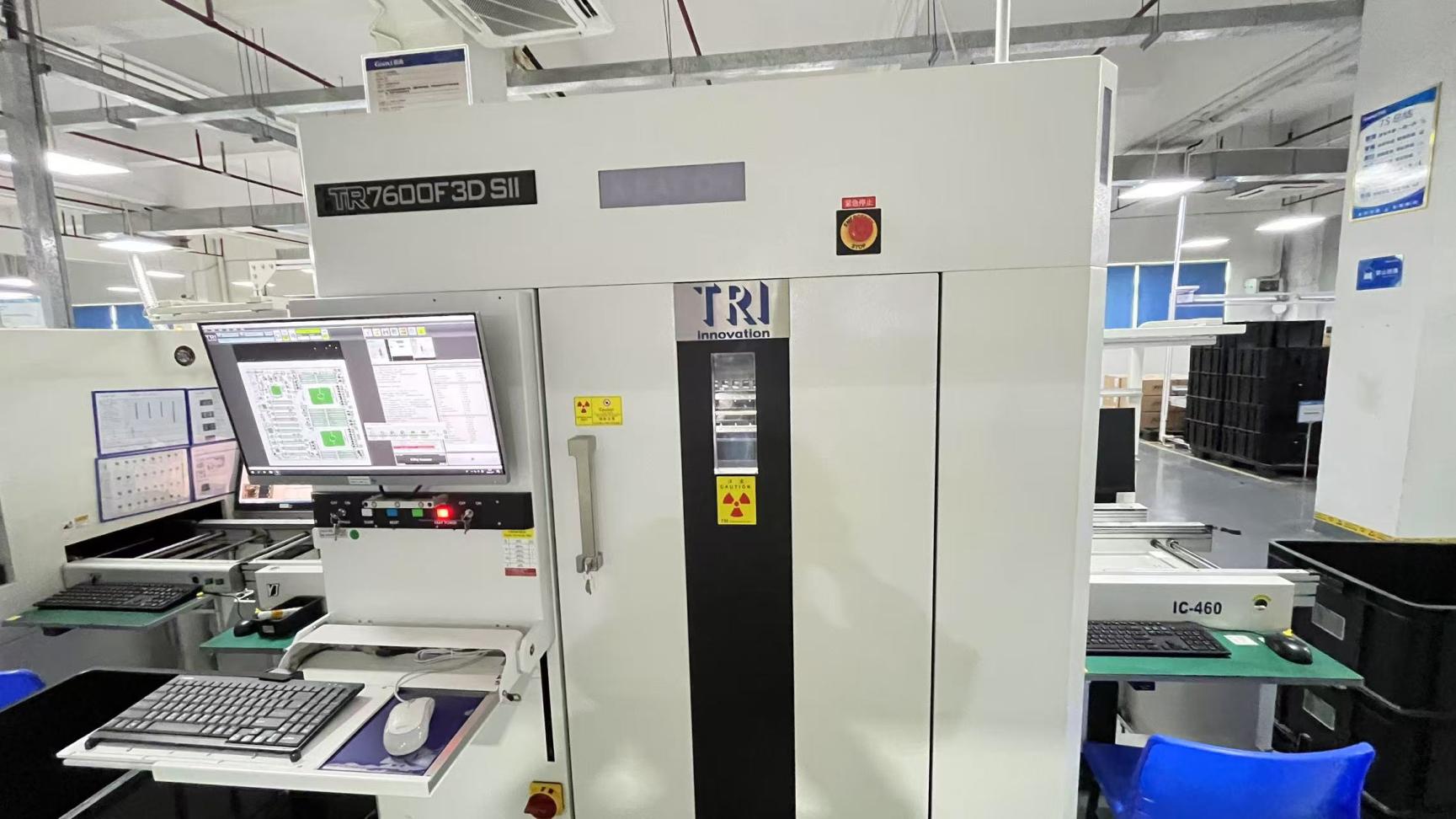
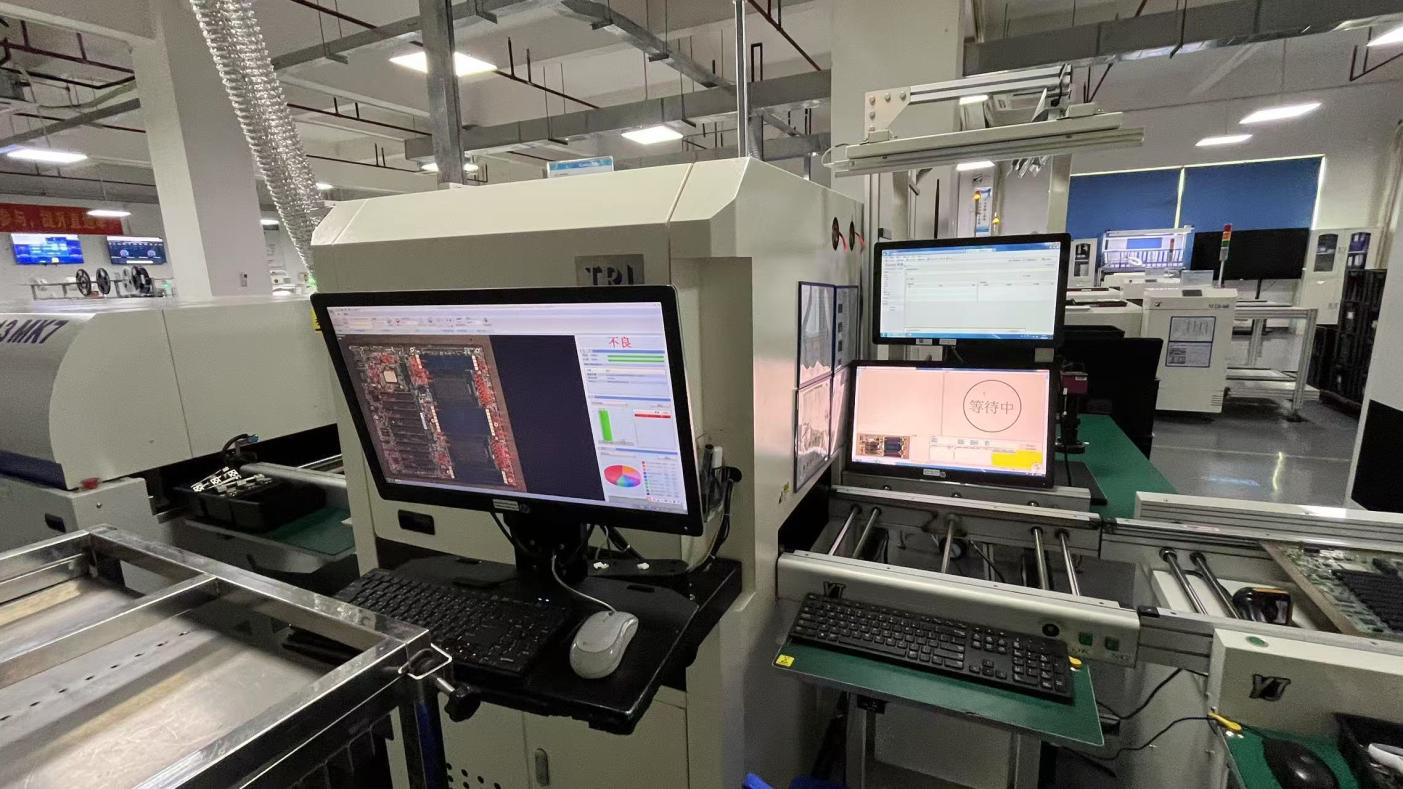
Why next-gen networks depend on advanced multi-socket and GPU accelerated compute layers.
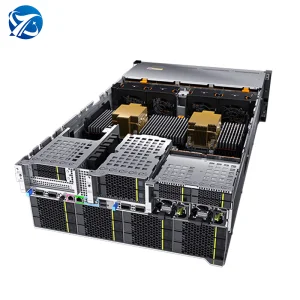
Support for standard PCIe Gen 5 configurations, enabling direct-attach GPU clusters for parallel execution of deep learning models like DeepSeek-R1.
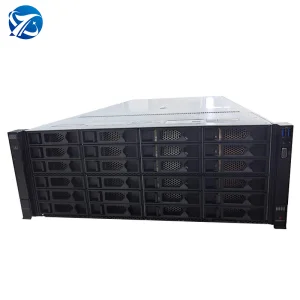
High-density chassis optimize hot-swappable NVMe arrays, allowing up to 36 drive bays in a single 4U chassis for lightning-fast database storage and retrieval.
Equipped with Titanium 2000W redundant PSUs and hardware-level root of trust security protocols to guarantee uninterrupted datacenter performance.
A deep comparative overview of different density segments in modern server engineering.
| Server Model Class | Form Factor | Processor Compatibility | Max Storage Bay Density | Primary Workloads |
|---|---|---|---|---|
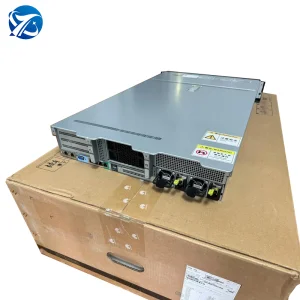
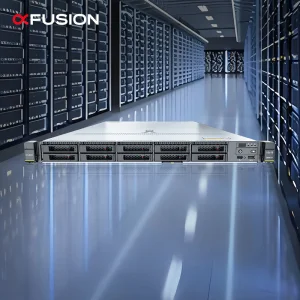
| FusionServer 1288H V7 | 1U Rackmount | 2x Xeon Scalable 4th/5th Gen | Up to 10x 2.5" SAS/SATA/NVMe | Web Hosting, Virtualization, AI Inference |
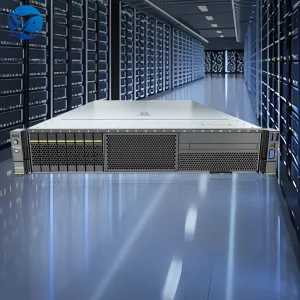
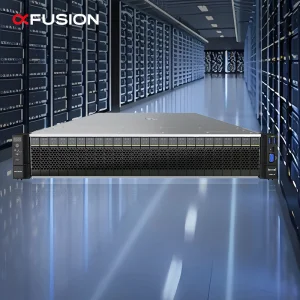
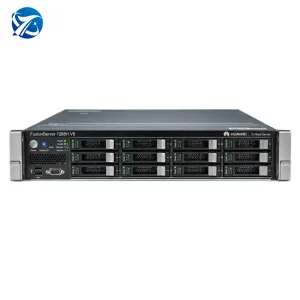
| FusionServer 2288H V5 | 2U Rackmount | 2x Intel Xeon Scalable (Gen 1/2) | Up to 12x 3.5" or 24x 2.5" Drives | Cloud NAS Storage, Corporate Enterprise Databases |
| FusionServer 2488H V6 | 2U Rackmount | 4x Xeon Scalable 3rd Gen | Up to 25x 2.5" Hot-Swap Drive Bays | In-Memory Computing, HPC, Virtual Desktop Infrastructure |
| FusionServer 5885H V7 | 4U Rackmount | 4x Xeon Scalable 4th/5th Gen | 8*NVMe Drive + SAS/SATA combinations | Mission Critical ERP, Database Clusters, High-Performance GPU Arrays |
High-density servers have transitioned from niche components to core drivers of business transformation. Below are the primary industrial environments benefiting from these dense hardware profiles:
Financial operations depend on rapid calculation of risk metrics and transaction execution. Utilizing multi-socket platforms like the **2U 4-socket Xeon servers** reduces rack latency, placing massive computing arrays in close physical proximity to execution nodes.
AI training clusters demand substantial PCIe lanes for multi-GPU cards. Heterogeneous computing systems, optimized for platforms like the **DeepSeek-R1 671B model**, provide the high bandwidth and low latencies required to scale parameter weights across distributed environments.
Using 4U form factors holding up to 36 LFF drives allows datacenter engineers to build high-capacity, space-optimized Network Attached Storage (NAS) nodes, reducing total hardware lease costs and physical floor-load requirements.
The next stage of server deployment centers on **hybrid direct-to-chip liquid cooling** and integration of **PCIe Gen 6** interfaces. As processors cross the 350W TDP barrier and GPUs approach 700W+, standard air-cooling will yield to hybrid systems. NexaGPU’s engineering team is actively developing customized cooling modules and containerized server infrastructure to support these trends.
Select high-performance network adaptors, processor arrays, and scalable server builds.
Technical answers to help structure your next high-density cluster deployment.