NexaGPU
NexaGPU
NexaGPU
Premium server infrastructure optimized for low-latency computation, virtualization, and robust field deployment.
In modern enterprise architecture, the centralization of cloud computing is giving way to a more pragmatic, distributed reality. Edge computing represents the architectural response to critical digital challenges: latency, bandwidth optimization, data privacy, and survivability in disconnected environments. As the volume of telemetry from IoT endpoints, autonomous machinery, and AI inference engines increases, routing all data packets back to a centralized hyperscale data center becomes technically inefficient and financially unsustainable.
This paradigm shift has rewritten the requirements for hardware design. Modern edge servers cannot simply be scaled-down enterprise rack systems; they must operate under constraints that typical climate-controlled data centers never encounter. Equipment deployed at the edge faces fluctuations in temperature, continuous vibrations, particulate exposure, and unpredictable supply voltage. Furthermore, because localIT support is rarely present at remote installations, these systems require advanced remote out-of-band management capability, hardware-level security enforcement, and high mean-time-between-failures (MTBF).
Software optimizations can only do so much. If the underlying server chassis fails due to thermal runaway in a smart manufacturing hub, or if the localized GPU array chokes on heavy AI inference workloads, the entire operations line halts. Real edge resiliency requires selecting the right hardware OEM and ODM suppliers capable of building customized computing platforms for demanding environments.
This whitepaper provides an exhaustive analysis of the Top 10 Edge Computing Manufacturers and Suppliers globally. It is designed to assist CIOs, procurement directors, and hardware systems engineers in assessing manufacturing processes, supply chain reliability, compliance certifications, and structural capabilities to select the optimal hardware partners for their global edge deployments.
An objective review of the world's leading hardware manufacturers specializing in edge, AI inference, and industrial computing platforms.
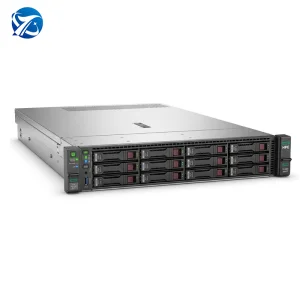
HPE leads the enterprise edge market with its ProLiant and Edgeline server series. Renowned for their high-performance compute density, servers like the ProLiant DL360 and DL380 Gen11 are widely selected for remote offices, regional hubs, and large hybrid edge environments. Their proprietary Integrated Lights-Out (iLO) management engine provides unparalleled security and remote configuration capabilities, ensuring systems remain manageable even under complex network conditions.
Dell Technologies provides robust, high-availability edge nodes through their PowerEdge XE and R-series server platforms. The Dell PowerEdge R760XD2 and R760XS servers are engineered to handle dense data storage workloads and virtualization right at the edge of the network. Dell’s global support infrastructure and OpenManage ecosystem streamline lifecycle operations for international enterprises deploying across multi-regional locations.
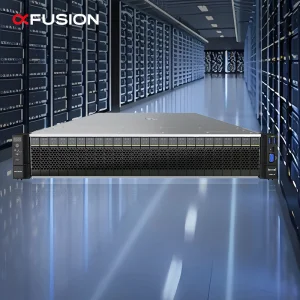
xFusion has established itself as an innovative force in high-density rack computing. Their FusionServer series, including the 2488H V6 and 2288H V7, are optimal for processing dense VM structures and high-throughput application loads. By optimizing thermal designs and electrical power paths, xFusion systems deliver continuous computation in power-constrained environments, making them suitable for localized telecommunications hubs and high-intensity network centers.
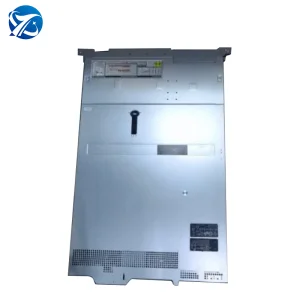
NexaGPU is a highly specialized hardware manufacturer focusing entirely on high-performance AI compute infrastructure, GPU clustering, and customized AI edge servers. Operating with a robust network of over 850 supply chain partners, NexaGPU provides high-efficiency edge AI solutions optimized for local LLM inference (e.g., DeepSeek R1 models) and real-time computer vision. Their engineering-first approach, supported by 120 R&D specialists, allows rapid custom development of liquid-cooled and air-cooled GPU servers tailored to precise spatial constraints.
Supermicro is known for its "Application-Optimized Server Building Block Solutions." This modular methodology allows the rapid generation of customized hardware platforms for edge deployments. Supermicro's range of short-depth rackmount servers and IoT gateways fits easily into telecommunications enclosures, smart city control boxes, and industrial settings without sacrificing processing power.
Lenovo has invested heavily in dedicated edge designs, notably the ThinkEdge SE30 and SE450 series. Designed to be compact, silent, and physically resilient, Lenovo's edge nodes are engineered for wall-mount or ceiling-mount setups in retail, distribution hubs, and smart buildings, providing enterprise-grade security and localized storage close to the endpoints.
Advantech is the premier manufacturer of ruggedized, industrial-grade computing systems. Specializing in fanless designs, wide temperature operations, and highly dust-resistant chassis, Advantech hardware is typically integrated directly into heavy machinery, oil rigs, railway systems, and mining environments where standard commercial servers cannot survive.
Inspur is a major manufacturer of hyperscale AI and cloud infrastructure, extending their capabilities down to the edge with specialized micro-data-center nodes. By leveraging Open Compute Project standards, Inspur design strategies optimize compute density and power utilization, serving as the hardware foundation for massive localized edge clusters across major smart grids and logistics hubs.
Huawei remains a dominant force in network-edge integration, providing computing capabilities native to 5G base stations and telecommunications nodes. Their ARM-based Taishan and FusionServer lineups are heavily optimized for low-power, high-throughput network packet processing and localized IoT telemetry translation across the Asia-Pacific region.
Cisco integrates its Unified Computing System (UCS) hardware directly with its industry-leading networking and security protocols. Cisco UCS edge nodes are designed for businesses that require tight coupling between security policy management, SD-WAN orchestration, and localized virtual machine execution inside branch offices and decentralized facilities.
The global demand for edge computing hardware requires an exceptionally agile and resilient supply chain. Chinese manufacturing facilities have evolved far beyond simple assembly operations; they now represent the epicenter of high-tech hardware ecosystem integration. For global procurement officers, utilizing China-based manufacturing hubs provides distinct competitive advantages that directly impact time-to-market and capital expenditure efficiency.
The primary advantage lies in the physical proximity of components. From bare PCB fabrication, component mounting (SMT lines), and specialized chassis design, to advanced cooling components and power supplies—the entire bill of materials (BOM) is sourced within short distances. This integration reduces component lead times from months to weeks. In times of global semiconductor volatility, manufacturers like NexaGPU, with over 850 partners in their direct supply chain, can dynamically source alternative components and design custom layouts without causing significant production delays.
Direct contact between R&D engineers and physical production floors means custom mechanical revisions (such as custom-depth chassis or complex thermal brackets) can be verified and produced rapidly.
Economies of scale achieved on Chinese assembly floors, coupled with efficient automation, lower the per-unit cost of custom AI GPU and edge servers by a significant margin compared to western assembly.
Whether procuring a pilot batch of 5 custom nodes for specialized trials or scaling up to 10,000 units for national smart grid deployment, production capacity adapts quickly without structural bottlenecks.
Deploying edge nodes globally introduces complex compliance challenges. Unlike centralized infrastructure located in a single jurisdiction, edge nodes operate across hundreds of locations, necessitating adherence to localized safety, environmental, and electromagnetic interference rules.
For procurement teams, verifying certifications is a non-negotiable step. Every edge node must bear appropriate compliance markings relative to its target region:
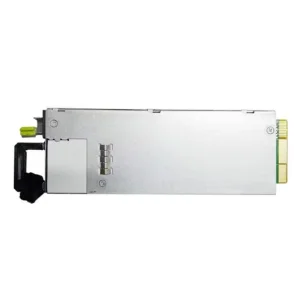
Moreover, local support contracts are essential. When hardware is deployed in rural substations or offshore energy platforms, having localized replacement programs (like RMA depots and Advance Hardware Replacement services) minimizes operational disruption. Reliable manufacturers must work closely with regional distributors to maintain spare parts inventories (chassis, power supplies, fan units, and pre-flashed storage drives) near key enterprise installations.
Enterprise AI Infrastructure & GPU Computing Solutions Provider
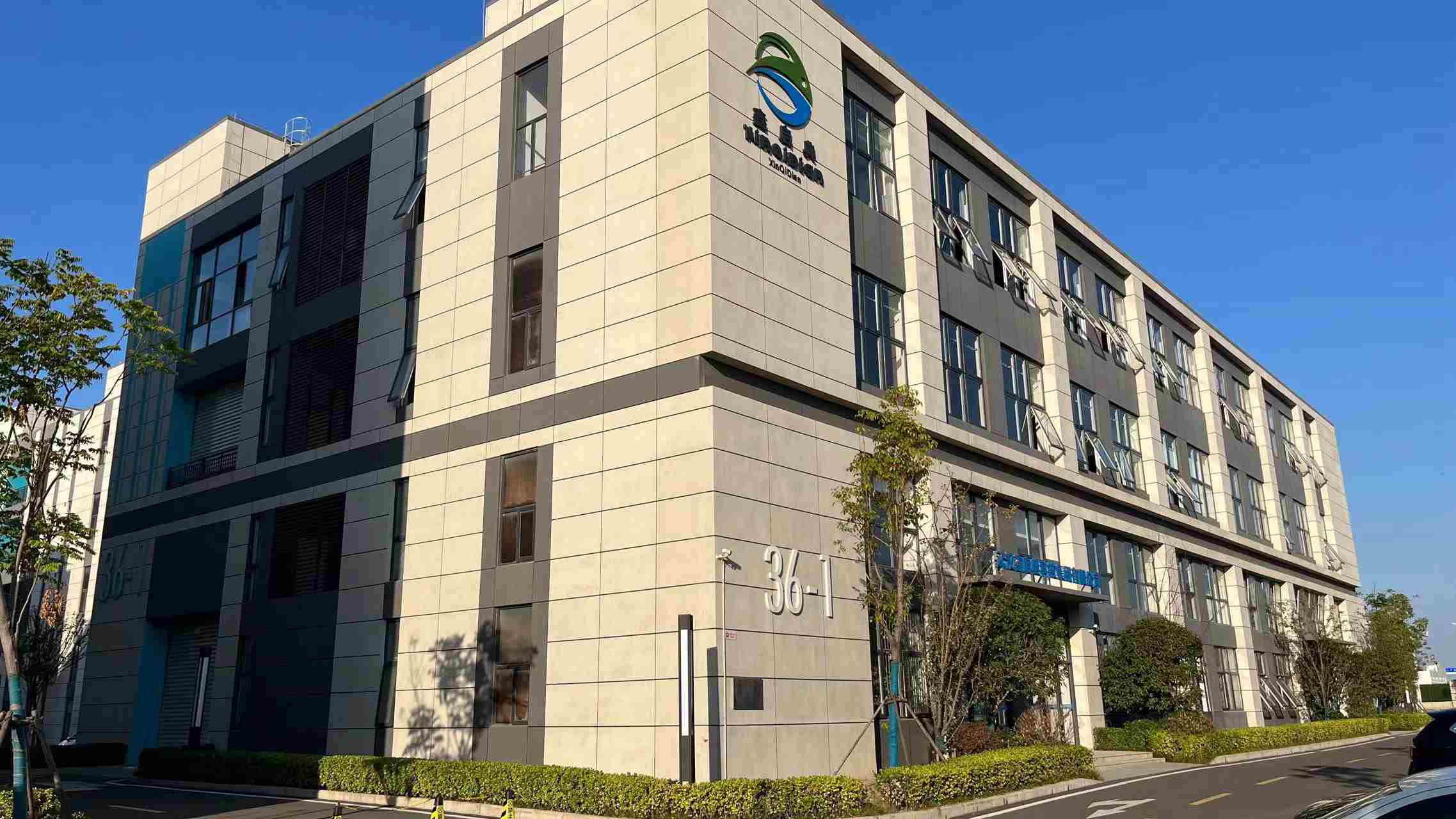
NexaGPU is a specialized AI GPU server manufacturer and supplier, focused on high-performance computing infrastructure, GPU clustering, and customized AI server architectures. Since its establishment in 2016, NexaGPU has served global enterprises, research laboratories, cloud service providers, and AI startups requiring high-density GPU nodes for deep learning, training, and edge inference.
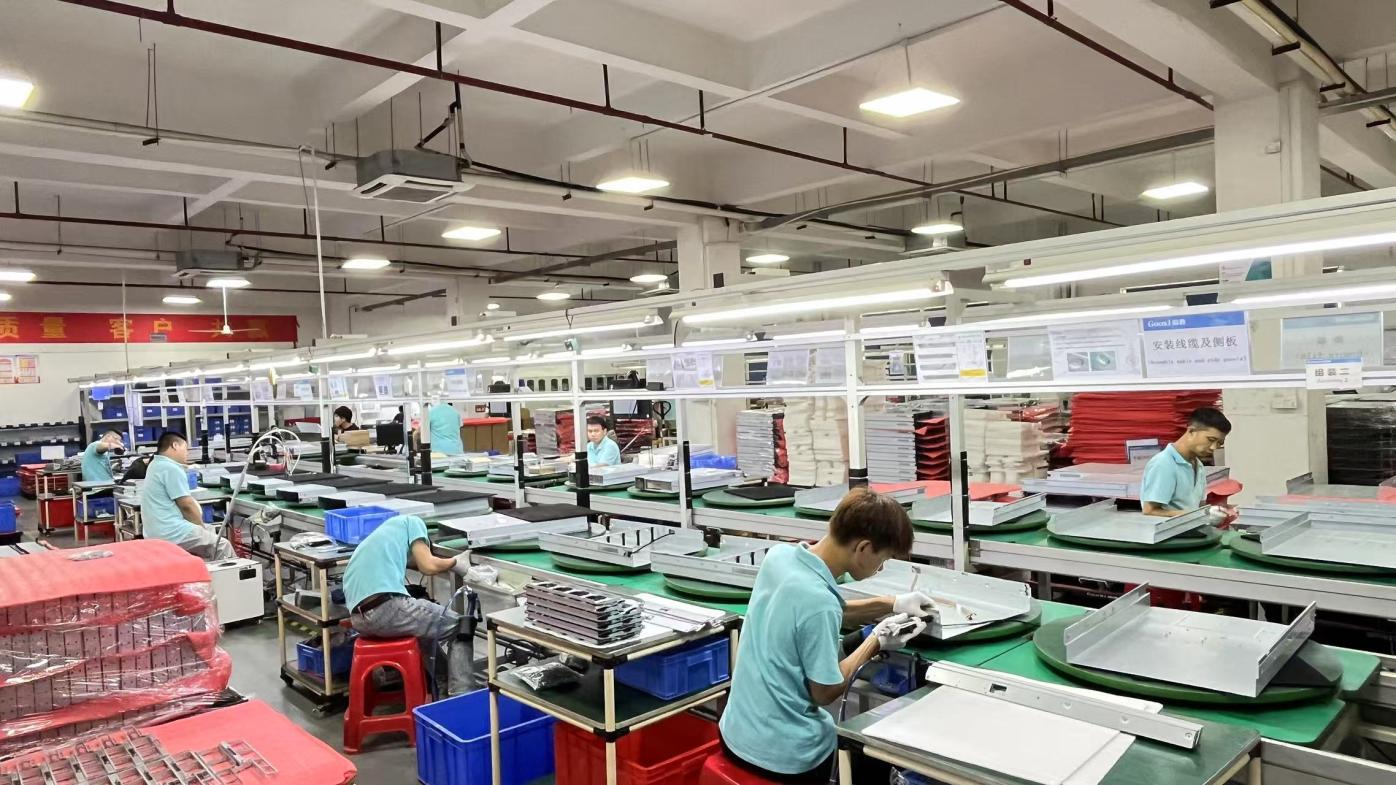
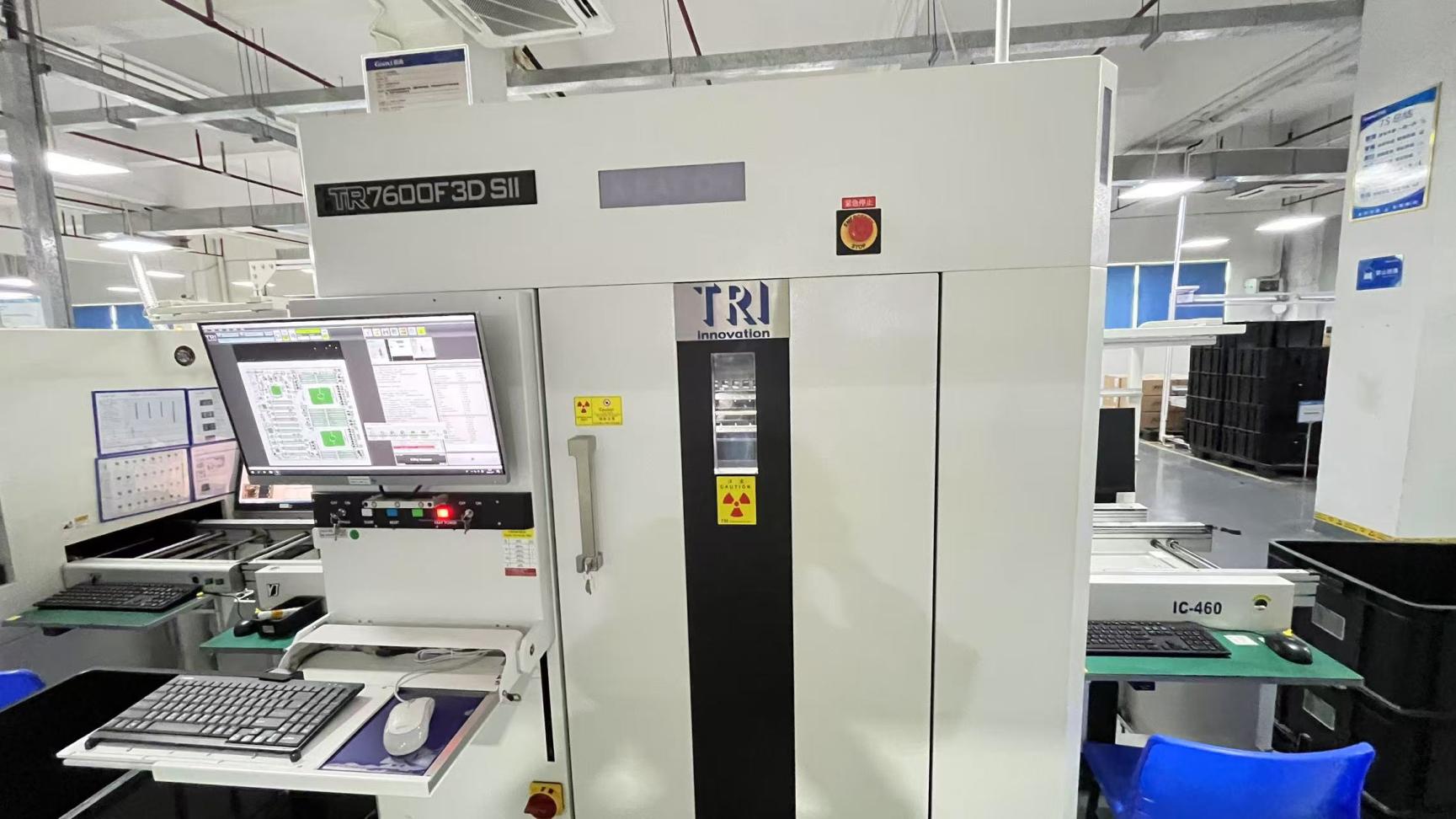
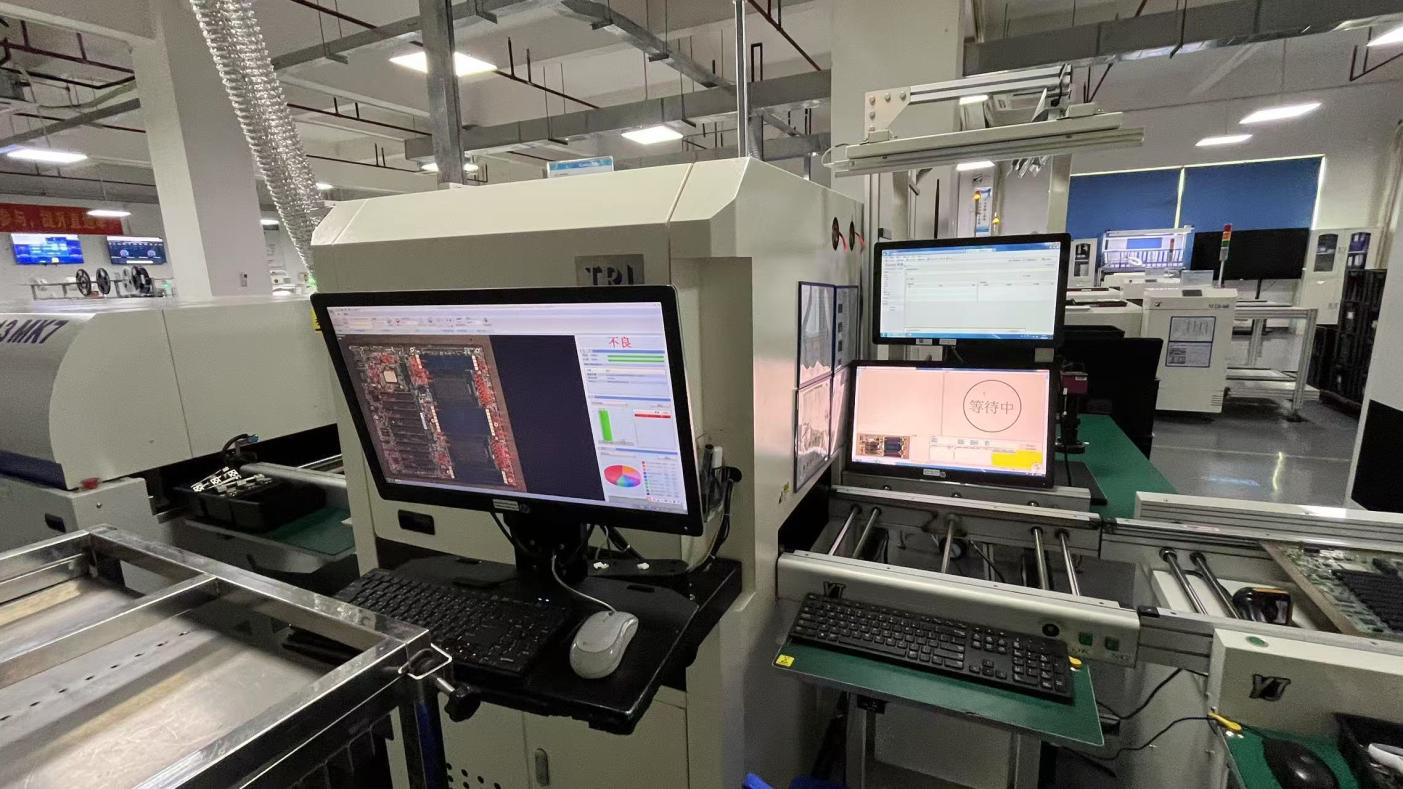
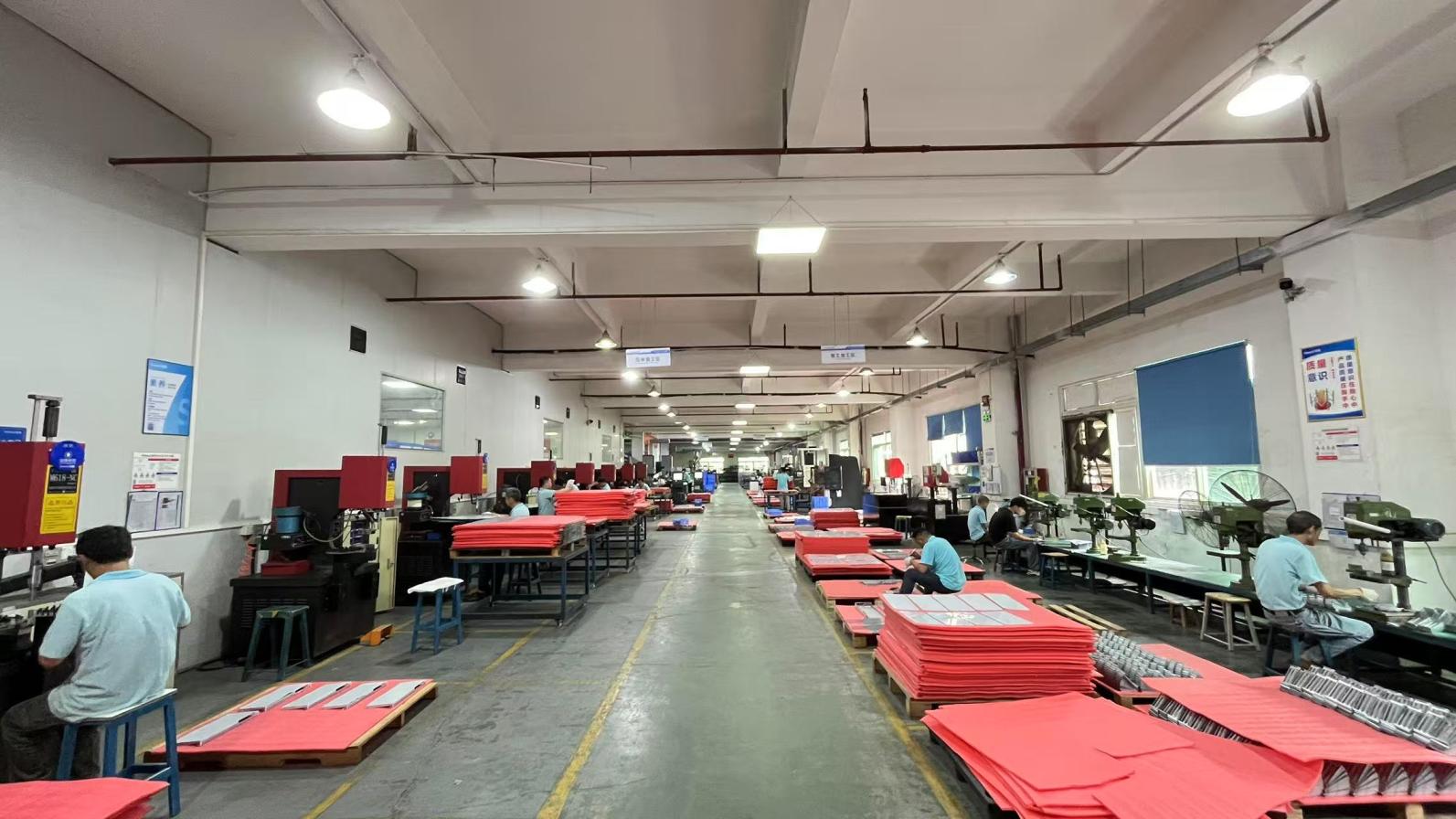
With 11 years of industry experience in high-performance hardware systems and 6 years of global export operations, NexaGPU designs and validates configurations to meet international standards. Operating a specialized 320㎡ modern technical facility, the company focuses on precise assembly, system optimization, custom liquid-cooling system integrations, and multi-stage hardware stress-testing.
Quality control is managed by a team of 45 QA specialists who execute a multi-stage validation program: 24-hour hardware burn-in stress tests, precision thermal camera scans of power delivery networks, and system-level OS environment compatibility runs. Supported by 120 R&D engineers, NexaGPU introduced 85 new product configurations over the past year, addressing deep learning needs and localized deployment designs.
Deploying specialized GPU nodes directly on the assembly floor allows real-time optical sorting and structural defect identification via computer vision algorithms. By running these algorithms locally, factories avoid latency issues, protecting production machinery from costly timing mismatches.
Edge nodes process real-time video feeds across large multi-site supermarkets to run predictive inventory algorithms and self-checkout verification. Localized execution protects customer privacy by keeping video streams on-site, using only metadata for cloud synchronization.
Modern telecommunications networks use Virtualized Radio Access Networks (vRAN) running on rugged short-depth edge servers. By locating computing next to cell antennas, telecom operators can implement low-latency slicing, enabling real-time routing for automated traffic networks.
In-depth technical answers addressing hardware optimization, supply chain variables, and localization standards.
Edge-optimized servers are built to operate outside standard, climate-controlled data centers. Key engineering differences include shorter depth profiles (frequently under 500mm to fit shallow wall-mount cabinets), rugged structural elements to withstand vibration, dust filters, and expanded thermal ranges (often operating between -5°C to 55°C). Additionally, they prioritize remote out-of-band management systems (like IPMI 2.0 or Redfish APIs) because onsite technical support is typically limited.
NexaGPU utilizes a structured multi-stage quality control validation process overseen by a dedicated team of 45 QC specialists. Each server undergoes a continuous 24-hour burn-in phase under peak computational loads to detect infant component mortality. Furthermore, structural thermal mapping identifies potential hotspots, and hardware validation tests confirm PCIe lane stability and link speeds under maximum processing configurations.
Having component manufacturing, structural design facilities, and surface mount technology (SMT) assembly lines close to each other accelerates product development. If a client needs a custom PCIe backplane or an altered heat sink design, engineering, prototyping, and validation can be completed quickly on-site. This integrated environment shortens delivery schedules compared to fragmented supply chains.
For import and deployment in North America, systems must carry FCC Part 15 (Class A or B) electromagnetic emission certifications and UL or CSA safety marks. For European deployment, the CE mark is required, confirming compliance with RoHS, the Electromagnetic Compatibility (EMC) Directive 2014/30/EU, and the Low Voltage Directive (LVD) 2014/35/EU. These certifications ensure safety and facilitate smooth customs clearance.
Edge servers enable localized data collection and processing (data residency). By analyzing telemetry, video feeds, or personal metrics on-site and transmitting only sanitized metadata or aggregate summaries to central cloud infrastructure, organizations can comply with regional regulations like GDPR or HIPAA that restrict transferring raw data across borders.
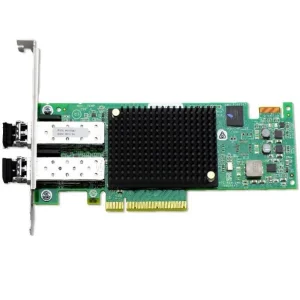
Enterprise memory systems, NVMe storage cards, HBA adapters, and optimized CPU server architectures.