NexaGPU
NexaGPU
NexaGPU
Explore our foundational enterprise-class server boards, network adapter controllers, and modular components designed to support robust telemetry and monitoring loops.
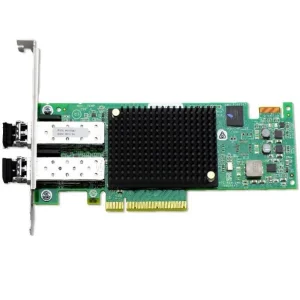
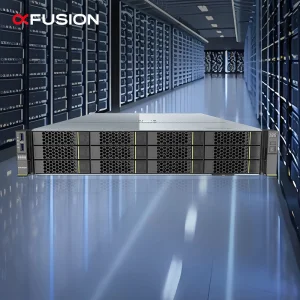
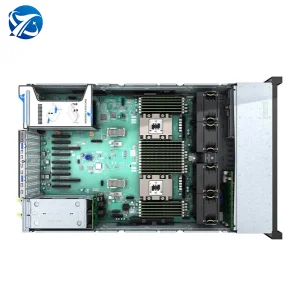
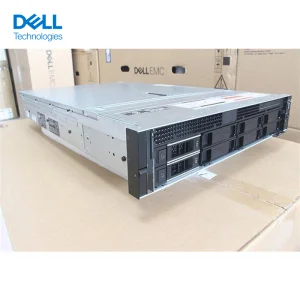
Enterprise capacity and hardware validation statistics backing our global server manufacturing ecosystem.
In the modern hyperscale era, server monitoring tools have transitioned from basic operating system-level daemons to sophisticated, silicon-level, out-of-band telemetry architectures. Modern bare-metal clusters, artificial intelligence supercomputing clouds, and mission-critical databases require continuous health inspection. Operating system monitoring agent software operates inside the host OS; if the kernel panics or the processor freezes, the software agent goes dark. Out-of-band monitoring tools powered by Baseboard Management Controllers (BMC) solve this challenge by running independently of the host processor, operating on dedicated, isolated management hardware.
Our OEM/ODM engineering focus addresses these design dynamics directly. As hardware topologies grow more complex with high-density GPU nodes and multi-socket architectures, monitoring tools must monitor voltage ripple, sub-millisecond thermal fluctuations, PCIe link lane degradation, and high-bandwidth network adapters (such as Fibre Channel HBAs). Reliable monitoring starts at the trace layout level on the PCB, where telemetry ICs communicate real-time diagnostics back to a centralized management interface.
When selecting an OEM/ODM supplier for customized servers, developers and system architects evaluate how the hardware exposes platform instrumentation. Standardized protocols allow seamless integration with monitoring tools such as Prometheus, Zabbix, Grafana, and Datadog. Our engineering teams customize BMC firmware to support modern RESTful APIs like Redfish, alongside legacy IPMI 2.0. This dual compatibility ensures that whether a client is managing a legacy data center or building a cloud-native Kubernetes platform, their server monitoring tools receive structured JSON data outlining component temperatures, fan efficiency, PSU capacity, and memory bit-error rates.
Furthermore, hardware-level integration allows system administrators to configure direct active alerts. For example, if a high-density 2U chassis detects a sudden drop in fan speed, the server monitoring tool can trigger automatic fan duty-cycle adjustments via BMC policy before the CPU reaches thermal throttling thresholds. This proactive hardware loop reduces mean time to repair (MTBR) and extends the lifecycle of server components.
Separate physical network interfaces prevent control-plane traffic from mixing with customer data payloads, reducing potential attack surfaces.
Exposes hardware metrics via standardized JSON APIs, facilitating rapid automation, inventory scripting, and multi-vendor tracking.
Captures transient voltage sags and temperature spikes on high-load components, including modern AI GPU arrays.
The global demand for computational power is rising alongside increasing supply chain complexity. Sourcing server hardware and integration tools from NexaGPU provides clients access to China's electronics manufacturing ecosystem. Operating with over 850 supply chain partners, including motherboard component providers, power supply system manufacturers, and chassis fabricators, allows for rapid platform modifications that would typically take months in other regions.
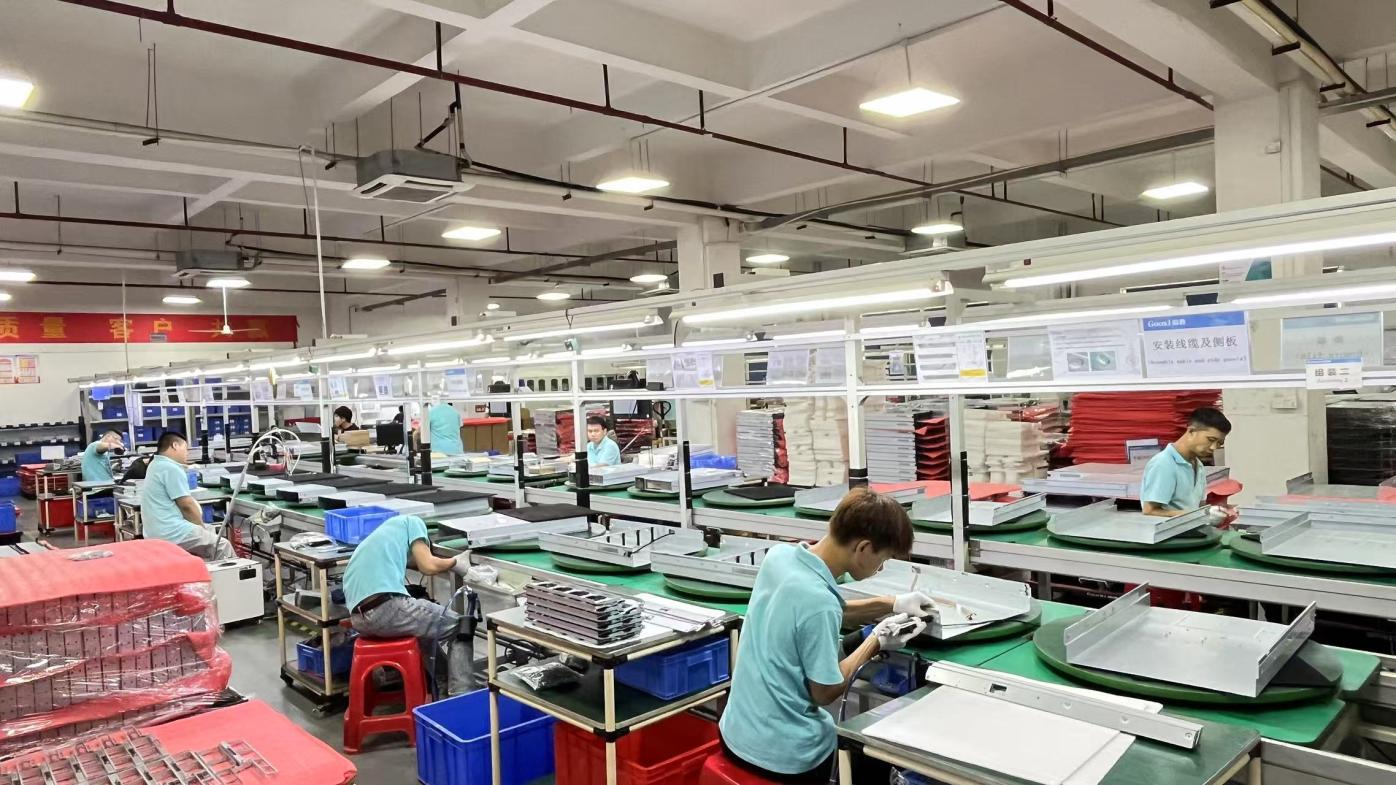
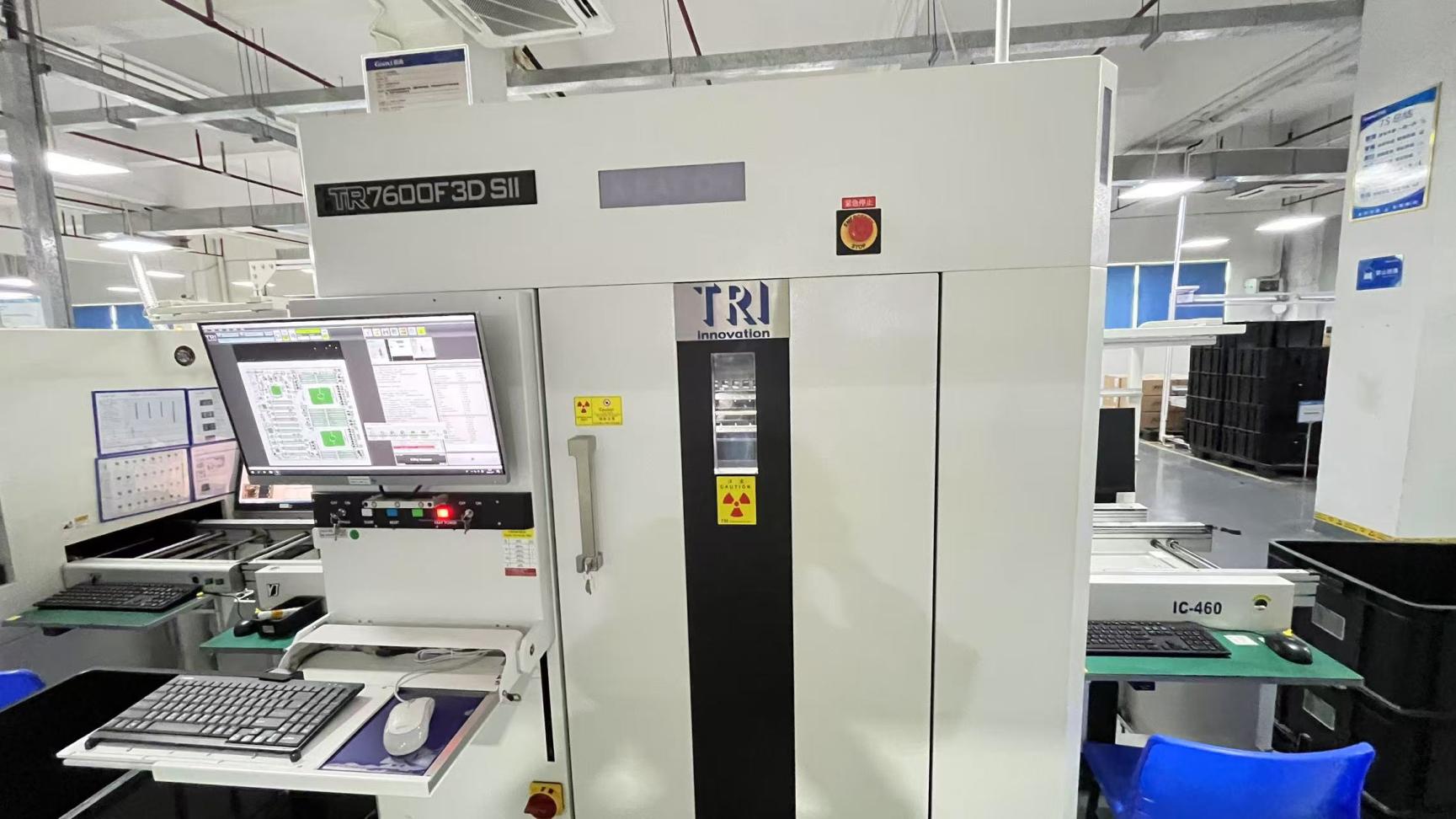
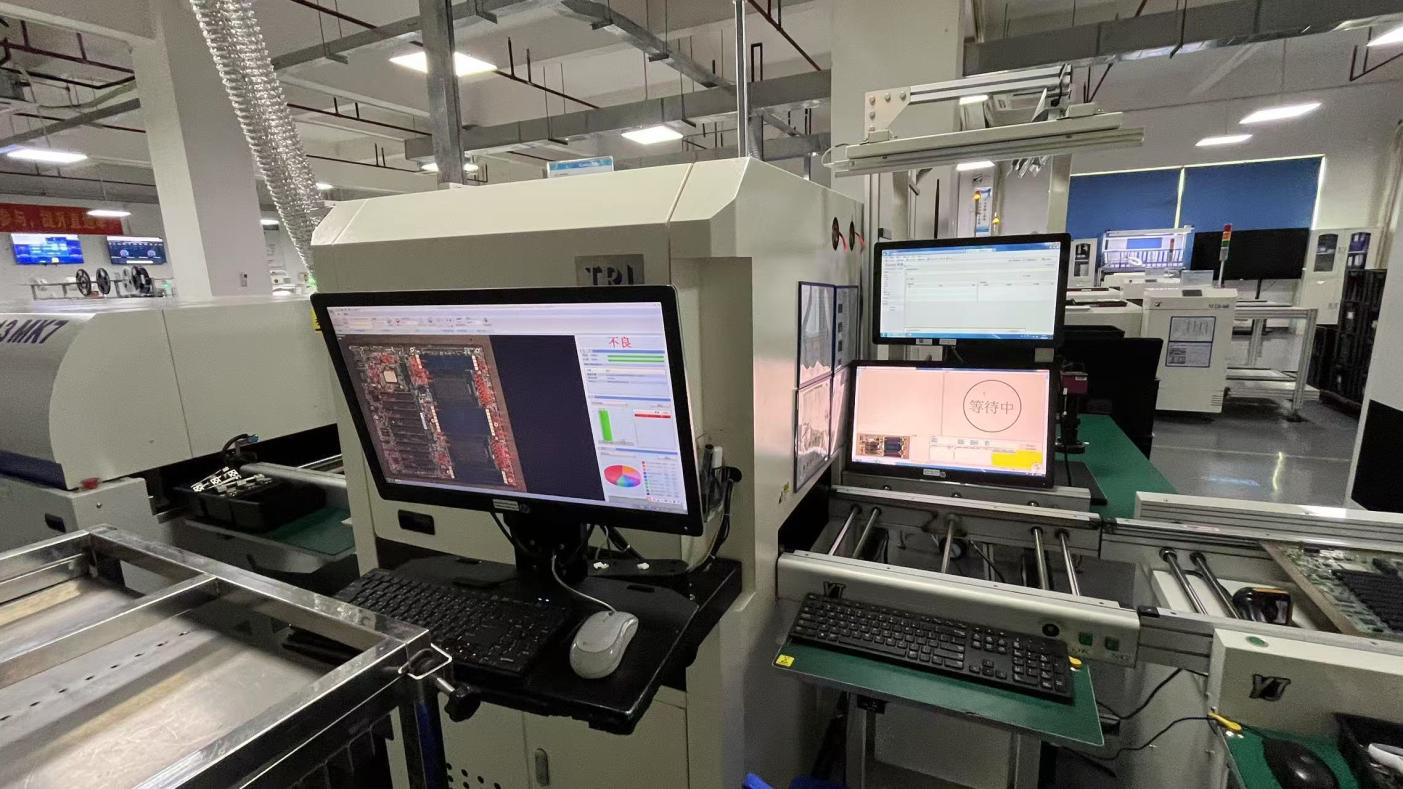
A key manufacturing advantage lies in our comprehensive, multi-stage inspection process. While traditional plants focus primarily on final assembly, NexaGPU deploys 45 dedicated QC specialists to oversee hardware stress tests, thermal profiling, and memory component inspection. By combining a 120-person R&D engineering team with this supply-chain network, we can move from concept prototypes to validated, mass-production server configurations within tight project timelines.
NexaGPU's high-precision testing lab is optimized to configure customized server monitoring tools. We integrate firmware versions, configure secure encryption keys at the hardware level, and optimize power module telemetry to ensure components run stably in target environments before they leave the factory floor.
Server monitoring systems serve different roles depending on the localized operational scenario:
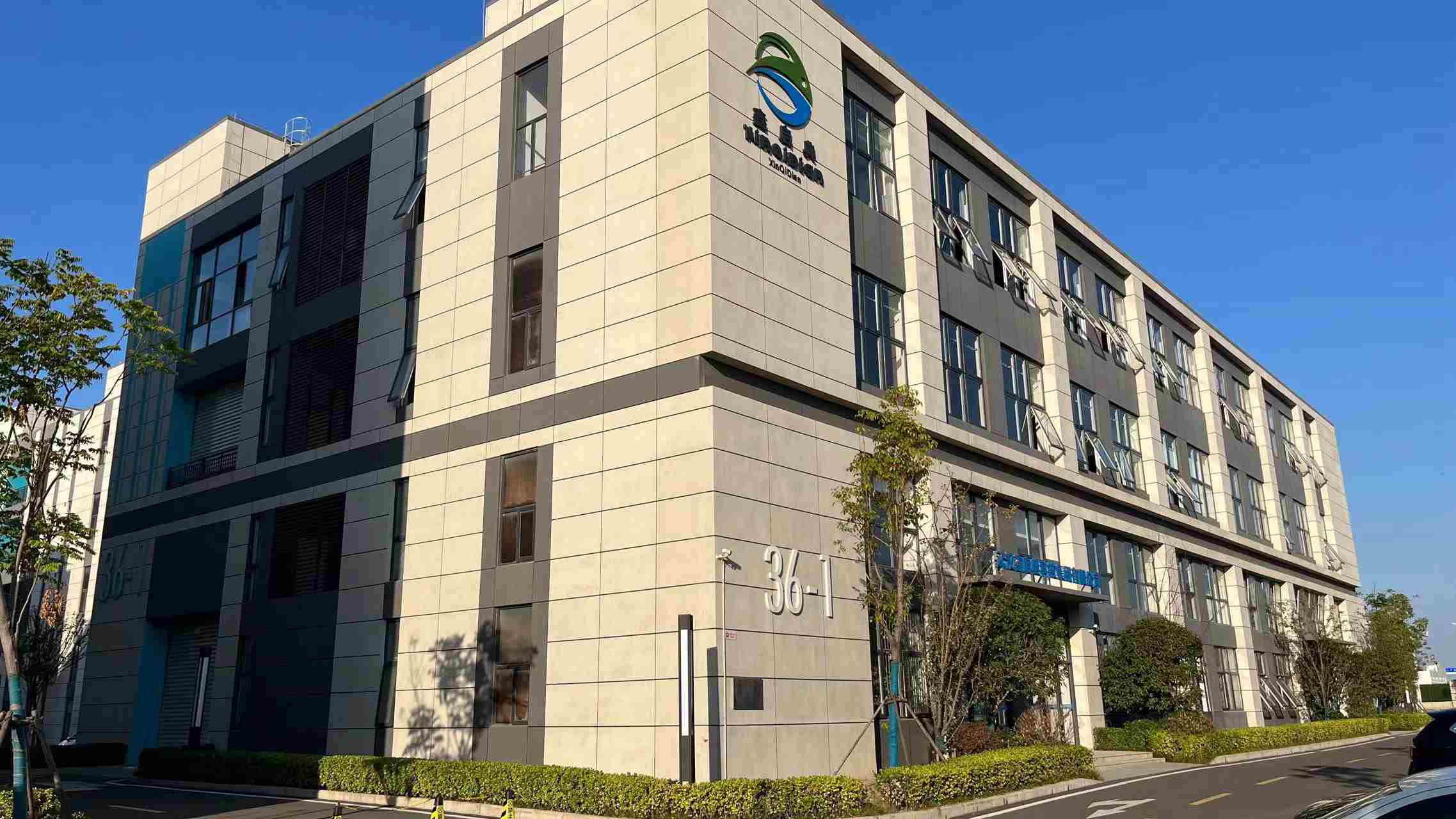
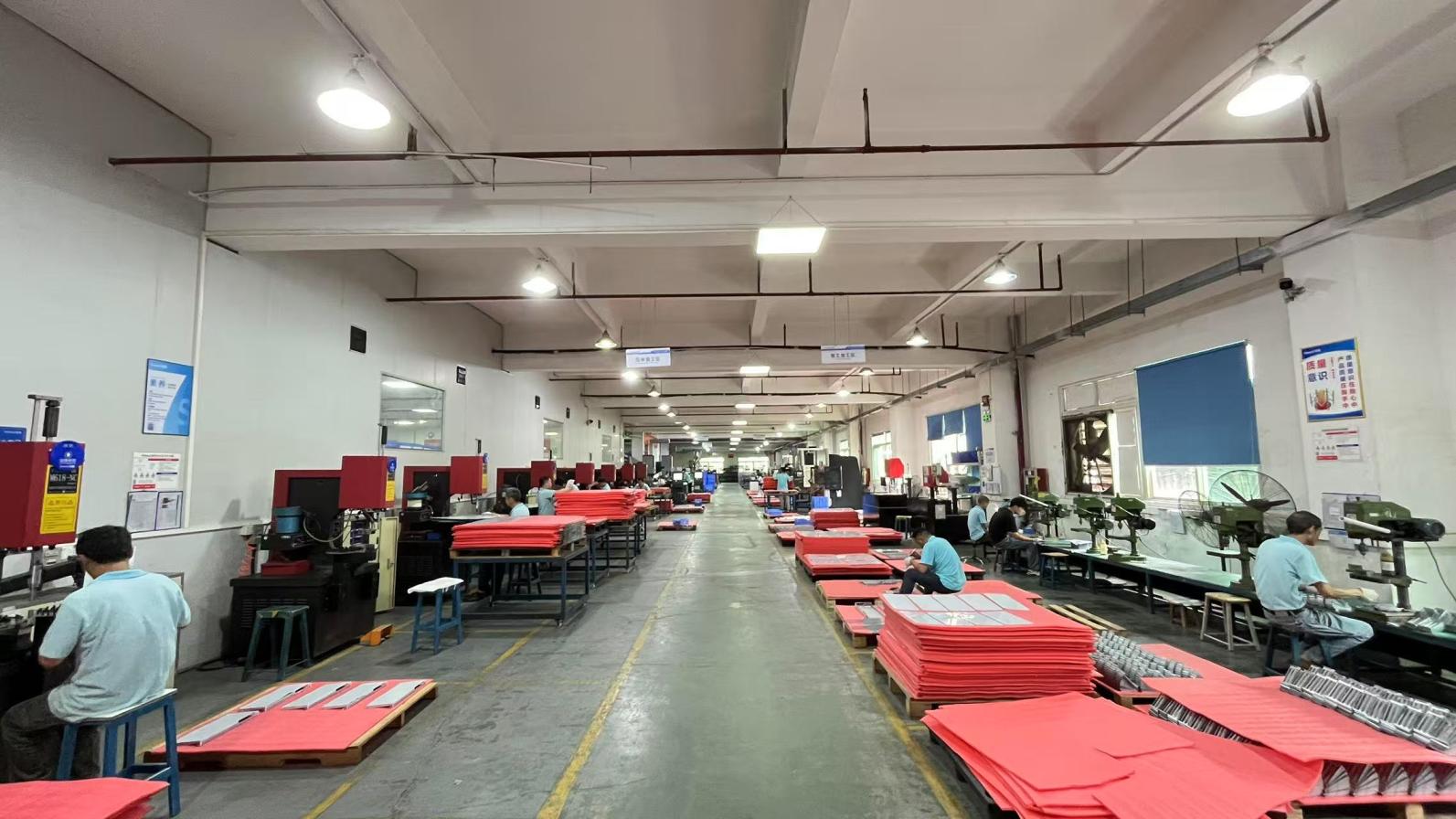
NexaGPU is a professional AI GPU server manufacturer and supplier specializing in high-performance computing infrastructure, GPU clusters, and customized AI server solutions for global enterprises, data centers, and AI development companies. Established in 2016, NexaGPU has grown into a trusted provider of advanced GPU computing systems. The company operates a modern manufacturing facility with a building area of approximately 320㎡, supporting efficient production, assembly, and testing of AI server systems.
With an annual export revenue of USD 12 million, NexaGPU has built strong international business capabilities and maintains 6 years of export experience and 11 years of industry experience in high-performance computing and server manufacturing. To ensure strict product quality, NexaGPU implements comprehensive multi-stage inspection processes, including hardware stress testing, thermal performance testing, and system stability validation. The company employs a dedicated quality assurance team of 45 QC specialists to maintain consistent product reliability.
NexaGPU maintains a solid trade background in global B2B technology supply chains, with major markets including North America, Europe, Southeast Asia, and the Middle East. The company works closely with over 850 supply chain partners, including GPU chip suppliers, motherboard manufacturers, server chassis factories, and cooling system providers. Its main customer base includes AI startups, cloud computing providers, data centers, research institutions, and enterprise IT solution providers.
NexaGPU demonstrates strong R&D capability, supported by a team of 120 R&D engineers focused on GPU architecture optimization, AI server design, and liquid cooling technology. The company offers extensive customization options including GPU configuration, CPU selection, memory expansion, storage architecture, and liquid cooling systems. In the past year, NexaGPU successfully launched 85 new product models, covering AI training servers, inference servers, and high-density GPU computing clusters.
Purchasing agents and IT directors managing server acquisitions prioritize reducing long-term Total Cost of Ownership (TCO). Unplanned hardware outages remain a significant expense. Procurement strategies should look beyond standard server specifications to evaluate integrated diagnostics systems. High-quality systems include diagnostic features like cryptographically signed BMC firmware, isolated management ports to defend against side-channel security threats, and custom APIs that simplify data parsing.
By selecting an ODM partner that offers deep board-level customization, enterprises can request monitoring configurations tailored to their needs. This includes defining custom sensor layout configurations on motherboards, configuring specific alerting parameters, and setting up automated power policies to protect hardware during power instability. This integration reduces the need for third-party monitoring add-ons, simplifying infrastructure management and lowering costs.
Answers to common questions regarding OEM/ODM server telemetry, BMC custom integration, and supply chain logistics.
Hardware-level monitoring runs on an independent Baseboard Management Controller (BMC) and does not rely on the host CPU or operating system. It remains functional even during system crashes, kernel panics, or power issues, allowing remote troubleshooting and power cycles that software agents cannot perform.
Our engineering team modifies BMC code to support standard APIs like Redfish and IPMI 2.0. We can also set up custom JSON payloads, adjust SNMP trap configurations, and create dedicated warning levels to match your enterprise monitoring tools (such as Prometheus, Grafana, or Zabbix).
We use a comprehensive testing process overseen by our 45 QC specialists. Each server goes through intensive thermal tests, long-term stress testing under load, and voltage stability checks to confirm that all sensor chips, firmware indicators, and warning systems operate correctly under high loads.
Yes. As an OEM/ODM provider, NexaGPU supports custom hardware designs. Our 120 R&D engineers can integrate specific thermal sensors, power measurement chips, or dedicated hardware security modules (HSMs) into your customized motherboard designs.
We partner with over 850 verified component vendors, motherboard manufacturers, and chip providers. This large supplier network helps us secure critical parts, reduce production lead times, and maintain stable hardware sourcing even during global market shifts.
Yes. Our customized BMCs support secure access methods including SSH, HTTPS, and HTML5 KVM interfaces. They also feature access control lists (ACLs) and LDAP/Active Directory integration to ensure management interfaces remain secure.
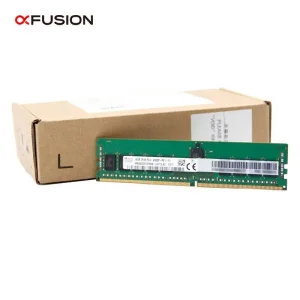
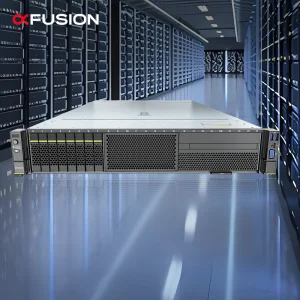
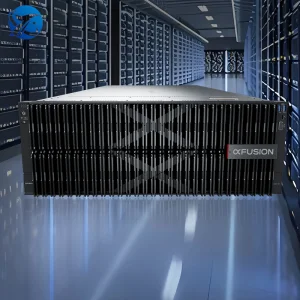
Complete your deployment with qualified memory modules, solid-state storage, high-efficiency power supplies, and compute-dense rack nodes.