NexaGPU
NexaGPU
NexaGPU
Pre-validated and optimized bare-metal rack setups, GPU servers, and high-speed SSD drives engineered for heavy enterprise deployment.
An authoritative analysis of OEM/ODM component sourcing, global standards compliance, and supply chain strategies in the age of high-density computing.
The computing landscape is undergoing a massive transformation, driven by the emergence of large-scale artificial intelligence models such as DeepSeek, hyper-scale containerization, and data-intensive cloud architectures. Standard, off-the-shelf server configurations no longer meet the specific power-to-performance requirements of modern workloads. Enterprises are shifting toward fully customized server layouts, demanding components tailored to specific tasks: high-throughput training platforms, low-latency edge nodes, and dense virtual storage arrays.
As experienced OEM/ODM server component manufacturers, NexaGPU is positioned at the intersection of custom hardware design and global supply chain agility. By engineering customized components—ranging from platinum-rated power distribution units to optimized storage controllers and high-density GPU cooling loops—we empower organizations to design bespoke systems. This custom-tailored strategy significantly minimizes operational overhead, decreases Power Usage Effectiveness (PUE) ratios, and maximizes compute density per rack unit.
Reliability and performance of custom servers depend entirely on the resilience of their subcomponents. In high-performance computing (HPC) environments, minor component failures can lead to cascading system crashes. Understanding the mechanics of these modules is vital for procurement specialists and infrastructure engineers:
Procuring enterprise hardware requires access to advanced material science, precision assembly systems, and rapid prototyping capabilities. The South China technology manufacturing cluster—anchored in Shenzhen and Dongguan—remains the global hub for server component development.
This geographical concentration provides significant advantages for global businesses:
1. Direct Component Integration: Operating within this ecosystem gives manufacturers direct access to raw PCB substrates, chip packaging facilities, and high-precision CNC metal fabrication shops. This localized supply network shortens development cycles from months to days.
2. Ecosystem Partnerships: NexaGPU maintains partnerships with over 850 primary supply chain providers, securing priority access to components even during market shortages. This ensures consistent pricing and reliable lead times for our B2B partners.
3. Rigorous Quality Validation: Access to advanced industrial testing facilities allows us to run comprehensive validation routines, including environmental stress screening (ESS), thermal cycling chambers, and structural integrity analysis. This testing ensures that every server component shipped meets international standards for durabilty and performance.
Deploying server hardware internationally requires compliance with strict regional regulations and standards. A component that works perfectly in one market may face importing delays or regulatory issues in another if it lacks appropriate certifications.
Our design and manufacturing processes prioritize global compliance:
Electromagnetic and Safety Certifications: All server chassis, power supplies, and storage systems comply with CE (European Economic Area), FCC (United States), and UL standards. This ensures that electromagnetic emissions remain within safe limits, avoiding interference with other sensitive data center hardware.
Environmental and Materials Compliance: Our manufacturing processes adhere strictly to RoHS (Restriction of Hazardous Substances) and REACH directives, limiting the use of hazardous chemicals in electronic components. This simplifies decommissioning and recycling processes for end-users.
Local Customization and Firmware Optimization: Hardware compliance extends to software interfaces. We provide localized UEFI, BIOS, and IPMI (Intelligent Platform Management Interface) firmware, tailored to meet regional security standards and client network preferences. This includes support for specific encryption keys, customized remote console displays, and secure boot profiles.
How NexaGPU translates architectural design blueprints into enterprise-grade B2B server components.
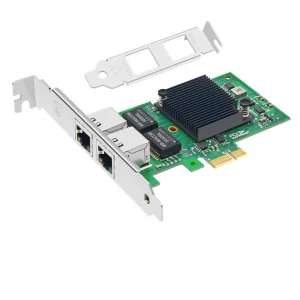
We design high-frequency trace routing layers and PCIe switches to maximize data throughput for multi-core processors and heavy GPU workloads.
Custom cold plates, advanced heatsinks, and specialized cooling loops engineered to manage high TDP outputs in dense 1U, 2U, and 4U chassis configurations.
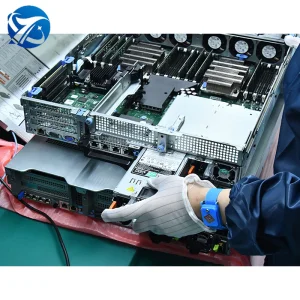
A dedicated team of 45 quality assurance specialists conducts multi-stage inspection cycles, including 48-hour high-temperature stress tests on all units.
The server component industry is evolving rapidly, driven by the need for higher compute density and energy efficiency. Three key trends are currently shaping the future of data center hardware:
Custom-tailored server components are critical for specialized IT environments:
Scenario A: High-Density Edge AI Nodes
In localized smart city networks or industrial manufacturing environments, space and cooling are limited. For these edge setups, we design short-depth 2U chassis configurations equipped with specialized power supplies and custom fan layouts, ensuring reliable GPU-driven inference processing in harsh, non-traditional server room environments.
Scenario B: Financial Data Analysis
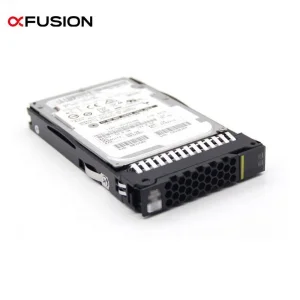
High-frequency trading firms require extremely low latencies and highly reliable storage. Using custom RAID array systems like the XC470C-M-8i alongside fast, enterprise-grade SATA SSDs provides a resilient storage subsystem. This architecture ensures high-speed read/write performance and complete data redundancy to prevent transactional data loss.
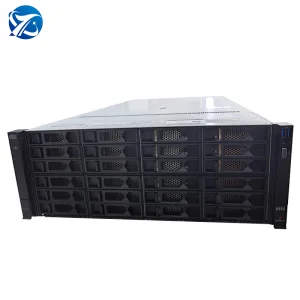
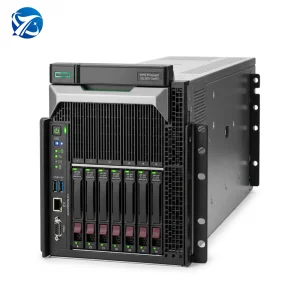
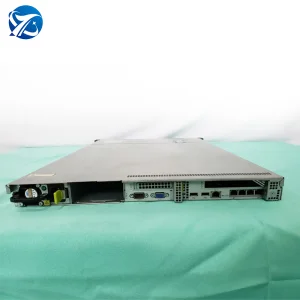
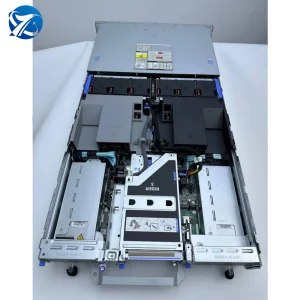
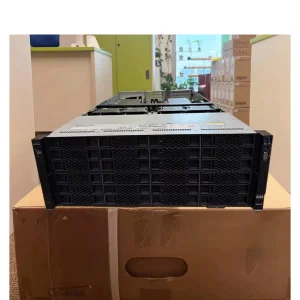
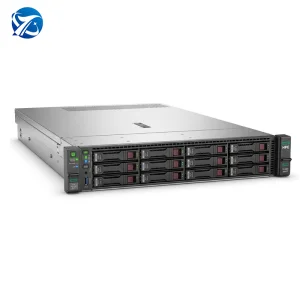
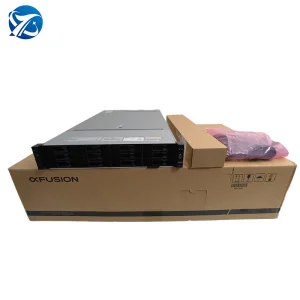
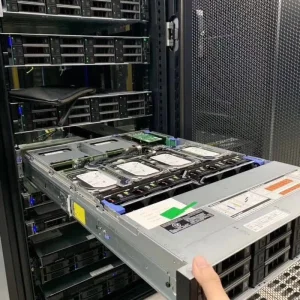
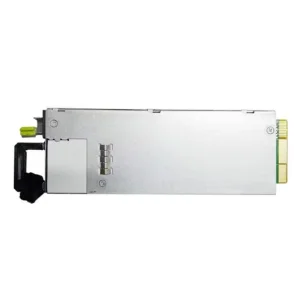
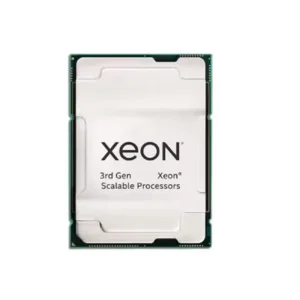
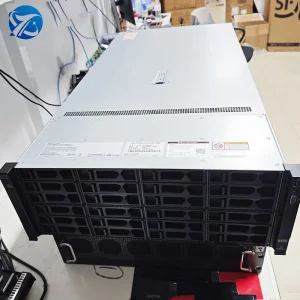
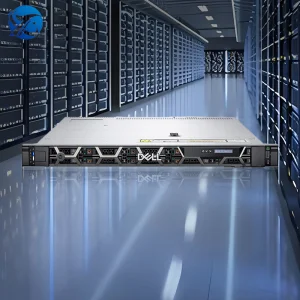
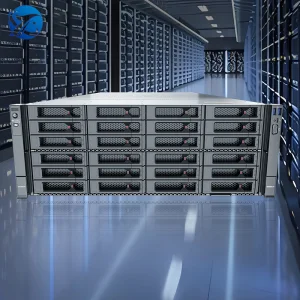
High-performance processors, dedicated storage array controllers, power supplies, and customized GPU barebone racks.
Your Global Partner for High-Performance GPU Infrastructure and Customized Bare-Metal Compute Architecture.
NexaGPU is a professional AI GPU server manufacturer and supplier specializing in high-performance computing infrastructure, GPU clusters, and customized AI server solutions for global enterprises, data centers, and AI development companies.
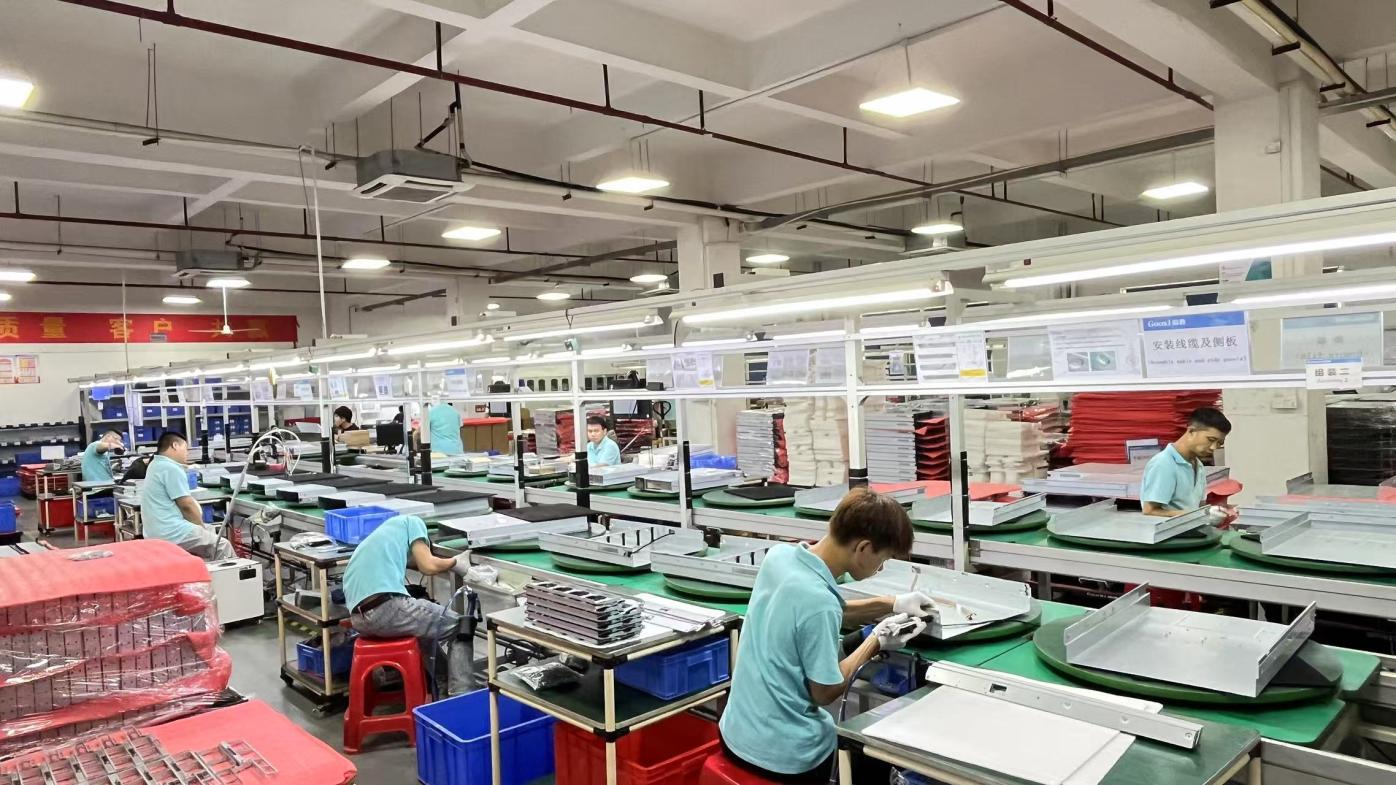
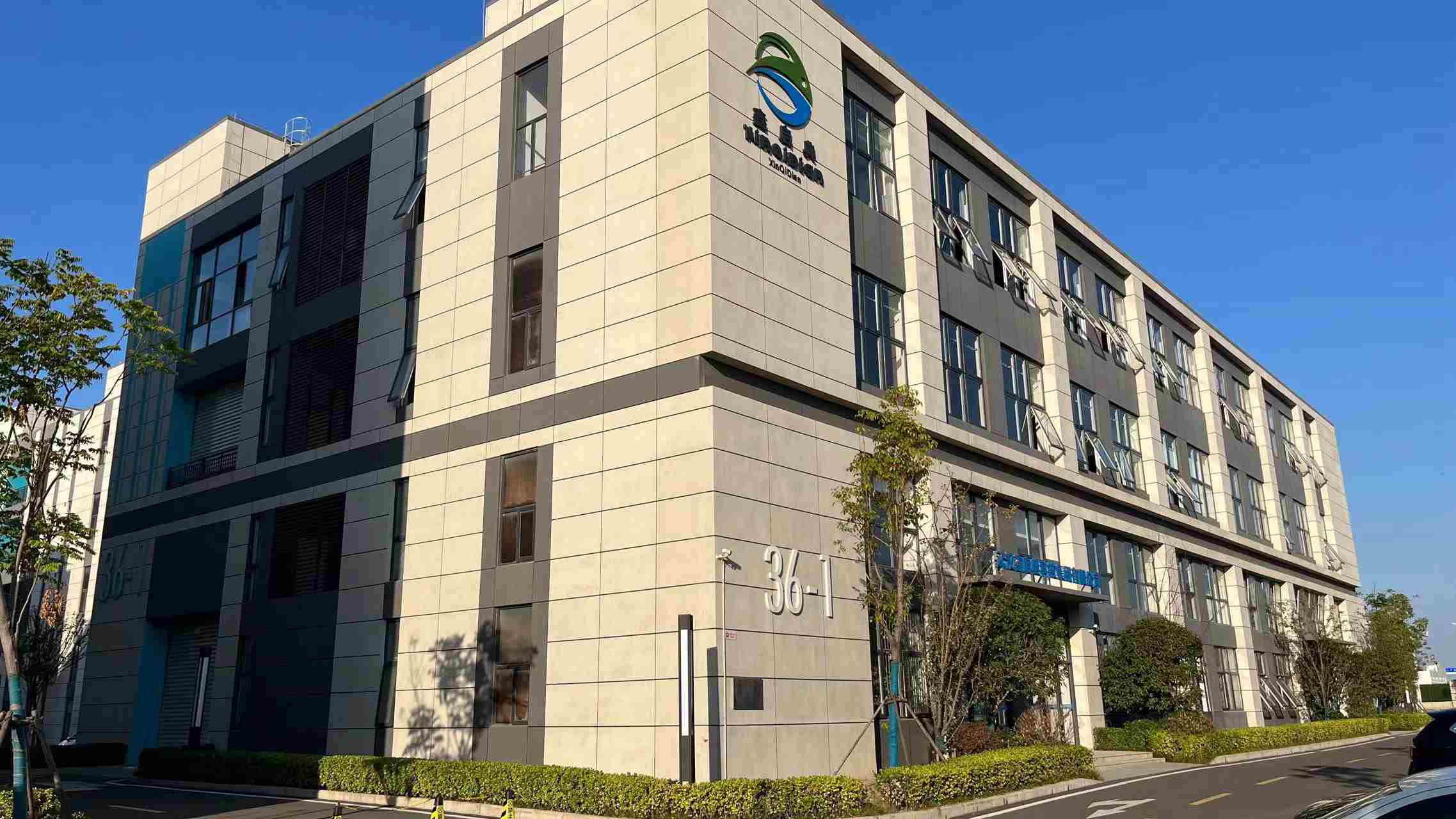
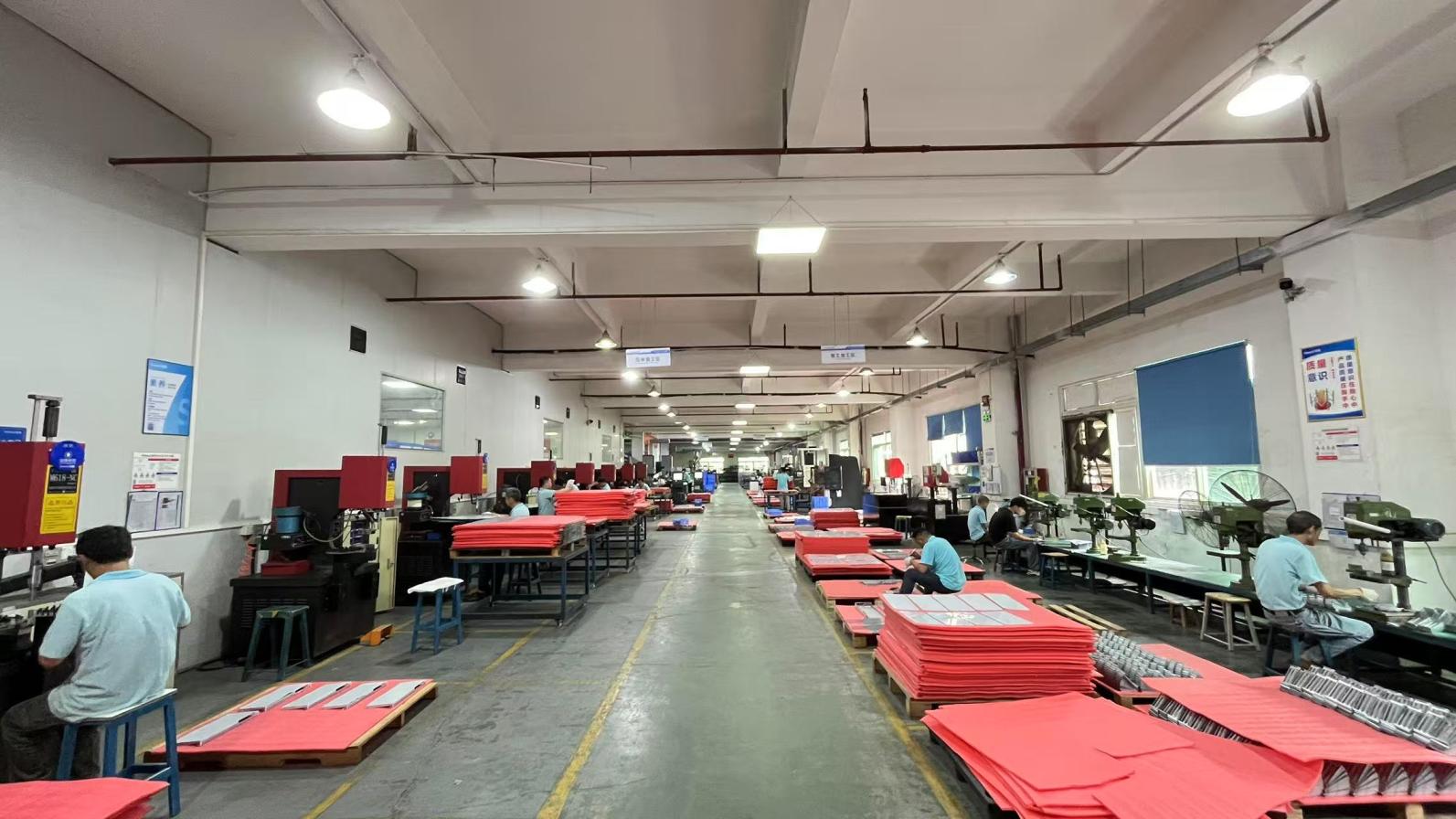
Established in 2016, NexaGPU has rapidly grown into a trusted provider of advanced GPU computing systems. The company operates a modern, high-precision manufacturing facility with a building area of approximately 320㎡, optimized specifically for complex electronic assembly, static-sensitive component configurations, thermal calibration, and testing of high-power AI server systems.
With an annual export revenue of USD 12 million, NexaGPU has built strong international business capabilities and maintains 6 years of export experience and 11 years of industry experience in high-performance computing and server manufacturing.
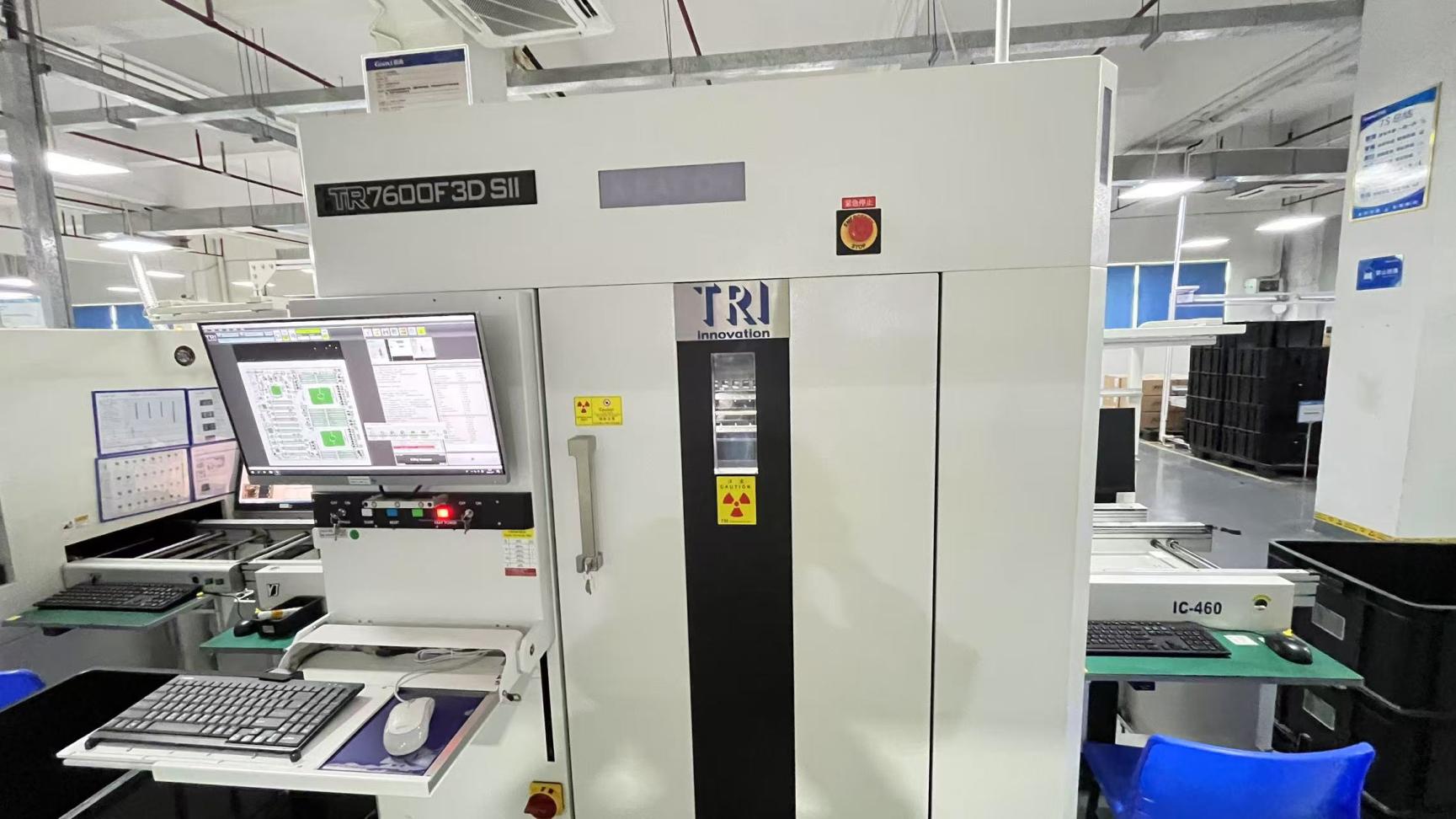
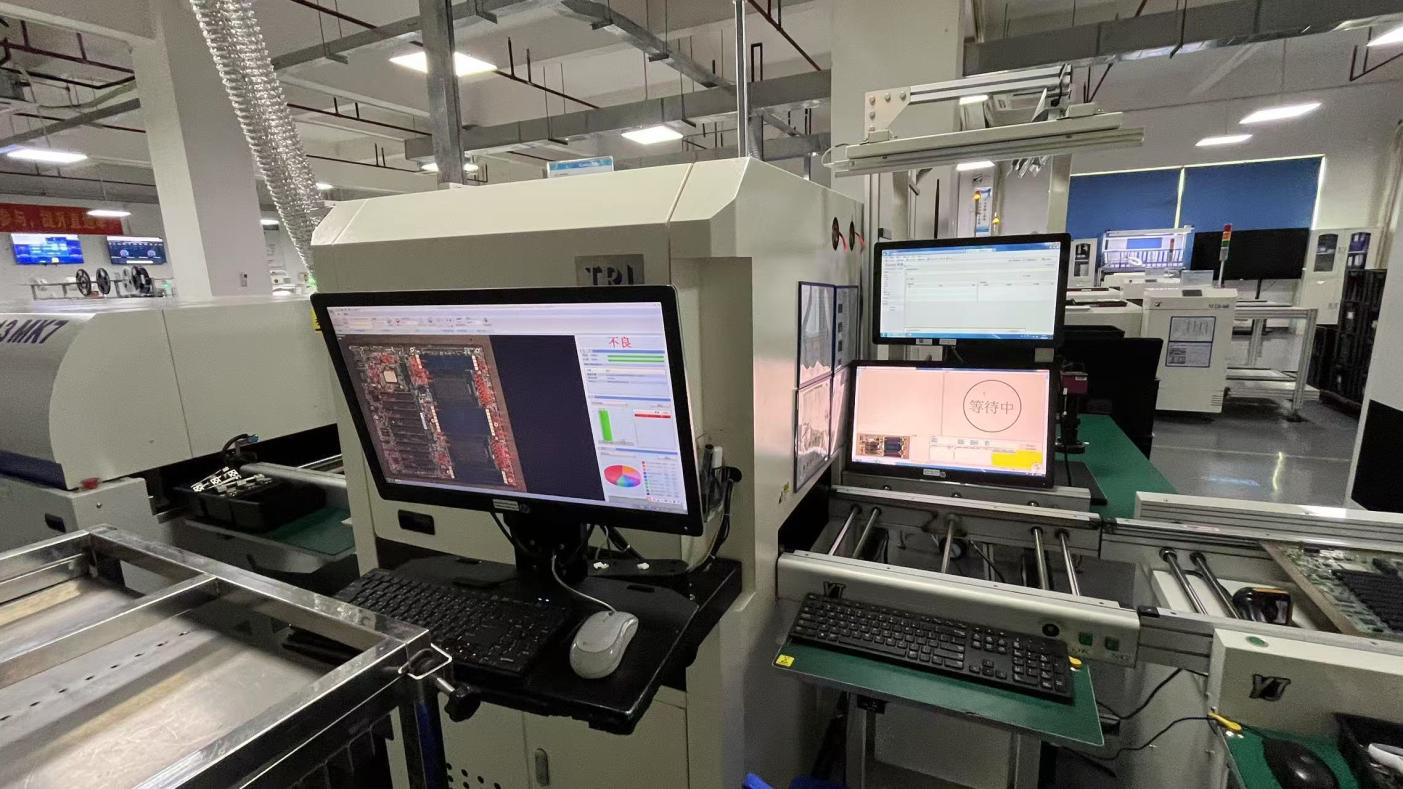
To ensure strict product quality, NexaGPU implements comprehensive multi-stage inspection processes, including hardware stress testing, thermal performance testing, and system stability validation. The company employs a dedicated quality assurance team of 45 QC specialists to maintain consistent product reliability across all B2B orders.
NexaGPU has a solid trade background in global B2B technology supply chains, with major markets including North America, Europe, Southeast Asia, and the Middle East. The company works closely with over 850 supply chain partners, including GPU chip suppliers, motherboard manufacturers, server chassis factories, and cooling system providers.
Our primary customer base includes AI startups, cloud computing providers, data centers, research institutions, and enterprise IT solution providers who require high compute density and reliable performance.
NexaGPU demonstrates strong R&D capability, supported by a team of 120 R&D engineers focused on GPU architecture optimization, AI server design, and liquid cooling technology. The company offers extensive customization options including GPU configuration, CPU selection, memory expansion, storage architecture, and liquid cooling systems.
In the past year, NexaGPU successfully launched 85 new product models, covering AI training servers, inference servers, and high-density GPU computing clusters.
Through continuous innovation and engineering excellence, NexaGPU is committed to delivering scalable, efficient, and reliable AI computing infrastructure for the global artificial intelligence industry.
Clear, technical answers to common questions about customization processes, certifications, and shipping logistics.
Our process begins with an in-depth requirement analysis by our engineering team to define hardware targets, such as thermal performance (TDP), dimension constraints, and power requirements. From there, we proceed to component validation, structural design, and prototype building. Once the design is finalized, prototypes undergo rigorous stress testing, signal integrity validation, and regulatory compliance checks. After approval, the custom units go into full production.
We implement a multi-stage Quality Control pipeline overseen by 45 QA specialists. Every production run undergoes automated optical inspections (AOI), high-voltage circuit validation, and full system burn-in testing under peak load for up to 48 hours. Storage components are checked for bad sectors and write cycles, and RAID controllers are validated for consistent firmware performance. This rigorous process helps us maintain low return rates and high MTBF (Mean Time Between Failures) metrics.
All exported server chassis, motherboards, storage assemblies, and power units conform to CE, FCC, UL, and RoHS standards. Our components are fully certified for export to North America, Europe, Southeast Asia, and the Middle East. We provide full compliance documentation with every shipment to ensure smooth customs clearance and compliance with local regulations.
Yes, we provide localized UEFI and IPMI firmware customization. We configure remote management consoles, language parameters, secure boot keys, and system telemetry settings to align with our B2B clients' security guidelines and regional requirements.
Our systems are packed in heavy-duty, double-walled industrial boxes lined with custom anti-static foam inserts. For bulk shipments, we secure server boxes on wood pallets wrap-sealed with moisture-resistant film. This packaging shields components from static electricity, dampness, and physical shock during transit.
Lead times vary depending on design complexity and current component availability. Standard custom chassis runs are generally completed within 4 to 6 weeks, while more complex multi-GPU system assemblies may take 6 to 8 weeks. We coordinate closely with our logistics partners to offer flexible shipping options, including express air freight, sea freight, and dedicated land routes.