 NexaGPU
NexaGPU
NexaGPU
Explore our top-tier industrial IoT compute modules, enterprise memory components, and GPU servers engineered to drive real-time decision-making in demanding manufacturing architectures.
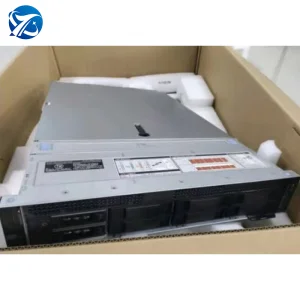
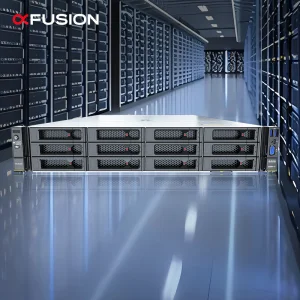
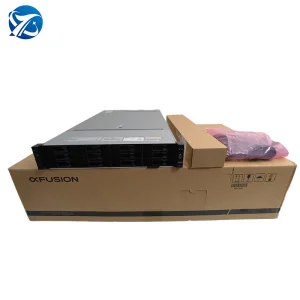
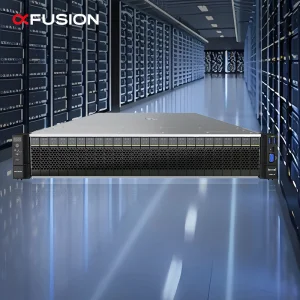
Established in 2016, NexaGPU has rapidly evolved from a high-performance hardware integrator to a tier-one designer and manufacturer of custom AI server systems and industrial edge computing solutions. With 11 years of deep industry expertise and 6 years of global export experience, we supply mission-critical computing infrastructure to over 30 countries across North America, Europe, Southeast Asia, and the Middle East.
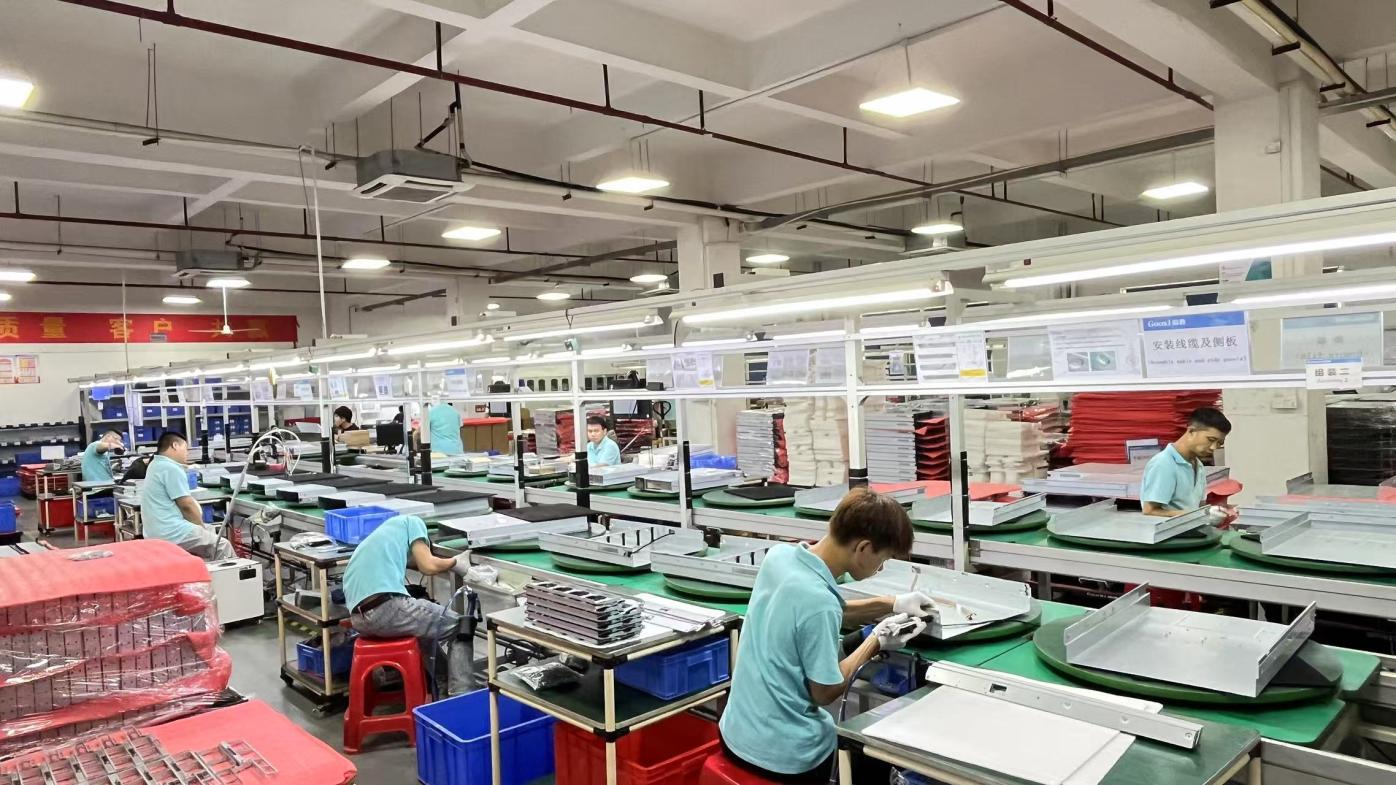
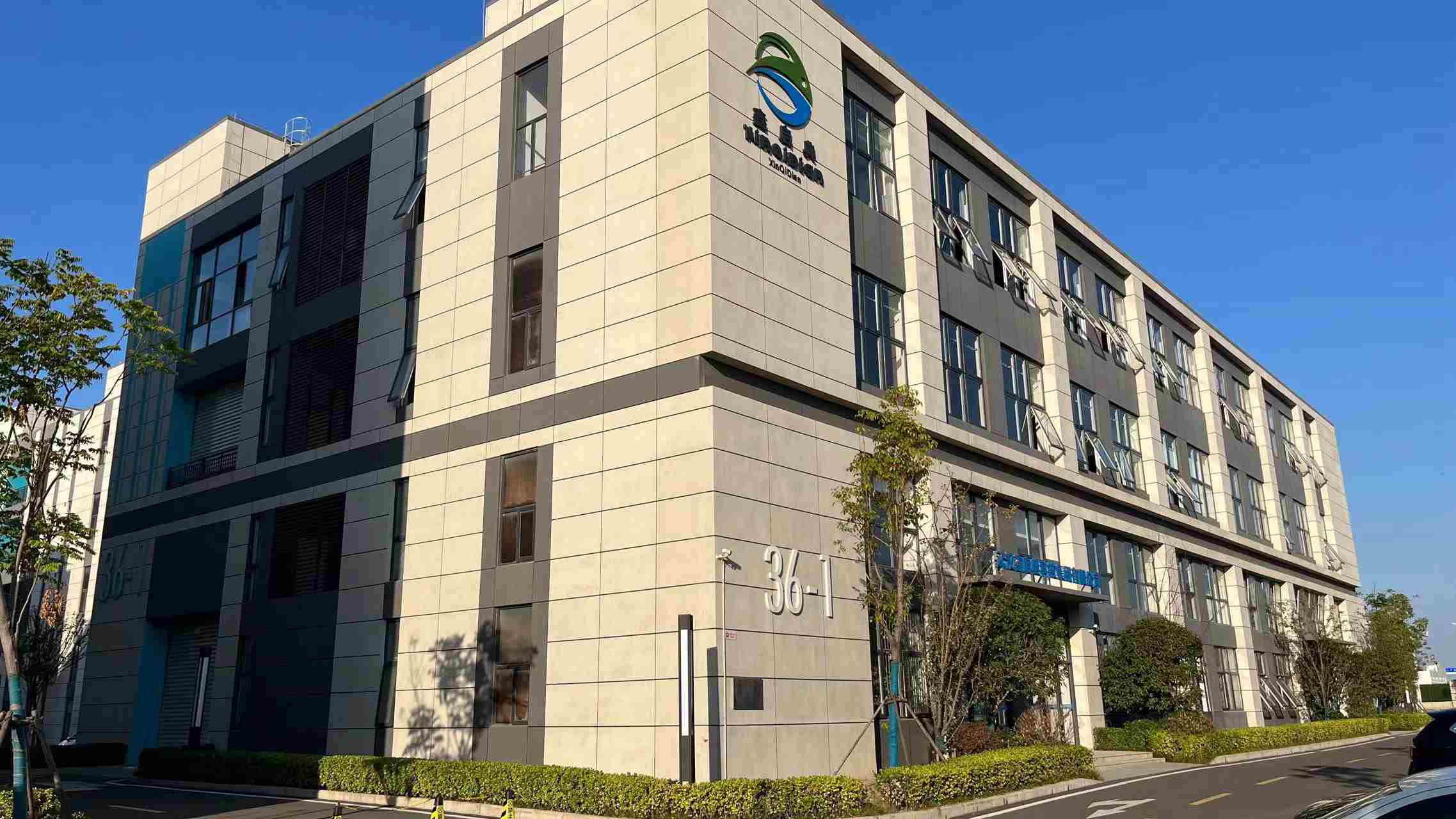
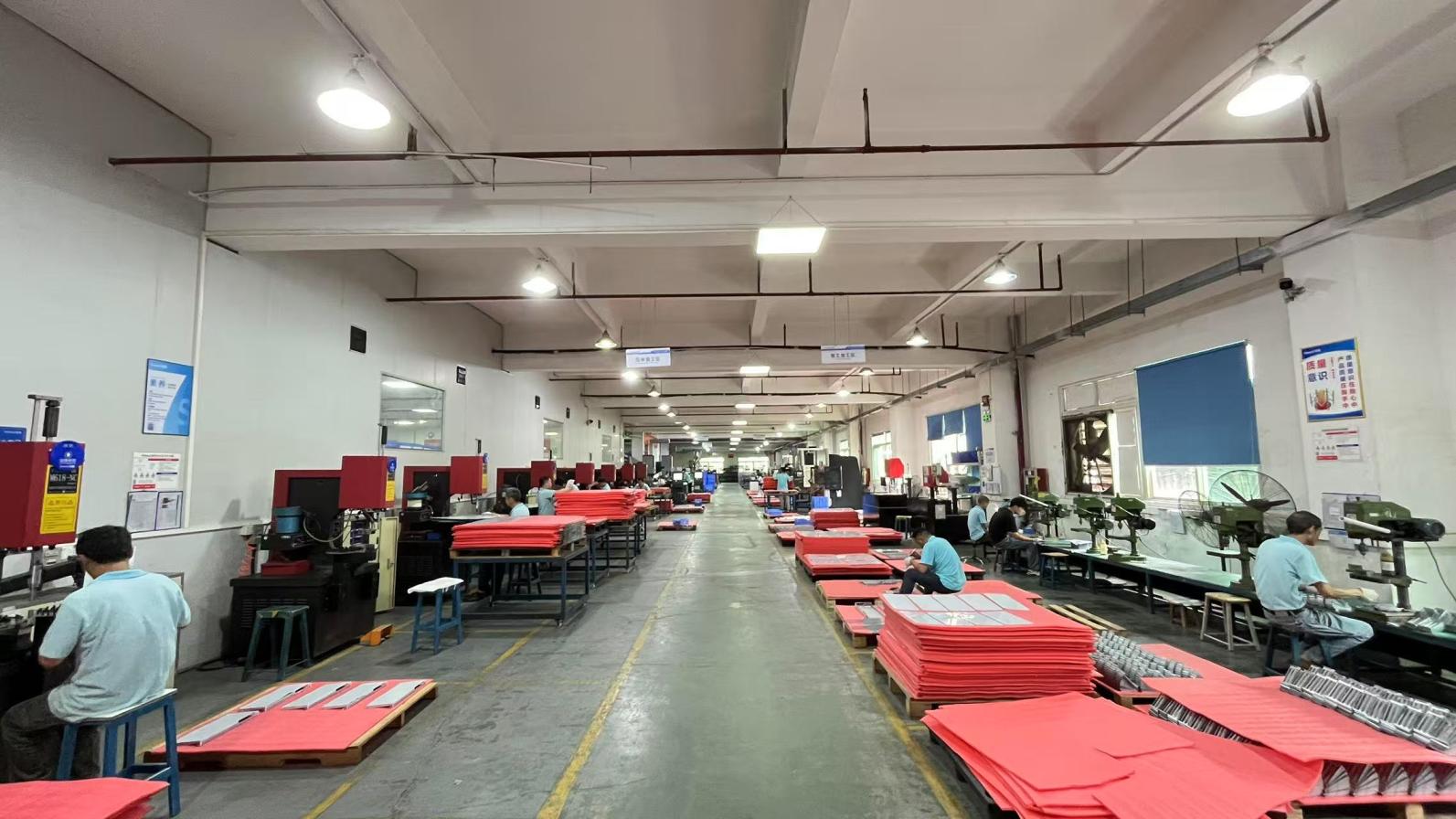
Our operation model is engineered for rapid scaling and customization. To bridge the gap between design and high-volume output, NexaGPU operates a state-of-the-art 320㎡ rapid-prototyping, thermal verification, and pilot integration facility. This highly optimized laboratory runs adjacent to our extensive supply chain network of over 850 strategic hardware partners. This dual-layer structure ensures that custom OEM/ODM designs are validated in-house and seamlessly ramped to volume production inside ISO-certified partner factories.
Our commitment to relentless product development is demonstrated by the launch of 85 new products and configurations last year alone, spanning edge AI compute blocks, rugged controllers, and dense GPU rack assemblies.
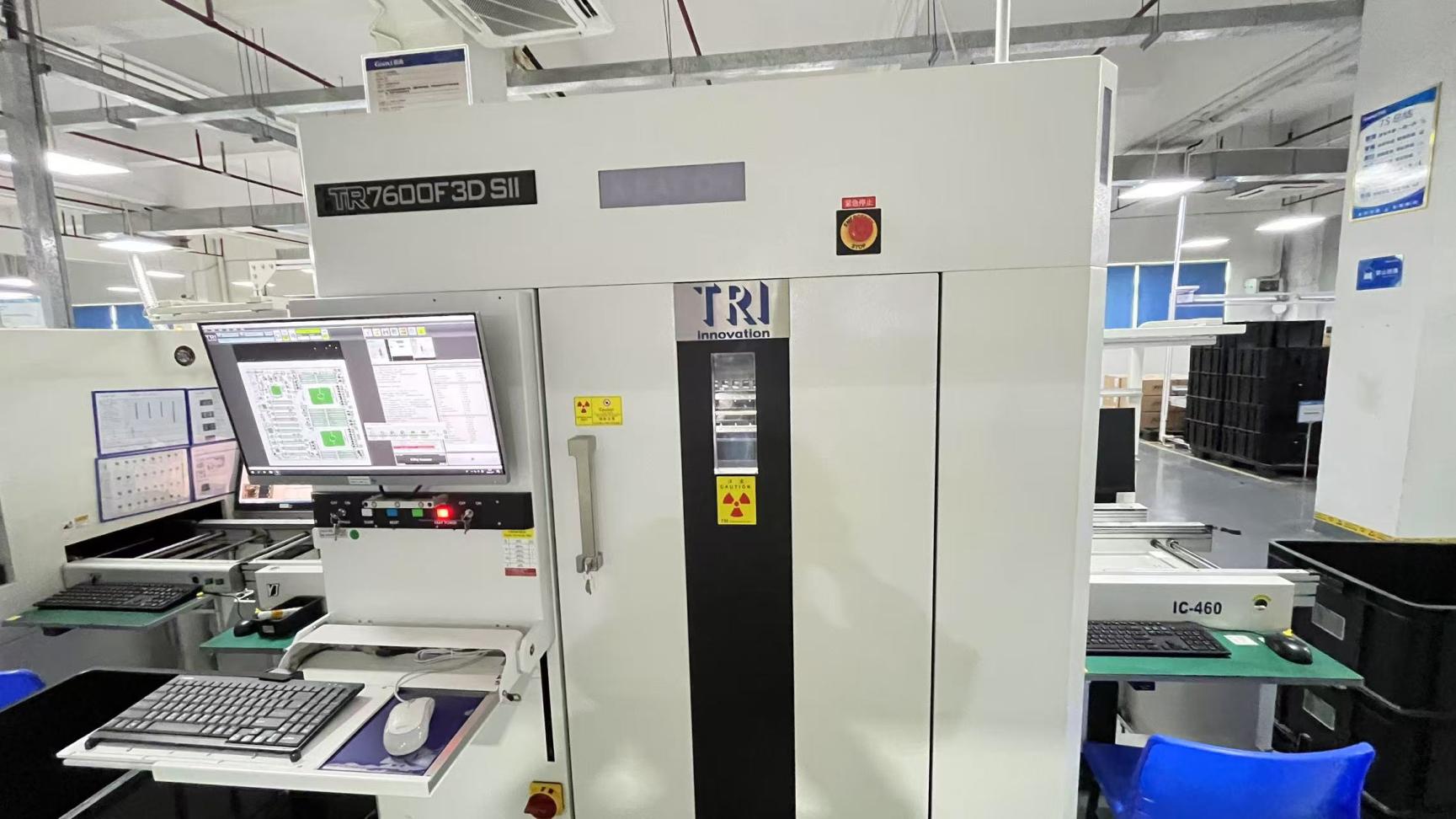
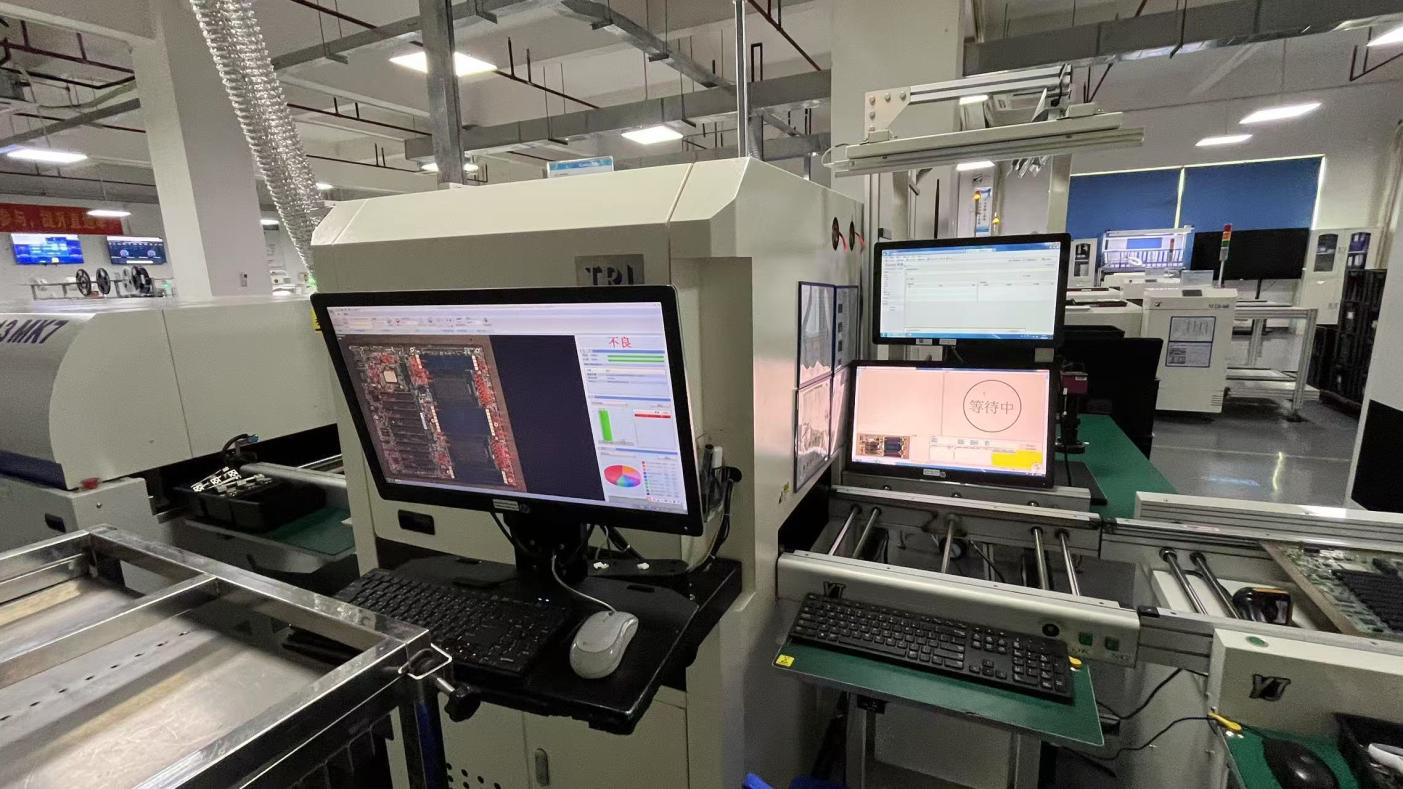
Our factory processes are structured to guarantee zero downtime at the operational front. With 45 specialized Quality Control (QC) engineers, every unit undergoes a multi-stage validation phase, including thermal cycling, hardware stress testing at extreme operating limits, and network reliability audits.
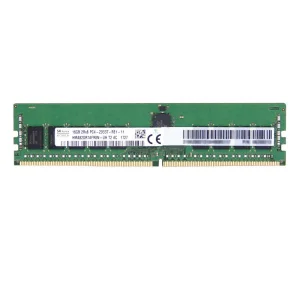
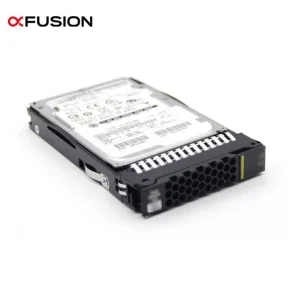
Leveraging deep integration with domestic component suppliers, NexaGPU secures first-tier access to memory units, enterprise storage, custom chassis systems, and cutting-edge cooling devices. We handle supply chains efficiently to support consistent USD 12 million in annual export volume.
An engineering analysis of edge-to-cloud computing, high-density server design, and localized ruggedization strategies for multinational industrial systems.
The paradigm of Industrial IoT (IIoT) is shifting rapidly from passive data collection to real-time, deterministic control and on-site intelligent inference. This transition demands hardware platforms that merge standard industrial control systems with high-density server configurations. NexaGPU’s hardware roadmap addresses three critical technology pillars:
SEO Insight for Chief Technology Officers: True Edge AI cannot depend on the cloud due to bandwidth costs, latency, and data privacy. By deploying specialized local GPU systems and rack servers at the network edge, enterprises achieve instant decision cycles, data compliance, and operational resiliency.
Industrial computing hardware must adapt to different operating environments. NexaGPU's OEM/ODM engineering teams configure products based on the exact deployment scenario:
Real-time machine vision inspection, high-speed robot synchronization, and industrial network protocol conversion. Our customized systems bridge OT (Modbus, Profinet, EtherCAT) and IT (MQTT, OPC UA) networks safely.
Substation automation networks requiring compliant IEC 61850 hardware. These platforms feature electromagnetic isolation protection, redundant power supplies (AC/DC), and fanless design to prevent dust intrusion.
Deploying clustered nodes in regional hubs for predictive maintenance of logistics networks, autonomous fleet routing, and local hosting of private ERP and edge cloud services with server redundancy.
Operating a globally competitive hardware supply chain requires a balance between technical innovation and manufacturing scale. By placing NexaGPU’s core R&D team and prototype lab in Shenzhen, China, we leverage the world's most dense cluster of industrial component suppliers. This brings structural benefits to our global partners:
Shipping custom IoT hardware globally requires strict adherence to localized compliance codes. Every OEM/ODM device designed by NexaGPU is developed to meet the certification requirements of the target market:
| Compliance Standard | Target Region | Engineering Focus / Mitigation Area |
|---|---|---|
| FCC Class A / CE Mark | North America & Europe | High electromagnetic compatibility (EMC) shielding; suppression of radio frequency interference (RFI) in industrial environments. |
| RoHS & WEEE Directives | European Union | Use of lead-free solder, eco-friendly materials, and design-for-recycling to ensure standard environmental compliance. |
| UL / cUL Certification | Global & Enterprise Data Centers | Deep electrical insulation safety, flame-retardant enclosures (UL 94 V-0), and strict thermal limit shutdown triggers. |
| CCC & KC | China & South Korea | Localization of power supply configurations, voltage stabilizers, and regional testing verification. |
From single component customization to complete chassis and system redesign, NexaGPU provides complete design flexibility.
Custom dimensions from 1U to 4U rackmount architectures or ultra-compact wall-mount embedded systems. We offer IP65-rated dust and water protection, rugged vibration isolation, and customized branding/labeling.
We configure system boards to include custom arrays of RS-232/422/485, CAN bus interfaces, isolated digital input/output (DIO), dual or quad 10GbE network interface cards, and legacy PCI express slots.
Pre-configuration of secure boot routines, virtualization hypervisors (Proxmox, VMware), real-time operating systems (RTOS), specialized Linux distributions (Ubuntu Core, Yocto), and local recovery partitions.
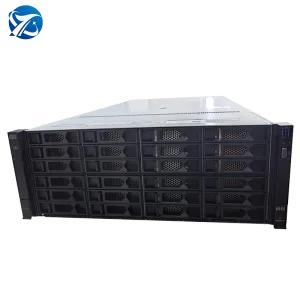
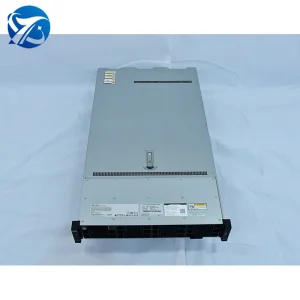
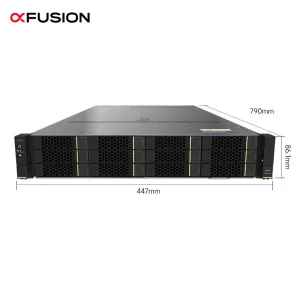
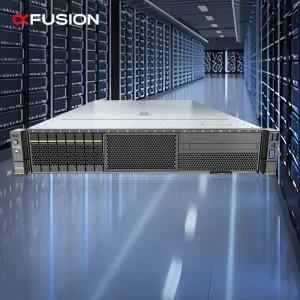
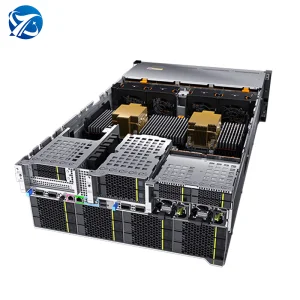
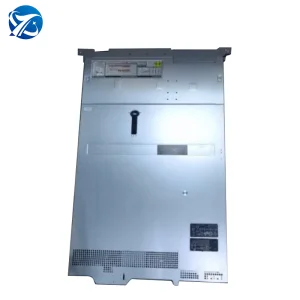
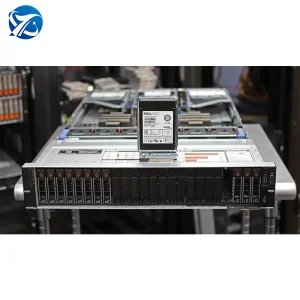
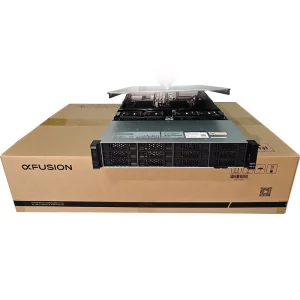
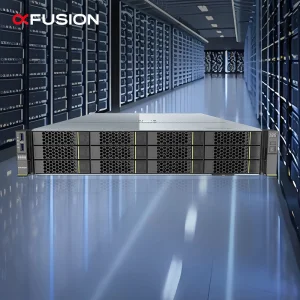
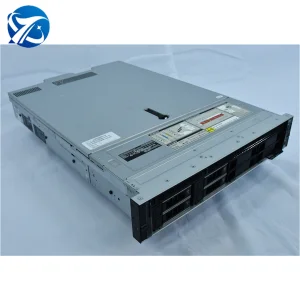
Our high-performance rackmount servers are built to support dense workloads, database applications, and AI modeling projects globally.
A guide to structuring technical requests, validating factory claims, and achieving total cost of ownership (TCO) efficiency.
When procuring edge computing systems and industrial rackmount units, initial cost is only a fraction of the actual cost curve. Field failures in automated assembly lines, remote grid stations, or processing plants can lead to significant downtime losses. Procuring teams must prioritize validation testing:
We simplify the process from initial design to delivery through four key steps:
Answers to critical technical and logistical questions from system architects and hardware buyers.