NexaGPU
The Global Paradigm Shift in Enterprise Storage Architecture
In an era defined by hyper-scale data processing, generative AI models, and real-time analytical loops, enterprise storage has transcended its traditional role as a simple repository of record. It has evolved into a key driver of performance. The rapid adoption of Large Language Models (LLMs), such as DeepSeek, GPT architectures, and massive agentic workflows, has shifted the storage bottleneck from simple capacity constraints to extreme transactional throughput and microsecond latency limits.
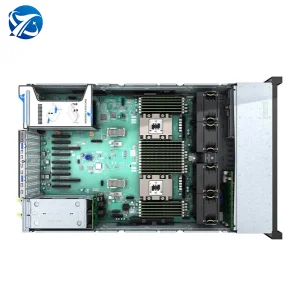
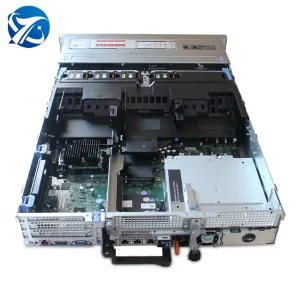
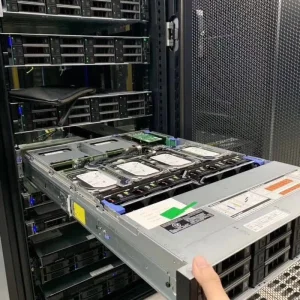
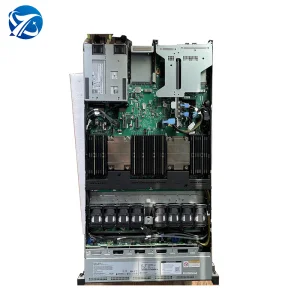
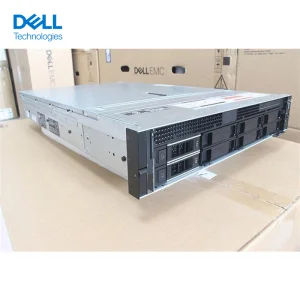
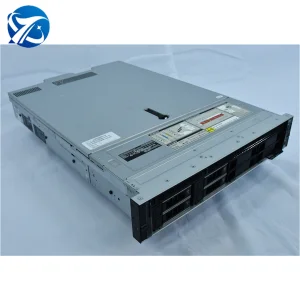
Modern data centers are phasing out legacy architectures in favor of highly optimized flash arrays powered by non-volatile memory express (NVMe) over Fabrics (NVMe-oF). With PCIe Gen 5.0 and the looming deployment of PCIe Gen 6.0, standard controllers can no longer maximize the potential of SSD flash performance. This development has triggered a surge in demand for specialized OEM/ODM Enterprise Storage solutions. Storage hardware must now be custom-tailored, structurally reinforced, and thermally tuned to survive alongside massive configurations of high-density GPU accelerators.
Key Macro Trends Shaping the Storage Industry
- The Rise of GPUDirect Storage (GDS): By enabling a direct DMA path between GPU memory and local NVMe storage, GDS bypasses system CPU and RAM bottlenecks. This cuts storage latencies down to minimal levels and frees up valuable compute cycles.
- EDSFF Form Factors: E1.S and E3.S form factors are rapidly replacing classic 2.5-inch U.2/U.3 drives. These new form factors offer improved thermal cooling efficiency, higher physical slot densities, and robust electrical properties optimized for PCIe Gen 5.0 and beyond.
- CXL (Compute Express Link): Memory pooling over CXL bridges the gap between memory and fast storage, creating a unified address space that allows host CPUs and accelerated nodes to share pools of low-latency DRAM and persistent storage.
OEM/ODM Customization: Tailoring Infrastructure to Target Workloads
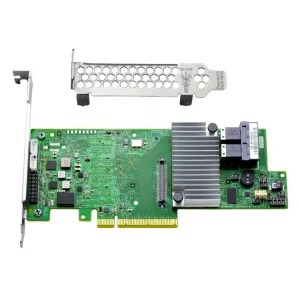
Off-the-shelf storage platforms often fail to balance read/write capabilities for mixed enterprise workloads. For example, database transactions need high IOPS and low-latency random writes, while AI model training requires rapid, sustained sequential reads of massive data lakes. Through custom OEM/ODM pipelines, enterprises can select specific RAID controllers, select optimized drive backplanes, integrate liquid-cooling loops, and adjust BIOS profiles. This level of customization ensures hardware is optimized to deliver peak performance under continuous duty cycles.