NexaGPU
NexaGPU
NexaGPU
Deploy enterprise-grade Web Application Firewalls on high-availability bare metal hardware.
In today's highly fragmented network perimeter environment, securing web applications requires more than standard, off-the-shelf software solutions. High-performance enterprise networks demand dedicated physical hardware optimized to parse HTTP/HTTPS traffic at wire speed. As threat profiles shift from simple pattern match signatures to dynamic zero-day exploits and multi-vector automated bot networks, custom OEM (Original Equipment Manufacturer) Web Application Firewalls (WAF) have transitioned from a luxury to an operational necessity. Security software developers, cloud service providers, and global system integrators rely heavily on custom physical appliances to deliver deterministic latency, rigorous compliance (such as PCI-DSS 4.0), and reliable edge defenses.
Modern Web Application and API Protection (WAAP) requires immense cryptographic throughput to perform TLS 1.3 termination, deep packet inspection (DPI), and machine learning pattern evaluation simultaneously. Relying entirely on generic hypervisors often introduces micro-stuttering and unpredictable latency spikes. Dedicated OEM hardware integrates hardware security modules (HSMs), specialized cryptographic accelerators (like Intel QuickAssist Technology - QAT), and smart NICs to achieve true linear throughput under peak traffic loads.
The global demand for customized WAF appliances is driven by tightening compliance mandates, sovereignty requirements, and the sheer volume of web-borne threats. Industrial control systems, smart factories, financial institutions, and telecommunication networks cannot risk sending sensitive telemetry to public cloud networks for inspection. Thus, localized, on-premise hardware-accelerated security nodes are experiencing unprecedented growth.
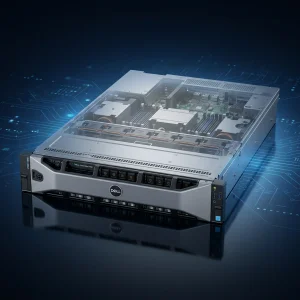
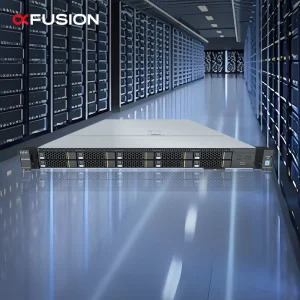
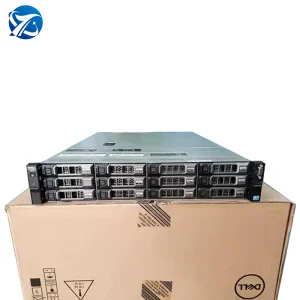
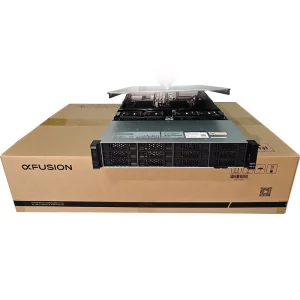
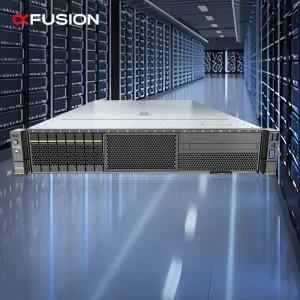
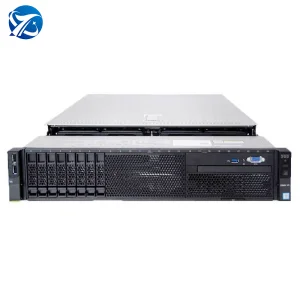
In regions like North America and Europe, compliance architectures (such as GDPR, HIPAA, and NIS2) necessitate complete visibility over the physical infrastructure layer. In Southeast Asia and the Middle East, the rapid digitization of governmental and banking interfaces has sparked a massive requirement for localized custom-branded WAF deployments. Enterprise clients do not simply buy software; they procure hardened, custom-branded 1U and 2U rack servers equipped with pre-loaded OS environments, tamper-evident security coatings, and highly reliable redundant power systems configured directly from factory floors.
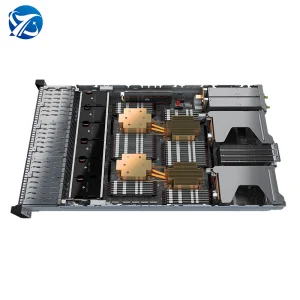
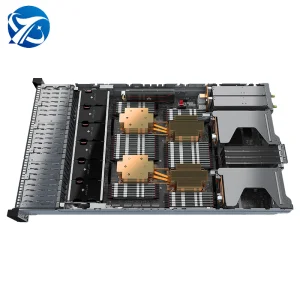
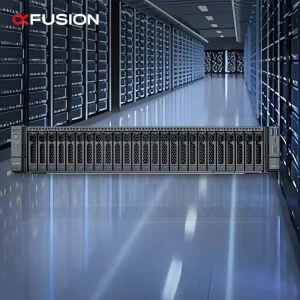
Designing a high-throughput OEM WAF appliance requires careful synchronization of computational components, thermal systems, and memory bus layouts. NexaGPU collaborates with security software vendors to configure hardware architectures optimized for the specific workloads of modern traffic analysis:
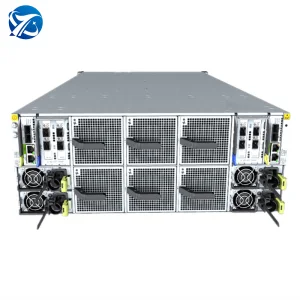
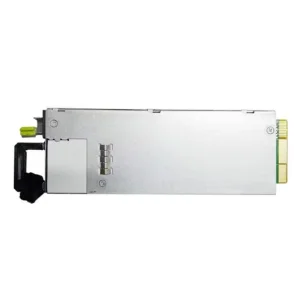
An enterprise security device is only as strong as its weakest link. Implementing custom OEM WAF systems involves pairing high-performance computational chassis with dual-redundant, hot-swappable 80 Plus Platinum power supplies (ranging from 900W to 2000W). This ensures that even during internal power distribution failures, security scanning is never bypassed or interrupted.
The convergence of artificial intelligence and network security is redefining the development lifecycle of Web Application Firewalls. Future-focused security vendors are moving away from static signature databases that require constant manual updating. Instead, real-time behavioral models analyze user intent patterns directly on-device. By integrating lightweight neural models onto Edge GPU servers, a custom WAF can accurately detect complex API abuse, scraping activities, and SQL injections without relying on remote cloud connections.
OEM factories like NexaGPU play a pivotal role in this technical transition. By offering tailored physical hardware with optimized PCIe expansion options, security enterprises can seamlessly add GPU computing cards to existing rack designs, transforming standard firewalls into highly capable, AI-augmented network security nodes.
Delivering certified, high-performance physical server platforms optimized for network security software deployment.
Our engineering services cater to multiple global industries with highly specific operational demands:
Professional AI GPU server manufacturer and supplier specializing in high-performance computing infrastructure.
NexaGPU is a professional AI GPU server manufacturer and supplier specializing in high-performance computing infrastructure, GPU clusters, and customized AI server solutions for global enterprises, data centers, and AI development companies.
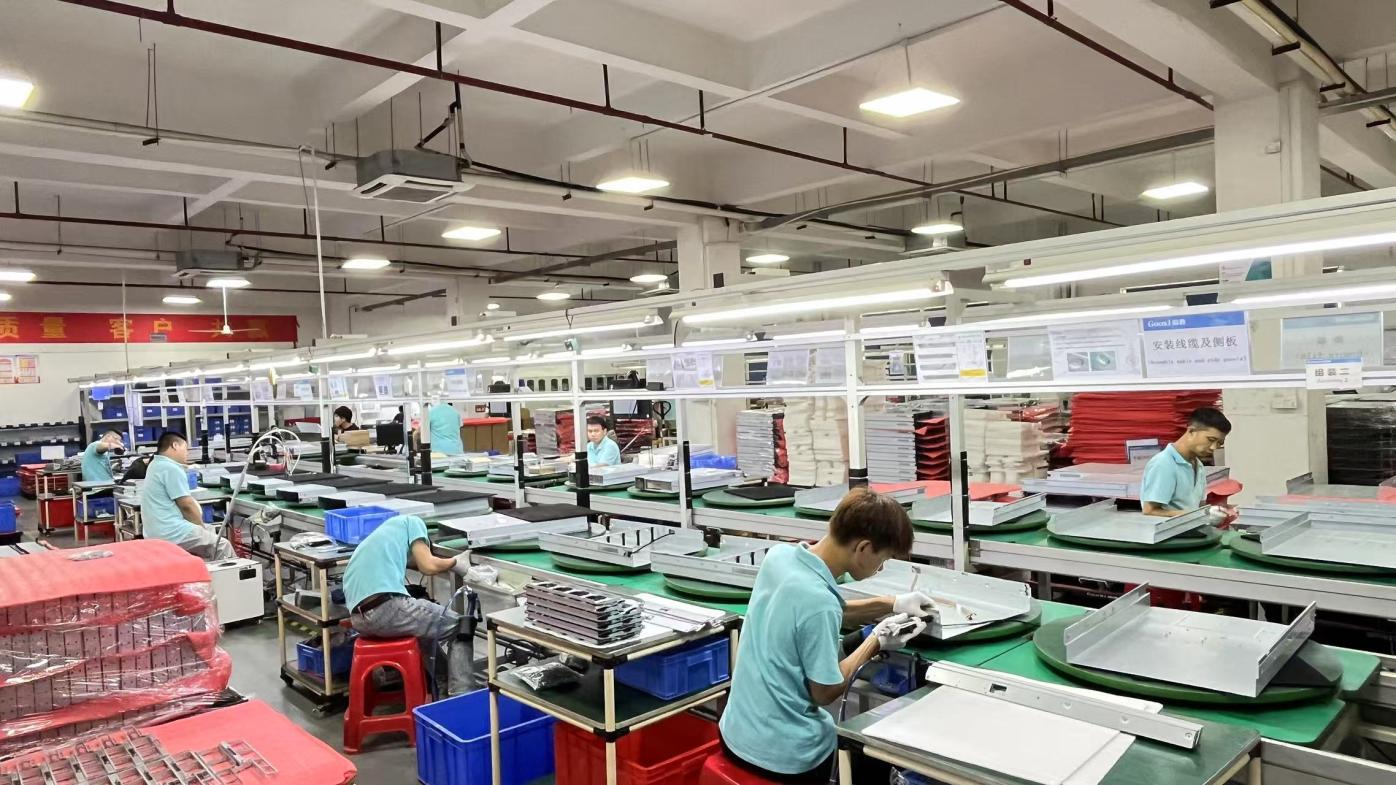
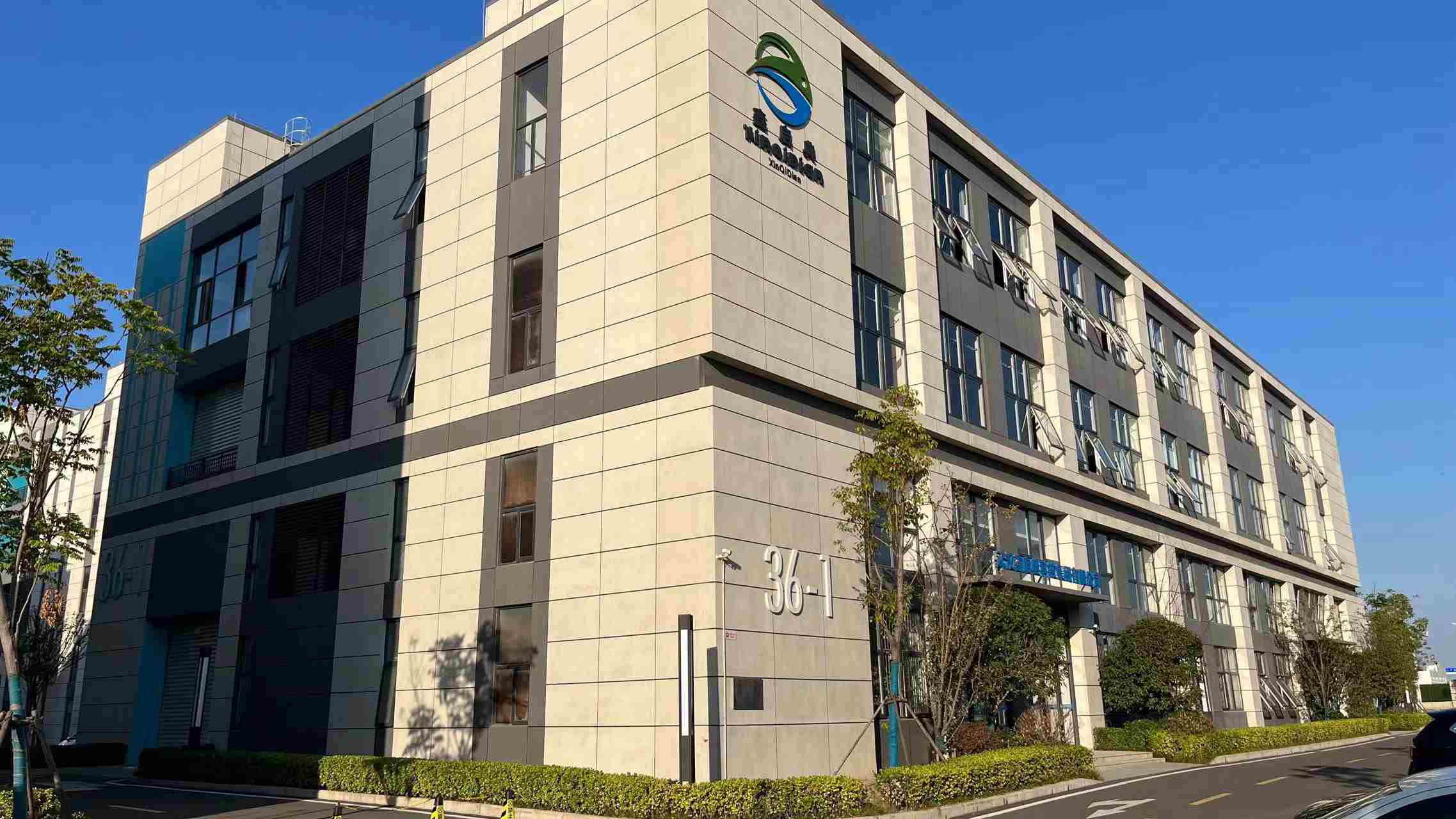
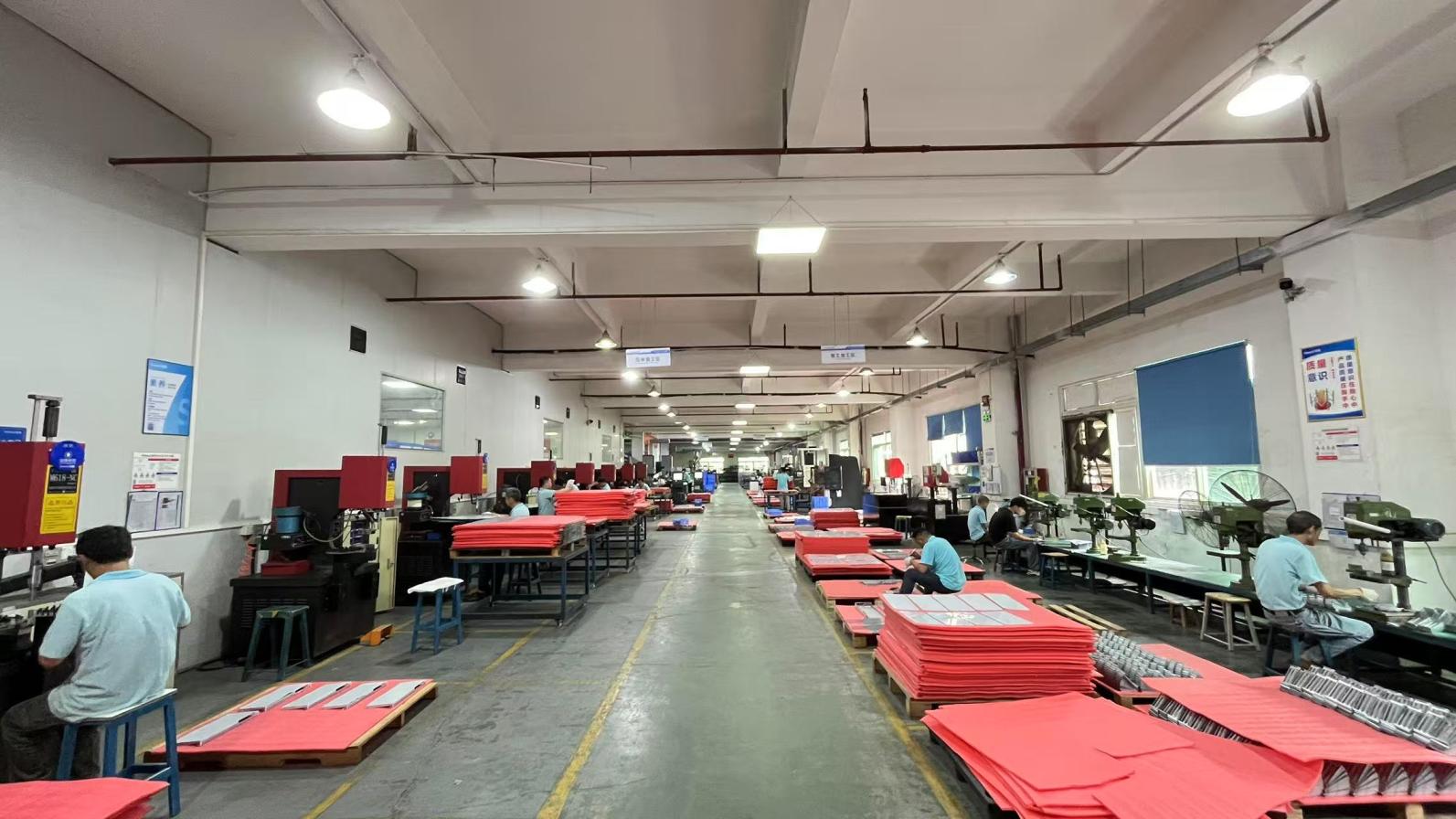
Established in 2016, NexaGPU has rapidly grown into a trusted provider of advanced GPU computing systems. The company operates a modern manufacturing facility with a building area of approximately 320㎡, supporting efficient production, assembly, and testing of AI server systems.
With an annual export revenue of USD 12 million, NexaGPU has built strong international business capabilities and maintains 6 years of export experience and 11 years of industry experience in high-performance computing and server manufacturing.
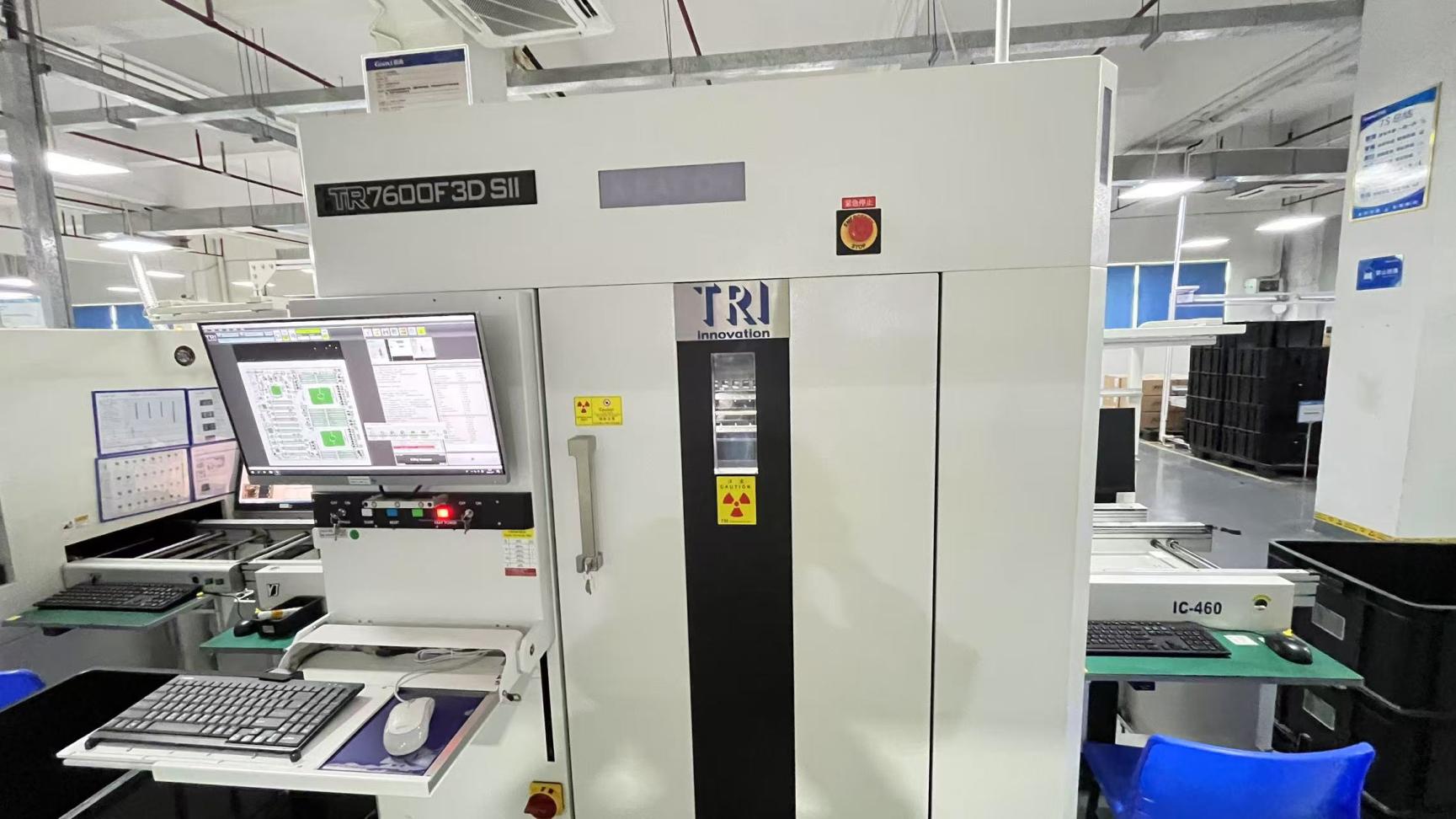
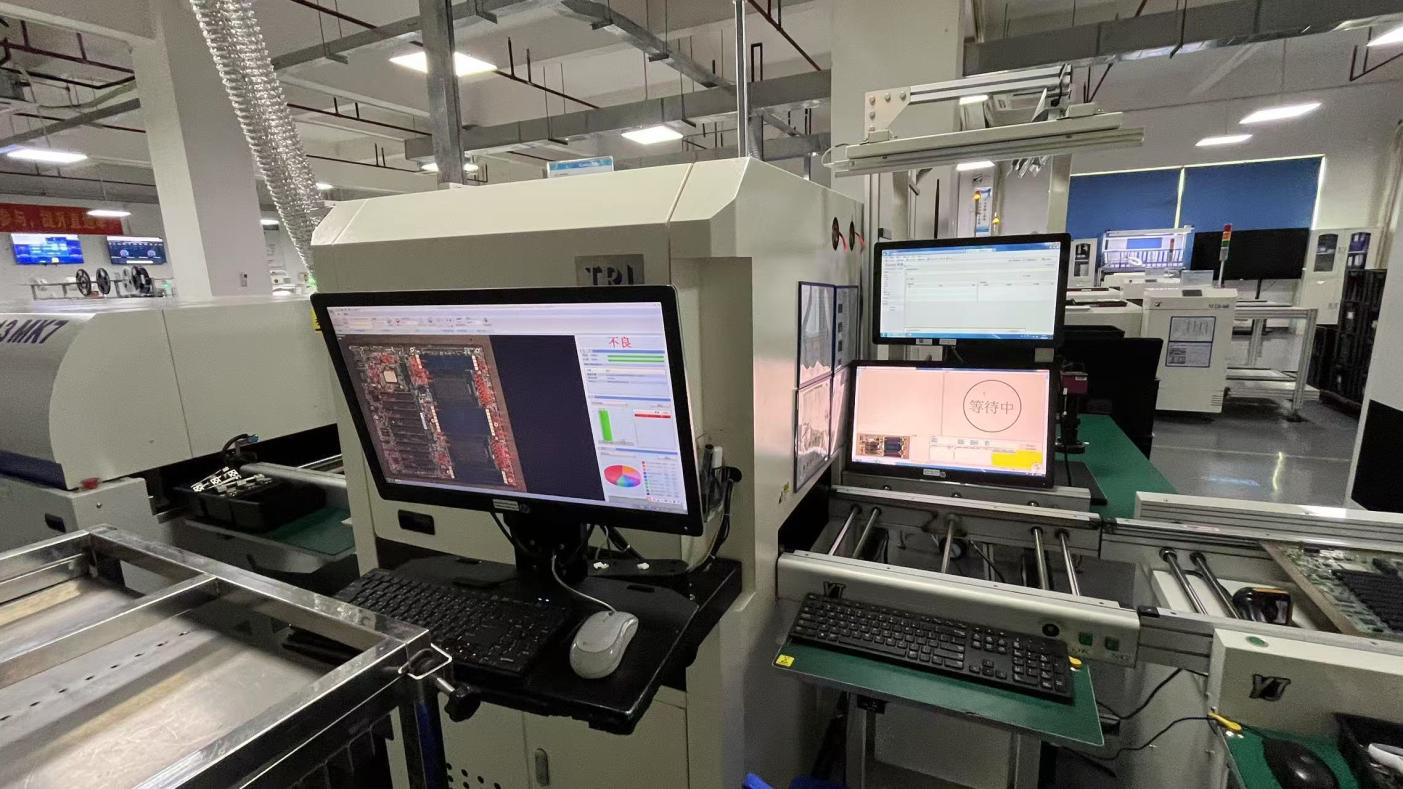
To ensure strict product quality, NexaGPU implements comprehensive multi-stage inspection processes, including hardware stress testing, thermal performance testing, and system stability validation. The company employs a dedicated quality assurance team of 45 QC specialists to maintain consistent product reliability.
NexaGPU has a solid trade background in global B2B technology supply chains, with major markets including North America, Europe, Southeast Asia, and the Middle East. The company works closely with over 850 supply chain partners, including GPU chip suppliers, motherboard manufacturers, server chassis factories, and cooling system providers.
Its main customer base includes AI startups, cloud computing providers, data centers, research institutions, and enterprise IT solution providers.
NexaGPU demonstrates strong R&D capability, supported by a team of 120 R&D engineers focused on GPU architecture optimization, AI server design, and liquid cooling technology. The company offers extensive customization options including GPU configuration, CPU selection, memory expansion, storage architecture, and liquid cooling systems.
In the past year, NexaGPU successfully launched 85 new product models, covering AI training servers, inference servers, and high-density GPU computing clusters.
Through continuous innovation and engineering excellence, NexaGPU is committed to delivering scalable, efficient, and reliable AI computing infrastructure for the global artificial intelligence industry.
Technical answers for IT professionals and system architects evaluating OEM WAF Hardware platforms.
Select the right compute node or network server base to deploy your custom security architectures.