NexaGPU
NexaGPU
NexaGPU
Featured customized high-reliability systems built to compute, scale, and secure enterprise operations.
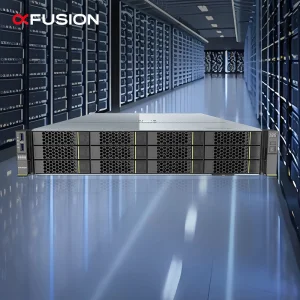
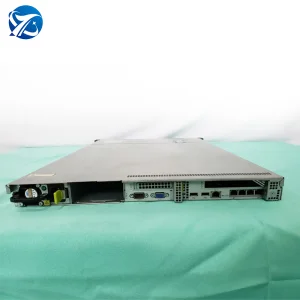
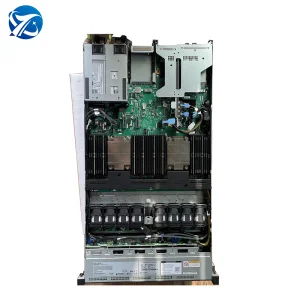
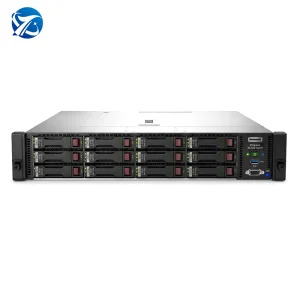
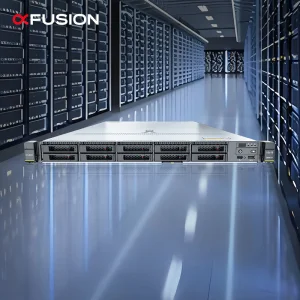
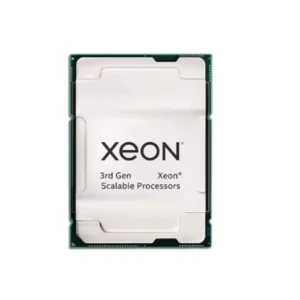
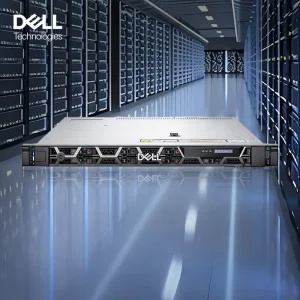
The global enterprise data landscape is undergoing an unprecedented architectural shift. Traditionally, Storage Area Networks (SAN) functioned primarily as high-reliability block storage domains designed for structured relational databases and legacy enterprise resource planning (ERP) ecosystems. These networks utilized Fibre Channel (FC) protocol configurations to connect servers to disk arrays. However, the rise of Large Language Models (LLM) like DeepSeek, high-density AI workloads, and distributed cloud computing systems has altered storage access parameters.
Modern workloads demand not just raw capacity, but massive parallel processing power, sub-millisecond network latencies, and multi-gigabyte throughput pipelines. This requirement has propelled the rise of next-generation SAN configurations. Modern custom configurations transition from SAS/SATA drives to enterprise NVMe drives utilizing NVMe-over-Fabrics (NVMe-oF) over Remote Direct Memory Access (RDMA) and high-speed Fibre Channel protocols. This evolution ensures storage devices can match the high throughput of modern GPU-accelerated computing structures without creating network bottlenecks.
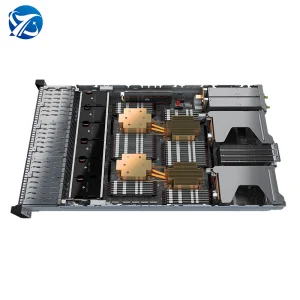
For custom OEM storage area network manufacturers, addressing performance demands means engineering storage controllers and rackmount nodes that optimize heat management, signal integrity, and input/output path reliability. Modern deployments rely on high-efficiency heat dissipation structures (such as **2U heat pipes** and **liquid cooling systems**) to maintain continuous operation during thermal spikes. Ensuring component stability prevents thermal throttling, maintaining predictable storage response times for mission-critical cloud deployments.
Verified production statistics outlining our global scale, quality assurance protocol, and engineering expertise.
With over 11 years of high-performance server computing industry experience and 6 years of direct global exporting expertise.
Focused on GPU architecture optimization, customized block storage controllers, NVMe-oF network structures, and custom thermal design.
Executing multi-stage validation including component stress-testing, thermal imaging, and continuous high-load testing.
Covering diverse form factors from 1U server racks to hyperconverged storage chassis and high-density GPU computing clusters.
Global enterprise procurement processes are moving away from restrictive proprietary hardware models. CIOs and infrastructure planners are choosing custom OEM and ODM Storage Area Network solutions to address high vendor lock-in costs and rigid server profiles. Working directly with custom manufacturers like NexaGPU allows enterprises to adjust physical dimensions, interface densities, chip setups, and cooling components to match their exact software needs.
This level of customization is essential for major global regions, including North America, Europe, Southeast Asia, and the Middle East, where data regulations (such as GDPR, HIPAA, and regional data residency rules) dictate localized security architectures. Custom OEM designs allow businesses to include specific hardware security modules (HSM), self-encrypting drives (SED), and dual-controller configurations. These features help ensure high availability and prevent single points of failure across enterprise infrastructures.
China's technology production ecosystem relies on integrated supply chains and component clusters. NexaGPU partners with over 850 supply chain suppliers. This network includes high-end processor foundries, cooling component makers, and specialized sheet metal designers. These partnerships help simplify the production pipeline, reducing custom prototype and product deployment times.
Standard servers often fail to meet the performance demands of specialized enterprise applications. Our engineering team provides detailed customization services to configure components for maximum performance:
A trusted provider of advanced high-performance AI GPU servers and customized enterprise data storage infrastructures.
NexaGPU is a professional AI GPU server manufacturer and supplier specializing in high-performance computing infrastructure, GPU clusters, and customized AI server solutions for global enterprises, data centers, and AI development companies.
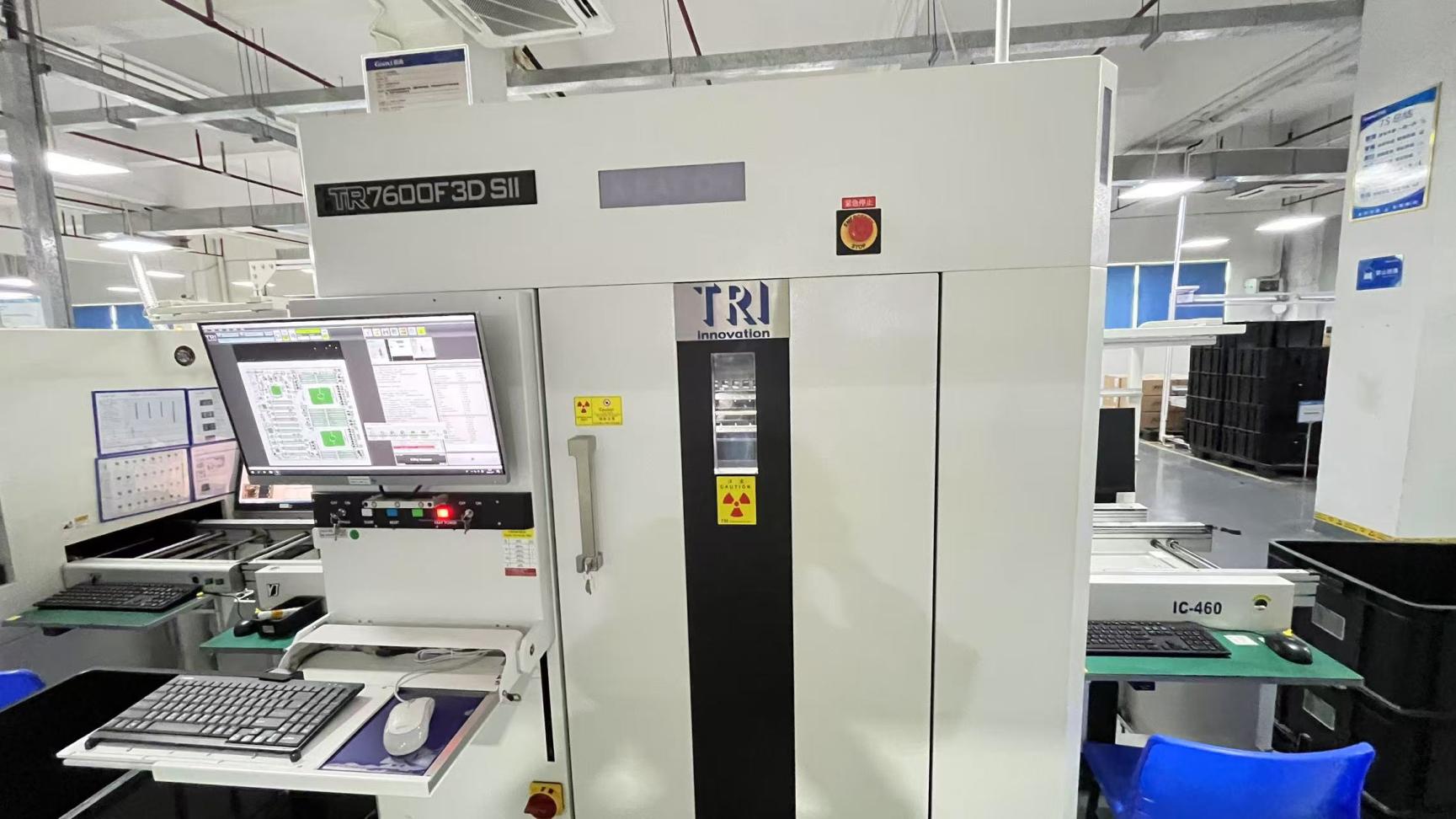
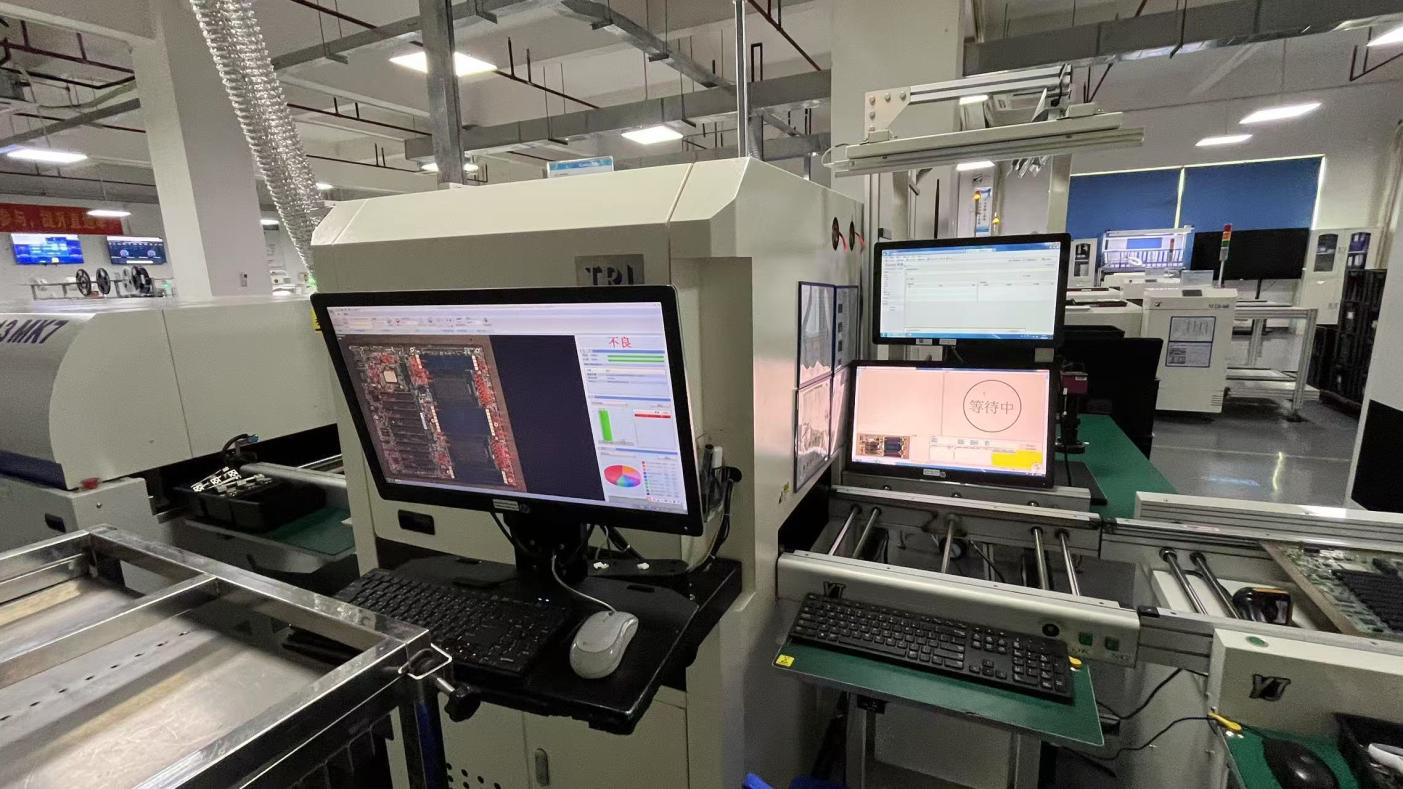
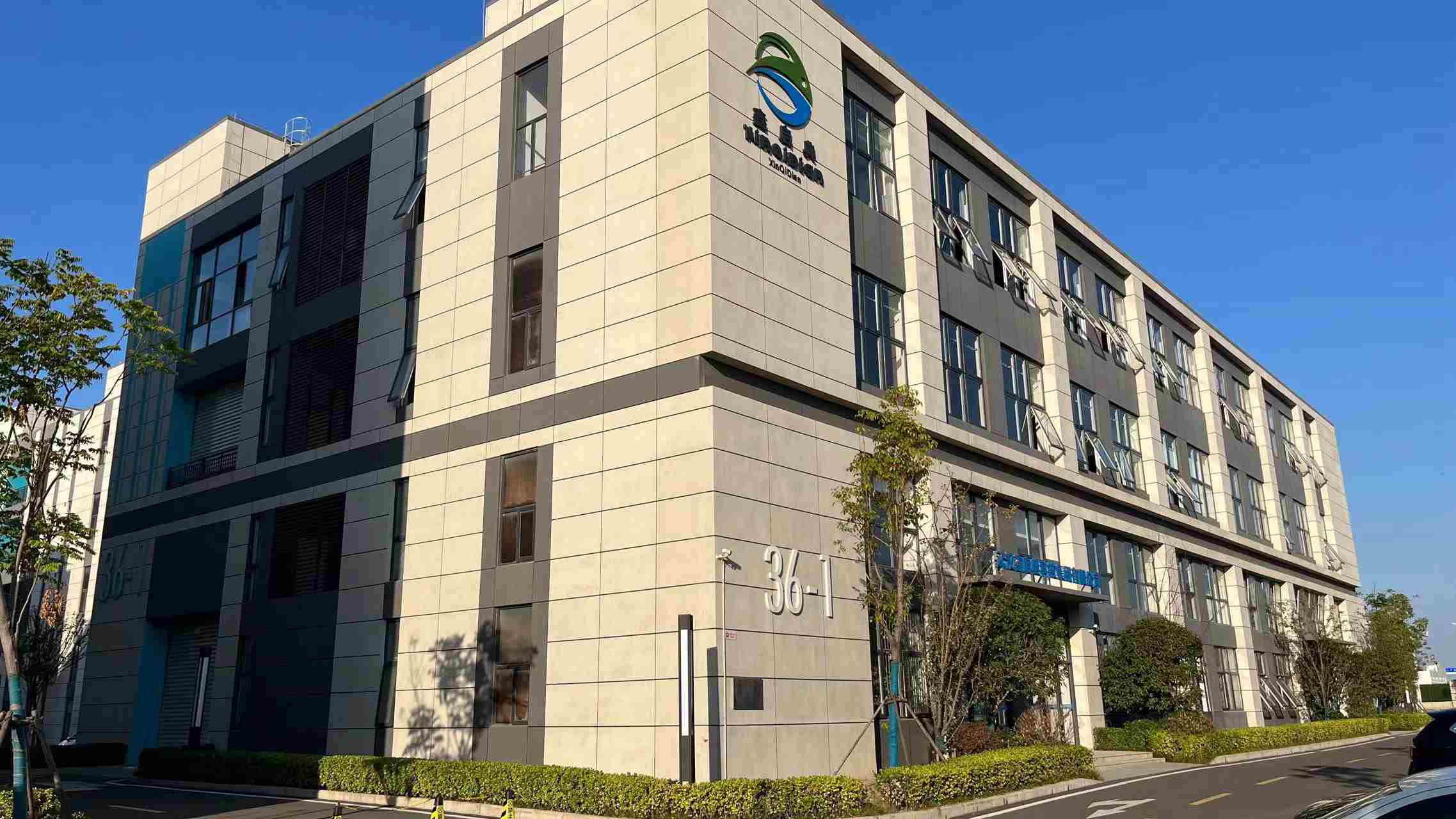
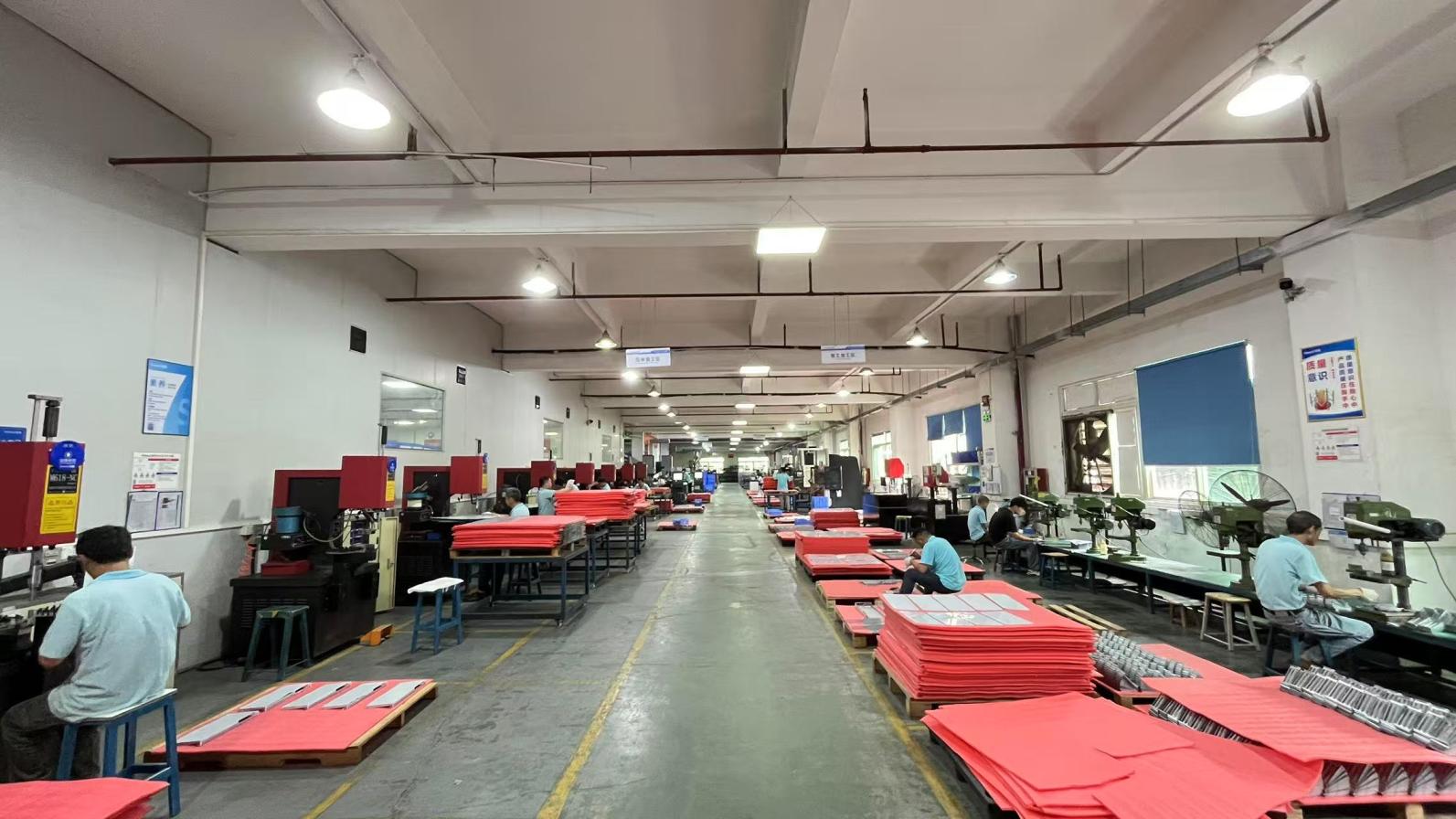
Established in 2016, NexaGPU has rapidly grown into a trusted provider of advanced GPU computing systems. The company operates a modern manufacturing facility with a building area of approximately 320㎡, supporting efficient production, assembly, and testing of AI server systems. With an annual export revenue of USD 12 million, NexaGPU has built strong international business capabilities and maintains 6 years of export experience and 11 years of industry experience in high-performance computing and server manufacturing.
To ensure strict product quality, NexaGPU implements comprehensive multi-stage inspection processes, including hardware stress testing, thermal performance testing, and system stability validation. The company employs a dedicated quality assurance team of 45 QC specialists to maintain consistent product reliability. NexaGPU works closely with over 850 supply chain partners, including GPU chip suppliers, motherboard manufacturers, server chassis factories, and cooling system providers.
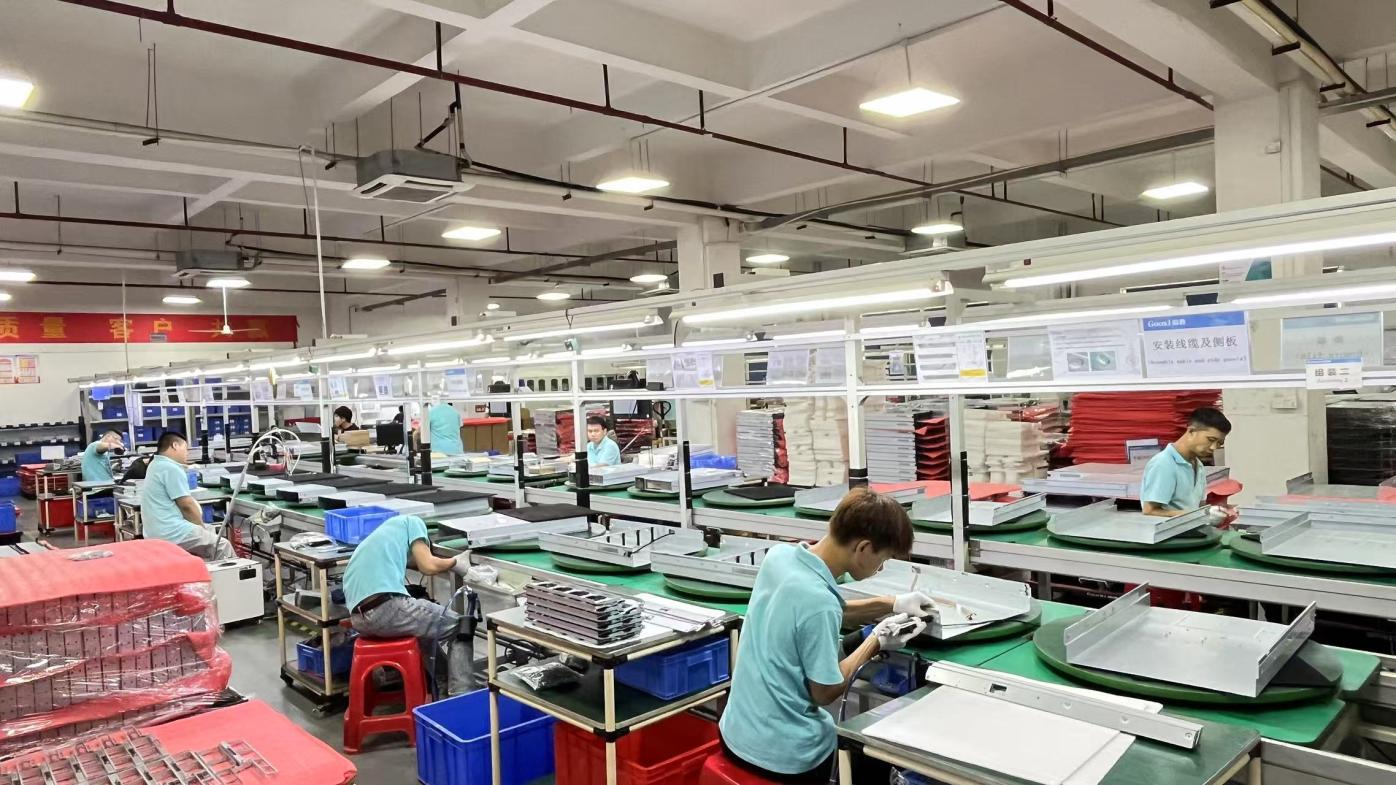
Custom OEM storage networks are deployed in diverse settings, each presenting unique engineering challenges. Our systems are configured to deliver consistent performance across these environments:
1. Mission-Critical Enterprise ERP Frameworks: ERP databases require high levels of database transaction consistency. By configuring custom dual-active storage setups, we help prevent application disruptions, ensuring steady performance during peak usage periods.
2. DeepSeek AI Model Training and High-Density Inference: AI workloads require high training speeds and minimal latency. Integrating dedicated NVMe-oF network nodes reduces system lag, allowing storage units to match the data delivery speeds of GPU arrays.
3. Public & Private Cloud Architectures: For multi-tenant hosting providers, scaling storage resources efficiently is critical. Custom OEM storage nodes provide modular scalability, letting operators expand storage capacity or network performance independently to meet changing tenant demands.
Direct technical explanations to help procurement officers plan and execute storage projects.
Browse our scalable server chassis and high-density computing platforms designed for demanding cloud operations.