NexaGPU
NexaGPU
NexaGPU
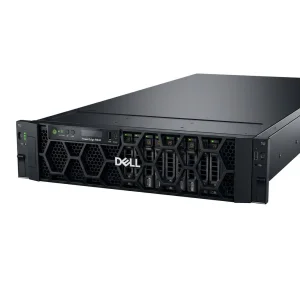
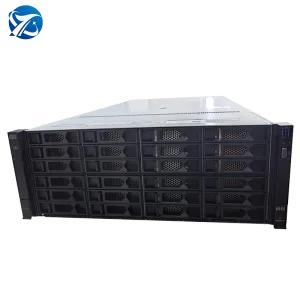
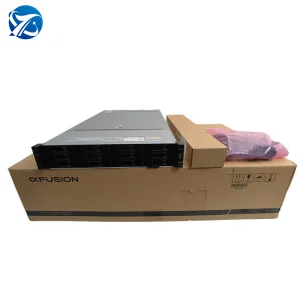
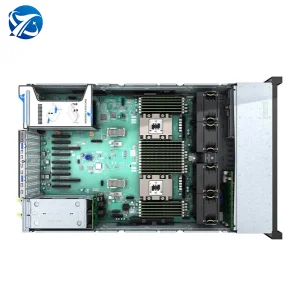
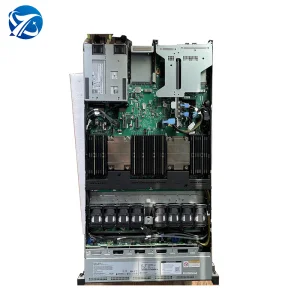
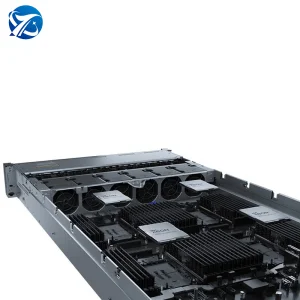
Scalable rack servers configured with state-of-the-art computational chips to power edge deployment and multi-channel IoT data ingestion.
In the era of Industry 4.0, unplanned downtime has transitioned from being a minor operational headache to an existential financial threat. Global heavy industries, manufacturing plants, energy complexes, and hyperscale data centers operate on razor-thin efficiency margins. Reactive maintenance models lead to severe bottleneck chains, and standard preventative maintenance protocols often swap out highly viable parts prematurely, incurring massive cost overheads. This structural inefficiency has accelerated the adoption of **AI-Driven Predictive Maintenance Solutions**.
Predictive Maintenance (PdM) leverages continuously streamed time-series data from sensor arrays monitoring thermal signatures, vibrations, acoustic emissions, and magnetic anomalies. When processed by Deep Learning (DL) models and advanced regression algorithms, these data streams reveal latent degradation patterns long before human operators or physical checks notice anomaly indicators. The true battleground for PdM software integrators lies in the computational runtime: processing tens of thousands of IoT payloads per second requires highly optimized, dense GPU servers capable of executing machine learning models at the network edge and handling large-scale storage arrays for historical model refinement.
"By transitioning from traditional schedules to predictive paradigms, enterprise factories reduce total maintenance budgets by 30% and mitigate sudden breakdown events by up to 75%."
— Industrial AI Operations Research, NexaGPU
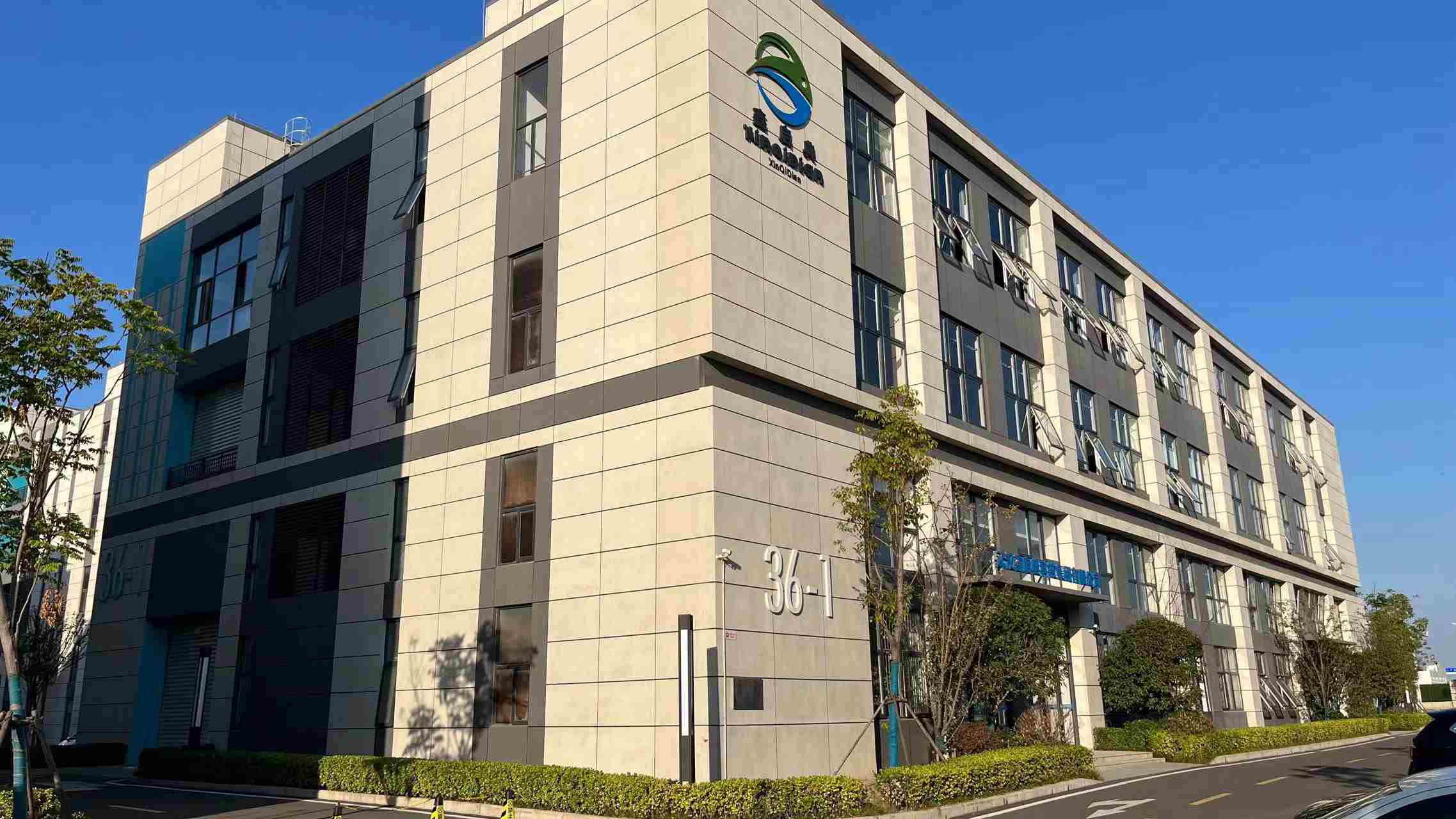
NexaGPU stands at the forefront of this industrial shift, operating as a professional AI GPU server manufacturer and supplier. We specialize in engineering high-performance computing infrastructure, complex GPU clusters, and custom OEM server designs for global system integrators, data center complexes, and industrial AI application developers. Since our founding in 2016, we have translated engineering depth into reliable hardware solutions, scaling our facility footprint, design teams, and supply lines to meet the demanding requirements of Predictive Maintenance deployments.
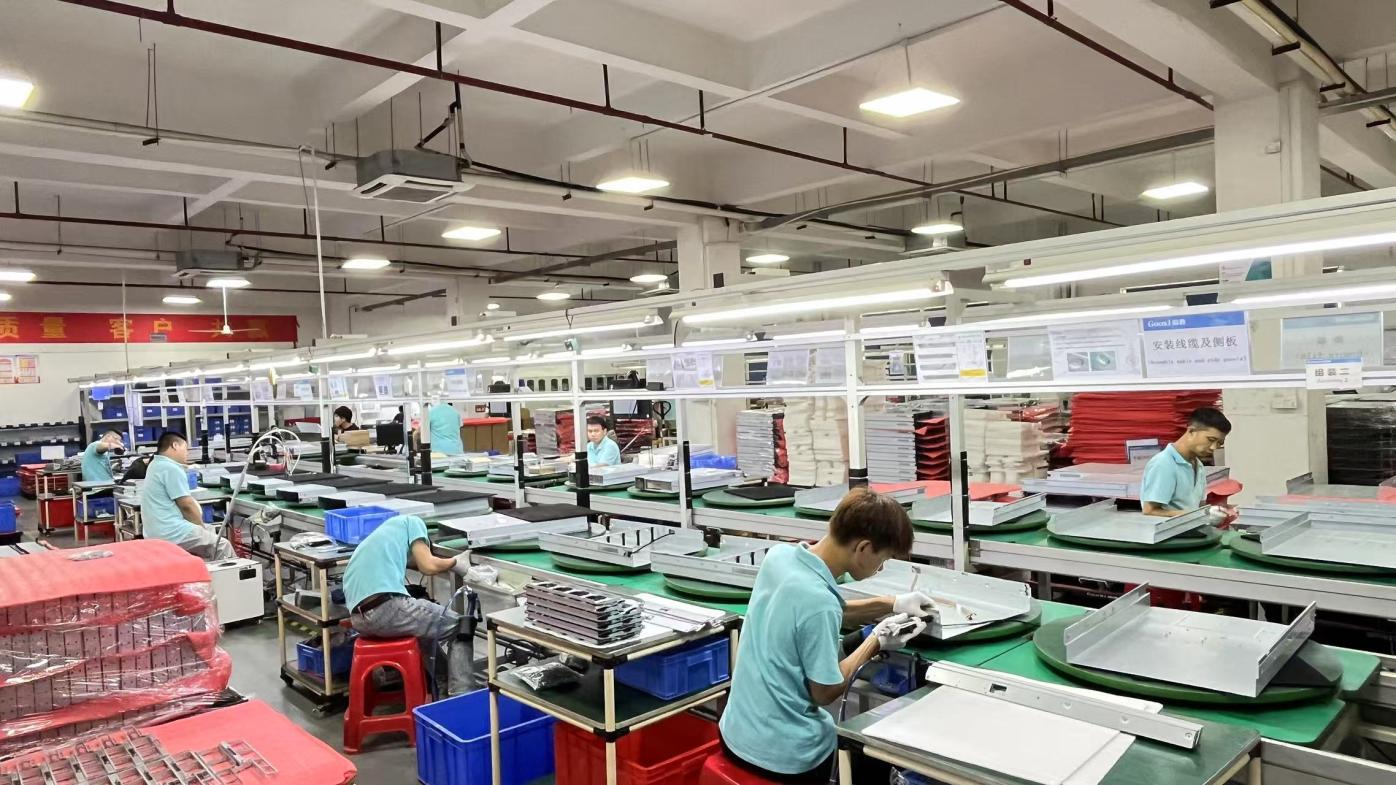
Our infrastructure capacity incorporates a modern facility of approximately 320㎡ dedicated strictly to high-precision configuration, complex system flashing, stress execution, and final validation. We leverage 6 years of export compliance, building a resilient B2B pipeline that connects chips, mainboards, high-grade DRAM modules, and cooling architectures directly into robust servers shipped to buyers across North America, Europe, Southeast Asia, and the Middle East.
Deploying predictive maintenance frameworks requires deep tuning of the computational resources according to the physical location of the machines and data characteristics. NexaGPU partners with software designers to deliver customized physical server enclosures tailored for specific operational environments:
Continuous vibration analysis on robotic assembly arms requires ultra-low latency compute. Edge nodes process high-rate FFT (Fast Fourier Transform) computations to detect micro-vibrations, ensuring precise mechanical execution and zero downtime on welding systems.
Harsh ambient temperatures require servers that operate with absolute stability. Thermal degradation analysis and fluid dynamics simulation platforms ingest hundreds of pressure, flow, and chemical-composition data feeds to prevent explosive asset degradation.
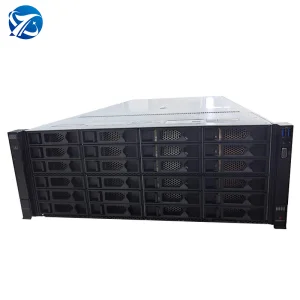
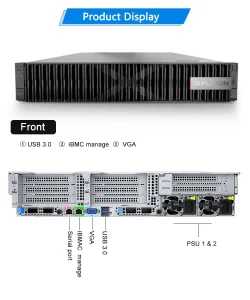
Remote locations necessitate automated edge AI structures. Remote turbine nacelles are fitted with space-constrained 2U or 4U server configurations that compute sensor diagnostics locally, transmitting anomalous telemetry packets to main operators via satellite or 5G channels.
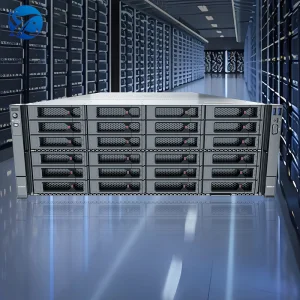
Hyperscalers utilize predictive maintenance to track hard drive degradation patterns, power supply failures, and cooling fan anomalies within their own systems. High-capacity network switches route logs continuously to detect systemic node vulnerabilities.
NexaGPU's manufacturing operations utilize Shenzhen's world-class electronic component ecosystems. Through collaborative integration with over 850 partners, we secure highly prioritized allocation of essential hardware components, including advanced silicon chipsets, high-density DRAM, motherboards, solid-state storage chips, and state-of-the-art liquid cooling systems. This dense industrial integration enables us to execute rapid customization requests, taking complex hardware schematics from prototype to volume production faster than traditional manufacturing setups.
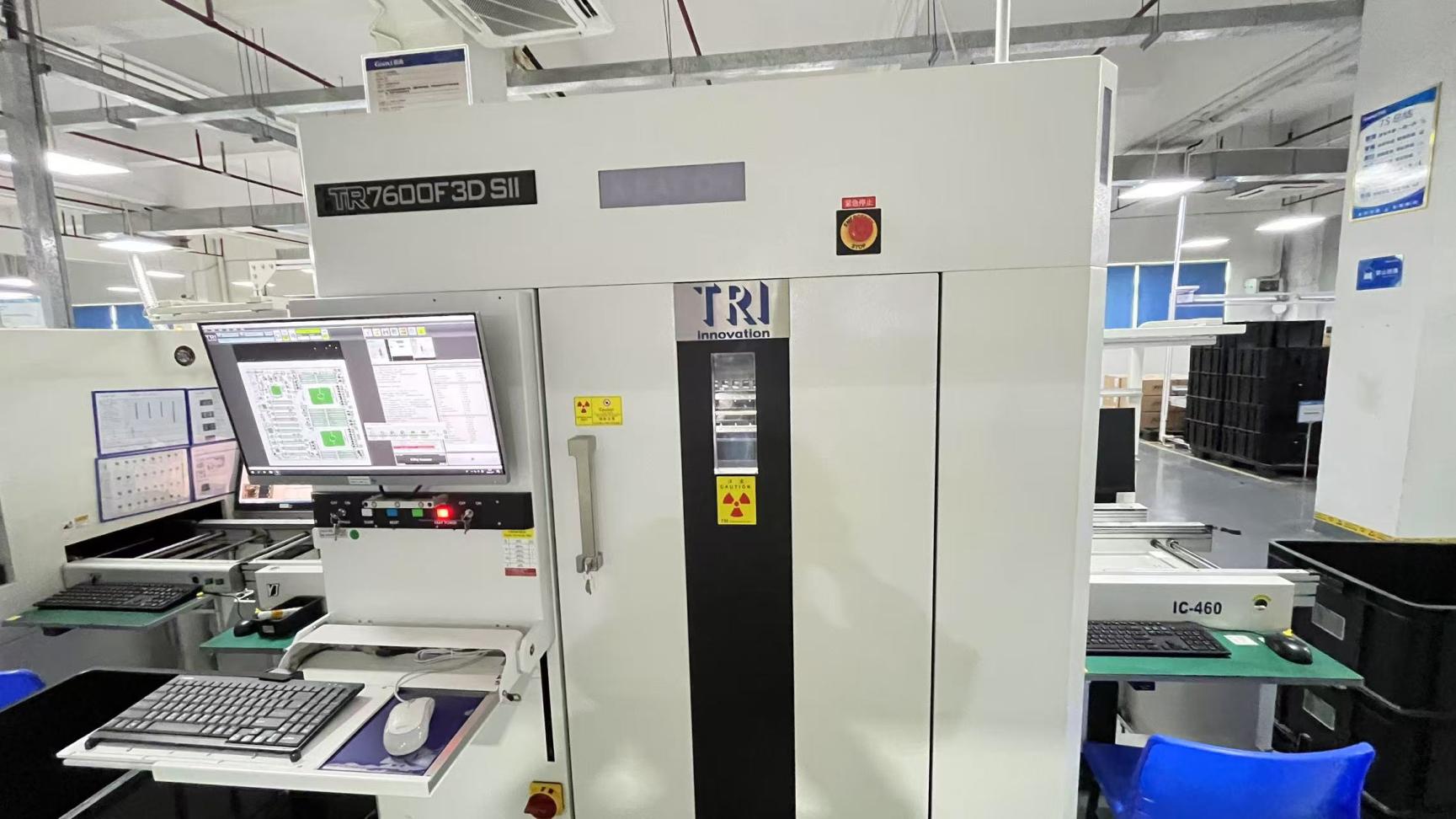
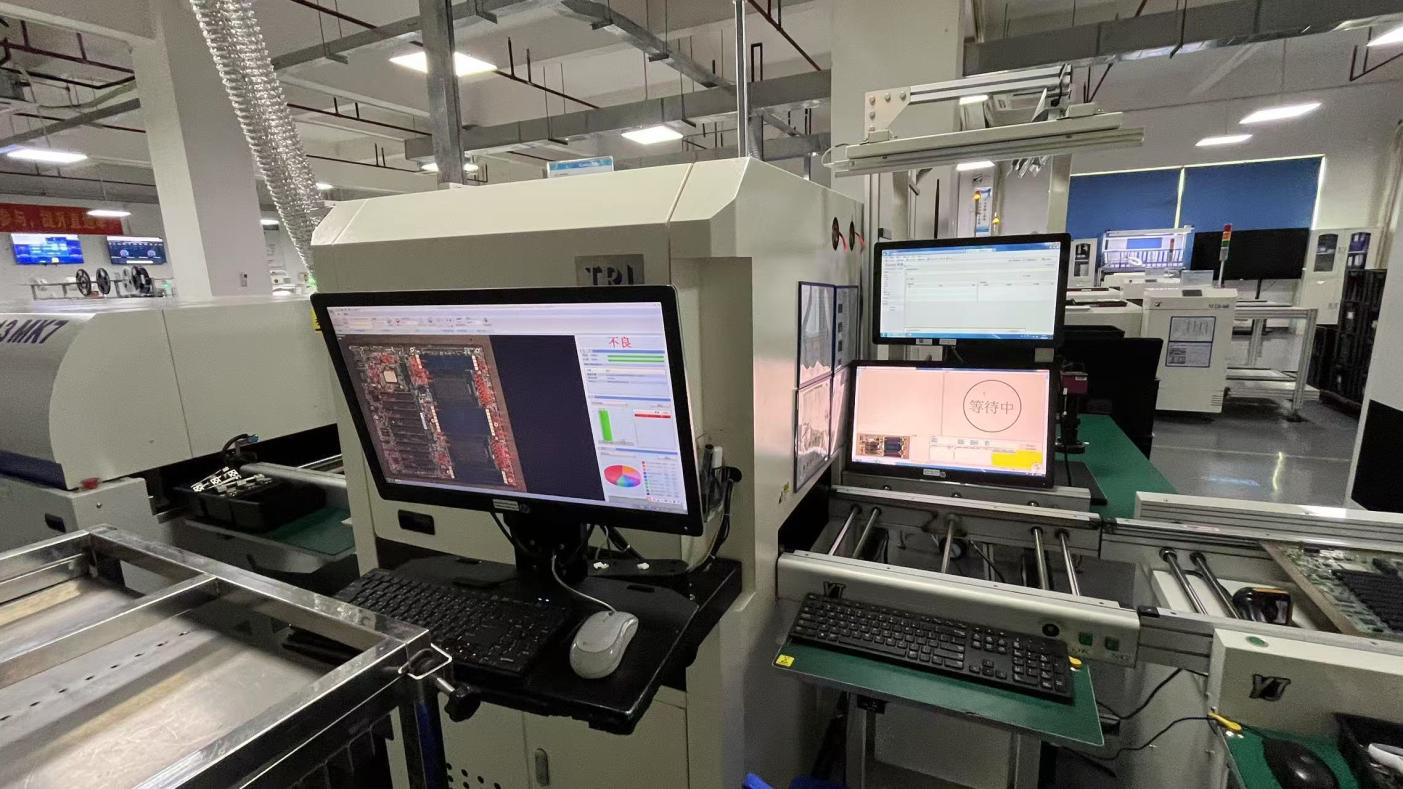
Our hardware builds undergo multi-stage inspections managed by a focused team of 45 QC specialists. Every system runs thorough burn-in routines, intensive GPU stress profiles, thermal dissipation validation inside environmental test chambers, and system integrity verification. This meticulous process ensures that systems shipped internationally perform reliably under continuous heavy workloads.
The predictive maintenance ecosystem is evolving past traditional statistical threshold limits. NexaGPU’s engineering focus for upcoming hardware configurations addresses three key computational developments:
Processing combined streams of acoustic, thermal, and vibration metrics simultaneously using convolutional networks to identify latent failure patterns that single-sensor architectures miss.
Deploying scaled LLM models locally on edge servers to analyze maintenance logs, generate recommended repair workflows, and query physical systems using standard speech or text interfaces.
Ensuring clear coordination between localized inference modules and large-scale central training systems, optimizing network traffic and reducing storage overheads.
Purchasing server configurations for predictive maintenance tasks requires careful evaluation of technical compatibility, operational longevity, and lifecycle reliability. Enterprise buyers should align their component selections with the expected workloads of their monitoring environments:
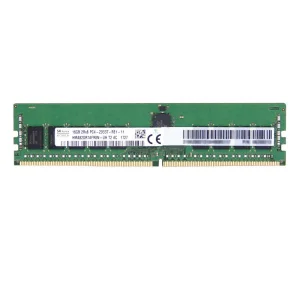
Real-time analysis of dynamic sensor arrays requires high-speed memory systems. Utilizing DDR5 RAM interfaces operating at up to 6400MT/s ensures fast data routing to processing chips, avoiding latency issues during high-frequency data ingestion.
Continuous data collection requires reliable storage configurations. Deploying enterprise NVMe SSD arrays alongside high-capacity SATA HDDs provides a balanced configuration for hot-tier analytical tasks and long-term diagnostic storage.
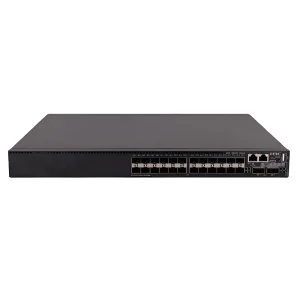
Industrial server racks must connect efficiently with existing plant networks. Using high-bandwidth switches, such as H3C 10G/40G fiber architectures, ensures reliable data transmission and reduces communication latency across the facility.
Deploying advanced enterprise servers worldwide requires strict adherence to international electrical, safety, and emission regulations. NexaGPU builds its custom GPU configurations and rack designs to meet global standards including CE, FCC, RoHS, and UL requirements. This compliance simplifies integration into data center systems throughout North America, Europe, Asia, and the Middle East.
We offer extensive post-sales support through dedicated engineering teams who assist with diagnostic setup, operating system installation, hardware integration, and warranty management. By keeping a stable inventory of essential components, we support short delivery lead times and ensure reliable replacement part availability, helping minimize unexpected downtime for global operations.
Answers to key technical questions concerning the hardware configurations required for Predictive Maintenance deployments:
Predictive maintenance uses complex models, such as convolutional networks and long short-term memory (LSTM) arrays, to analyze large volumes of sensor data. GPUs handle these matrix calculations much faster than traditional CPUs, allowing operators to run real-time anomaly detection across thousands of machines simultaneously.
We build our industrial servers with heavy-duty steel chassis, dynamic fan controls, vibration-dampening mounting brackets, and specialized dust filters. This protects the internal computing cards, memory, and processors, ensuring stable operation even in challenging factory environments.
DDR5 memory increases transfer speeds up to 6400MT/s and doubles the available data channels compared to DDR4. This additional bandwidth prevents processing bottlenecks during peak monitoring times, allowing systems to ingest and analyze multiple high-frequency data streams without delay.
Our server layouts are optimized to maintain balanced airflow across all internal components. For high-density systems, we offer integrated liquid-cooling setups that directly cool processors and GPUs, preventing performance throttle and extending the operating life of the hardware.
Yes. By configuring custom network ports, specialized host cards, and supporting common industrial network drivers, our servers integrate smoothly with standard factory control architectures, acting as a powerful processing node for your operations.
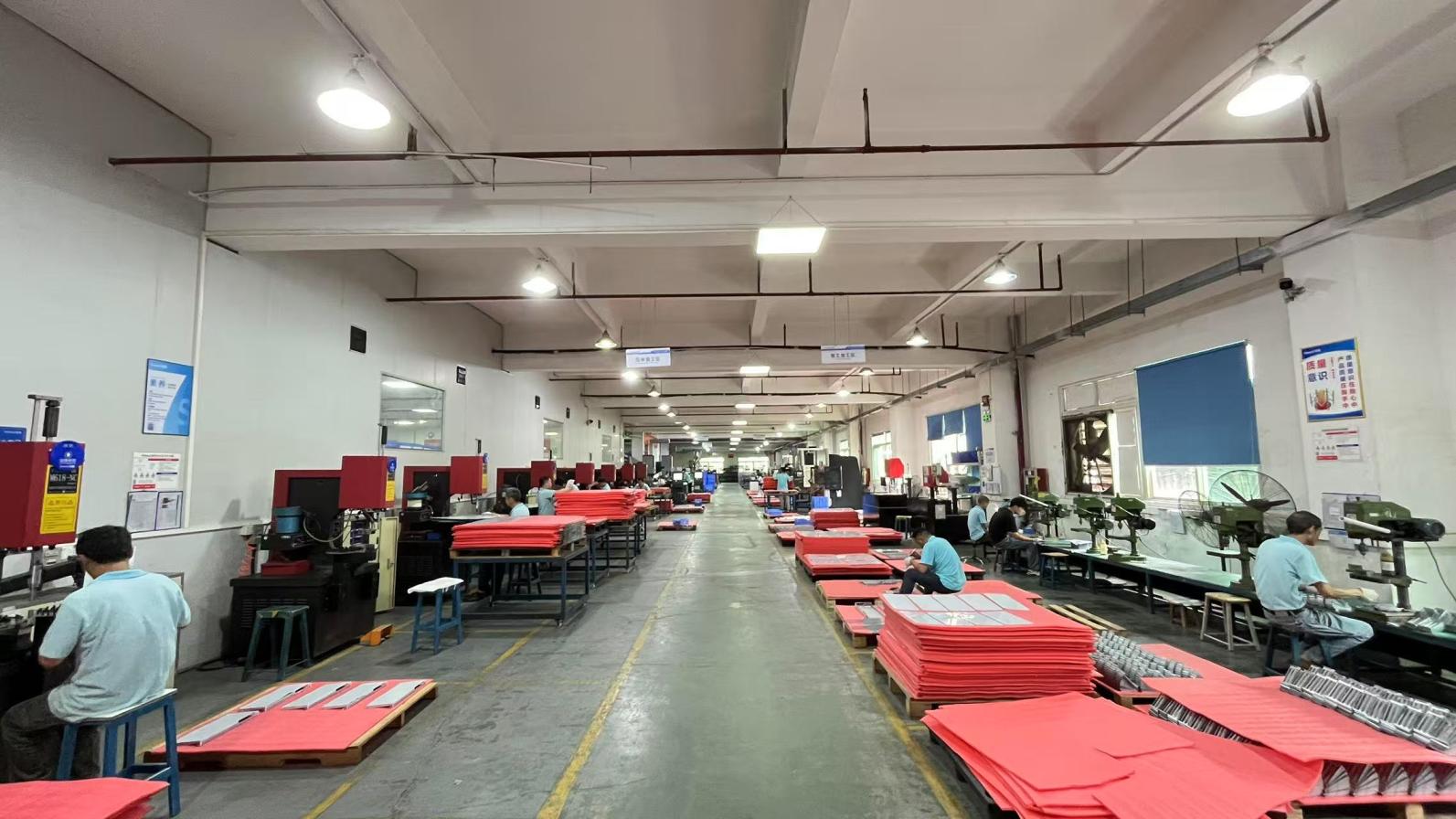
OEM-grade peripheral accessories, network hubs, and high-capacity storage drives to complete your industrial server systems.