NexaGPU
NexaGPU
NexaGPU
As global cloud computing demands soar with artificial intelligence (AI), high-performance computing (HPC), and deep learning workloads, server racks are undergoing a fundamental transformation. Standard off-the-shelf power equipment is no longer sufficient. High-density server deployments require tailored, resilient, and intelligent power distribution architectures.
An experienced Custom OEM Power Distribution Unit Supplier like NexaGPU does not just supply power strips; we build engineered power highways. Our PDUs are designed to mitigate risks associated with thermal overloads, unbalanced three-phase configurations, and inefficient energy conversion. By working closely with system designers, cloud operators, and data center engineers, we deliver custom PDU systems that guarantee uptime, support high-density configurations, and integrate seamlessly with hardware monitoring platforms.
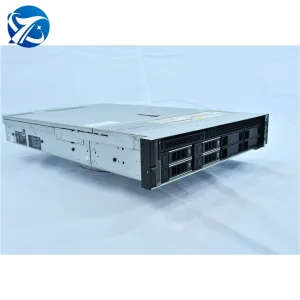
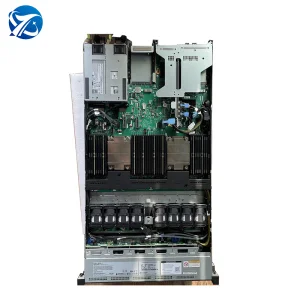
Whether handling power demands from specialized 2U computing nodes or liquid-cooled multi-GPU clusters, custom Power Distribution Units (PDUs) ensure optimal performance. They prevent unexpected branch overloads and provide granular data on current draws, helping operators drive down their Power Usage Effectiveness (PUE).
The future of data center power lies in deep observability and adaptability. Power Distribution Units are transitioning from static hardware to dynamic, software-defined network components.
Integrating real-time microcontroller chips on every PDU module allows for millisecond-level detection of voltage sags, phase imbalances, and harmonic distortion. Future roadmaps incorporate machine learning models inside PDU network controllers to predict server power supply unit (PSU) failures before they occur.
By moving from standard 208V power distribution to 415V three-phase configurations directly to the rack, data centers can significantly reduce copper usage and cabling weight while achieving higher power density per rack footprint—allowing up to 100kW+ load capacities.
As liquid cooling (Direct-to-Chip and Immersion) gains rapid traction, future PDU architectures will integrate secondary low-voltage auxiliary DC power outputs directly. This enables continuous power supply to coolant manifold pumps and valves, even during main system reboots.
Different enterprise workloads dictate different mechanical and electrical configurations. As an experienced OEM power manufacturer, NexaGPU provides complete systemic engineering for distinct industrial vectors:
1. Hyperscale & Cloud Colocation Providers: Standardized smart rack solutions require rapid hot-swappable PDU network controllers. This lets operators update firmware or replace interface modules without taking down critical server loads, keeping SLA guarantees intact.
2. High-Density AI GPU Clusters: AI models like DeepSeek running on massive GPU infrastructures pull highly dynamic current steps. We design heavy-duty copper busbars inside the PDU chassis to absorb fast transient spikes without heating, preventing nuisance breaker trips.
3. Remote Edge Computing Nodes: Compact, space-constrained enclosures in factories or cellular stations require ultra-slim inline PDUs. These combined intelligent distribution with built-in environmental sensors (humidity, dry contact, water leaks, smoke) monitor unmanned spaces.
Verify your hardware requirements against our build configurations:
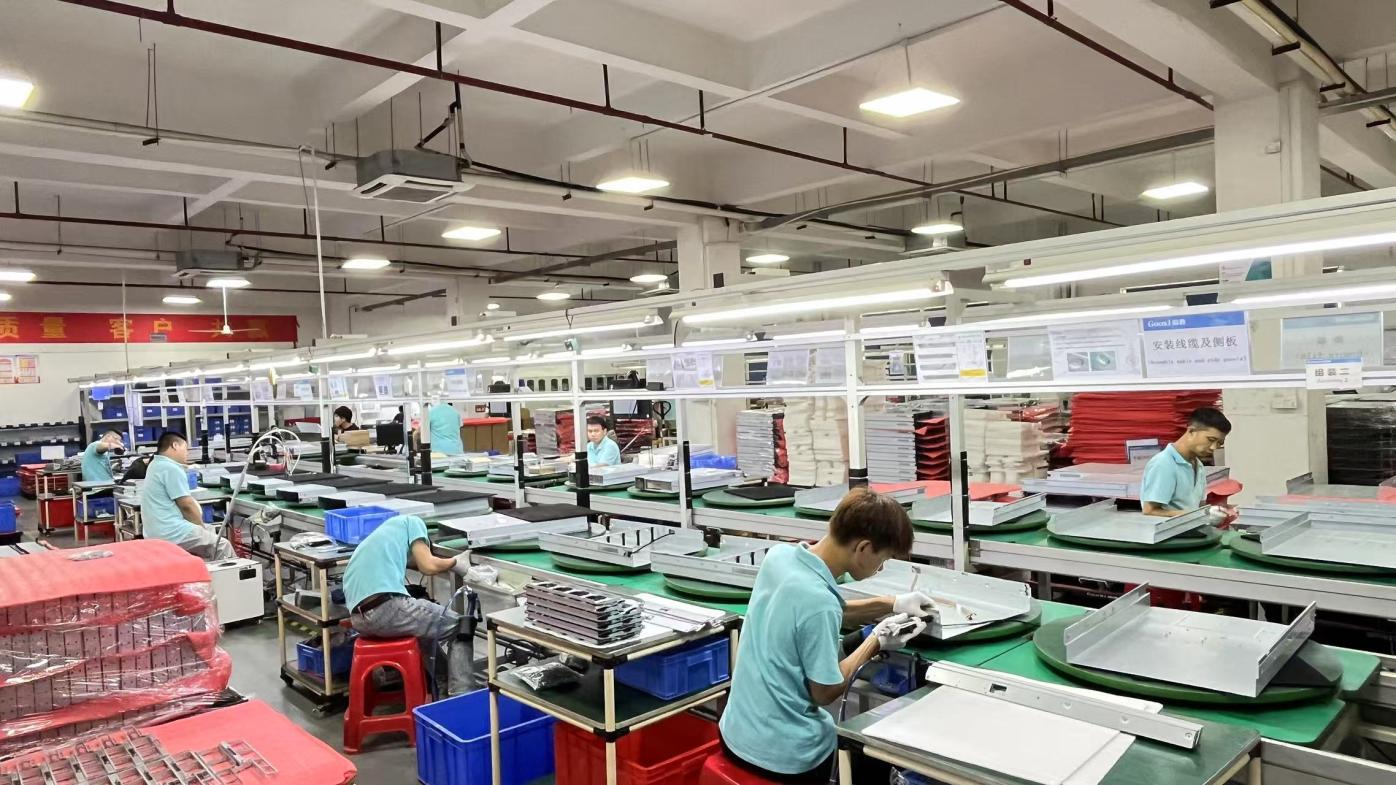
With over 11 years of high-performance computing design and manufacturing experience, NexaGPU leverages a sophisticated production matrix in China to optimize lead times, lower unit costs, and guarantee material quality.
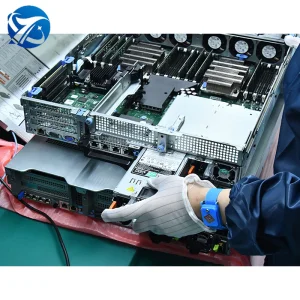
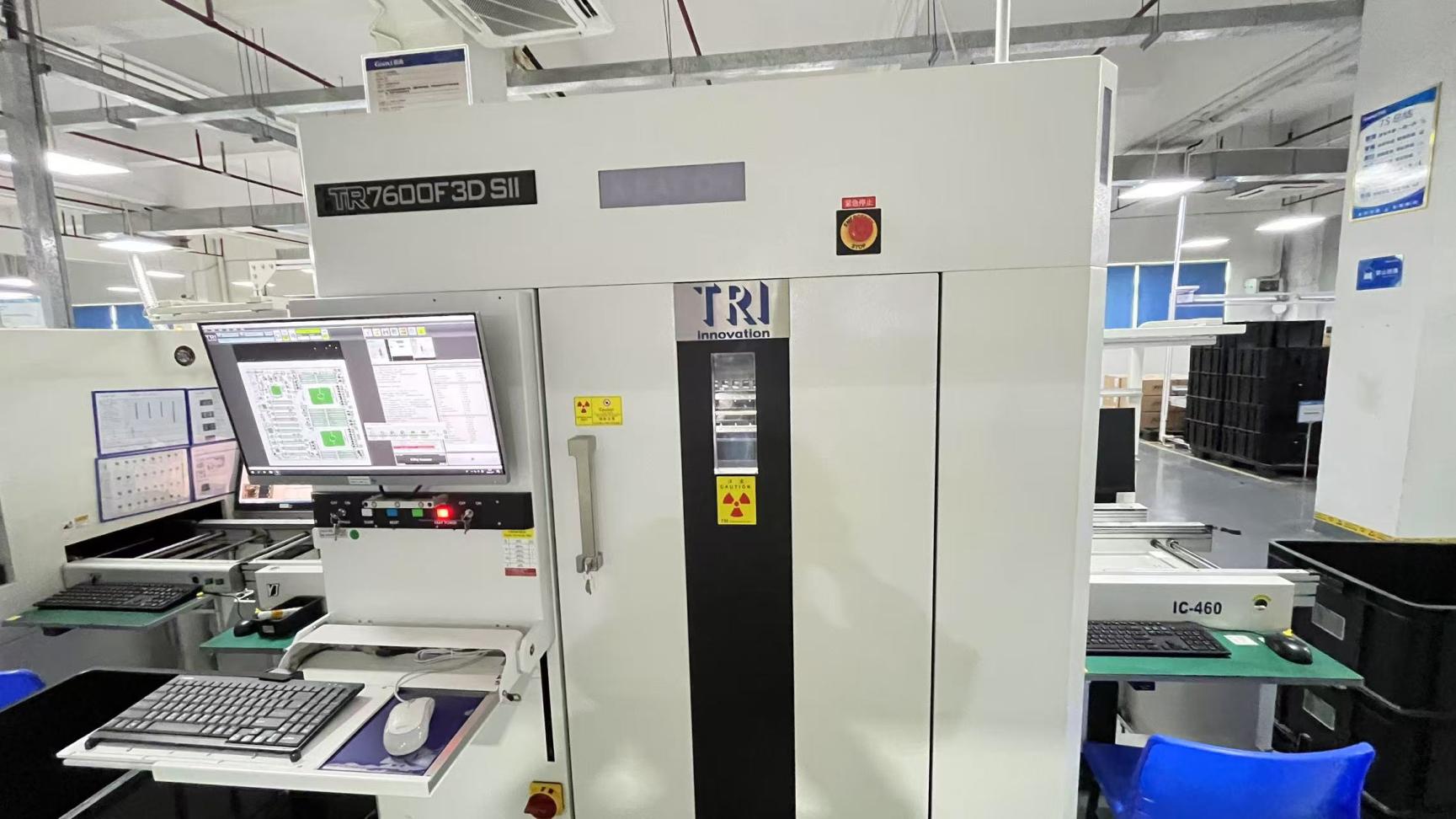
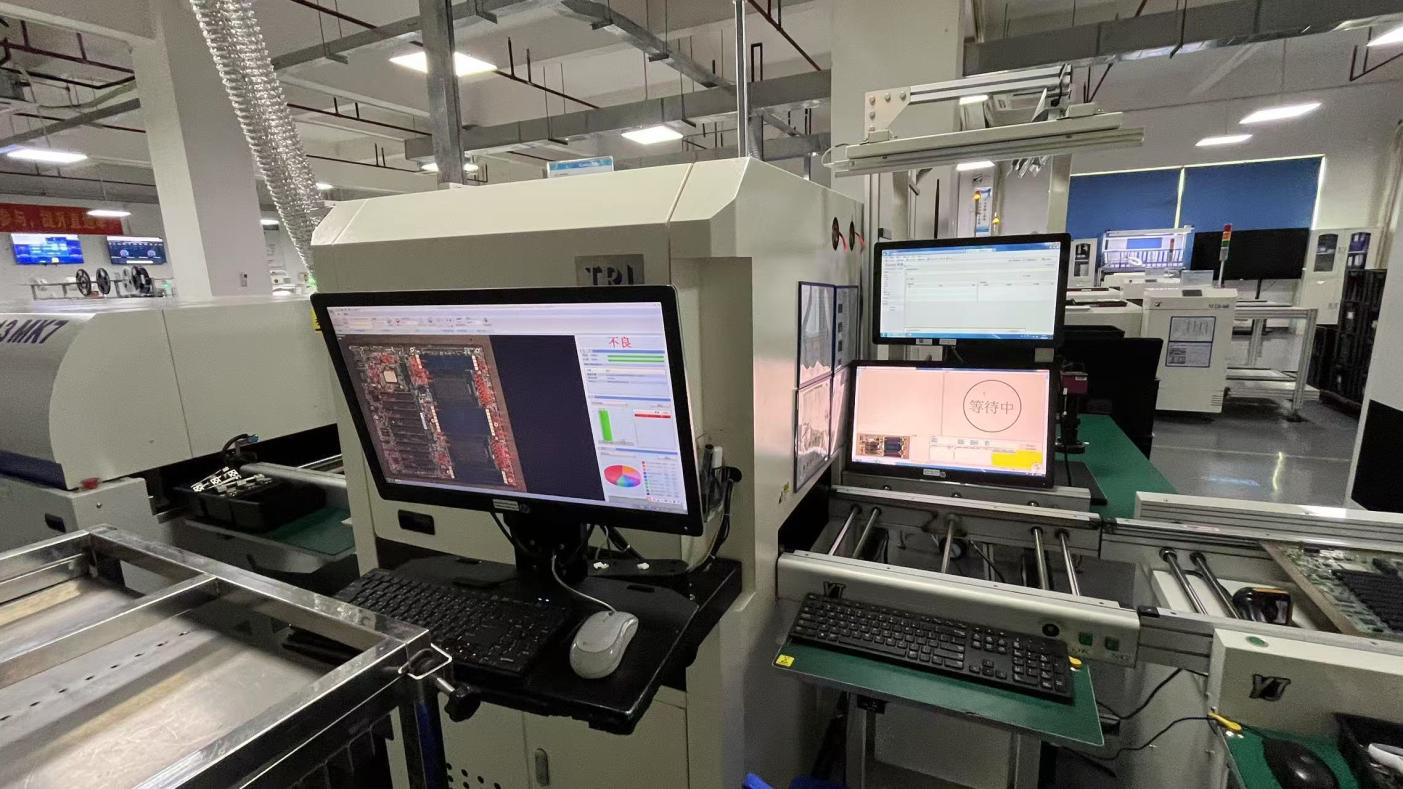
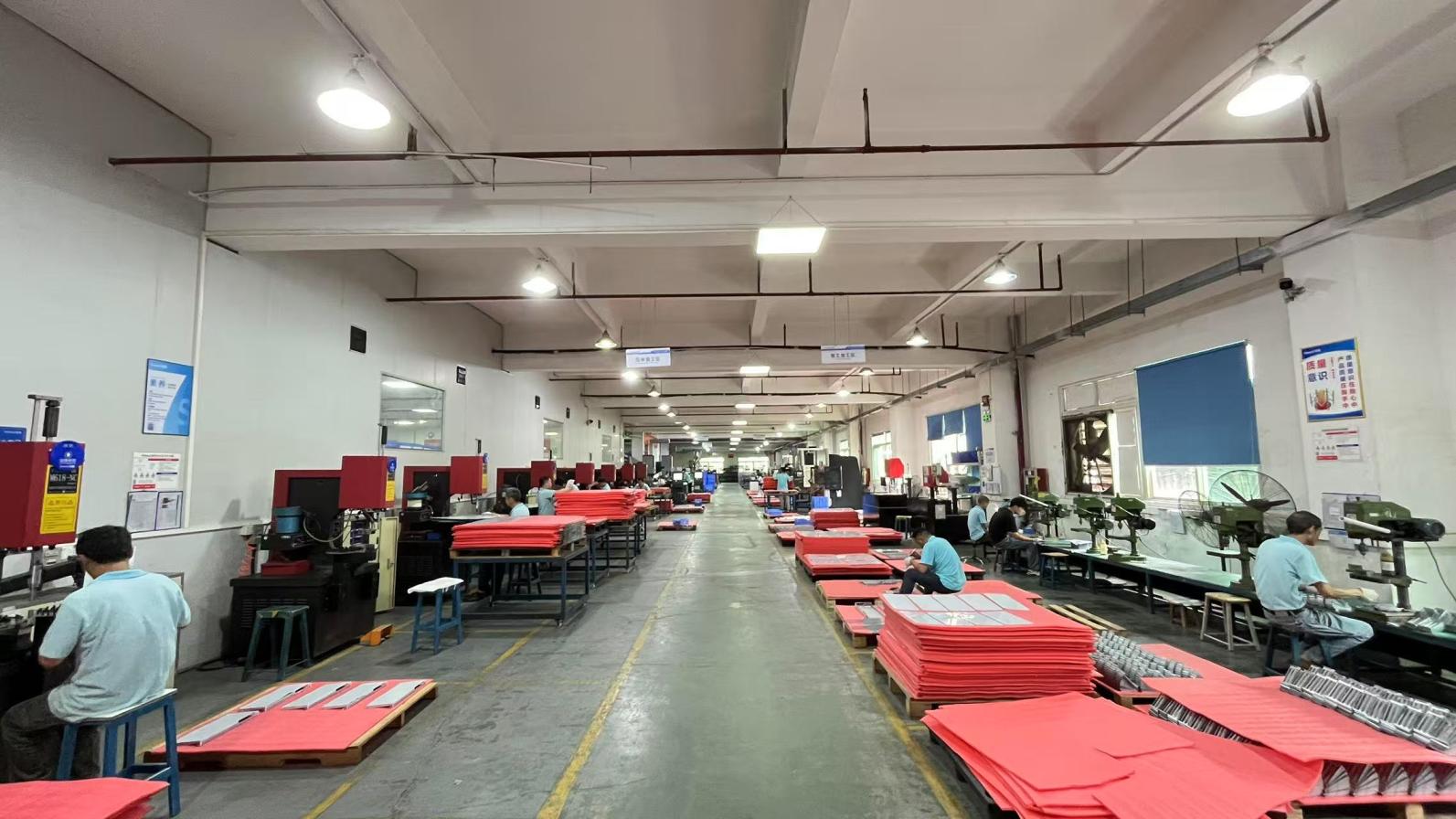
Our modern manufacturing facility operates in accordance with Industry 4.0 standards. To ensure reliable power distribution, each custom PDU undergoes rigorous computerized functional testing. We inspect physical isolation, check ground continuity, and perform high-voltage dielectric withstand tests.
NexaGPU's supply chain network contains over 850 partners. This broad integration allows us to quickly source premium copper busbars, flame-retardant plastics, high-precision current transformers, and heavy-duty sheet metals. This robust ecosystem insulates our production lines from raw material bottlenecks and component shortages, keeping your infrastructure rollouts on schedule.
Our 120 R&D engineers continuously refine designs to optimize structural layouts and thermal dissipation. The engineering team coordinates closely with our 45 QC specialists, executing strict quality gates from Incoming Quality Control (IQC) through In-Process Quality Control (IPQC) to Final Quality Control (FQC).
Leverage our extensive manufacturing footprint to accelerate your data center scaling:
Enterprise-grade deployment demands compliance with local electrical codes and strict regional regulatory bodies. NexaGPU guarantees all custom OEM PDUs meet international distribution standards.
Our systems comply with major global certifications, including UL (US), CE (Europe), CB, FCC, and RoHS. This simplifies local electrical inspections and expedites site sign-offs.
We configure PDUs matching localized plug types and phase setups for major data hub regions: North America, Western Europe, Southeast Asia, and the Middle East.
We work directly with your infrastructure engineering team, providing CAD layouts, 3D step files, and custom electrical schematics before fabrication.
Procurement agents and data center architects need to evaluate several vital metrics when choosing a custom PDU manufacturer:
Procuring intelligent monitoring PDUs allows operators to track kWh, voltage, current, and active power with +/- 1% billing-grade accuracy. This provides key visibility when optimizing server loads.
Modern hot-aisle containment can easily exceed 45°C. Industrial-grade custom PDUs must feature internal wiring, components, and breakers certified for continuous 60°C performance.
Vibration from cooling fans can loosen power cords. Dual-locking or high-retention receptacles secure the server connection, preventing accidental disconnects during hardware service.
Intelligent PDUs should incorporate field-replaceable network cards. This lets support staff swap communication modules without shutting off power to the connected rack.
NexaGPU is a professional AI GPU server and custom power distribution infrastructure manufacturer specializing in high-performance computing infrastructure, GPU clusters, and customized AI server solutions for global enterprises, data centers, and AI development companies.
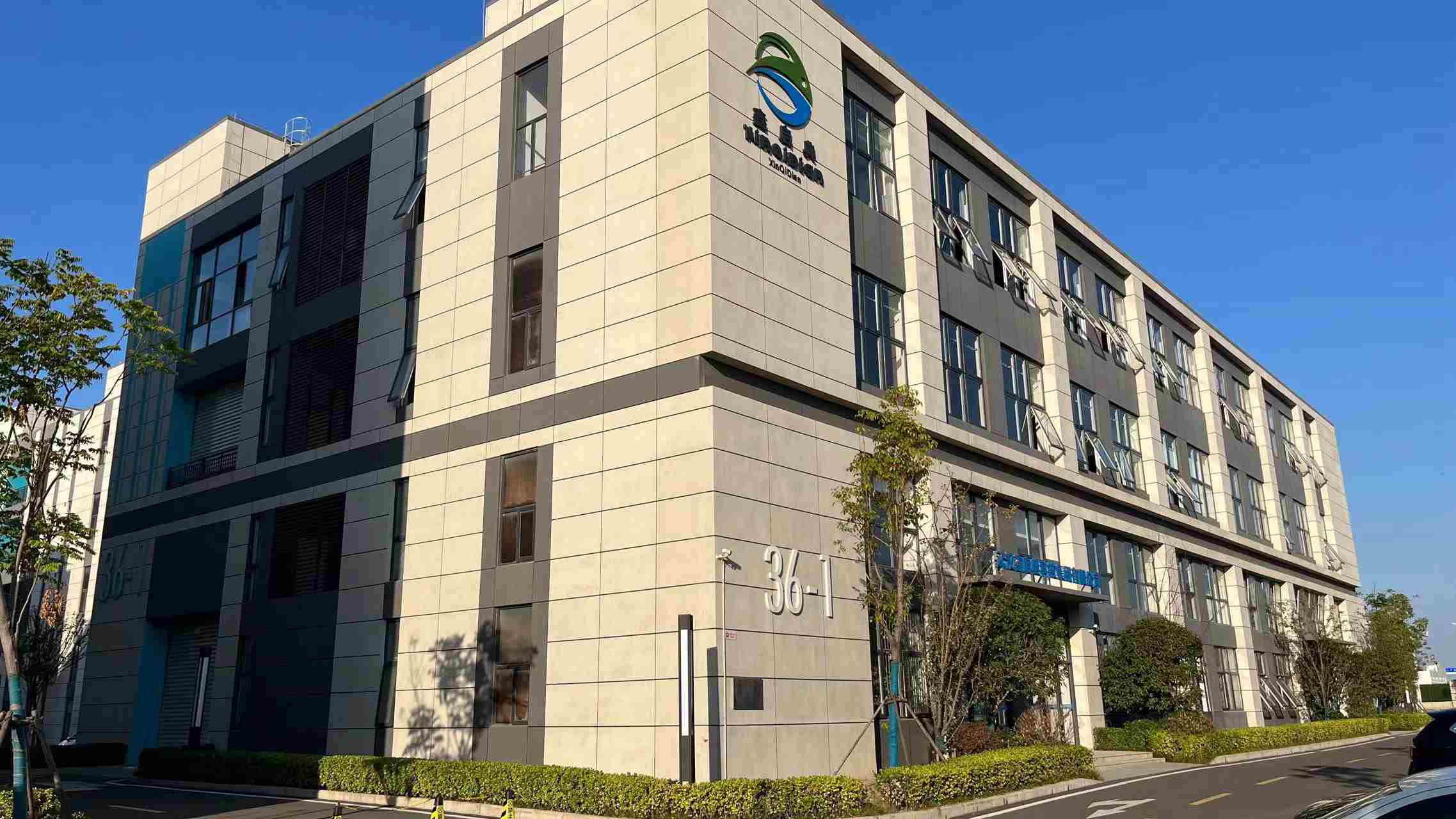
Established in 2016, NexaGPU has rapidly grown into a trusted provider of advanced GPU computing systems. The company operates a modern manufacturing facility with a building area of approximately 320㎡, supporting efficient production, assembly, and testing of AI server systems.
With an annual export revenue of USD 12 million, NexaGPU has built strong international business capabilities and maintains 6 years of export experience and 11 years of industry experience in high-performance computing and server manufacturing.
To ensure strict product quality, NexaGPU implements comprehensive multi-stage inspection processes, including hardware stress testing, thermal performance testing, and system stability validation. The company employs a dedicated quality assurance team of 45 QC specialists to maintain consistent product reliability.
NexaGPU has a solid trade background in global B2B technology supply chains, with major markets including North America, Europe, Southeast Asia, and the Middle East. The company works closely with over 850 supply chain partners, including GPU chip suppliers, motherboard manufacturers, server chassis factories, and cooling system providers.
Its main customer base includes AI startups, cloud computing providers, data centers, research institutions, and enterprise IT solution providers.
NexaGPU demonstrates strong R&D capability, supported by a team of 120 R&D engineers focused on GPU architecture optimization, AI server design, and liquid cooling technology. The company offers extensive customization options including GPU configuration, CPU selection, memory expansion, storage architecture, and liquid cooling systems.
In the past year, NexaGPU successfully launched 85 new product models, covering AI training servers, inference servers, and high-density GPU computing clusters.
Through continuous innovation and engineering excellence, NexaGPU is committed to delivering scalable, efficient, and reliable AI computing infrastructure for the global artificial intelligence industry.
Monitored PDUs provide real-time electrical metrics (amps, volts, kW, kWh) at either the aggregate level or down to the individual socket. Switched PDUs include those same monitoring metrics but add remote power switching capabilities. This allows operators to reboot locked-up servers remotely by cycling power to individual outlets.
Three-phase power delivery provides balanced electrical distribution and higher total capacity to the rack compared to single-phase setups. Modern high-density AI nodes, such as 2U rack servers equipped with multi-GPU accelerators, can pull 15kW to 35kW per rack. Three-phase power supports these loads efficiently while using smaller copper conductors, lowering cabling costs.
Every custom OEM PDU prototype undergoes extensive thermal testing. We run the units at 100% capacity in environmental chambers simulating hot-aisle containment conditions. We check for temperature rise across internal components and terminal blocks, verify circuit breaker trip curves, and test grounding continuity to ensure long-term reliability.
Yes. Our OEM capabilities allow you to configure outlet spacing, choose specific socket types (C13, C19, Cx), select power cable entry points (top or bottom end-feed), and specify exact power cord lengths (e.g., 3m, 5m, or custom lengths). This prevents excess cable clutter in the back of server racks, improving airflow.