NexaGPU
NexaGPU
NexaGPU
Deploy secure tunnels and high-throughput ZTNA nodes on enterprise-grade hardware gateways engineered for extreme data traffic.
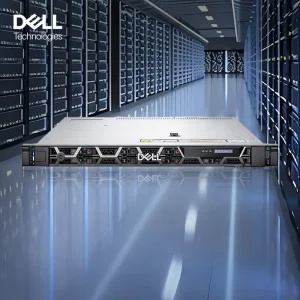
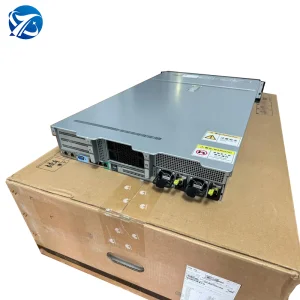
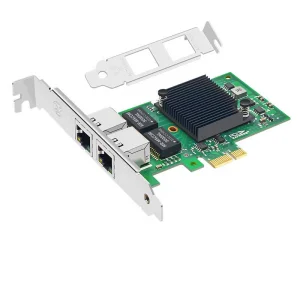
In an increasingly decentralized digital landscape, corporate network security has evolved far beyond basic software-defined virtual private networks (VPNs). Modern enterprises are demanding robust, ultra-low latency, and highly scalable encrypted pipelines. Software-based VPN gateways hosted on legacy, shared-cloud instances frequently suffer from packet loss, severe cryptographic throttling, and security vulnerabilities. This has catalyzed a massive shifts toward dedicated bare-metal hardware VPN gateways manufactured and customized by industry-leading infrastructure suppliers.
Hardware-accelerated VPN nodes, powered by advanced CPU architectures, integrated System-on-Chips (SoCs), and modern cryptography accelerators (such as Intel® QuickAssist Technology - QAT), enable millions of concurrent IPsec, OpenVPN, and WireGuard tunnels. As a premier hub for B2B global supply chains, China's hardware solution factories provide the physical backbone for this worldwide digital shift, producing high-throughput server appliances, specialized network cards, and secure storage hardware configured precisely for high-intensity corporate networks.
“The modern VPN gateway is no longer just a connectivity tunnel—it is the physical processing engine of an enterprise's Zero-Trust Network Access (ZTNA) policy enforcement, demanding hardware-level cryptographic isolation, high-speed data planes, and multi-gigabit throughput.”
The global enterprise networking landscape is adapting to several critical paradigms. These trends shape how organizations design, buy, and deploy VPN architectures:
Legacy protocols like PPTP and L2TP have become obsolete due to vulnerabilities, while IPsec remains standard but complex. WireGuard, known for its clean codebase and multi-threaded performance, has surged in popularity. However, security professionals are now looking ahead to Post-Quantum Cryptography (PQC). China's leading network appliance factories are pre-engineering hardware gateways capable of running hybrid cryptographic suites (e.g., combining Curve25519 with Kyber) to ensure long-term data protection against future quantum computers.
Modern VPN gateways do not merely decrypt packets; they analyze them in real-time. By utilizing integrated GPU co-processors, enterprise VPN systems can deploy machine learning and Deep Learning models (such as deep packet inspection networks) directly inside the hardware stack. This setup identifies anomalous patterns, brute-force access attempts, and malware payloads on encrypted streams without incurring latency-heavy backhauls to centralized data hubs.
Businesses are abandoning standalone firewall appliances and separate VPN concentrators in favor of converged SASE models. SASE unifies SD-WAN capabilities with cloud-delivered security services, including secure web gateways, cloud access security brokers (CASBs), and Zero Trust Network Access. Building the physical infrastructure for SASE demands modular rack servers configured with high-density NICs (Network Interface Cards) and reliable RAID controllers to store access logs securely.
Utilizes dedicated physical hardware engines to process SSL/TLS and IPsec handshakes, preserving CPU headroom for active network packet routing.
Hardware-rooted isolation and TPM 2.0 key storage prevent physical device tampering and assure secure identity confirmation at scale.
Multi-path WAN path steering and real-time failover management are optimized on the core system firmware for seamless hybrid routing.
Global enterprise IT procurement departments are not looking for simple "plug-and-play" consumer VPN devices. Instead, they seek modular, robust system solutions designed to withstand rigorous network loads. Understanding these specific criteria guarantees an efficient purchasing cycle:
To establish a highly available enterprise VPN network, system architects require a carefully designed ecosystem of hardware products. The components work in unison to encrypt, route, inspect, and log high-capacity global network traffic:
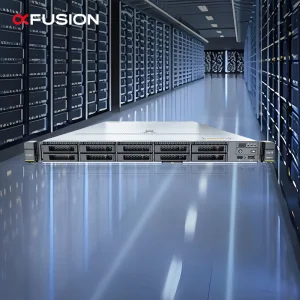
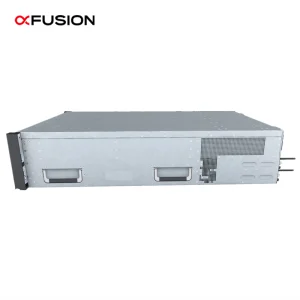
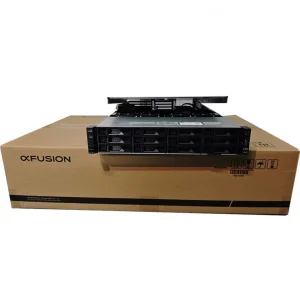
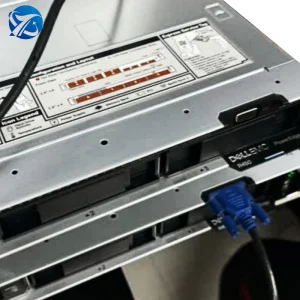
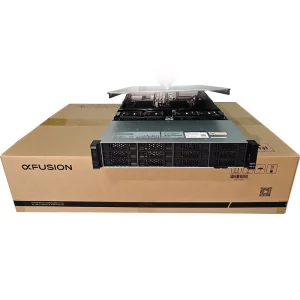
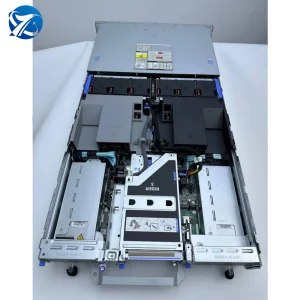
1. Central Concentration Nodes (1U/2U Rack Servers): Centralized corporate offices deploy highly capable rackmount systems (such as the Dell PowerEdge R660 or xFusion FusionServer 1288H V7) to process incoming remote worker connections. These dual-socket systems process cryptographic handshakes for thousands of users concurrently, routing decrypted traffic straight to internal databases or compute nodes.
2. Edge Decryption & AI Security (GPU Rack Servers): To execute live Deep Packet Inspection (DPI) inside VPN tunnels, enterprises use multi-GPU nodes (like the xFusion G5500 V7). The specialized GPU infrastructure is capable of accelerating AI workloads (such as deepseek anomaly detectors) to neutralize intrusion threats in real-time, preventing security breaches on corporate intranets.
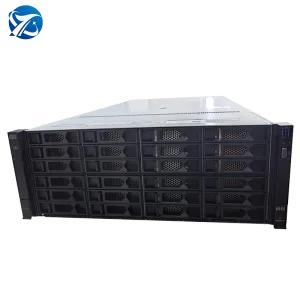
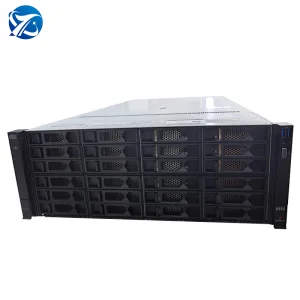
3. High-Performance Logging & Storage (NAS Servers): Regulatory compliance (such as GDPR, SOC2, or FIPS) requires storing traffic logs securely. Deploying robust NAS systems with high-speed RAID controllers ensures that firewall access audits are logged continuously without slowing down traffic throughput.
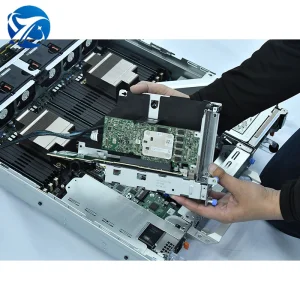
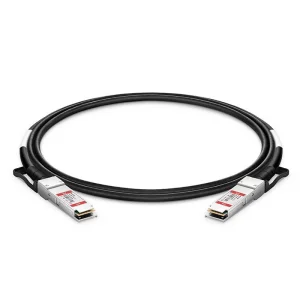
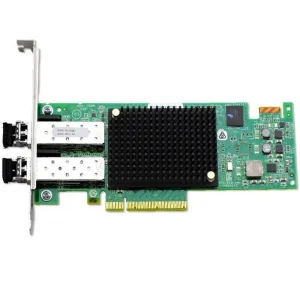
4. High-Speed Interconnects (QSFP+ DAC Cables & HBA Cards): Within server racks, high-speed Direct-Attach Cables (DACs) are essential. Combined with high-performance HBA cards, they provide the necessary physical pipelines to route multi-gigabit traffic from high-throughput VPN gateways directly into central virtualization systems without bottlenecks.
NexaGPU specializes in high-performance computing infrastructure, custom GPU clusters, and reliable network hardware solutions for global B2B supply chains, data centers, and enterprise environments.
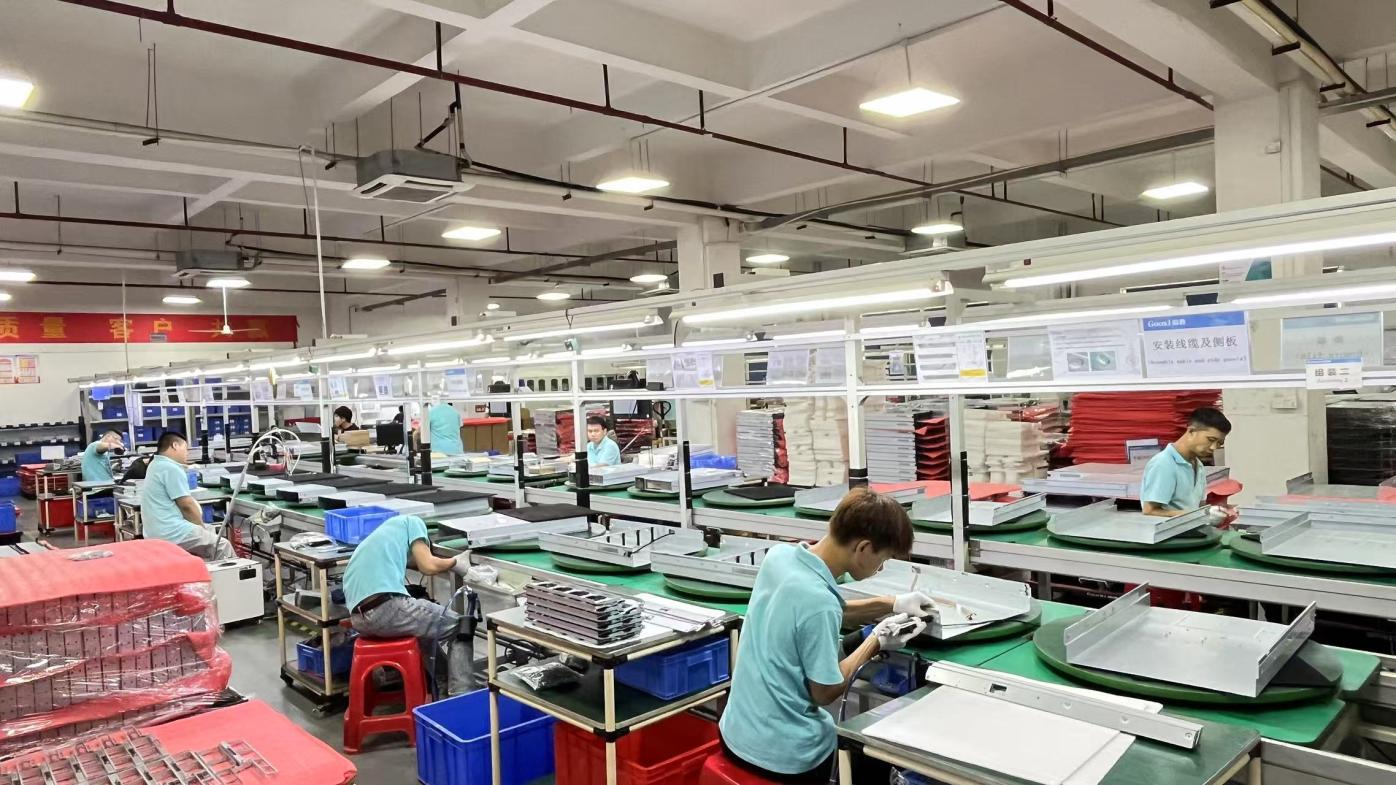
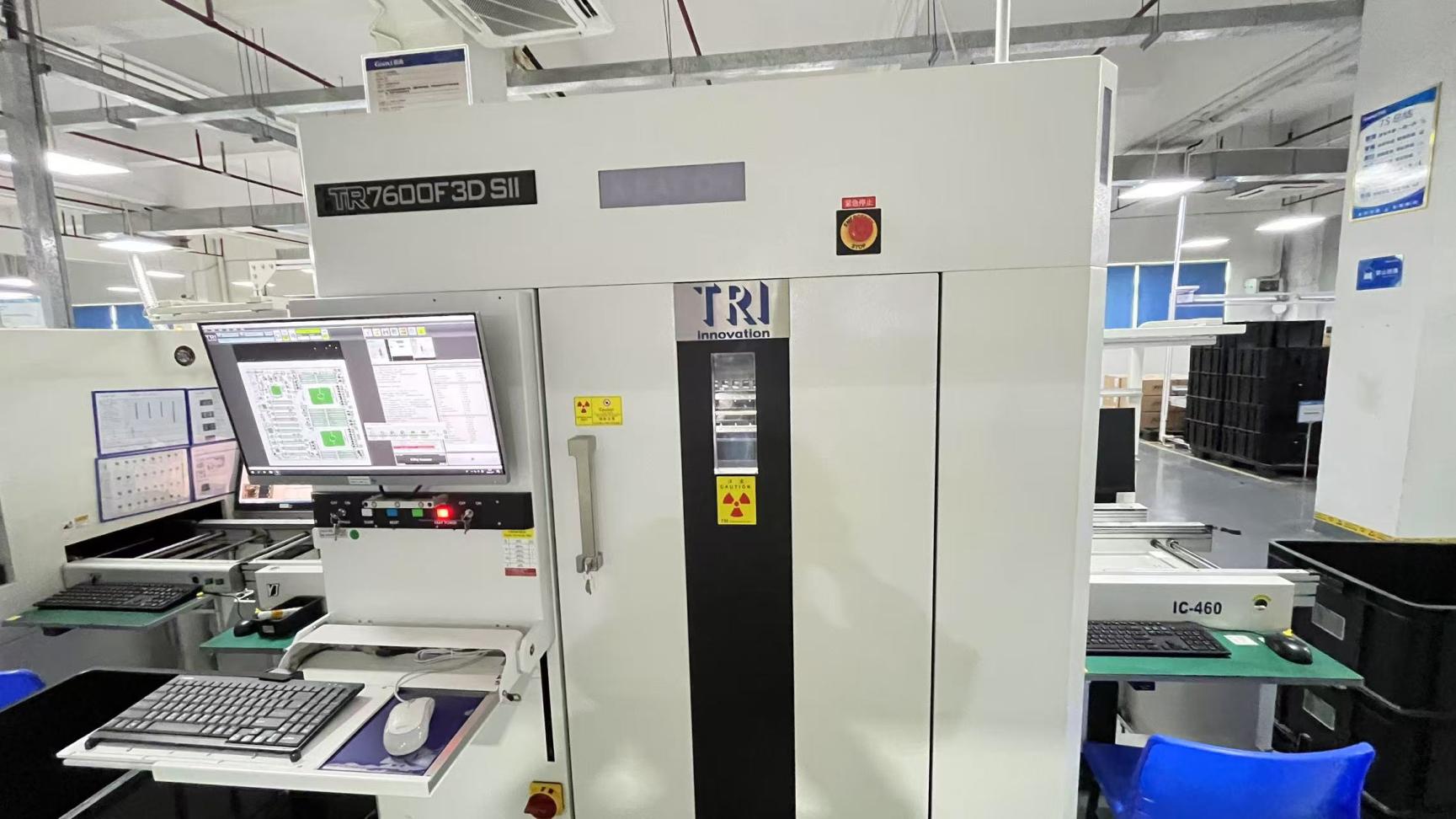
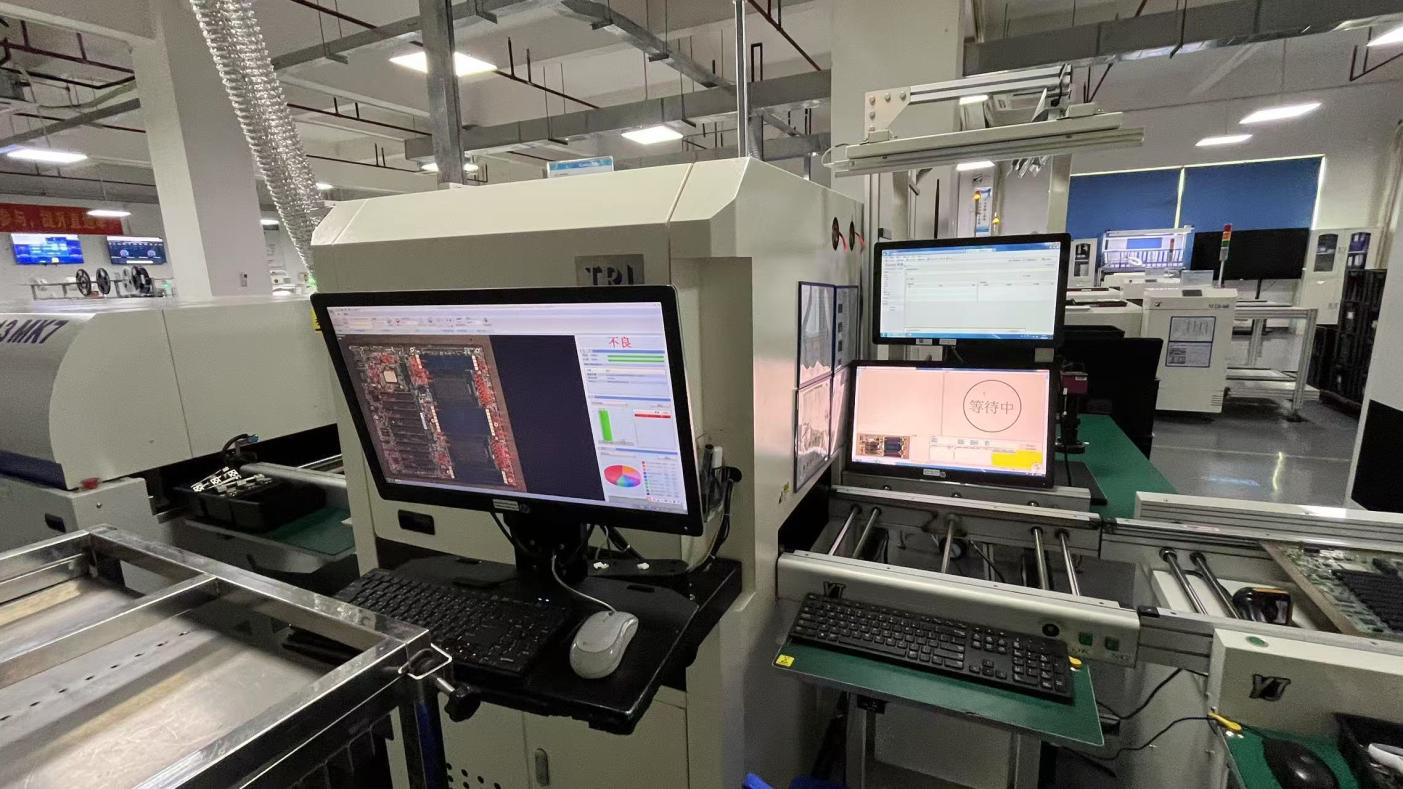
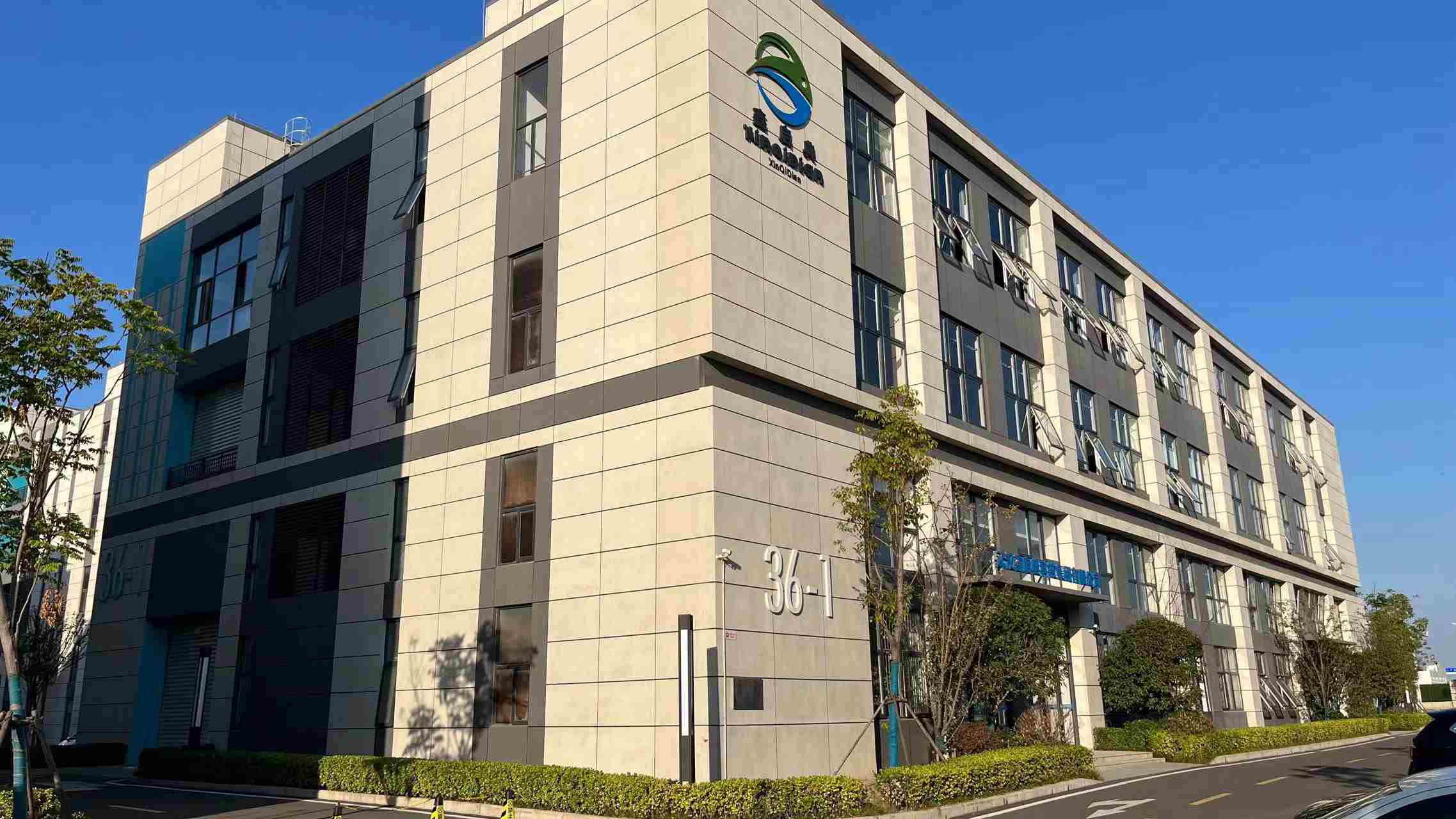
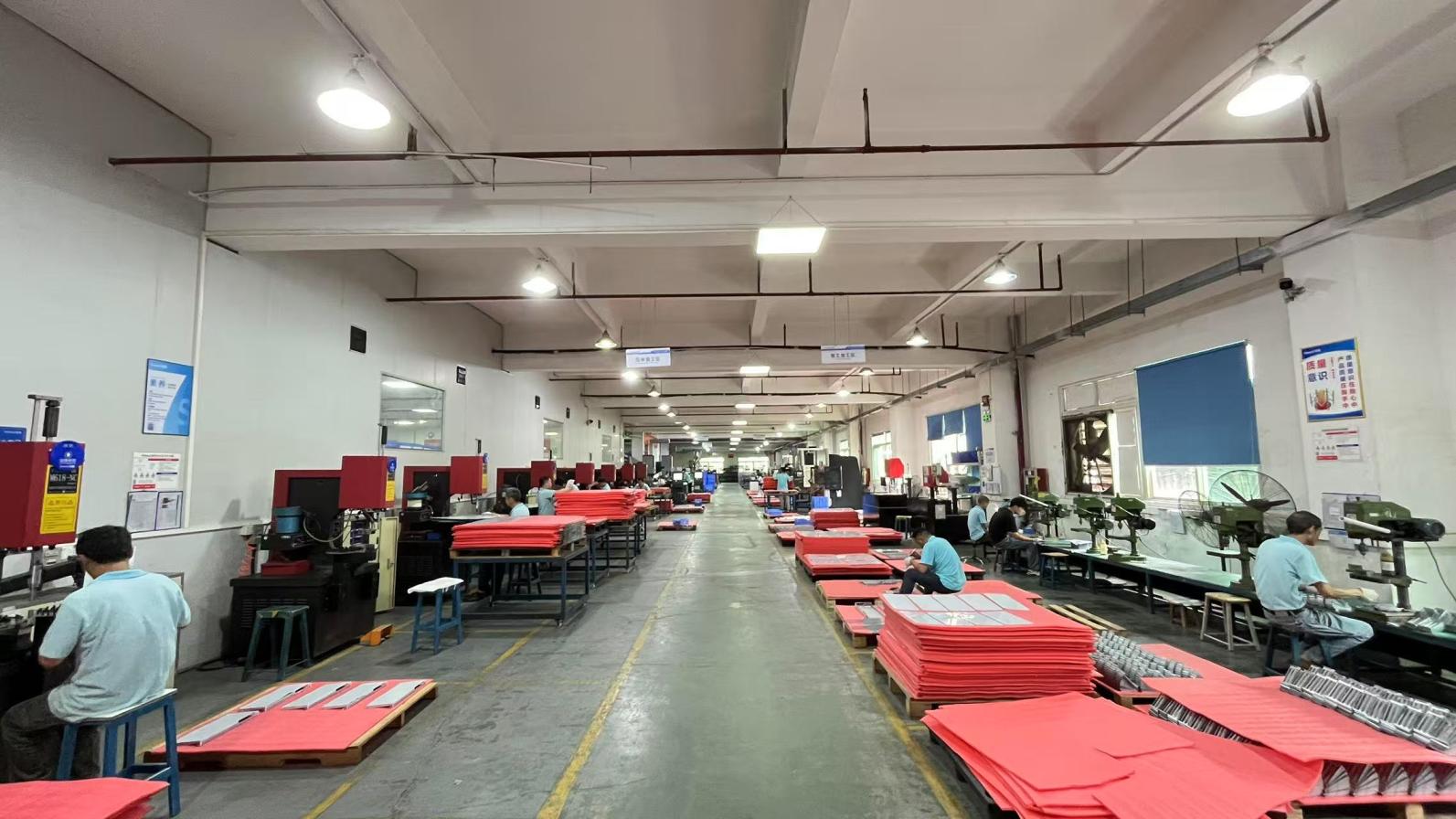
Established in 2016, NexaGPU has rapidly grown into a trusted provider of high-performance computing and network systems. Operating a modern facility with a 320㎡ building area optimized for assembly and testing, we deliver enterprise-grade reliability to clients in North America, Europe, Southeast Asia, and the Middle East.
We maintain 11 years of industry experience and 6 years of export expertise, supported by over 850 supply chain partners. To guarantee the absolute security and integrity of our products, our dedicated quality control team implements strict multi-stage inspection procedures—including thermal stress validation and hardware-level stability checks. Over the past year, we have introduced 85 new product configurations, reflecting our technical capabilities and commitment to constant innovation.
Procuring network appliances internationally requires careful attention to regulatory frameworks. NexaGPU ensures complete compliance with global regulatory bodies, ensuring seamless integration and import security:
Enterprise VPN gateways utilize high-strength encryption libraries. NexaGPU coordinates closely with legal authorities to secure export licensing for cryptographically enabled hardware. For clients operating in regions with strict security regulations, we offer hardware layouts that comply with local guidelines, including FIPS 140-3 validation configurations and compliance with the EU's GDPR guidelines on data privacy.
For true Zero-Trust security, enterprises frequently require open-source, inspectable system bios. NexaGPU's R&D department offers customized UEFI firmware and Coreboot flashing services. This allows B2B buyers to verify system firmware integrity, implement physical-level hardware keys, and configure boot security before systems are dispatched to their production sites.
To guard against supply-chain interventions, NexaGPU implements secure hardware manufacturing practices. Every components used in assembly is tracked from vendor intake through fabrication, integration, testing, and shipping. We provide detailed bills of materials (BoM) and hardware serialization documentation upon client request.
The convergence of artificial intelligence and network routing is the next horizon in enterprise connectivity. Future VPN architectures will feature autonomous, self-healing encryption networks. By leveraging deep learning models directly on edge GPU server stacks, next-generation VPN gateways will predict routing bottlenecks, allocate bandwidth dynamically based on real-time demands, and identify security threats by analyzing structural shifts in metadata patterns—all while keeping data encrypted inside secure tunnels.
Additionally, as global companies embrace multi-cloud infrastructures, VPN nodes must automatically build secure meshes between distributed data centers, edge computing hubs, and remote user groups. NexaGPU is actively designing hardware to support these architectures, developing low-energy, high-efficiency network nodes optimized for dynamic multi-path routing.
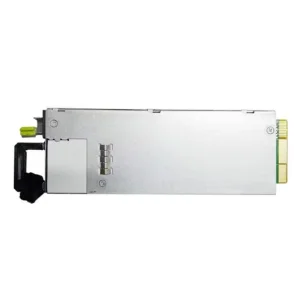
Complement your network deployment with high-speed data interconnects, storage units, RAID controllers, and redundant server accessories.