NexaGPU
NexaGPU
NexaGPU
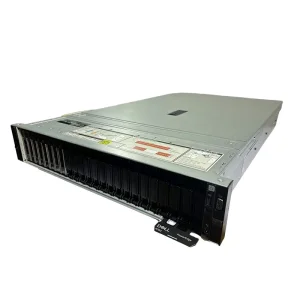
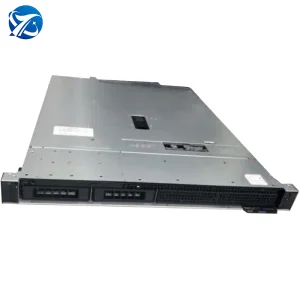
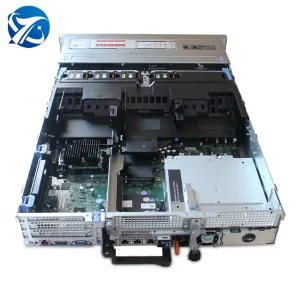
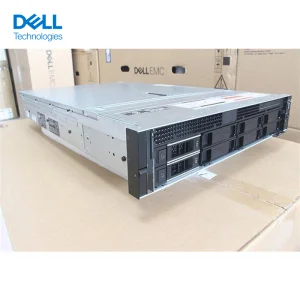
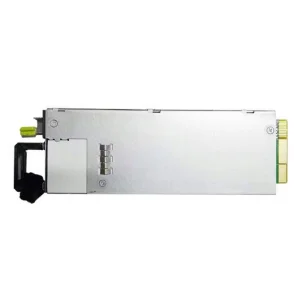
Traditional server designs often feature proprietary form factors that result in vendor lock-in. By adopting Open Compute Project (OCP) architecture, hyperscale facilities decouple hardware components, allowing seamless node expansion and standard component replacement.
OCP specifications eliminate non-essential plastics, paint, and cosmetic covers ("vanity free"). By utilizing centralized power shelves, shared cooling fans, and optimal airflow channels, OCP racks achieve Power Usage Effectiveness (PUE) close to 1.15.
Disaggregation allows CPUs, memory, storage, and GPUs to be upgraded independently. This design prevents premature hardware obsolescence, enabling operators to keep pace with rapid generational chip developments without scrapping complete racks.
The Open Compute Project (OCP) represents a fundamental restructuring of the global hardware supply chain. Conceived to share standard designs for data center infrastructure, OCP has matured from a niche hyperscaler framework into the cornerstone of enterprise cloud deployments. As compute demands surge—driven by dense AI training parameters and distributed cloud architectures—traditional 19-inch racks are giving way to 21-inch open racks (such as ORV2 and ORV3). These standardized form factors optimize space utilization, enhance power density through direct 48V DC busbars, and reduce maintenance complexity. Standardizing on OCP means removing the thermal and physical bottlenecks of traditional legacy enterprise frames.
For engineering and procurement teams worldwide, sourcing certified OCP components from established manufacturing zones in China offers substantial cost benefits. With a comprehensive local supply network, Chinese exporters deliver precision sheet metal fabrication, high-amp busbars, modular power shelves, and high-speed PCB assemblies that meet international OCP compliance standards. By integrating global technology roadmaps with manufacturing cost-efficiency, China-based OCP exporters enable modern cloud operators to scale operations without exceeding budget thresholds.
Managing modern Large Language Models (LLMs) requires clustering hundreds of GPUs with low latency. Open Compute architectures support up to 8 OCP-compliant accelerator modules (OAM) in a single system, linked via ultra-fast interconnects. Integrated with liquid cooling loops, these compute blocks can comfortably handle TDPs exceeding 700W per accelerator, ensuring continuous computation during long training phases.
In data-heavy scenarios, disaggregated storage nodes (such as the Yosemite platform) enable highly dense SAS/SATA/NVMe configurations. Because storage nodes operate independently from compute nodes, data centers can scale cold storage vaults or hot-tier caching systems without paying for redundant CPU cycles. This modular optimization significantly lowers Total Cost of Ownership (TCO).
| Infrastructure Parameter | Legacy 19-Inch Rack System | OCP Open Rack V3 (ORV3) Standard | Operational Value-Add |
|---|---|---|---|
| Power Distribution | Individual AC-to-DC PSUs per server node | Centralized 48V DC Busbar Power Shelf | Eliminates redundant components; increases power efficiency by up to 12%. |
| Thermal Management | Individual small chassis fans | Shared, hot-swappable rear fan walls | Improves CFM airflow; lowers acoustic noise and fan failures. |
| Physical Space Efficiency | 19-inch mounting width | 21-inch optimal chassis width | Increases internal payload volume; supports dense GPU configurations. |
| Cabling Structure | Rear-facing ports with tangled cabling | 100% front-accessible cabling and IO | Reduces time-to-repair (MTTR); simplifies blind-mate servicing. |
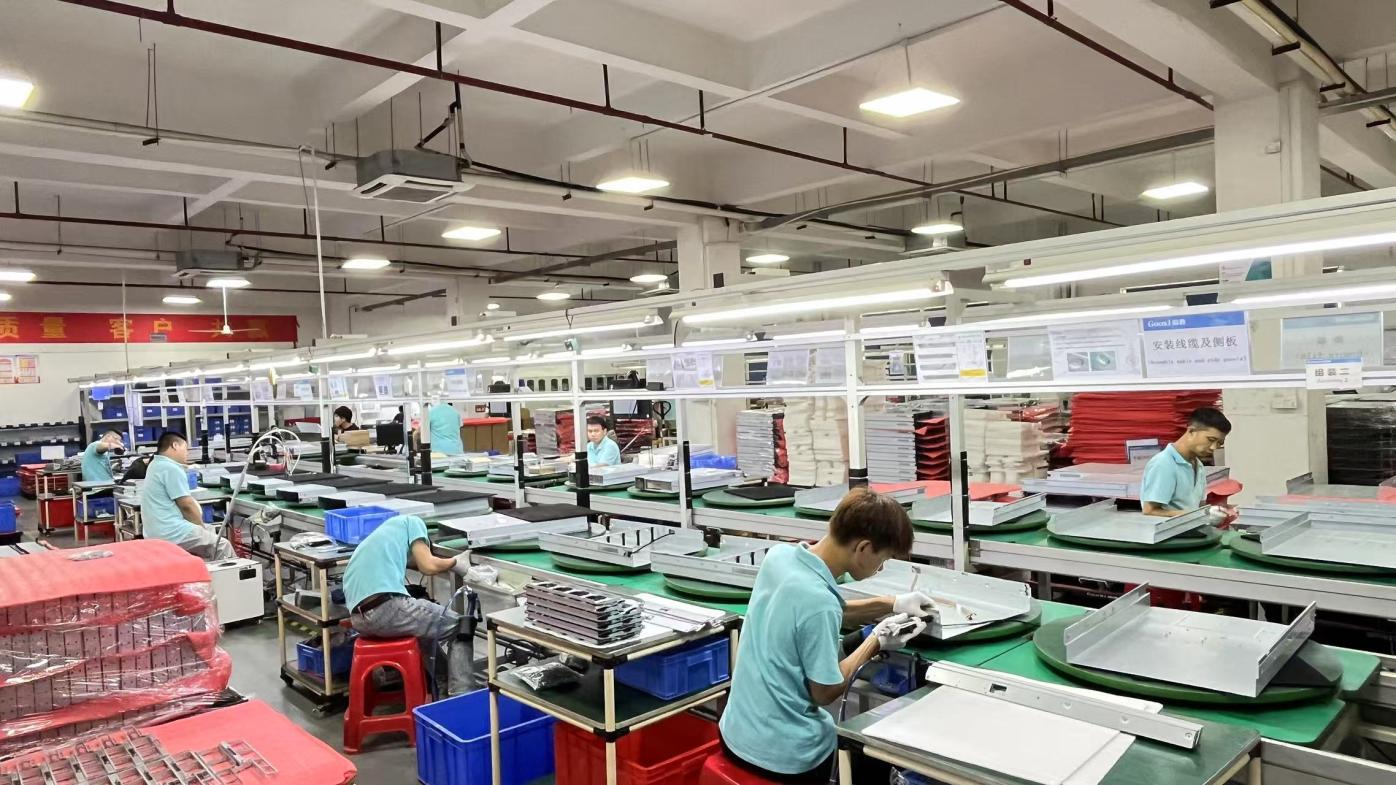
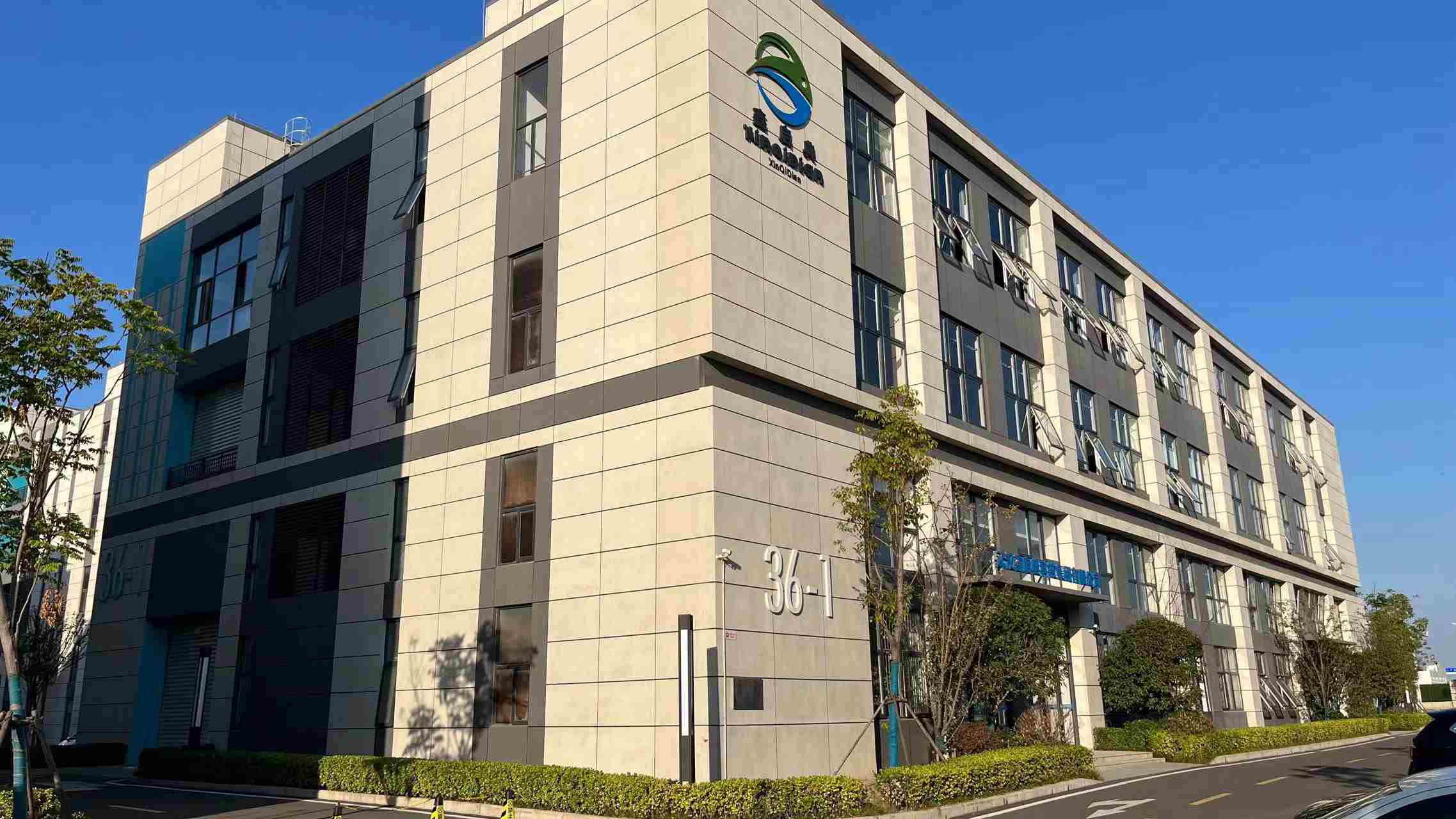
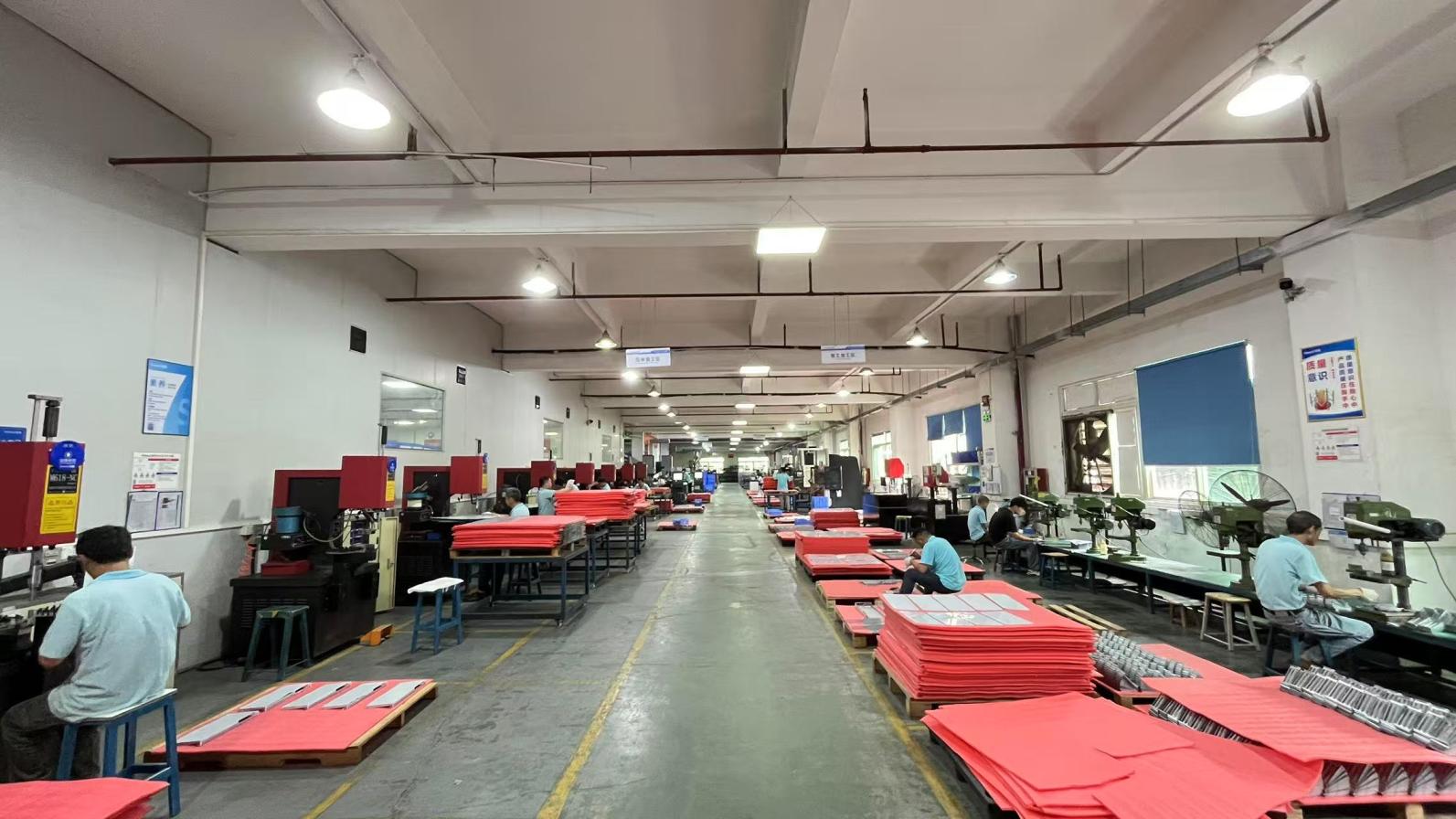
NexaGPU is a professional AI GPU server manufacturer and supplier specializing in high-performance computing infrastructure, GPU clusters, and customized AI server solutions for global enterprises, data centers, and AI development companies. Established in 2016, NexaGPU has rapidly grown into a trusted provider of advanced GPU computing systems. The company operates a modern manufacturing facility with a building area of approximately 320㎡, supporting efficient production, assembly, and testing of AI server systems.
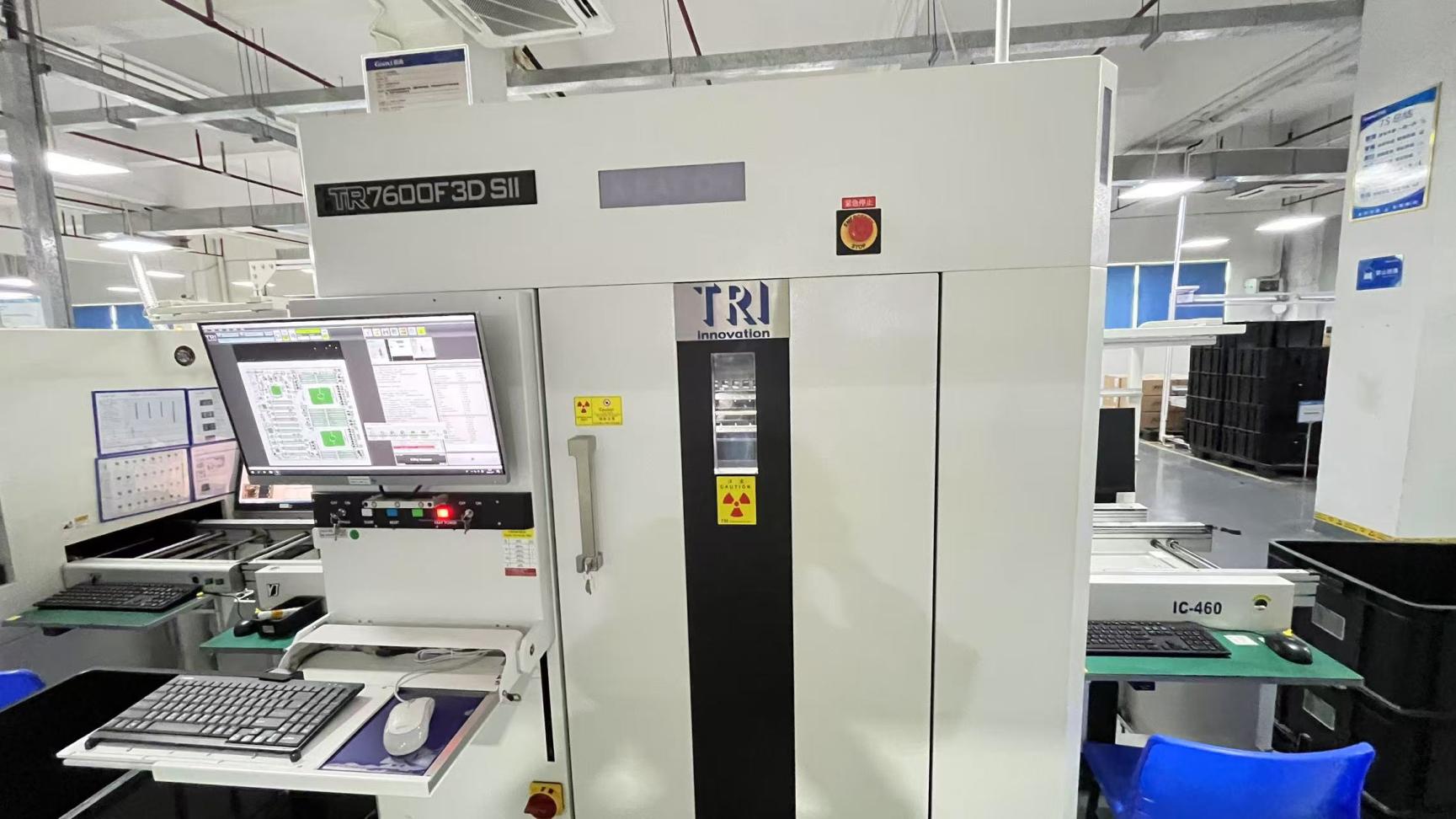
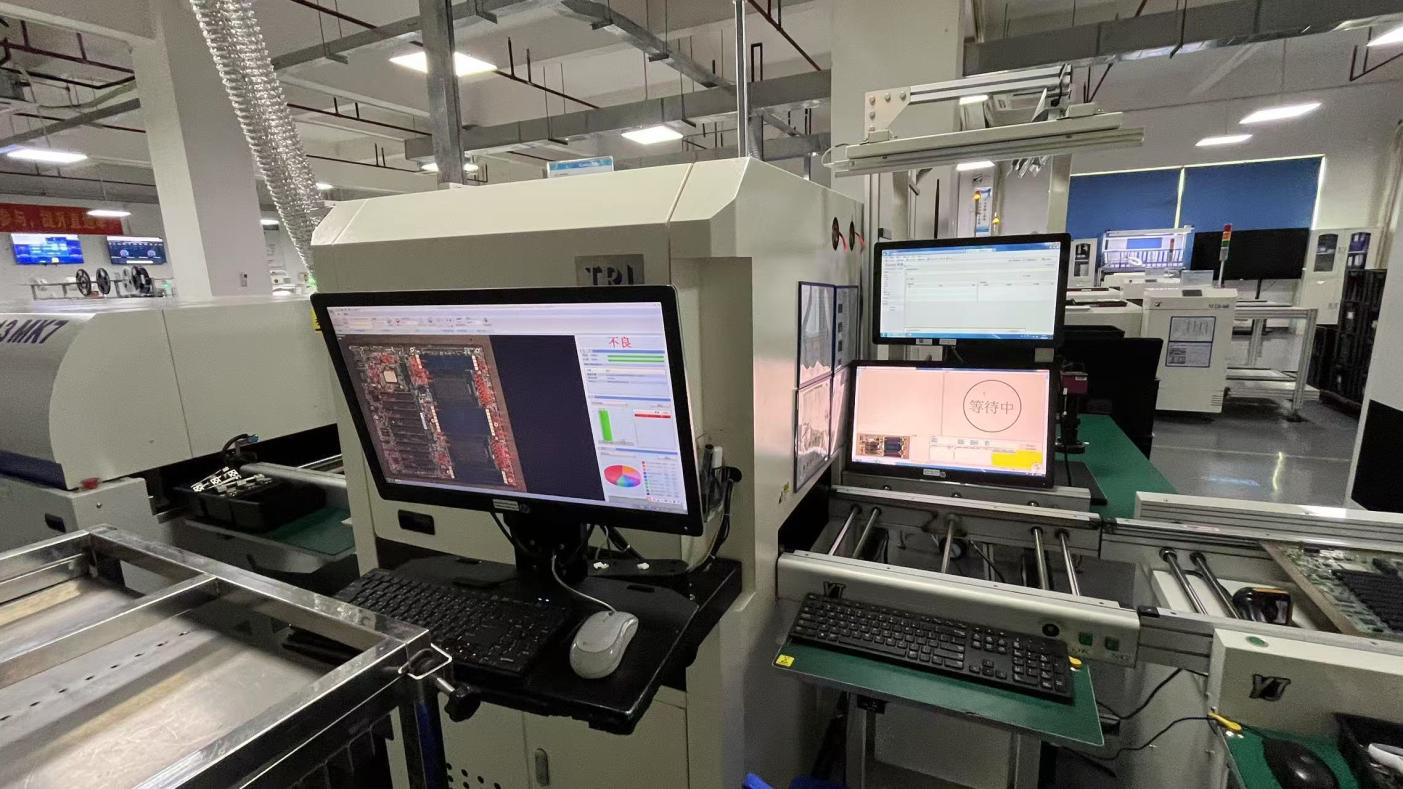
With an annual export revenue of USD 12 million, NexaGPU has built strong international business capabilities and maintains 6 years of export experience and 11 years of industry experience in high-performance computing and server manufacturing. To ensure strict product quality, NexaGPU implements comprehensive multi-stage inspection processes, including hardware stress testing, thermal performance testing, and system stability validation. The company employs a dedicated quality assurance team of 45 QC specialists to maintain consistent product reliability.
NexaGPU has a solid trade background in global B2B technology supply chains, with major markets including North America, Europe, Southeast Asia, and the Middle East. The company works closely with over 850 supply chain partners, including GPU chip suppliers, motherboard manufacturers, server chassis factories, and cooling system providers. Its main customer base includes AI startups, cloud computing providers, data centers, research institutions, and enterprise IT solution providers.
NexaGPU demonstrates strong R&D capability, supported by a team of 120 R&D engineers focused on GPU architecture optimization, AI server design, and liquid cooling technology. The company offers extensive customization options including GPU configuration, CPU selection, memory expansion, storage architecture, and liquid cooling systems. In the past year, NexaGPU successfully launched 85 new product models, covering AI training servers, inference servers, and high-density GPU computing clusters. Through continuous innovation and engineering excellence, NexaGPU is committed to delivering scalable, efficient, and reliable AI computing infrastructure for the global artificial intelligence industry.
Data centers operate under different local energy grids. While North American operators frequently use 277V AC or 480V AC inputs, European configurations typically run on 230V/400V AC distribution systems, and specific Asian installations favor high-voltage DC (HVDC) systems up to 380V. NexaGPU's engineers design power supply systems with wide-input tolerances and variable power shelves, ensuring smooth integration with local infrastructure and reducing grid conversion losses.
Exporting enterprise-grade compute platforms requires strict adherence to international regulations. NexaGPU provides complete certification compliance, including CE, FCC, RoHS, and UL listings. Through partnerships with global B2B logistics networks, we facilitate customs clearance, handle tariff classification codes, and offer DDP/CIF delivery options to minimize deployment delays.
Installing complex, multi-node Open Compute Project server clusters requires specialized engineering support. NexaGPU provides dedicated integration services, assisting global clients from initial layout planning to actual hardware deployment. Our services include customized busbar assembly, cable management configurations, and on-site testing for local environments. We also offer spare part reserves and engineer dispatch programs to guarantee rapid recovery in the event of hardware failures, minimizing system downtime.
The hardware landscape is changing rapidly. As processor thermal envelopes climb past 350W per socket and accelerator boards reach 1000W+, standard air cooling is reaching its physical limits. NexaGPU's product development roadmap focuses on addressing these thermal and processing demands through Open Rack V3 (ORV3) updates, CXL memory expansion, and advanced liquid cooling technologies.
By routing liquid coolant directly to the CPU and GPU cold plates, we bypass the limitations of traditional heatsinks. This allows us to handle high thermal loads without relying on high-RPM fans, maintaining system stability while reducing cooling energy usage.
Next-generation nodes utilize PCIe Gen 6.0 architectures and Compute Express Link (CXL) protocols. This enables memory pooling between compute units, reducing latency and maximizing memory utilization across AI clusters.
Future ORV3 rack configurations will feature power systems rated for 50kW to 100kW. This supports dense GPU nodes, enabling efficient compute capacity within a smaller data center footprint.