NexaGPU
NexaGPU
NexaGPU
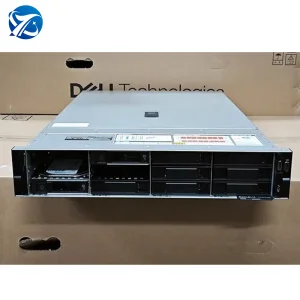
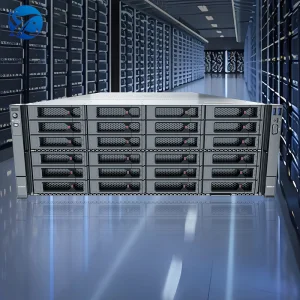
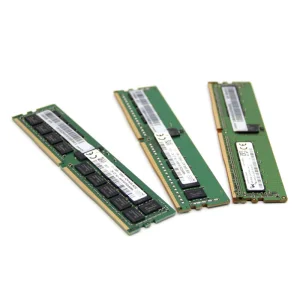
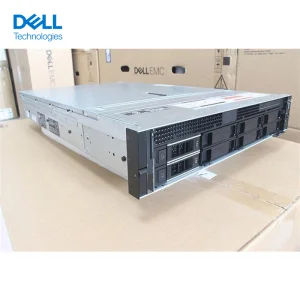
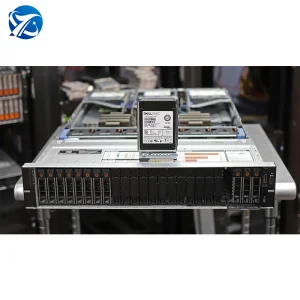
Browse our top enterprise-grade modular rack servers, high-density storage drives, and certified memory modules.
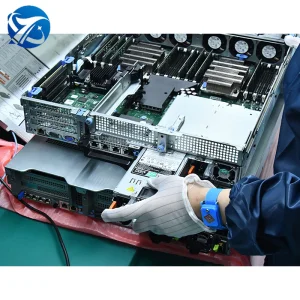
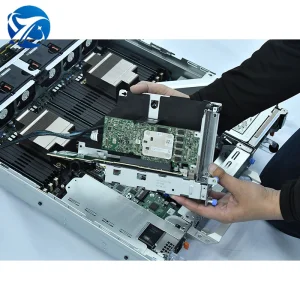
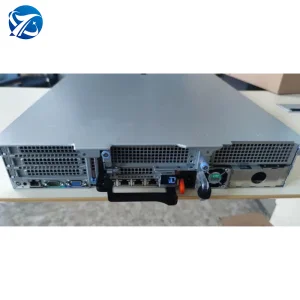
Analyzing the structural shift in modern cloud infrastructures, hyper-dense compute demands, and thermal-economic efficiency thresholds.
In the contemporary digital economy, high-performance computing (HPC), LLM deployment (such as deep neural networks and DeepSeek AI optimization), and real-time big data analytics have driven traditional monolithic server architecture to its absolute physical limits. As modern datacenters demand greater computing densities, conventional single-chassis layouts struggle with thermal bottlenecks, sub-optimal component utilization, and expensive upgrades. This is where modular server systems redefine datacenter capabilities.
A modular server system breaks down the computing ecosystem into independent, hot-swappable sub-units: compute nodes, storage blocks, cooling infrastructure, and power distribution modules. By separating these components, enterprise operations can scale resources independently. If a task requires extra memory or computing acceleration, only the respective GPU or RAM modules are updated, saving millions in underlying structural chassis components and keeping Total Cost of Ownership (TCO) down.
Pioneering AI compute structures and modular server architectures with decade-long engineering excellence.
NexaGPU is a premier AI GPU server manufacturer and supplier specializing in high-performance computing infrastructure, custom GPU clusters, and tailored server solutions for global enterprise networks, hyperscale data centers, and advanced AI development houses.
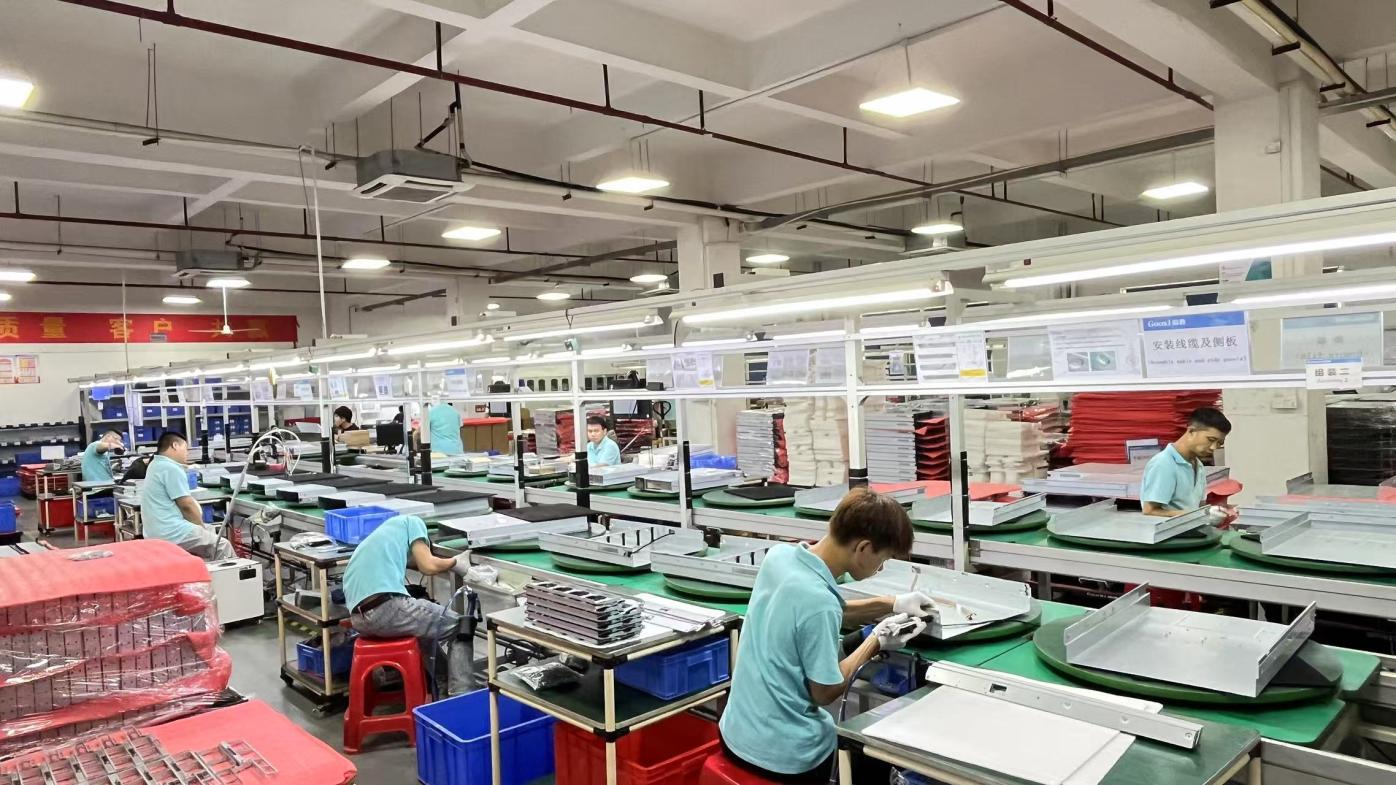
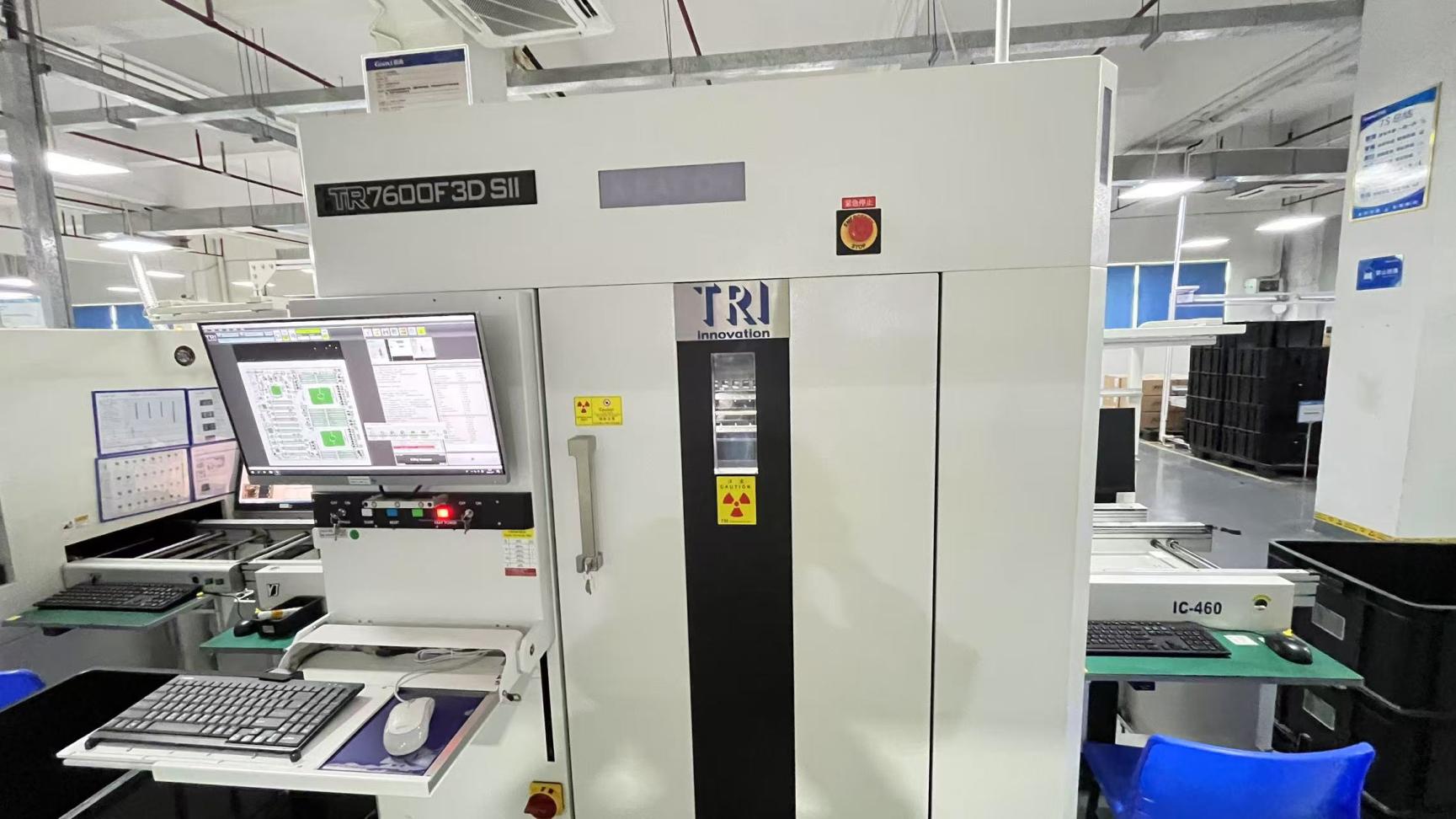
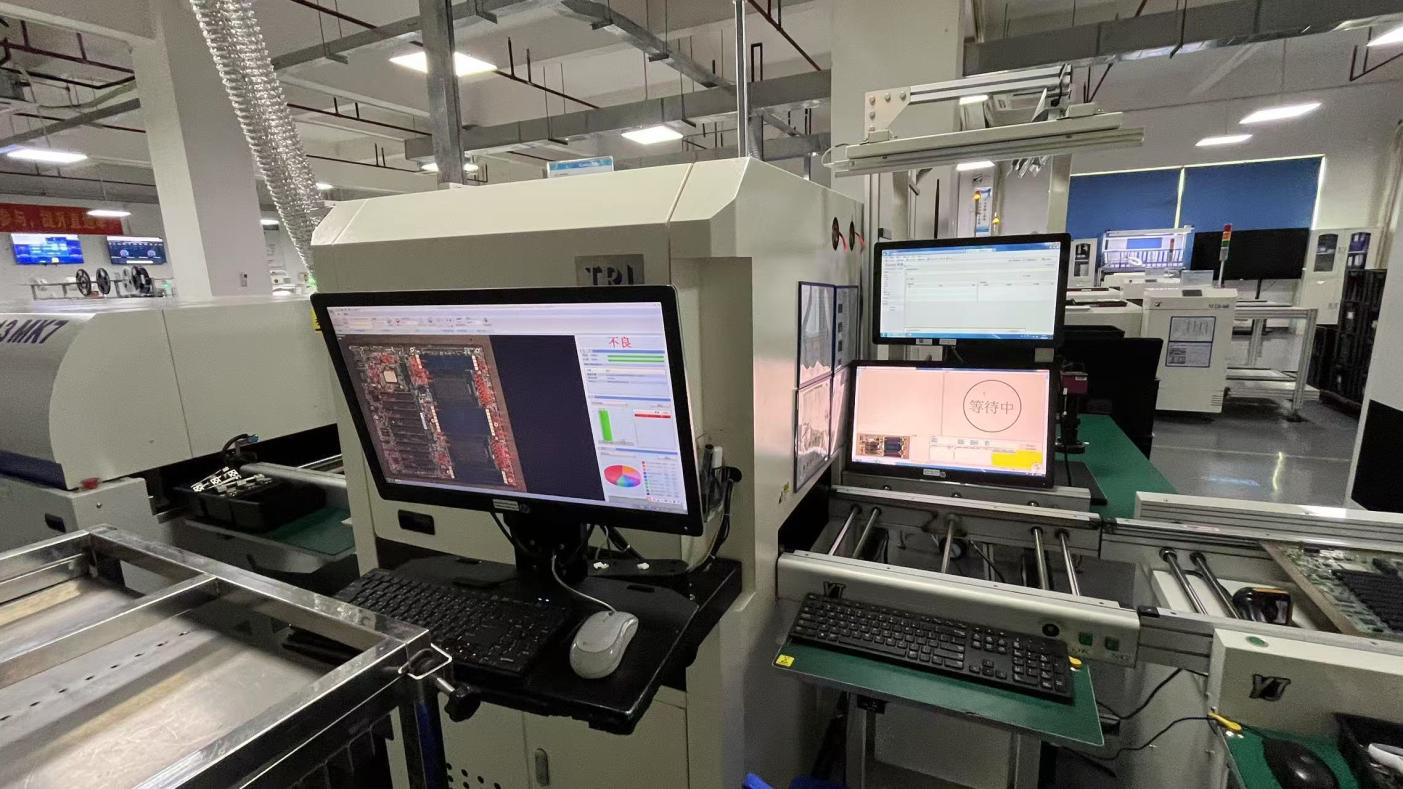
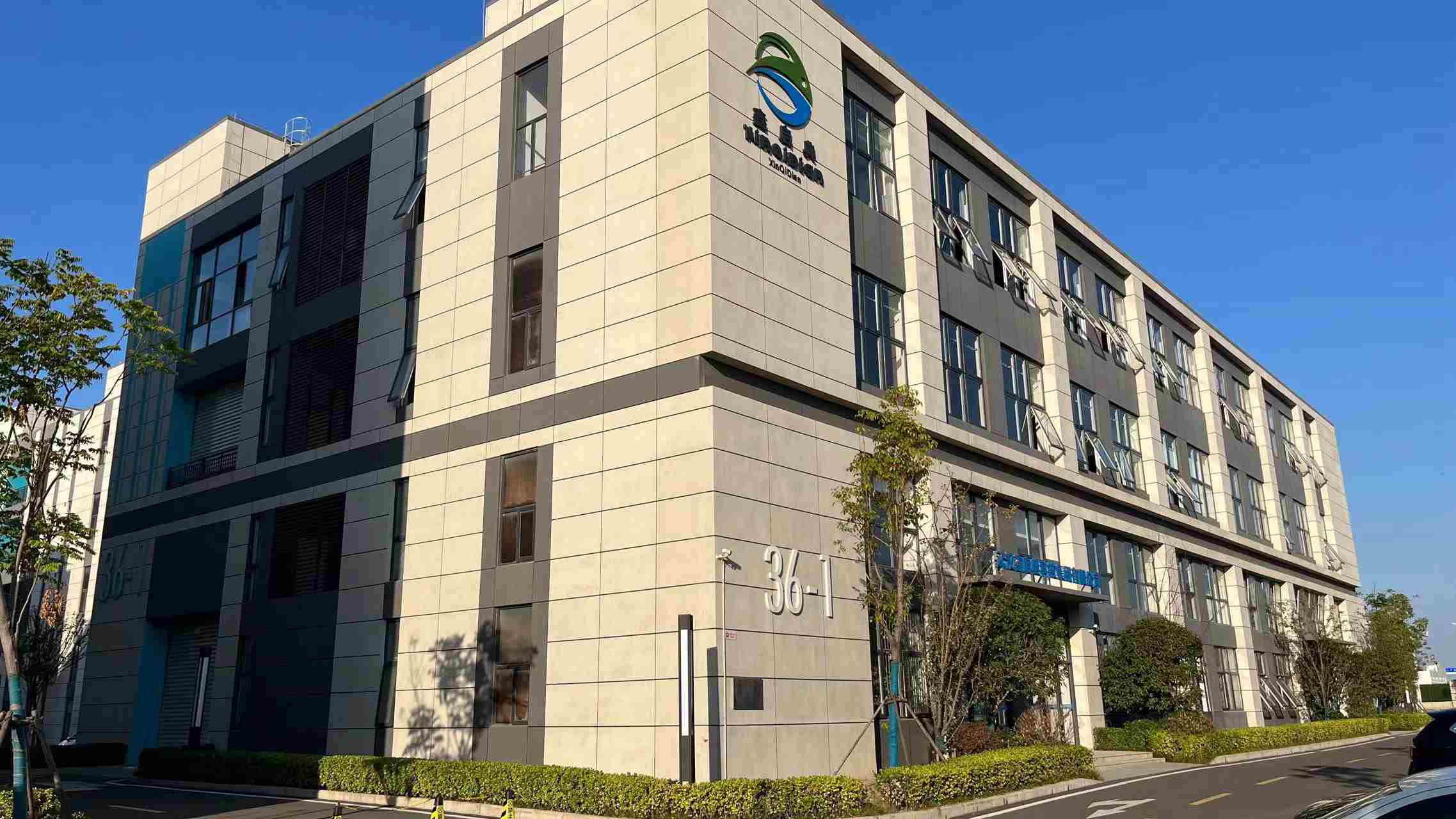
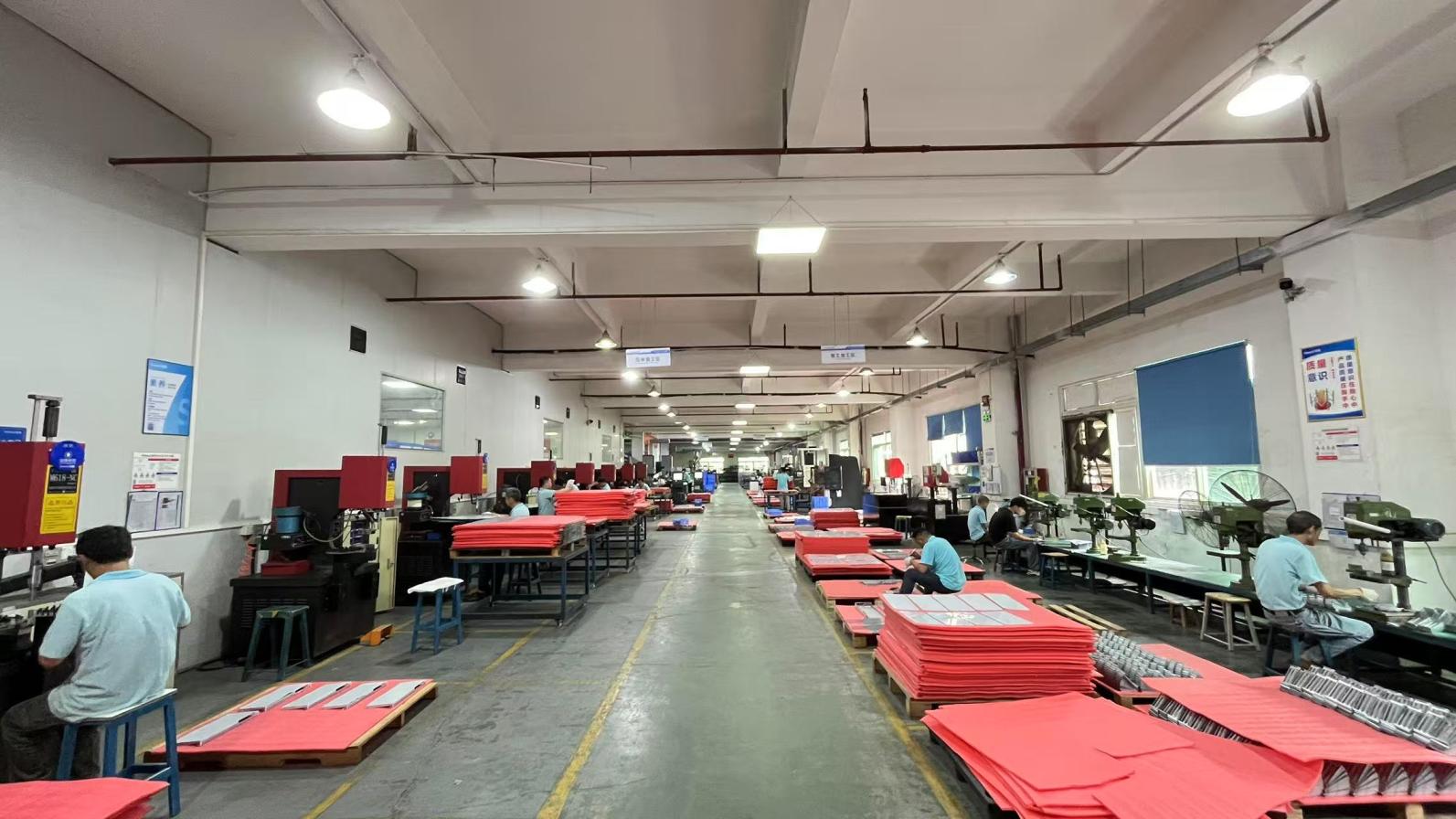
Established in 2016, NexaGPU has combined rigorous quality assurance methodologies with fast hardware-layer customization to construct high-reliability infrastructure. Operating a specialized modern assembly and validation facility of 320㎡, we ensure strict physical and thermal stress testing on every unit before shipment. With 11 years of deep industry experience and 6 years of global export compliance, NexaGPU facilitates a smooth international supply chain, resulting in an annual export revenue exceeding USD 12 million.
Understanding procurement priorities across different business scales and geographical regions.
Modern procurement strategies for datacenter hardware have shifted from simple capital expenditure (CapEx) metrics to long-term lifecycle efficiency and carbon-footprint reduction. Procurement managers are increasingly targeting modular chassis systems to future-proof their server assets. Let's analyze the key procurement factors driving this demand:
By upgrading CPU and GPU nodes independently of the main cooling fan walls, power supplies, and storage backplanes, procurement teams cut upgrade costs by up to 45% over a 5-year cycle.
Maximizing compute output per rack unit (U) is vital. Multi-node configurations allow up to four independent server units within a single 2U footprint, optimizing floor utilization.
Modular architectures facilitate standardized configurations. Sourcing modular server systems with pre-installed rails and standardized blind-mate power connectors simplifies datacenter setup.
Global organizations face varying regulatory and operational landscapes. Sourcing wholesale from Chinese manufacturers requires understanding these regional variances:
How modular computing architecture supports artificial intelligence, hyperscale storage, and industrial operations.
Modular server infrastructure is not a one-size-fits-all product; it is a flexible design framework that powers various industries. Sourcing from custom suppliers like NexaGPU allows enterprises to tailor hardware configurations to target-specific workloads.
| Industry Sector | Specific Workload Requirements | Optimal Modular Configuration | Key Hardware Components |
|---|---|---|---|
| Generative AI & LLM Training | Massive GPU bandwidth, fast node-to-node connectivity, and high TDP thermal dissipation. | 4U Multi-GPU clusters with dedicated high-speed NVMe flash arrays. | Nvidia H100/A100 or domestic AI accelerators, high-wattage redundant PSUs, RDIMM DDR5. |
| Enterprise Cloud Hosting | Dense multi-tenant architectures, secure hardware partitioning, and dynamic memory allocation. | 2U 2-socket high-density server nodes (such as xFusion 2288H V6 / V7 models). | Intel Xeon Scalable / AMD EPYC Processors, dual-port high-speed SAS3808 BootCards. |
| Industrial Edge Computing | Resistance to dusty/high-temp conditions, compact footprints, and edge-band remote configuration. | 1U/2U short-depth ruggedized computing chassis with integrated RAID protection. | Intel Xeon Silver processors, XP270-M2 boot arrays, redundant cooling fan modules. |
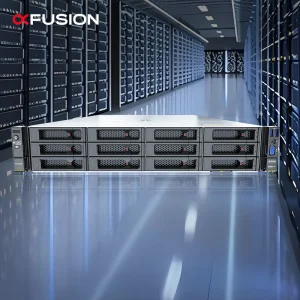
| Big Data & Cold Storage | High storage capacity per rack, low energy consumption per TB, and reliable continuous write life. | High-density storage servers supporting 12x or 24x 3.5-inch SATA/SAS hot-swap hard drives. | 4TB to 20TB Enterprise SATA/SAS HDDs, hardware RAID controllers, platinum backup power supplies. |
Investigating memory advancements, storage topologies, power configurations, and advanced thermal management.
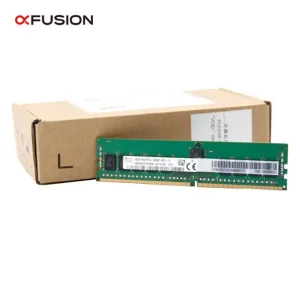
Modern CPU nodes require high memory bandwidth. NexaGPU modular configurations offer both memory architectures:
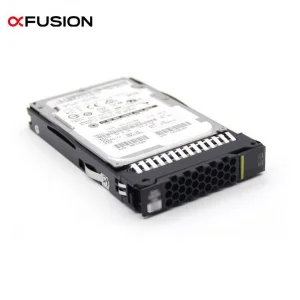
Reliable and fast storage options are critical for modular installations:
How NexaGPU guarantees reliability through multi-tier testing, supply chain strength, and global shipping standards.
Sourcing computing hardware overseas requires confidence in manufacturer reliability, quality checks, and supply chain strength. NexaGPU addresses these concerns with a comprehensive quality assurance and support framework:
Every modular node undergoes a minimum 24-hour diagnostic burn-in. Our team of 45 QC specialists performs automated hardware tests, high-temperature testing, and OS boot validations.
Through partnerships with over 850 raw component suppliers, chassis factories, and semiconductor providers, we ensure component availability and minimize lead times.
All exported server configurations comply with international standards including CE, FCC, RoHS, and UL, facilitating smooth integration into global datacenter environments.
Answering the most critical technical and logistical questions for global server procurement specialists.
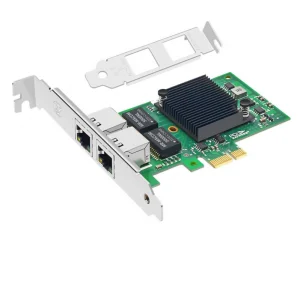
Explore our collection of custom expansion components, high-density server modules, and certified DDR5 RAM systems.