NexaGPU
NexaGPU
NexaGPU
Explore our high-performance components designed to support edge data integration, routing, and deep analytics environments.
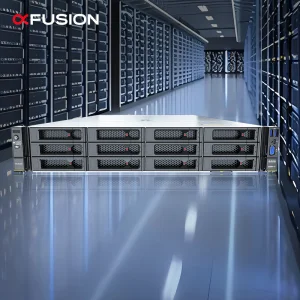
In the era of hyper-connected smart infrastructures, the role of the Internet of Things (IoT) Gateway has transitioned from a basic protocol converter to an advanced edge-computing powerhouse. Today’s industrial landscapes generate petabytes of telemetry data across diverse environments, from automated shop floors and municipal utility grids to remote oil derricks.
An IoT Gateway acts as the bridge connecting physical sensors, actuators, and localized device hubs to central enterprise resource planners (ERP) and cloud servers. By executing real-time data cleansing, protocol translation (translating Modbus, BACnet, or PROFINET to cloud-native MQTT or HTTPS), and local analytical processing, modern gateways reduce bandwidth strain, minimize latency, and secure the network perimeter.
NexaGPU addresses this paradigm by offering unified edge-to-core computational structures. By combining the data aggregation capabilities of high-performance industrial IoT gateways with our high-density GPU computing servers, enterprises can deploy powerful AI models directly at the edge, turning raw streaming data into actionable insights instantly.
Seamless communication support for diverse short-range wireless systems (Zigbee, LoRaWAN, BLE) and wired physical layers (RS-485, Ethernet, CAN bus).
Local processing loops execute critical control commands within milliseconds, avoiding round-trip latencies back to cloud infrastructures.
Integrated Secure Boot, TPM (Trusted Platform Module) chips, and TLS 1.3 encryption protocols safeguard localized data networks from interceptive cyber attacks.
Evaluating CPU architectures, software protocols, and next-generation Edge AI features for wholesale procurement.
The core of hardware optimization lies in low-power, high-performance silicon. Wholesale buyers are shifting towards highly customized system-on-chips (SoCs) based on ARM Cortex-M/A series and open-source RISC-V architectures to tailor computing power to specific telemetry loads.
Security is non-negotiable. Modern gateways integrate hardware-based root of trust, encrypted storage arrays, and cellular VPN tunneling. Dynamic firmware OTA (Over-the-Air) updates ensure security certificates and patch installations remain current against emerging threats.
Through visual and telemetry modeling, next-generation gateways feature integrated Neural Processing Units (NPUs). This enables them to perform real-time video surveillance analysis, anomaly detection, and predictive maintenance diagnostics without consulting centralized servers.
| Feature Category | Legacy IoT Gateway | Advanced Edge IoT Gateway | Edge AI Integrated Gateway (NexaGPU Ecosystem) |
|---|---|---|---|
| Primary Function | Raw protocol routing & telemetry forwarding | Protocol translation, local caching & security filtering | Local AI inference, complex pattern recognition, real-time control |
| Supported Protocols | Modbus RTU, basic TCP/IP | OPC UA, MQTT Sparkplug B, CoAP, BACnet, BLE, LoRaWAN | Multi-protocol orchestration, WebSockets, gRPC, Cloud API wrappers |
| Compute Profile | Simple 8-bit / 32-bit MCU (no OS) | Dual/Quad-core ARM Cortex, Linux OS (Yocto, Ubuntu Core) | Multi-core ARM/x86 CPU + Dedicated NPU/GPU Co-processors |
| Security Framework | None or simple WEP/WPA passwords | SSL/TLS encryption, Secure Boot, Firewall | TPM 2.0, Secure Enclaves, Zero-Trust network segmentation |
Deploying specialized connectivity and localized processing power across diverse industrial sectors.
Inside modern production lines, legacy equipment uses proprietary protocols, while new robotics modules rely on modern standards. An industrial-grade gateway bridges this gap. By gathering telemetry from PLC systems (such as Siemens or Allen-Bradley) and outputting unified MQTT JSON payloads, manufacturers can view shop floor metrics in real-time, reducing downtime and optimizing overall equipment effectiveness (OEE).
Municipal utilities require secure, wide-area communication networks. Gateways fitted with long-range LoRaWAN transceivers collect metrics from thousands of scattered water, gas, and electricity sensors. Simultaneously, edge gateways integrated with local AI inference units—configured alongside high-capacity GPU systems—analyze urban vehicle patterns, optimizing traffic lights and public safety on the fly.
Operating in rugged, explosive atmospheres (ATEX Zone 2 rated), remote petrochemical pipelines demand resilient edge gateways. Using cellular (4G LTE/5G sub-6GHz) backhauls, these devices monitor pressures, temperatures, and leak detectors. If pressure thresholds are breached, the gateway executes autonomous safety shutdowns locally, preventing environmental catastrophes without relying on a cloud connection.
Preserving pharmaceuticals and perishable foodstuffs requires uninterrupted temperature tracking. IoT gateways installed in fleets of refrigerated trucks read Bluetooth tag networks and GPS data. By buffering data internally during network dropouts and syncing with ERP systems upon reconnecting, these gateways preserve cold chain compliance logs.
Leveraging China's leading component networks, rapid prototyping speed, and NexaGPU's manufacturing infrastructure.
The Shenzhen-Dongguan electronics corridor offers the world's most dense cluster of PCB layout houses, chip distributors, hardware testing labs, and assembly lines. For global wholesale buyers, this proximity translates to unmatched flexibility. Customized modifications—such as adding a specialized mini-PCIe slot, adding cellular modules, or upgrading cooling fins—can be prototyped in days rather than months.
At NexaGPU, we harness this regional synergy. Backed by 11 years of industry experience and a robust network of over 850 supply chain partners, we ensure stable sourcing of high-performance components (including memory, controllers, and cooling systems) even during global component shortages.
Our dedicated R&D department features 120 specialized engineers focusing on GPU acceleration, server boards, and low-latency gateway architectures. We launched 85 new models last year, tailoring hardware to dynamic market requirements.
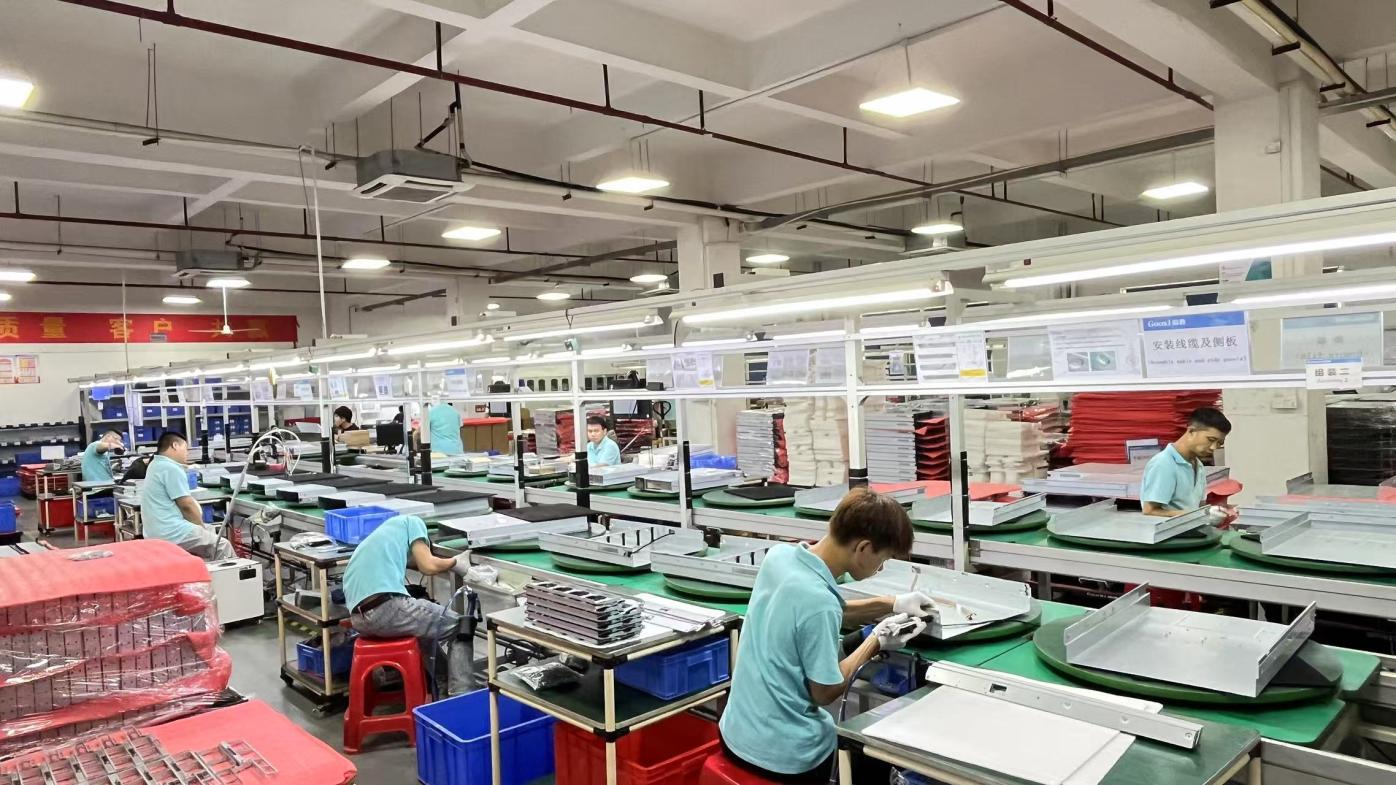
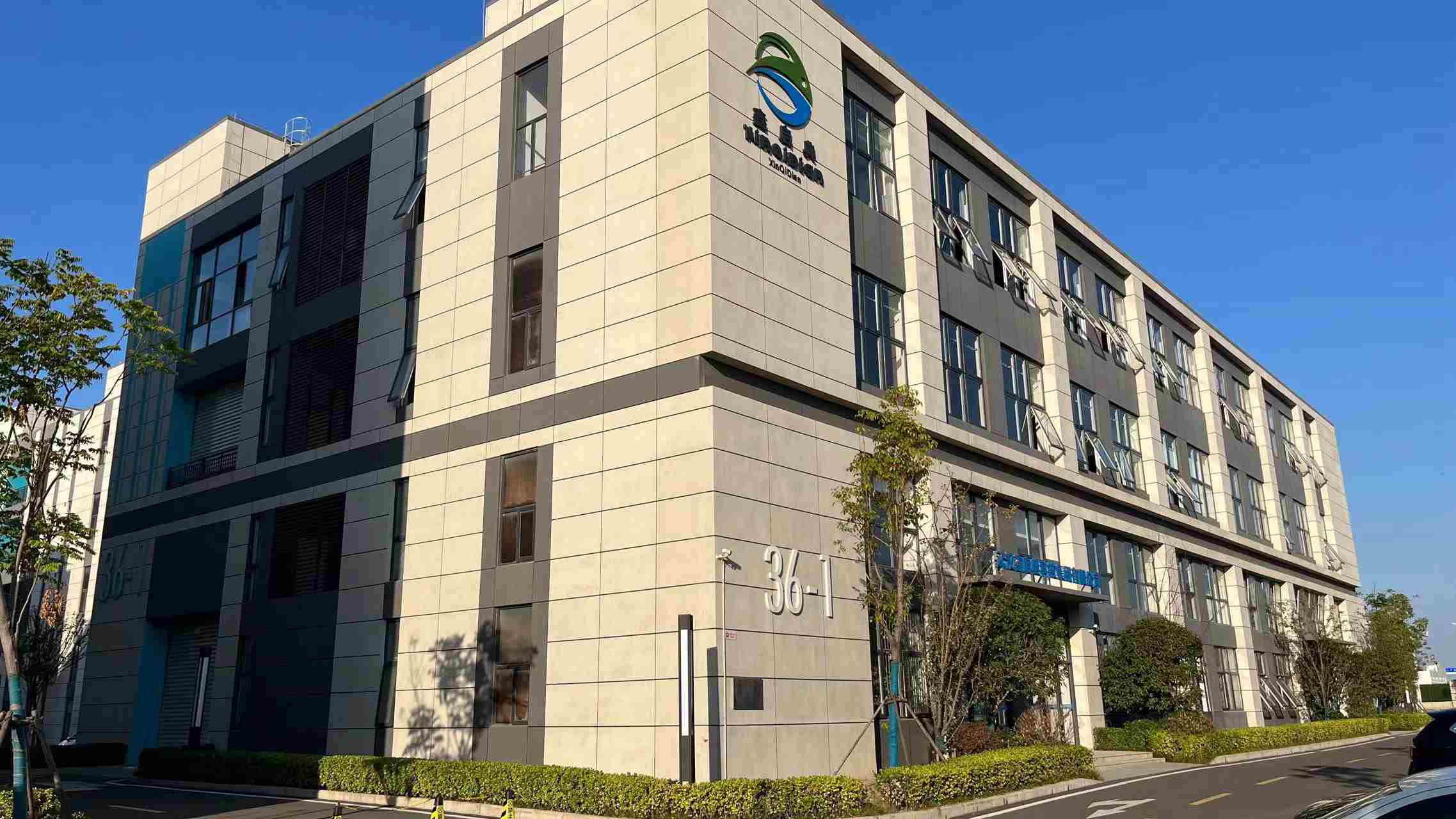
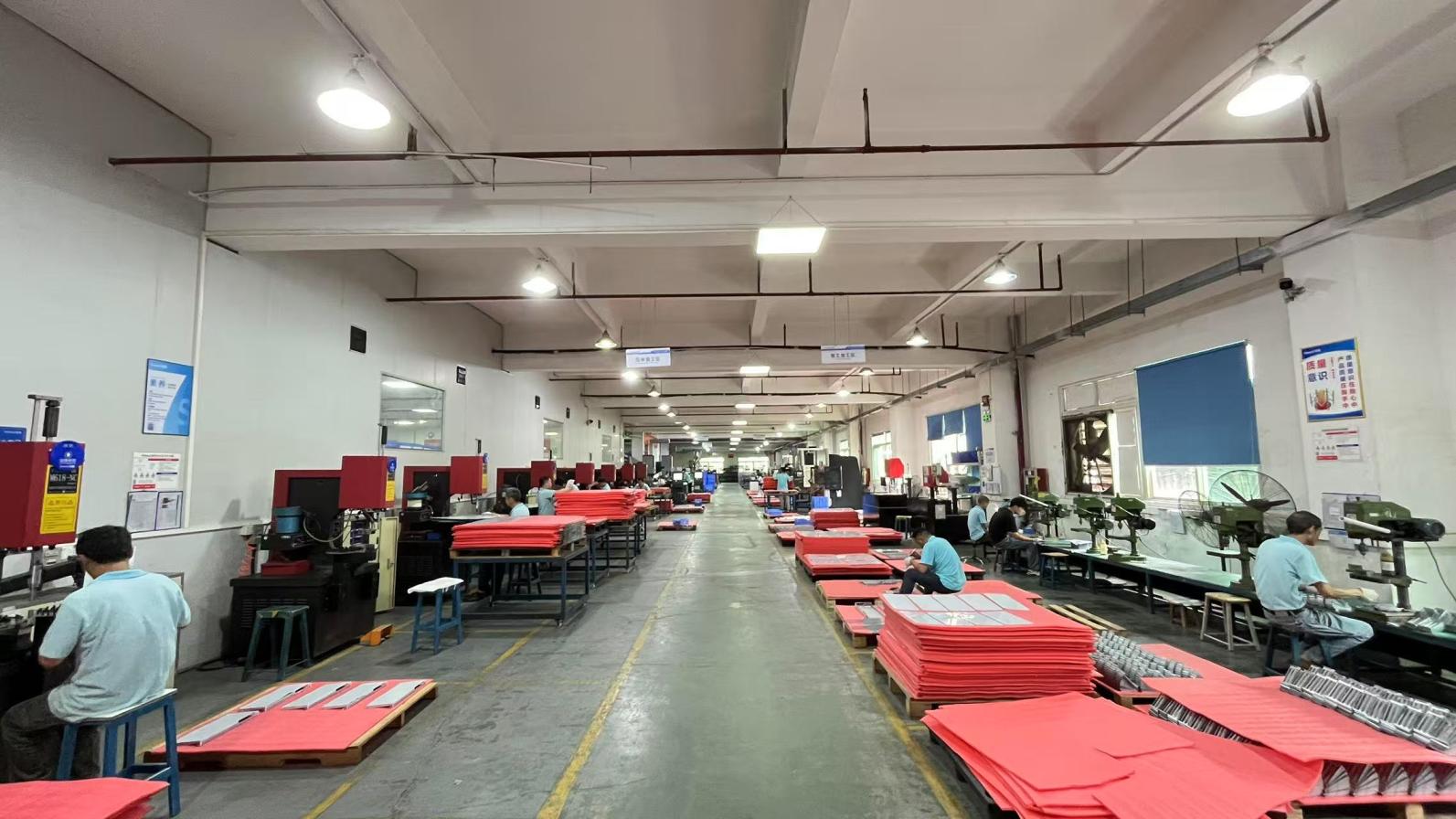
Quality is built into our production process. Across our modern manufacturing spaces, a dedicated team of 45 QC specialists conducts multi-stage inspection routines, including hardware stress tests, system burn-in testing, and thermal evaluations.
E-E-A-T validated production facilities designed for high-availability enterprise environments.
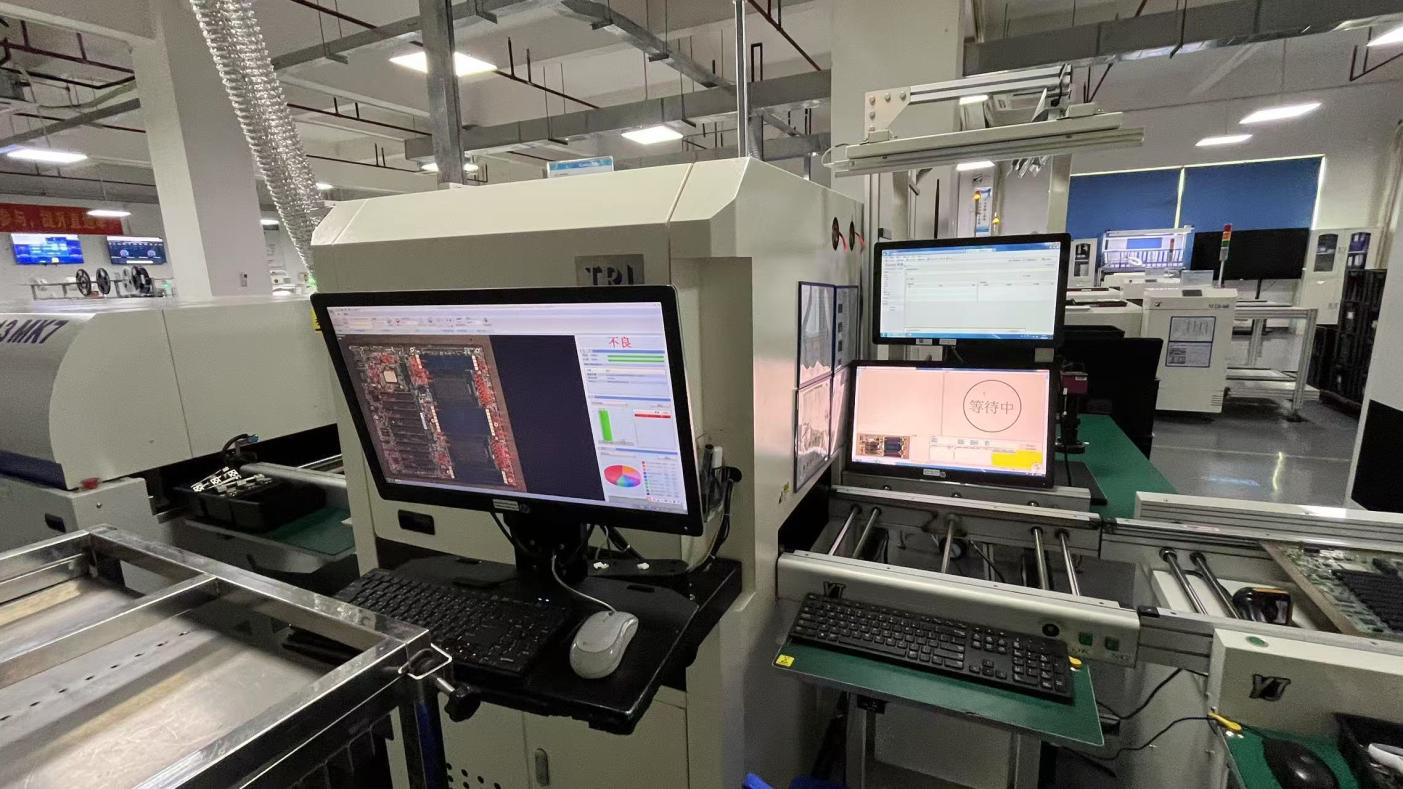
NexaGPU ensures that every product leaving our line is built to withstand demanding operating environments. We follow a strict production flow starting with Incoming Quality Control (IQC), checking PCBs and chips from our supply partners.
This is followed by In-Process Quality Control (IPQC), checking solder accuracy and component placement. Finally, Outgoing Quality Control (OQC) subjects every server, switch, and edge gateway system to thermal chamber stress testing, ensuring reliability over long-term operations.
Our export focus is supported by compliance clearances for critical global markets including North America, Europe, Southeast Asia, and the Middle East, offering CE, FCC, RoHS, and UL safety standards to match project bidding parameters.

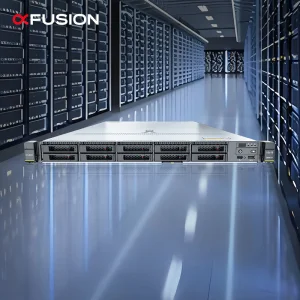
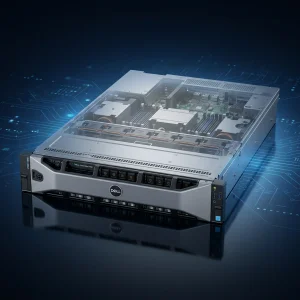
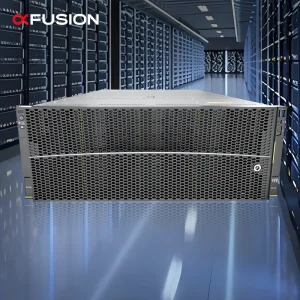
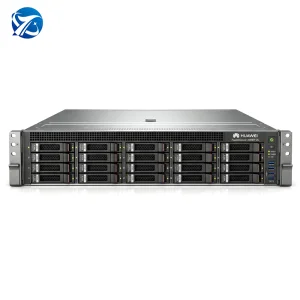
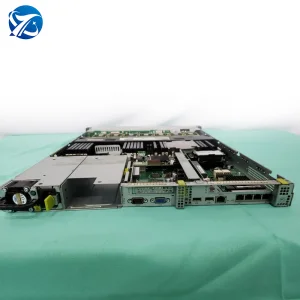
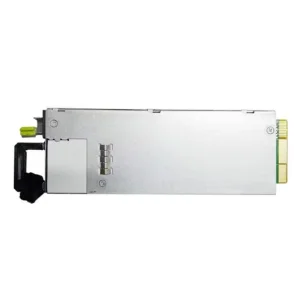
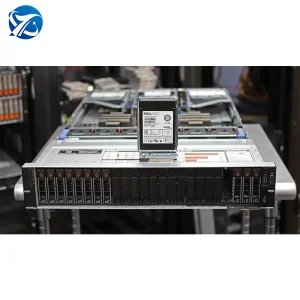
Enterprise-grade server chassis, processing power, and storage pools to manage data collected by IoT Gateways.
Expert answers addressing protocol implementation, custom development (OEM/ODM), and supply chain logistics.