NexaGPU
NexaGPU
NexaGPU
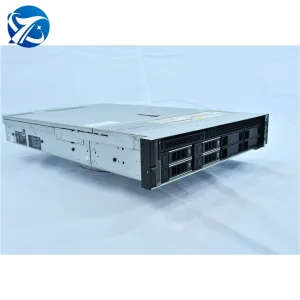
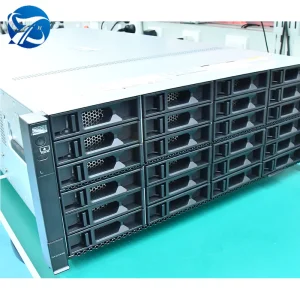
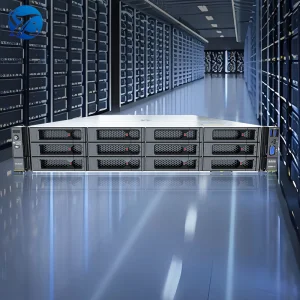
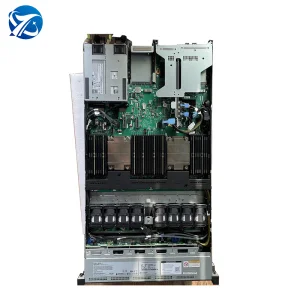
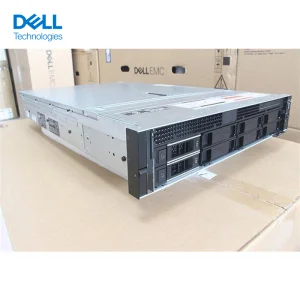
In the current era of rapid technological convergence, enterprise-grade compute platforms form the foundational baseline of modern industrial operations. The global demand for computing has evolved from centralized database hosting to high-density, low-latency, and distributed computational tasks. Today, systems are tasked with processing massive amounts of unstructured data, executing complex machine learning workloads, and supporting highly virtualized multi-tenant environments.
As enterprises migrate towards hybrid-cloud and edge-native architectures, selecting the correct hardware partner is a critical strategic decision. The transition from legacy legacy infrastructures to software-defined environments demands extreme hardware stability, comprehensive compatibility, and long-term upgrade paths. HPE (Hewlett Packard Enterprise) solutions, particularly the ProLiant and Synergy series, represent a leading model of design engineering. They feature unparalleled scalability, hardware-rooted security, and integration capabilities designed to handle demanding workloads.
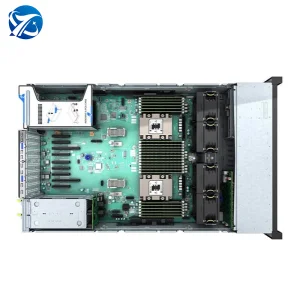
From a global macroeconomic perspective, computing infrastructure must optimize operational expenditure (OpEx) while minimizing footprint and maximizing energy performance. The integration of high-core-count processors (such as the Intel Xeon Scalable Gen 5/Gen 6 and AMD EPYC platforms) requires system motherboards, power delivery units, and thermal management architectures to perform reliably under continuous heavy loads. Finding a specialized partner who can deliver these systems at scale, with appropriate customization, is essential for multinational businesses and tier-1 data center operators.
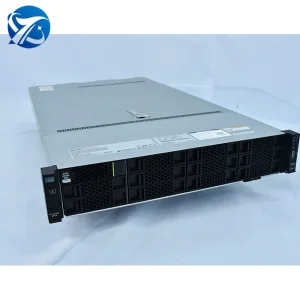
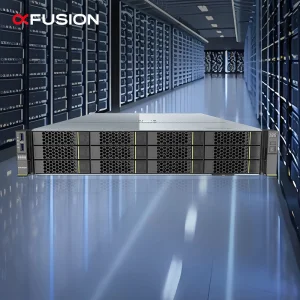
Optimized 1U & 2U server chassis hosting maximum compute power, tailored for hyper-scale environments.
Hardware-level security and firmware validation guarding system integrity from boot-up to runtime.
Seamless management and integration with container systems, virtualization platforms, and orchestration toolkits.
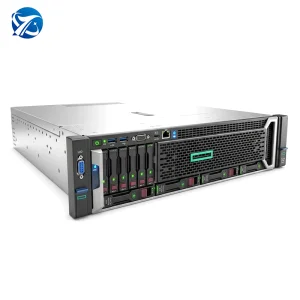
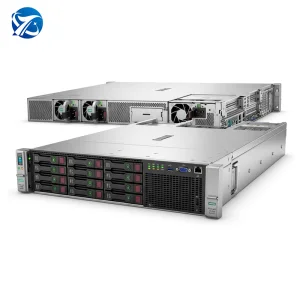
HPE's ProLiant family, including the rack-optimized DL360 and DL380 platforms, is engineered to manage variable workloads with high efficiency. The HPE ProLiant Compute DL360 Gen12 and Gen11 servers provide a compact 1U layout designed for high-compute density. This design allows administrators to configure systems with dual-socket processors, accommodating up to 144 cores per physical unit. The inclusion of DDR5 ECC memory at speeds reaching 5600 MT/s dramatically reduces data transport latencies, removing typical performance bottlenecks found in database and data analytics systems.
Thermal dissipation remains a primary engineering challenge in high-density rack systems. HPE solutions address this through advanced closed-loop cooling configurations and automated, sensor-driven fan controls. By dynamically monitoring internal temperatures, these servers optimize fan speeds to reduce power draw while preventing thermal throttling. For demanding AI and high-performance computing (HPC) environments, custom liquid cooling solutions bypass traditional thermal limits, maintaining stable operating parameters even under full GPU computational workloads.
Furthermore, HPE’s Integrated Lights-Out (iLO 6) management controller provides a highly secure out-of-band management interface. This technology allows infrastructure engineers to monitor telemetry data, configure BIOS settings, and deploy patches remotely, regardless of the host operating system state. Utilizing silicon-level root of trust technology, HPE servers protect their firmware from tampering during the supply chain cycle, and run validation checks upon boot to confirm system security.
Sourcing enterprise hardware requires navigating a complex global supply chain. B2B technology supply routes demand strong logistical networks, dependable component pipelines, and strict quality control measures. As a professional infrastructure supplier, NexaGPU leverages its manufacturing capabilities and deep component networks to export high-performance AI and enterprise solutions worldwide.
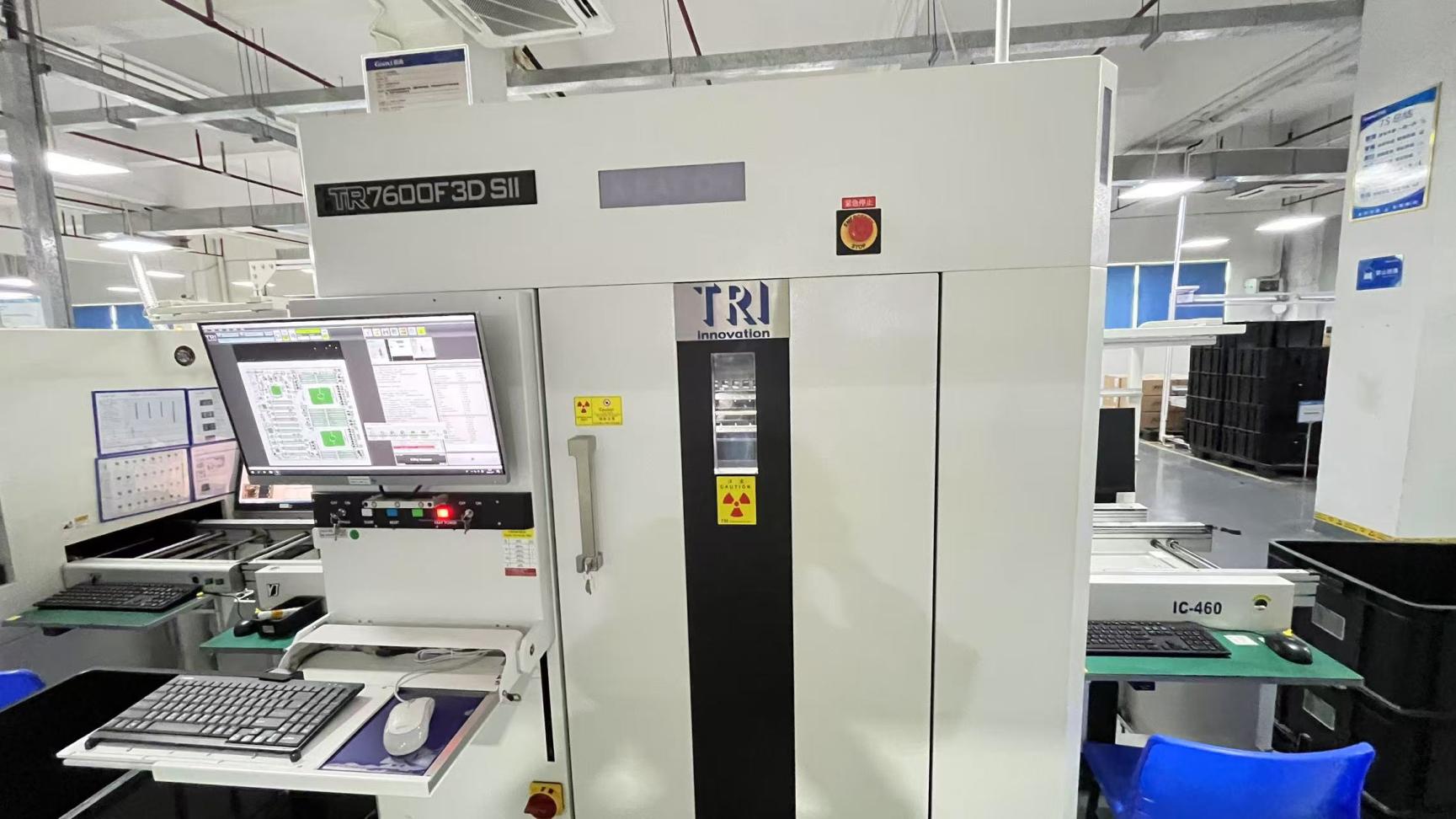
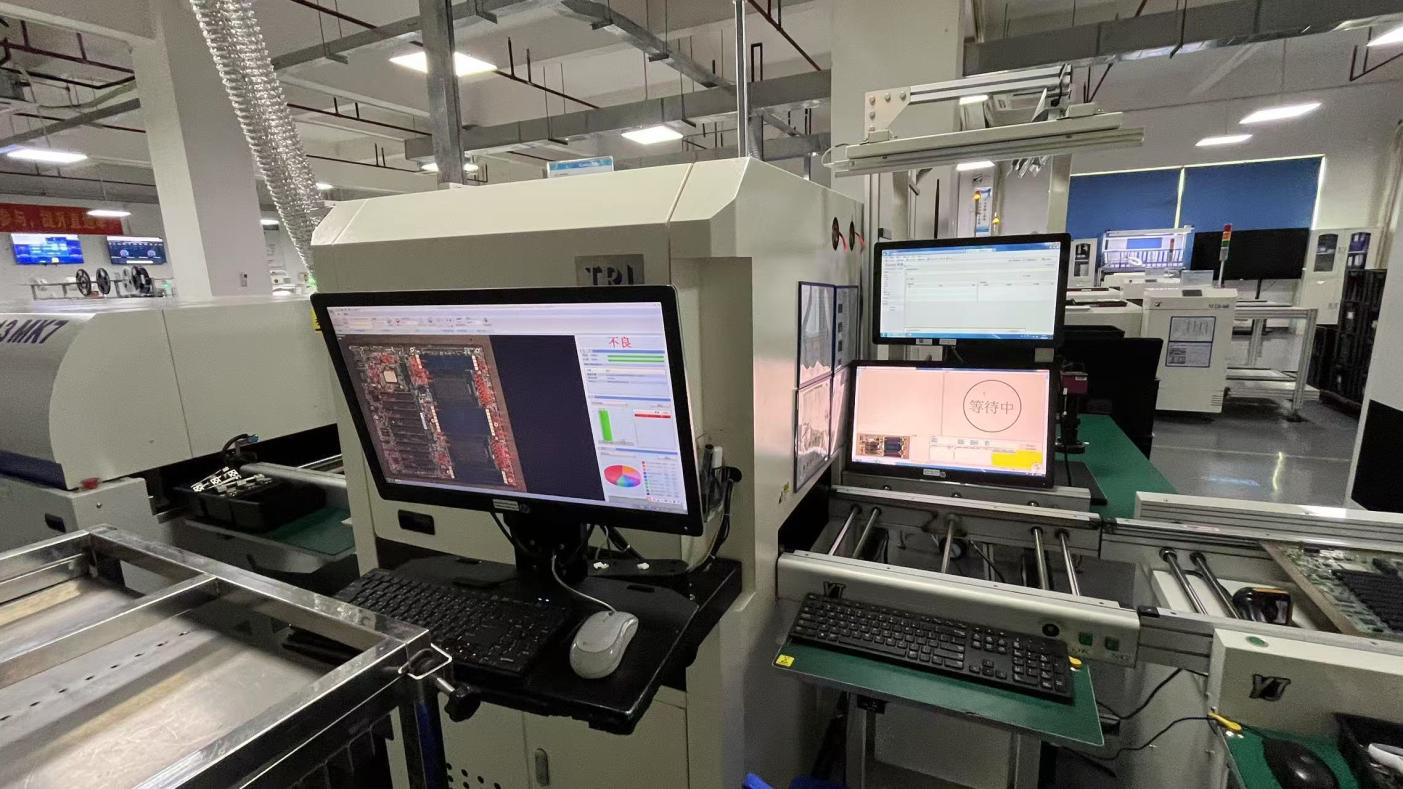
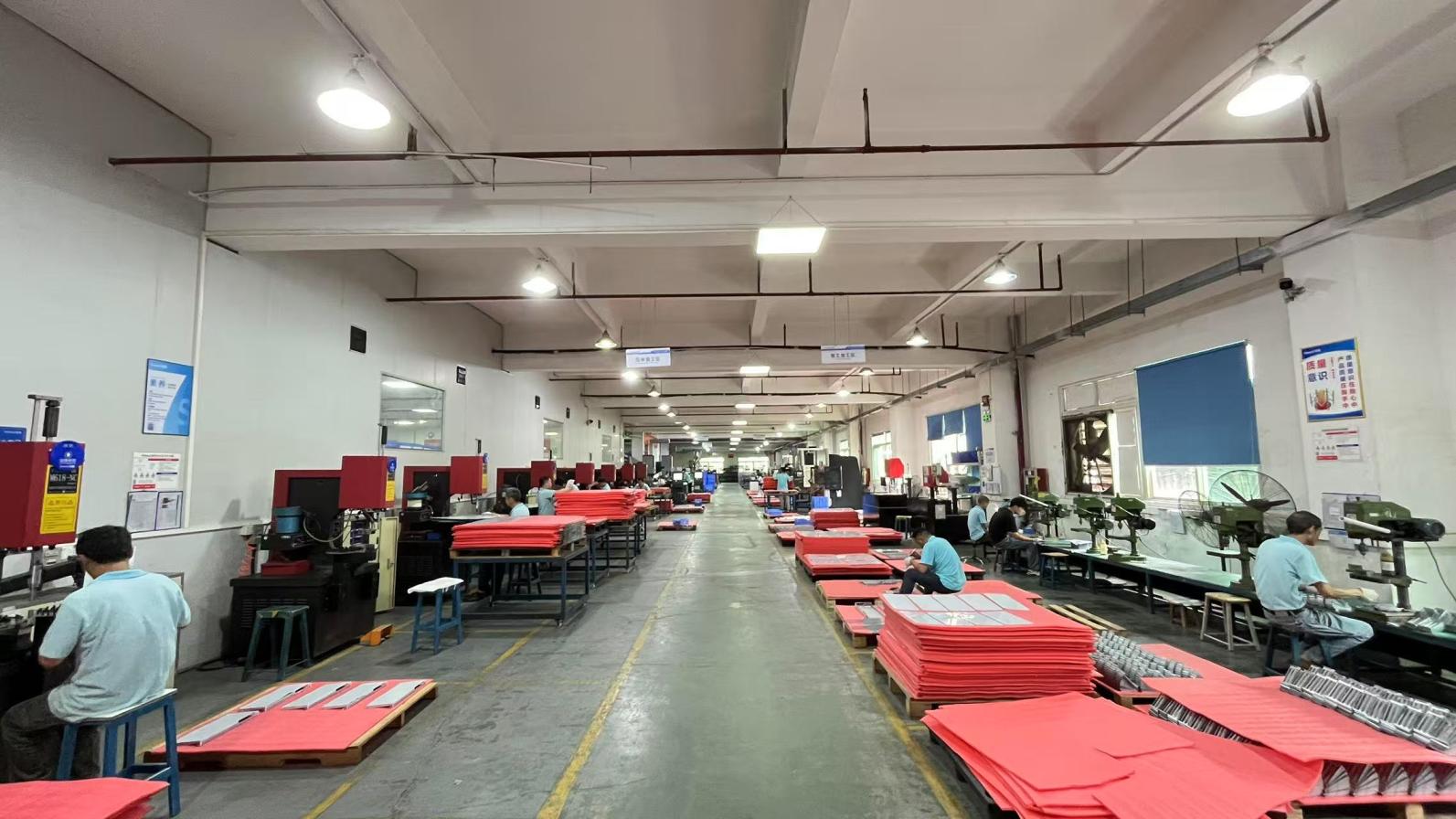
Operating in a competitive B2B market, our production and integration facility features advanced testing setups to evaluate system reliability. This setup includes high-temperature aging chambers, stress testing rigs for memory and storage, and high-bandwidth network diagnostic tools. Each server configured in our facility undergoes rigorous multi-point validation to ensure compliance with targeted technical specifications before dispatch.
Collaborating with over 850 partner companies across the technology sector—including chassis manufacturers, memory providers, and silicon suppliers—allows us to maintain a stable component inventory. This deep supply chain integration helps insulate clients from global component shortages, stabilizing manufacturing timelines and ensuring predictable delivery schedules even for custom server configurations.
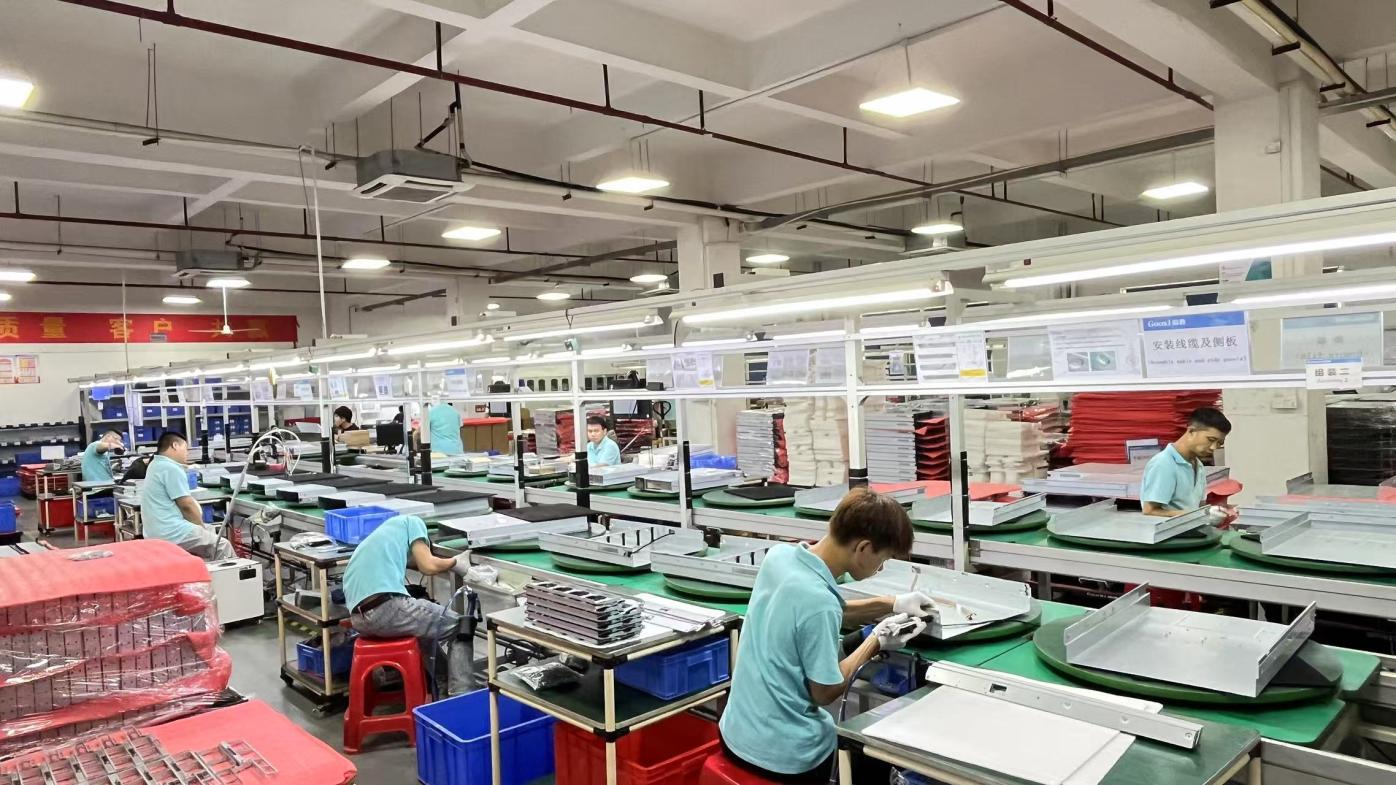
Our integration process utilizes specialized electrostatic discharge (ESD) safe workspaces, precise assembly fixtures, and automated testing benches. Software validation routines test CPU, memory, GPU, and storage components, documenting performance metrics under heavy workloads before final packaging and distribution.
With more than six years of direct export experience, our team manages the complexities of global logistics, customs compliance, and specialized packaging. Each system is securely prepared to withstand long-distance transit, ensuring that complex compute clusters arrive at destination data centers ready for immediate deployment.
High-performance computing systems are deployed across diverse sectors, each presenting unique engineering and operational challenges:
The future of data center hardware is defined by the demand for higher bandwidth, increased efficiency, and automation. The introduction of PCIe Gen 6 and Gen 7 interfaces will double data throughput rates, enabling faster communication between CPU caches, high-speed networking adapters, and storage arrays. Enterprise servers must evolve to support these new signal transmission requirements while maintaining signal integrity across motherboard circuits.
In terms of environmental footprint, data centers face stricter regulations regarding carbon emissions and power usage effectiveness (PUE). To meet these guidelines, manufacturers are moving toward advanced liquid-to-air cooling options and integrated management software. These tools monitor carbon emissions and energy consumption in real-time, allowing operators to dynamically adjust power consumption profiles across the data center floor to match current workload demands.
A dedicated quality assurance team conducts multi-phase stress testing, thermal validation, and network performance checks on every server.
Continuous product development ensures our catalog offers up-to-date server architectures configured for AI training and hybrid storage.
We handle all import/export documentation, safety certifications, and logistics for shipments to Europe, North America, and the Middle East.
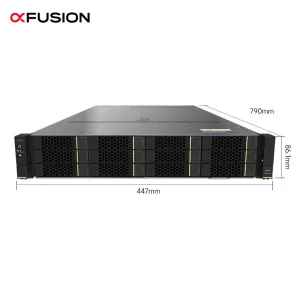
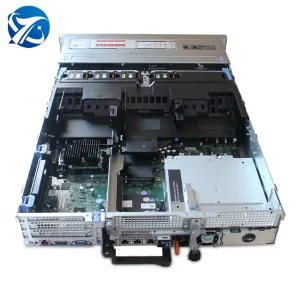
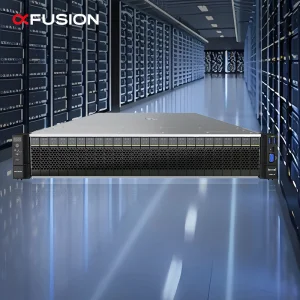
NexaGPU is a professional AI GPU server manufacturer and supplier specializing in high-performance computing infrastructure, GPU clusters, and customized AI server solutions for global enterprises, data centers, and AI development companies.
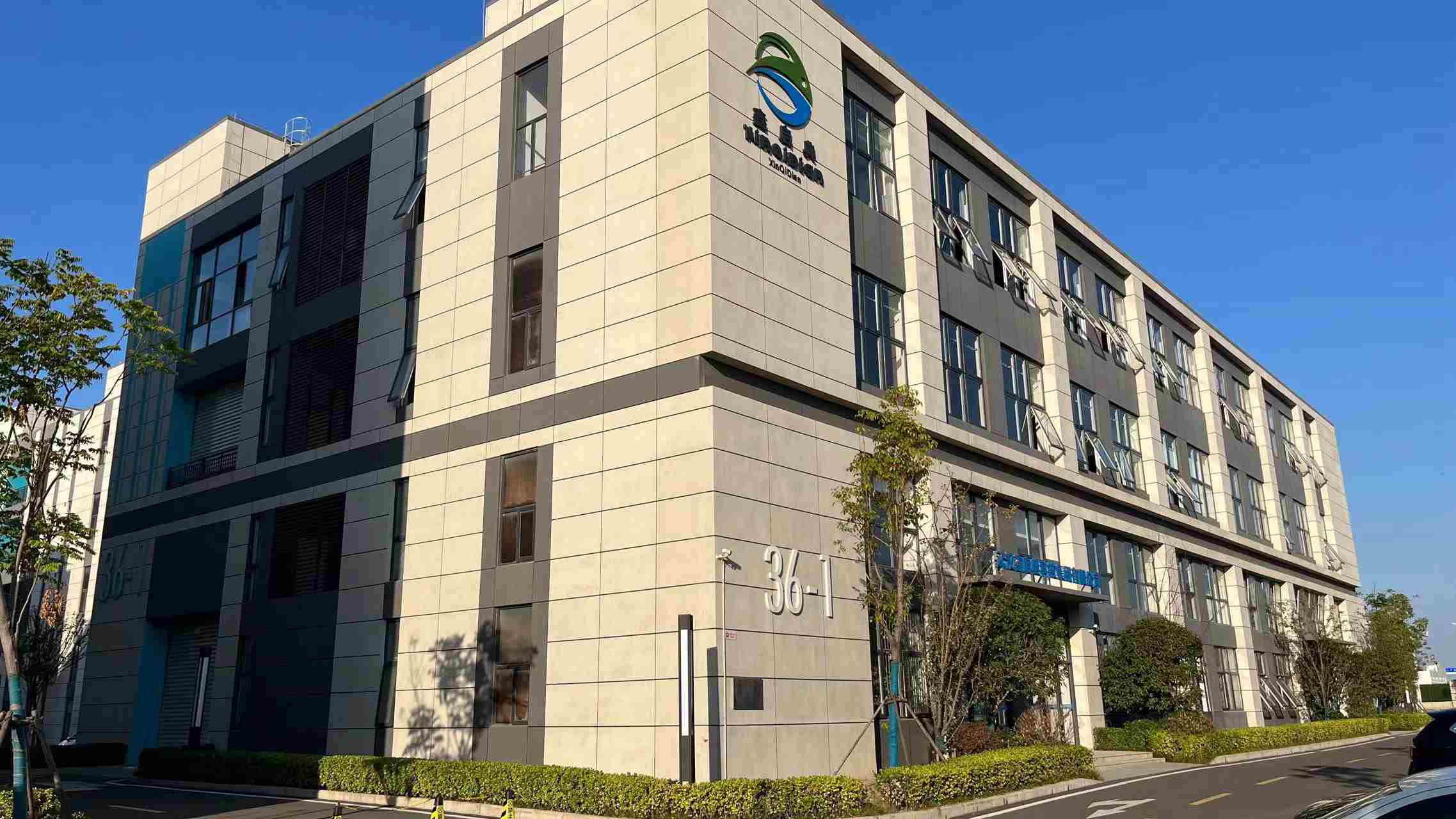
Established in 2016, NexaGPU has rapidly grown into a trusted provider of advanced GPU computing systems. The company operates a modern manufacturing facility with a building area of approximately 320㎡, supporting efficient production, assembly, and testing of AI server systems.
With an annual export revenue of USD 12 million, NexaGPU has built strong international business capabilities and maintains 6 years of export experience and 11 years of industry experience in high-performance computing and server manufacturing.
To ensure strict product quality, NexaGPU implements comprehensive multi-stage inspection processes, including hardware stress testing, thermal performance testing, and system stability validation. The company employs a dedicated quality assurance team of 45 QC specialists to maintain consistent product reliability.
NexaGPU has a solid trade background in global B2B technology supply chains, with major markets including North America, Europe, Southeast Asia, and the Middle East. The company works closely with over 850 supply chain partners, including GPU chip suppliers, motherboard manufacturers, server chassis factories, and cooling system providers.
Its main customer base includes AI startups, cloud computing providers, data centers, research institutions, and enterprise IT solution providers.
NexaGPU demonstrates strong R&D capability, supported by a team of 120 R&D engineers focused on GPU architecture optimization, AI server design, and liquid cooling technology. The company offers extensive customization options including GPU configuration, CPU selection, memory expansion, storage architecture, and liquid cooling systems.
In the past year, NexaGPU successfully launched 85 new product models, covering AI training servers, inference servers, and high-density GPU computing clusters.
Through continuous innovation and engineering excellence, NexaGPU is committed to delivering scalable, efficient, and reliable AI computing infrastructure for the global artificial intelligence industry.