NexaGPU
NexaGPU
NexaGPU
Explore our top-tier wholesale products engineered for LLM training, high-throughput inference workloads, and highly parallelized enterprise workloads.
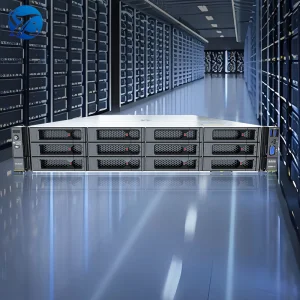
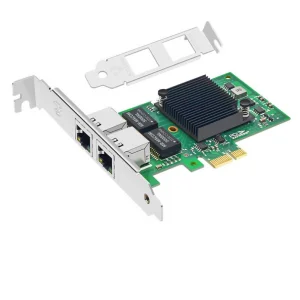
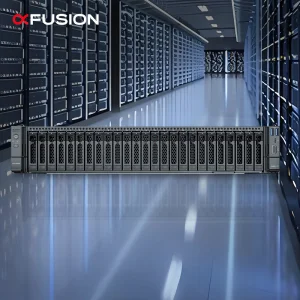
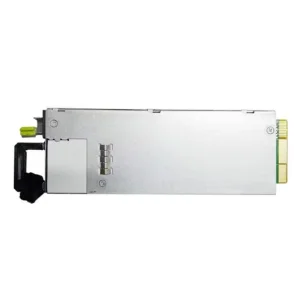
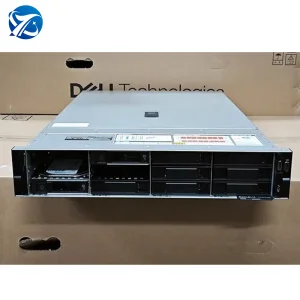
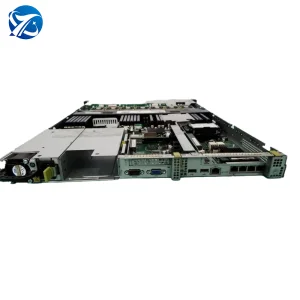
The global artificial intelligence trajectory has expanded beyond the initial pilot phase into high-volume, massive-scale deployment models. This transformation demands specialized, heterogeneous compute frameworks. Artificial Intelligence tools—specifically at the structural levels of large language models (LLMs), vision-language networks, and deep reinforcement models—have shifted from central cloud training clusters to hybrid topologies. Modern hyper-scale models demand robust localized deployments, multi-tenant cloud operations, and low-latency edge nodes.
To cope with the exponential growth of neural networks, global infrastructure architectures are migrating from general-purpose CPUs to dense GPU clusters. Accelerators engineered for massive matrix operations are essential. In response, global B2B procurement strategies are prioritizing extreme power density, advanced thermal dissipation, and highly flexible PCIe expansion designs. This approach ensures compatibility with diverse array architectures and specialized network topologies.
"By 2026, the density requirements for high-performance computing centers will exceed 45kW per rack, requiring a shift to hybrid liquid-cooling infrastructures and direct-to-die hardware architectures."
Global AI infrastructure needs have evolved through three distinct waves. The latest wave places hardware performance at the center of competitive advantage.
Wave 1: Algorithmic (2012-2018)
Focused on CNN/RNN structures, relying on standard CPU/GPU scaling.
Wave 2: Large-Scale Transformer (2018-2023)
Massive cluster synchronization via NVLink and InfiniBand fabrics.
Wave 3: Multi-Modal & Edge Inference (2024-Present)
Real-time high-efficiency inference requiring low-latency memory paths and robust edge nodes.
Industrial and enterprise deployment requires deep scrutiny of hardware specifications to maximize computing-to-power efficiency ratios.
Modern training demands massive communication throughput across clusters. Buyers focus on PCIe Gen 5.0 lanes, NVLink mesh networks, and integration with 400Gbps InfiniBand interfaces to prevent bottlenecks during backpropagation.
TCO optimization involves balancing upfront acquisition costs with long-term energy consumption. Platinum-grade power supplies (900W to 2000W+) with 94%+ efficiency ratings minimize operational expenditures and reduce carbon footprints.
Hardware failures during extensive LLM training runs cost time and resources. Enterprise-grade AI servers require rigorous multi-hour thermal stress tests and validation of components like memory controllers and RAID cards.
Bandwidth constraints present significant hurdles in scaling model parameters. Our architectures utilize low-latency pathways to sustain high throughput.
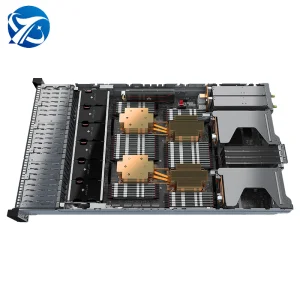
Thermal mitigation remains a key engineering challenge in dense server designs. Modern accelerators, often exceeding 700W TDP, run hot. Our servers feature optimized airflow paths and intelligent cooling zones, ensuring uninterrupted uptime under peak computational loads. High-efficiency heat pipes, dual-row counter-rotating fans, and optional liquid loop cooling blocks maintain optimal operation temperatures, preventing thermal throttling.
Furthermore, using advanced, enterprise-grade storage controllers—such as the Tri-Mode PCIe Gen 4.0/5.0 RAID cards—provides the high-throughput, low-latency, and redundant storage paths necessary to feed data to computing arrays without delay.
China's AI hardware manufacturing sector has evolved from simple assembly lines into a highly integrated "Factory 4.0" ecosystem. Centered in advanced industrial corridors like Shenzhen and Dongguan, this ecosystem combines component fabrication, PCB layout, chassis metalworking, precision cooling engineering, and high-level validation into a single workflow. This tight integration keeps supply chains resilient, mitigates geopolitical risks, and ensures rapid delivery times.
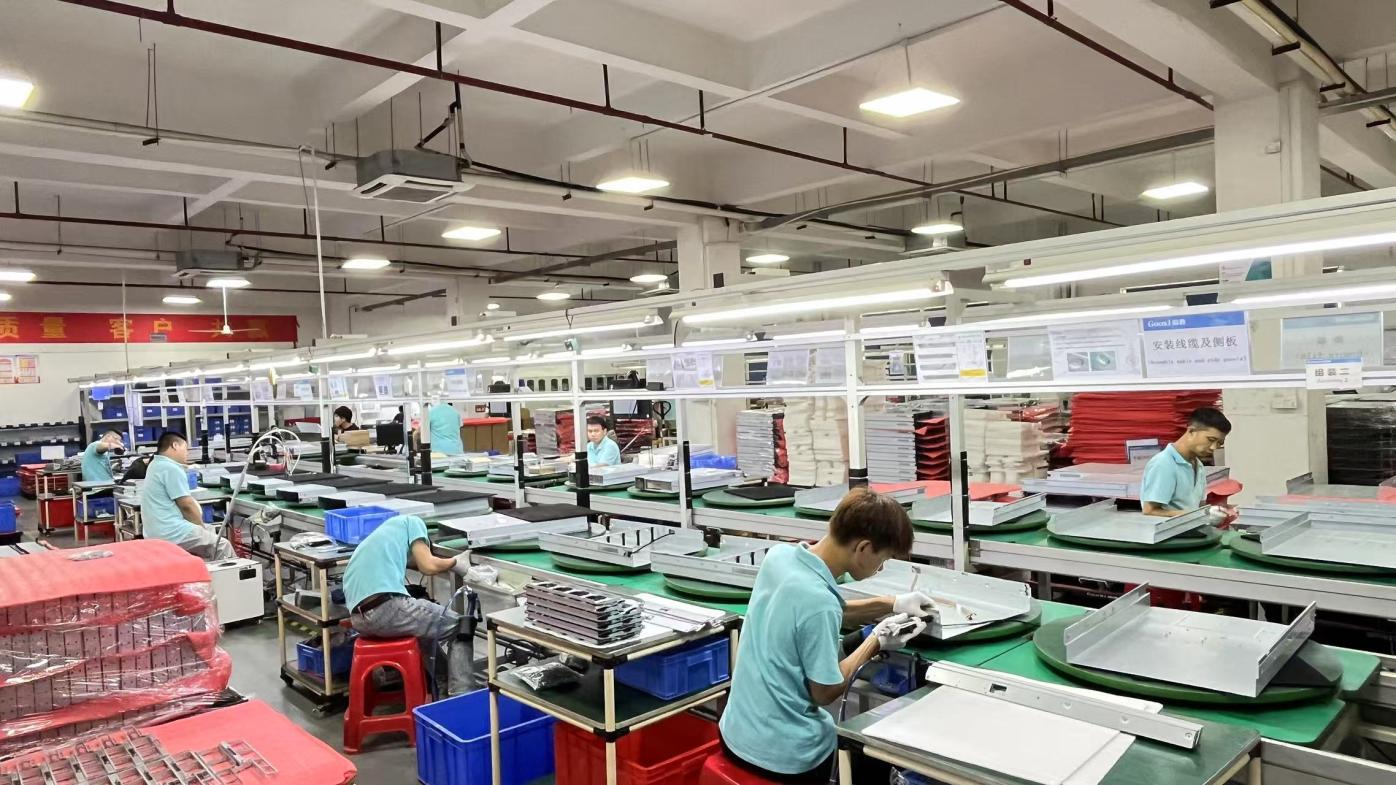
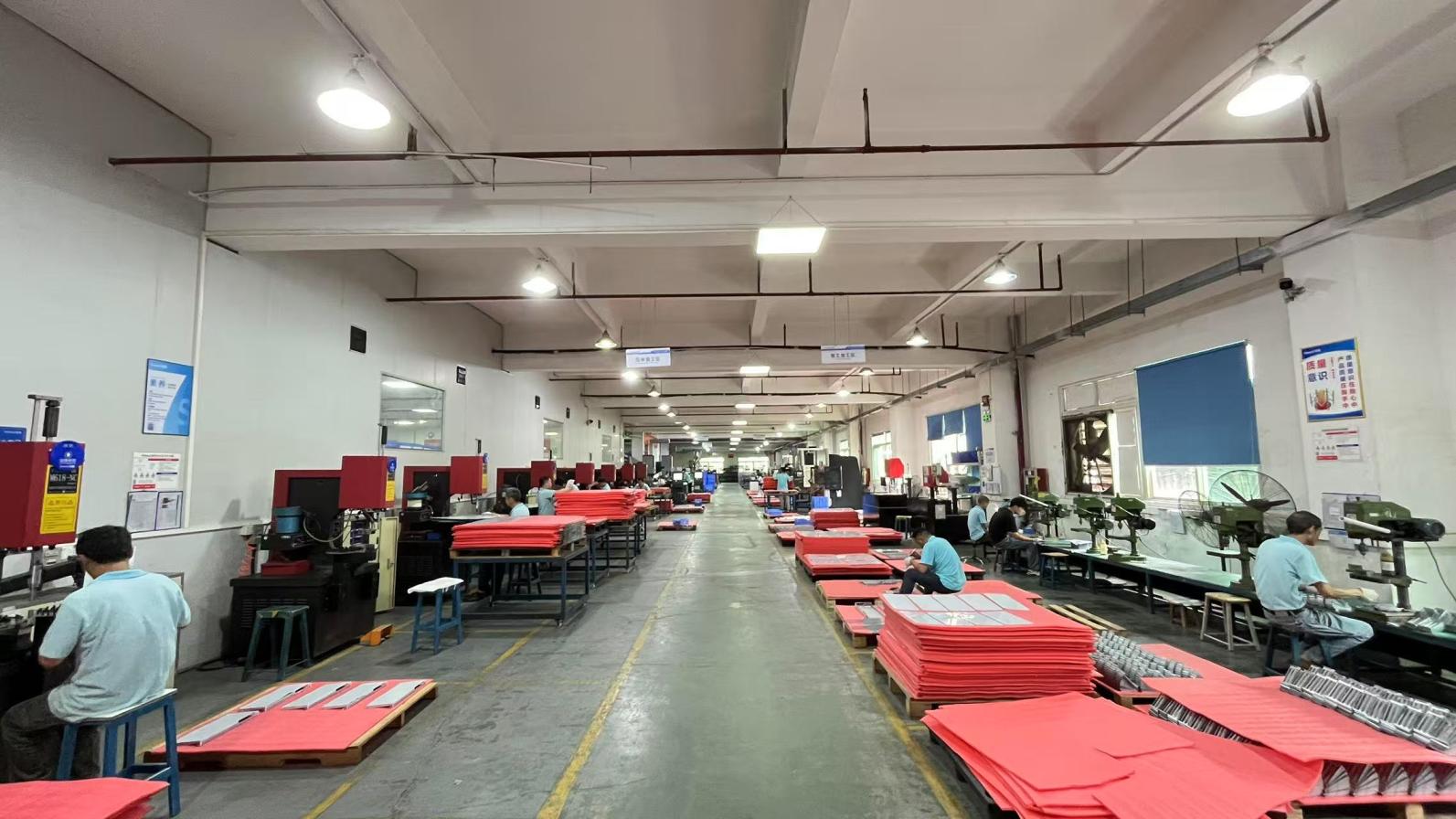
NexaGPU (established in 2016) operates within this integrated environment. With a dedicated 320㎡ modern assembly, testing, and burn-in facility, NexaGPU leverages its 11 years of computing experience to ship enterprise-grade systems worldwide. Our deep integration with over 850 verified supply chain partners—including component manufacturers, motherboard designers, and power supply providers—helps buffer against chip and component shortages.
Our quality assurance protocol includes multi-stage burn-in processes: hardware stress validation, thermal-profile mapping, and OS level cluster synchronization, overseen by 45 dedicated QC specialists.
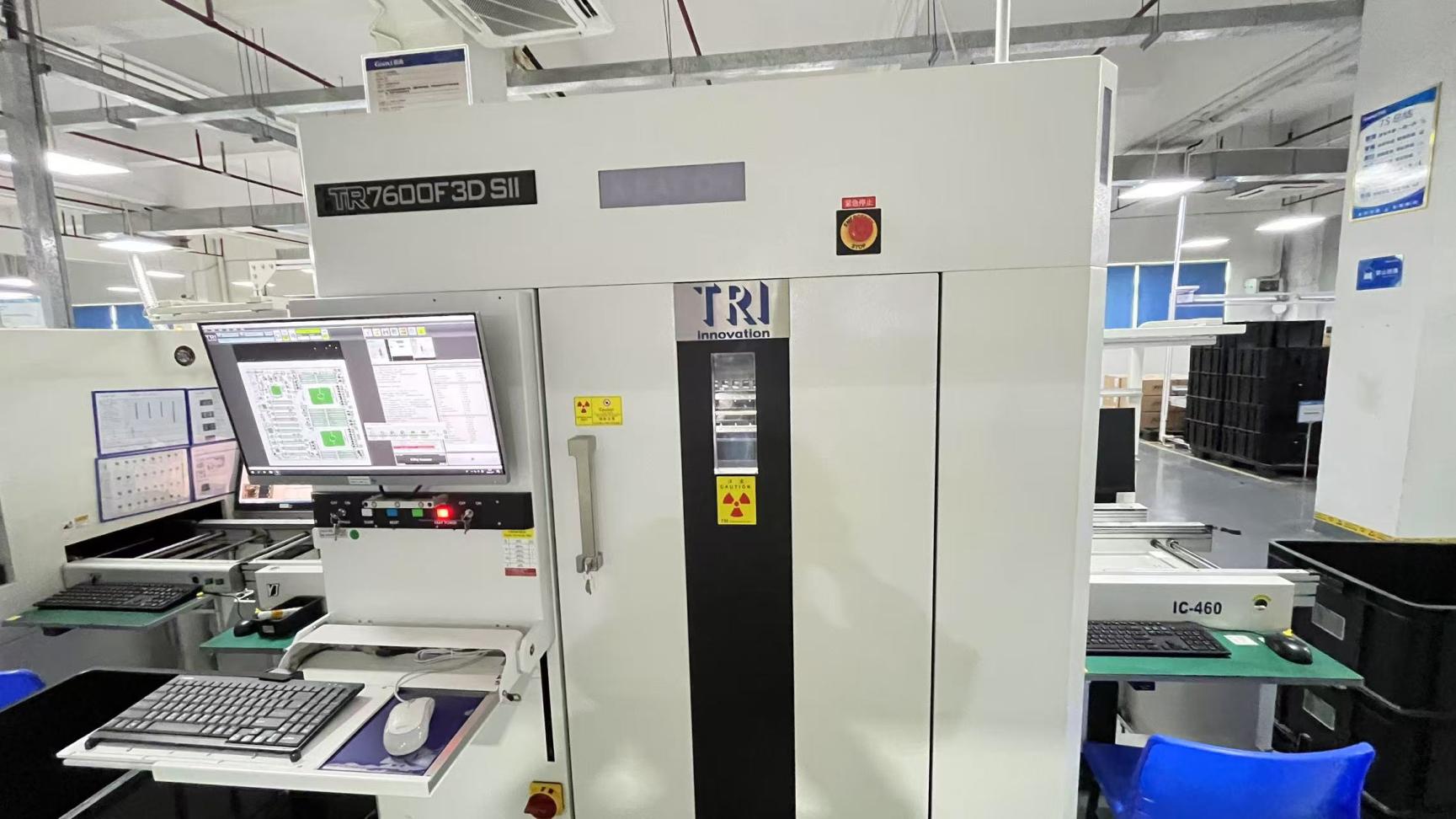
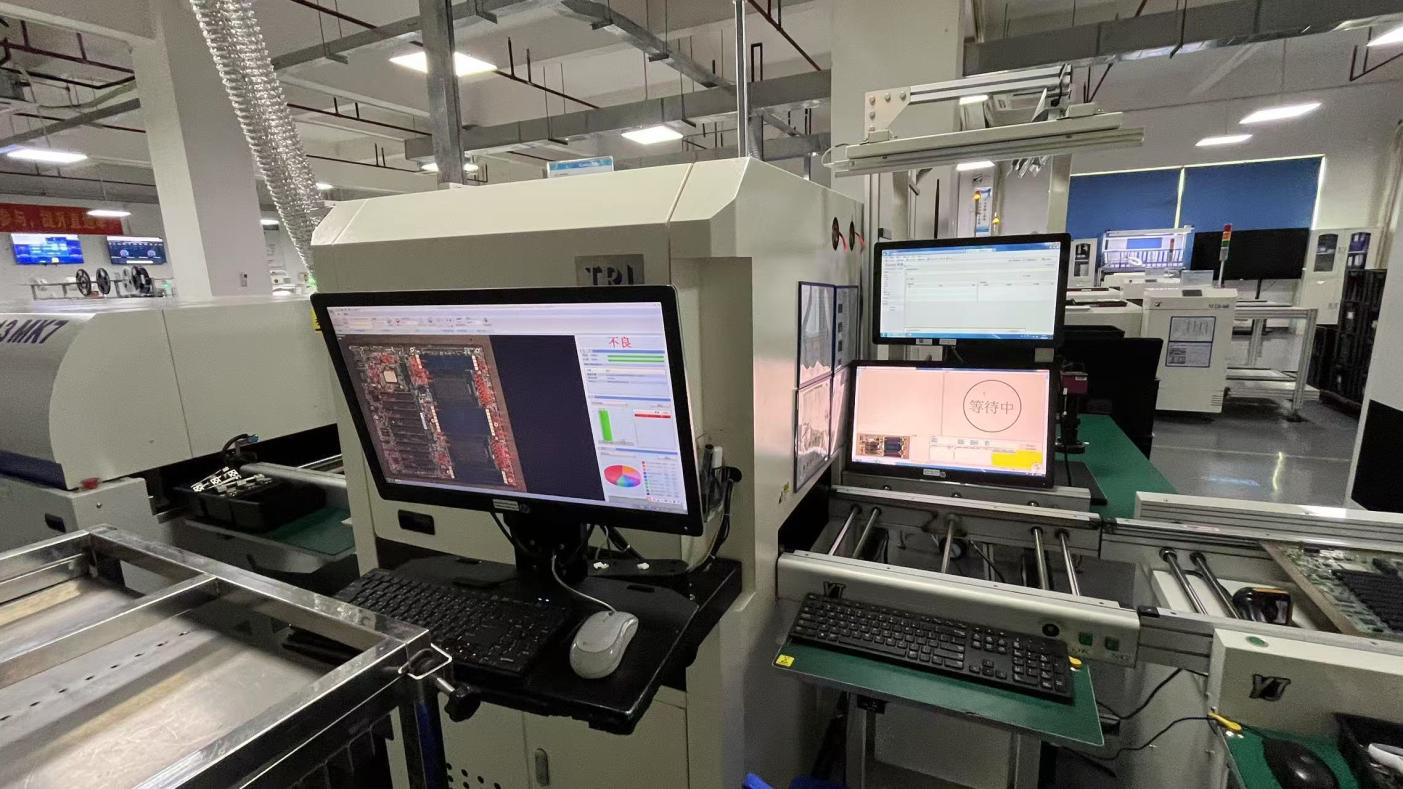
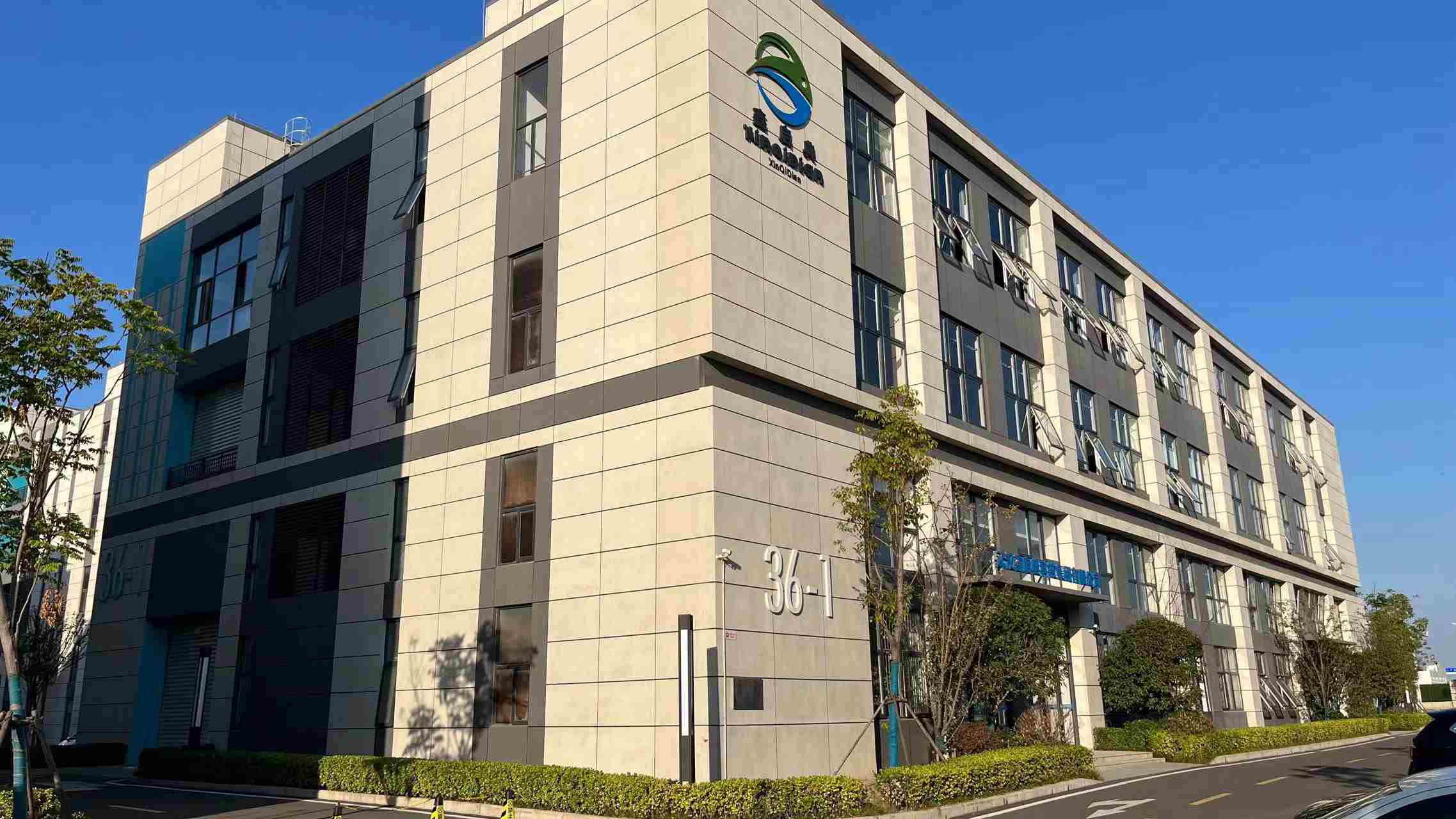
How high-performance AI computing hardware translates to real-world deployment efficiency across industries.
Enterprises looking to safeguard proprietary data choose private clouds over public API calls. Custom 2U/4U GPU servers act as local training environments, allowing organizations to fine-tune custom LLM models safely behind their own firewalls.
Self-driving networks and industrial robotics require edge nodes to process visual feeds in real time. Systems must offer high IOPS storage, low-latency RAM, and shock-absorbent mounting options for rugged deployments.
Simulating protein structures and molecular dynamics requires massive matrix computation. Highly dense GPU configurations with scalable interconnect fabrics drastically reduce the time needed to compute complex molecular configurations.
Direct answers to technical questions about our GPU and high-performance server exports.
Our AI server architectures are designed for high interconnect density. By using PCIe Gen 5.0 lanes alongside high-performance Host Channel Adapters (HCAs), we support multi-node InfiniBand clustering. This reduces synchronization latency during parallel training, keeping training cycles efficient.
Our 120-strong R&D engineering team offers extensive custom designs. Customers can select from various GPU card configurations, specify CPU lineups (Intel Xeon Scalable or AMD EPYC), scale memory up to 4TB ECC DDR5, configure PCIe storage arrays, and choose between custom air systems or direct-to-chip liquid cooling loops.
NexaGPU runs a multi-tier testing routine: first, individual component checks, followed by 24 to 72 hours of thermal stress testing under peak computational loads, and finally, full-system validation. Our QC team of 45 specialists monitors everything, ensuring each unit meets reliability standards before shipment.
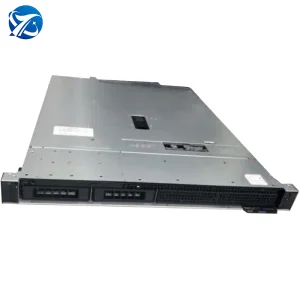
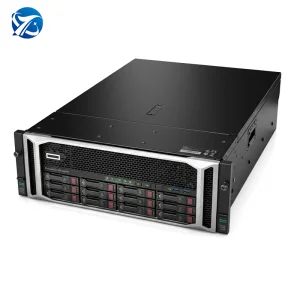
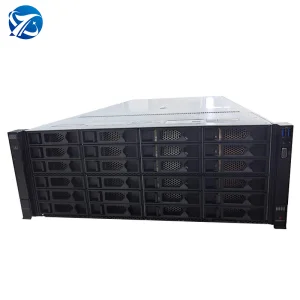
Yes. Standard 1U, 2U, and 4U dimensions match typical 19-inch racks. Dual redundant 900W to 2000W+ platinum PSUs are compatible with most standard power distribution units (PDUs) in modern data centers, minimizing power conversion loss.
Standard configurations typically ship within 2 to 3 weeks. Custom GPU topologies or large-scale orders may take 4 to 6 weeks, which includes prototype testing. With 6 years of export experience, we handle customs clearance and shipping logistics to major regions including North America, Europe, Southeast Asia, and the Middle East.
Review our additional computing options, power units, and RAID cards designed for industrial-level deployments.