NexaGPU
NexaGPU
NexaGPU
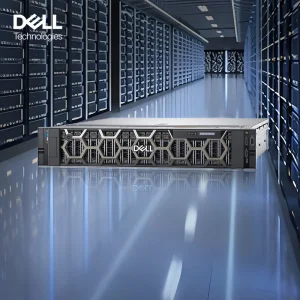
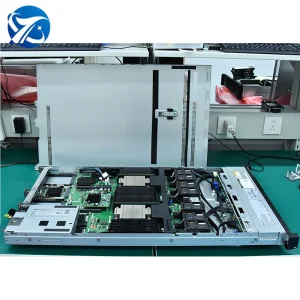
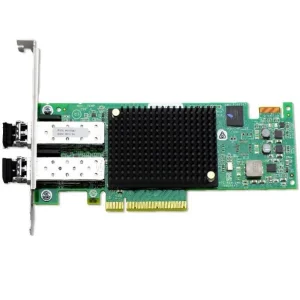
Analyzing the evolution of hardware monitoring, BMC firmware security, and the move toward Redfish APIs.
In modern enterprise infrastructures, the raw physical server is only as strong as the software layer managing it. Legacy Intelligent Platform Management Interface (IPMI) protocols, while universally adopted, are no longer sufficient to handle the dynamic telemetry requirements of highly scaled AI clusters. Today's industrial server management software factories in China are developing sophisticated firmware utilizing Redfish APIs to replace rigid legacy commands with standardized RESTful resource representations.
This allows operations teams to interact with hardware platforms using standard JSON payloads over HTTPS. Data centers can automate discovery, configure RAID configurations, manage bios parameters, and initiate remote OS installs natively through global DevOps frameworks (such as Ansible, Terraform, and Kubernetes operators). Security is integrated at the silicon level, utilizing cryptographic verification protocols to secure the system against malicious firmware injections.
A critical trend driving modern server management development is the adoption of open-source BMC stacks, specifically OpenBMC. Leading Chinese server manufacturers and software factories are moving away from proprietary, vendor-locked AMI or Avocent-based BIOS/BMC builds. OpenBMC provides a Linux distribution for Baseboard Management Controllers, offering transparency, rapid vulnerability patching, and modular customization.
By tailoring OpenBMC to specific server configurations, developers can achieve sub-second telemetry sampling rates for voltage, airflow, temperature, and current metrics. This hardware-software co-design ensures that high-power AI GPU server platforms (such as those running H100, H800, or domestic AI chip arrays) can dynamically adjust fan speeds and power thresholds, preventing thermal throttling before it impacts deep learning execution phases.
Leveraging deep industrial experience and strict quality validation to output next-generation AI infrastructure.
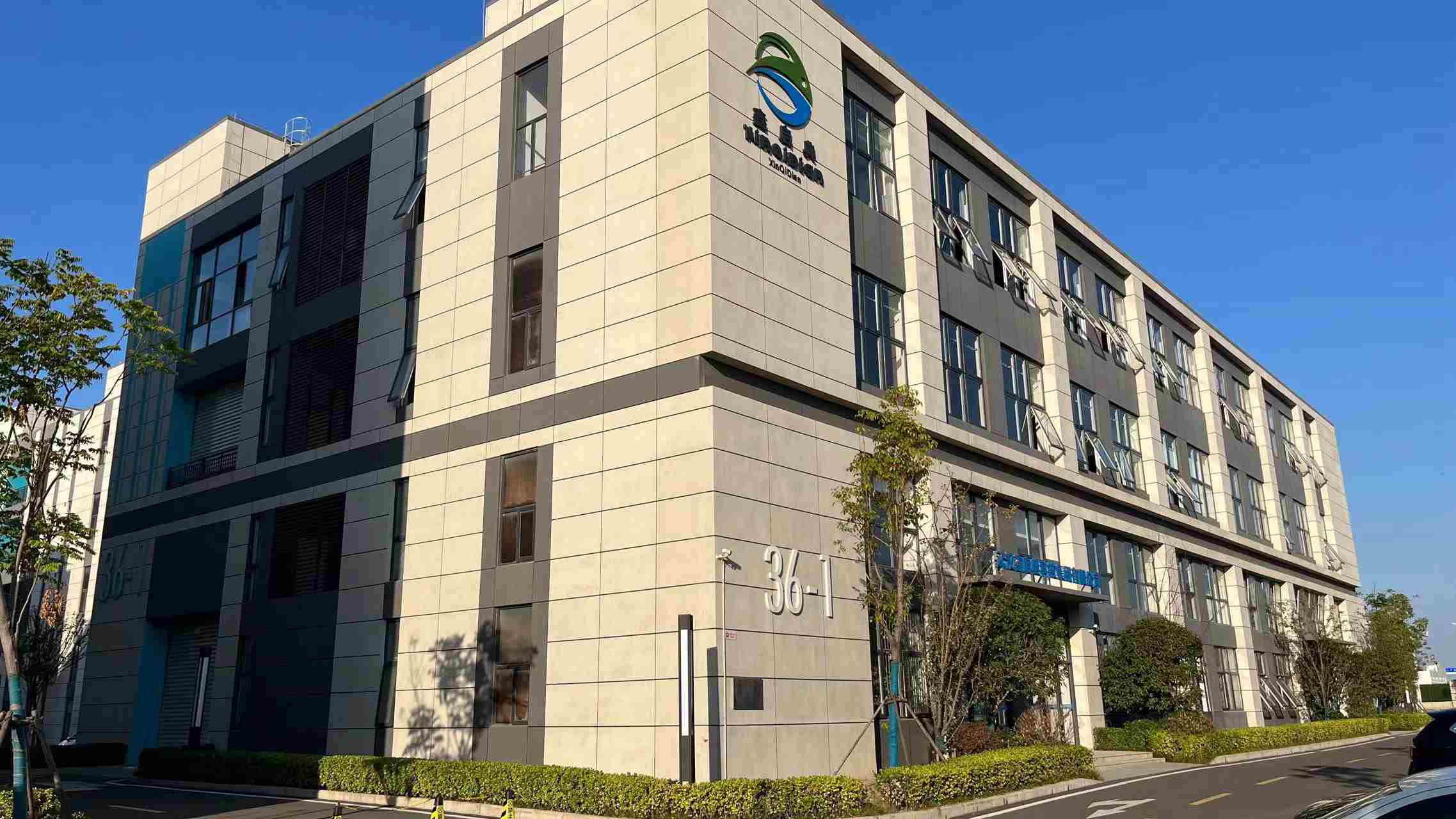
NexaGPU is a premier AI GPU server manufacturer and software supplier, specializing in high-performance computing infrastructure, complex GPU clusters, and custom AI server deployments for worldwide enterprises and datacenters. Operating a highly specialized, modern manufacturing facility with a building area of approximately 320㎡, NexaGPU relies on precision-engineered execution rather than bulk physical footprint. This specialized footprint acts as a high-density customization lab where specialized system architectures, water-cooling manifests, and custom firmware modules are validated before high-volume runs.
With an annual export revenue of USD 12 million, NexaGPU possesses a mature global logistics system and holds 6 years of export experience alongside 11 years of deep industry experience. To support high reliability requirements, NexaGPU implements strict multi-stage inspection standards covering physical hardware stress testing, high-temperature thermal profiling, and system-level firmware verification.
Our dedicated team of 45 Quality Control (QC) specialists works alongside our 120 R&D engineers to ensure that every server management controller integrates cleanly with the host Operating System and hardware virtualization layers. NexaGPU’s extensive portfolio comprises AI training hardware, low-latency inference setups, and custom multi-GPU server designs.
NexaGPU maintains a solid trade background in global B2B technology supply chains, with major markets spanning North America, Europe, Southeast Asia, and the Middle East. Operating a tight technology cluster, NexaGPU partners with over 850 supply chain providers, including GPU chip developers, high-density server chassis factories, multi-layer PCB producers, and state-of-the-art cooling system manufacturers.
Our typical clients are enterprise IT teams, high-performance cloud providers, AI startups, academic computing facilities, and regional colocation centers. By focusing on both hardware scalability and customized remote management firmware, NexaGPU ensures that clients can deploy, manage, and scale server infrastructure with minimal administrative overhead.
A multi-year horizon detailing the convergence of telemetry, AI-driven automation, and deep security protocols.
Traditional polling mechanisms (using SNMP or simple CLI tools) query the BMC every 30 to 60 seconds. This is insufficient for tracking short thermal spikes caused by dynamic AI model execution. Modern software architectures leverage event-driven streaming telemetries (such as gRPC or WebSocket connections) to publish continuous sensor states to central analytics platforms. By capturing real-time telemetry, monitoring engines can correlate software workloads with hardware heat signatures, offering immediate root-cause diagnostics.
By pairing streaming telemetry with centralized machine learning pipelines, server management platforms enter the era of AIOps (Artificial Intelligence for IT Operations). Instead of reacting to a failed power supply or damaged DRAM stick, predictive maintenance models identify anomalies in voltage degradation or memory read/write ECC retry rates. The system flags failing elements, initiates migration of active containers or virtual machines, and submits a warehouse replacement ticket before system disruption occurs.
Securing the low-level BIOS/BMC code is critical for enterprise platforms. Future-proof management software relies on a Silicon Root of Trust (RoT), embedding cryptographic checks directly within hardware ASIC chips. When a server boots, the RoT verifies the digital signature of the BMC firmware, preventing unauthorized modifications. If verification fails, the controller reverts to a protected recovery partition, blocking low-level firmware exploits and ensuring reliable operating states.
Tailored configurations optimized to address demanding workloads across global data center ecosystems.
For hyperscale hosting environments, deployment speed and unit efficiency are paramount. Chinese software frameworks provide bare-metal provisioning platforms that automatically configure physical servers immediately after they are racked and cabled. Administrators can deploy thousands of nodes simultaneously, updating network policies, partitioning local storage, and configuring virtual local area networks (VLANs) without local human interaction.
GPU clusters require customized thermal and power monitoring due to the power draw of multi-card configurations. Server management platforms allow infrastructure managers to define group power caps and load profiles. If utility power is interrupted, the management software enforces intelligent power-limiting parameters, slowing down non-essential jobs while keeping key production inference instances active, minimizing unexpected downtime.
Deploying equipment in remote areas without on-site IT technicians requires complete virtual control. Localized Out-Of-Band (OOB) software capabilities allow technicians to access virtual KVM consoles, mount ISO storage files, and power cycle components remotely. High security standard integration protects communications across public networks via end-to-end encryption protocols.
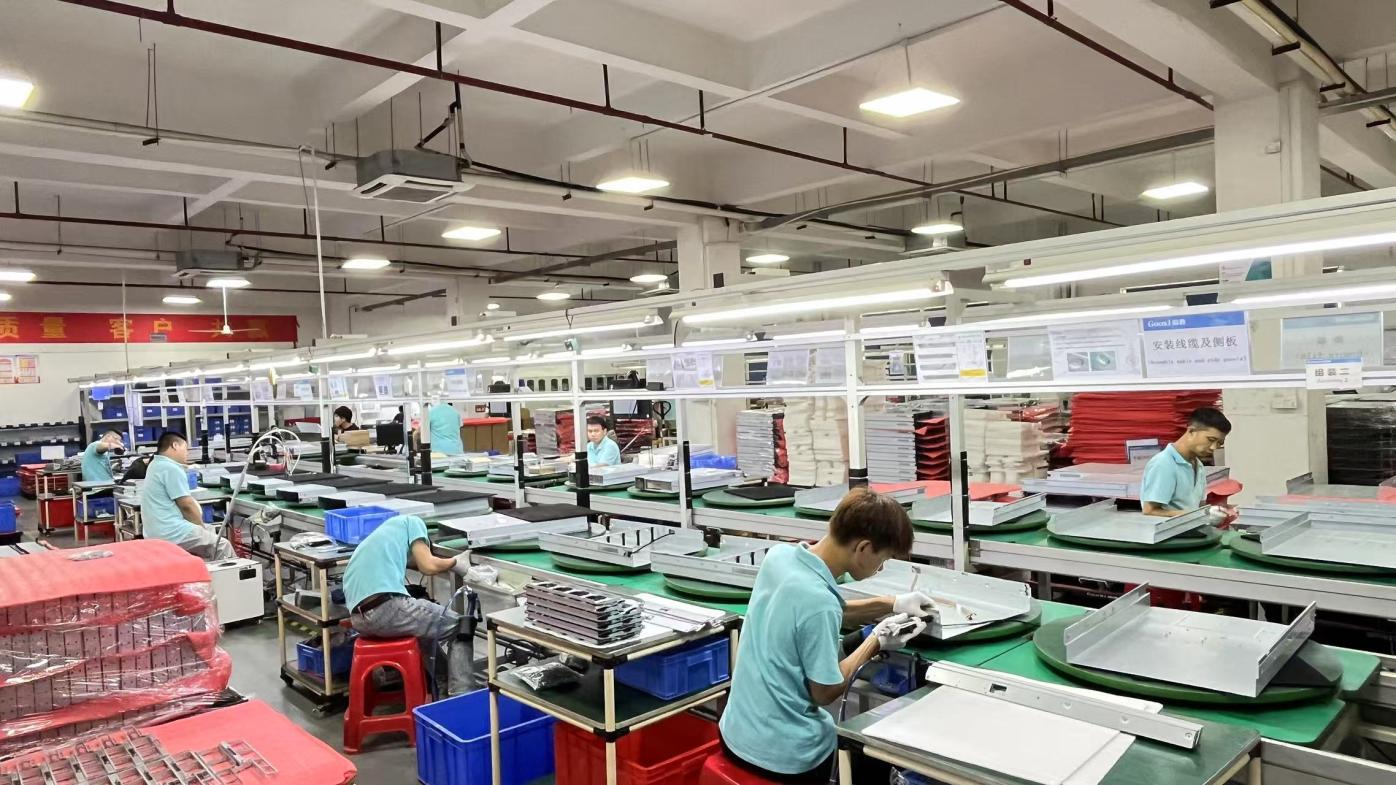
Combining automated assembly, localized component testing, and direct system testing integration.
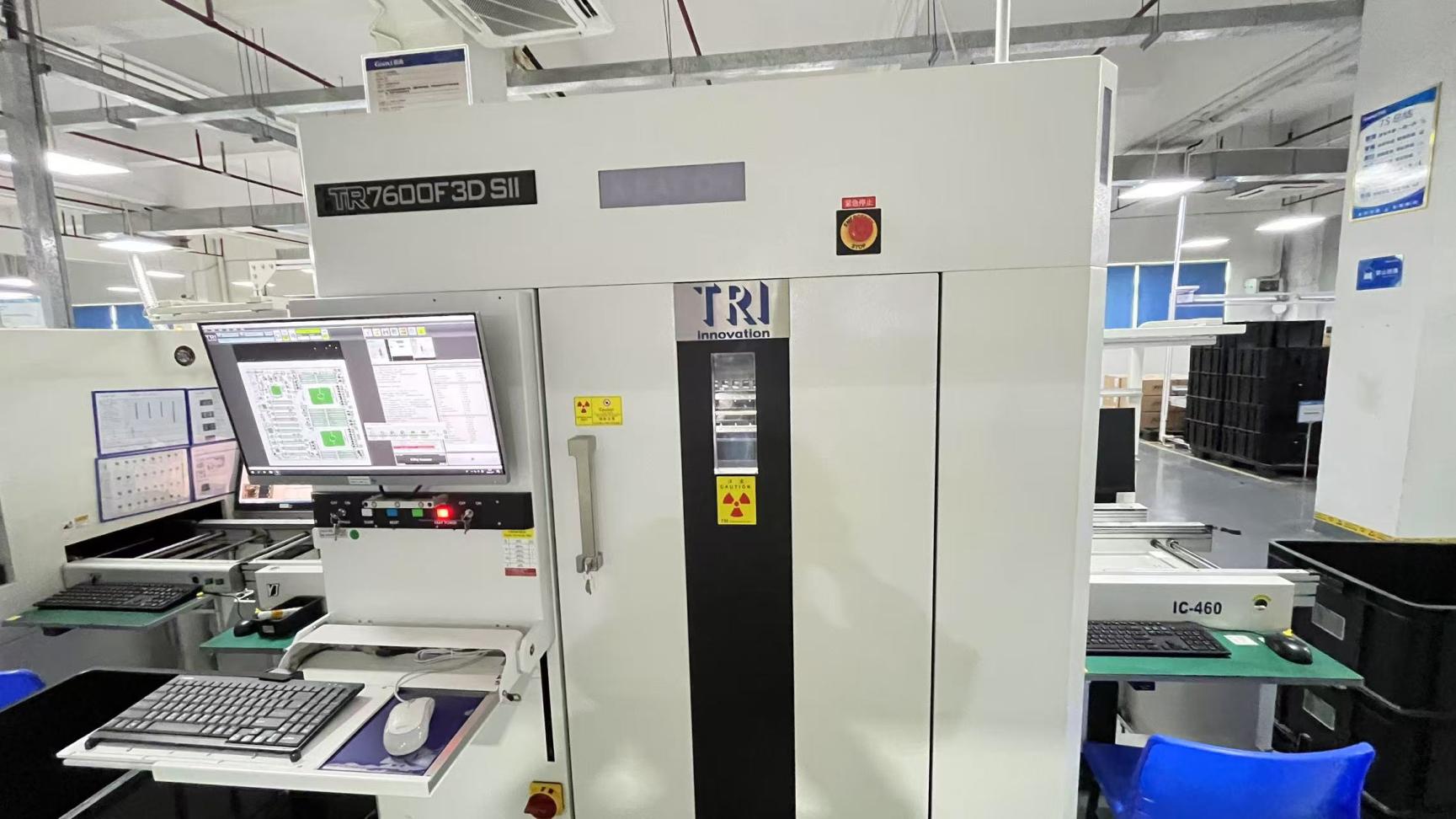
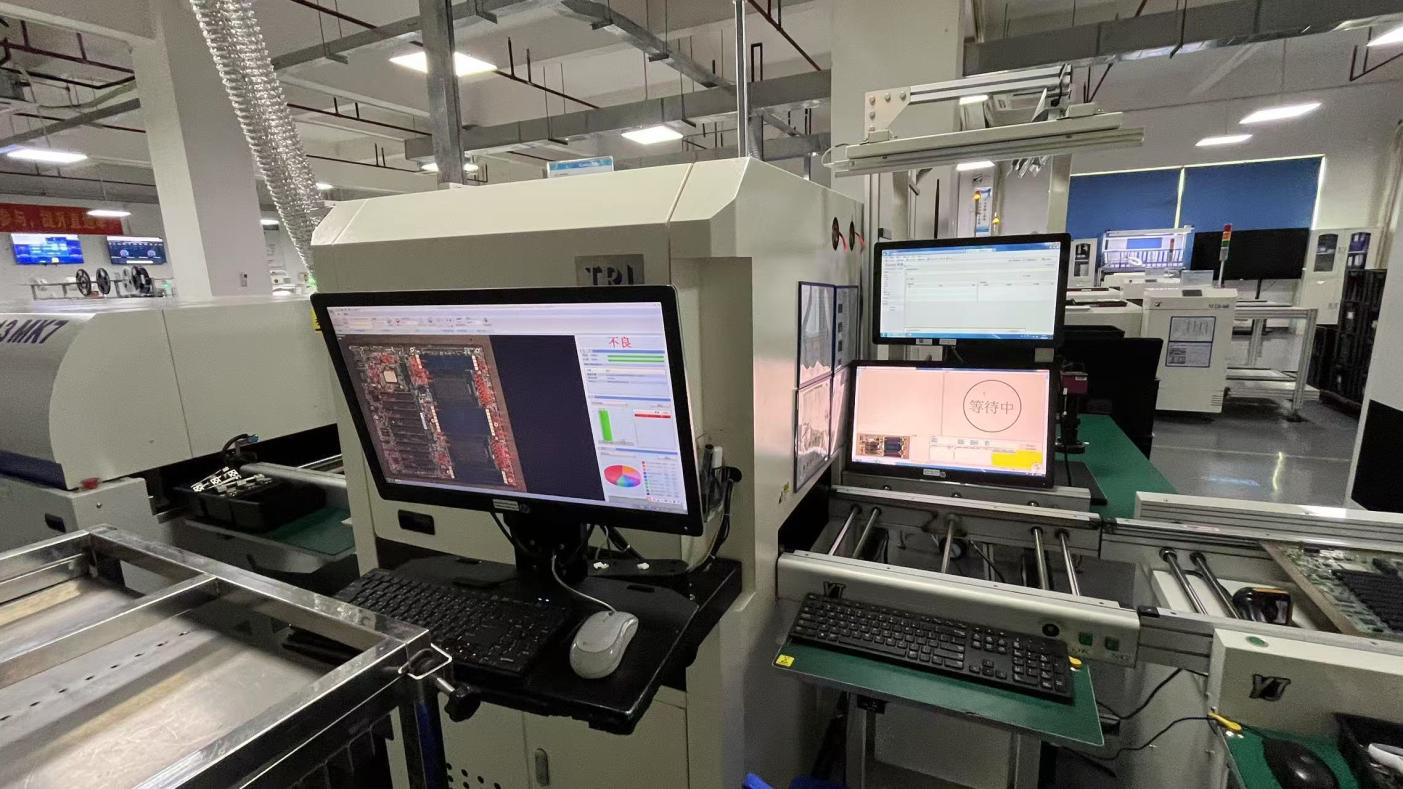
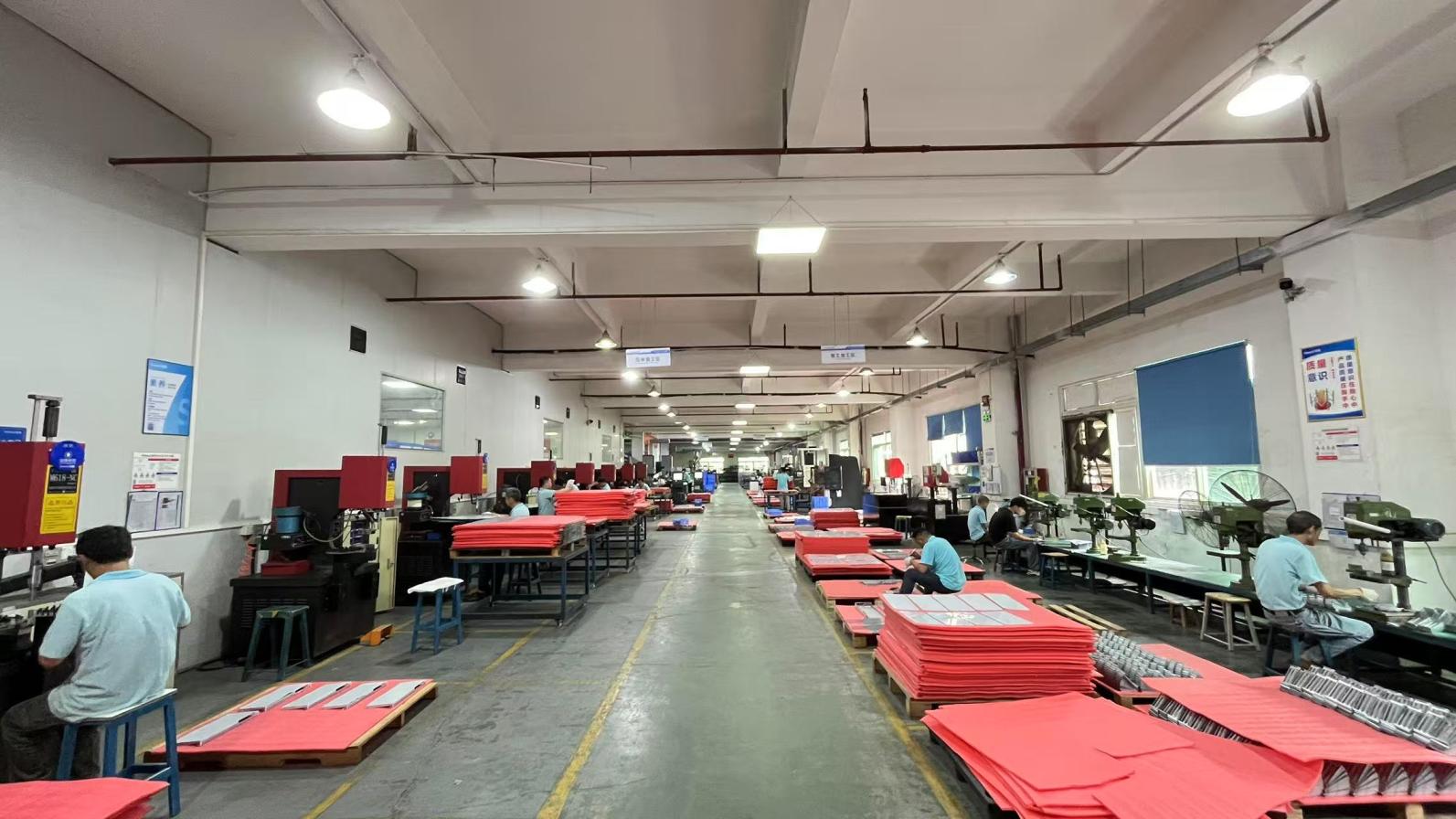
China's server manufacturing sector has evolved from simple assembly facilities into intelligent, software-driven factories. Industrial installations employ Manufacturing Execution Systems (MES) to track components from entry to final packaging. By linking these tracking systems with supplier databases (covering over 850 partner networks), factories maintain real-time visibility over critical system components.
This deep supply chain integration provides three distinct advantages to global buyers:
NexaGPU's high-precision testing lab operates a multi-stage software-hardware assurance process. This process includes continuous thermal cycling, checking component response times, and simulating potential power irregularities. Because the company employs a high ratio of R&D engineers (120 engineers) to assembly staff, technical updates and specialized software builds can be quickly deployed and validated across the manufacturing floor.
Meeting international security regulations, data privacy requirements, and localization protocols.
Industrial systems deployed internationally must comply with strict national regulations. For European Union operations, compliance with the General Data Protection Regulation (GDPR) is essential, particularly regarding the handling of system telemetry. Modern server software ensures no personal data or application information is transmitted over monitoring channels, encrypting metadata to maintain compliance with regional regulations.
Securing out-of-band communication channels is critical. Software stacks leverage enterprise cryptography, including TLS 1.3, SSHv2, and AES-256 for KVM encryption. Furthermore, integrating Active Directory, LDAP, or Single Sign-On (SSO) frameworks enables administrators to manage access permissions across their infrastructure.
To guard against firmware vulnerabilities, international buyers require detailed auditing capabilities. Supply chains must provide cryptographic verification showing that no modified code was introduced during transport. NexaGPU satisfies this requirement by offering documented cryptographic signing and secure firmware validation prior to final shipment.
Addressing core technical questions from global procurement managers and infrastructure architects.
OpenBMC offers transparency, security, and flexibility compared to closed proprietary firmware. It enables developers to audit code, patch vulnerabilities without waiting for vendor updates, and strip out unnecessary modules. It also integrates seamlessly with modern datacenter tooling via RESTful APIs and standard Linux components.
Advanced software interfaces monitor coolant pressure, inlet/outlet temperatures, and leak detection loops. It dynamically balances pump speeds and fan configurations to match current workloads, maximizing energy efficiency and protecting high-density hardware from thermal issues.
Redfish is an open-standard specification designed by the DMTF for secure modern computer hardware management. It uses a JSON-based schema over HTTPS, making it easy for automation tools (like Ansible or Python scripts) to discover nodes, monitor hardware telemetry, and deploy configurations consistently across different vendor platforms.
A Silicon Root of Trust is a hardware-anchored cryptographic element on the motherboard. During boot, it cryptographically validates the signature of the primary boot code. If the signature is invalid (indicating alteration), the system halts boot or rolls back to a safe firmware backup, preventing malware from running at the firmware level.
NexaGPU offers pre-configuration services including custom BIOS/BMC configurations, network settings, security certificates, and operating system deployment. This allows systems to be immediately integrated into host datacenters upon arrival, reducing setup time and configuration errors.