NexaGPU
NexaGPU
NexaGPU
Deploy critical network automation applications and AIOps frameworks on industrial-grade server architectures designed for heavy workloads.
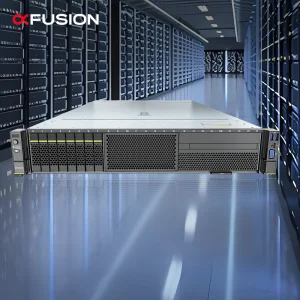
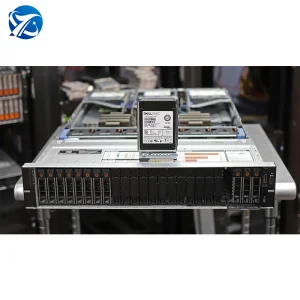
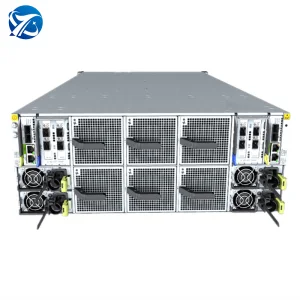
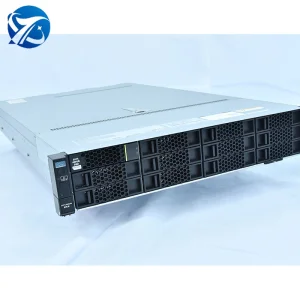
In the era of hyper-scale cloud computing, decentralized 5G deployments, and AI-driven systems, the global networking ecosystem is undergoing a fundamental shift. Manual command-line interface (CLI) configurations are no longer sufficient to manage the scale and velocity of modern data transfer. Global enterprise networks demand automated orchestrators, intent-based networking (IBN) architectures, and NetDevOps practices to maintain system availability and reduce configuration drift.
"Modern network automation is not merely a software layer. It is a tightly integrated hardware-software ecosystem. Real-time telemetry, automated pathing, and zero-trust policy distribution require massive, reliable server infrastructure operating at the edge and core of the enterprise."
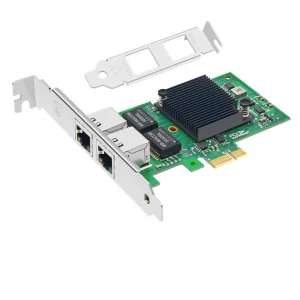
Chinese manufacturers and factories have transitioned from simple component assemblers to become the primary innovation hubs for network automation hardware. By engineering high-performance rack servers, specialized network interface cards (NICs), and GPU-accelerated computing nodes, factories like NexaGPU provide the processing power necessary for closed-loop automation tools, NetDevOps CI/CD pipelines, and deep-learning-based traffic anomaly detectors.
Integrating network configurations into Git-based repositories (Infrastructure as Code) requires continuous integration platforms to run simulation twins, ensuring configurations do not break production networks.
Deploying Large Language Models (LLMs) and advanced deep learning to interpret streaming network telemetry data, identify anomaly patterns, and self-heal routing pathways autonomously.
Decentralizing control logic to hundreds of regional nodes via software-defined networking, reducing packet delay and ensuring high regional availability for factories and smart logistics hubs.
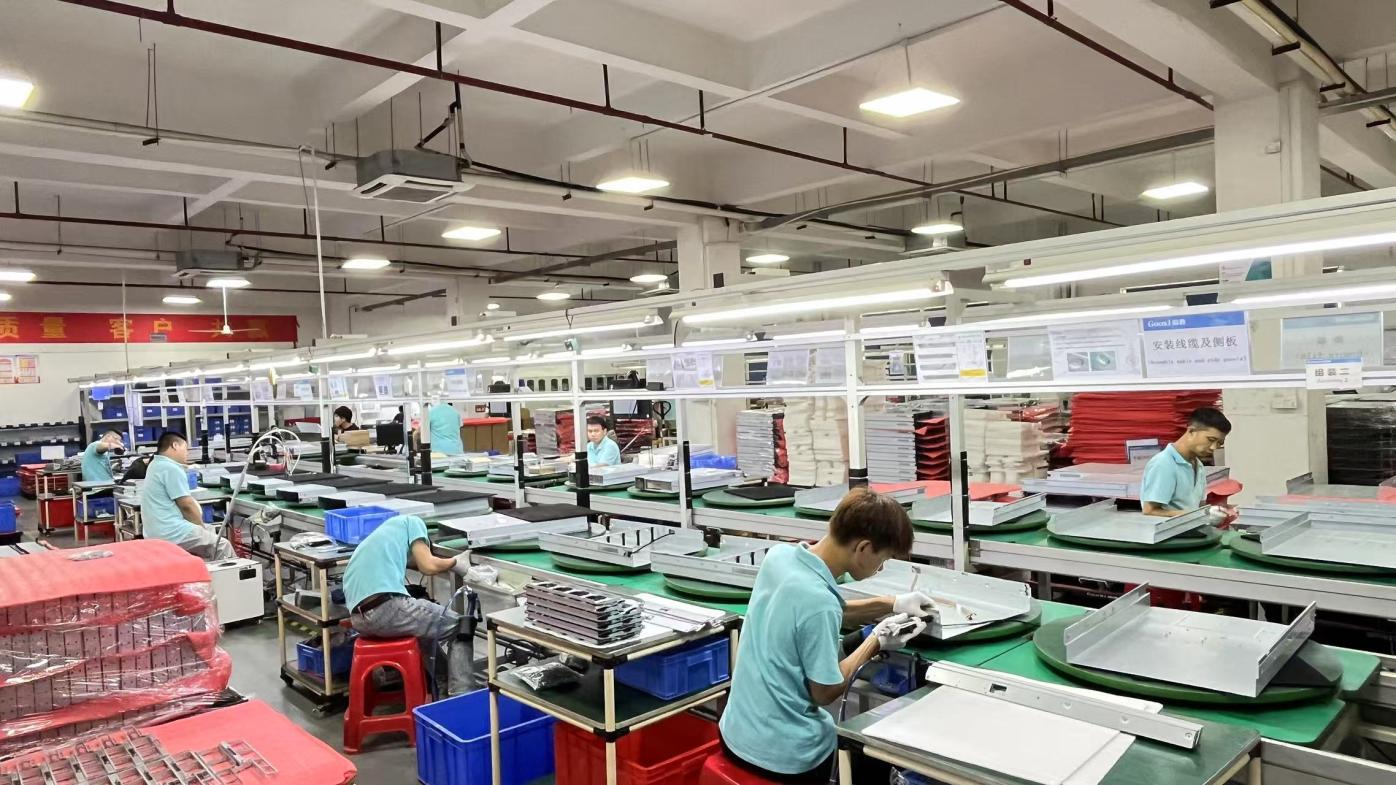
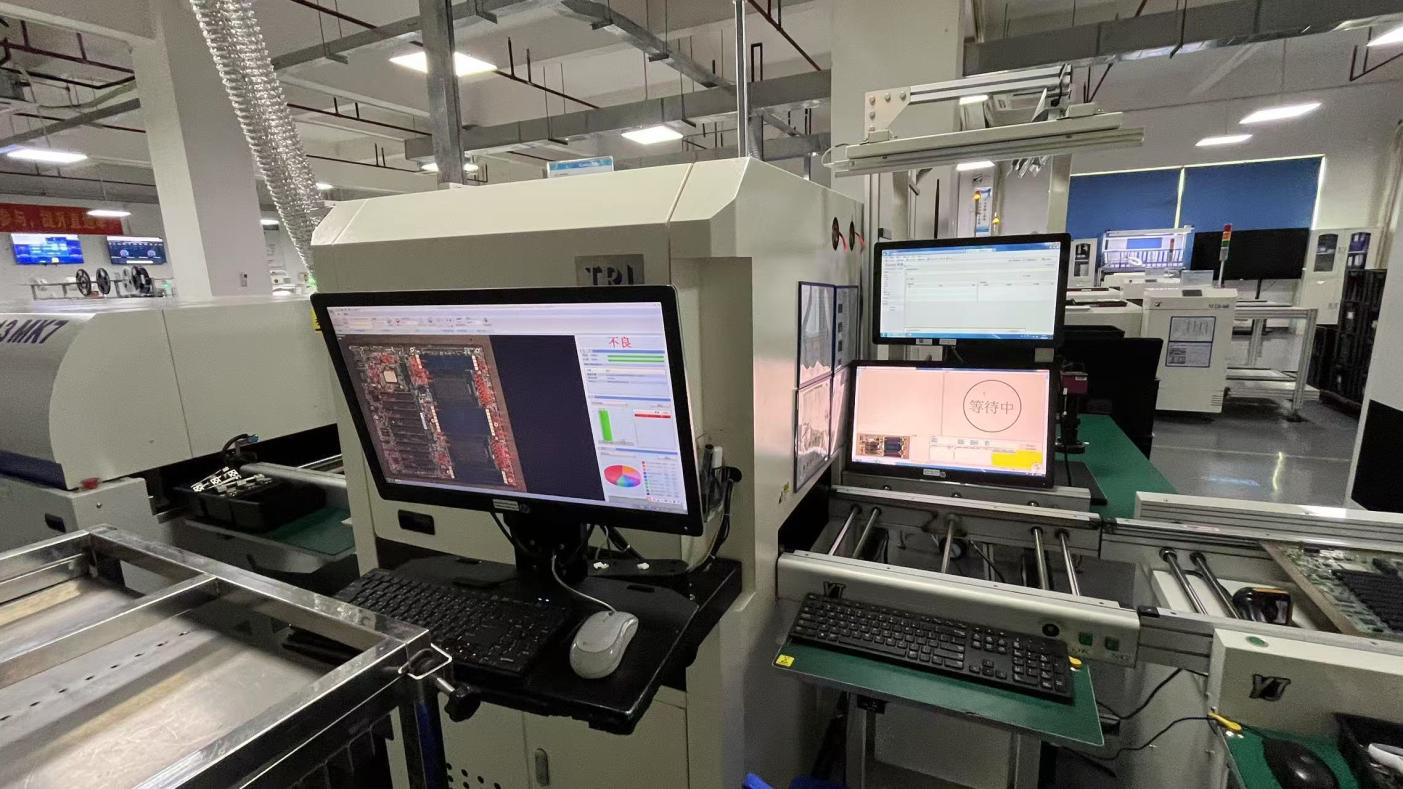
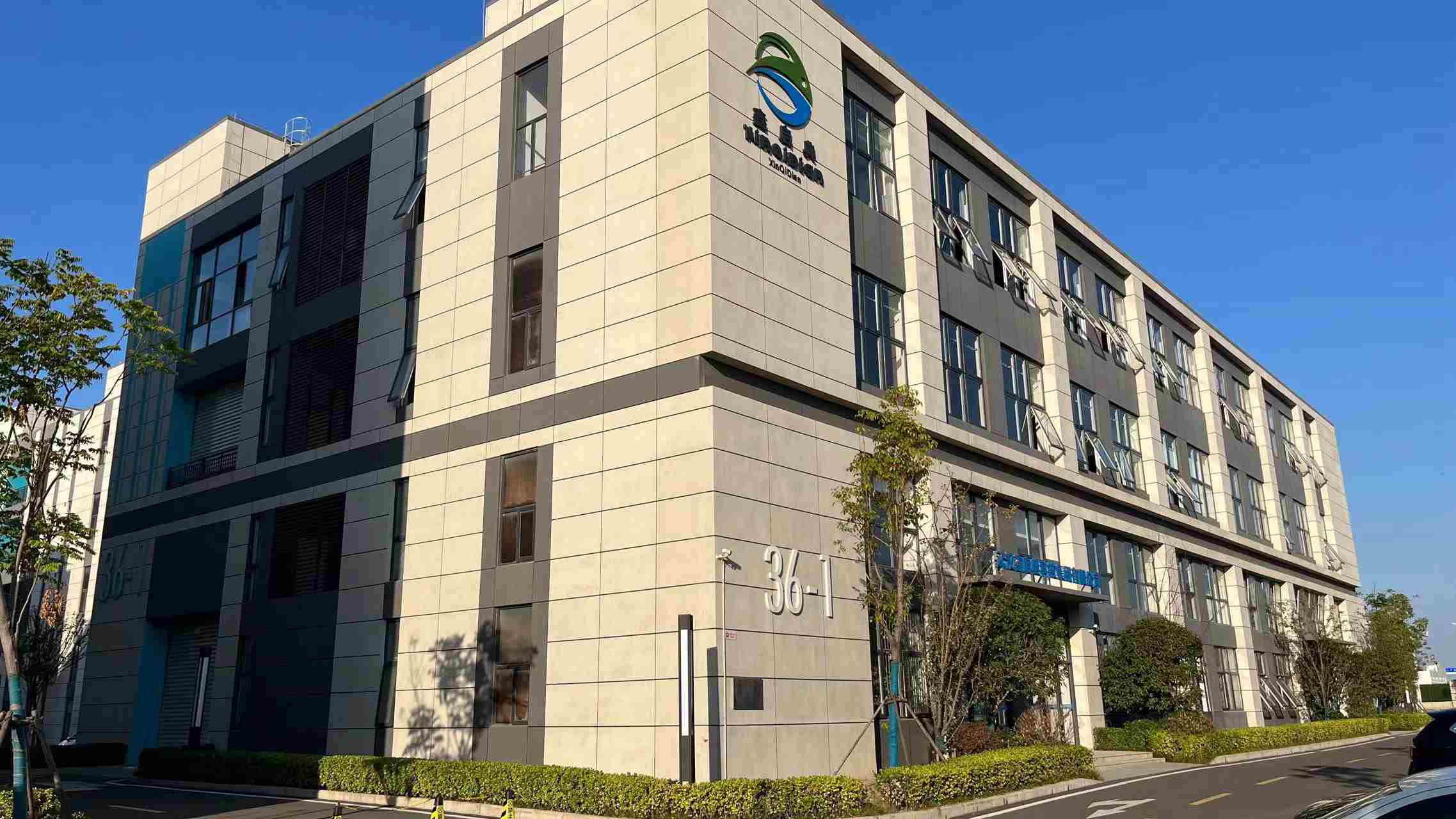
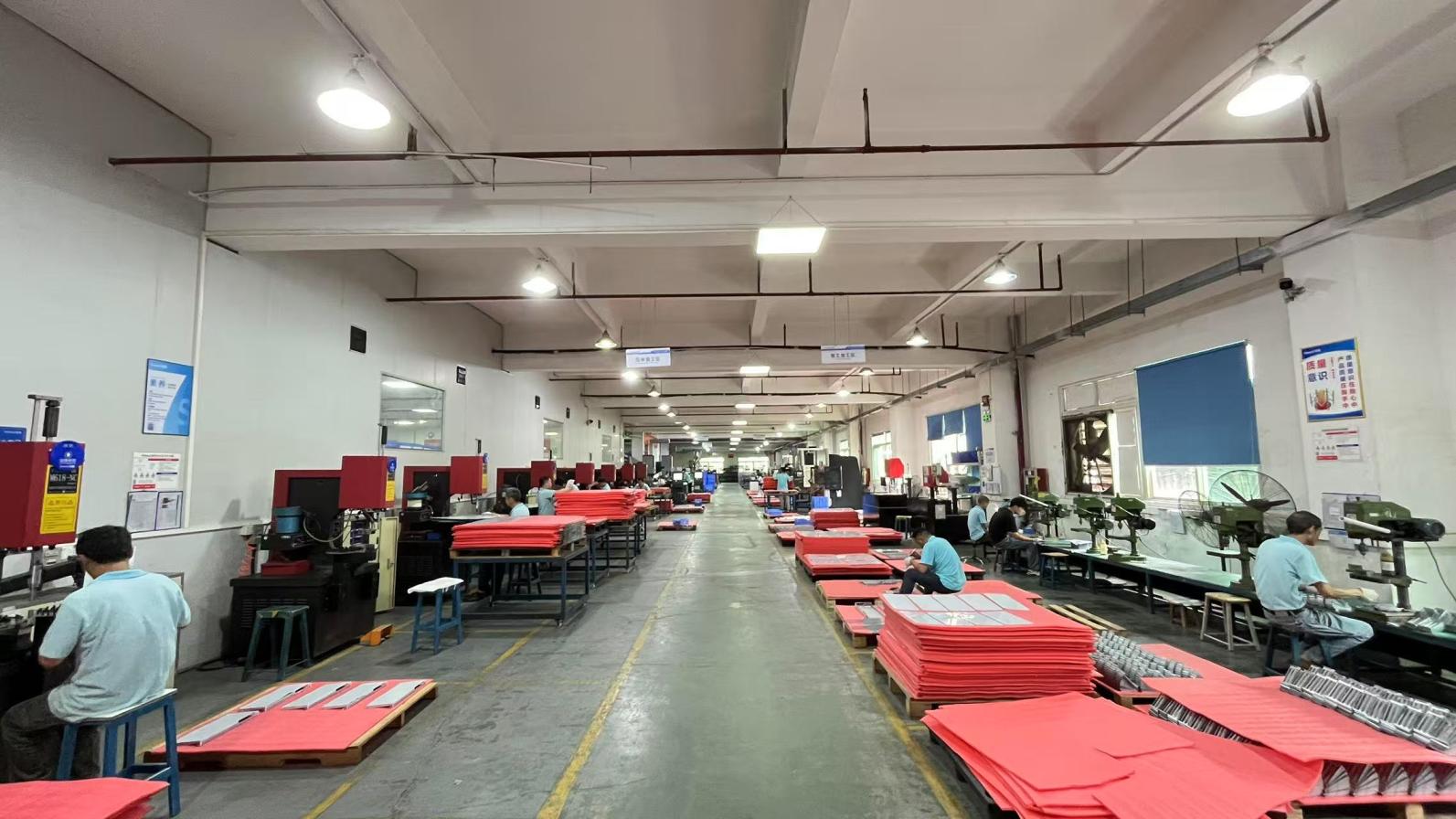
Building high-density computing systems that host global network automation and cloud infrastructure requires seasoned industrial expertise. Established in 2016, NexaGPU is a leading-edge AI GPU server manufacturer and supplier. Our facilities are designed for precision engineering, supporting global scale with robust supply-chain integrations.
Operating a modernized, specialized assembly and testing plant with a building area of approximately 320㎡, NexaGPU focuses on hardware stress verification, thermal management optimization, and high-performance server architectures. With 6 years of direct B2B export experience, NexaGPU serves hyperscale datacenters and system integrators across North America, Europe, Southeast Asia, and the Middle East, partnering with over 850 global supply chain vendors to ensure part availability, hardware resilience, and rapid product lead times.

As enterprises scale their digital footprints, the mechanisms for network configuration and safety must evolve. Modern networks cannot survive on reactive ticketing systems. The future belongs to proactive, self-healing, and self-defending infrastructures.
Shifting from imperative script execution (e.g., Python/Paramiko) to declarative state engines where the system maintains state automatically based on git-stored target configurations.
Replacing traditional SNMP polling with push-based gNMI (gRPC Network Management Interface) for sub-second network observability and instantaneous event detection.
Feeding real-time telemetry metrics into ML microservices running on local GPU infrastructure to automatically adjust routing topology and traffic shapes without human intervention.
Using mathematical validation models to prove network security policies hold true across all configuration states before code is deployed to real switches.
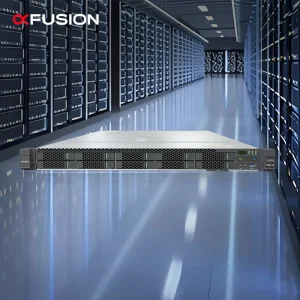
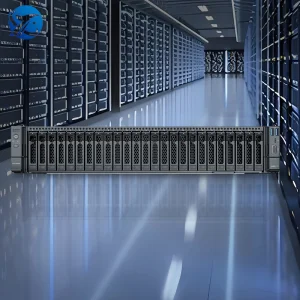
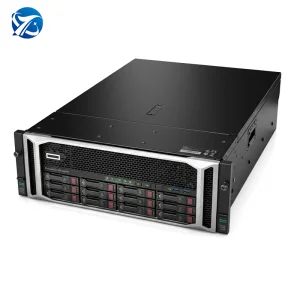
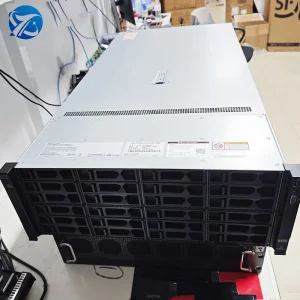
Processing millions of network events, performing real-time deep packet inspections (DPI), and running predictive analytics engine scripts requires dedicated parallel processors. GPU-accelerated computing nodes, like the FusionServer G8600 V7 or the xFusion G5500 V7, enable network operations centers (NOCs) to run large-scale graph neural networks (GNNs). These models map topological dependencies in real time, detecting anomalies and recommending config hotfixes far faster than legacy CPUs can calculate them.
Whether managing enterprise datacenters or regional telecom networks, our infrastructure solutions ensure automation systems run without resource bottlenecks.
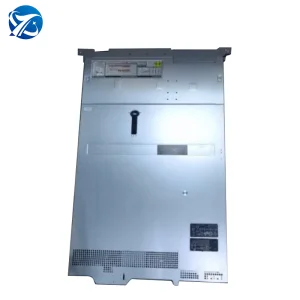
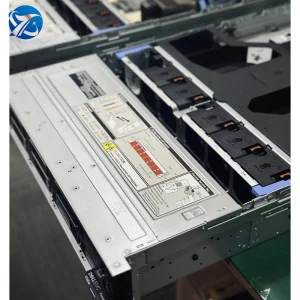
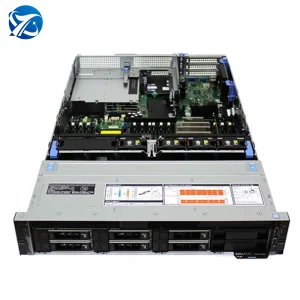
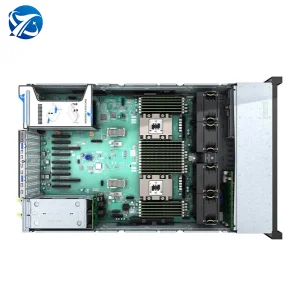
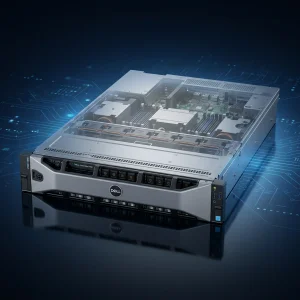
By hosting orchestration applications like Ansible Tower, Terraform Cloud, and custom NetBox instances on high-availability, multi-socket platforms (such as the FusionServer 2488H V5), datacenters can deploy thousands of virtual networks per minute safely and predictably.
Ensuring containerized network functions (CNFs) at edge towers remain functional. Deploying shorter depth computing units allows telecom providers to automate optical path switching, monitor local tower telemetry, and run software-defined WAN (SD-WAN) controllers locally.
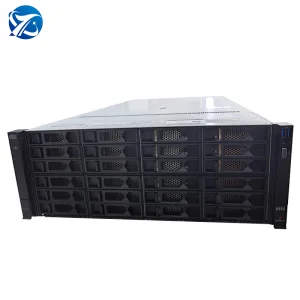
In low-latency environments, microseconds dictate profit margins. Automated network optimization platforms analyze traffic flow paths constantly. High-speed caching units and array storage (utilizing cards like the XC470C-M-8i) feed path-finding heuristics with zero read/write blockages.
Factory floors depend on deterministic networking (TSN) to prevent assembly line collisions. Automation servers deploy zero-trust device onboarding policies automatically to thousands of robotic controllers, cameras, and sensory tools dynamically.
No two enterprise networks are identical. Large cloud clusters require specialized rack configurations, specific cooling standards, and direct chip access parameters. This is where Chinese factories excel, offering agility that large off-the-shelf vendors cannot match.
NexaGPU's specialized engineering workflows focus heavily on custom OEM/ODM configurations. Backed by an active R&D division of 120 engineers, the company launched 85 new product configurations in the past calendar year alone. Key customization points include:
Freedom to match modern Intel Xeon and AMD EPYC processors with Nvidia HGX, PCIe GPU assemblies, or localized accelerator boards depending on localized workloads.
Transitioning from standard air-cooling fans to custom manifold liquid-cooling systems, lowering PUE rating profiles in high-density enterprise environments.
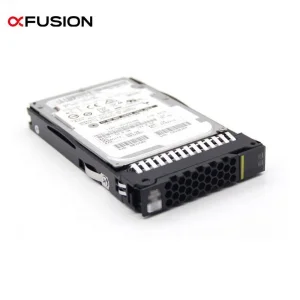
Integrating array cards, SATA/SAS drives, and blazing-fast NVMe arrays (featuring dedicated storage units like the SE005 SATA SSDs) to handle massive logging pipelines.
Configuring PCIe Gen 4/Gen 5 lanes to host 100G/200G SmartNICs, facilitating direct memory access (RDMA) over converged ethernet networks.
Get authoritative answers to the most common queries regarding network automation hardware, server architecture, and manufacturing standards.
While basic scripting scripts run on lightweight virtual machines, next-gen Intent-Based Networking (IBN) and AIOps predictive traffic models run on high-performance GPU servers. These GPU clusters analyze multi-gigabit streaming telemetry datasets simultaneously, detecting malicious network threats and configuring pathways dynamically to avoid bottlenecks.
NexaGPU employs a dedicated QA division of 45 certified QC specialists. Every unit undergoes multi-stage inspections, including physical component stress analysis, high-temperature environmental burn-in trials, and active packet processing validations before shipment. This rigorous control is backed by NexaGPU's 11 years of structural industry experience.
Yes. NexaGPU hosts an engineering pool of 120 R&D innovators. We offer complete custom OEM/ODM packaging, customizable motherboard components, tailored memory allotments, targeted SAS/SATA RAID array choices, and bespoke chassis design specs to match localized rack configurations.
For heavy data ingress, we recommend pairing high-speed SSDs (such as the SE005 series SATA 6Gb/s read-intensive drives) with reliable PCIe RAID controller cards. This setup prevents disk write queues from bottlenecking during unexpected network event storms or DDoS attacks.
Rack layout dimensions, power consumption limits, and port alignments vary depending on the datacenter's generation. Customized design templates allow enterprise operators to slide systems directly into legacy rack architectures without re-cabling or exceeding electrical capacity ceilings.
Build a reliable physical layout with high-speed SSD arrays, expansion boards, and modern rack-mounted host platforms.