NexaGPU
NexaGPU
NexaGPU
Discover NexaGPU's elite tier of server platforms and computational modules. These selected high-density nodes form the structural core of scalable enterprise infrastructures, engineered to interface with modern software-defined load balancers and traffic delivery controllers.
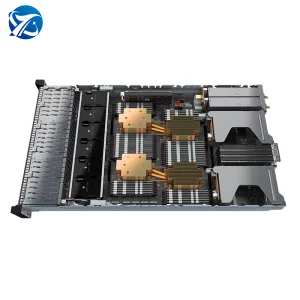
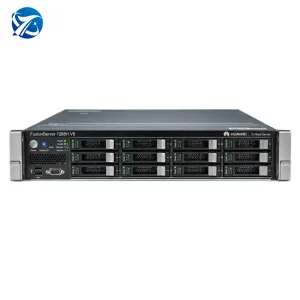


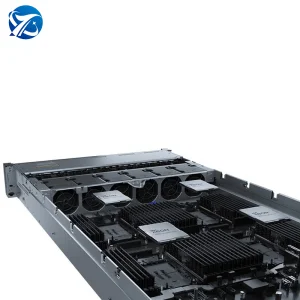
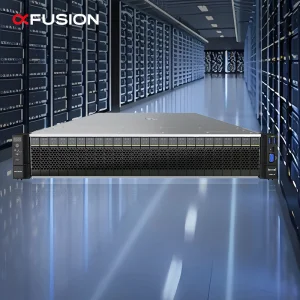
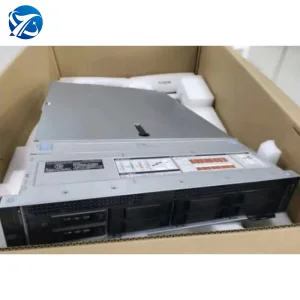
In the era of hyper-scale computing, the core concept of load balancing has evolved from basic L4 packet routing to intelligent, Layer 7 application delivery control. Hardware load balancers act as the critical gateway for modern data operations. They manage traffic density, optimize SSL/TLS termination, and protect server farms from distributed denial-of-service (DDoS) events. As artificial intelligence models scale exponentially, the role of load balancers has expanded to address low-latency GPU cluster communication, microservice traffic distribution, and persistent storage synchronization.
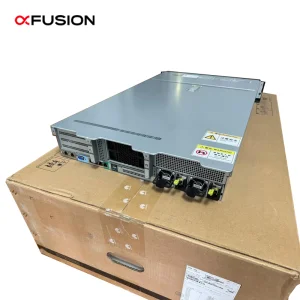
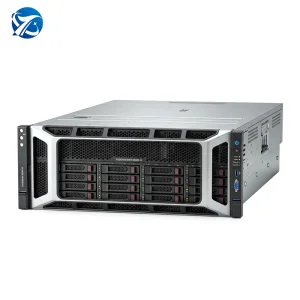
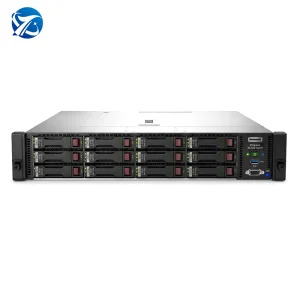
Global cloud structures, machine learning platforms, and high-volume e-commerce nodes demand hardware load balancing solutions that guarantee high availability and zero-loss packet delivery. The integration of advanced servers, such as the xFusion FusionServer series and HPE ProLiant platforms, with highly efficient load-balancing algorithms forms the infrastructure foundation of modern enterprise operations. Without structured load balancing, high-performance computing clusters experience bottleneck issues, which leads to degraded hardware efficiency and system downtime.
Advanced hardware platforms support native SSL offloading and TCP multiplexing. This transfers computational pressure away from web application nodes, ensuring response times remain below sub-millisecond thresholds.
Modern load balancers act as the first line of defense. They utilize hardware-accelerated rate limiting, web application firewalls (WAF), and IP filtering to neutralize complex cyber threats before they reach database clusters.
Geographical traffic distribution routes user requests to the closest physical datacenter based on dynamic telemetry. This ensures global users experience fast load times and uninterrupted availability.
As a premier AI hardware developer and supplier, NexaGPU specializes in high-performance computing environments, complex GPU server clusters, and tailored server configurations. Our technological solutions power global enterprise networks, modern colocation datacenters, and artificial intelligence development firms.
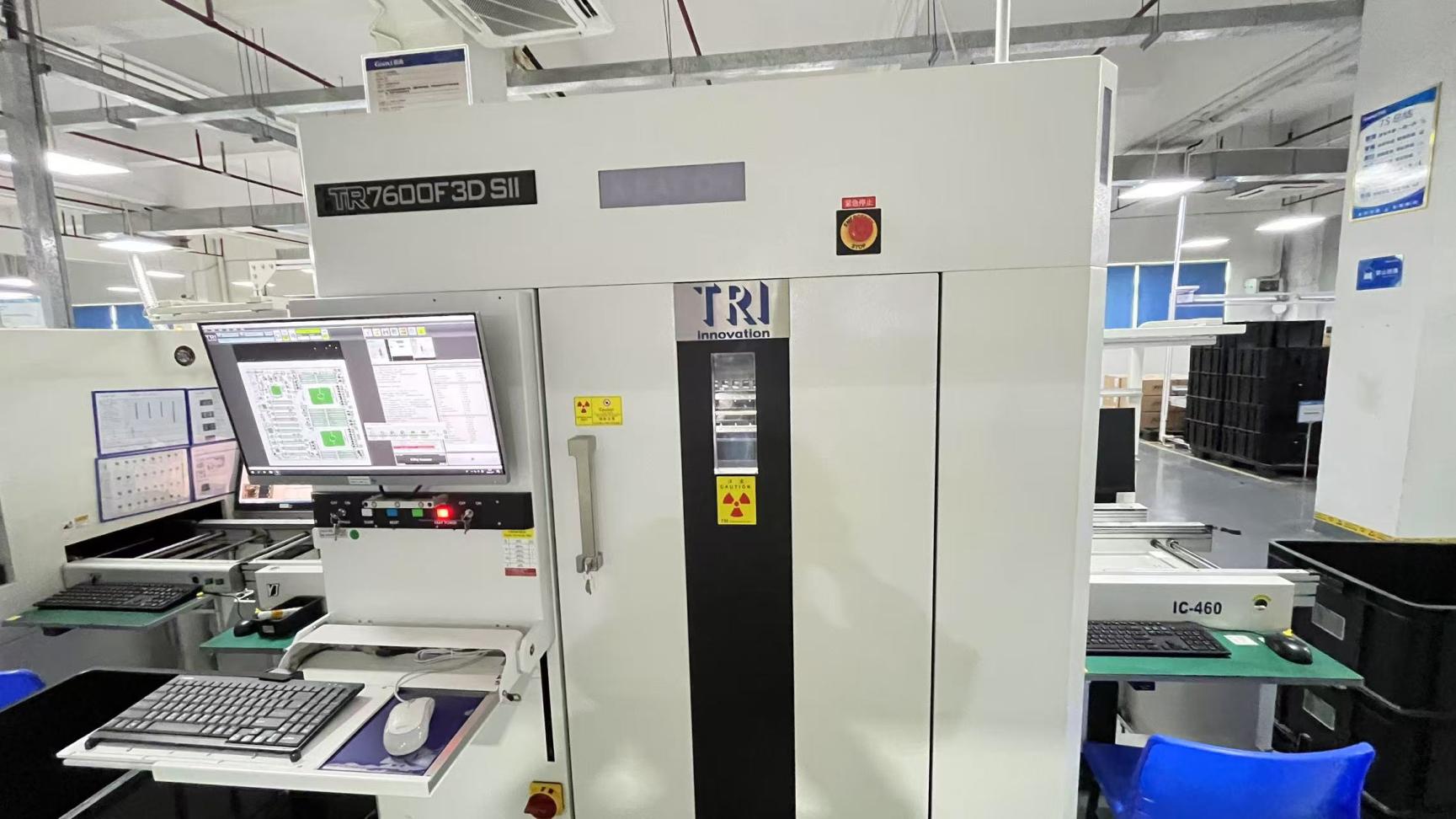
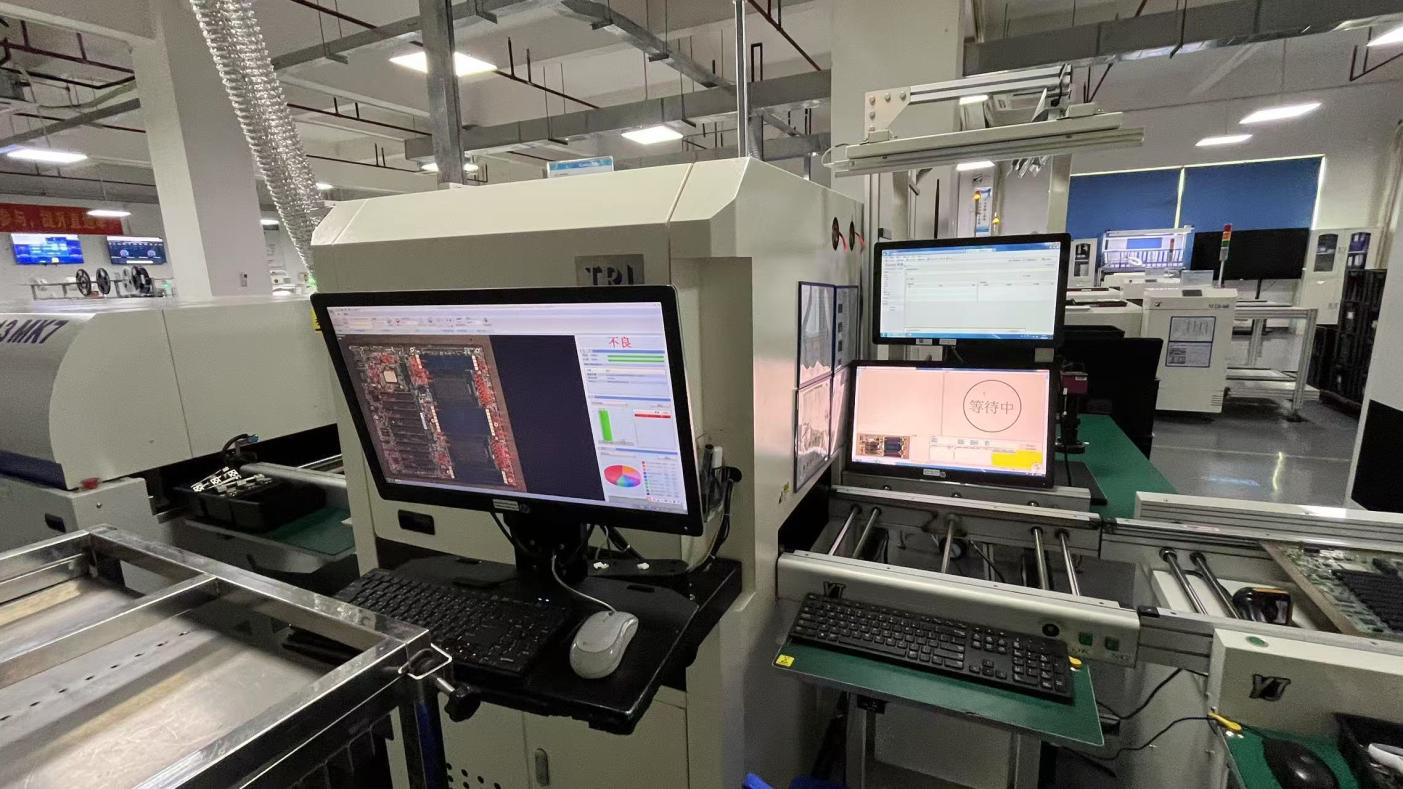
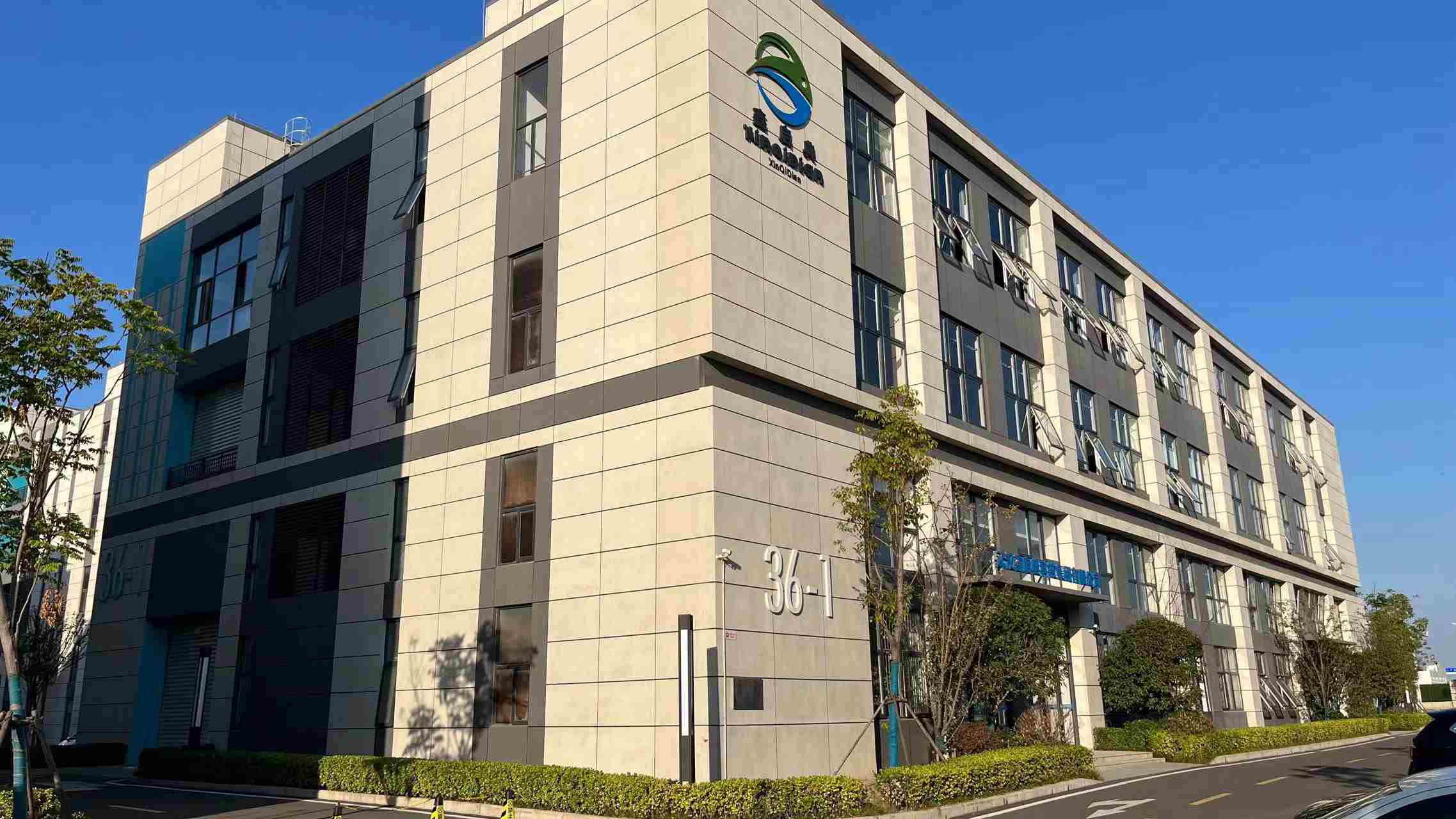
Operating out of a highly optimized facility designed for technical precision, NexaGPU implements advanced testing procedures to maintain reliability. Our multi-stage validation covers thermal profile optimization, high-load system stress analysis, and structural motherboard diagnostics. Working closely with over 850 premium supply chain partners (including primary chipsets, chassis, and cooling component manufacturers), NexaGPU ensures supply chain stability and rapid shipping turnarounds.
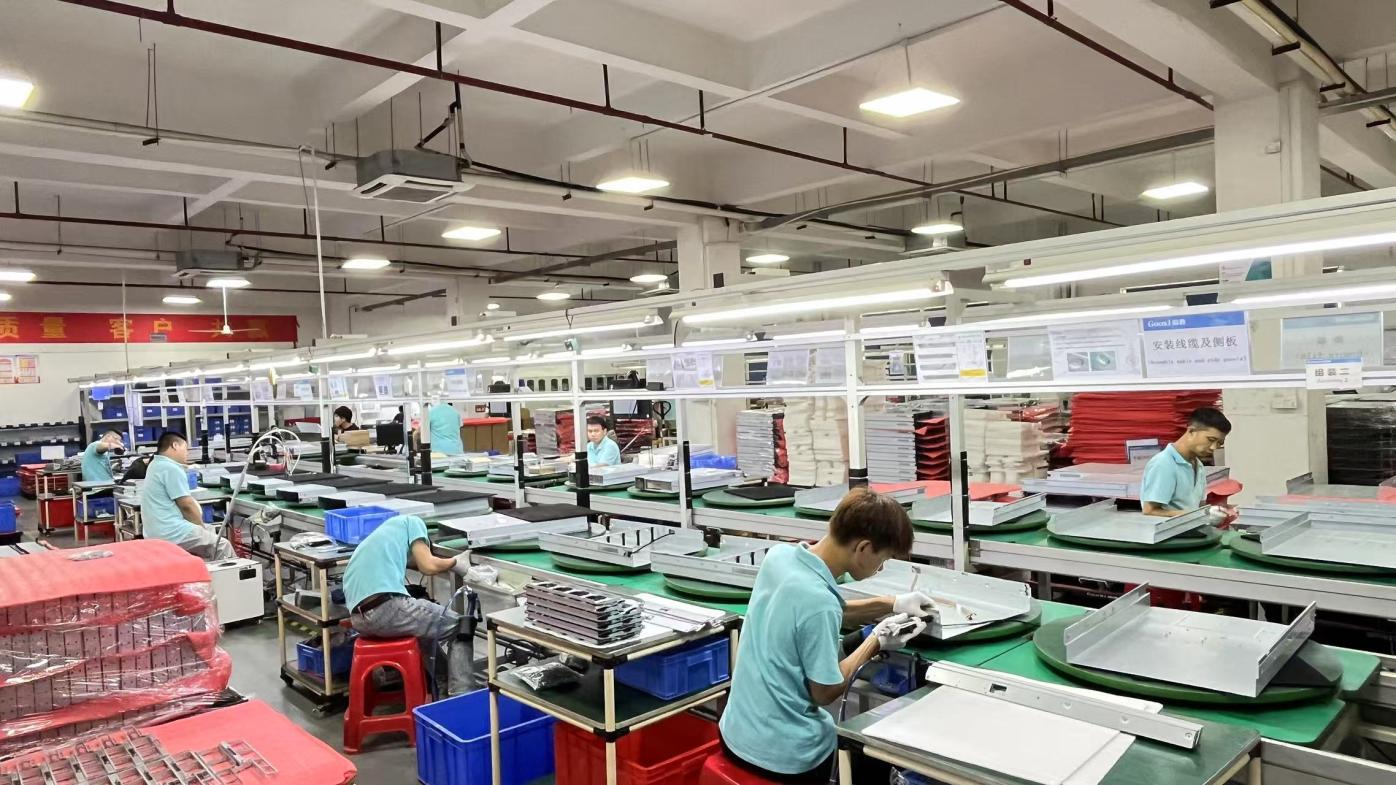
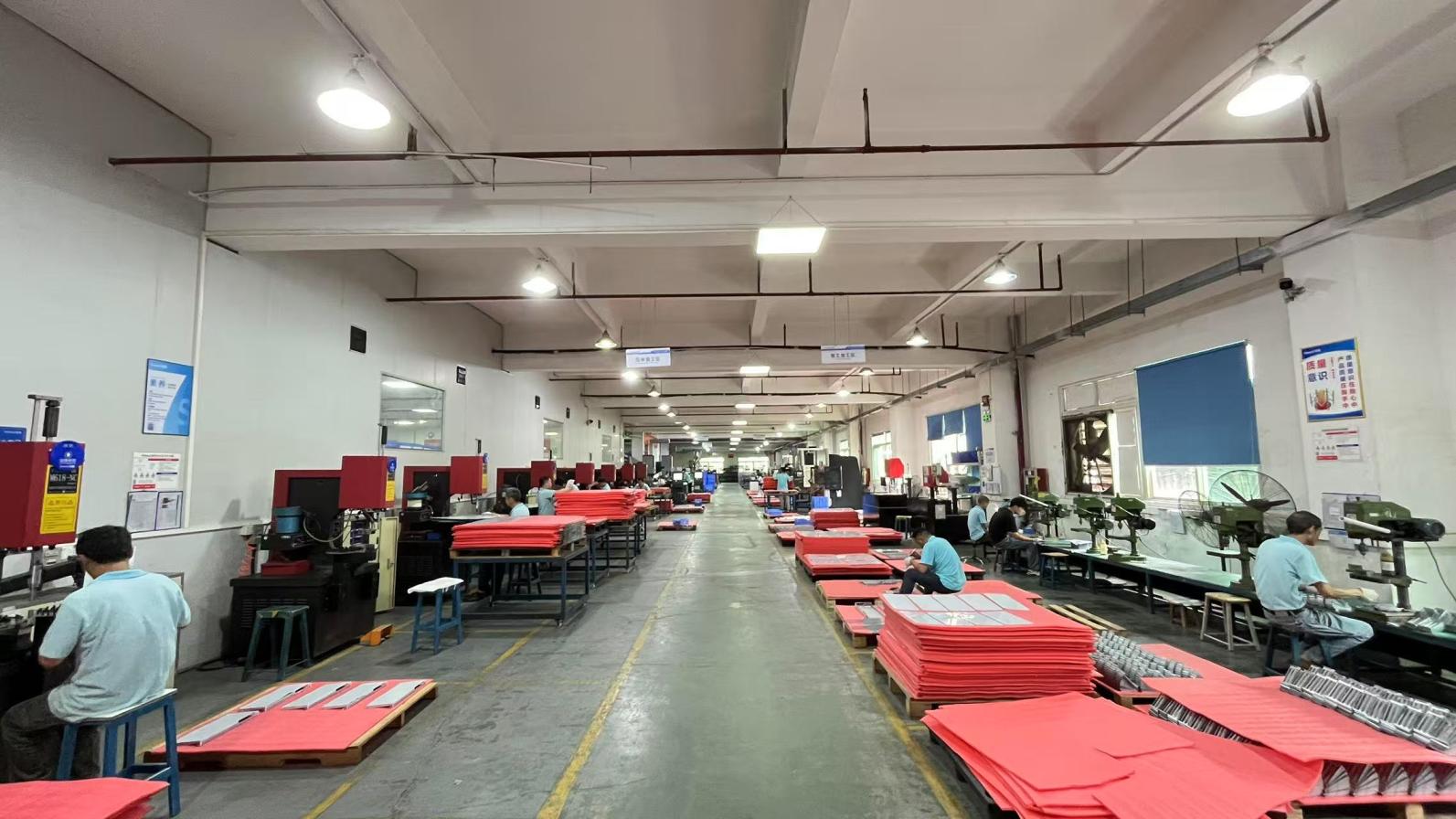
Our production facilities utilize modern manufacturing processes to maintain quality and hardware consistency. The combination of precision robotics, climate-controlled testing areas, and modular assembly platforms allows NexaGPU to quickly scale production to meet large enterprise demands. This infrastructure minimizes production delays, ensuring client systems are delivered on schedule.
By positioning our operations within China's primary hardware manufacturing corridors, we leverage deep regional logistics and component access. This integration allows us to customize server designs, integrate specialized cooling systems, and implement custom storage configurations. Our clients receive high-performance hardware systems optimized for their specific application workloads.
Our enterprise computing nodes and hardware configurations are designed for deployment in intensive, high-throughput technical settings:
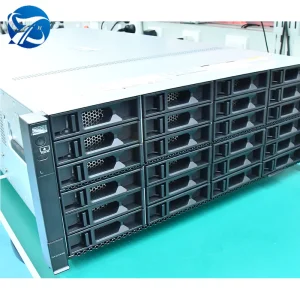
High-density computing servers demand robust database organization. Using our enterprise SAS/SATA RAID array configurations (such as the XC470C-M-8i), clusters manage large datasets and checkpoint files while maintaining system data integrity.
Real-time video analytics platform deployments require high-speed data access. Our specialized server configurations utilize high-end storage arrays and memory cards to minimize processing latencies during multi-channel camera analysis.
Datacenters routing millions of daily visitors rely on high-capacity servers coupled with hardware load balancers to distribute traffic load, ensuring stable application delivery during peak request periods.
Explore answers to common technical, manufacturing, and configuration questions received from enterprise IT buyers:
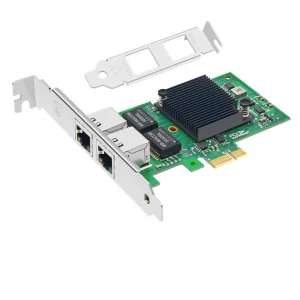
Our systems, including the xFusion and HPE ProLiant series, are built with PCIe Gen 5 and advanced networking controllers to handle the high data throughput required for load balancing. They integrate seamlessly with software-defined networking (SDN) and application delivery controllers (ADC) to route traffic efficiently across clusters.
We recommend using enterprise SAS 12Gb/s HDD or SSD configurations combined with hardware-level RAID cards (such as the XC470C-M-8i with 4GB cache). This setup balances read/write speeds, offers redundant data pathways, and prevents bottlenecks under heavy compute tasks.
Liquid cooling systems, such as those in the HPE ProLiant DL360 Gen12, remove heat directly from processors and components. This thermal management allows servers to run at higher compute densities and clock speeds while lowering overall datacenter cooling energy costs.
NexaGPU's QA program, managed by 45 specialists, includes stress tests, thermal profiling, and system-level diagnostics. Every unit is run under full-load simulations to verify component stability prior to shipment.
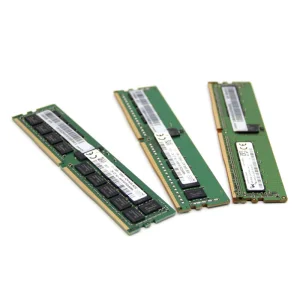
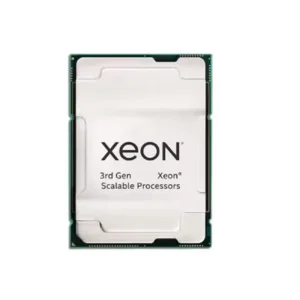
Yes. Supported by 120 R&D engineers, we customize CPU models, RAM sizes (such as DDR4 or DDR5 RDIMMs), storage expansion layouts, PCIe expansion, and cooling systems to meet specific enterprise workloads.
Below are additional high-performance servers, accelerator platforms, and memory modules. These items are designed to optimize computational pipelines and ensure reliable application delivery across complex enterprise infrastructures.